Start with the roof condition
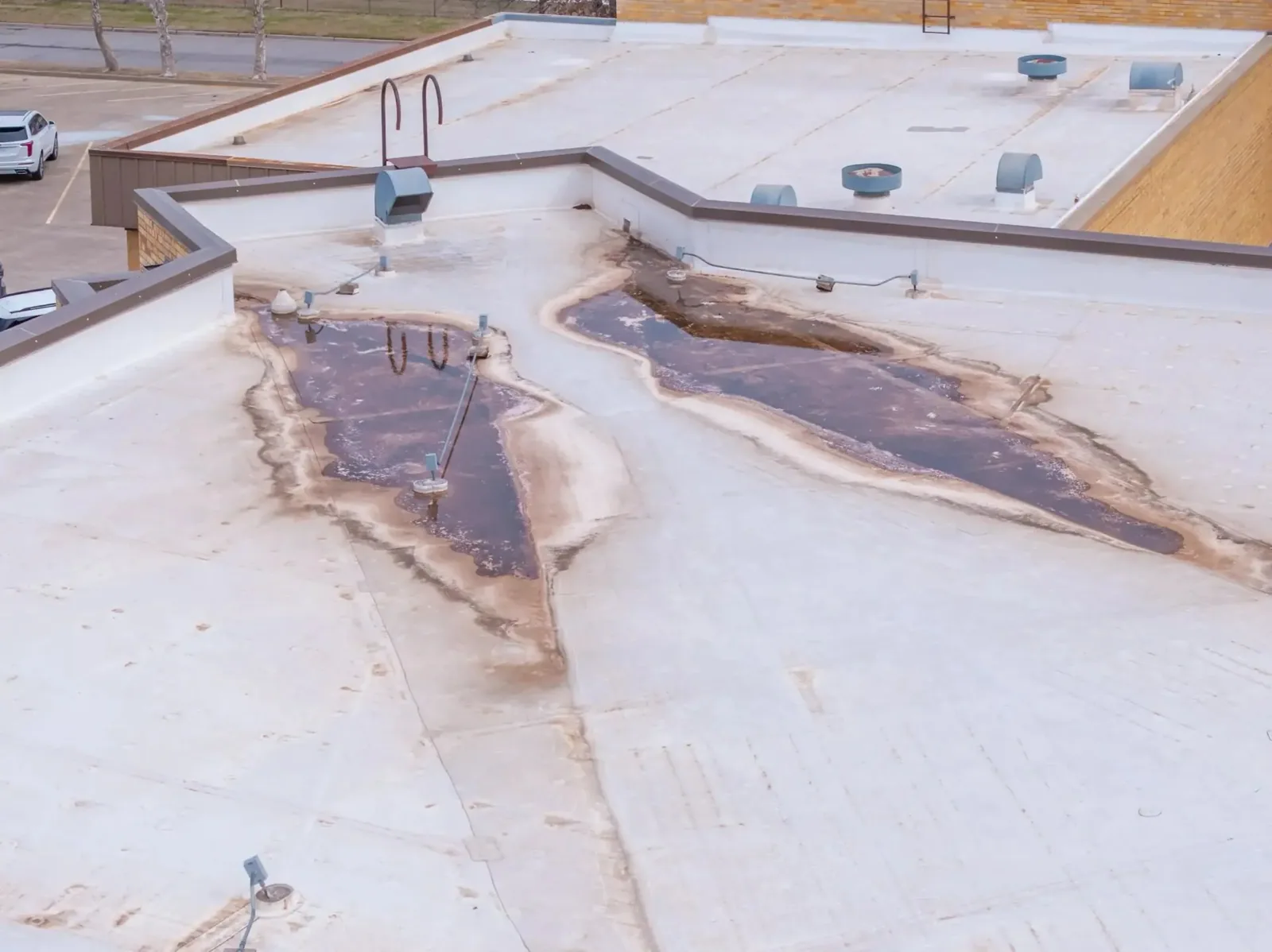
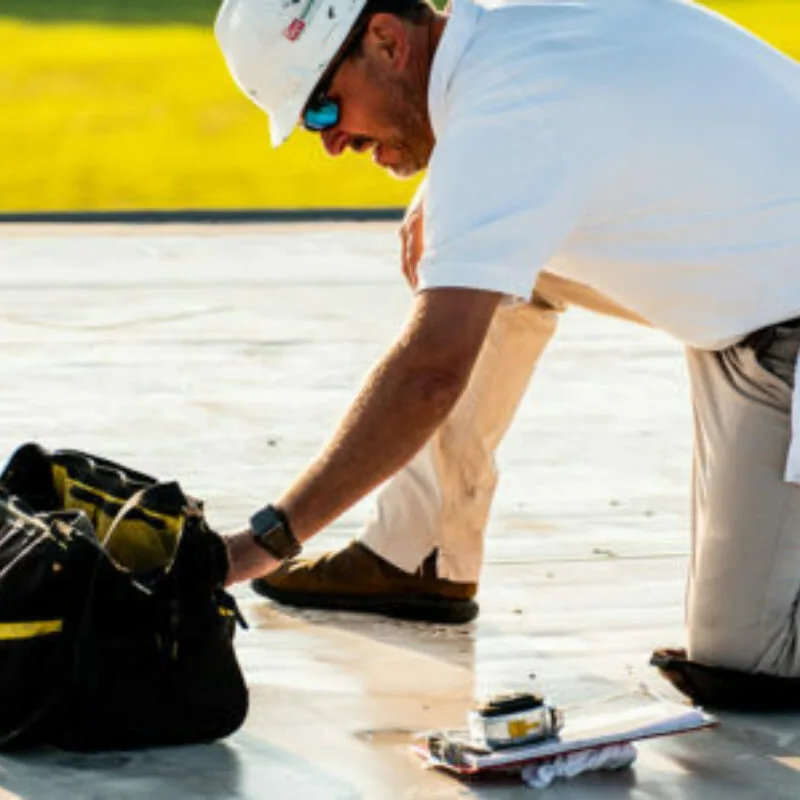
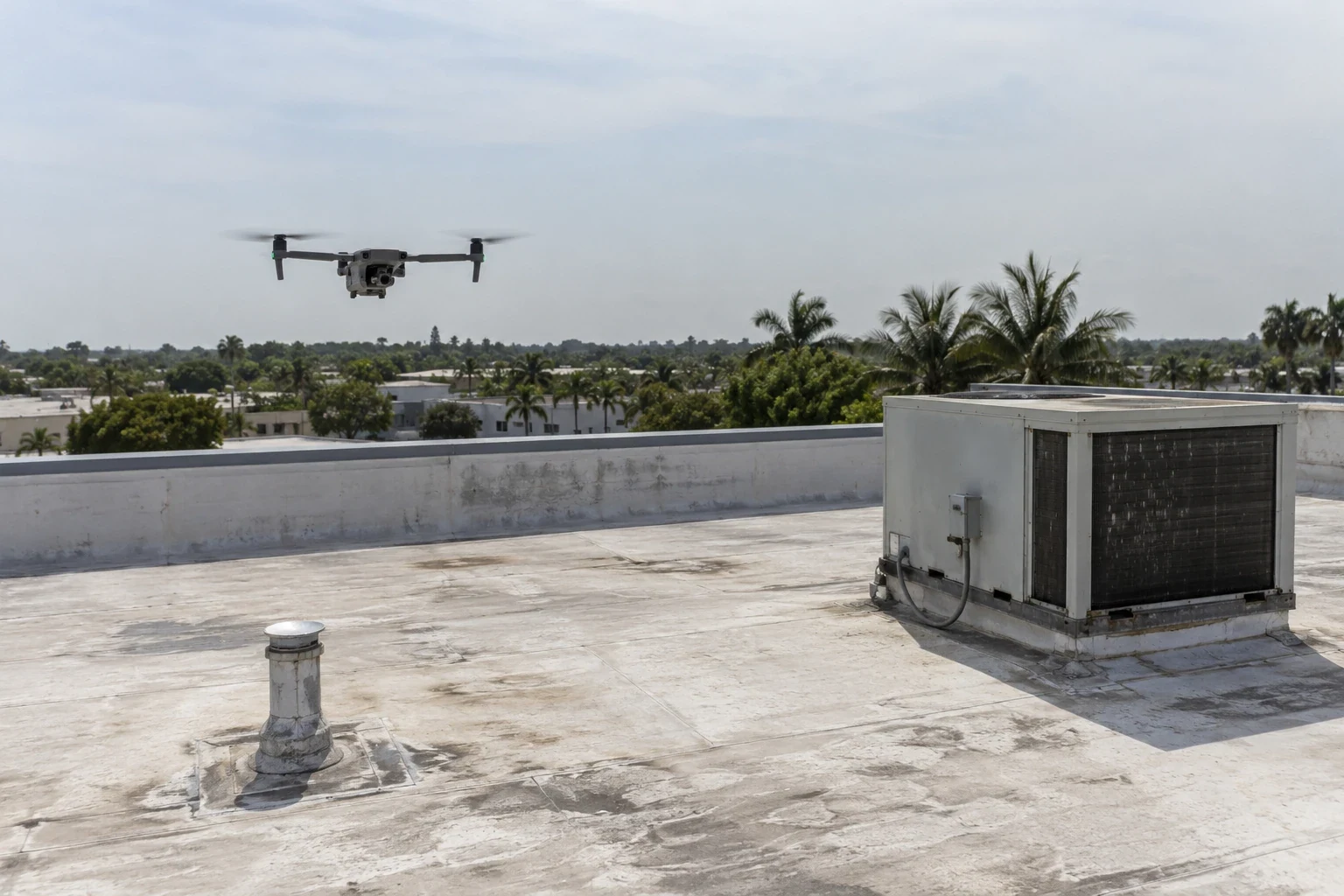
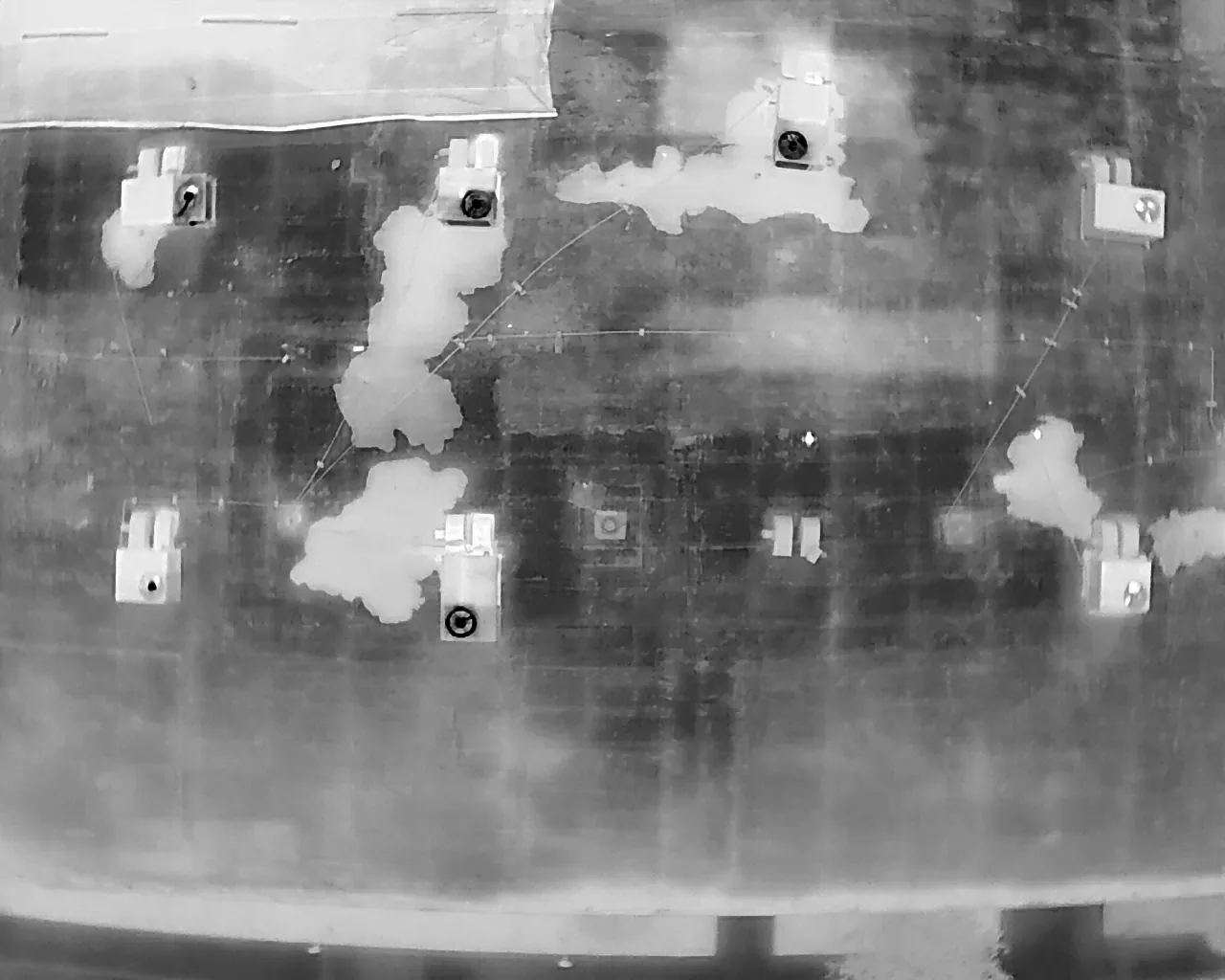
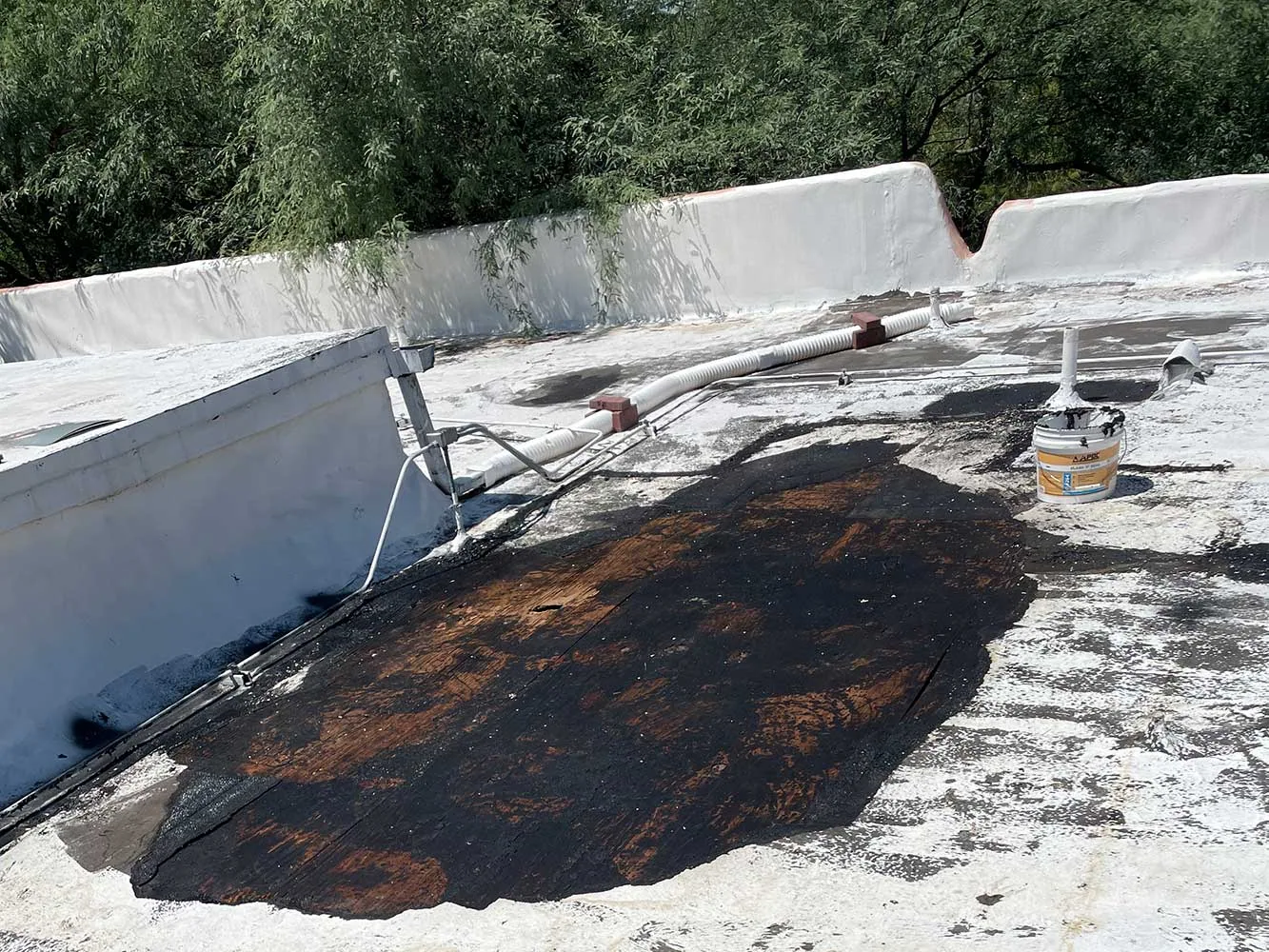
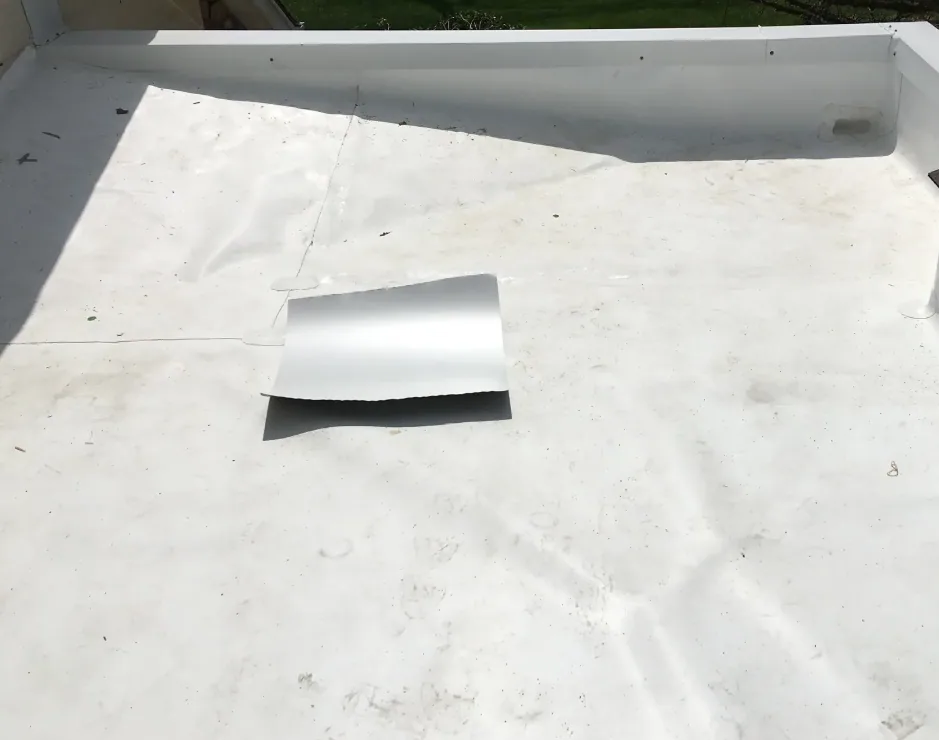
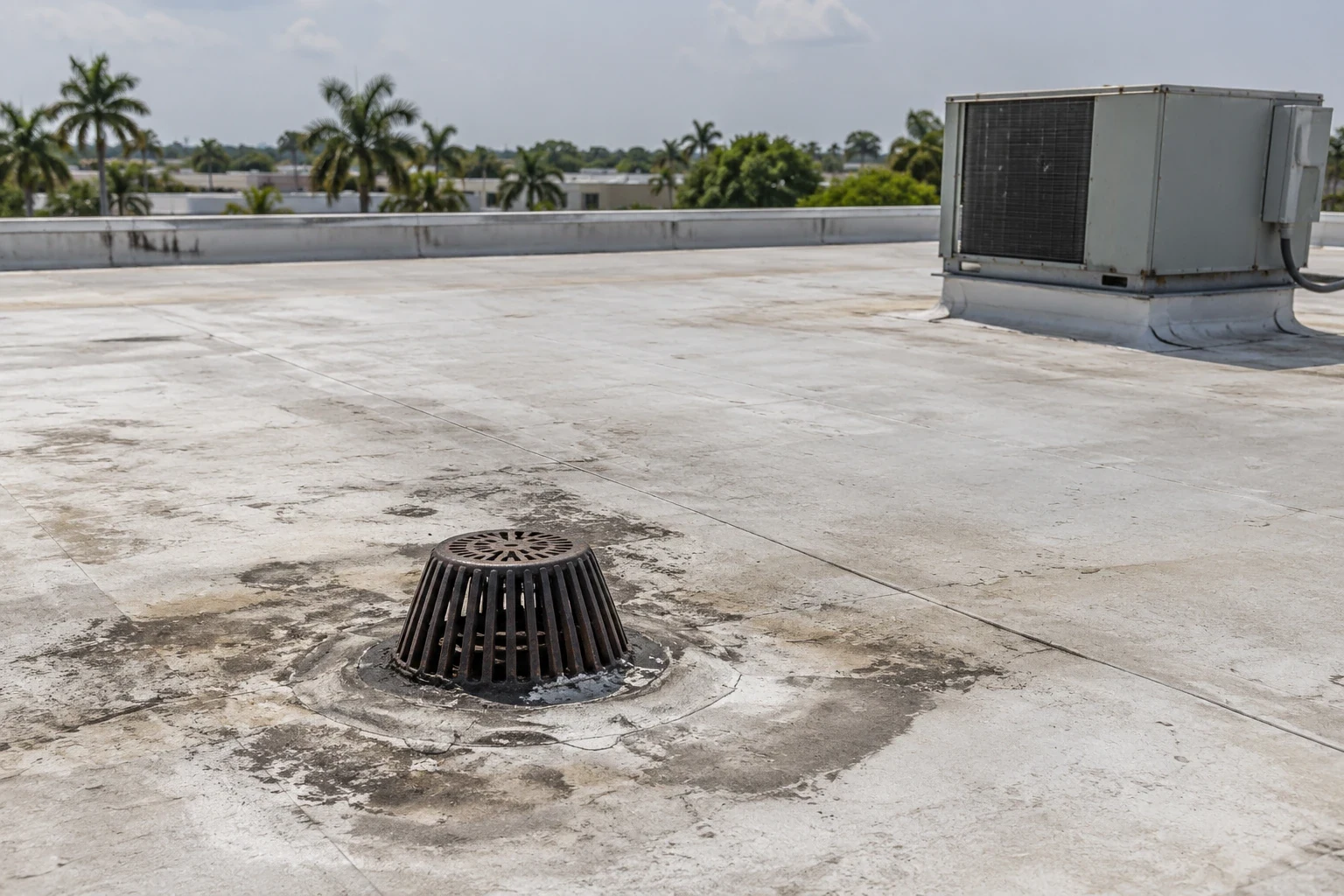
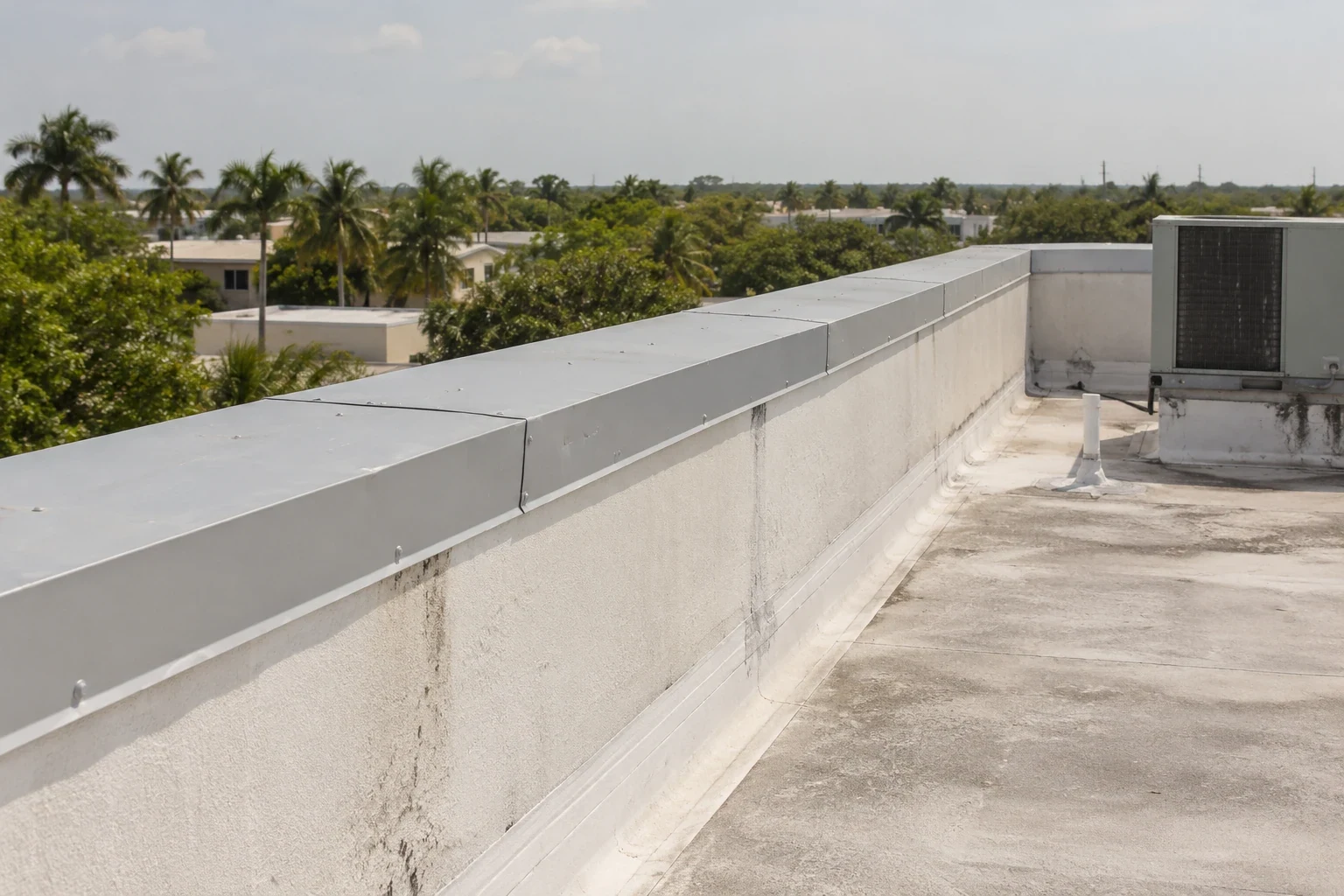
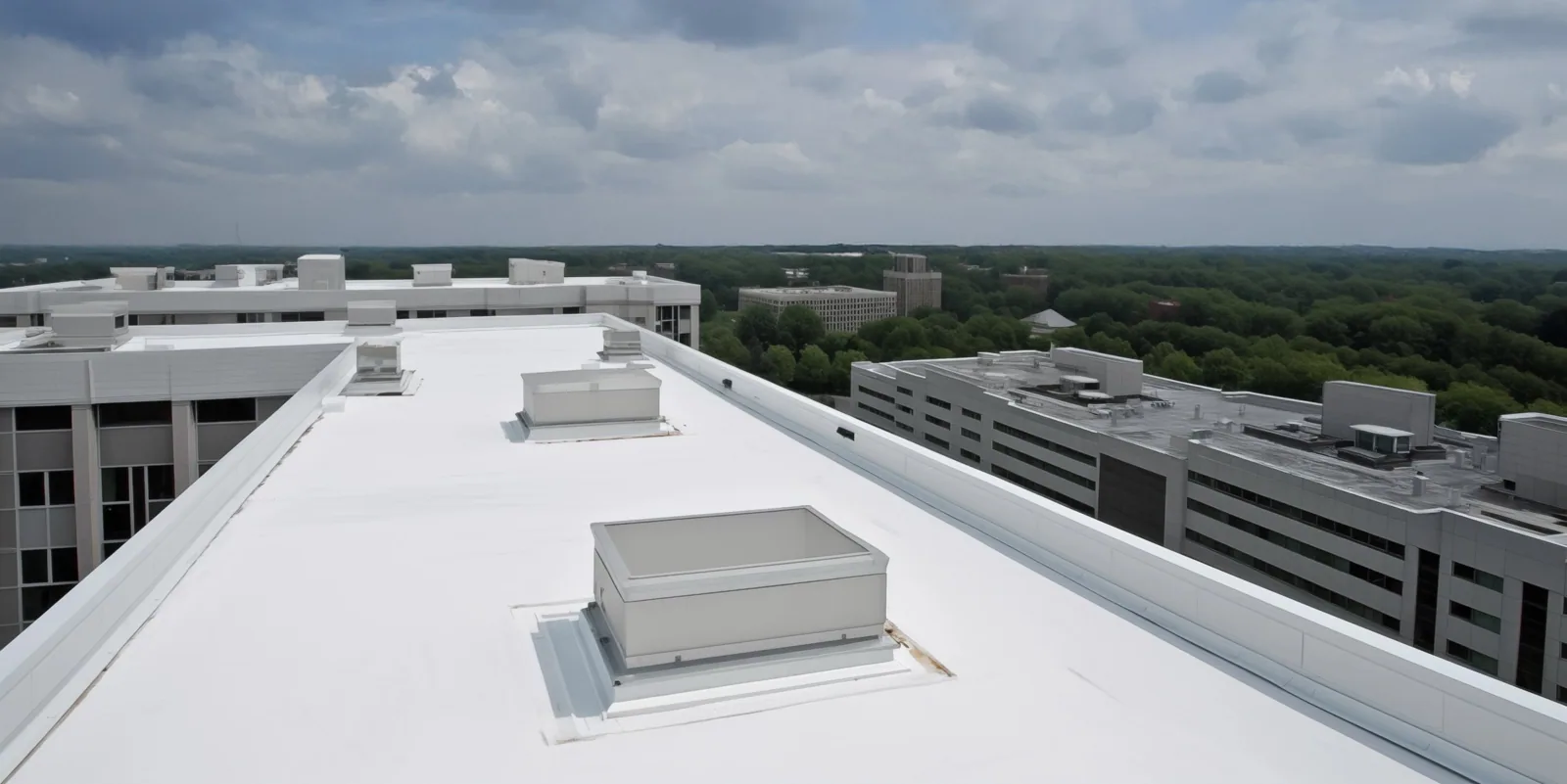
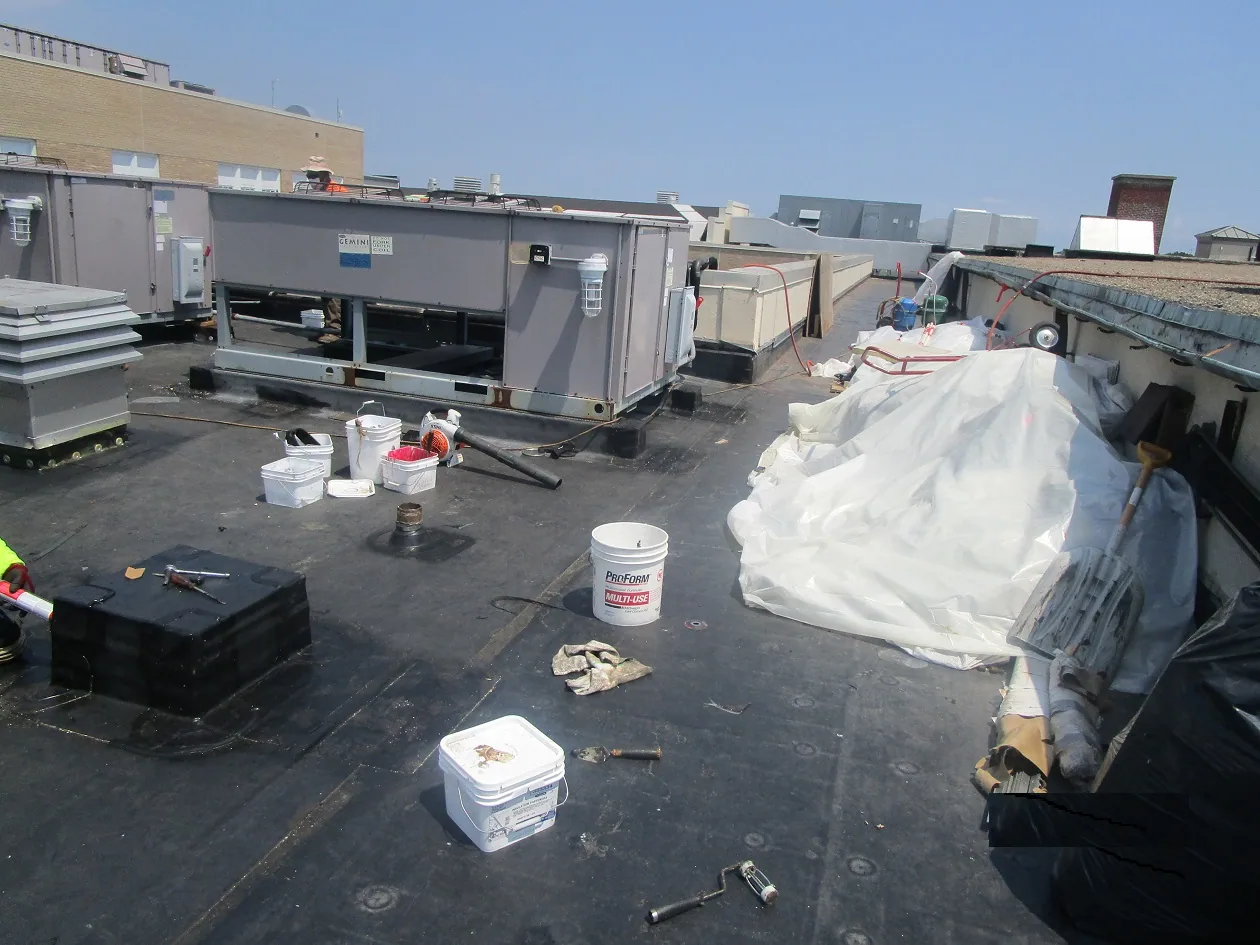
A written commercial roof inspection records seams, edge metal, drains, flashing and visible repairs with photos. If a leak is active, a leak repair evaluation traces the likely entry point and separates immediate protection from permanent work. When moisture beneath the membrane could change the repair boundary, an infrared moisture survey can identify candidate zones for confirmation.
We mark what is confirmed and what stays concealed. A test cut shows the layers at that point, not across the whole roof. That distinction keeps repair quantities tied to evidence and makes the next decision clearer for the owner.
Compare the work paths
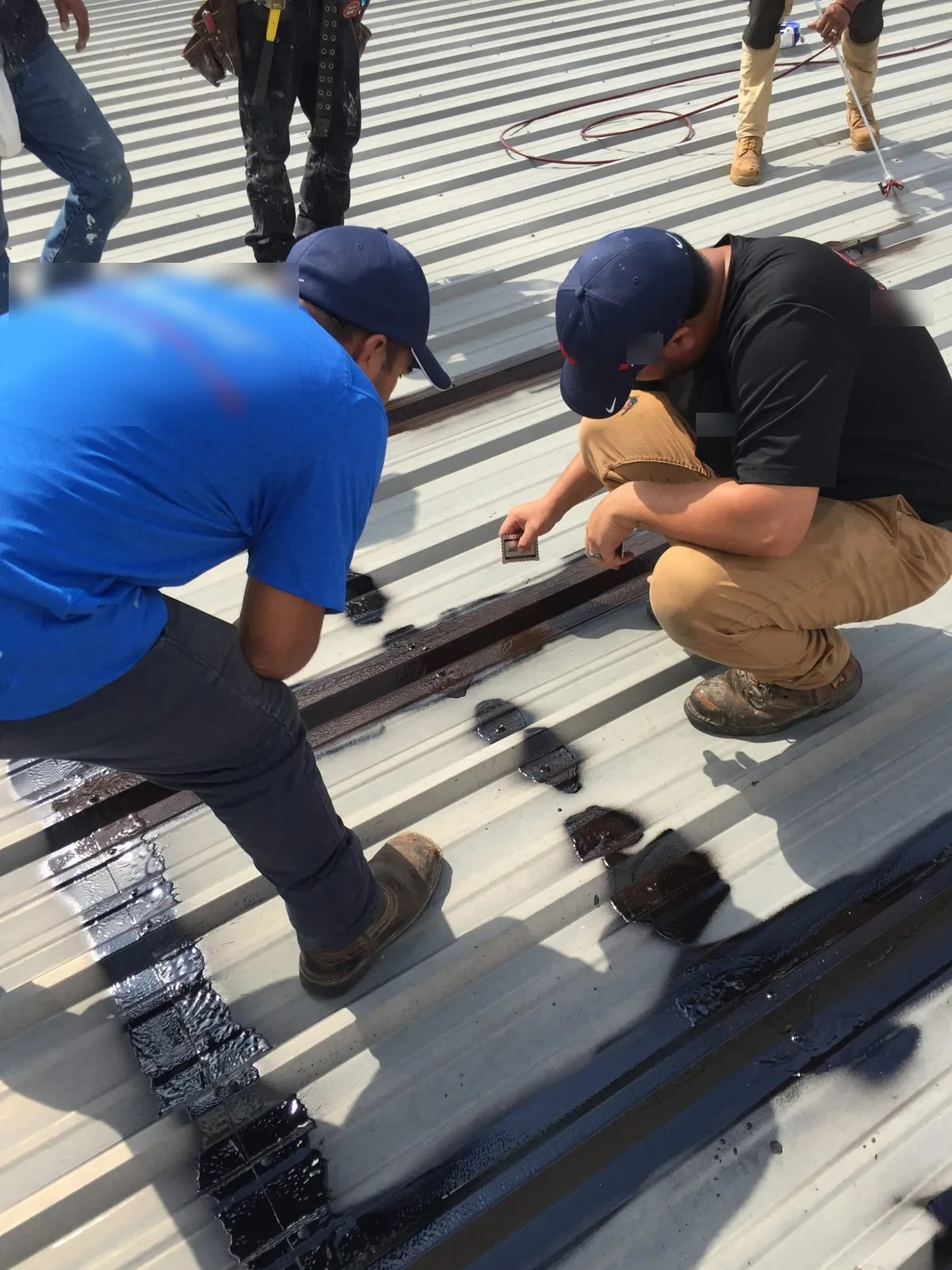
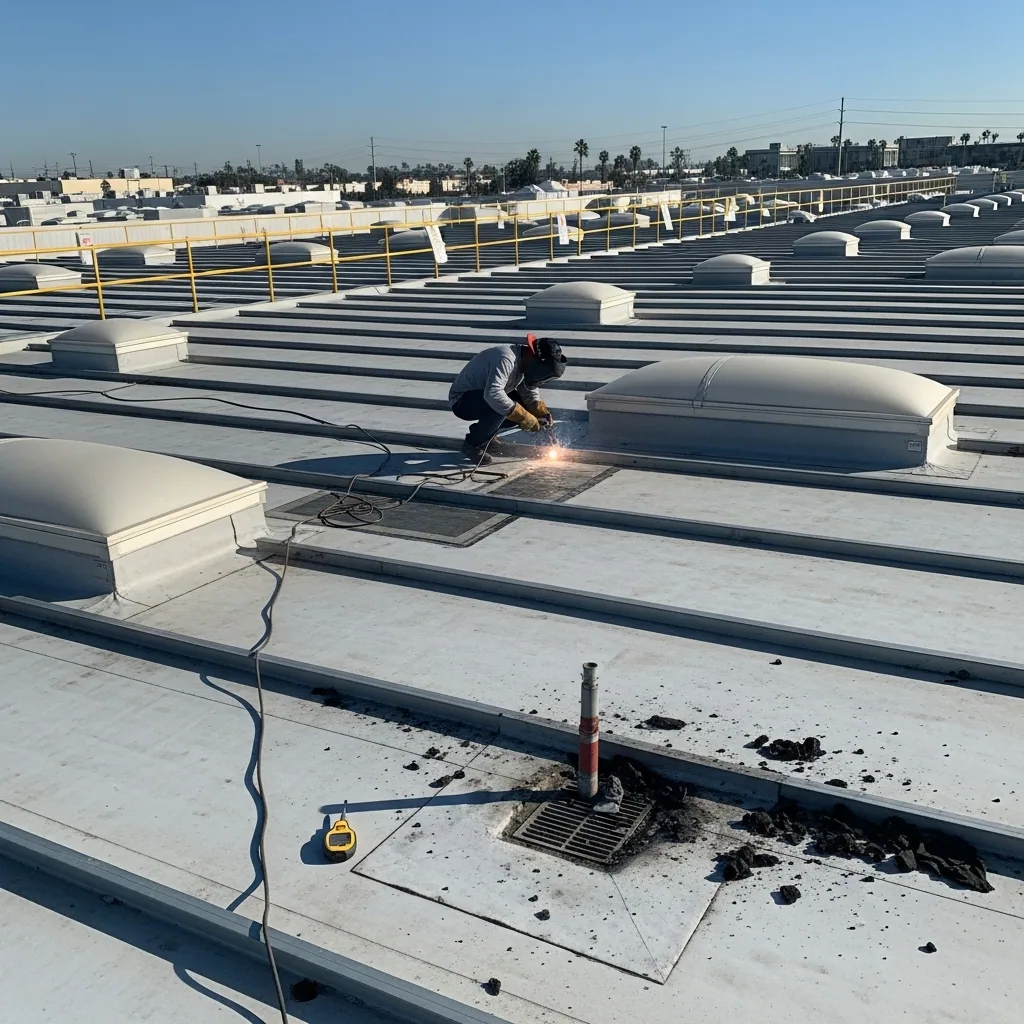
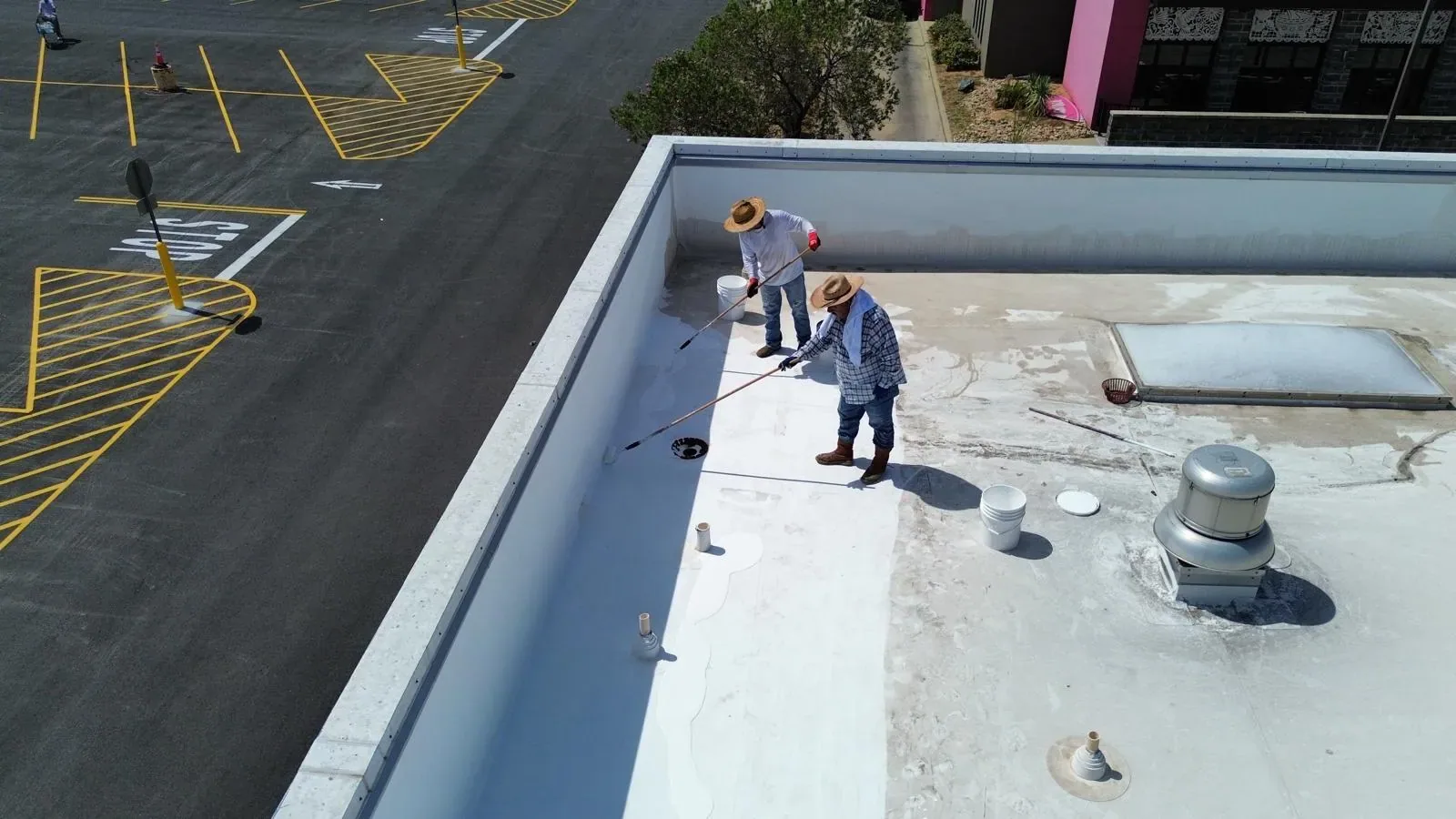
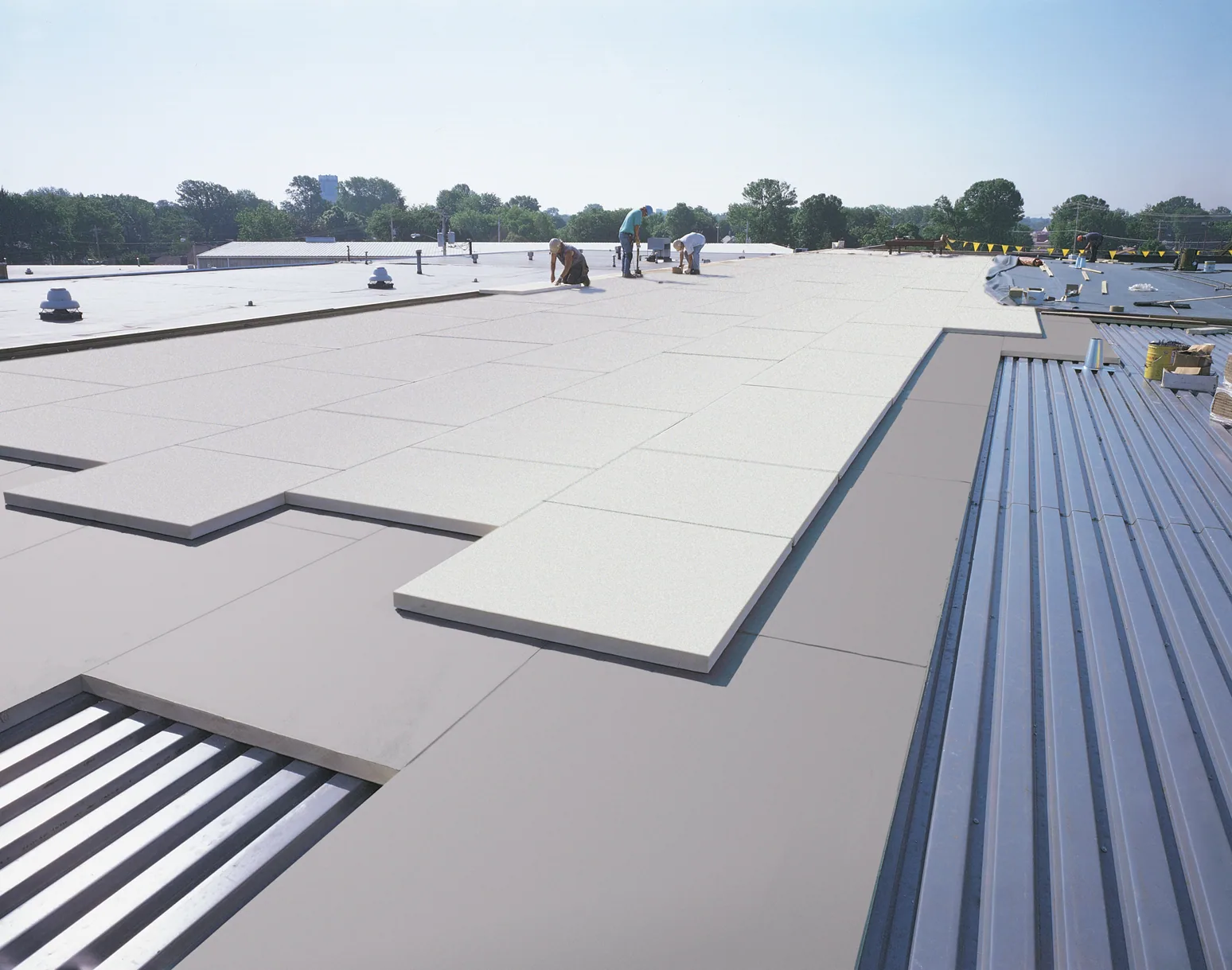
A localized commercial roof repair may fit a bounded failure when surrounding material supports a sound tie-in. Broader moisture, repeated leaks or poor attachment can point toward replacement. A recover assessment checks existing layers, deck, drainage and code before considering an added assembly. A coating depends on a dry, stable substrate; it will not correct concealed wet insulation or a weak deck.
For occupied buildings, reroof sequencing sets work zones, notices, cleanup and daily close-in. We compare staging and phasing with the access route, roof area, height, tear-off and disposal. The proposal identifies assumptions that may change after the roof is opened.
Keep the work boundary manageable
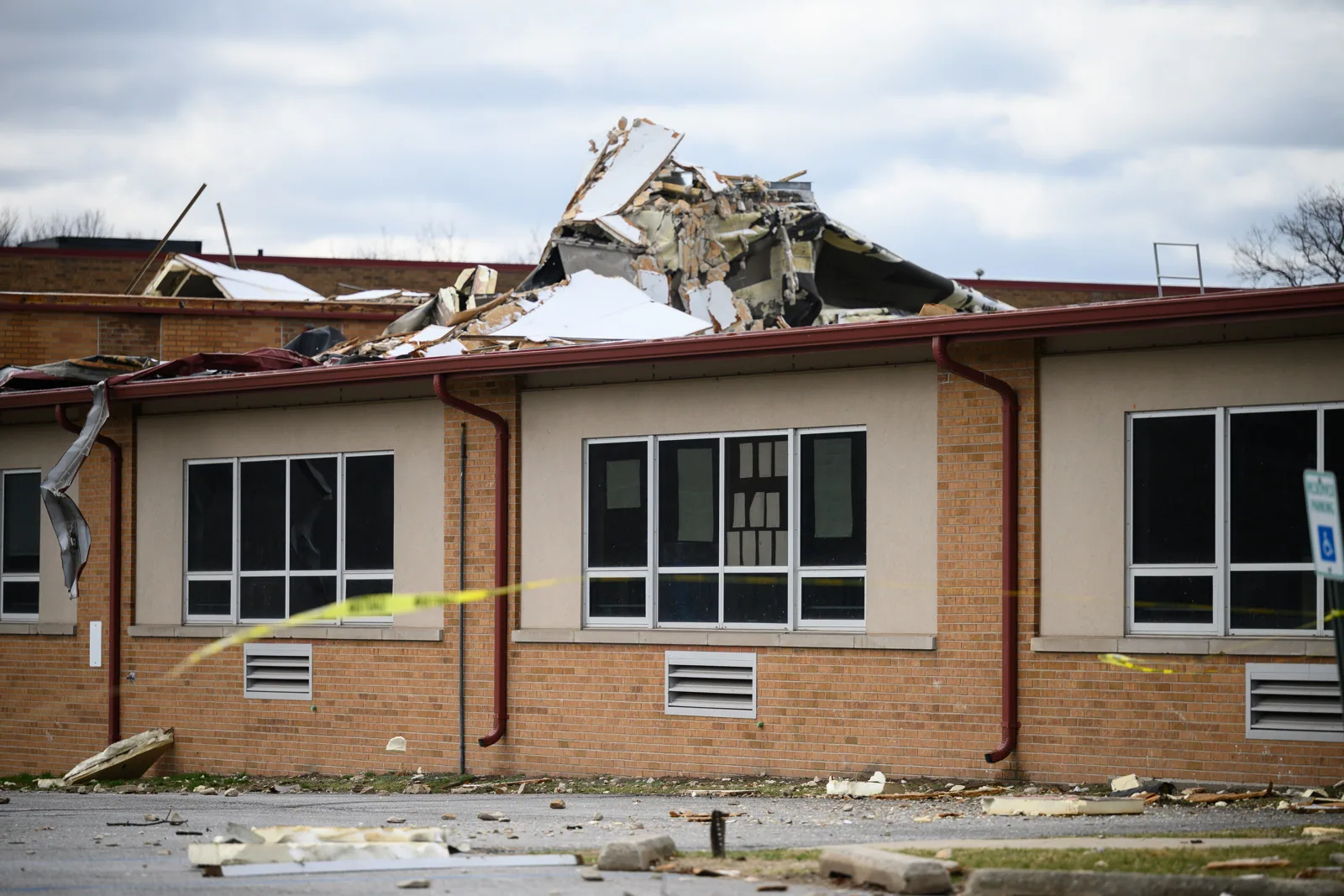
Coral Springs combines wet-season rain and tropical-system exposure with HVHZ roofing requirements. A re-roof also includes sheathing re-nailing, so we confirm permit and assembly details before work starts. We verify the permitted assembly and address-specific requirements before work. During installation, crews set a close-in point and protect the active area when a forecast shortens the work window.
Leave a usable roof record
Closeout photos identify repaired details, roof zones and conditions left outside the approved scope. Preventive roof maintenance can revisit drains, seams and prior repairs between major projects. For a site visit, send the building location, entry method, leak onset or storm date, and any hours the crew must avoid. At Coral Springs Commerce Park or around Sawgrass Mills, the specific building contact still confirms the route and work window.
Commercial Roofing Questions
What should I send before a roof walk?
Start with the address, the active leak or storm date, roof entry instructions and operating restrictions. We will confirm the contact and what access the inspection needs.
Can you recommend repair before testing concealed moisture?
A visible failure can support a limited repair, but hidden moisture may change its boundary. We record what is known and identify any test that could alter the scope.
How do you decide whether to repair or replace?
We compare the confirmed failure, surrounding material, moisture evidence, attachment, drainage and test results. The recommendation names the evidence and identifies concealed conditions that could change the scope.
What information helps plan an occupied roof repair?
Provide the address, roof-entry route, active leak or storm date, operating limits, staging rules and the contact who can authorize a scope change. We use those details to set the inspection and close-in sequence.
Set a commercial roof inspection
Give us the site address and contact, roof hatch or ladder details, active water condition and periods when work cannot proceed. We will confirm the walk and staging sequence.
Request a Roof Assessment 555-555-5555