Commercial Roof Replacement in Coral Springs, FL
|
|
|
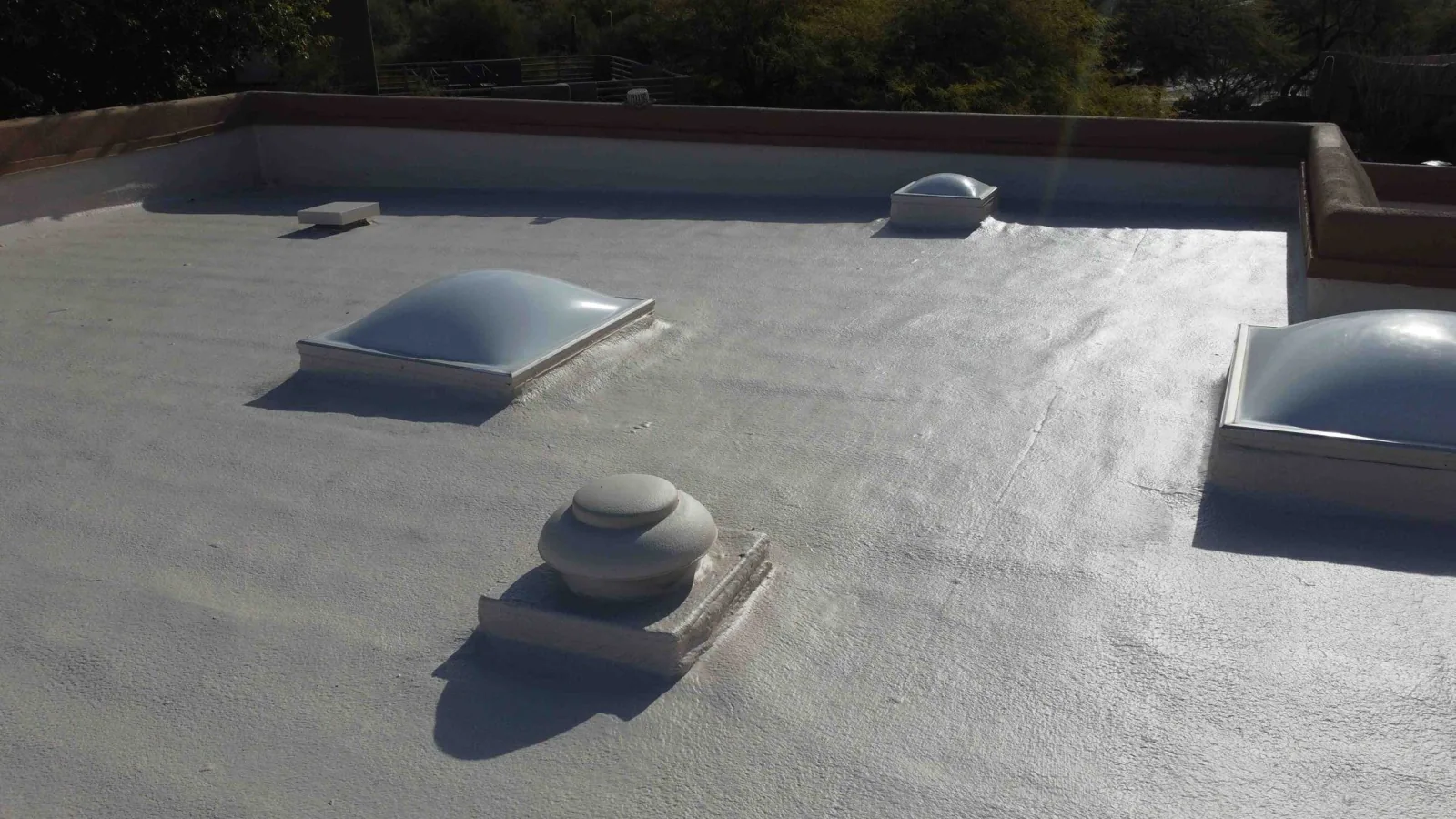
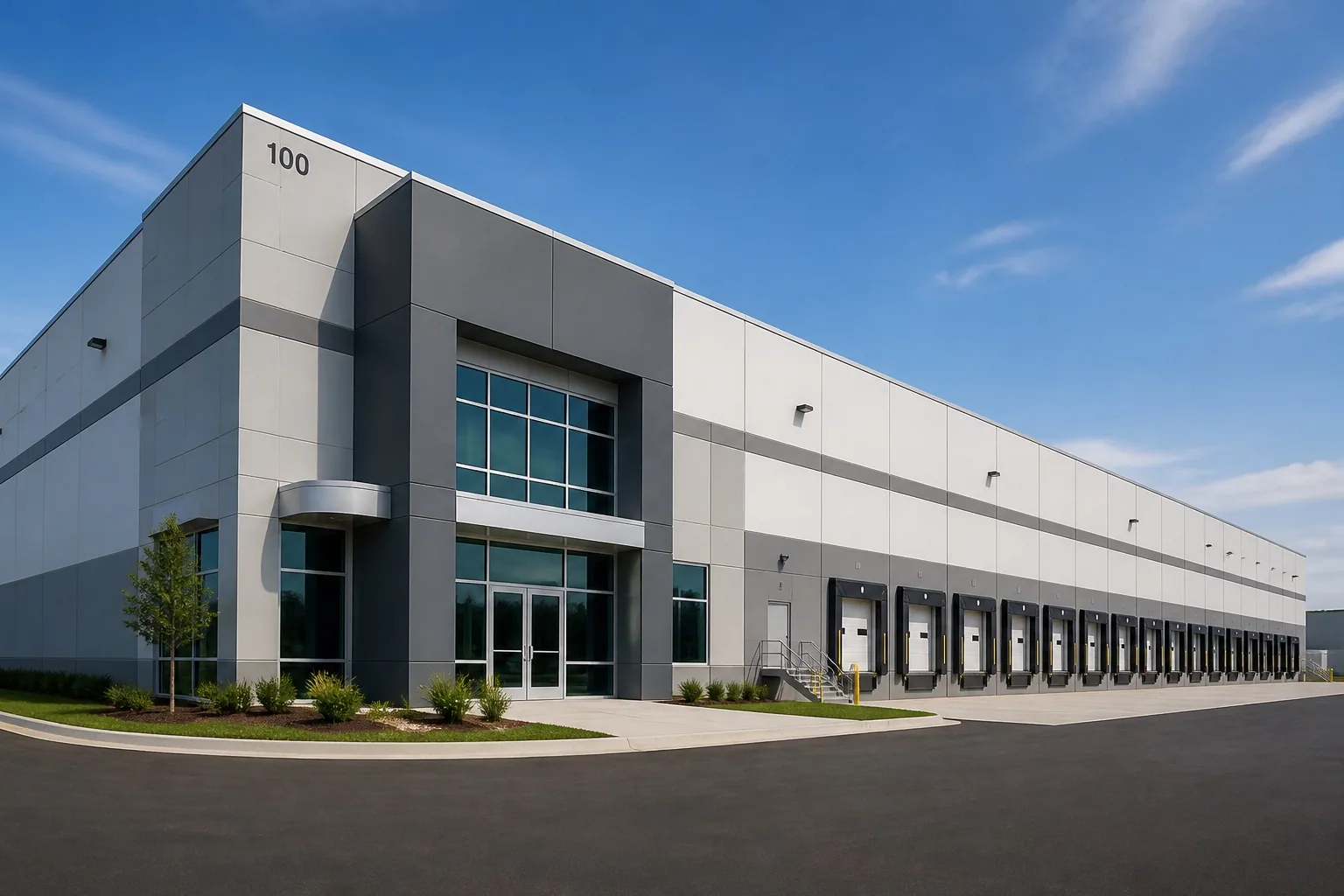
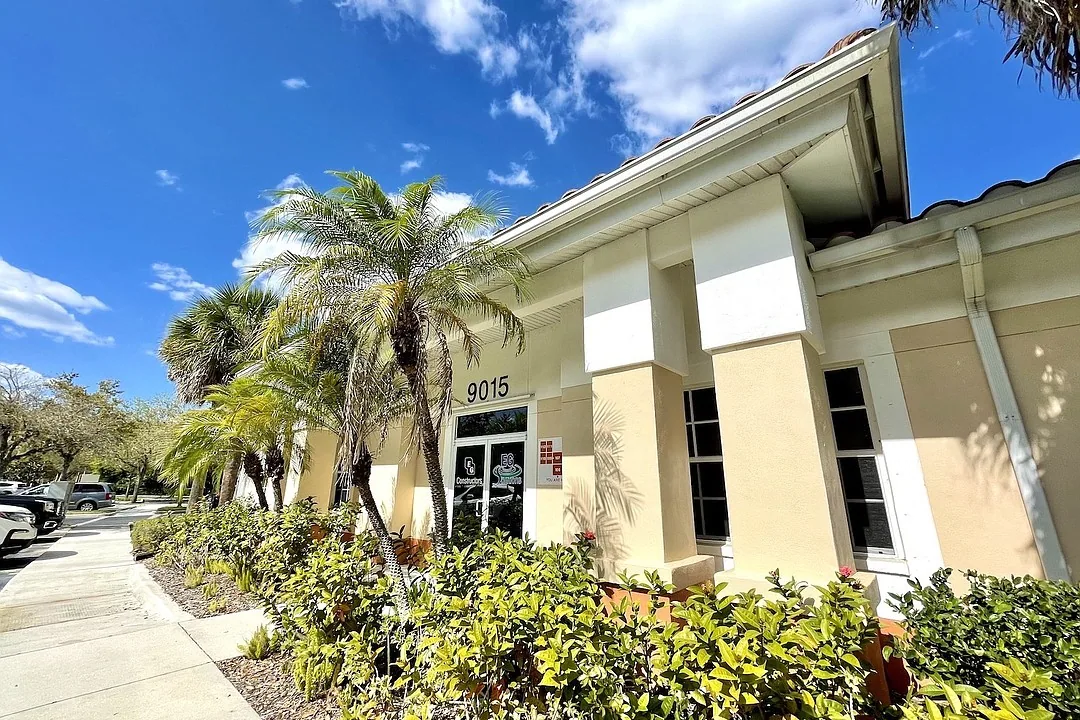
| A loose edge termination changes how a roof replacement should begin. Before tear-off, we inspect the perimeter, membrane seams, drain bowls, penetrations and roof zones to identify the assembly that must come off and the details that need rebuilding. The work plan should state where removal stops, how the building is protected during exposure and what new layers will connect at walls, curbs and drains. That sequence gives the owner a scope to review before material reaches the roof. Coral Springs has retail, health care, office, and industrial properties. At each site, our roof walk starts with the building’s assembly, operating hours, and access route. Near Coral Springs Commerce Park or Downtown, the property contact confirms where crews can stage and how entrances stay clear during replacement. We use those limits to set the work zones and dry-in sequence. |
Map the existing assembly | We walk accessible roof areas and record membrane condition, seam separation, fastener patterns, edge metal, penetrations and drainage. Changes in surface, repair history or ponding help define where closer review is needed. We also inspect parapets, wall transitions and equipment curbs because replacement has to reconnect the field to those details. Photographs and field marks preserve what we observed; a test opening can confirm concealed layers when the scope depends on them. A commercial roof inspection can establish the current condition before the project scope is finalized. If the roof has multiple assemblies or prior overlays, we identify what records are available and where a test cut may help confirm construction. The owner can then compare the observed roof zones with plans and maintenance history. A roof condition report can preserve findings, limitations and follow-up questions for the people approving the work. |
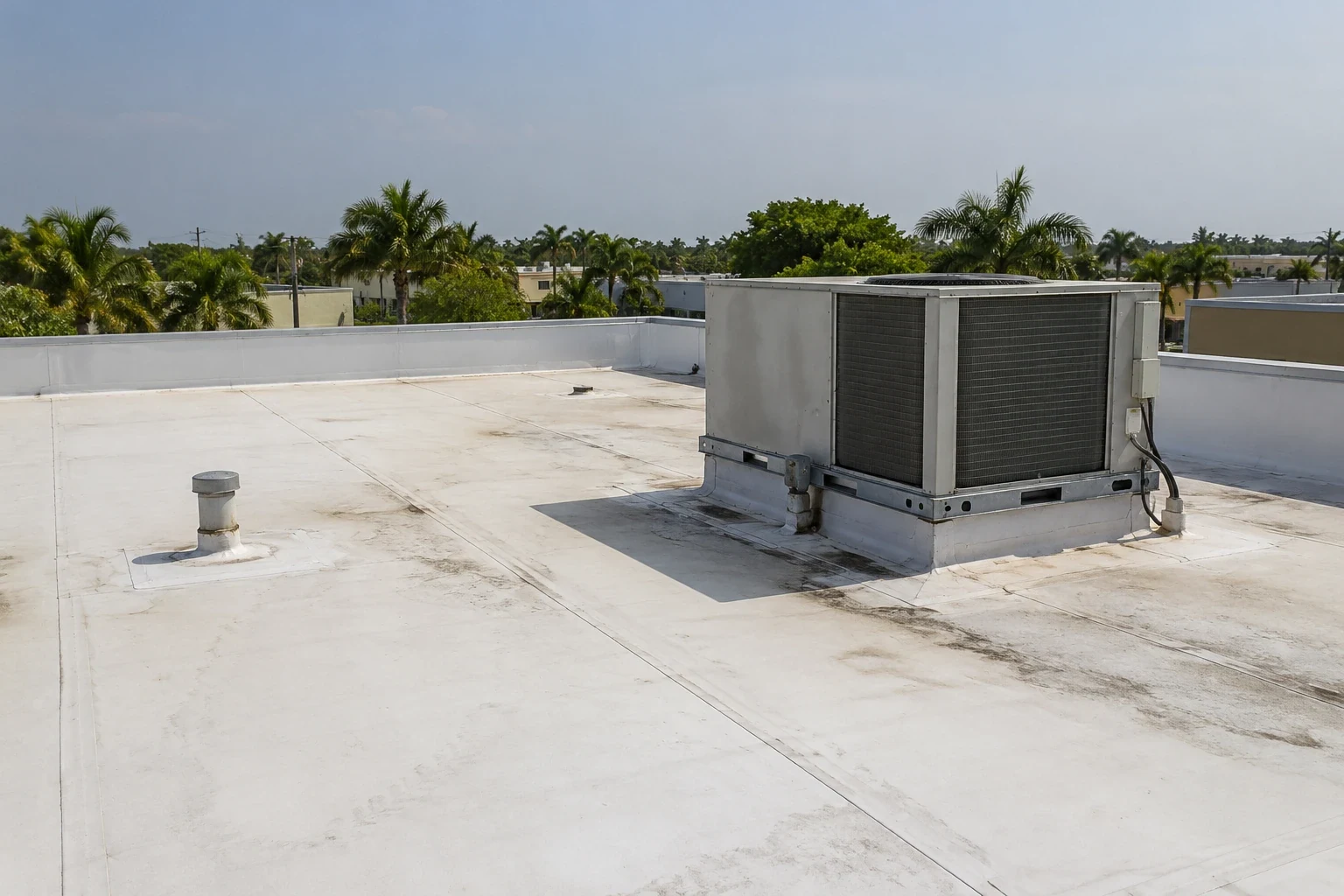
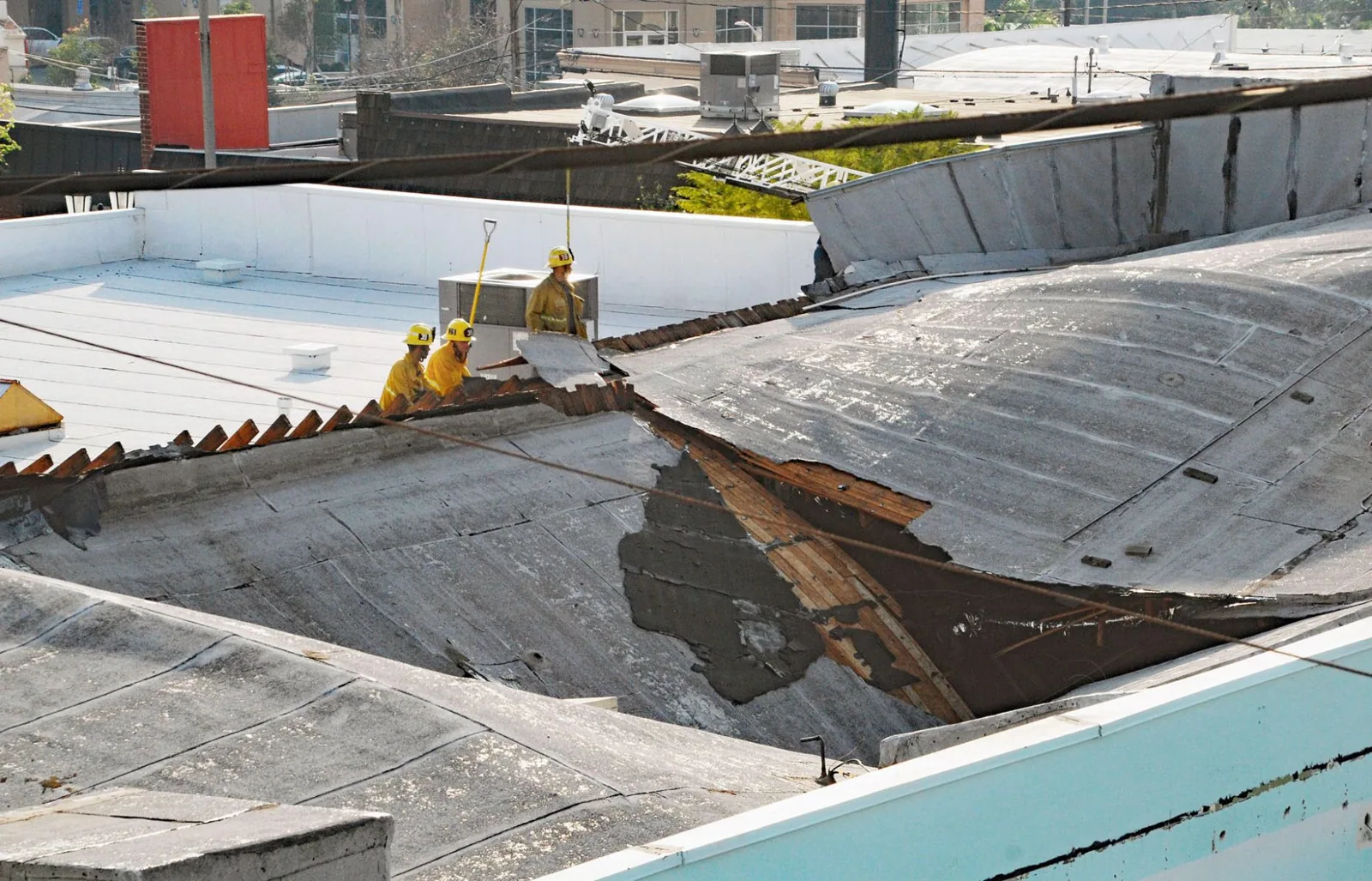
Set removal and dry-in limits | The scope should identify what comes off, what substrate remains and how the exposed area will be protected as work advances. We plan tear-off in manageable roof zones and discuss the expected sequence with the building representative. If the deck or insulation differs from the visible surface, we pause at the affected area, document what is exposed and confirm the authorized repair before concealing it. That keeps hidden damage and added work visible to the owner. South Florida storms bring heavy rain and wind, especially during the wet summer months and tropical season. Before tear-off, we check the forecast and set temporary protection for each roof zone. The crew closes each active area at shift end and changes the sequence if weather threatens the tie-in. For a roof with active water entry, emergency roof repair addresses immediate protection while permanent replacement is planned. A re-roof also changes how roof openings, edge heights and penetrations meet the finished surface. Before tear-off, we mark every drain, overflow, curb and wall turn that must be rebuilt or raised. The marked plan gives the crew a close-in sequence and lets the owner see which transitions are included. If a mechanical unit will be replaced during the same project, its final curb height and setting date need to be coordinated before membrane work reaches that zone. |
Rebuild the roof details | After removal, we verify the receiving surface and install the specified insulation, cover board and roofing assembly in the sequence defined for the project. The selected system determines its attachment and seam method. At edges, drains, walls, curbs and penetrations, we detail the connection rather than treating the open field as the entire roof. Fastener patterns, laps and flashing terminations are checked as work progresses, before later layers limit access to them. For a Coral Springs reroof, section 2322.2.8 requires roof-sheathing re-nailing. After tear-off, we inspect the deck and confirm the assembly-specific fastening pattern before covering it. The choice between TPO roofing and PVC roofing also depends on the project specification and existing assembly. |
Coordinate delivery and building access | Replacement includes deliveries, lifting, staging, roof access and activity around the building. We ask the contact to identify approved routes, restricted areas, operating hours and any occupant or tenant instructions that apply. Commerce Park and Downtown include different industrial, retail, and civic uses. At each address, we confirm the loading route, roof access, and entrances that must stay open. For medical, retail, or office buildings, the property contact identifies operating hours and restricted areas. For a hospital replacement, the facility contact sets the access plan, temporary protection boundaries and sequence around clinical operations. For each property, the assigned contact confirms the allowed staging, entry sequence and work window. If the site remains occupied, occupied-building reroofing sets the work zones around active interior operations. |
Check drainage and close-in | Before each roof zone is closed, we inspect seams, perimeter connections and penetrations against the specified assembly. Drain bowls, scuppers and overflow paths receive attention because replacement changes the layers and can change finished elevations. We verify that the roof detail connects to the drain or wall condition shown in the scope and flag discrepancies for review. The close-in check creates a record of work while those details remain accessible. Once installation is complete, we walk the finished areas, remove project debris and document the roof condition and outstanding items. The closeout should identify the installed system and the limits of the work performed. If a roof includes equipment curbs or rooftop units, the contact should coordinate access for any other trades whose work affects a flashing transition. For ongoing condition tracking, preventive roof maintenance can schedule future observations without implying that a new roof is free of maintenance needs. |
What the replacement proposal should show | A useful replacement scope identifies the roof areas, removal limits, specified materials, insulation or cover board work, edge and penetration details, drainage connections, protection sequence and cleanup. It also states what remains outside the work area. We explain allowances or conditions that could change after tear-off, including concealed substrate damage, so the owner can see what requires review before the affected area is rebuilt. The written scope should match the roof zones and details discussed in the field. On the Sample Road Commercial Corridor or at an occupied property in Margate, the site contact confirms roof dimensions, staging, entry and any temporary interruption before we set the sequence. When a limited defect may call for repair instead, commercial roof repair can be compared with replacement using the inspection findings and the owner’s intended scope. |
Commercial Roofing Questions | What happens before tear-off begins?We inspect accessible roof areas, confirm the planned removal limits and review building access, staging and protection directions with the assigned contact. Concealed conditions remain subject to review if exposure reveals a difference. Can replacement continue during rainy weather?The crew checks conditions and protects each active work zone. If weather makes safe work or reliable dry-in uncertain, the sequence can change so exposed areas are closed before additional tear-off proceeds. How do you handle damaged insulation or deck?After the affected area is exposed, we document the observed condition and identify the repair required. The owner or authorized representative reviews added work before it is covered. Does a Coral Springs address set the roof fastening pattern?No. The approved design, selected assembly, applicable code requirements and project documents control the installation details. We review the specified pattern and verify field conditions as work progresses. What should the building contact provide?Please provide the property address, roof access route, operating limits, available roof records and a contact authorized to discuss staging or concealed-condition decisions. |
Review the roof before replacement | Share the property address, roof access route, available plans and building operating limits. We can inspect accessible areas, define removal and close-in steps, and document the details that need review before replacement. Request a Roof Assessment 555-555-5555 |
|
|
REQUEST AN ASSESSMENT
 |