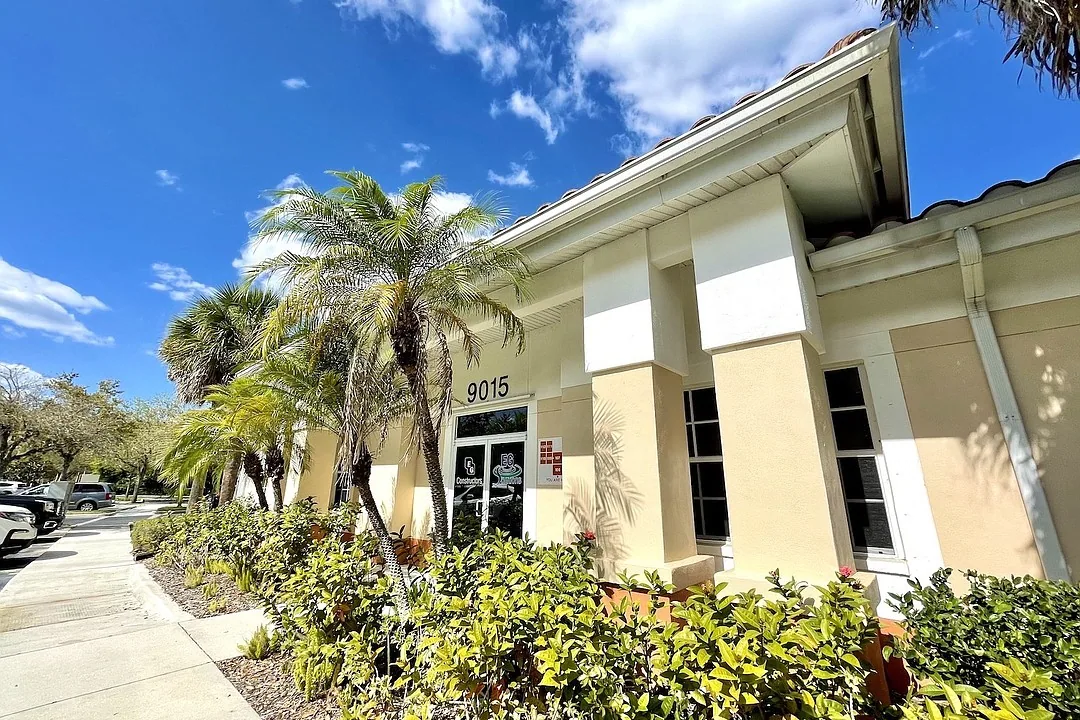
Commercial Roofing at Coral Springs Commerce Park, Coral Springs, FL
|
|
|
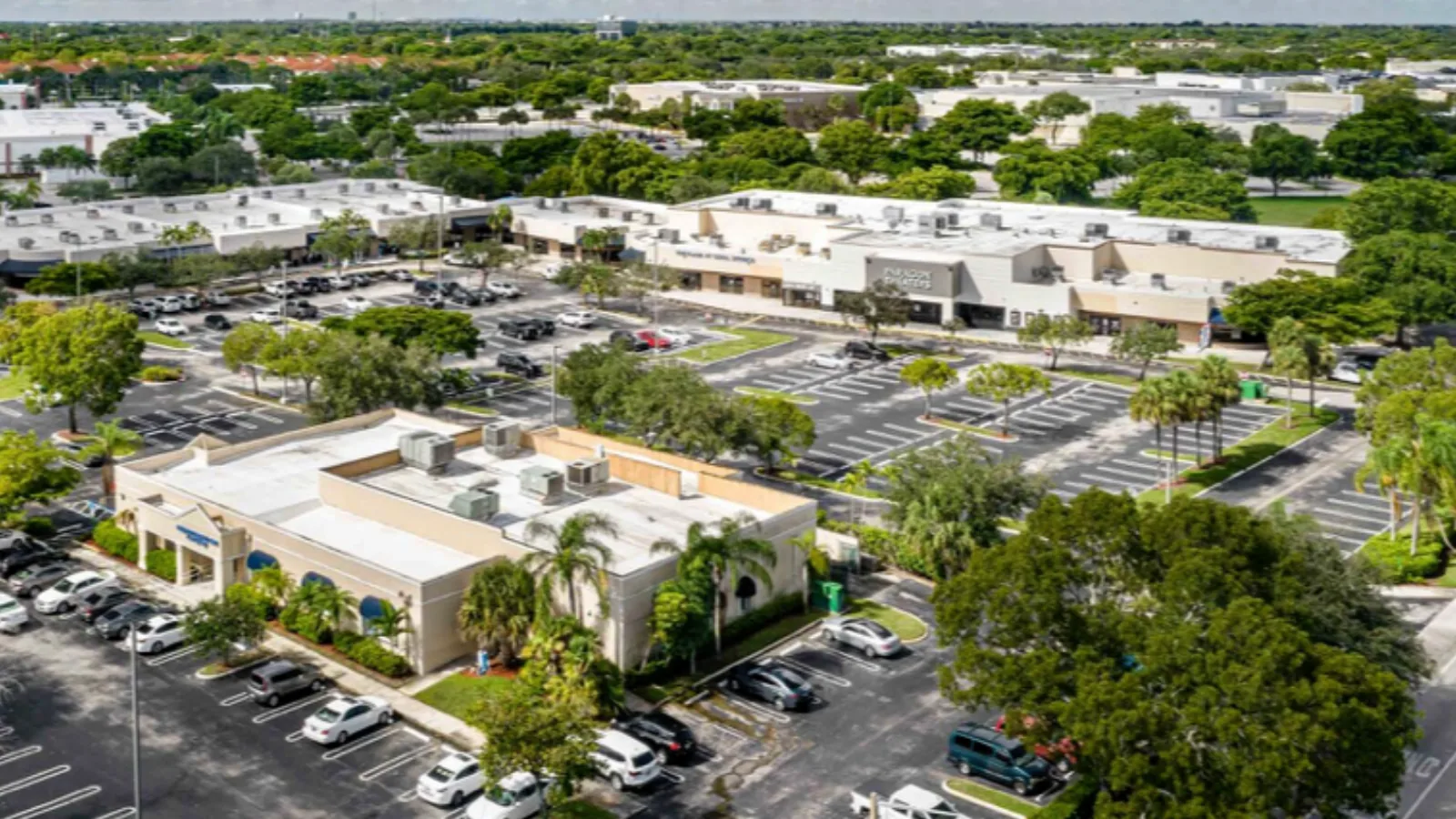
Service Areas: | | ● | Commercial Roofing at Coral Springs Commerce Park, Coral Springs, FL | ● | Commercial Roofing in Downtown Coral Springs, Coral Springs, FL | | ● | Commercial Roofing in Coral Springs Central Commercial District, Coral Springs, FL | ● | Commercial Roofing in Margate, FL | | ● | Commercial Roofing in Sunrise, FL | ● | Commercial Roofing in Coral Springs Commercial Districts, Coral Springs, FL | | View All Service Areas |
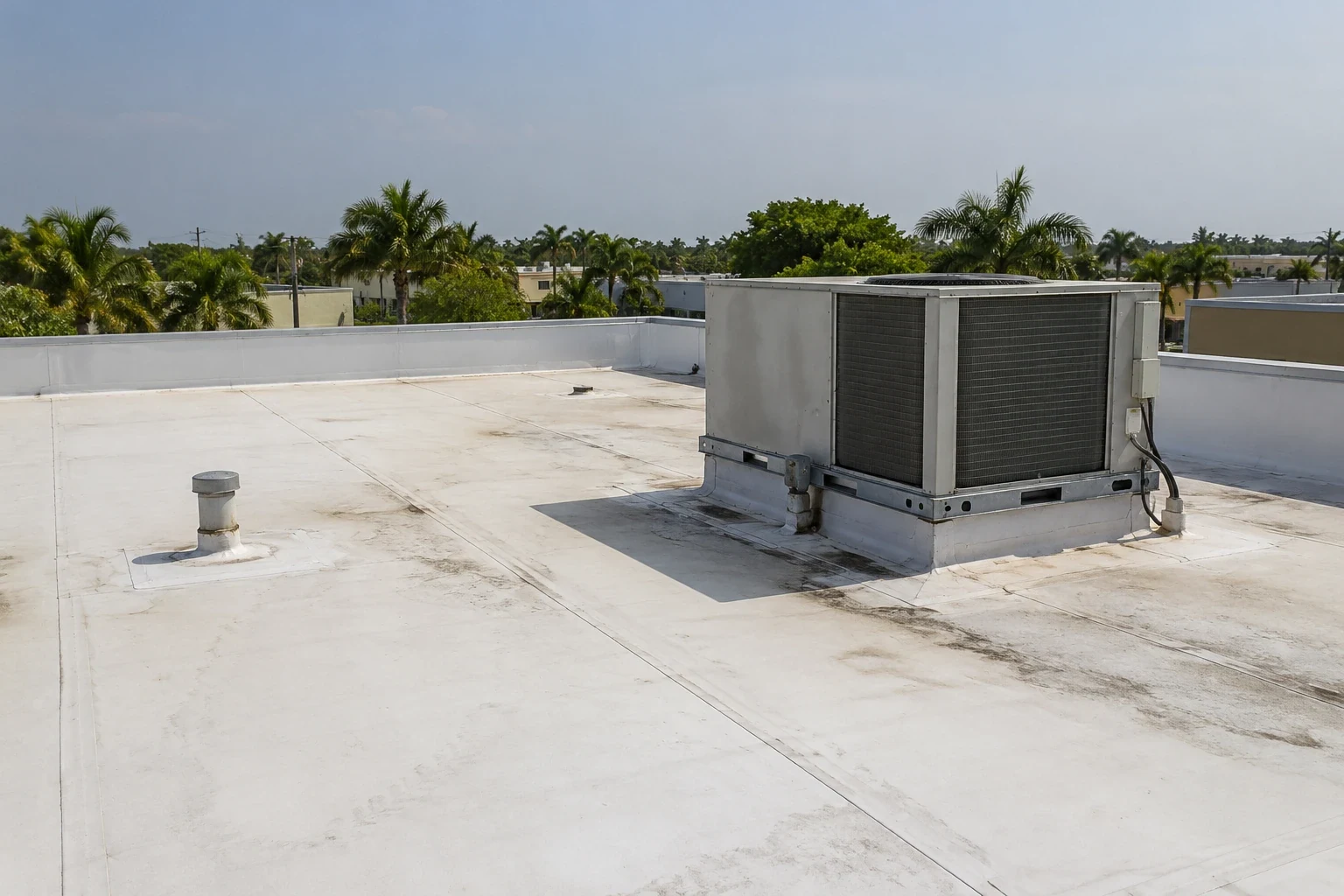
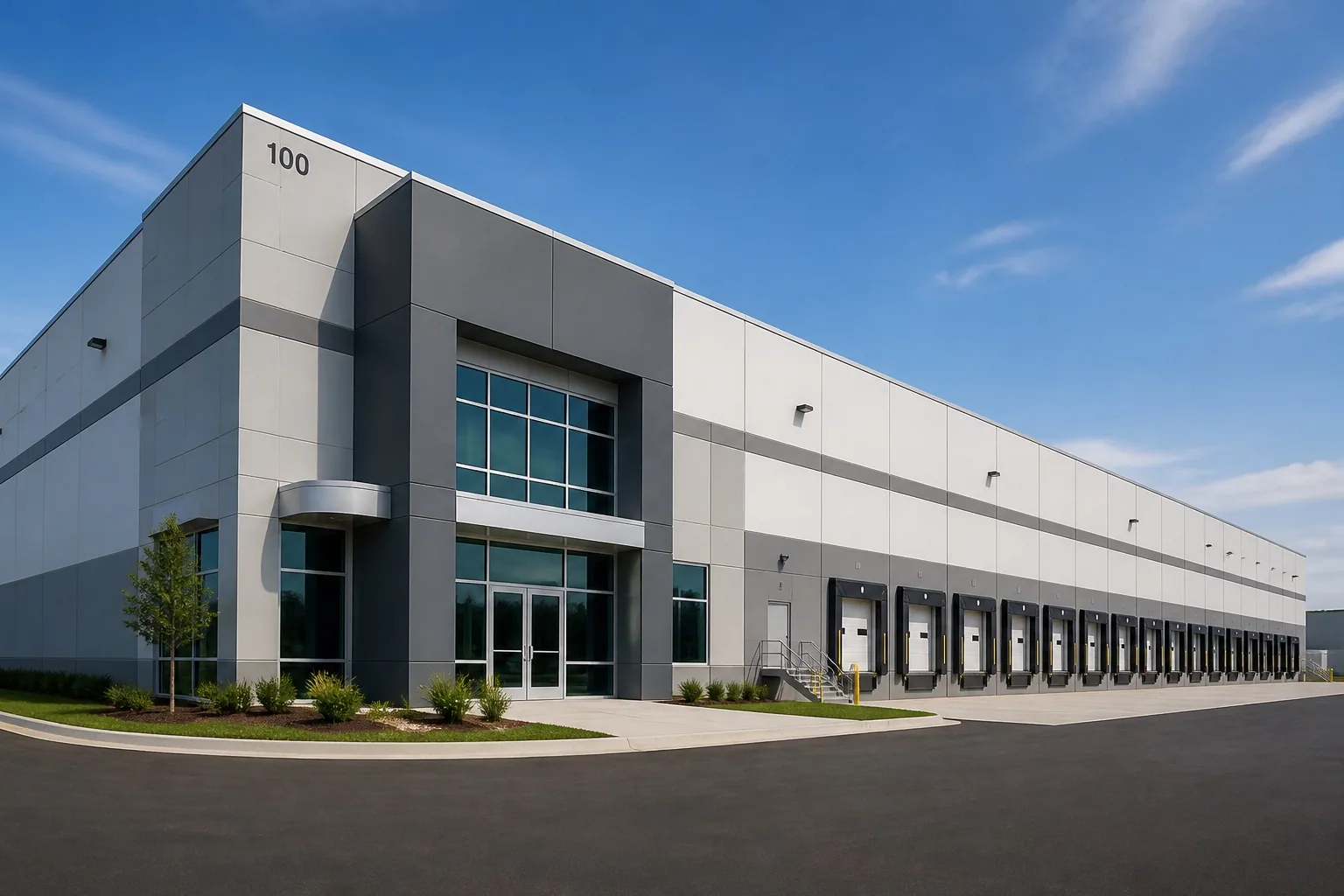
| A seam opening beside a rooftop unit can send rain beneath the membrane before a ceiling stain appears. At Coral Springs Commerce Park, roof work may sit beside light-industrial operations and the 400,000-square-foot warehouse and distribution project at Osprey Logistics Park. We begin with the address, the reported leak or storm date, and the building’s access instructions. Then we trace the water path, inspect the curb flashing and nearby seams, and mark the repair area that the observed condition supports. The park covers 442 acres just off the Sawgrass Expressway, near I-95 and Florida’s Turnpike. We confirm the subject building, roof system and delivery route with its property contact. Commerce Park employers include Fiserv, Decimal Engineering, Emser Tile and Flora Fine Foods, with industrial, commercial and research-and-development zoning. We confirm each site’s gate, loading limits, lifting area and roof entry before moving material. For properties across Coral Springs, summer heat and heavy wet-season rain shape work timing, while the building’s own assembly determines the repair. |
Set the access route before the walk | A roof inspection starts on the ground as well as at the hatch. We confirm where a service vehicle can stop, whether a lift is needed, who can release roof access, and which areas must remain clear for operations. A route that crosses an active loading area needs coordination before tools and materials arrive. We also identify the nearest safe staging point and the path from it to the roof. These details affect inspection time and whether a repair can be completed in one visit. The first visit records the roof perimeter, visible equipment, drains, penetrations and existing repair patches. We compare those observations with any roof plan or maintenance record the property contact can provide. We record each building’s confirmed use and roof construction before describing its inspection or repair needs. A commercial roof inspection documents accessible conditions; an organized condition report can pair field marks with photos and open questions for the owner. |
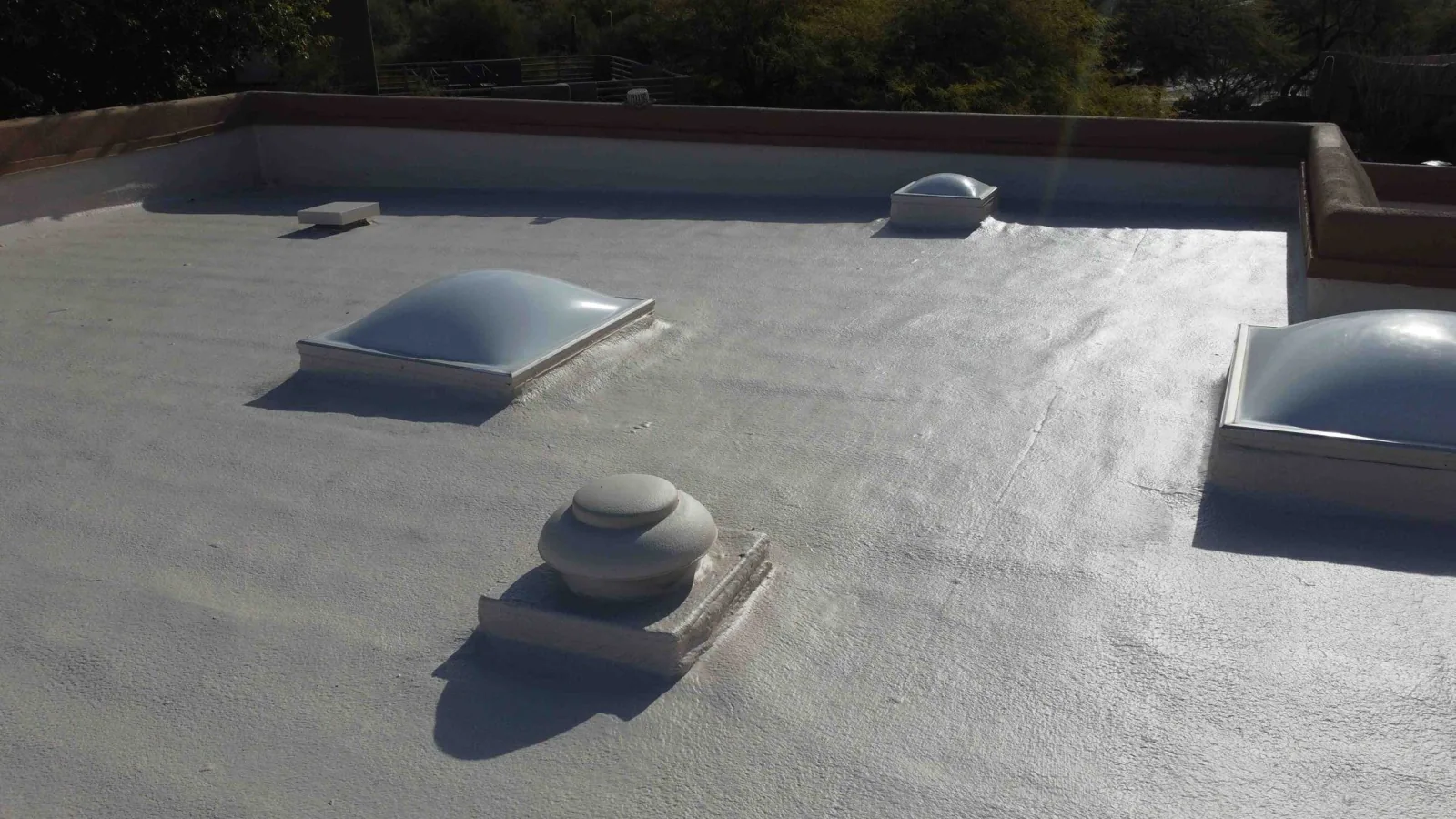
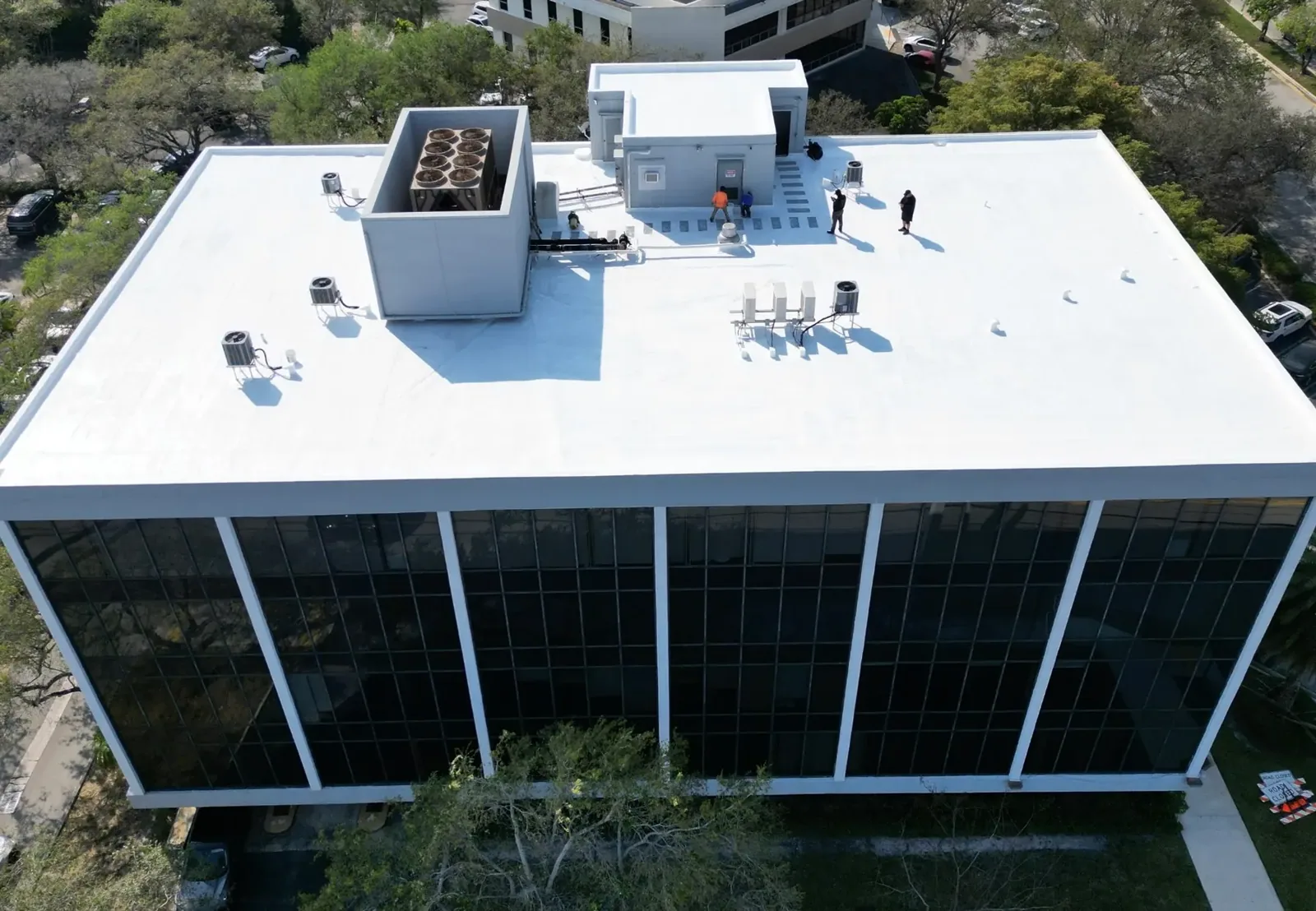
Trace the leak beyond its first mark | Water can travel along insulation, a deck flute or a framing line before it reaches the interior. We compare the reported ceiling location with seams, laps, curbs, wall transitions and drains above it. Near equipment, we inspect the curb, membrane, seams and nearby drainage against the reported water path. If the source remains unclear, we name the next test that could change the repair boundary. For a continuing leak, temporary protection may need to precede a complete diagnosis. The contact can share when the water appeared, whether it followed rain, and whether prior patching changed the symptom. We mark the affected roof zone and distinguish active defects from old repairs. A leak-tracing and repair visit can focus on that path. When the path remains unclear, we identify the test or roof zone that needs further examination. |
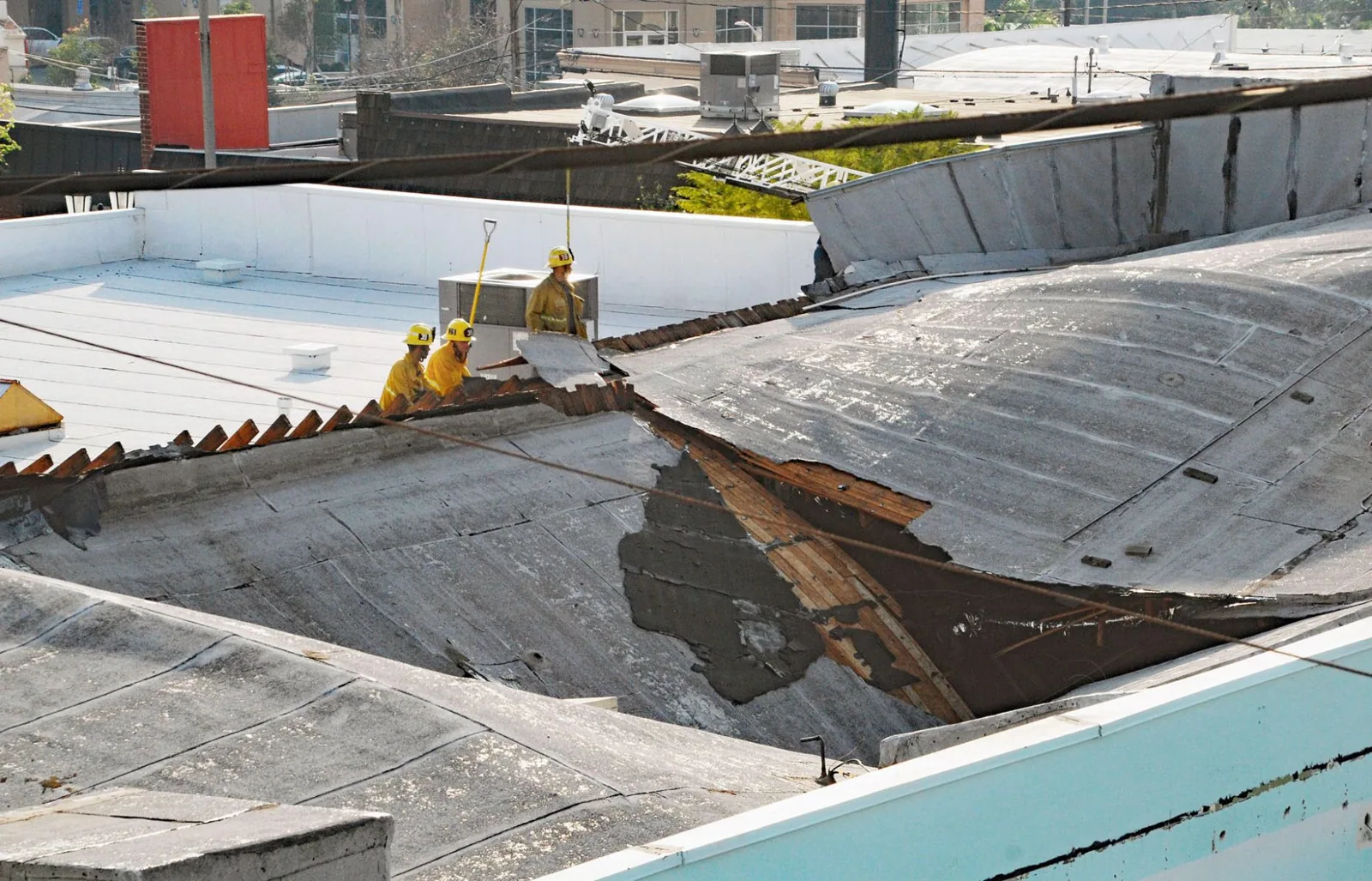
Open only where evidence calls for it | Membrane type, attachment, insulation and deck condition change the repair detail. We identify visible system clues, review available records, then decide whether a controlled test cut is needed to confirm concealed layers. The opening is placed where its result could change the scope, and it is restored after examination. If the field membrane is sound but a curb or drain transition has failed, localized reconstruction may be appropriate. If wet material extends past the visible defect, removal limits need to follow what inspection establishes. On a Commerce Park replacement, include the deck-fastener inspection and sheathing re-nailing addressed by section 2322.2.8. We schedule that deck work where the opened zone can be inspected before insulation is installed. When a larger project is being considered, we compare a recover with full replacement after verifying the deck, existing layers, attachment and project documents. A TPO system or another assembly is selected only after compatibility and approved details are checked. |
Sequence work around operations | Distribution and industrial activity can make delivery timing and staging important, but the exact building schedule comes from its contact. We ask when loading movements peak, which doors or drives must stay open, and whether rooftop equipment can be shut down for the work window. The plan places lifts, tear-off, material movement and debris handling in a sequence that avoids blocking agreed routes. If the repair exposes a larger defect, the crew can protect the opening and document the condition before proceeding beyond the approved scope. South Florida’s wet season brings periods of heavy rain, and summer heat can constrain safe work hours and material handling. We check current site conditions and product requirements before opening a roof zone. Work is divided so exposed areas can be dried in and closed before the crew shifts elsewhere. The contact confirms the operating limits before we set the sequence and keep agreed loading paths clear. Coral Springs Commerce Park is a 442-acre employment area with industrial, commercial and research-and-development zoning. Its employers include Fiserv, Decimal Engineering, Emser Tile and Flora Fine Foods. Those uses help explain why roof access planning can involve more than a ladder location: the facility contact may need to protect loading, deliveries, equipment service and occupied work areas. The park is just off the Sawgrass Expressway and near I-95 and Florida’s Turnpike, but road access does not establish a building’s gate procedure or staging space. We confirm the actual route and roof entrance with the site representative. At the deck stage, our scope marks the re-nailing work in section 2322.2.8 and records exposed conditions before insulation and membrane close in. |
Record the repair and remaining questions | At close-in, we check the repaired seam or flashing, confirm that drains and overflow paths remain open, and photograph the completed area. The work record identifies the roof zone, materials used, concealed conditions found and any condition left for separate review. If the repair boundary changed after an opening, the note explains why and who approved the added work. That record gives the manager a practical reference for the next inspection and helps distinguish new observations from older patch history. Owners can compare a localized repair with a broader maintenance or replacement decision using the same field evidence. A maintenance visit can revisit drains, seams and edge details before recurring rain exposes a missed change. For a property elsewhere in town, commercial work near Downtown Coral Springs follows that building’s own access route and assembly. At Cornerstone, mixed-use access also follows the address-specific roof and operating plan. |
Commercial Roofing Questions | What should I send before a Commerce Park roof visit?The building address, a roof plan if available, the active leak area, the date water first appeared, and the gate or loading instructions let us prepare the inspection route. We confirm who can authorize roof access and whether a lift or escort is needed. Can you tell from the warehouse project what roof is on our building?No. Osprey Logistics Park is described as a warehouse and distribution project, but that does not identify another property’s roof. We inspect the actual membrane, edge details, drains and records before recommending repair or replacement. How do you keep a repair from interrupting loading?The property contact identifies active drives, delivery periods and areas that must remain clear. We plan staging and lifting around those limits, then agree on the work zone and close-in point before opening the roof. When does a leak need a test cut?A test cut is useful when confirming the hidden layers or moisture condition could change the repair scope. We identify the question and location first, restore the opening after inspection, and explain what that one sample does and does not establish. What does a repair record include?We record the roof zone, visible defect, repair performed, photos and any concealed condition found. If something remains outside the authorized scope, the closeout states that clearly so the next decision has a defined starting point. |
Set the first roof walk | Send the property address, roof access and loading route, active leak or storm date, and operating limits. We will confirm the inspection sequence and what records would help. Request a Roof Assessment 555-555-5555 |
|
|
REQUEST AN ASSESSMENT
 |