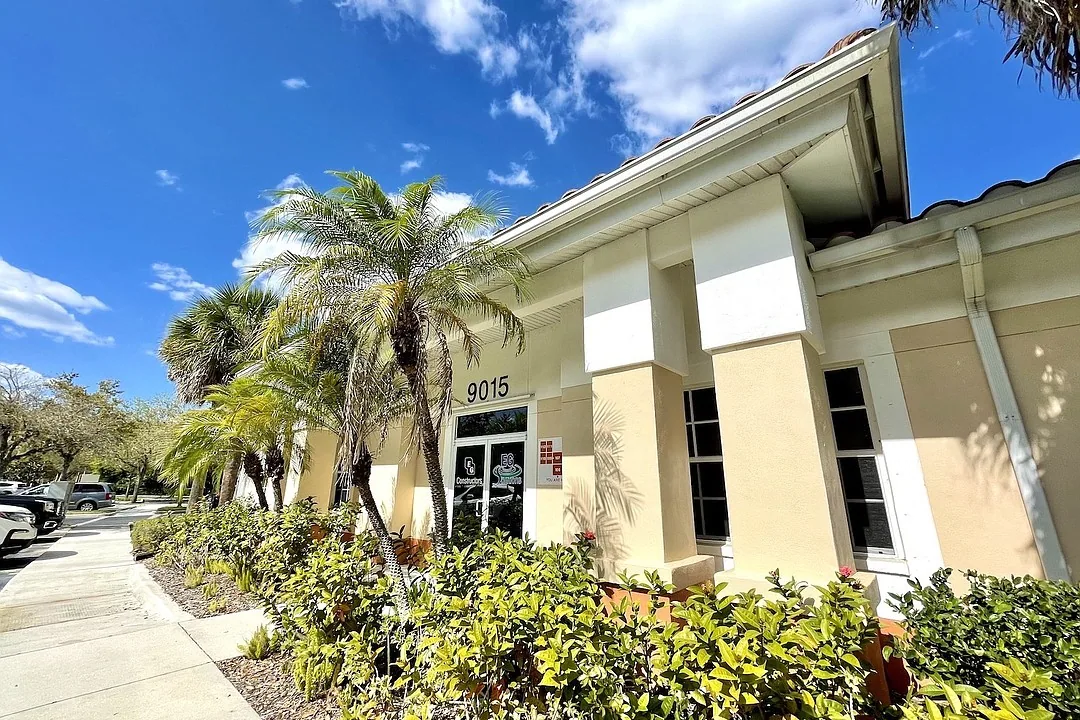
Commercial Modified Bitumen Roofing in Coral Springs, FL
|
|
|
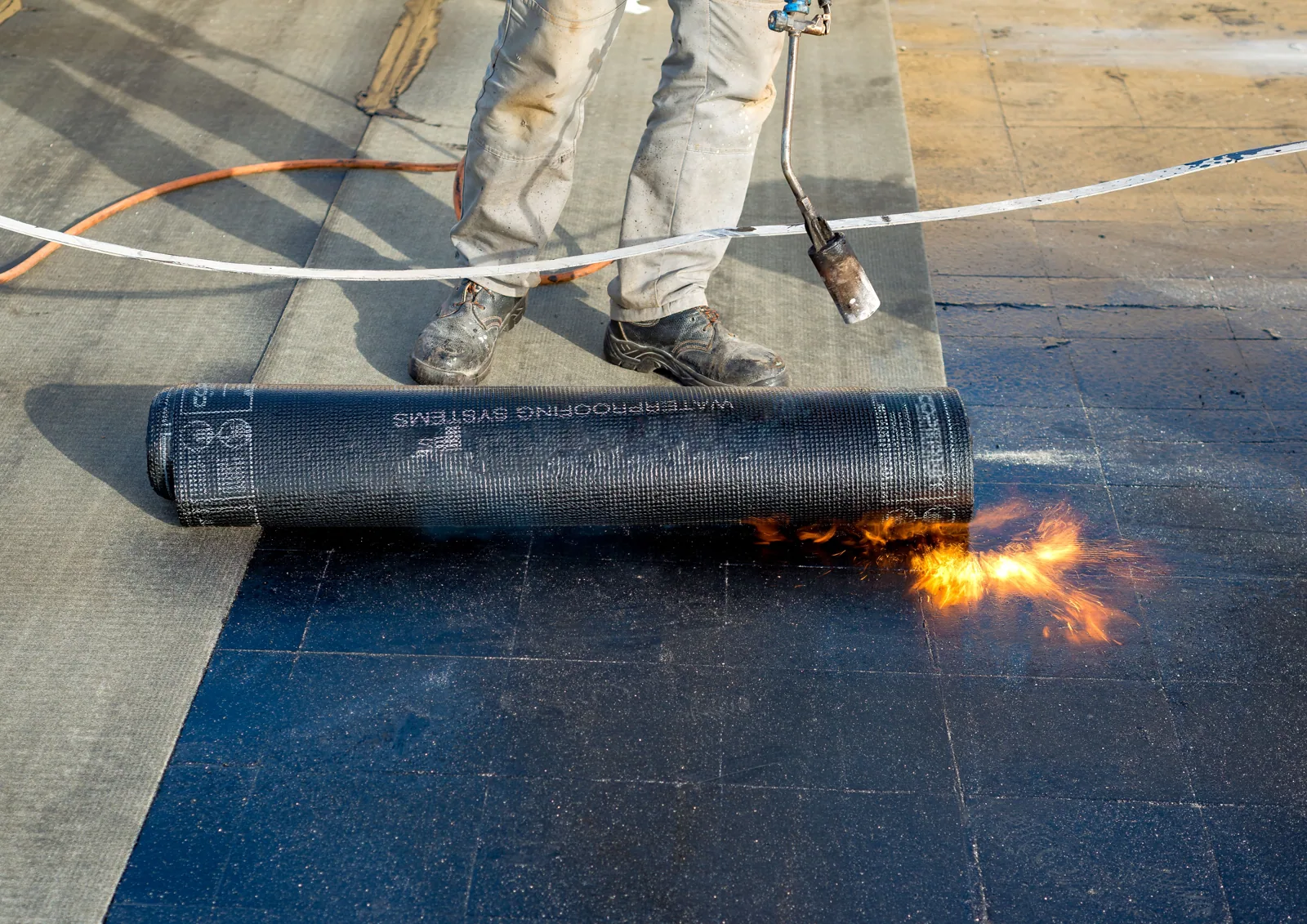
| A lifted cap-sheet lap above a drain can admit water even when the surrounding granulated surface looks intact. We inspect the lap, underlying plies, flashing and drainage before deciding how far to open the roof. Modified bitumen may use SBS or APP modifiers and different attachment methods, so the specified assembly matters. We mark the affected roof zone, prepare the receiving surface and identify the close-in detail before starting a repair. Coral Springs, FL has a long wet season, strong summer heat and tropical-system exposure. Moisture and weather can affect how a roof is opened, repaired and protected. At Coral Springs Commerce Park or near Downtown Coral Springs, we confirm the actual roof access route and operating limits with the property contact before material is staged. |
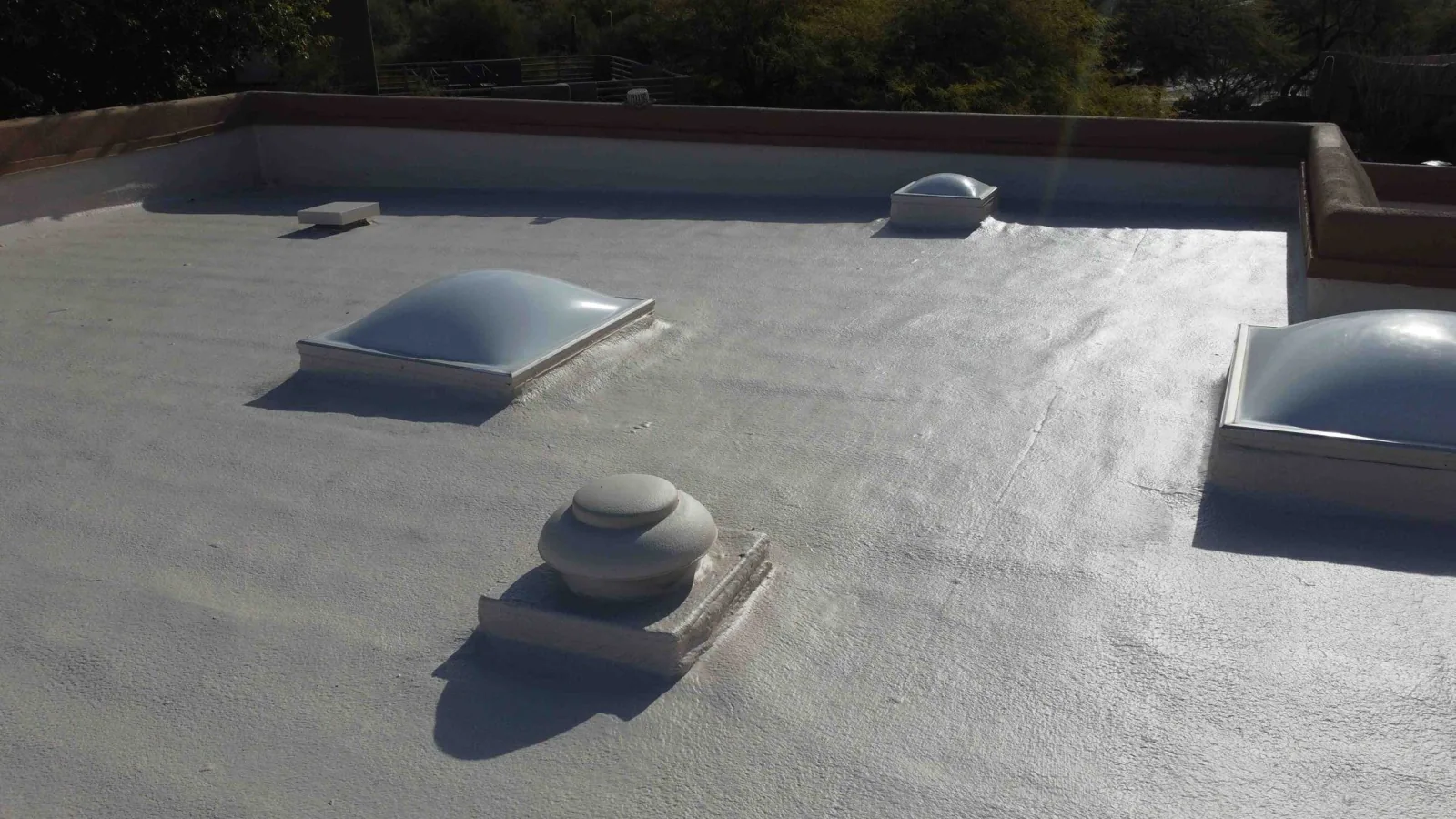
Identify the plies and attachment | Modified bitumen is a multi-layer asphalt-based system whose reinforcement and modifier affect handling and installation. We inspect the visible cap sheet, base layers where exposed, flashings and prior patches. Available plans can identify whether the roof uses torch-applied, hot-asphalt, cold-applied or self-adhered methods. If the record and field condition do not match, we note the difference and seek direction before specifying new material. At a tie-in, the new layer has to connect to the existing cap sheet, curb or wall detail. Built-up roofing also uses multiple plies but is a distinct assembly. We identify each roof zone and how its layers are joined rather than assuming a standard build-up. A comparison with TPO roofing should account for the different layer construction and seam methods rather than treating the systems as equivalent. A commercial roof inspection can document accessible details and flag areas where a test opening may confirm concealed construction. |
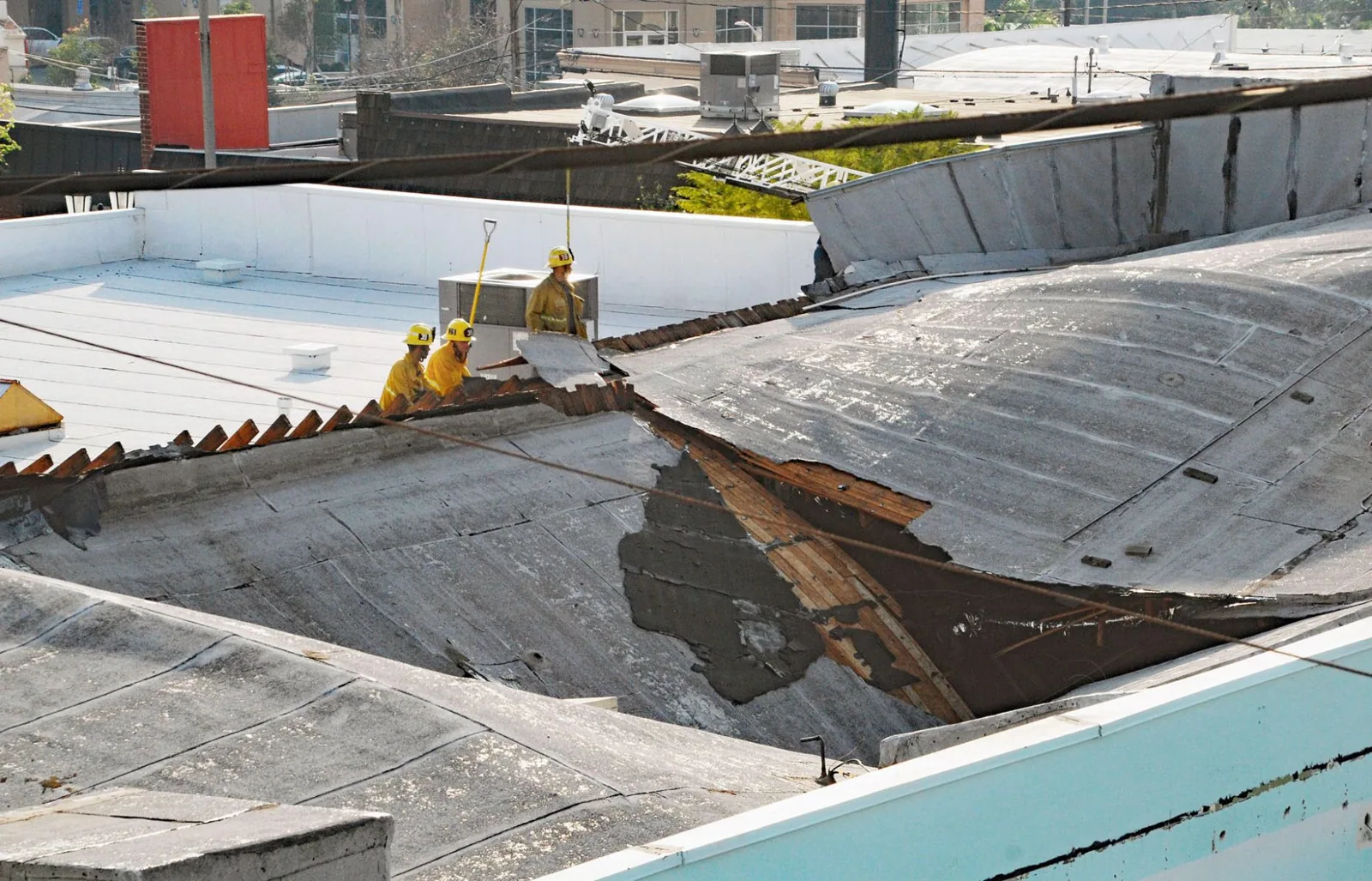
Trace laps, blisters and splits | We inspect end laps, side laps, granulated surfacing, ridges and repair edges for lifting, cracks or separation. A blister may involve the cap sheet, underlying ply or trapped moisture, so we do not cut into it without defining the repair and restoration. If water appears indoors, we check nearby walls, drains and penetrations in addition to the reported location. The inspection marks how far the defect continues before a repair boundary is set. Preparation removes loose surfacing or failed material only within the approved scope and exposes the layer needed for a compatible tie-in. The repair method follows the existing system and site conditions. Where hot work is specified, the work plan includes the site’s fire-safety procedures and any required fire watch. For an isolated defect, commercial roof repair can define the patch. A water-path review can be scoped through commercial leak repair. A blister may reflect trapped air, moisture or separation between plies, and cutting it open without a closure plan can enlarge the repair. We mark the raised area, inspect nearby laps and determine whether the surface can be re-adhered or needs controlled removal. If the opening exposes damp or deteriorated layers, we photograph each ply and extend the work only after the owner reviews the added boundary. The repair detail should shed water and restore the surfacing at the cut edge. |
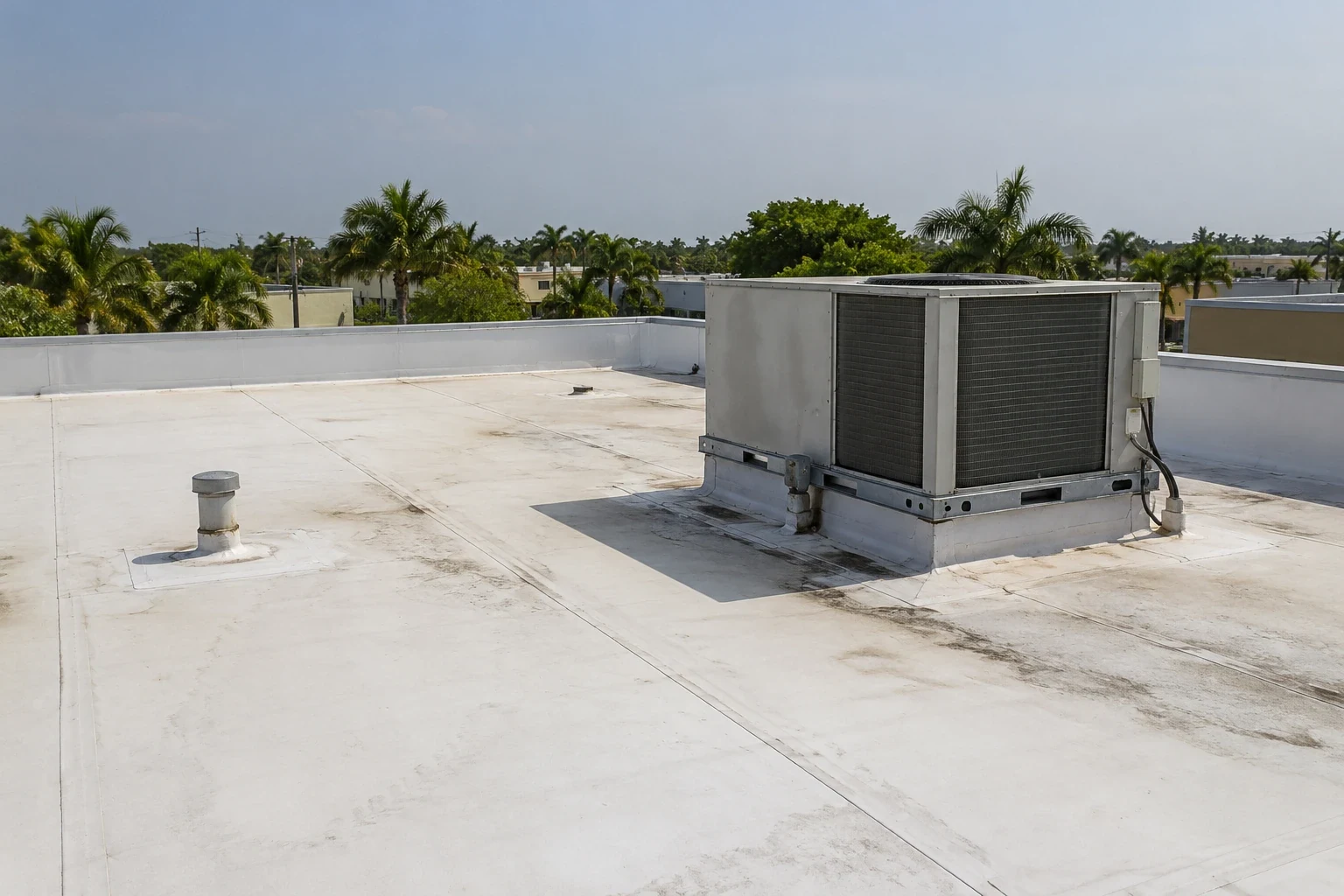
Rebuild drains and perimeter transitions | At a drain, we inspect the sump, clamping ring and flashing connection where the plies meet the bowl. At a parapet, we check the base flashing, termination and coping transition. A curb or pipe creates another change in plane and needs compatible flashing that laps in the correct sequence. We record each detail so the repair includes more than a patch across the open field. Coral Springs is in Florida’s High-Velocity Hurricane Zone, and the approved assembly and project documents govern perimeter attachment. We compare the visible metal, termination and deck conditions with the available scope. Roof drain and scupper work can address outlet details; edge metal and coping service can coordinate the roof boundary. The city code designation alone does not establish a particular building’s fastening pattern. |
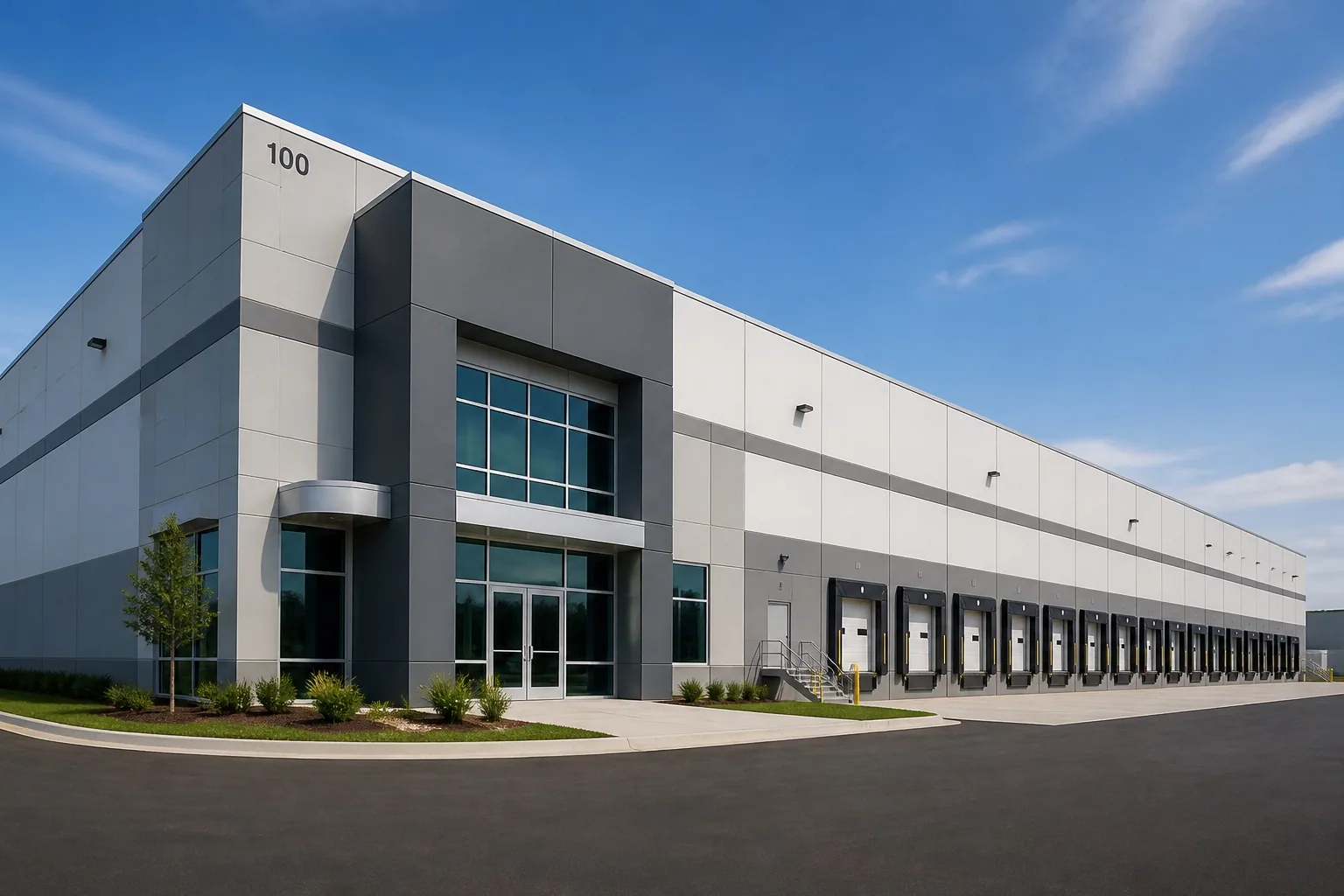
Plan installation around site conditions | Modified bitumen work can involve adhesive, heat or other methods specified for the assembly. We confirm the receiving surface, material route and work sequence before beginning. If torch application is part of the approved system, the building’s fire-safety rules and nearby combustible conditions need review. We confirm the required fire watch and keep the active work area clear of unprotected materials. The project contact identifies site procedures before hot work begins. Occupied areas and rooftop equipment may require restrictions. The scope identifies any special access, protection or trade coordination before the roof is opened. Commerce Park includes logistics and industrial businesses. At the subject property, the site representative still needs to identify the approved unloading point, roof access and any limits on material staging. At a retail or office site near University Drive, we confirm tenant hours and entrances that must stay open. For work over active interiors, occupied-building reroof planning can set communication and roof-zone controls. |
Protect open plies during rain | South Florida’s wet season includes periods of heavy rain, and tropical systems can affect the region during late summer and fall. We check conditions before opening a section and keep each work area within the protection the crew can install and close. If moisture reaches a prepared surface, we evaluate it before applying new material. The daily plan identifies tie-ins, temporary protection and what can be completed before the weather window changes. Heat also affects crew exposure and the handling of asphalt-based materials. We sequence work and staging around the site’s conditions and product instructions. If weather interrupts installation, we close the active area and document what remains. A temporary roof stabilization visit can address an unexpected opening when immediate protection is needed, subject to safe access and the property’s approval. |
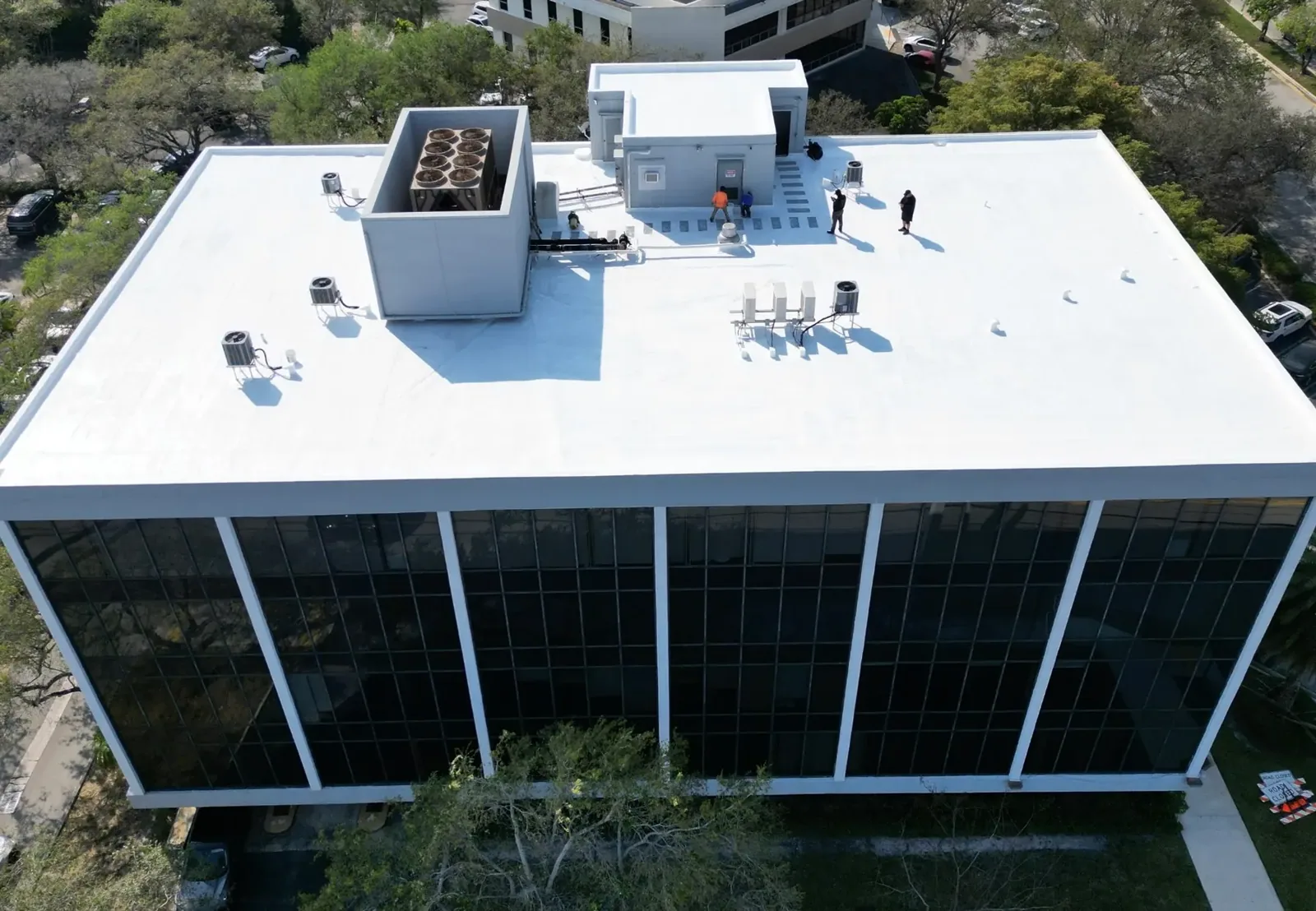
Compare repair with a new assembly | Localized lap or flashing failures may be repairable when the surrounding system remains suitable. Repeated splits, widespread wet material or multiple failed roof zones can support a broader replacement review. We document observed conditions and inspection limits so the owner can compare options. A test cut may be needed to see underlying plies or substrate at selected points; one opening describes only its location. For a replacement discussion, commercial roof replacement can define tear-off and rebuilding limits. A roof condition report can hold photographs and findings for planning. At Downtown Coral Springs, mixed-use redevelopment is local context, not evidence about any particular roof. We base the recommended scope on the inspected assembly and project goals. |
Commercial Roofing Questions | What is the difference between SBS and APP roofing?Both are modified bitumen types, but the modifier and specified installation method differ. We review the project documents and existing assembly before selecting compatible materials. Can a modified bitumen roof be patched?A localized defect may be repairable when the surrounding plies and substrate can receive a sound tie-in. We inspect adjacent laps and define the boundary from observed conditions. Do you use a torch on every modified bitumen job?The system may specify torch, adhesive, hot asphalt or self-adhered installation. The approved assembly and site fire-safety requirements determine the method used. What does a blister mean?A blister can involve different layers or moisture. We document it and determine whether an authorized opening or other inspection is needed before specifying a repair. What should I provide before an inspection?Send the property address, roof records, repair history, active leak or storm date, roof access route and operating limits. Identify site rules for hot work if applicable. |
Review the modified bitumen assembly | Provide the property address, roof plans, prior repairs, leak or storm date, roof access route and operating limits. We can inspect laps and transitions, define repair or replacement work and document close-in. Request a Roof Assessment 555-555-5555 |
|
|
REQUEST AN ASSESSMENT
 |