Commercial Roofing in Parkland, FL
|
|
|
Service Areas: | | ● | Commercial Roofing at Coral Springs Commerce Park, Coral Springs, FL | ● | Commercial Roofing in Downtown Coral Springs, Coral Springs, FL | | ● | Commercial Roofing in Coral Springs Central Commercial District, Coral Springs, FL | ● | Commercial Roofing in Margate, FL | | ● | Commercial Roofing in Sunrise, FL | ● | Commercial Roofing in Coral Springs Commercial Districts, Coral Springs, FL | | View All Service Areas |
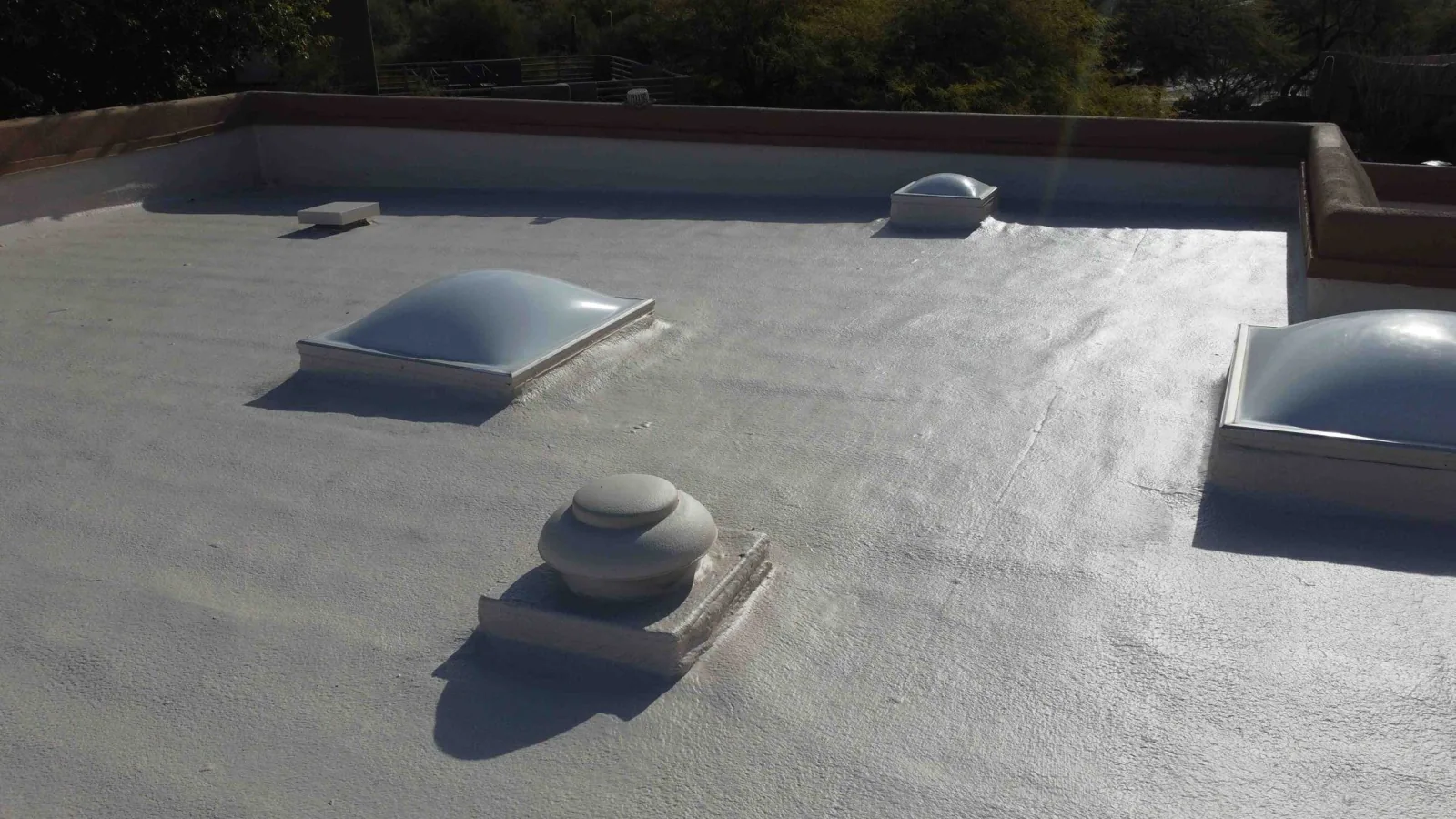
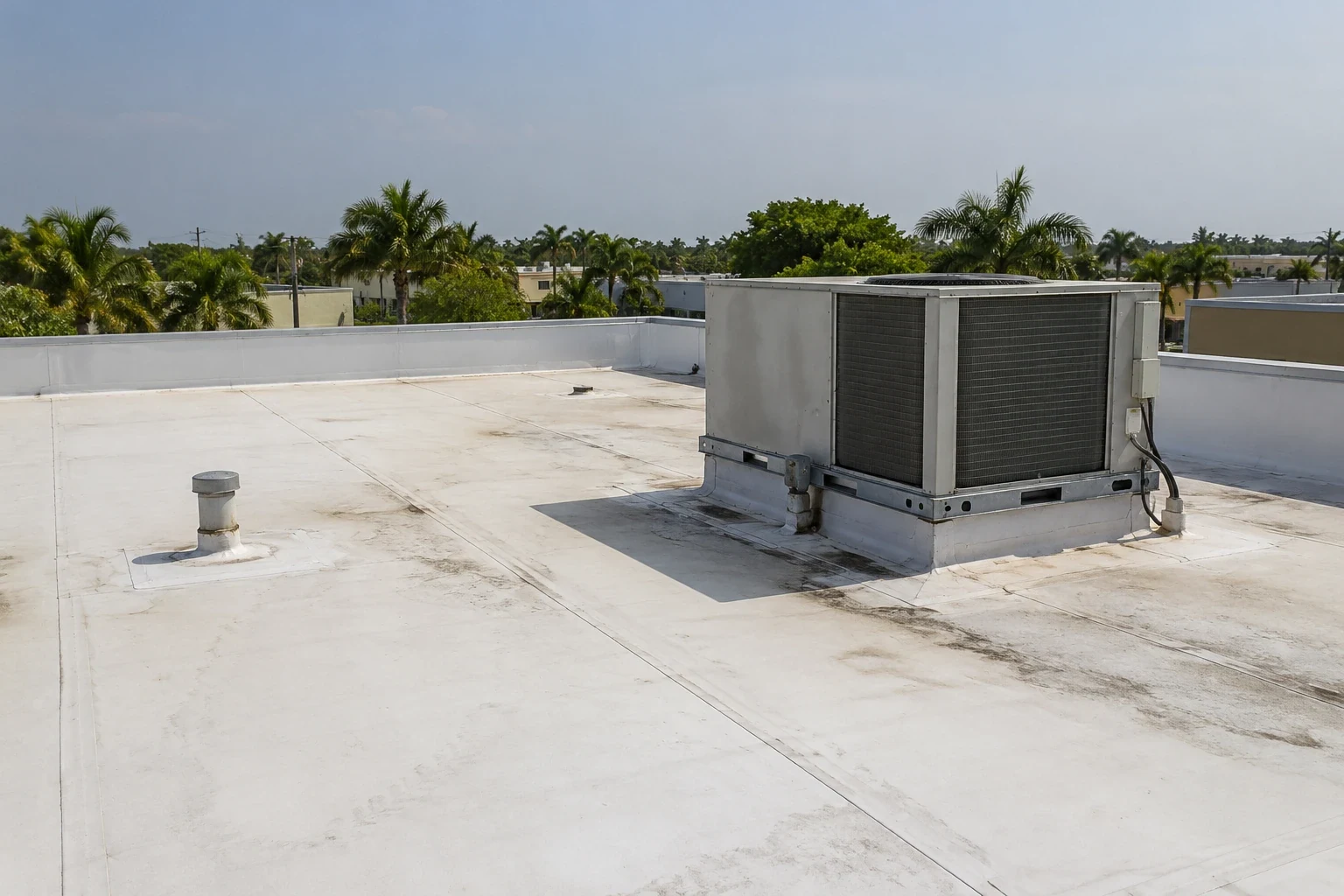
| Commercial roofing in Parkland involves neighborhood business centers and multi-building properties with distinct tenants, access, and roof conditions. A leak at one building does not establish the source or assembly at the next. We start with the property and concern identified by the owner, inspect accessible roof areas, and record membrane, seams, edges, flashing, curbs, penetrations, and drainage. Each photograph connects to a roof zone and shows enough surrounding area for the repair team to find the same detail again. Parkland’s business centers include Parkland Town Center, Parkland Commons and Shoppes of Parkland. On each property, we confirm the actual roof zones, tenant routes and drainage before setting repair boundaries; nearby center listings do not establish a shared roof condition. They offer useful geographic reference points, but their buildings and site arrangements remain separate. The Town Center is a five-building neighborhood business property; Parkland Commons and Shoppes of Parkland are separate commercial centers with distinct uses and zoning. A commercial roof inspection establishes actual roof conditions and the limits of the requested work. |
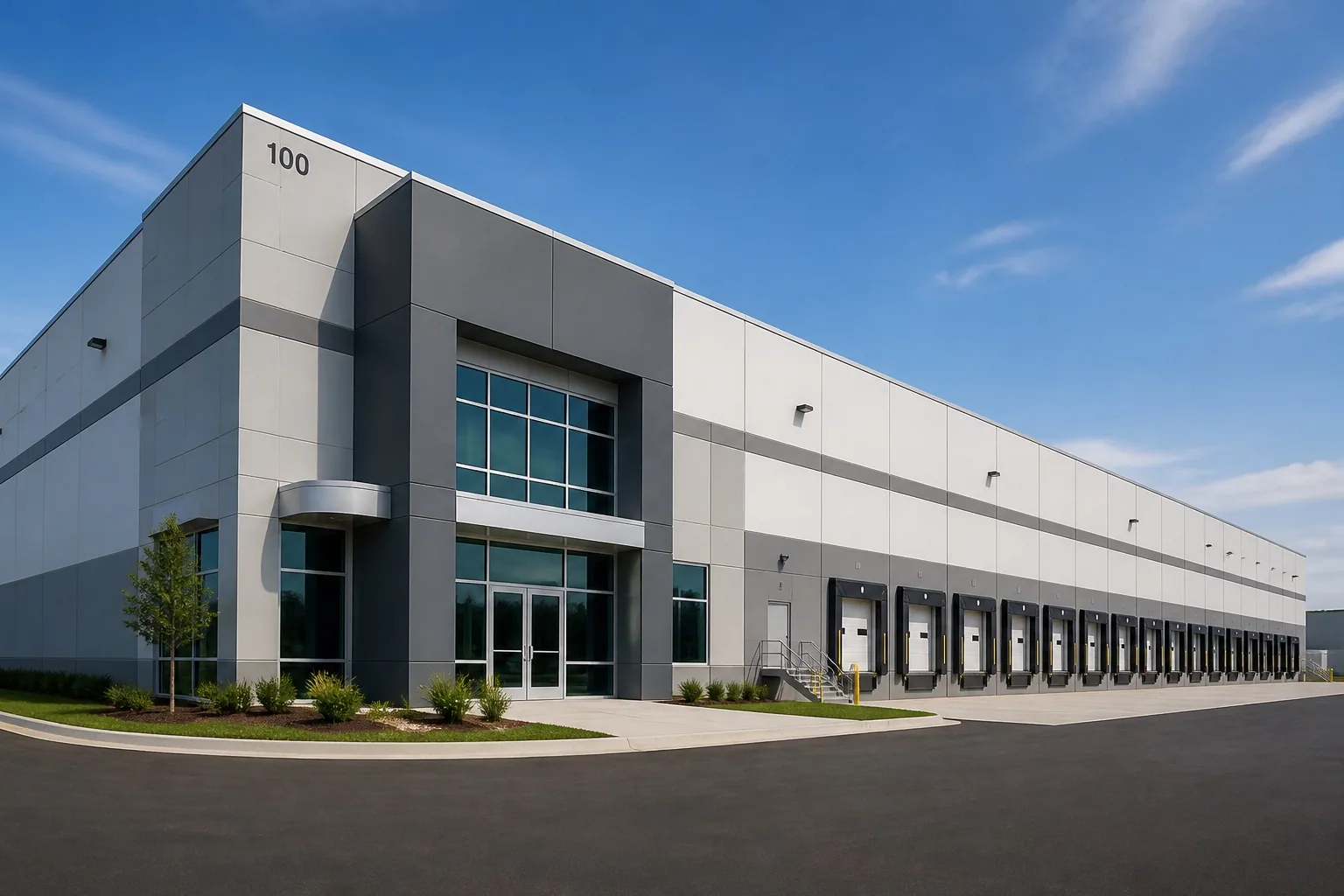
Commercial properties across Parkland | Parkland’s business areas include neighborhood retail and service properties rather than one shared campus. Parkland Commons includes retail and restaurant buildings, while Shoppes of Parkland is a larger multi-tenant commercial center. Parkland Town Center is another business area serving nearby residents. These locations have distinct zoning and uses, but roof assemblies, operator access rules and maintenance conditions still require property-specific review. One owner may coordinate work at more than one center, but each site needs a building identifier, roof plan, access contact, and operating instructions. We keep the inspection record for each property separate and identify which areas were reached. The property contact confirms staging and delivery locations, tenant notices, roof access, and any lift or work-hour limits. A place name helps locate the general service area; the specific assignment determines what can be inspected or repaired. The request should identify whether the work concerns a storefront, office, restaurant, or another commercial use, along with the affected interior space and any active leak. A roof plan or earlier repair record can help the contact distinguish a building from adjacent structures. If records are unavailable, the first visit can document the roof areas that are accessible and list what must be confirmed before a larger scope is priced. |
How a roof inspection locates the condition | We compare the reported interior area and timing with the roof details that can be examined safely. The inspection may include seams, parapets, wall transitions, penetrations, equipment curbs, drains, scuppers, previous patches, and signs of ponding or movement. A ceiling stain is a starting point, not a map of the roof opening. Water can travel beneath a membrane or along a deck before it becomes visible inside. We record the condition, roof section, access limit, and any evidence needed to confirm a concealed layer. A leak investigation follows the supported water path and separates a failed detail from an unresolved source. Drainage work can address an outlet or scupper when its condition supports that scope. If one building has several roof systems or additions, each receives a distinct record. A roof condition report can preserve photographs, observations, and next steps so later work stays tied to the same location. |
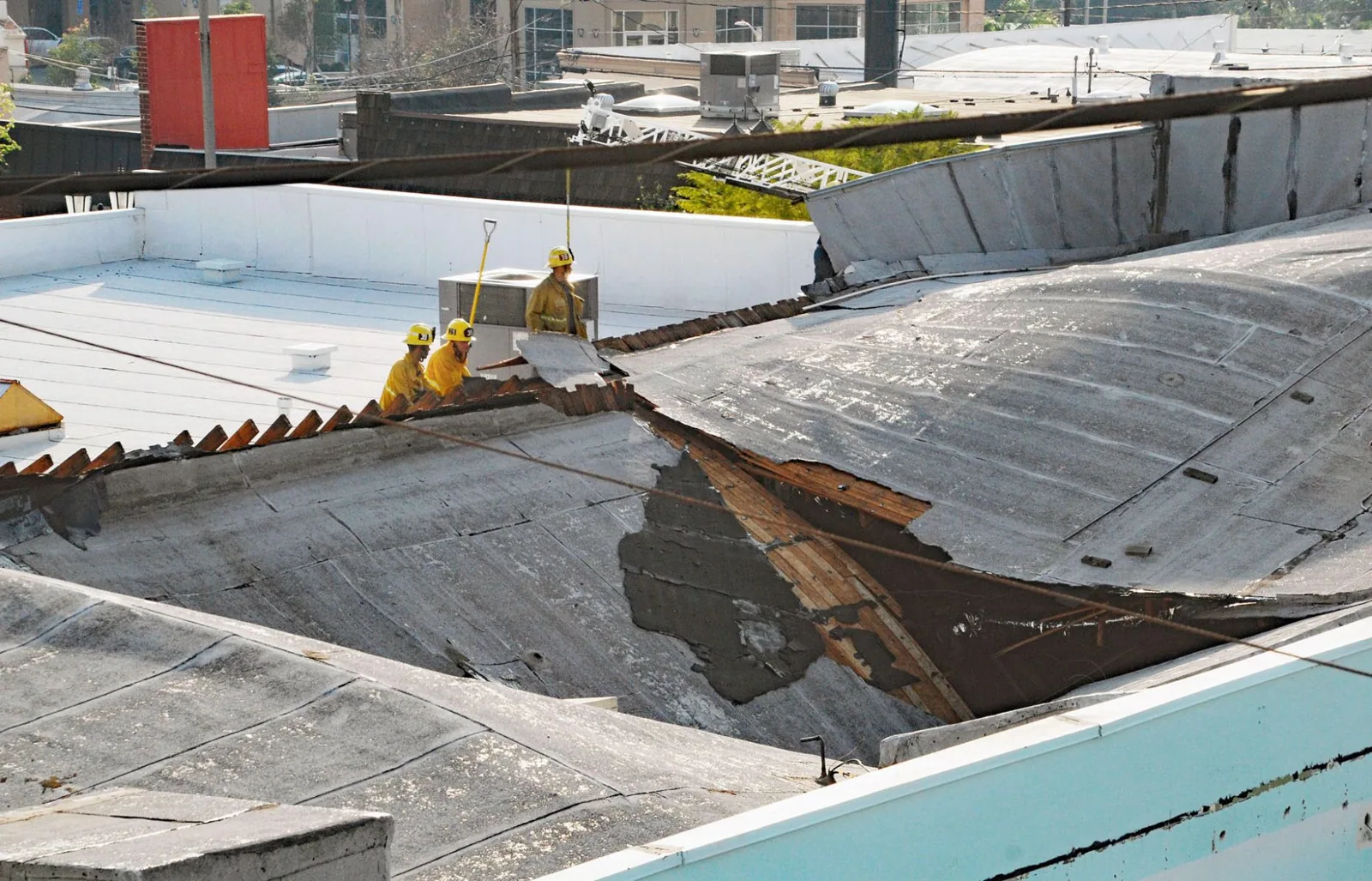
Planning for heavy rain and open-roof protection | South Florida has a long wet season, with heavy rain among the regional hazards. Weather affects inspection timing, material handling, and the protection required whenever a roof area is open. A forecast does not prove damage at a specific Parkland property. When a storm is reported, we note the date and affected area supplied by the owner, then inspect for changes such as displaced edge metal, punctures, open seams, or damaged flashing. We distinguish observed conditions from wear that predates the event. Before an opening begins, the work plan names a dry-in method, protected boundary, and person responsible for closeout if rain interrupts the shift. For a repair that cannot finish in one visit, record the temporary condition and the permanent work still required. The sequence should suit the selected material and site arrangement; it should not assume that several buildings share the same roof profile or drainage. A return visit can compare dated photographs and determine whether additional areas need inspection. |
Choosing repair, recover, or replacement | A localized repair can fit when the defect is bounded, the surrounding material is sound, and a compatible tie-in can be completed. The proposal should identify preparation, material, roof area, access, protection, exclusions, and any concealed-condition allowance. Repeated seam failures, wet insulation, loose attachment, or deck damage may require testing or a broader scope. We mark what the inspection supports and what needs owner approval before removal extends beyond the defined boundary. This keeps a small repair distinct from an assumed center-wide project. A recover may be considered only after verifying the existing layers, moisture, drainage height, and assembly requirements. Replacement exposes more of the construction and needs a plan for daily closure and debris handling. A replacement estimate should distinguish membrane, insulation, edge, and deck work where supported by the survey. For a narrower penetration issue, flashing repair may be appropriate if the observed curb and adjoining membrane can accept the selected detail. |
Coordinating occupied business properties | Before scheduling, confirm roof access, escort or check-in requirements, lift placement, deliveries, staging, tenant activity, and the contact authorized to approve a change. Those conditions differ between Parkland’s business centers and from one building to another. The contact also confirms whether another trade will be on the roof during the inspection or repair period. A short flashing repair may fit in one work period; replacement can require phased zones and a daily weather closeout. Occupied-building reroofing should identify entrances and routes that stay open, the person responsible for interior protection, and how the site contact receives updates. Equipment work can affect when a curb is ready for permanent flashing. We identify the mechanical or electrical prerequisite and who must complete it before roof closure. At closeout, document materials, completed roof zones, photographs, temporary conditions, exclusions, and follow-up items. If only one building was inspected, the report says so. A record tied to its own property and roof plan lets an owner manage multiple Parkland sites without extending one repair finding to another building. When work spans several buildings, closeout should show which locations were completed and which remain open for inspection, owner direction, or another trade. That status matters when temporary protection is still in place or an equipment contractor must finish a prerequisite. A later visit can then begin with the correct outstanding item instead of repeating work or treating an unfinished condition as complete. |
Commercial Roofing Questions | Which Parkland properties can be included in a commercial roof inspection?Commercial and neighborhood-business properties across Parkland can be reviewed. The owner or manager identifies the specific building, reported condition, roof access contact, and requested scope. Does the Town Center building count establish a roof scope?No. Parkland Town Center spans five buildings, and each roof needs its own inspection. A count does not establish membrane, drainage, repairs, or access. Does a South Florida rain advisory confirm roof damage?No. Weather provides regional context. We inspect the assigned property and document visible conditions before connecting a repair to a reported event. Can roofing work proceed while tenants remain open?The site contact supplies access, delivery, protection, and operating requirements. Work can be phased where those conditions allow, with a defined daily closure plan. |
Request a Parkland commercial roof assessment | Share the property location, reported roof concern, available records, and access contact. The inspection can document conditions and define a supported repair or planning decision. Request a Roof Assessment 555-555-5555 |
|
|
REQUEST AN ASSESSMENT
 |