Distribution Center Roofing in Coral Springs, FL
|
|
|
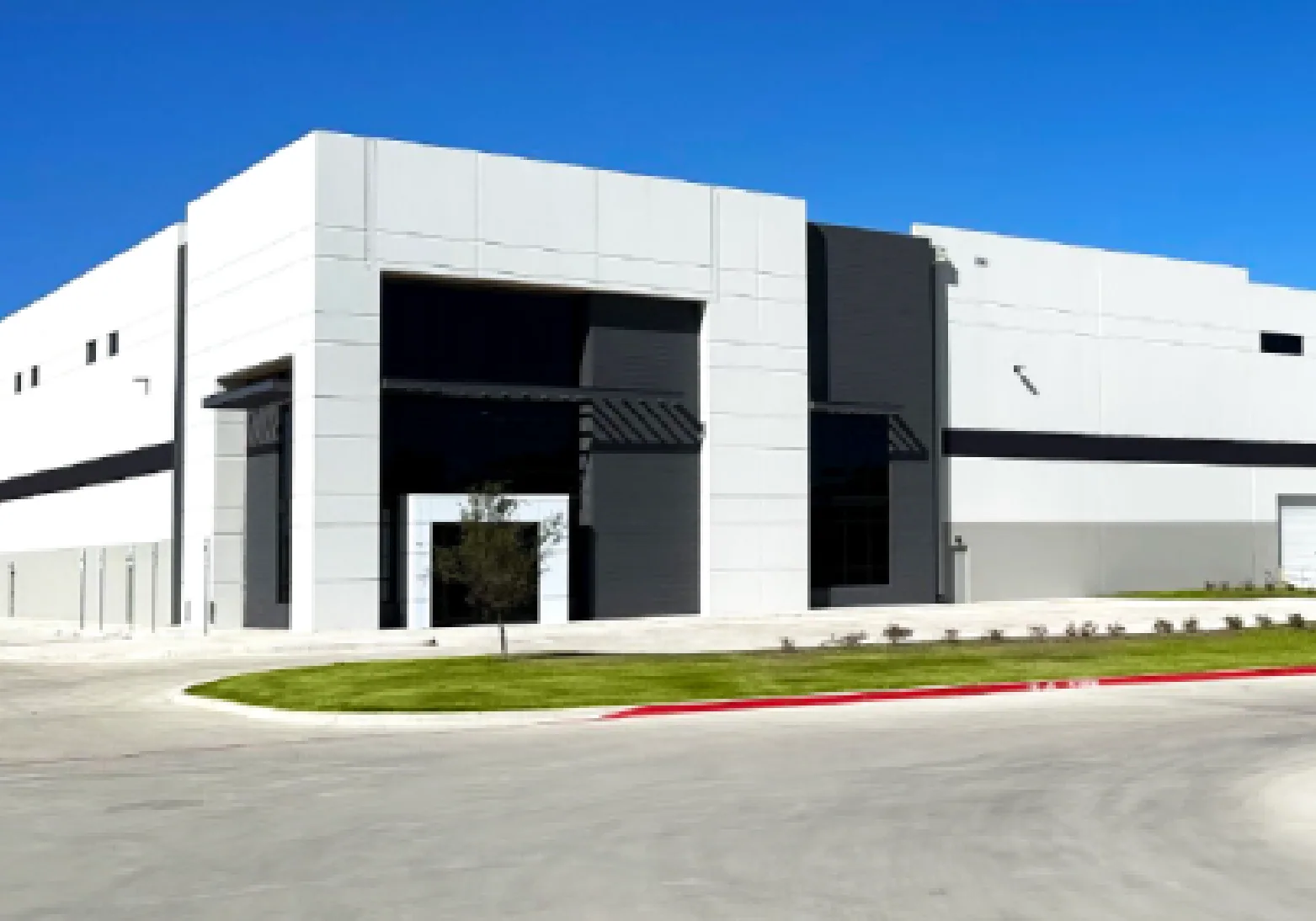
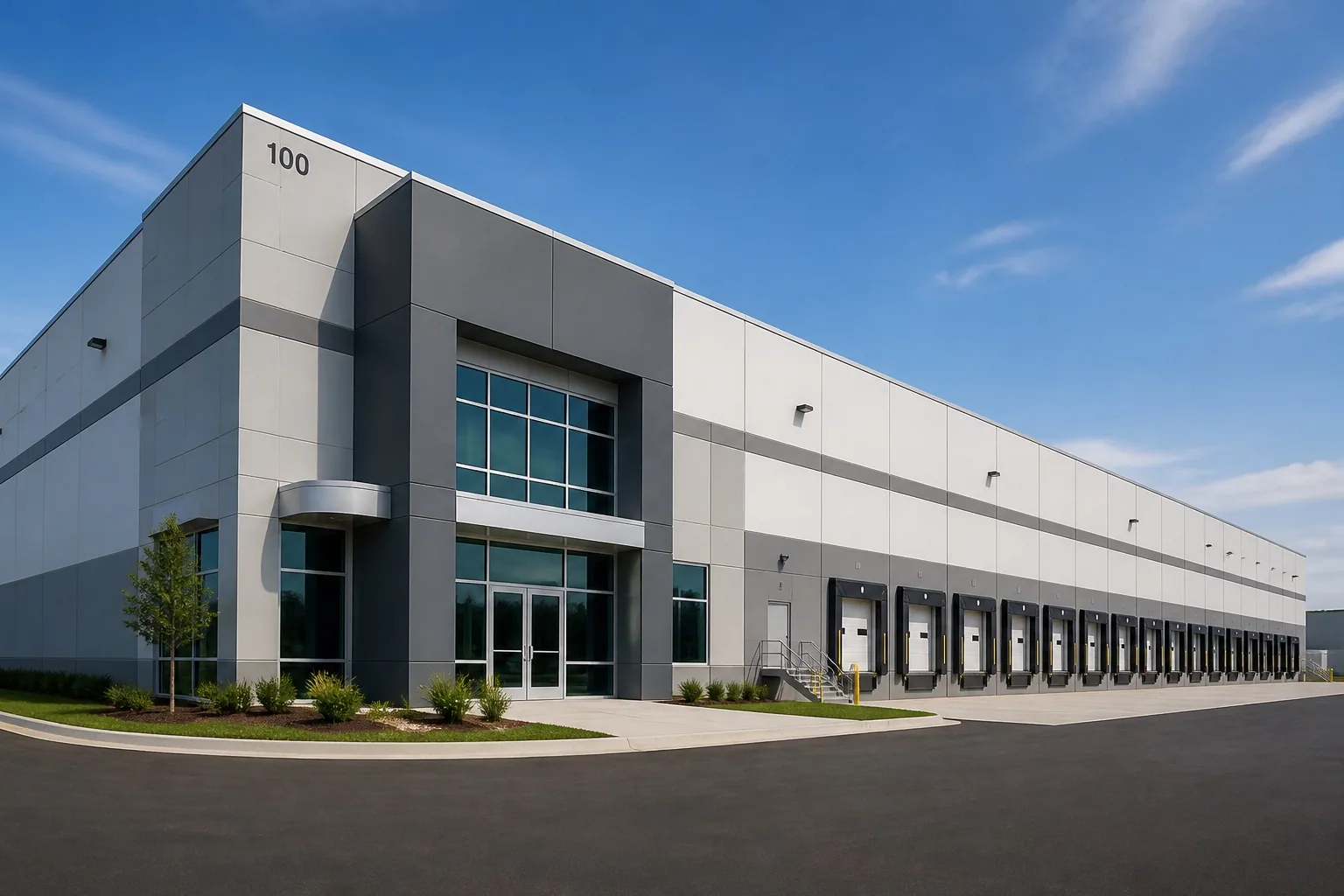
| A line of open fasteners near a dock-side roof edge can become a larger problem when wind lifts the membrane and rain reaches the insulation. We inspect the termination, follow the attachment pattern into the field and mark any seam, curb or drain detail that changes the repair boundary. Distribution buildings rely on predictable movement at grade, so the roof sequence also needs a confirmed route for lifts, pallets and crew access. We record the assembly we can see and separate that evidence from any concealed layer that needs a test cut or record review. Coral Springs, FL includes a 442-acre Commerce Park with industrial, commercial and research uses. Osprey Logistics Park is developing 400,000 square feet of warehouse and distribution space there, near the Sawgrass Expressway and regional highways. For the facility under review, the site contact confirms dock layout, dispatch timing, roof assembly and material route before we set a work zone. During South Florida’s wet season, rain and thunderstorm wind also affect the order in which an exposed area can be closed. |
Map dock and roof access | Before climbing, we ask which dock apron, gate and circulation lane can support the visit. The contact identifies delivery peaks, restricted turning areas, lift staging and the point where roofing material can be received. We compare that route with the hatch or ladder location and note where an escort or roof key is required. The field plan keeps roofing traffic from crossing a marked loading lane without approval. Ground coordination continues during the roof walk. We record active doors and tenant boundaries that sit below the work area, then confirm who can authorize a temporary change if an unexpected condition appears. For a phased project, warehouse roof work can share concerns about staging, while this scope ties roof zones to dispatch and material flow. A manufacturing plant brings separate equipment and access conditions. A phased reroof sequence can set the day's boundary and close-in point. |
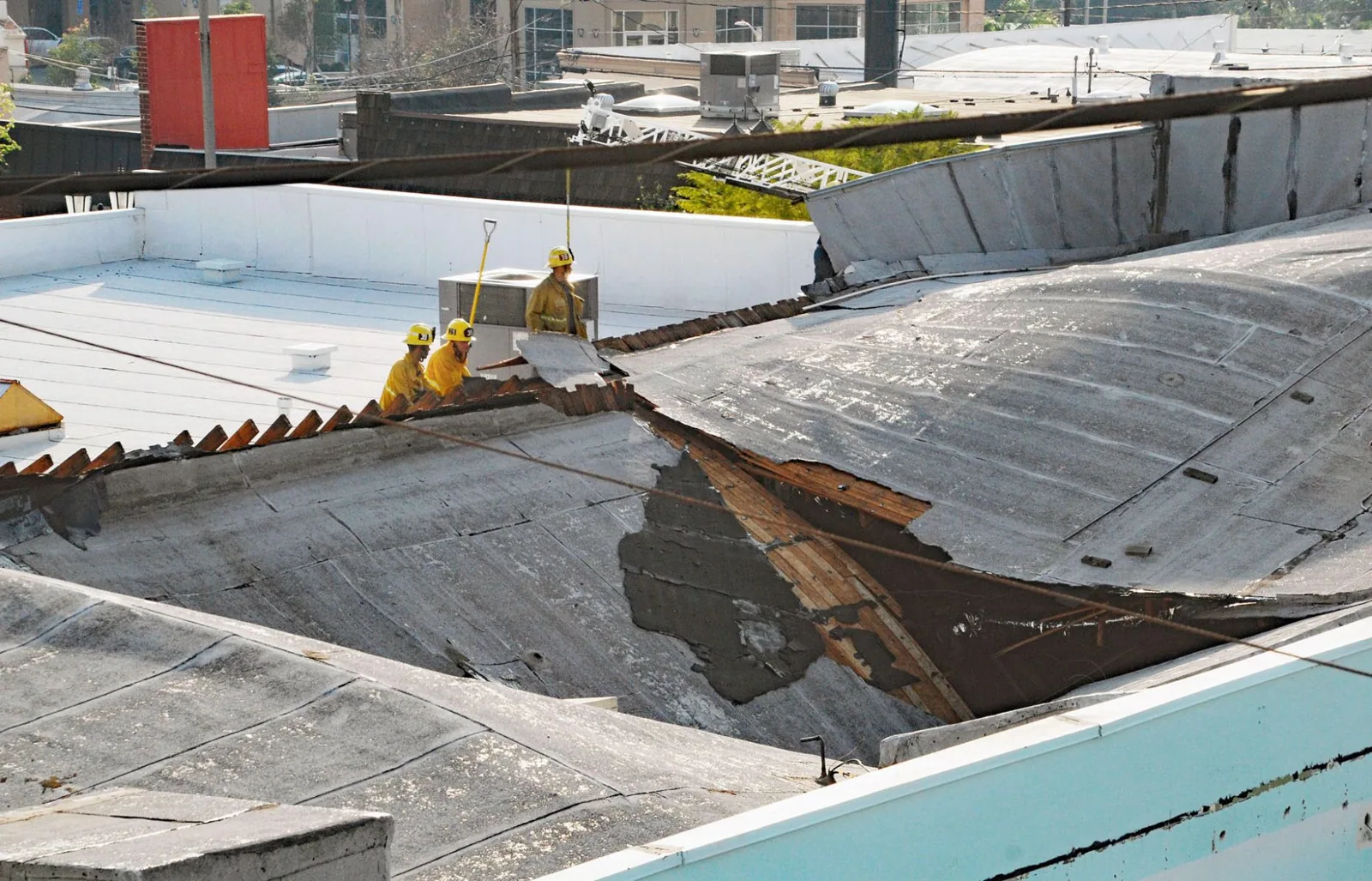
Find where water crosses | A leak above a conveyor or sorting lane may show up several bays from the actual opening. Water can follow deck flutes, insulation joints, steel framing or a conduit before it reaches a ceiling or product area. We compare the report time and interior location with the roof above, paying attention to seams, curb corners, penetrations and previous patches along the likely path. On the roof, we check membrane laps, perimeter fastening, edge metal, drains, scuppers and transitions around equipment. Heavy rain during the South Florida wet season can expose a weak drainage detail, so the crew checks that outlets are clear and looks for water marks or displaced flashing. A commercial leak investigation can follow a reported path to a defined repair. If the outlet or overflow needs correction, drain and scupper service can address that detail. We mark each observation by roof zone so operations can relate it to the areas below. |
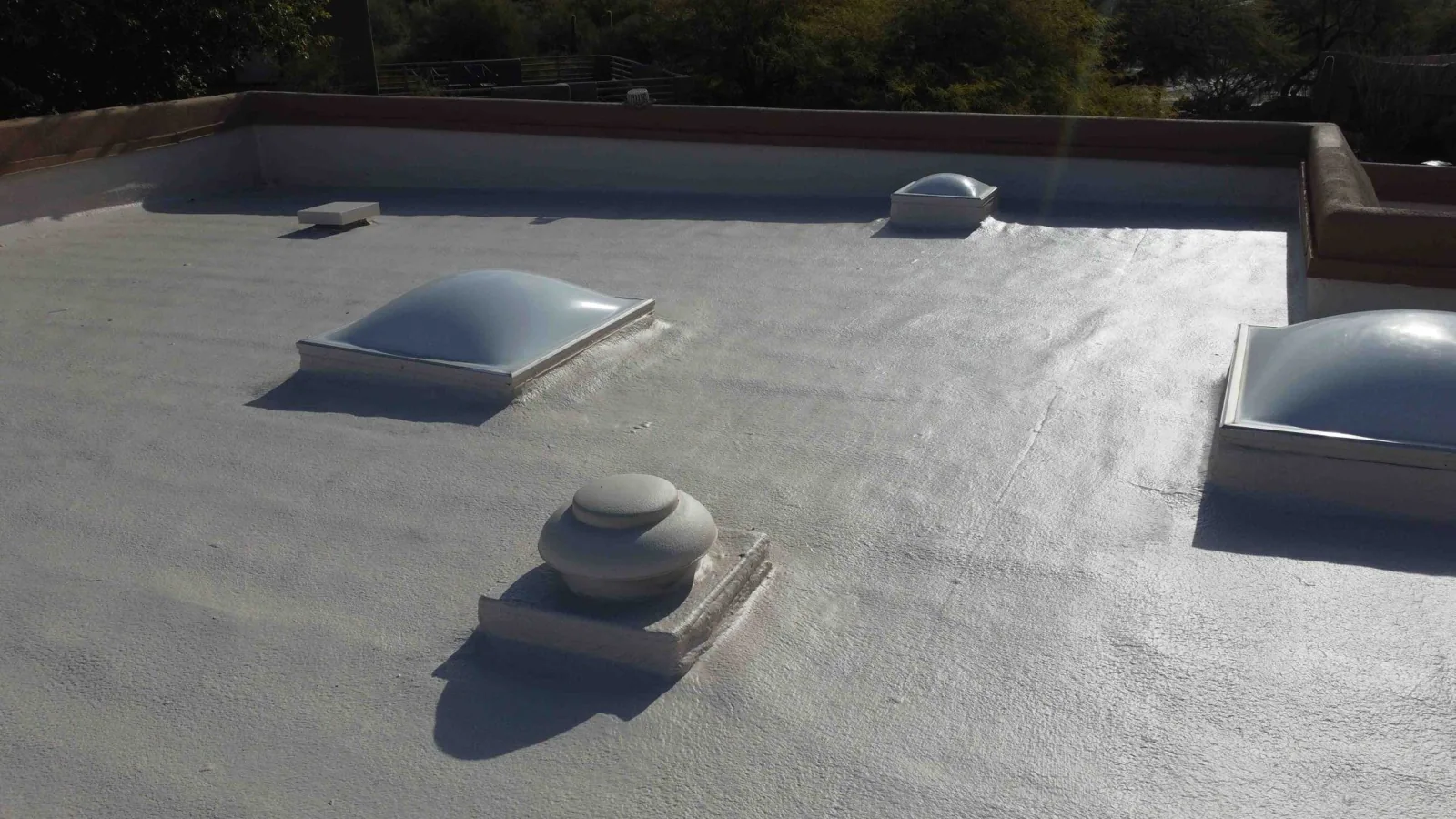
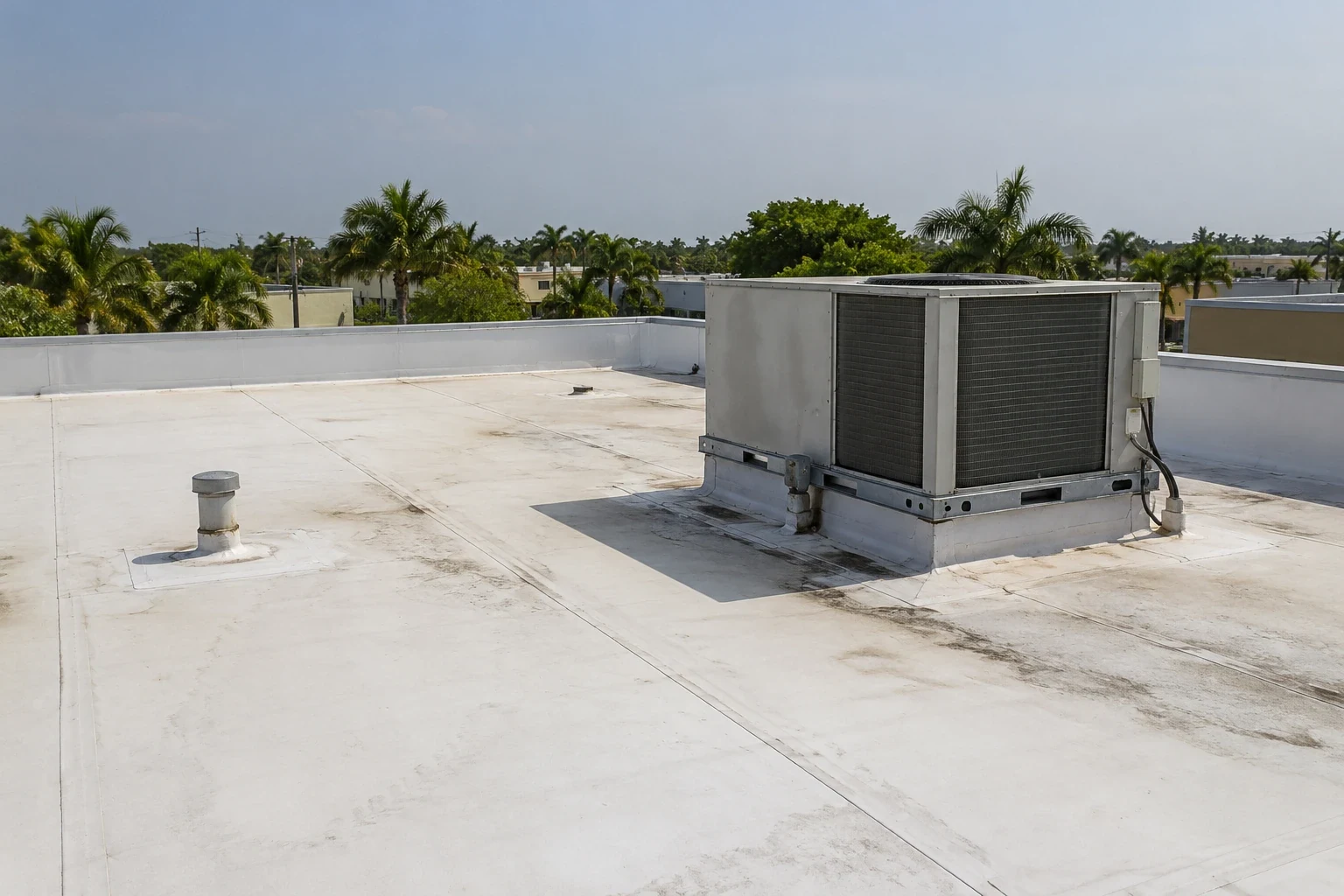
Check the attachment and layers | Distribution buildings can have a single-ply roof, built-up or modified bitumen surfacing, metal panels, or layers added during prior work. We identify the visible material and review accessible edges, flashings and records before selecting a repair method. A membrane patch must connect to sound compatible material; a metal correction depends on panel laps, clips and fasteners. When the deck or insulation condition could change the decision, we identify a controlled test location, photograph what is exposed and close the opening after documenting it. At a thermoplastic roof, seam welds and curb corners receive particular attention. TPO membrane details differ from PVC roof details, and neither should be assumed from the property type. We check the actual sheet, attachment method and transition to metal or masonry. A commercial roof inspection can map repair candidates before a capital scope is assembled. If moisture appears in more than one zone, we compare its location and extent with accessible evidence instead of extrapolating a test result across an entire facility. |
Set a workable repair boundary | A repair scope starts with a marked limit and a close-in step. A short seam separation may call for cleaning, preparation and a compatible patch. A failed curb can require removal of the flashing around the base, attention to the substrate and rebuilding the transition. If fasteners have backed out or edge metal has shifted, the attachment and termination need to be checked together. We describe each item, note the evidence supporting it and flag conditions that remain concealed or inaccessible. A local reroof includes roof-sheathing re-nailing under Florida Building Code 2322.2.8. At a dock-side boundary, we schedule the deck check and close-in around the receiving sequence. Commercial roof replacement can be scoped in controlled sections, while roof capital planning can compare the evidence and timing. |
Keep the work sequence moving | Distribution work has roof and ground dependencies. Before a zone opens, we confirm the material delivery, approved lift point, tie-off, weather window and temporary protection. We plan a section that can be repaired and closed before the crew shifts to another area. If afternoon rain arrives earlier than expected, an open edge must be secured and the next day's work boundary reset. Heat exposure is also a scheduling factor during July and August in South Florida, so the site contact and crew agree on practical access and rest arrangements. We ask the facility contact which doors, dispatch periods, fire lanes or tenant entrances must remain clear, then place cones and protection only where authorized. At a project near Sample Road or University Drive, the contact provides address-specific truck entry and staging directions. For a Commerce Park site, the manager confirms the gate and delivery route. When more than one building is involved, a multi-building roof program can keep findings and sequence decisions organized by address without treating separate assemblies as identical. |
Verify tie-ins before release | At each completed zone, we inspect seams, curb flashing, perimeter metal, fastener lines and outlets included in the scope. The closeout notes the area opened, repairs installed, photographs taken and any condition that changed after removal. The record should tell the facility contact what was completed and what remains for a separate decision. A later maintenance visit can revisit accessible details and keep drains, penetrations and edges on a documented schedule. We schedule follow-up around the facility’s recorded access hours and identified open roof questions. |
Commercial Roofing Questions | How do you repair a leak over a sorting or dock area?We compare the interior report with roof details above it, then trace seams, penetrations, curbs and drainage along a plausible water path. The scope names the observed defect and repair boundary. Can trucks keep moving during a roof project?The site contact identifies active dock lanes, delivery periods and safe staging points. We plan roof access and material handling around those confirmed rules and keep marked routes clear as directed. What does a roof test cut tell you?A test cut can expose the layers and condition at one selected location. We document the finding, restore the opening and avoid treating that sample as a result for every roof zone. When should a distribution building consider replacement?Repeated failures, widespread moisture, deteriorated attachment or deck concerns can justify comparing replacement with repairs. We use documented conditions, assembly records and applicable code requirements to define the choice. What information helps schedule the first visit?Send the facility address, plans or roof records, leak locations, dock and gate instructions, roof access details, operating windows and any restricted areas. Include a site contact authorized to coordinate changes. |
Coordinate a distribution roof review | Provide the address, roof records, reported leak or storm date, dock access route and operating limits. We can inspect the assembly, mark affected zones and set a repair or replacement sequence with the facility contact. Request a Roof Assessment 555-555-5555 |
|
|
REQUEST AN ASSESSMENT
 |