Commercial Roof Maintenance in Coral Springs, FL
|
|
|
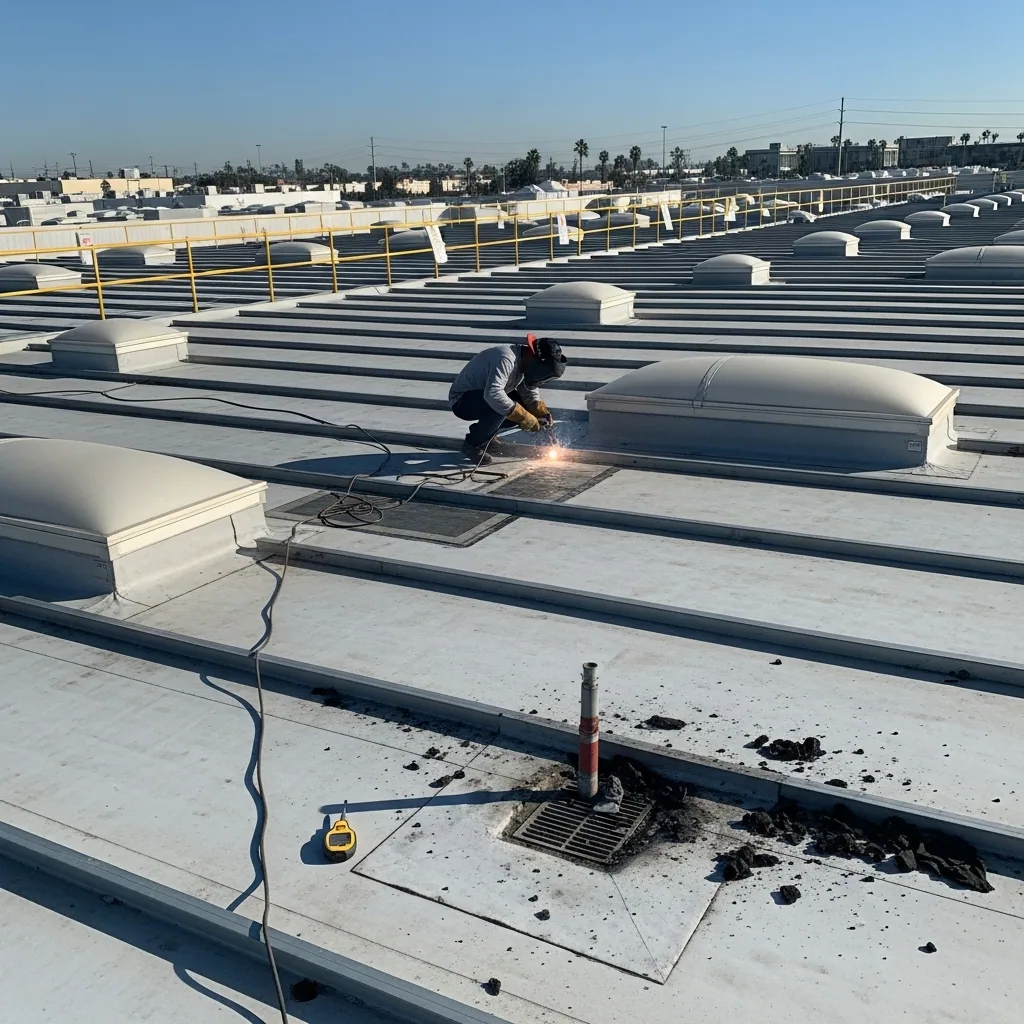
| A thin trail of debris at a drain bowl can hide a loose strainer, a blocked sump or a seam beginning to separate. During maintenance, we walk the roof zones, clear the agreed drainage details and inspect edges, penetrations and previous repairs. We record what changed since the last visit and mark items that need a separate repair scope. The work gives the property team current observations, not a promise that conditions elsewhere are unchanged. South Florida’s long wet season, summer heat and tropical weather from August through October make accessible drains, edge terminations and temporary openings useful maintenance checks before heavy rain. At a building near Coral Springs Commerce Park, loading activity and roof access must be confirmed for the particular property. We plan the visit with its contact and existing maintenance records. |
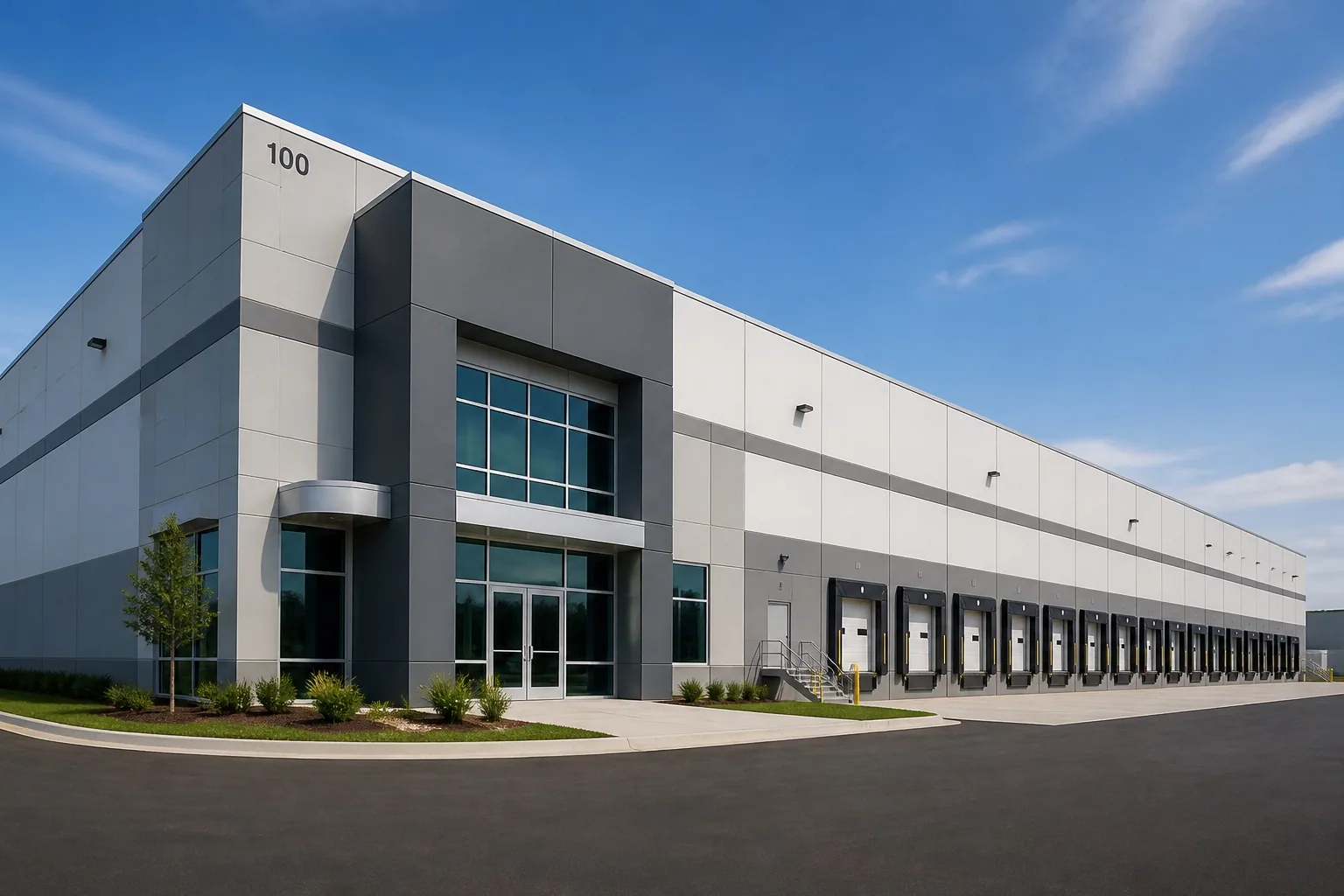
Set the visit around the building | We start with the property address, roof access route, available plans and the purpose of the maintenance visit. A manager may want a seasonal condition check, documentation after a repair or a list of work that should be completed before a planned project. We agree which buildings and roof sections are included, how access will be provided and whether mechanical areas have restrictions. The schedule also accounts for operating hours and the representative who can review field findings. Coral Springs Commerce Park includes industrial, logistics, engineering and research uses. The site contact identifies where a service vehicle may enter and where a ladder, hatch or escort is arranged. At offices or retail sites near Sample Road and University Drive, we confirm the actual entry and any active tenant spaces with the contact. A multi-property maintenance schedule can keep planned visits organized across an owner’s portfolio. |
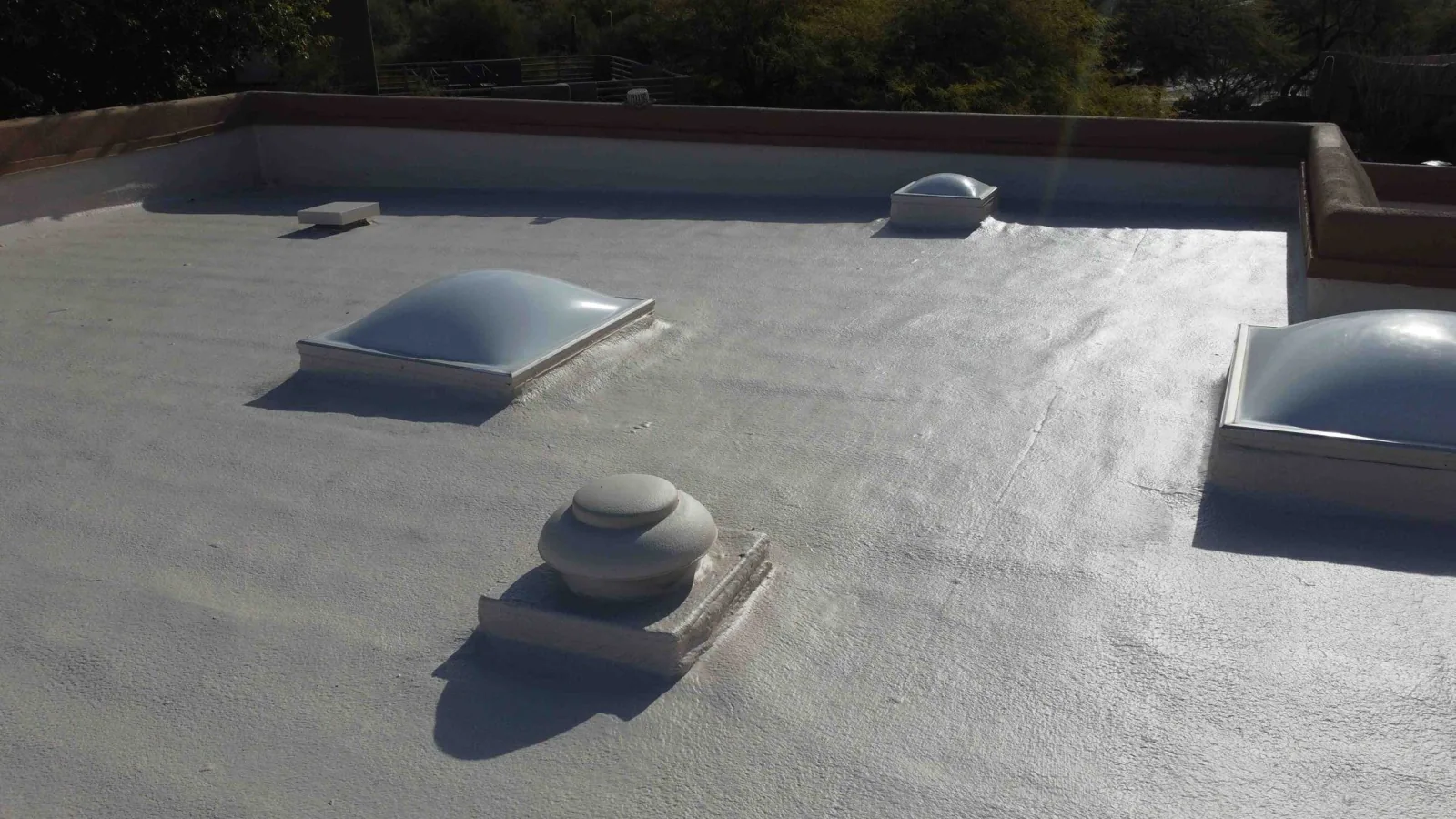
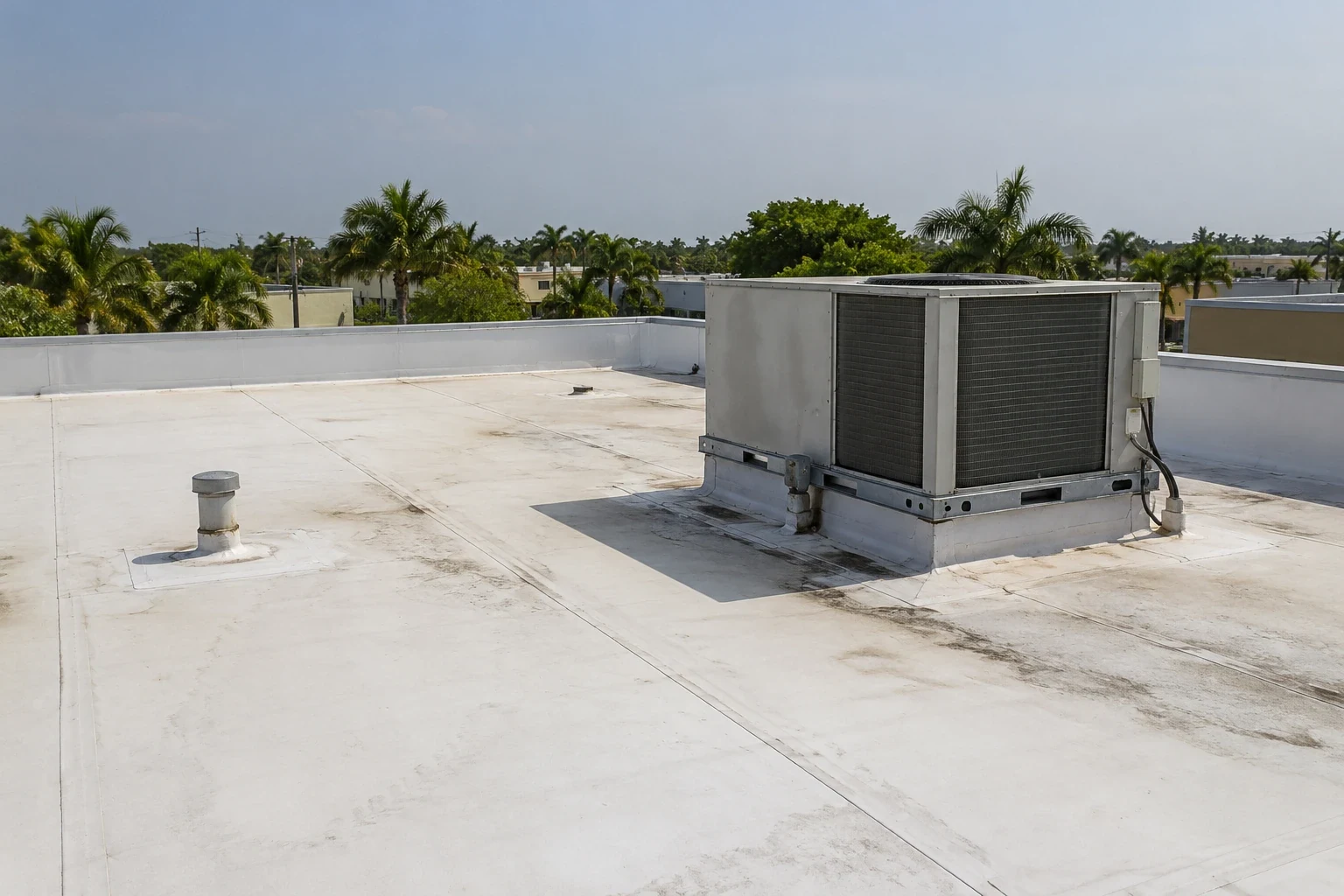
Walk the field and mark changes | On the roof, we inspect the membrane surface, seam laps, fastener lines, edge metal, wall flashings, curbs and visible penetrations. We compare repair areas with prior notes when those records are available. A patch lifting at one edge, a new wrinkle or an open termination can change the next repair step. We field-mark locations that need attention and identify whether the item appears isolated or continues into an adjoining roof zone. We also look at areas around rooftop equipment where service work may have disturbed flashing or left material on the membrane. Access around equipment depends on the building’s rules and equipment condition. If a curb transition needs correction, rooftop equipment curb and support work can be defined for the affected detail. The maintenance notes identify what we could reach and which equipment or roof areas were not part of the visit. A useful maintenance route follows the roof from perimeter to field and back to each outlet. We start with edge metal, corners and terminations, then note changes around curbs, seams and walk paths before checking drains and overflow openings. We record the visit date and weather with each entry. Recording the same route on later visits makes new movement easier to distinguish from an older stain or repair. If rooftop equipment has shifted or a contractor has added a penetration since the last visit, we mark it for a separate detail review before routine work proceeds. |
Keep the water path open | We inspect drain bowls, strainers, sumps, scuppers and visible overflow openings included in the scope. Debris is removed where accessible and authorized, and we note conditions that may require plumbing, sheet-metal or roofing work beyond routine maintenance. A blocked strainer and a failed drain flashing are different conditions. The report identifies what was found and whether water appears to have a clear path toward the drain or overflow. South Florida’s wet season brings periods of heavy rain, so clear drainage details matter during the maintenance cycle. That regional pattern does not establish ponding at any one roof. Where water remains after rainfall, we record the location and visible conditions for follow-up. Drain, scupper and cricket work can be scoped when the detail needs correction. A ponding water assessment may help distinguish a surface obstruction from a drainage or slope concern. |
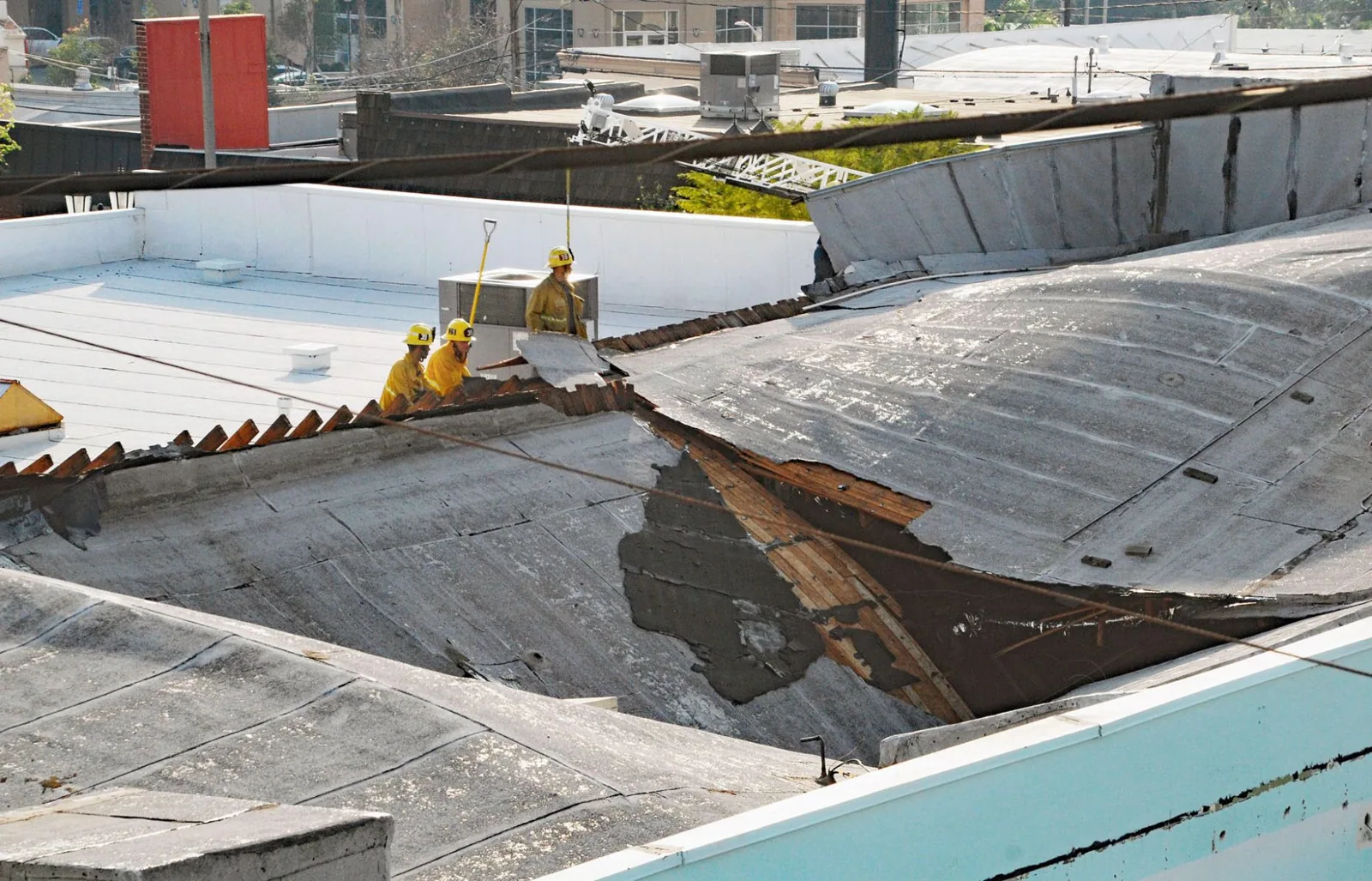
Separate routine work from repairs | Maintenance findings should identify the component, location and action required. We separate cleaning and observation from membrane repair, metal replacement or work that requires opening the assembly. Where a repair could conceal wet material, we document the condition and review the needed investigation before closing it. Each item receives a priority based on the observed defect and its exposure, not a blanket label for the whole roof. After a localized seam or flashing defect is identified, commercial roof repair can define the materials and close-in check. If the observed pattern spans several roof zones, a commercial roof inspection can establish a broader condition record. The maintenance visit itself remains tied to the work authorized. Our Diligence Notes make clear which repairs were completed during the visit and which were only recommended for review. |
Coordinate around active operations | Maintenance can require roof entry near active offices, loading areas, medical services or retail entrances. The site contact identifies restricted routes, hours, escorts and equipment that must stay available. At healthcare and retail properties, confirm the actual access window and keep service routes clear during maintenance. At each building, the facilities contact supplies access rules and the route the crew must keep clear. Coral Springs shuttle stops include Coral Square Mall and Brookside Square. The property representative confirms private loading and roof access at the service address. If maintenance occurs above occupied rooms, occupied-building roof coordination can account for work zones and interior operating needs. We also confirm any water-use or equipment restrictions before cleaning or inspecting a detail. |
Close with Diligence Notes | At the end of the visit, we provide dated notes that identify roof sections inspected, accessible details, completed maintenance, observed defects and limits. Photographs or field marks can help the building team return to a location. If materials or equipment blocked an area, the report says so. That record supports the next planning decision without implying that concealed layers or inaccessible spaces were evaluated. When recommendations call for more than routine care, the owner can compare the repair scope with the observed condition. A roof condition report can organize findings for capital planning, and infrared moisture imaging may be considered for a defined concealed-moisture question. We can set a return visit around the property’s address, access route, active leak or storm date, and operating limits. |
Commercial Roofing Questions | What gets checked during a maintenance visit?We inspect the agreed accessible roof areas, seams, edge details, penetrations and drainage components, then record maintenance performed and conditions that need separate review. Can maintenance prevent every leak?A visit can identify visible defects and keep specified drainage details clear, but it cannot establish the condition of concealed or inaccessible areas. The report states its coverage and findings. How do you handle a repair found during the visit?We document the location and condition, then define any repair that falls outside the authorized maintenance work. The property contact reviews the scope before the detail is opened or rebuilt. Can you coordinate several Coral Springs properties?Yes. We can organize visits by address, roof access and operating limits, with a record for each property and the work completed at each one. What information should I send before scheduling?Provide the property address, roof access route, prior maintenance notes, active leak or storm date, and any operating restrictions or escort requirements. |
Schedule a roof walk | Send the property address, roof access route, prior notes, any active leak or storm date, and operating limits. We can define the roof areas to inspect and the record you need after the visit. Request a Roof Assessment 555-555-5555 |
|
|
REQUEST AN ASSESSMENT
 |