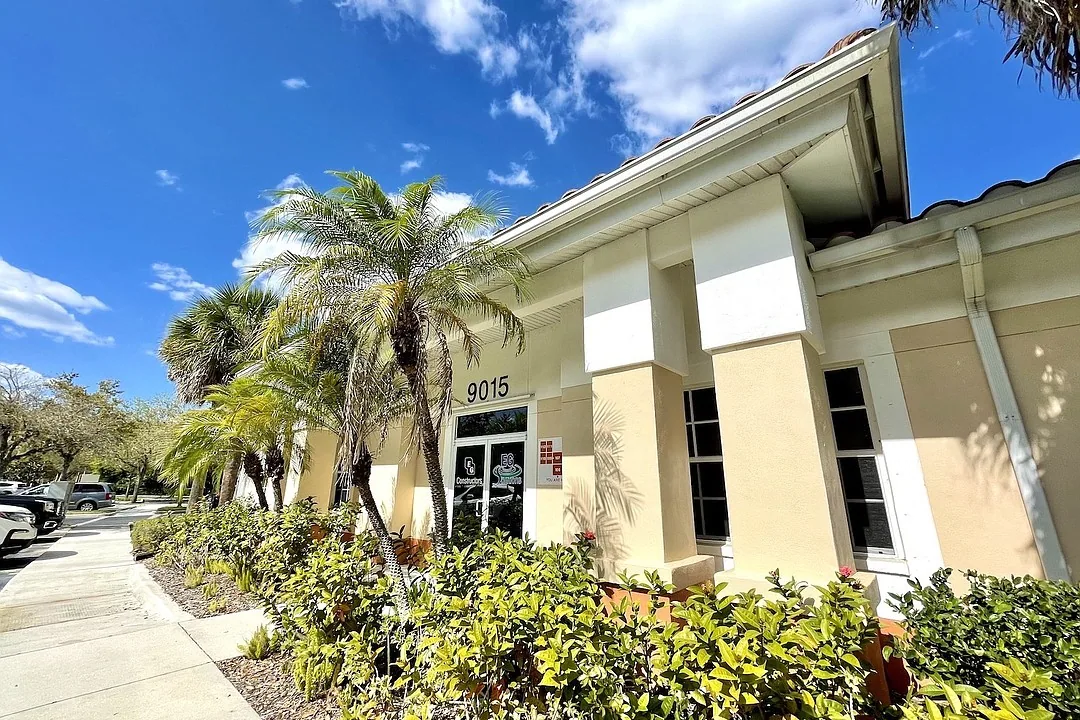
Commercial Roofing at Coconut Creek MainStreet, Coconut Creek, FL
|
|
|
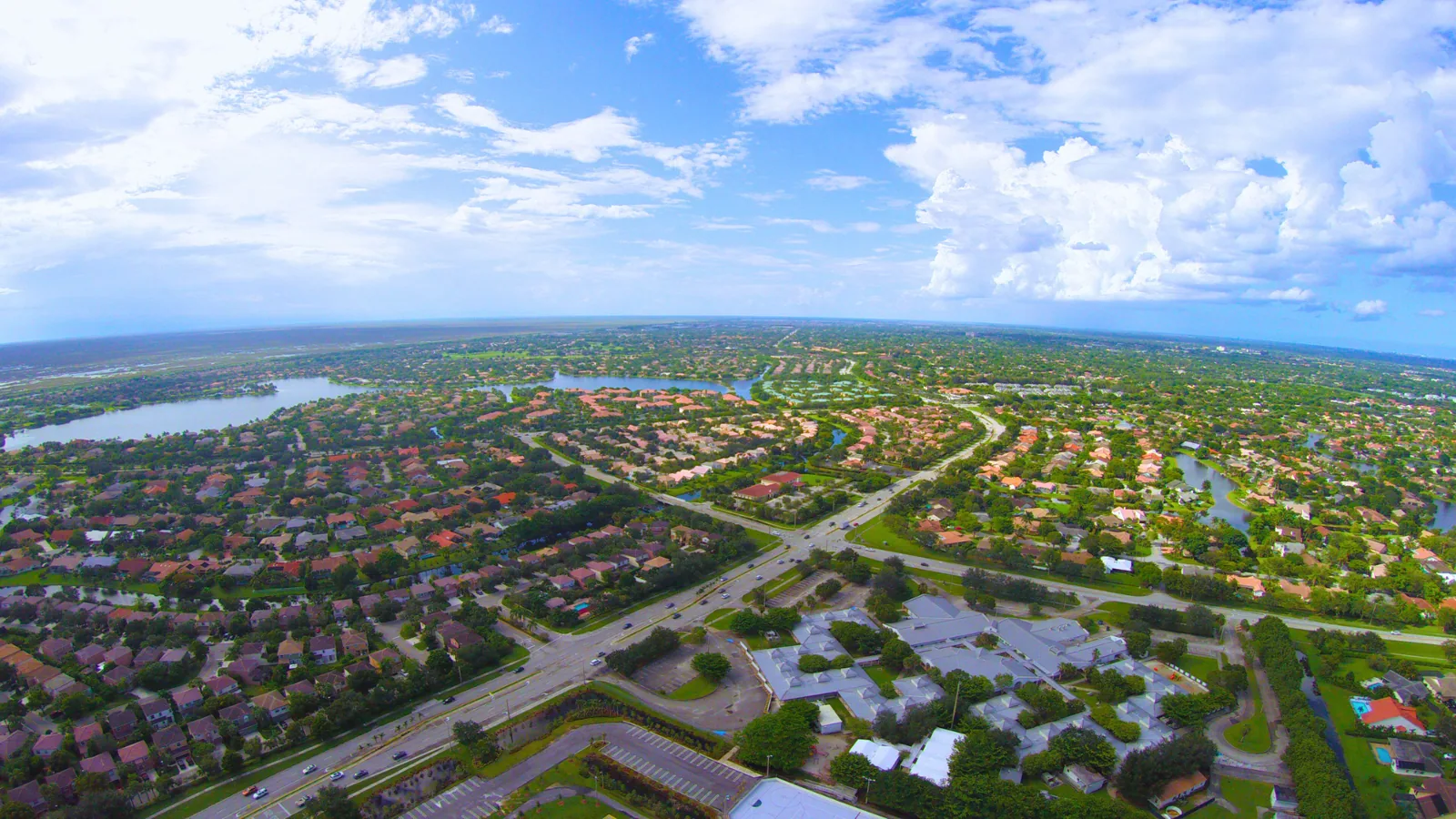
Service Areas: | | ● | Commercial Roofing at Coral Springs Commerce Park, Coral Springs, FL | ● | Commercial Roofing in Downtown Coral Springs, Coral Springs, FL | | ● | Commercial Roofing in Coral Springs Central Commercial District, Coral Springs, FL | ● | Commercial Roofing in Margate, FL | | ● | Commercial Roofing in Sunrise, FL | ● | Commercial Roofing in Coral Springs Commercial Districts, Coral Springs, FL | | View All Service Areas |
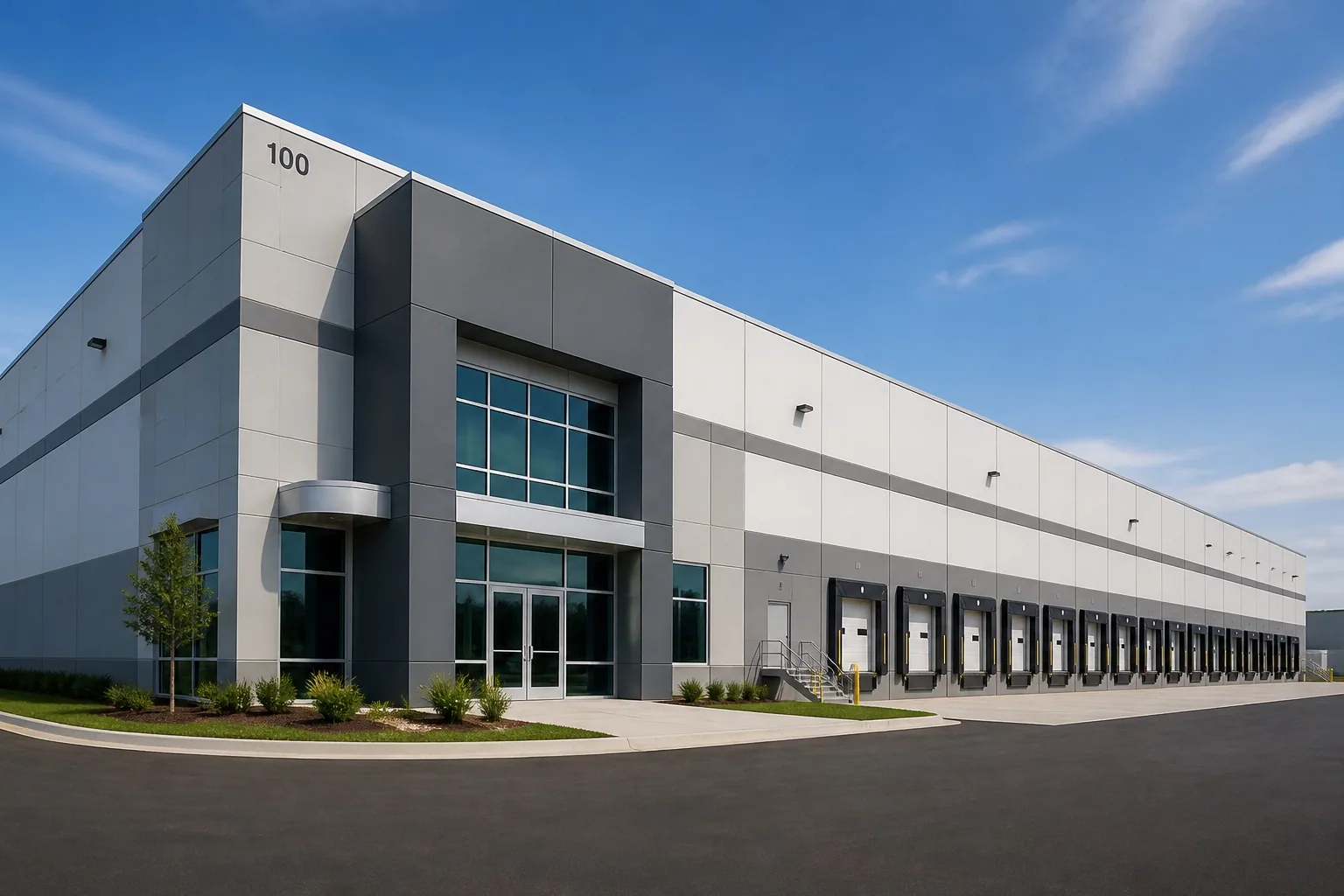
| A leak over a dining tenant or retail corridor can affect more than the roof directly below it. Coconut Creek MainStreet is a planned mixed-use area that includes Seminole Casino Coconut Creek and the 23-acre open-air Promenade shopping and dining center. The MainStreet plan includes office, retail, residential, resort and green-space uses, with LEED construction standards for development. Its broader MainStreet area is described as exceeding 250 acres of planned businesses, housing, parks and greenways when complete. Those plans make access and tenant coordination central to any roof scope; the conditions of a particular building still need to be verified onsite. MainStreet is a Coconut Creek district, not a separate municipality. We confirm the property address, owner or manager contact, roof access and permitted work area before scheduling. A public place name does not establish a loading dock, roof hatch or tenant schedule. For an open-air shopping and dining setting such as the Promenade, we ask which customer paths, deliveries and outdoor areas must remain usable and how the contact wants work notices handled. |
Coordinate roof work with tenants and public paths | First we identify what is operating below the roof and when people use the area. A casino, shopping and dining center, office or future mixed-use parcel may have different security, delivery and noise requirements. We ask the contact to identify tenant hours, service entrances, public routes, restricted zones and who can approve roof access. The work plan then specifies the actual route for equipment and removed material instead of assuming that an open-air site has unrestricted staging. Inspections can often be arranged with a narrow access window, while repairs may need cones, a protected route or temporary tenant notice. Replacement adds material movement, tear-off and disposal. We map the sequence with the manager, preserve marked exits and identify where the crew can work without crossing an active customer path. If a phase must stop for a delivery period or operating event, that limit belongs in the schedule and close-in plan. For a reroof with tenants onsite, the work sequence sets notices, access zones, debris controls and daily cleanup for each area. We confirm whether protection is needed for outdoor dining, landscaped routes or adjacent storefronts. These are planning questions for the specific parcel, not claims that every MainStreet property has the same layout or hours. |
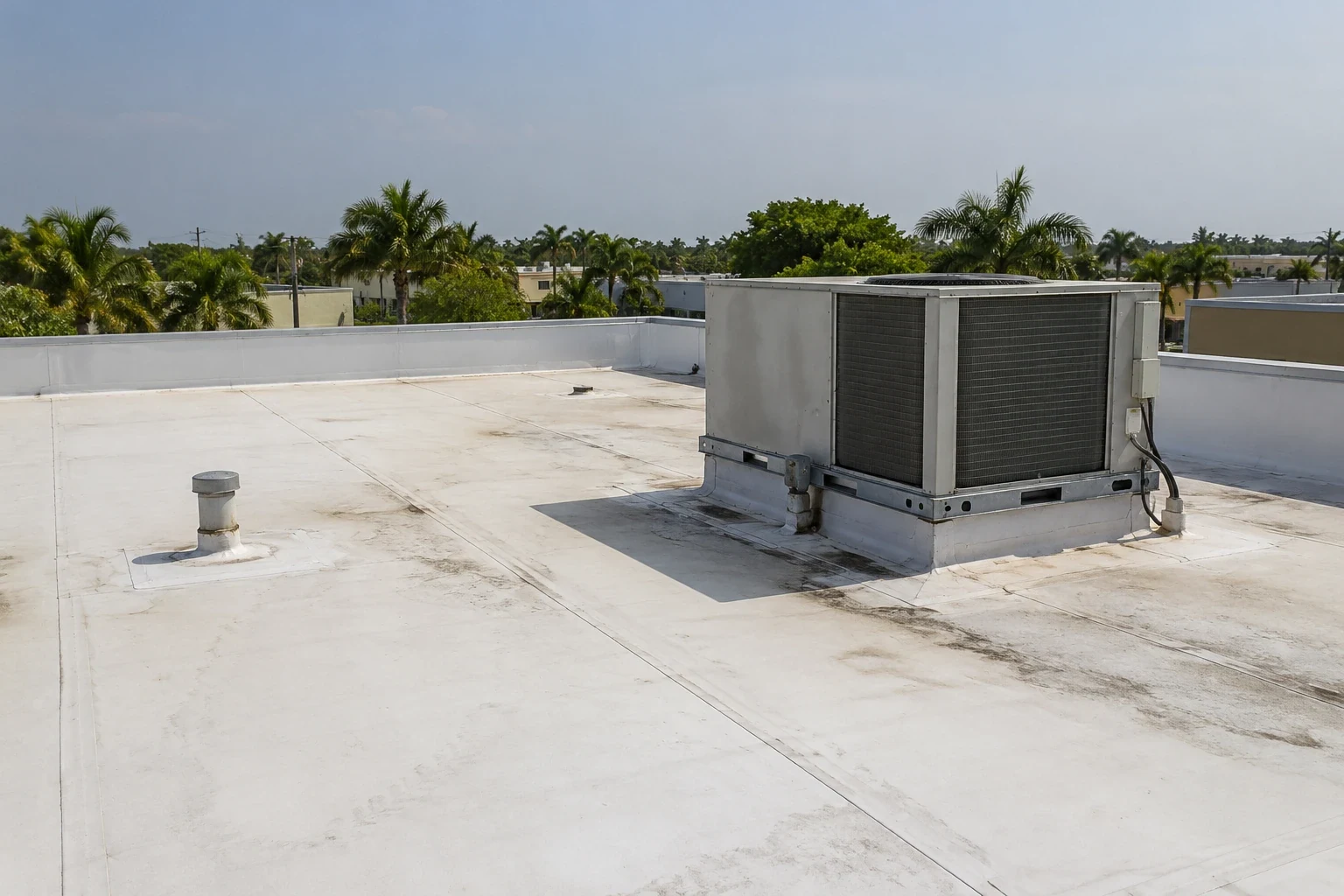
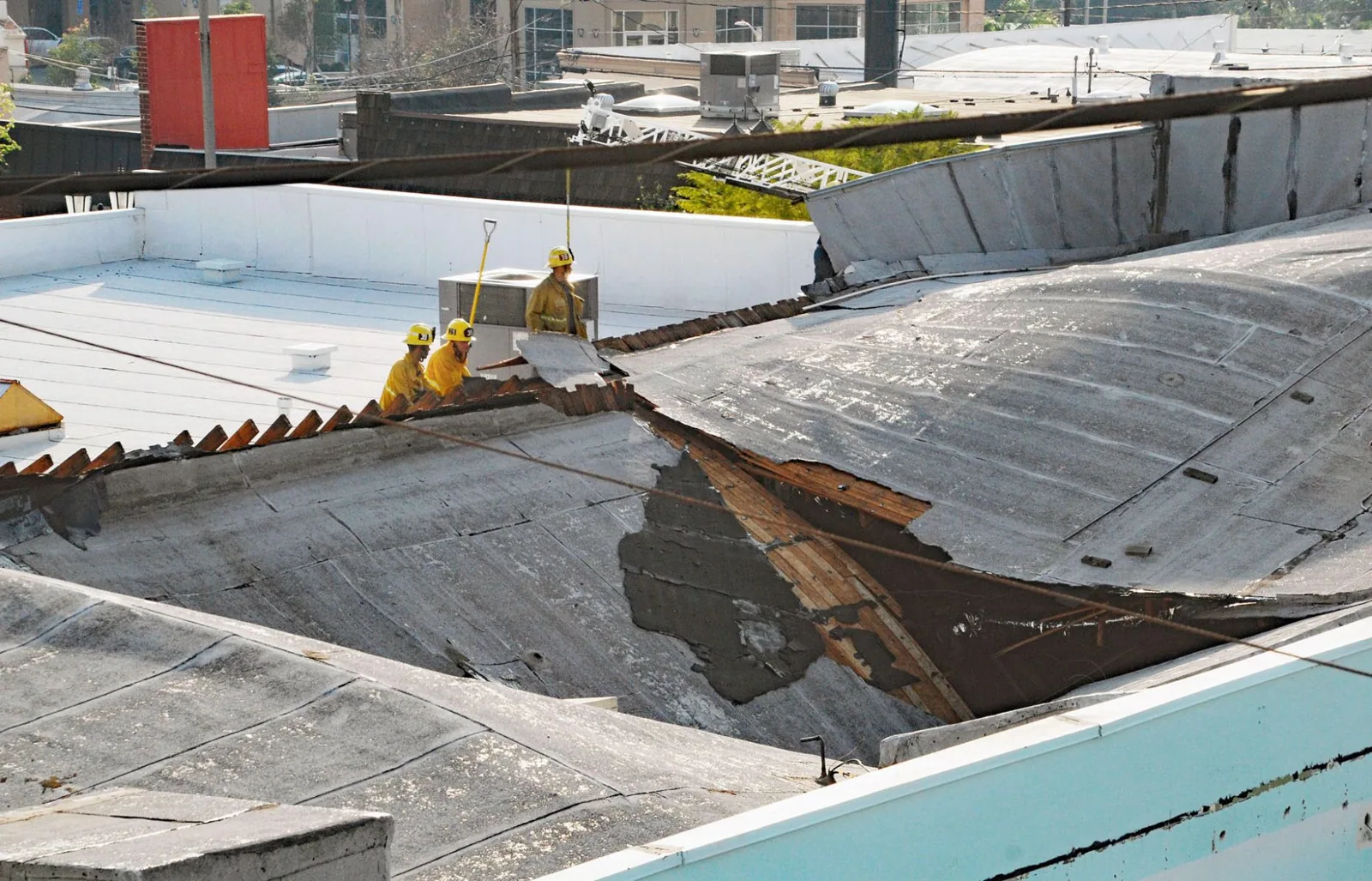
Find the source before setting the repair boundary | We begin with the affected room or tenant area and the timing of the leak. Then we compare that report with roof details above it: seams, curb flashings, penetrations, edges and drainage. Water can travel before it reaches a ceiling, so we do not treat the stain as proof of the entry point. We take photographs, note visible deterioration and separate confirmed conditions from anything hidden beneath the surface. Drainage inspection follows the path from the roof field toward the outlet. We check strainers, drains, scuppers, debris and evidence of standing water. A blocked opening may call for maintenance; recurring ponding or water below the membrane can point to a broader concern. A commercial roof inspection provides a written, dated record the owner can use to prioritize work by building and tenant impact. We can use an infrared moisture survey to map likely wet zones when concealed water could enlarge the removal boundary; selected spots still need confirmation. A test cut confirms layers only at its sample location. We document the point, restore it with compatible material and explain whether additional samples are needed. For active intrusion, a leak repair evaluation identifies immediate protection and the permanent repair boundary separately. |
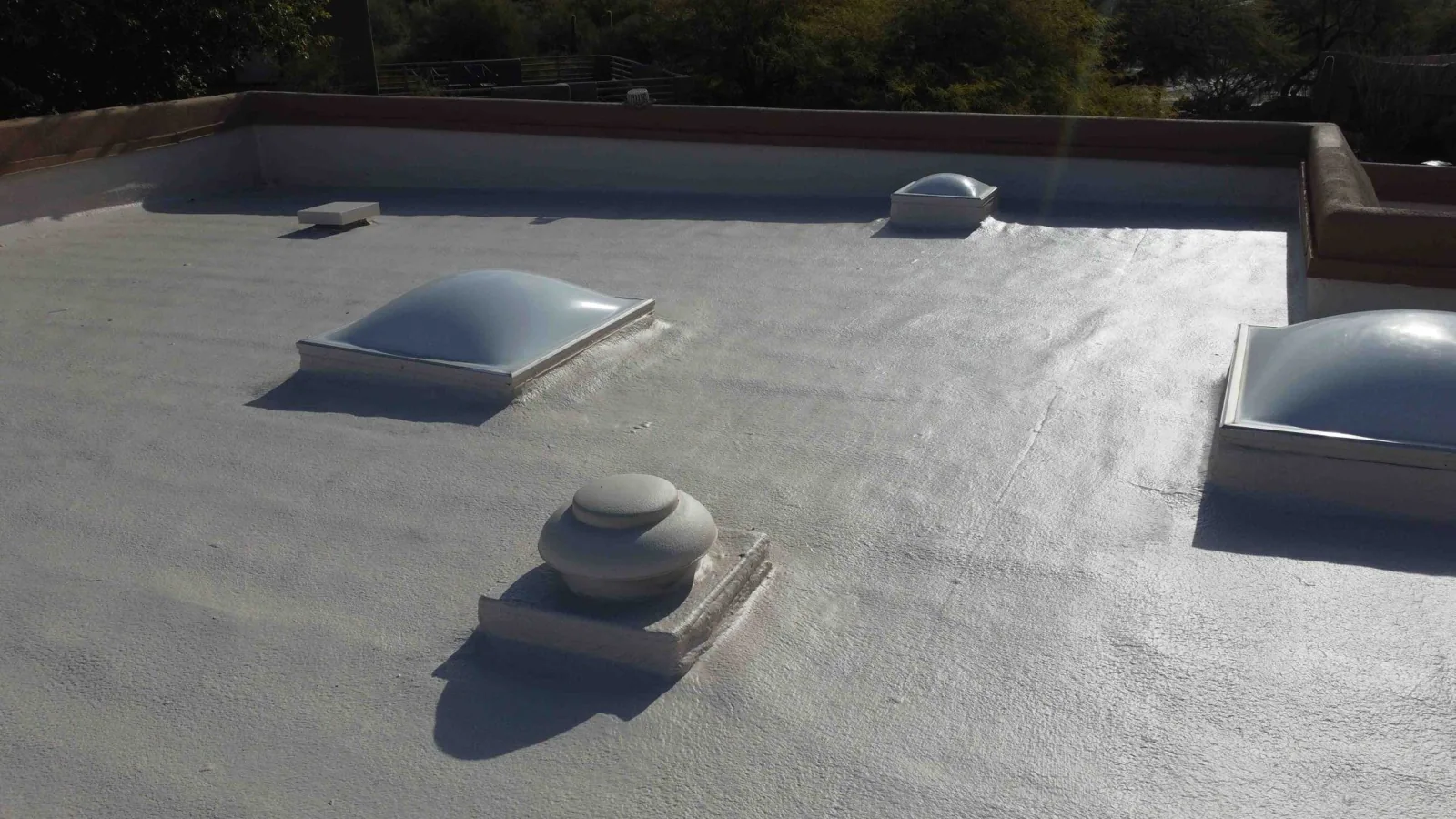
Set the work scope to fit the building | When a single seam, curb or penetration has failed and nearby material remains sound, a localized repair may be appropriate. We prepare the surface and rebuild the detail with compatible materials, then check the transition. The scope names its limits and records conditions outside the repair area. Repeated intrusion or wet material extending beyond one detail may require a wider response. The repair plan explains which observed conditions support the work. A recover is considered only after checking existing layers, deck, attachment, drainage and the governing code. Those checks matter because another roof layer cannot solve wet insulation or an unstable substrate. A recover assessment compares a supported overlay with removal and replacement, including transitions and drainage. If hidden conditions remain uncertain, we state that before pricing a final assembly. Coating is conditional on a dry, stable and compatible surface. It may extend service where preparation and detailing can be completed, but it does not correct failed attachment or moisture below the membrane. Replacement may be more appropriate when the roof has widespread deterioration or concealed damage. The owner receives the reason for the recommended path and the factors that influence cost: roof area, height, access, tear-off, insulation, flashing, disposal and phasing. |
Choose a daily protection point | Coral Springs and the surrounding South Florida market experience a long wet season, heavy rainfall and damaging thunderstorm winds; tropical systems are most likely from August through October. A Coconut Creek job needs daily decisions about how much roof can safely be opened and how it will be secured at shift end. We protect materials, maintain a close-in point and update the contact if the forecast shifts the work zone or delivery window. Coconut Creek MainStreet falls within Coconut Creek. Before setting attachment details or opening the deck, we confirm the permit authority and approved assembly for the exact address. At replacement, exposed deck and attachment are checked as the roof opens. Any concealed condition that changes the scope is documented and discussed before proceeding. Heat and humidity influence installation windows and the handling of adhesives and membrane. We follow the selected system’s instructions and secure materials from weather exposure. If rain or wind interrupts work, we protect the active section, report what remains open or complete and coordinate the next access window. That matters where tenant entrances and outdoor paths need a definite status before they reopen. |
Leave a record that tenants and owners can use | At closeout, the manager receives photos of repaired details, drains, edges and transitions, along with the date and roof area. We list any condition outside the approved scope and identify follow-up testing or maintenance. A record for one MainStreet property should not be treated as a finding for Seminole Casino Coconut Creek, the Promenade or a future parcel; each roof is inspected independently. Preventive roof maintenance can track drains and prior repairs between larger projects. For roof work at Sawgrass Business and Entertainment District or Sunrise Commerce Park, we confirm that property’s access route and assembly separately. To request a MainStreet assessment, send the exact address, affected tenant area, operating hours, delivery or public-route limits and prior roof records. We will confirm access and return findings for that property. |
Commercial Roofing Questions | Is Coconut Creek MainStreet a separate city?No. It is a planned district within Coconut Creek. We confirm the exact address and the authority responsible for the building before planning permitting or roofing work. Can roofing work take place while the Promenade remains open?The contact can identify customer paths, delivery periods and outdoor areas that need protection. We use those limits to set work zones and staging; the actual plan depends on the property layout and scope. Does the city’s stated LEED construction standard specify the roof assembly?It describes standards for the planned development, but it does not establish the existing roof system or approved reroof assembly at a specific address. We verify the building and requirements directly. How do you limit disruption to tenants?We confirm tenant hours, access rules, notice needs and routes with the property manager. A phased sequence may preserve some access, with schedule and temporary transitions explained before approval. What should we send before requesting a roof walk?Provide the parcel address, active leak or storm date, affected tenant, access contact, public-route or delivery limits and any prior roof documentation. We will confirm a workable inspection window. |
Schedule a MainStreet roof inspection | Send the property address, affected tenant area, access contact, delivery windows and prior roof records. We will confirm a visit and document the specific assembly. Request a Roof Assessment 555-555-5555 |
|
|
REQUEST AN ASSESSMENT
 |