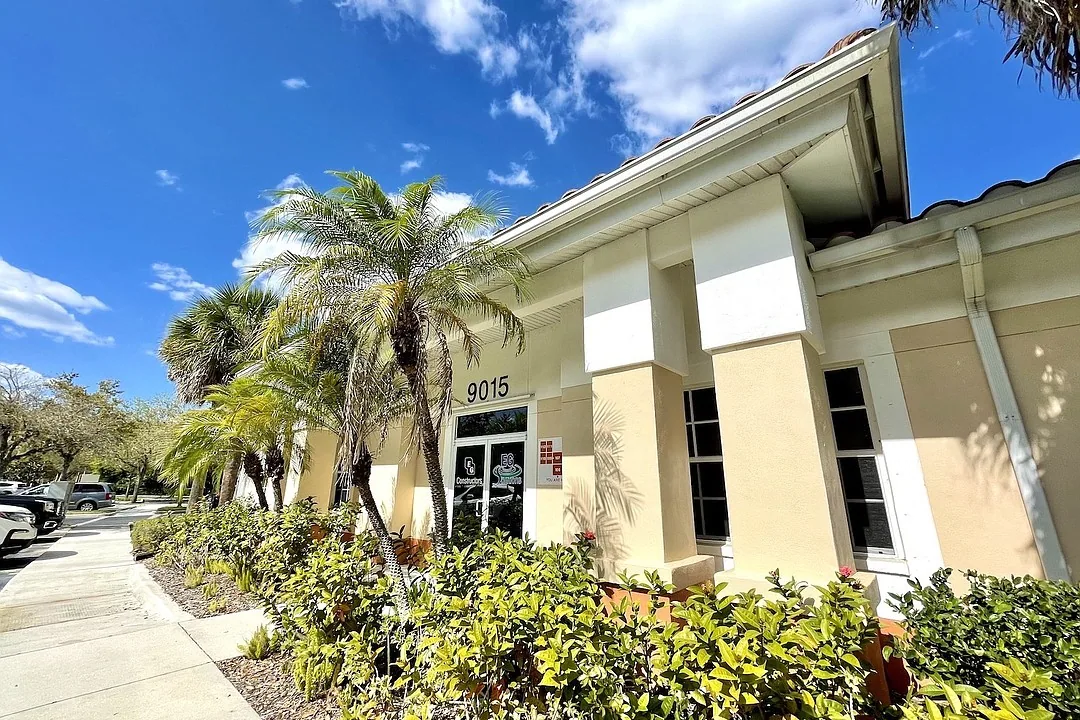
Commercial Roofing at Sunrise Commerce Park, Sunrise, FL
|
|
|
Service Areas: | | ● | Commercial Roofing at Coral Springs Commerce Park, Coral Springs, FL | ● | Commercial Roofing in Downtown Coral Springs, Coral Springs, FL | | ● | Commercial Roofing in Coral Springs Central Commercial District, Coral Springs, FL | ● | Commercial Roofing in Margate, FL | | ● | Commercial Roofing in Sunrise, FL | ● | Commercial Roofing in Coral Springs Commercial Districts, Coral Springs, FL | | View All Service Areas |
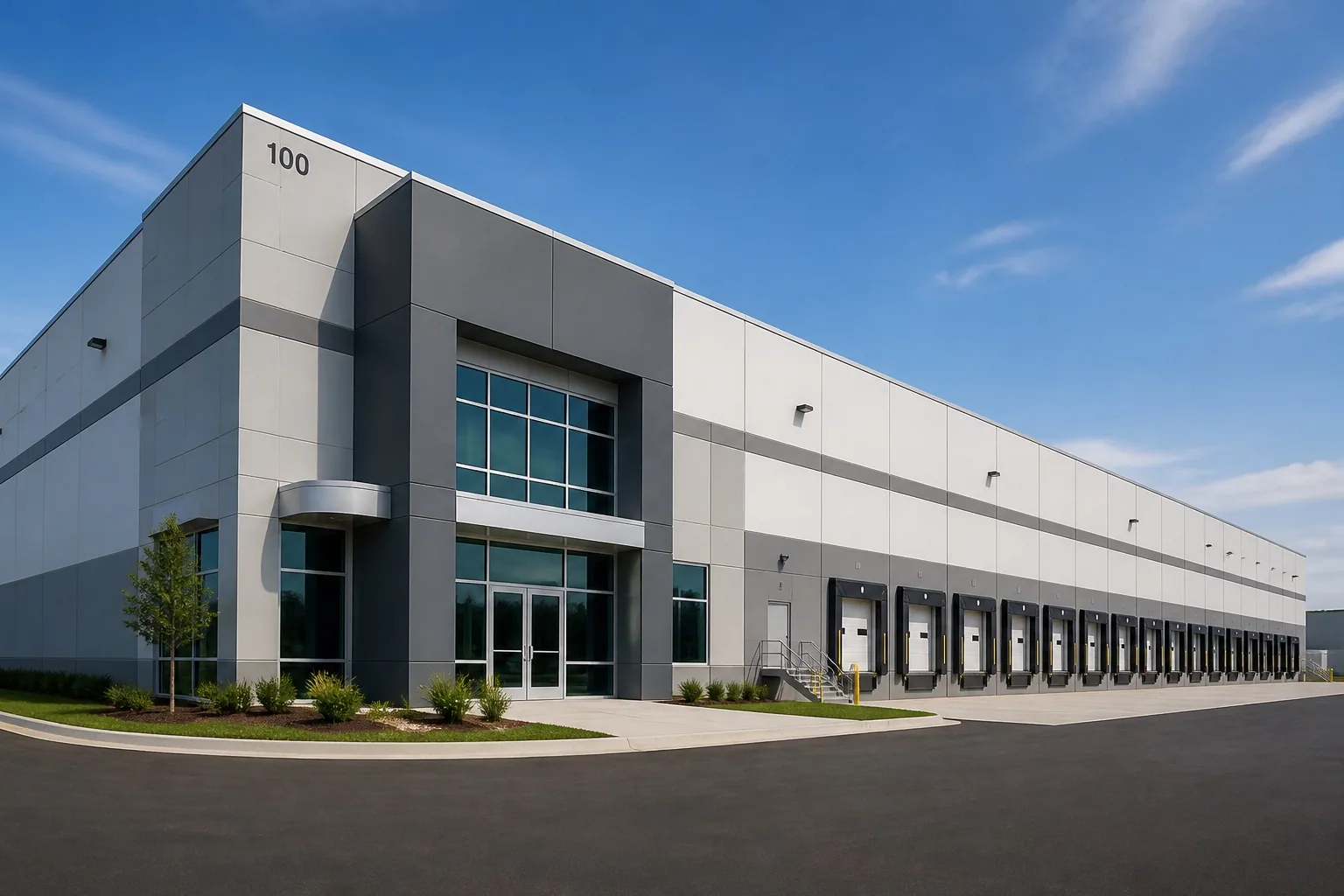
| A leak over a distribution aisle can threaten inventory and interrupt movement long before water reaches an office ceiling. Sunrise Commerce Park covers 550 acres in northern Sunrise beside the Sawgrass Expressway. Its mix includes distribution centers, manufacturing space, low-rise offices, executive suites and multi-tenant facilities. We confirm the roof assembly, occupancy and access conditions at the actual address before setting a work zone. Most parcels in the park are I-1 industrial zoned. For a specific property, the manager confirms current use, entrance, truck movement, loading activity and roof access with the relevant site contact. The park sits beside Sawgrass Expressway, while each facility sets its delivery gate and staging route. |
Keep receiving and tenant routes in the work plan | Distribution and manufacturing sites often need a clear path for incoming goods and shift changes. Before setting a work date, we ask which doors must remain open, when loading peaks occur, where a lift can stand and how roof materials can be brought in. For a multi-tenant property, the manager identifies who coordinates each occupant and how notices should be delivered. We record a route that keeps roofing activity from crossing an active dock or a required exit. A small repair may require only a controlled roof entry and a short material carry. Replacement can require a staging area, tear-off handling, disposal access and repeated trips to the roof. We compare one continuous sequence with staged phases after reviewing the actual roof and operating limits. Phasing can help preserve selected operations, but it may add temporary tie-ins and return mobilizations. The proposal identifies those consequences so a manager can weigh access against schedule and cost. In the wider service area, Sawgrass International Corporate Park combines high-tech manufacturing and research space with executive offices and mid-rise Class A buildings across 612 acres. Tamarac commercial centers have a separate location review: the business one-stop process checks proposed sites for zoning, open permits and code violations. For every address, the roof scope and property contact determine access and work timing. Where a facility stays in service during reroofing, occupied-building reroof planning addresses tenant notice, work zones, protection, daily cleanup and close-in. A distribution building may prioritize dock access, while a low-rise office may need quieter hours or separate pedestrian protection. Each contact confirms the operating limits for that property. |
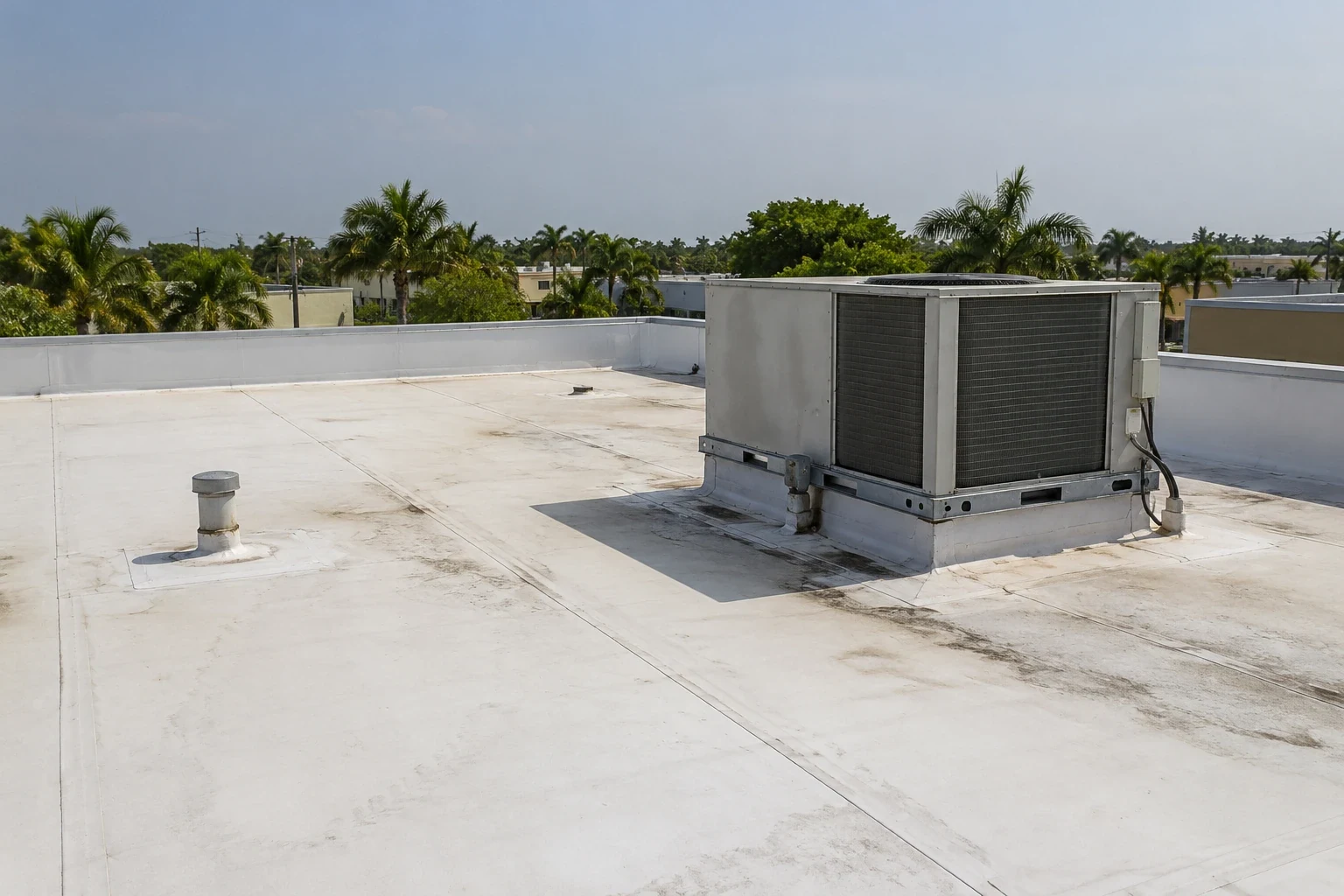
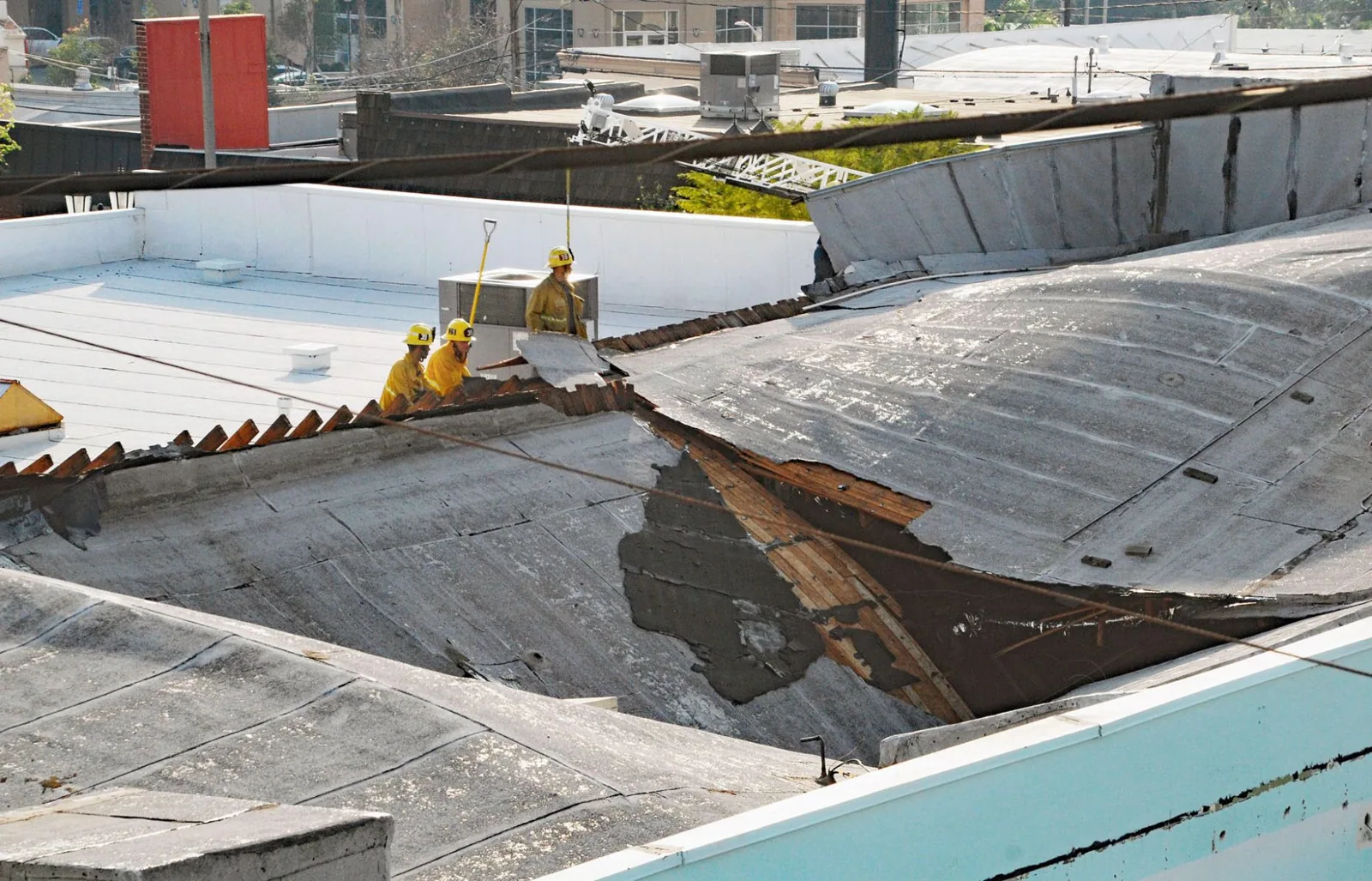
Trace water without mistaking the symptom for the source | We start with the report: which aisle, production area, tenant bay or office shows water, and when it appears. Then we inspect the roof above and around that location. Water can travel beneath a membrane or along the deck before reaching a ceiling, so the visible stain is a clue rather than a repair boundary. We examine seams, curbs, penetrations, edge details, prior patches and the drainage path, recording the observations that support each conclusion. Drainage review follows the water from the roof field to the outlet. We check strainers, bowls, scuppers and visible low spots, and note debris or standing-water evidence. Cleaning a blocked drain may resolve a maintenance issue, but recurring ponding may point to slope or deck concerns. A written roof inspection separates immediate repair items from conditions that need testing or capital planning. If an unseen wet area could extend tear-off limits, an infrared moisture survey can help choose locations for follow-up testing. A test cut reveals the layers and condition at its sample point only. We document location and findings and repair the opening with compatible materials. If water is actively entering, the leak repair assessment focuses first on the verified path and safe temporary protection, then defines the permanent scope. |
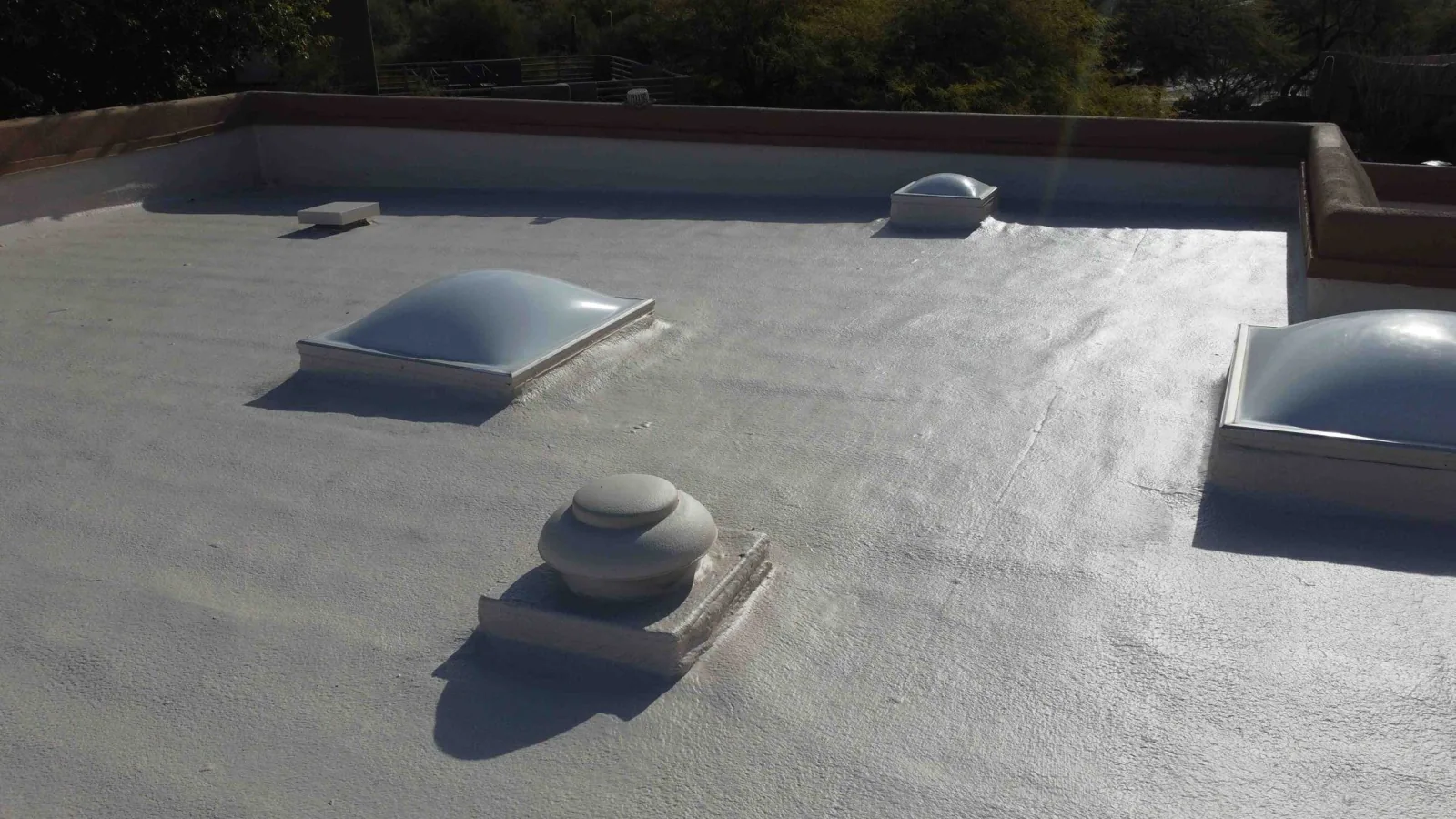
Compare the life of a repair with a larger project | A localized repair can be effective when one seam, penetration or flashing has failed and adjacent material remains suitable for a tie-in. The work includes cleaning and preparing the surface, installing compatible components and checking the transition. We describe the repair area and any nearby condition left outside the approved scope. Repeated failures or moisture extending beyond one detail can mean that a patch addresses too little of the problem. The repair proposal explains the evidence and boundary. A recover may be possible when the existing assembly, deck, attachment and drainage support another layer and the applicable code permits it. We review the layers and concealed risks before offering that option. A recover evaluation compares added weight, transitions and drainage with removal. If wet insulation, loose attachment or deteriorated deck is found, replacement may offer a more supportable path than covering the condition. Coating also depends on the surface, not simply the desire to defer tear-off. The membrane needs to be dry, stable, compatible and prepared; trapped moisture or failing attachment remains unresolved beneath a coating. When broader work is indicated, a replacement scope accounts for tear-off, insulation, deck review, flashing, material staging and disposal. We identify the assumptions that could change quantities after the roof is opened. |
Protect the work area through rain and wind | South Florida’s long wet season brings heavy rainfall and damaging thunderstorm winds, while tropical systems are most likely from August through October. These regional conditions make daily protection decisions part of the roof scope. Before work begins, we choose a manageable opening, keep materials protected and identify a close-in point that the crew can reach before the shift ends. A forecast update may alter the day’s boundary, especially when inventory or active production sits below the roof area. For a Sunrise Commerce Park reroof, we confirm the governing permit jurisdiction, approved assembly and scope requirements for the parcel before materials are ordered. The parcel’s zoning and the proposed roofing scope are reviewed separately during project planning. After tear-off, we inspect exposed deck and attachment; concealed conditions are documented and handled under the agreed scope process. Heat and humidity affect working hours, adhesive handling and the condition of materials left outdoors. We follow the selected system’s installation requirements and secure rolls and insulation. If weather cuts a shift short, the crew protects the open section and tells the contact what was completed, where the temporary boundary sits and when the work can resume. That information lets receiving, production and office teams plan around a real status. |
Make the roof record useful for the next shift | Closeout should leave a manager with more than a note that the crew finished. We provide photos of completed seams, penetrations, drains and transitions, along with the roof zone and date. The report lists unresolved observations or areas excluded from the approved work. At a multi-tenant facility, we can keep the record linked to the relevant building or bay so later leak reports are easier to compare. Preventive roof maintenance can track drains, seams and prior repairs through routine visits. A multi-tenant facility can keep each report tied to its building and affected bay, making later leak comparisons easier. To schedule an assessment, share the address, affected area, dock or production restrictions, roof entry and prior reports. We will confirm access and return a property-specific condition record. |
Commercial Roofing Questions | Does I-1 zoning mean a roof contractor can start without a permit check?I-1 identifies an industrial zoning category. For an individual parcel, we confirm current permitted use, roof scope and applicable permit requirements before work is scheduled. Can roof replacement avoid interrupting distribution?The plan can preserve selected dock and receiving routes when the site layout and work sequence allow. We confirm receiving peaks, staging and required exits with the facility contact before setting phases. How do you investigate a leak above inventory or production?We connect the reported area to roof details, inspect seams and penetrations, trace drainage and document evidence. Testing may be recommended if moisture or layers remain concealed. Can a coating resolve standing water?A coating does not correct a drainage defect or wet insulation by itself. We review slope, surface condition and moisture first, then explain whether repair, restoration or replacement is supported. What information helps you plan a first visit?Provide the building address, affected bay or office, operating hours, receiving restrictions, roof access and any prior repair record. We will confirm a safe route and contact before arrival. |
Request a Sunrise Commerce Park roof review | Share the property address, leak location, receiving constraints, roof access method and prior reports. We will confirm a visit and document the roof-specific findings. Request a Roof Assessment 555-555-5555 |
|
|
REQUEST AN ASSESSMENT
 |