Commercial Roofing in Tamarac, FL
|
|
|
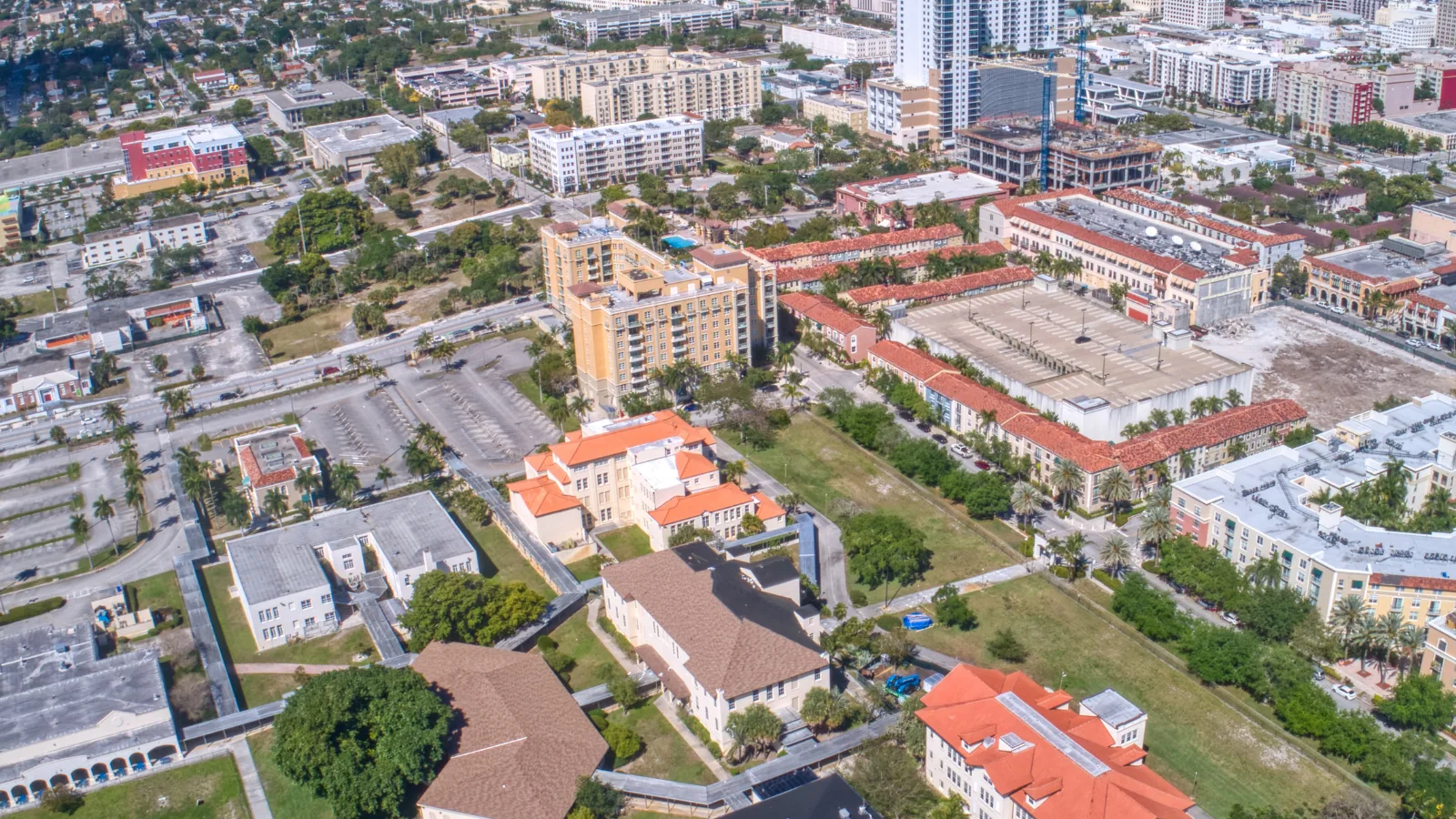
Service Areas: | | ● | Commercial Roofing at Coral Springs Commerce Park, Coral Springs, FL | ● | Commercial Roofing in Downtown Coral Springs, Coral Springs, FL | | ● | Commercial Roofing in Coral Springs Central Commercial District, Coral Springs, FL | ● | Commercial Roofing in Margate, FL | | ● | Commercial Roofing in Sunrise, FL | ● | Commercial Roofing in Coral Springs Commercial Districts, Coral Springs, FL | | View All Service Areas |
| A roof contractor should confirm the parcel and scope before quoting work at a commercial center. Tamarac’s business zoning distinguishes retail, office and service uses; property teams can verify a parcel’s zoning before a lease or project decision. Its Business One Stop Shop checks proposed locations for open permits and code violations. We inspect the roof and coordinate the project steps for the parcel with its owner and site representative. Private commercial development in Tamarac proceeds alongside city, county and roadway projects. Before equipment is scheduled, the site contact confirms current access, entrance and staging. We ask the site contact whether construction activity, roadway work, tenant delivery windows or a permit issue affects arrival and staging. The manager confirms entrance, roof entry and work limits. |
Check project conditions before setting a date | A roof plan begins with the people managing the retail, office or service property. We confirm store or office hours, service doors, deliveries, pedestrian paths and any tenant who needs advance notice. The contact identifies roof entry, safety rules and lift or material-drop permission. If a private development or roadway project changes the normal route, we adjust staging with the property team before dispatch. A repair usually has a smaller footprint than replacement, but it still requires a safe path for tools and removed material. Replacement needs a coordinated sequence for rolls, insulation, tear-off and disposal. We identify exits that must stay available and select a close-in boundary for each shift. If work is phased to keep a center operating, the proposal explains temporary transitions, repeat mobilizations and the effect on schedule so the owner can compare that choice with a concentrated work period. For occupied properties, occupied-building reroof planning sets expectations for notices, protection, cleanup and daily close-in. The owner can resolve any open permit or code item identified through Tamarac’s Business One Stop Shop before the roofing scope proceeds. |
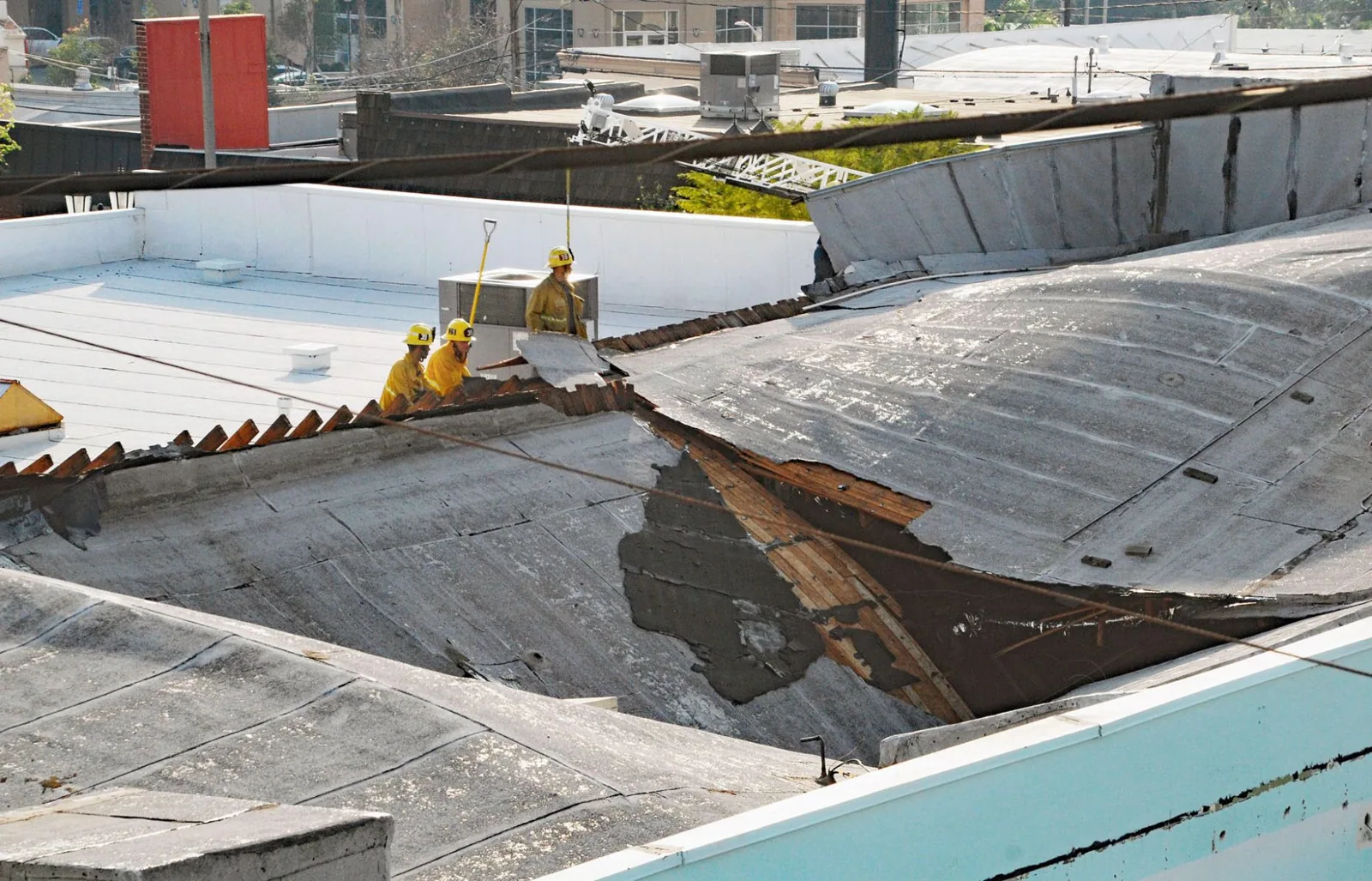
Record what the roof shows at this address | We start from the reported leak or maintenance concern, then inspect the roof surface around it. The walk checks seams, penetrations, curb flashings, edges, prior patches and drainage. A ceiling mark can be offset from the roof entry point, so we compare the report with visible pathways and test only where appropriate. Photos and notes identify the building and roof zone, and distinguish observed conditions from concealed layers that remain unconfirmed. Drainage review follows each outlet from the roof field. We check strainers, bowls, scuppers, debris and evidence of retained water. Cleaning differs from a low spot or failed drain detail. A written commercial roof inspection gives the owner a dated condition record that can support repair planning, tenant coordination and budgeting. If moisture beneath the surface could affect the work area, an infrared moisture survey may help target confirmation. A test cut reveals the assembly and moisture at its sample point rather than across the full roof. We record where it was taken and close the opening with compatible materials. If water is active, a leak repair assessment prioritizes a safe response while making clear what needs a permanent fix. |
Decide between a bounded repair and broader work | A repair is a reasonable option when inspection locates a defined failure and the surrounding material can support a durable tie-in. We prepare the area, replace or rebuild the affected detail and verify the transition. The written scope states the repair boundary and any adjacent condition that remains. Several leaks, recurring failure or wet material beyond a single detail can change the decision. The commercial repair scope explains the evidence used to set its limits. A recover may be considered if existing layers, attachment, deck and drainage are suitable and the governing requirements allow it. We do not assume that an extra roof layer is suitable simply because removal is disruptive. A recover review compares the existing assembly and concealed risks with tear-off and replacement. Moisture or poor attachment can make an overlay inappropriate, while exposed deck during replacement may reveal additional work. Coating can be considered only when the surface is stable, dry and compatible with the proposed product. It will not address wet insulation or a failing deck beneath it. The owner can compare a maintenance repair, restoration and replacement after the inspection documents condition. Budget changes with how much roof is involved, whether removal is needed, the way crews reach the surface, and how the tenant calendar constrains staging. Insulation, flashing and disposal add scope too. We list what remains concealed so the owner understands which findings could alter the final quantity. |
Set a secure daily stopping point | The regional weather pattern includes an extended rain season, intense showers and damaging storm gusts; tropical systems occur most often between August and October. A roofing plan needs a defined area the crew can secure at the end of a shift, with material protected from rain and wind. We review the forecast and decide how much roof to open based on the expected work window. If a weather change overlaps tenant deliveries or a city roadway project, the property contact receives an updated arrival or close-in plan. For a Tamarac address, we confirm the governing permit path and applicable reroof requirements before selecting the assembly and setting the work sequence. During replacement, we inspect the exposed deck and attachment, then document any concealed condition that changes quantities or details. Heat and humidity can affect crew hours, adhesive handling and storage. We follow the selected roof system’s installation conditions and secure rolls and insulation. If conditions prevent safe installation, we close the active section and coordinate a revised window. That gives tenants and property staff a clear status, including where the crew stopped and which parts of the site remain restricted. |
Keep the roof and permit records aligned | After work, we provide photographs and a report tied to the address and roof zone. It records completed work, materials, remaining observations and needed follow-up. The owner can keep any open-item status with the roofing closeout and confirm resolution with Tamarac before the next phase. Preventive roof maintenance can track drains, seams, flashings and prior repairs between projects. For owners coordinating a wider portfolio, we can prepare separate roof records for Coconut Creek MainStreet and Sunrise Commerce Park, tied to each property and jurisdiction. To arrange a Tamarac visit, provide the parcel address, tenant schedule, known leak, access route, current project conditions and any relevant permit documentation. We will confirm a contact and document the conditions found. |
Commercial Roofing Questions | Does the Tamarac zoning map approve a roofing project?No. The map helps identify business zoning for uses such as retail, office and service. Roofing permits and project conditions must be confirmed separately for the address and scope. Why check for open permits or code violations before reroofing?Tamarac’s BOSS process checks proposed commercial locations for those issues. An open item may affect project coordination, so the property owner should confirm its status with the city before work is scheduled. Can you work around a roadway or private development project?We can plan around confirmed access and timing limits. The city’s project tracker provides context, while the owner or site manager confirms the route, delivery windows and allowed staging at the building. What do you need to diagnose a roof leak?The address, affected room or tenant, timing, roof access and any prior repair notes help direct the first inspection. We trace the condition and record what is confirmed or requires testing. Can we price replacement before opening the roof?A preliminary scope can use visible conditions and stated assumptions, but concealed deck or insulation issues may affect final quantities. The proposal explains how those findings are documented and handled. |
Request a Tamarac commercial roof inspection | Send the property address, affected tenant area, roof access details, current project constraints and available permit or repair records. We will confirm the visit and report findings. Request a Roof Assessment 555-555-5555 |
|
|
REQUEST AN ASSESSMENT
 |