Commercial Built-Up Roofing in Coral Springs, FL
|
|
|
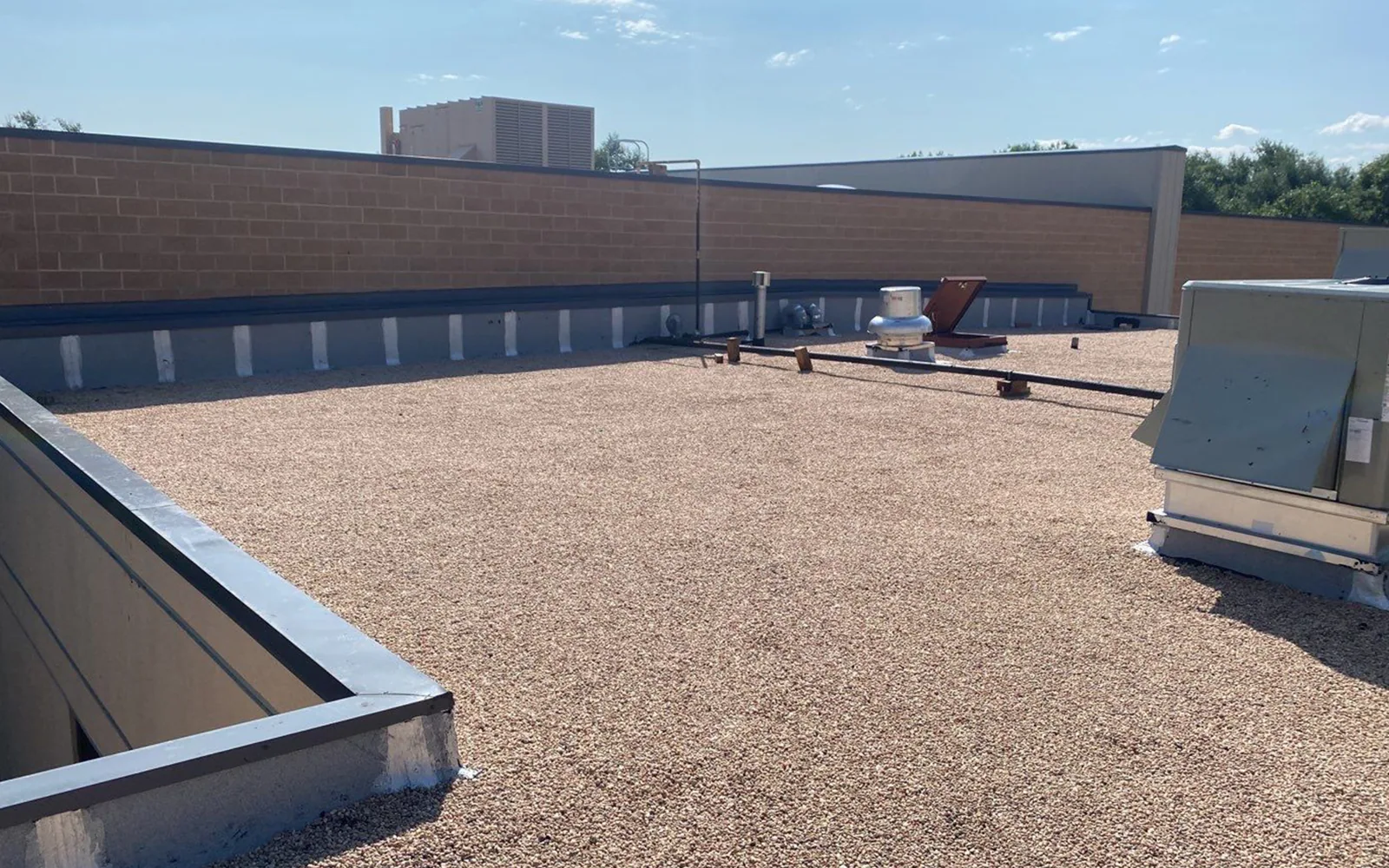
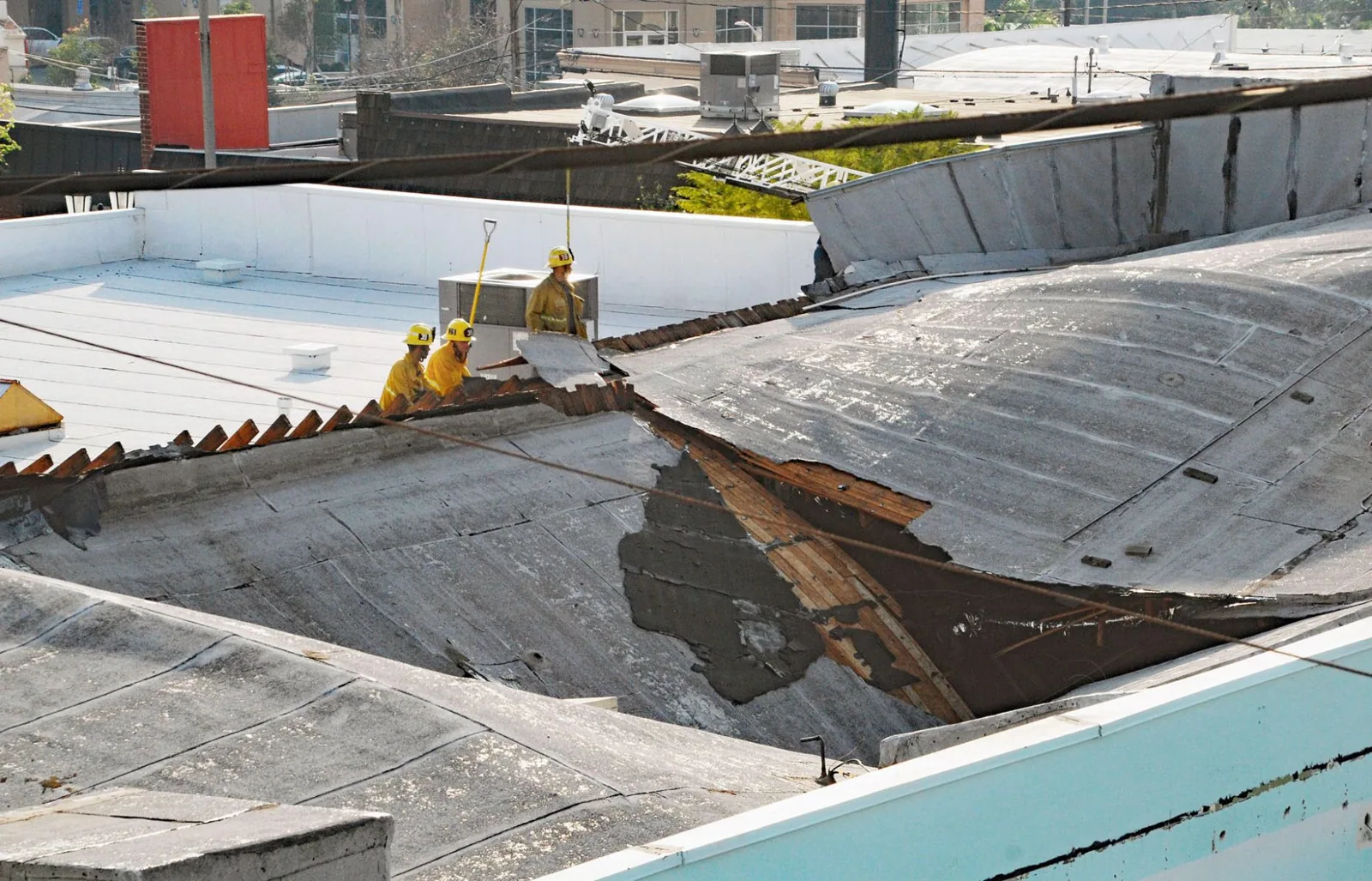
| A split in the built-up roof surfacing near a drain can expose more than the top ply. We inspect the surface, laps, flashing and drainage path, then determine how much of the multi-ply assembly needs to be opened. A repair must connect through sound layers and restore the specified surfacing. We mark the area, document each exposed ply and close the detail before shifting to another roof zone. Coral Springs, FL has heavy rain during its long wet season and strong summer heat. Those conditions affect when an asphalt-based roof can be opened and protected. At Coral Springs Commerce Park or near the Downtown redevelopment area, we confirm the roof access route, staging and operating limits at the actual property. We confirm where removed material leaves the roof and how each opened edge will be protected at the end of the shift. |
Identify the built-up roof layers | A built-up roof (BUR) uses multiple layers of reinforcing ply and bituminous material, often with a protective surfacing. We inspect the visible surfacing, laps, blisters, cracks and prior patches. Available project records can identify the specified plies, attachment and roof sections. If the roof contains several generations of repair or overlay, we document that variation and identify whether a test cut is needed to confirm the underlying build-up. Modified bitumen also uses asphalt-based layers but is a different assembly. Compare modified bitumen roofing with EPDM single-ply by reviewing the existing construction, repair method and project requirements. A commercial roof inspection can record accessible conditions and flag where an opening may be necessary before repair or recover work is priced. |
Trace surfacing cracks and blisters | We check cracks, ridges, exposed reinforcement, loose aggregate or coating and the edges of past patches. A surface defect can be limited to the surfacing or continue through one or more plies. We look for soft areas, open laps and water staining, then mark locations that need further review. If material is opened, the report identifies which layers were visible and how far the defect extended. Blisters and wrinkles can have different causes, including trapped moisture, air or movement between layers. We inspect the surrounding field before cutting or covering a blister. A repair may require removing unsound material and rebuilding multiple plies in sequence, then restoring the specified protective surface. For a leak report, commercial roof leak tracing can compare the interior location with the visible roof path. The repair scope should name the layers included. Aggregate surfacing can hide cracks, open seams and small depressions. We clear only the area needed to inspect the membrane and note where granules or coating prevent a useful visual check. At a blister, the repair must address the separated plies and protect the cut edge; covering the top with mastic alone may leave movement below. We document the layers opened and whether the surrounding roof remained bonded, then compare a local repair with broader removal when the separation continues. |
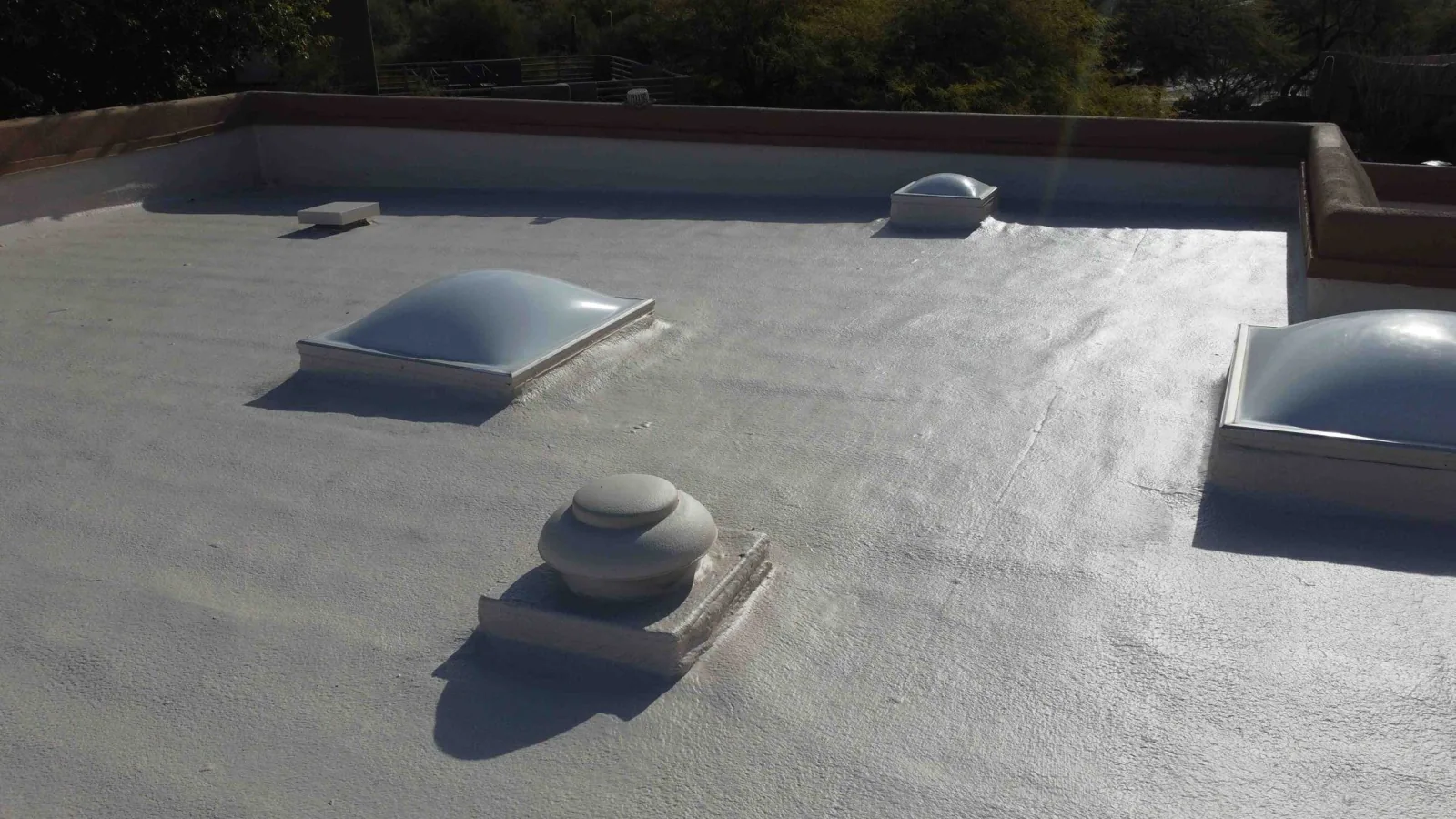
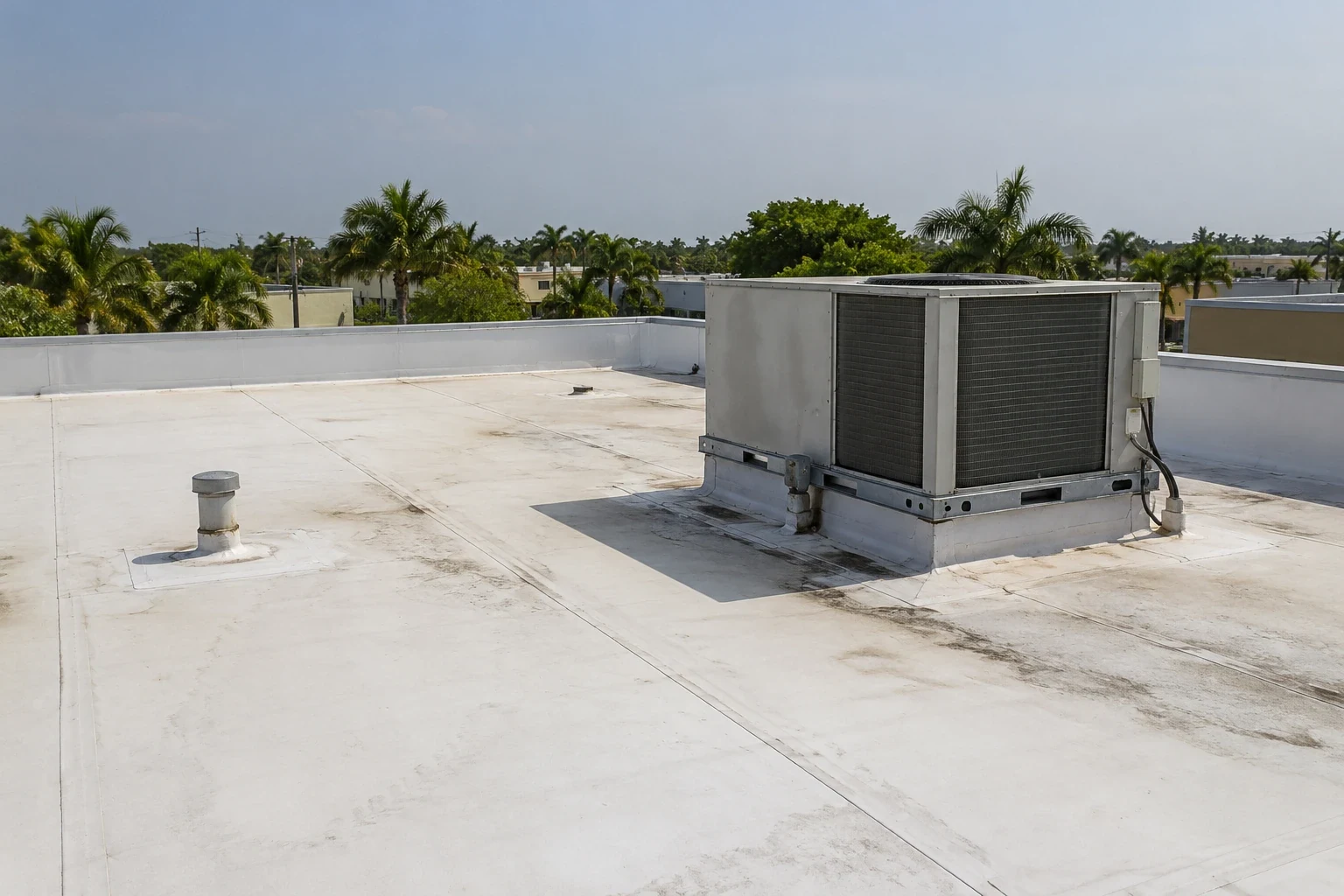
Inspect drains, curbs and parapets | At a drain bowl, we inspect the membrane and ply termination, clamping ring and sump. At a parapet, we check base flashing, wall termination and coping. Curbs and pipe penetrations interrupt the field and require compatible flashing through the layers. A patch that stops short of the failing transition can leave the water path open, so we identify the connection and adjacent material within the repair boundary. Heavy rain during South Florida’s wet season makes outlets and overflow paths a priority; we trace them against the roof’s visible slope and drainage details. A roof drain and scupper review can address an outlet detail, while coping and edge metal work can coordinate the perimeter. We inspect visible details and state whether plumbing or slope design falls outside the roofing work. |
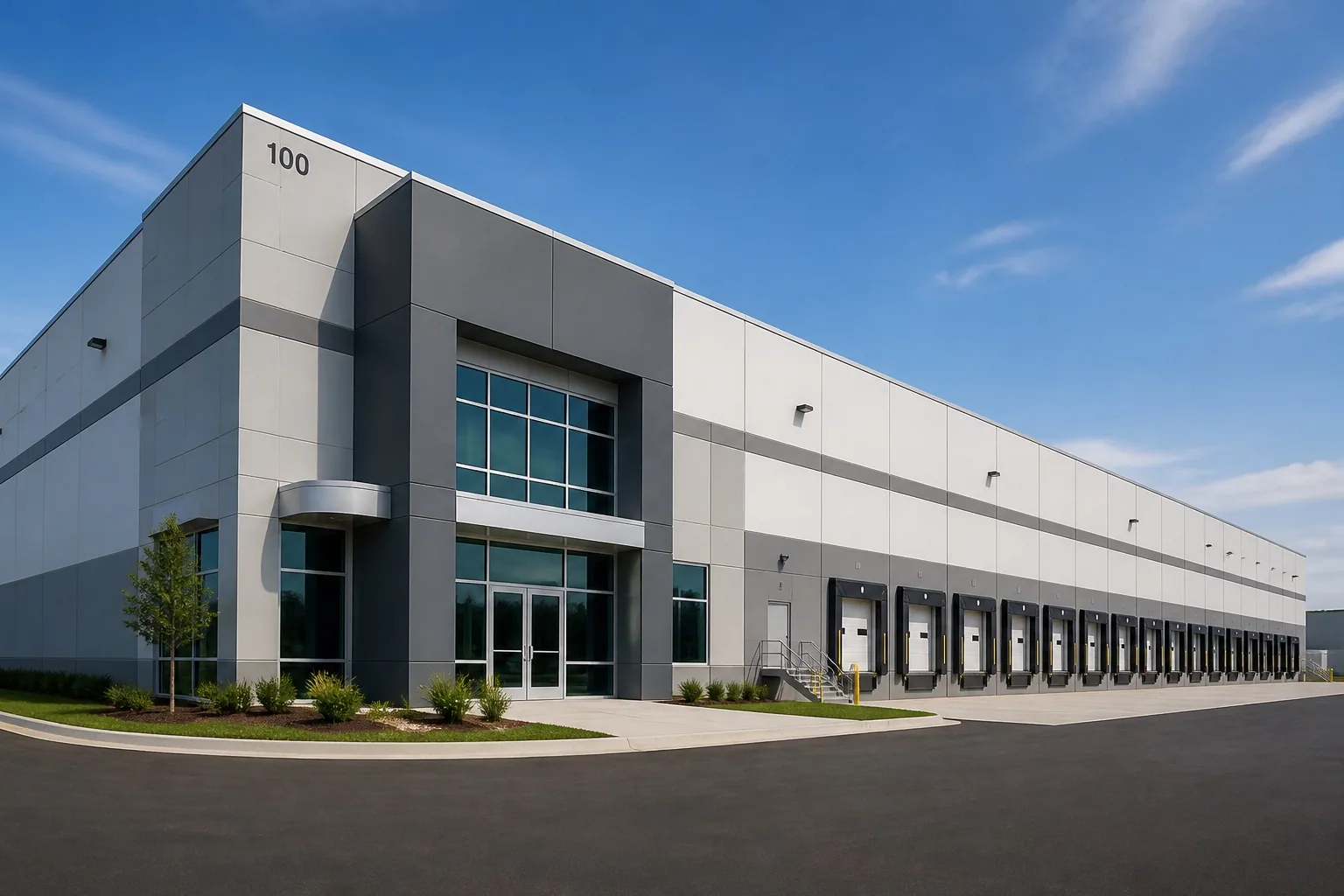
Plan material and protection | BUR repair or replacement can require multiple materials, hot asphalt or other installation methods specified for the system. We review the product method, site fire rules, ventilation and occupied areas before work begins. The sequence identifies where material is staged and how the active roof zone is protected during removal and installation. If hot work is part of the scope, we confirm fire-watch requirements and keep the area under observation as directed. Coral Springs Commerce Park includes light-industrial and warehouse/distribution development, but the district does not identify a particular loading route. The site contact confirms delivery access, roof entry and operating hours. At office or retail properties around Coral Square Mall, public access does not set the building’s work window. Occupied-building roof work can be sequenced around the property’s own instructions. |
Close each opened area | South Florida’s rainy season and tropical weather can limit the time available to open a built-up roof. We check the forecast and surface condition, then limit removal to an area that can be rebuilt and protected. Before leaving, we inspect the temporary tie-in and verify that the exposed plies are covered. If rain reaches an opened layer, we inspect for moisture and dry or replace material as the scope requires before closing it. Heat also affects crew exposure and asphalt handling, so the sequence may change as roof conditions shift. For active water entry outside the planned scope, emergency roof stabilization can protect the building while a permanent repair is defined. We record which sections are complete and which are awaiting follow-up. That separation gives the owner a clear account of roof condition at the shift handoff. We also mark the line where new plies meet existing material and confirm that the transition is secured against overnight exposure. If a work area cannot be closed as planned, the contact receives its location and the temporary measure in place. The next shift starts by checking that protection before additional layers are removed. |
Choose repair, recover or replacement | A local repair may suit an isolated defect if surrounding layers are sound. Broader cracking, multiple failed zones, moisture or accumulated layers can change the appropriate method. We document exposed conditions, test locations and inspection limits before recommending a recover or removal. The owner can compare how much construction remains beneath a new system and what the replacement scope opens for inspection. Commercial roof repair can define a limited correction, while roof replacement can specify removal and rebuilding where needed. A roof condition report can keep photographs and layer observations together. Near Downtown Coral Springs, the street and development context does not identify a specific roof assembly. We base the decision on the inspected building. |
Commercial Roofing Questions | How do you repair a built-up roof split?We inspect the surfacing and underlying plies, remove unsound material within the approved boundary, rebuild the required layers and restore the specified surface. Can you install a recover over BUR?The existing layers, moisture condition, attachment, support and code requirements affect suitability. We inspect the assembly and identify testing or repair needed before proposing a recover. What do blisters mean on a BUR roof?A blister can involve surfacing or deeper plies. We inspect surrounding conditions and document what a controlled opening reveals before specifying removal or repair. Does BUR repair require hot asphalt?The installation method follows the specified system and site conditions. We confirm material handling, fire-safety procedures and any occupied-area restrictions before work. What should I provide before a BUR inspection?Send the building address, roof plans, prior repair records, access route, active leak or storm date and operating limits. Identify any site fire-safety requirements. |
Inspect the BUR layers | Provide the property address, roof records, known defects, leak or storm date, roof access route and operating limits. We can inspect the surface and transitions, define test areas and document the repair sequence. Request a Roof Assessment 555-555-5555 |
|
|
REQUEST AN ASSESSMENT
 |