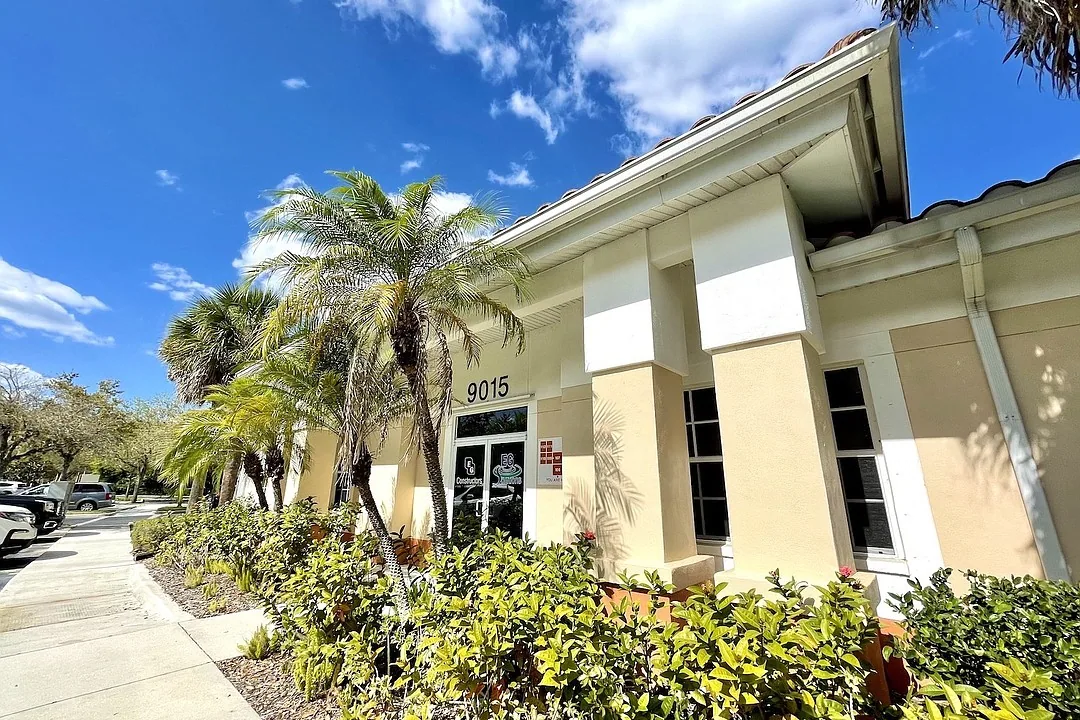
Commercial Roof Edge Metal, Coping and Gutters in Coral Springs, FL
|
|
|
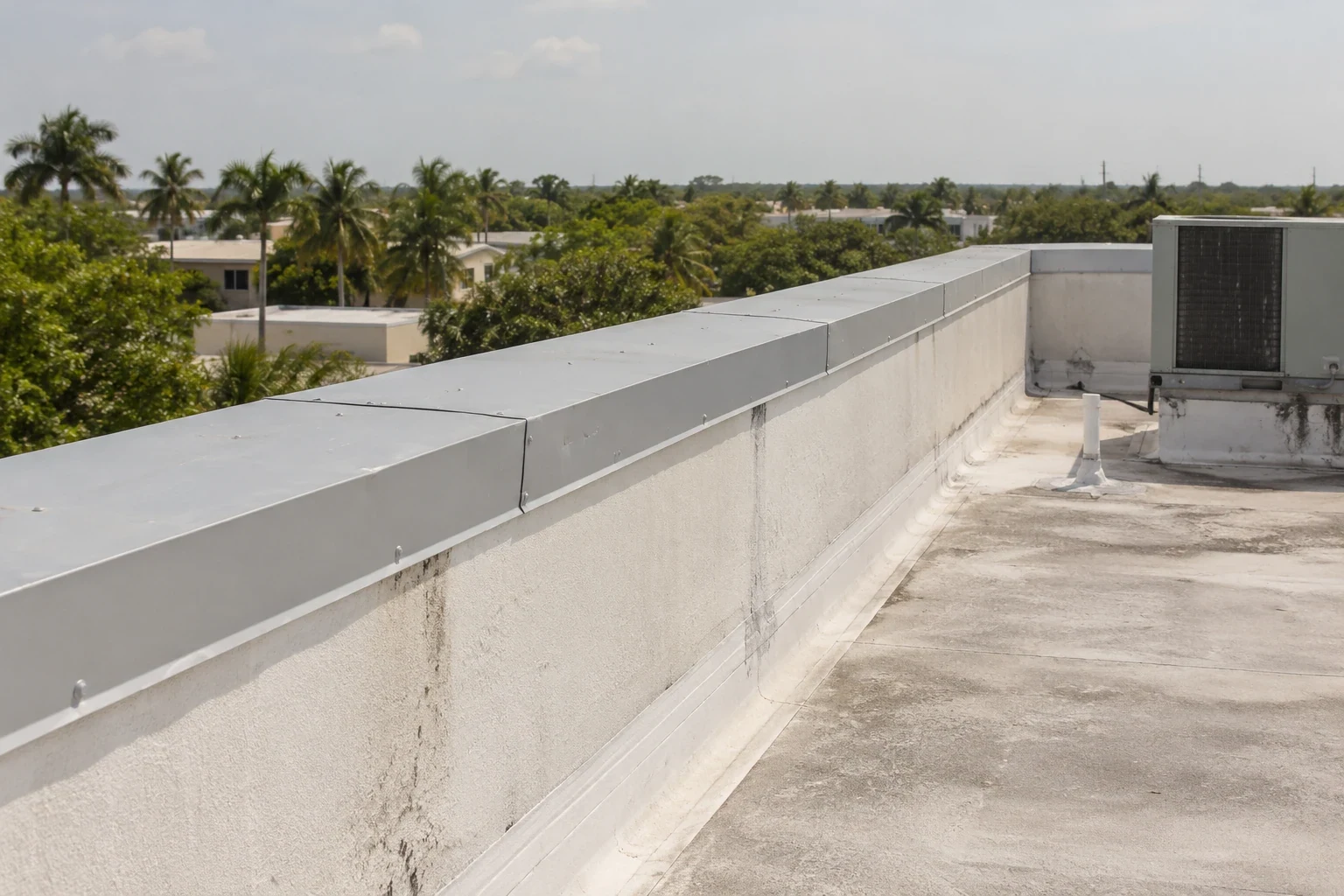
| The coping cap shifts when its splice, cleat or attachment no longer holds the wall edge together. We inspect the metal, fastener pattern, membrane termination and substrate, then follow the transition into the roof field. The visible cap may be only one part of the failure. The repair scope identifies which metal pieces come off, what receiving surface must be prepared and how the rebuilt edge connects to the roof assembly. For a Coral Springs reroof, we verify the applicable HVHZ provisions and approved assembly before setting edge work. Near Downtown Coral Springs, Sample Road or Coral Springs Commerce Park, the actual building still determines access and staging. We confirm its address and roof entry with the contact before inspecting edge conditions or setting repair limits. |
Inspect the edge assembly | We check coping joints, cleats, seams, fasteners, end dams and the metal’s connection to the wall. At the roof side, we inspect the membrane termination and flashing that meet the edge. Corrosion, movement, open laps or loose attachment can let water reach the assembly or expose the perimeter during wind. We mark each affected run and note whether the substrate or adjoining roof material needs closer review. The inspection also considers adjacent parapet caps, fascia, gutters and downspouts when they are part of the requested scope. If wind has displaced or opened a metal connection, wind-related roof damage assessment can identify the affected roof zone. We describe the observed condition rather than infer a cause from a detached part alone. At outside and inside corners, we check for open joints, loose seams and metal distortion, then mark each transition independently because one straight-run repair may not close a corner gap. At gutter corners, we check end caps and outlet connections for separation that could send water behind the fascia. |
Check attachment and wind details | At a perimeter, attachment transfers forces from the metal and roof edge into the supporting construction. We inspect the installed detail and compare it with project documents when available. Coral Springs roofing is reviewed against Florida’s active eighth-edition code and high-wind design criteria for the zone. The approved assembly, project plans and exposed deck set the fastener pattern for the building. A reroof scope here includes a separate pass to re-nail roof sheathing. We review the deck and project details with the team before setting perimeter work. If the existing edge cannot accept a compatible repair, the proposal should identify removal and reconstruction limits. Commercial roof replacement may be considered when perimeter issues occur with broader system deterioration. A perimeter repair must connect the roof sheet, metal edge and supporting substrate as one assembly. We inspect the cleat, fasteners, laps and corners, then note whether the metal is loose, distorted or separated from the membrane. Where the deck or nailer cannot be seen, the repair scope identifies the access needed to check it instead of assuming the attachment remains sound. The detail also needs to leave a continuous route for runoff toward the planned outlet. Where water enters behind a coping, we inspect the vertical termination and wall-side joint as well as the roof-side membrane. The repair detail must keep both planes continuous, with joints formed to shed water. Approved drawings and the permit scope govern attachment; exposed deck conditions are documented before rebuilding the transition. |
Rebuild coping and membrane transitions | We remove loose or failed metal within the authorized boundary, prepare the receiving edge and install compatible replacement components. The rebuilt coping needs secure attachment, properly formed joints and a finished connection to the membrane termination. Where counterflashing or a wall transition is involved, we identify how the pieces overlap and shed water. We inspect those details before close-in and document any substrate condition that changes the planned method. A localized failure can be handled as a defined roof repair if adjacent material remains sound. Where the edge interfaces with a membrane seam or curb, we review that connection at the same time. Standing-seam metal roof details use a different assembly than low-slope coping and membrane edges, so system identification matters. The written scope lists the metal, attachment and termination work rather than referring generally to a patched perimeter. |
Follow gutters and downspouts | Gutters and downspouts carry water from the edge toward the building’s discharge point. We inspect visible alignment, joints, attachment and outlets included in the work. Debris, separation or a crushed section can interrupt the path, while water staining at a wall may point to a connection that needs closer examination. We identify which portions are accessible and whether discharge or underground drainage belongs to another trade. During heavy rain, separated joints can send runoff behind the fascia; we record the affected connection and visible discharge path. Roof drain and scupper work can address related roof openings, while a ponding water assessment can examine the roof surface and drainage condition together. |
Coordinate staging and occupied areas | Long metal pieces and replacement components need a safe delivery route and staging location. The building contact identifies loading restrictions, parking, lift access and roof-entry instructions. Commerce Park’s industrial and distribution properties can require careful loading coordination. The site contact marks the unloading point and approved route before we stage long metal sections or a lift. At a property near Downtown Coral Springs or along University Drive, public streets and shuttle stops do not establish building access. We ask the assigned manager to identify occupied areas, entrances and any work-hour limit. If roofing activity occurs above active rooms, occupied-building reroofing coordination can account for protection and access sequencing. Any temporary opening is closed or protected at the end of the agreed work period. |
Record the rebuilt perimeter | Close-in checks include the metal joints, fasteners, membrane termination and wall interface. We record repaired runs, materials, visible substrate findings and limitations. If the scope includes gutter or downspout work, the notes identify the serviced sections and visible discharge path. The inspection does not establish the condition of concealed attachment or buried drainage outside the area opened. The property file receives dated observations and any follow-up items. A roof condition report can retain photos and locations for later review. Preventive maintenance can revisit accessible edges and drainage details after future weather. At Downtown Coral Springs, the district’s mixed-use redevelopment does not substitute for checking each building’s roof. Recommendations remain tied to the actual inspected assembly. |
Commercial Roofing Questions | What can cause coping metal to loosen?Movement, failed joints, attachment problems, corrosion or deterioration at the receiving edge can affect the assembly. We inspect the metal and adjoining membrane before defining the repair. Does every edge repair require replacing the full coping run?The inspected condition and connection determine the repair boundary. We mark affected sections and explain whether adjoining metal and substrate can remain in the proposed scope. Can you replace gutters and downspouts too?We can include accessible roof-edge drainage components when they are in the agreed scope. Buried piping or building drainage beyond the visible connection may need a separate trade. What code detail applies to a Coral Springs reroof?The approved assembly and project plans set the edge fastening detail in Coral Springs’ High Velocity Hurricane Zone. For a reroof, section 2322.2.8 also addresses sheathing re-nailing before the roof is closed. What should I provide before an edge inspection?Send the property address, affected roof edge, photos if available, roof access route, loading instructions and operating limits. Identify any active leak or storm date. |
Inspect the roof edge | Provide the address, affected edge or gutter area, roof access route, loading instructions and operating limits. We can inspect the metal and termination, define repair limits and record close-in details. Request a Roof Assessment 555-555-5555 |
|
|
REQUEST AN ASSESSMENT
 |