Commercial Standing Seam Metal Roofing in Coral Springs, FL
|
|
|
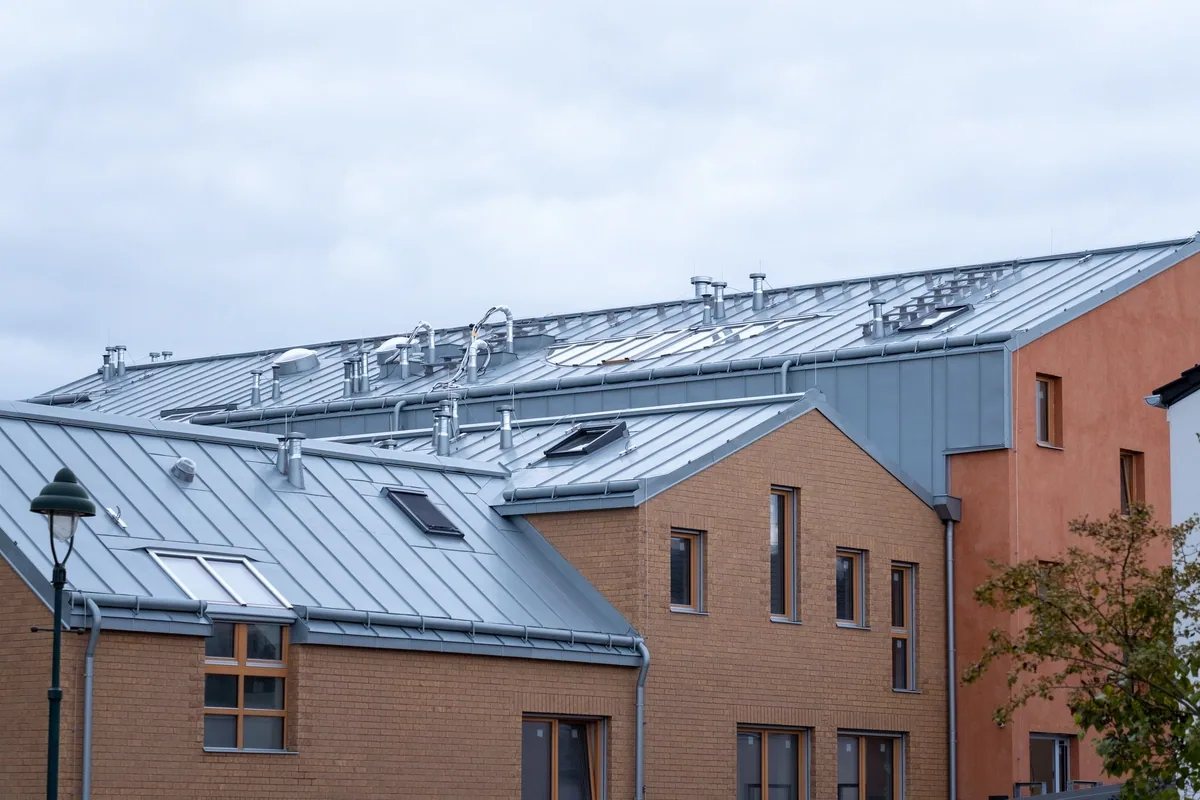
| A standing-seam panel that binds at a clip can transfer movement into the eave or ridge flashing. We inspect the seam, clips, fasteners and panel ends, then follow the detail into the surrounding metal and roof transitions. The repair depends on panel type, attachment and the movement allowed by the assembly. We identify what is loose or damaged, mark the affected run and specify how the metal will connect after the work. Coral Springs, FL has summer heat, heavy wet-season rain and tropical-system exposure. Metal panels expand and contract as temperatures change, so clips and terminations need review alongside weather protection. At Coral Springs Commerce Park or near University Drive, the actual roof access and material route depend on the property. We confirm those details with the building contact before staging panels or tools. |
Identify panel and clip construction | We inspect panel profile, seam type, clip layout, fasteners and substrate before repair or replacement. The drawings or available roof records may show whether the panels are structural or installed over another roof assembly. At exposed fasteners, we check washer condition, hole movement and metal around the fastener. We also note whether the panel is restrained at the ridge, eave or another transition and how the fixed points relate to the clip layout. This helps distinguish a loose attachment from movement that is part of the designed panel assembly. Any visible distortion is marked for closer review. At a standing seam, we inspect the lock, seams and nearby clips for separation, distortion or movement that can affect the panel run. Panel identification helps set the repair method. A metal roof retrofit assembly is a different approach from replacing standing-seam panels, and TPO roofing uses a membrane assembly rather than metal panels. We compare the existing system, deck and project requirements before recommending either. A commercial roof inspection can document accessible details and identify where a closer look is needed. |
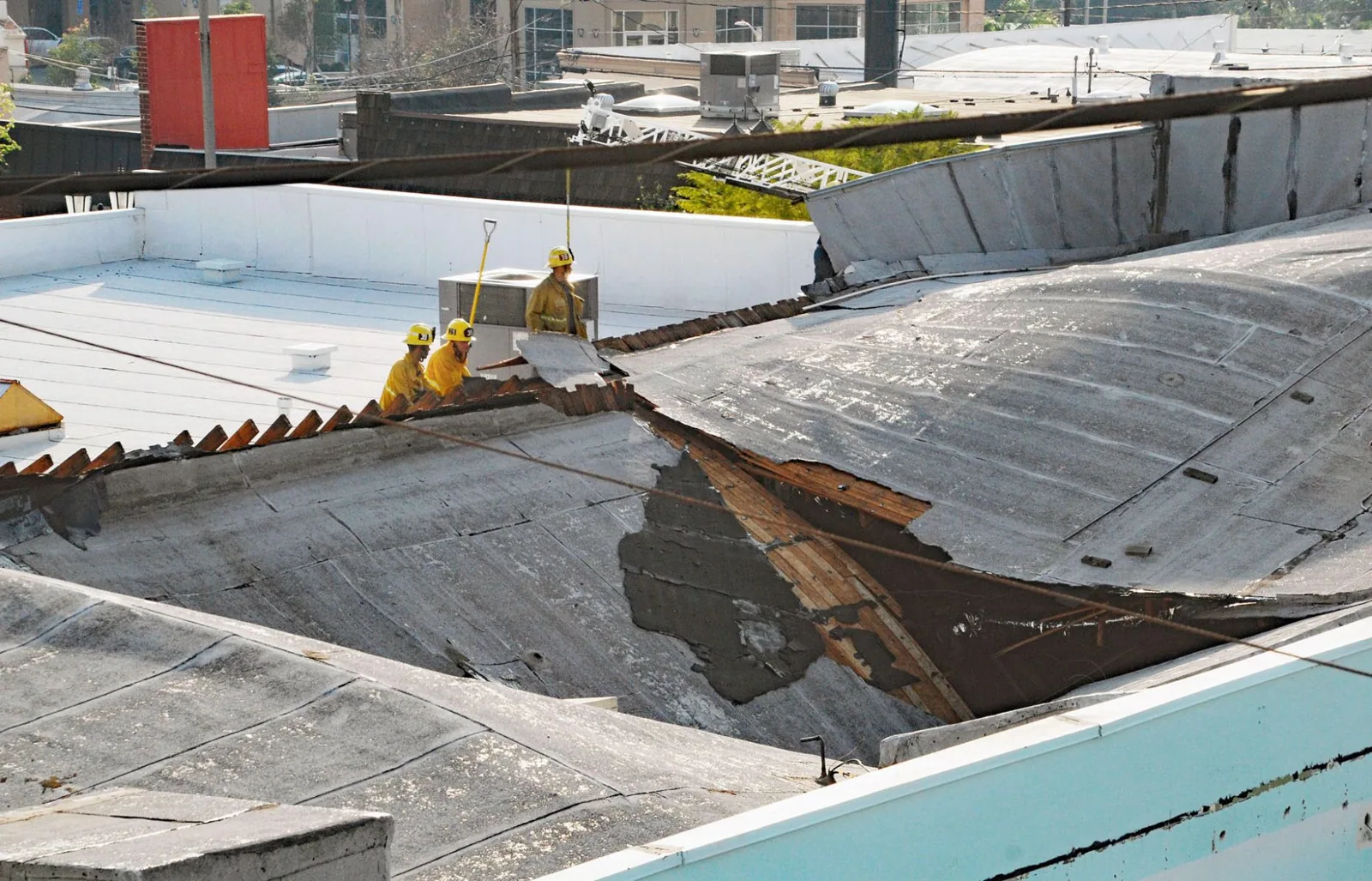
Follow panel movement at the edges | Standing-seam panels move with temperature, and the clip and end details need to accommodate that movement. We inspect eaves, ridges, valleys, rake edges and transitions to walls or rooftop equipment. A panel that has shifted may strain a clip or pull at a flashing lap. We identify whether the observed movement is isolated or affects a longer run, then mark the limits before removing or adjusting metal. The detail may require partial panel release so the clip, seam lock and adjoining flashing can be inspected without bending metal that remains serviceable. For a Coral Springs reroof, the permitted plans and tested panel assembly govern perimeter attachment. We compare exposed clips, edge metal and substrate with the approved attachment detail, then coordinate any change with the design team. Edge metal and coping work can address a related perimeter connection without treating it as a panel repair. Panel length and clip placement allow the metal to move as temperatures change. At a leak report, we inspect panel ends, fixed points, sliding clips and the flashing where a roof plane meets a wall or curb. A fastener added through a moving panel can restrict that movement and create a new stress point. We record the panel condition and attachment visible at the inspected area, then coordinate any design question with the responsible metal-roof professional before changing the clip or seam detail. |
Rebuild penetrations and transitions | At a pipe, curb or rooftop unit, metal panels transition into flashing components that must manage water and panel movement. We inspect the curb base, counterflashing, closure strips and nearby panel seams. If equipment needs lifting or a support change, the responsible trade coordinates it before the roof opening is made. The work scope identifies each penetration and specifies how the metal, membrane or flashing pieces meet. Skylights and curbs can interrupt the panel run and create corners that need formed metal details. Skylight and penetration flashing can address a defined roof opening, while equipment curb coordination can handle a unit base. We inspect the transition before closing it and note if substrate deterioration or previous sealant prevents a sound connection. |
Check valleys and drainage outlets | Water follows panel ribs and valleys toward eaves, gutters or drains. We inspect valley metal, end closures, gutters, downspouts and roof-to-wall transitions for debris, gaps or displaced pieces. A leak at the eave may begin higher in the panel run or at a penetration. We record the likely route and the details examined rather than assume the outlet is the sole cause. South Florida’s wet season brings heavy rain, so clear outlets and intact metal transitions matter during maintenance. We inspect the valleys, eaves and outlets at this roof to determine whether water flow is restricted. Roof drainage work can address an outlet or scupper connection. If water appears inside, leak tracing can compare the interior report with visible panel and flashing details. |
Plan panel removal and replacement | Metal replacement begins with identifying panel lengths, seams, clips, substrate and the route needed to move long components. We coordinate lift access and staging with the site contact. Removal proceeds in controlled sections so open substrate is protected and the new panel can connect to existing eaves, ridges and transitions. If concealed deck damage appears, we document it and obtain direction before installing replacement metal. Coral Springs Commerce Park includes industrial, research and logistics uses. The property contact supplies the loading hours and lift route for each building. At a property near Sample Road or Coral Square Mall, the contact confirms truck access, lift location and occupied areas. Occupied-building roofing coordination can set work zones and access around active operations. Weather and material availability can affect the sequence, so close-in steps are included in the plan. |
Inspect seams and close-in details | Before closeout, we inspect seams, clips, fasteners, panel ends, flashing laps, valleys and gutters included in the scope. We document replaced or adjusted runs and identify any detail outside the work boundary. If sealant is part of the approved assembly, it does not replace a required mechanical or formed-metal connection. The report states what was checked and whether concealed substrate remained unexposed. A roof condition report can preserve photographs and panel locations. Preventive roof maintenance can revisit accessible seams and drainage details. Near the University Drive Corridor, commercial uses differ by address; roof access and maintenance rules come from each property contact. We review the completed metal work and follow-up items with the owner. |
Commercial Roofing Questions | Why is a standing-seam panel lifting?We inspect clips, seams, panel ends and adjacent flashing to see whether movement, attachment or damage is affecting the run. The repair boundary follows the conditions found. Can you replace a few metal panels?A limited replacement may be possible when the panel profile, clips, substrate and tie-ins can be matched. We review the adjoining metal before defining the quantity and close-in details. Does sealant fix a standing-seam leak?Sealant alone may not restore a failed seam or formed-metal transition. We inspect the panel connection and specify a repair method that follows the assembly detail. What affects the metal roof work schedule?Panel length, delivery and lift access, weather, roof height and the need to protect open substrate affect sequencing. We confirm the route and work windows with the property contact. What information should I send?Provide the address, panel or leak location, roof drawings if available, access route, active leak or storm date and operating limits. Photos of the seam can help identify the area. |
Inspect the standing-seam roof | Share the property address, panel or leak location, roof drawings, access route, storm date and operating limits. We can inspect the seam and clip details, define the repair and document close-in. Request a Roof Assessment 555-555-5555 |
|
|
REQUEST AN ASSESSMENT
 |