Commercial Roof Recover in Coral Springs, FL
|
|
|
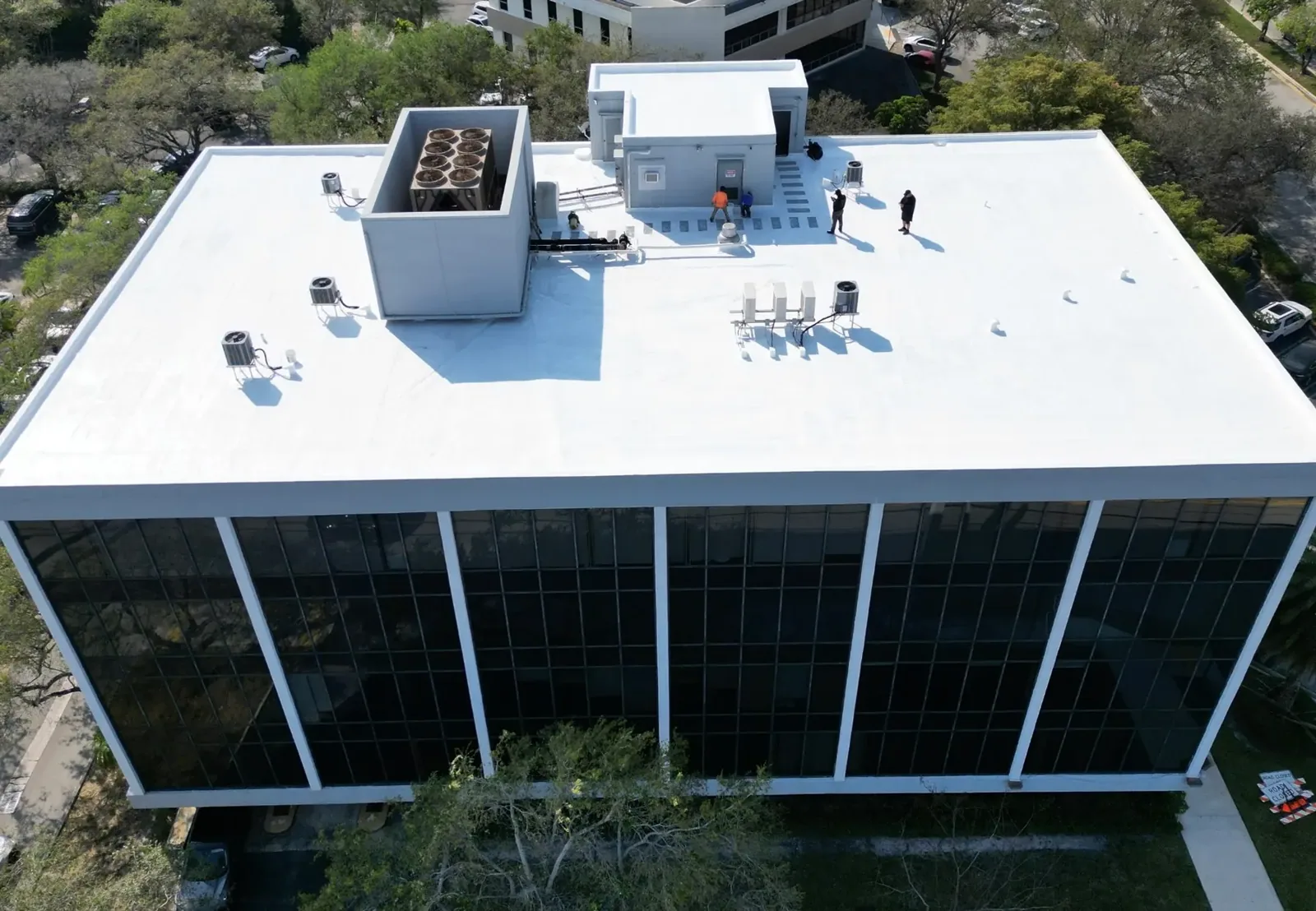
| A test cut through an existing roof answers a different question from a surface walk. It can show which layers are present at that location, how they are attached and whether the exposed materials show moisture or deterioration. A recover may be possible when the existing assembly and code conditions support it, but an additional layer cannot correct every concealed defect. We inspect the roof, identify uncertainties and explain what evidence is needed before recommending that material remain. From Coral Springs Commerce Park to Coral Square Mall and Downtown, property uses and roof access vary. We start at the address, compare available roof records with what is visible, and coordinate any test opening with the property contact. Then we compare a recover with tear-off based on the assembly and operating limits. |
Inspect before choosing a recover | We examine the membrane surface, seams, flashings, edge metal, penetrations and drains, then note visible repairs, loose areas and changes between roof zones. Before a recover, we test concealed moisture and verify existing attachment where those conditions could change the assembly decision. We compare accessible observations with maintenance records and available drawings. Where a question could change the scope, we identify the location and the next inspection step rather than assuming the layers beneath. A commercial roof inspection records accessible conditions across the roof. A controlled test cut can expose the layers at selected locations, subject to authorization and a plan to restore the opening. We identify the sample location, document the materials and condition found, and explain that one opening represents only that point. If the findings vary by roof zone, additional investigation may be needed before the owner approves retention. University Drive and Sample Road meet at the Downtown Coral Springs redevelopment core, a mixed-use area with its own commercial property improvement program. That setting does not determine whether a roof can support another layer. We inspect existing materials, moisture and substrate at the building, then compare those findings with the proposed assembly and code requirements. |
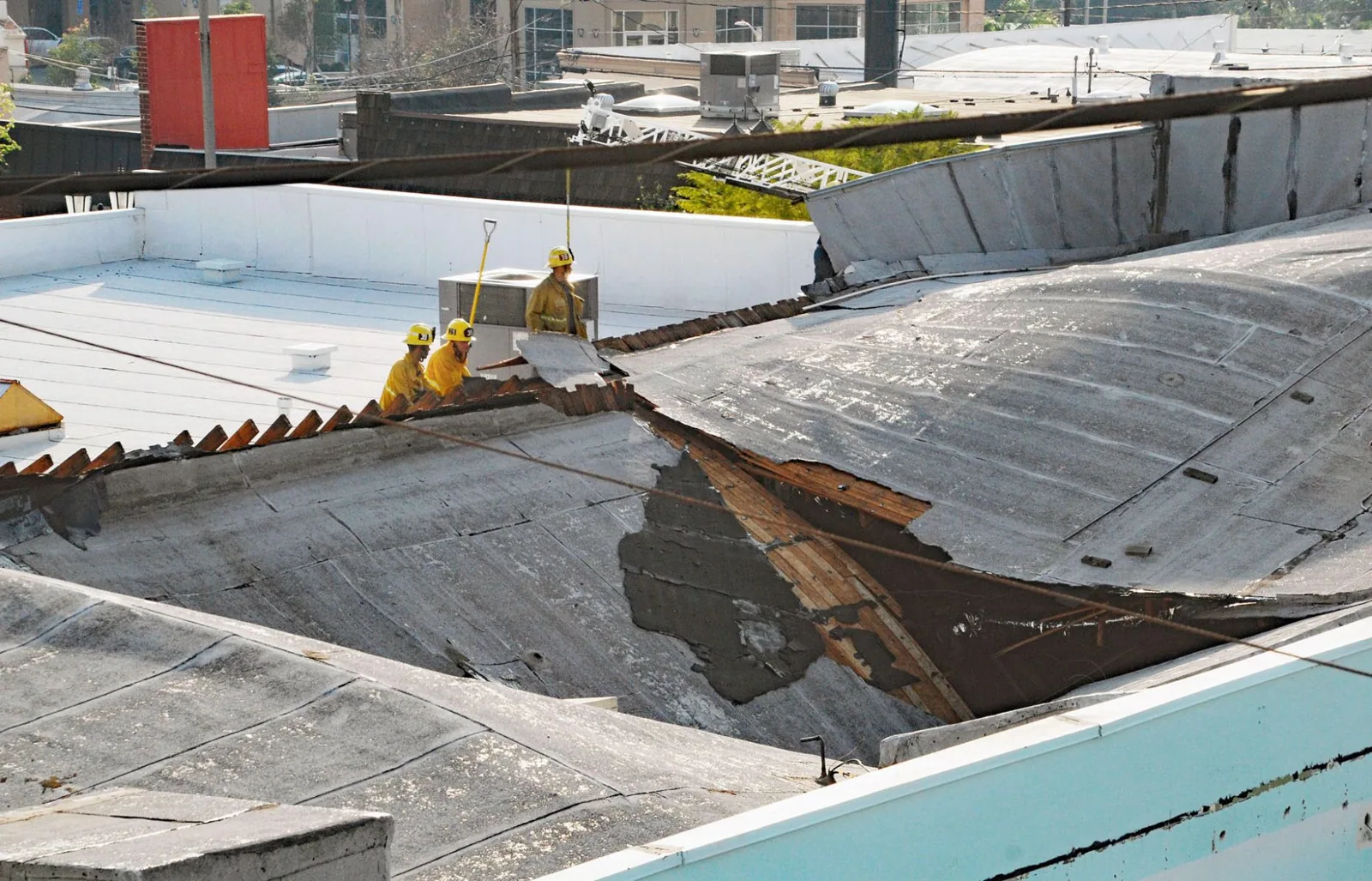
Check moisture and substrate condition | Moisture affects whether the old assembly can remain beneath new roofing. We look for indicators at seams, drains, penetrations and previously repaired areas and consider whether a broader survey is warranted. A visual examination alone cannot establish concealed moisture across the full roof. Infrared patterns also require interpretation and may need confirmation with test cuts. We explain the survey limits and where a physical opening could verify what the surface reading suggests. The selected inspection method should match the question. An infrared moisture survey can help locate areas for further review when conditions support useful imaging; core cuts can confirm material condition at selected points. If wet or unsound materials are found, the scope should state whether localized removal is possible or whether broader tear-off is more appropriate. A recover is not a way to bury a known moisture condition or defer a repair that affects the new assembly. A recover also adds height at the perimeter and around penetrations. We compare the proposed new layer with door thresholds, parapet caps, equipment curbs, pitch pockets and drain bowls. The detail must remain high enough to turn membrane up and leave room for a secure termination. Where height is already constrained, the estimate should show the required metal or drain changes instead of treating them as incidental. A roof plan and selected field measurements help identify these adjustments before material is ordered. We also record every drain transition that must remain serviceable through close-in. |
Repair what will be covered | Existing flashings, seams and drain details still matter after another roof layer is installed. We identify defects that need repair and specify which components will be removed, rebuilt or retained. Damaged insulation or cover board may need to come out before the new assembly can be installed. Curbs, wall transitions and drains need sufficient finished height and a compatible connection. We make those tasks visible in the proposal so they do not disappear beneath the field membrane. At each drain, we check the bowl, ring, sump, strainer, and overflow height. The added layer must leave a workable clamping detail and keep the water path open. At a wall or parapet, we measure the existing flashing height and identify any termination or metal edge that must be reset. These transitions belong in the recover scope before field membrane installation. For a contained defect, commercial roof repair may be scoped as a separate operation. For wider failure or wet material, compare full roof replacement against a recover based on the observed layers and repair areas. A cover board and insulation replacement scope can address affected portions. Each alternative should identify what remains after construction and what evidence supports that decision. |
Review code and assembly requirements | Coral Springs is in the High-Velocity Hurricane Zone. Coral Springs re-roofs include roof-sheathing re-nailing under Florida Building Code section 2322.2.8. We review the plans, existing deck, selected assembly, and approved details with the project team before materials are ordered. The manufacturer’s approved details and project documents govern attachment, edges, and transitions. A TPO roofing assembly and an EPDM roofing assembly use different field and seam methods. The recover scope identifies the selected system and its connection at walls, drains, curbs, and edges. |
Plan access and roof work | A recover still requires delivery, lifting, staging, and roof access. At Commerce Park, the building contact confirms the truck route and unloading area before material arrives. At retail and occupied properties, we coordinate deliveries and roof work around entrances, equipment, and interior operations. Healthcare properties set their own access and work-hour requirements. We confirm the route and protection measures with the authorized contact before opening the roof, then limit removal to the area that can be closed safely. For a larger scope, we compare the existing assembly and operating limits before recommending a recover or tear-off. |
Compare retention with replacement | The owner should be able to compare the amount of existing construction retained, the repairs completed first, the new roof layers and the rebuilt transitions. We describe the basis for the recommendation and its limits: test-cut locations, areas not opened, visible moisture indicators, substrate observations and unresolved questions. If conditions vary across the building, we explain how those differences change the proposed work. The proposal should not promise a recover until its suitability is established. Where the assembly can remain, the new roof still needs sound drainage, secure perimeters, and completed penetrations. If retention is unsuitable, replacement exposes more of the concealed construction for inspection. A roof condition report can preserve the findings behind that decision. At Coral Springs Commerce Park, maintenance visits can be planned around the building’s loading and access routes. Future observations can be arranged through preventive roof maintenance. |
Commercial Roofing Questions | What makes a roof suitable for a recover?The existing layers, moisture condition, attachment, substrate and code requirements all affect suitability. We inspect accessible areas and identify any test cuts or design review needed before making a recommendation. Can you determine moisture from the roof surface?A surface walk has limits. Infrared imaging can help identify areas for further examination under suitable conditions, while selected core cuts can confirm the materials and condition at those points. Does one test cut represent the whole roof?No. It documents the layers and condition at the chosen location. Differences in roof zones or visible conditions may call for additional samples or a revised scope. What if the test cut finds wet insulation?We document the exposed materials and explain the removal or replacement needed. The owner reviews that added work before the area is closed or a recover method is approved. What records help with a recover review?Provide prior roof plans or invoices, repair history, access instructions and the property address. The building contact can also identify operating limits and authorize any test opening. |
Confirm the existing layers first | Send the building address, available roof records, repair history and access contact. We can inspect accessible areas, identify where testing may help and explain the work needed before a recover is considered. Request a Roof Assessment 555-555-5555 |
|
|
REQUEST AN ASSESSMENT
|