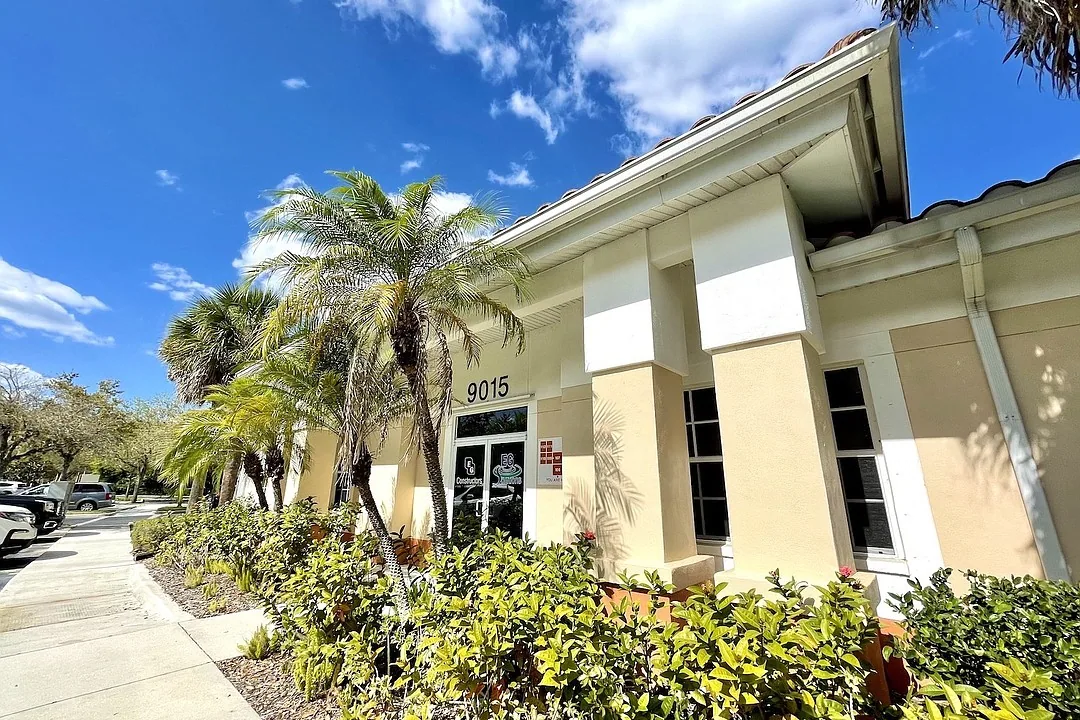
Data Center Roofing in Coral Springs, FL
|
|
|
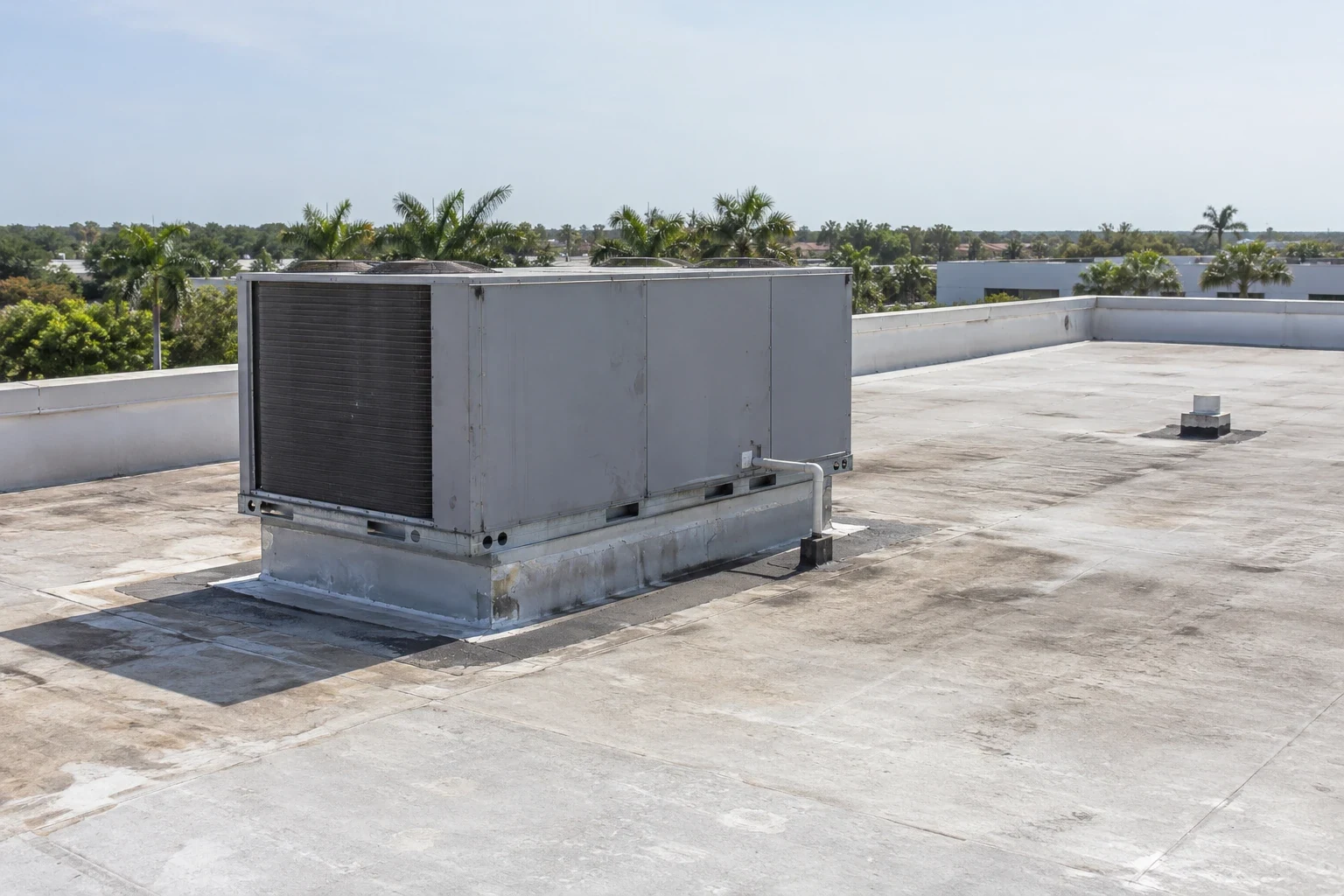
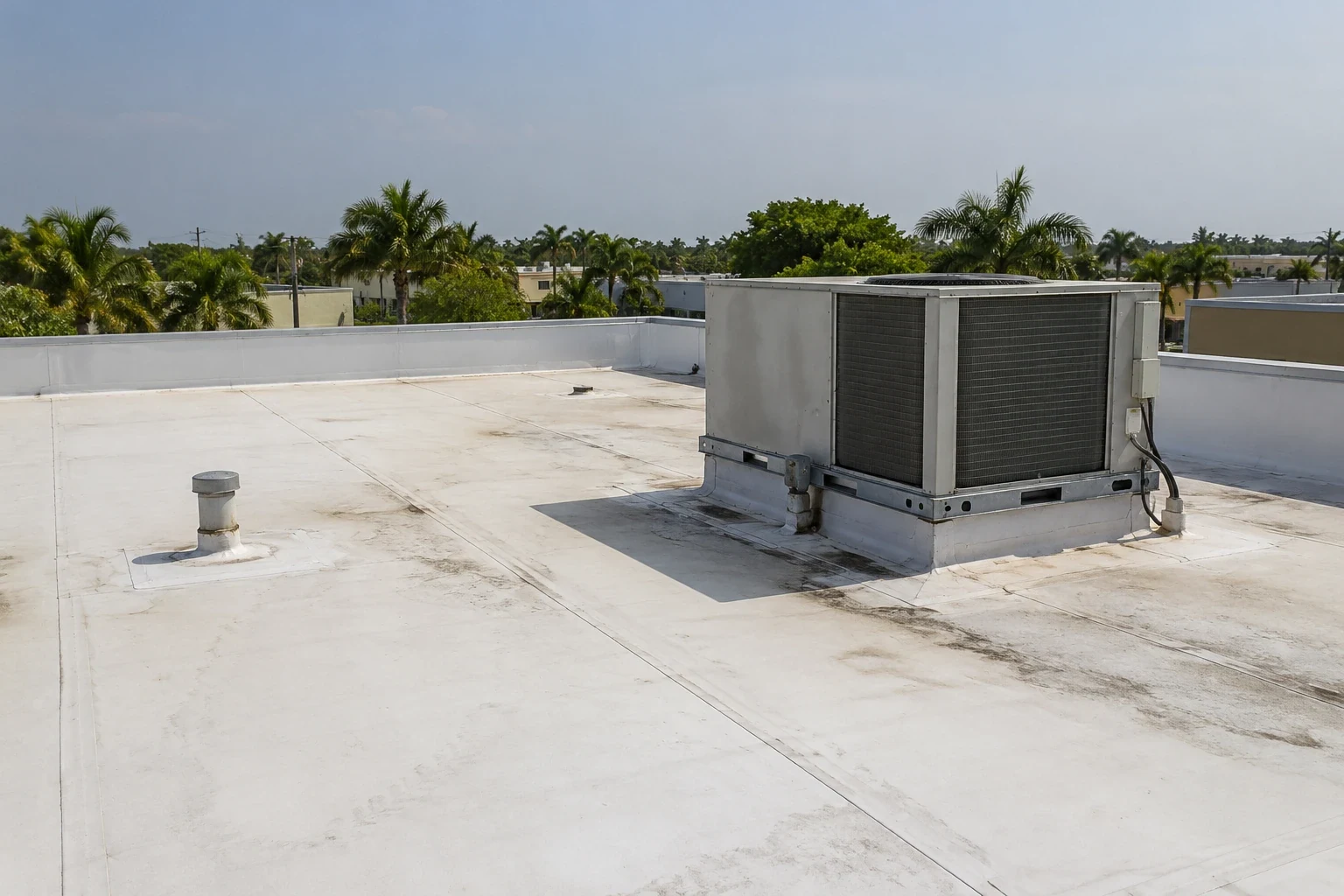
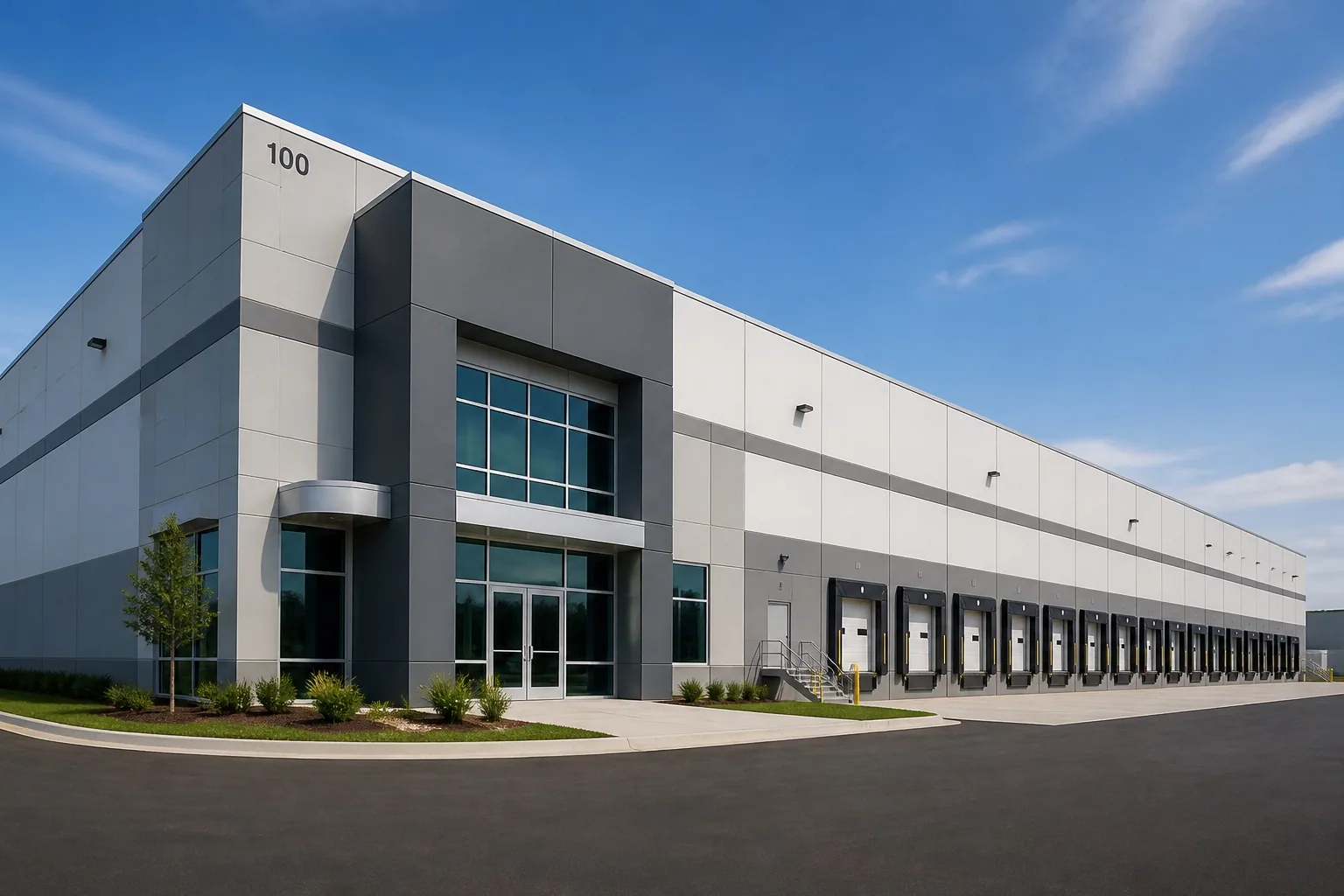
| A split curb corner beside a cooling unit can admit rain before the equipment alarm points to a roof condition. We inspect the curb, membrane transition, fasteners and nearby water path, then document what is accessible without disturbing operating equipment. For a data center, the work boundary and access sequence matter as much as the patch material. We confirm who can authorize entry, which roof areas are restricted and whether the facility has a planned maintenance window before opening any assembly. Coral Springs has a 442-acre Commerce Park with industrial, commercial and research uses, including fintech and engineering. The Commerce Park district lies near the Sawgrass Expressway, I-95 and Florida’s Turnpike, which help orient a vendor route. The facility contact confirms the actual entry and roof-access rules. South Florida’s heavy rain and summer heat influence close-in timing and temporary protection. |
Confirm access and change control | Before a roof visit, we confirm the building address, approved entry point, escort requirements, roof key or badge process and areas that may not be photographed. The facility representative identifies cooling equipment, intakes, exhausts, cable routes and any system that cannot be interrupted. We also ask whether a work permit, notification or change-control record is required. The facility representative identifies any restricted room, system or operating change that needs separate authorization. The route from delivery point to roof hatch is mapped separately from the path to active equipment. We identify where tools can be staged, whether a lift is allowed and which roof zones remain off limits. Office-building roof work may also require tenant coordination, while data-center work adds equipment and security controls. When an occupied building needs phased work, the reroof sequence can define work areas and daily close-in points. The site contact reviews that sequence before materials arrive. |
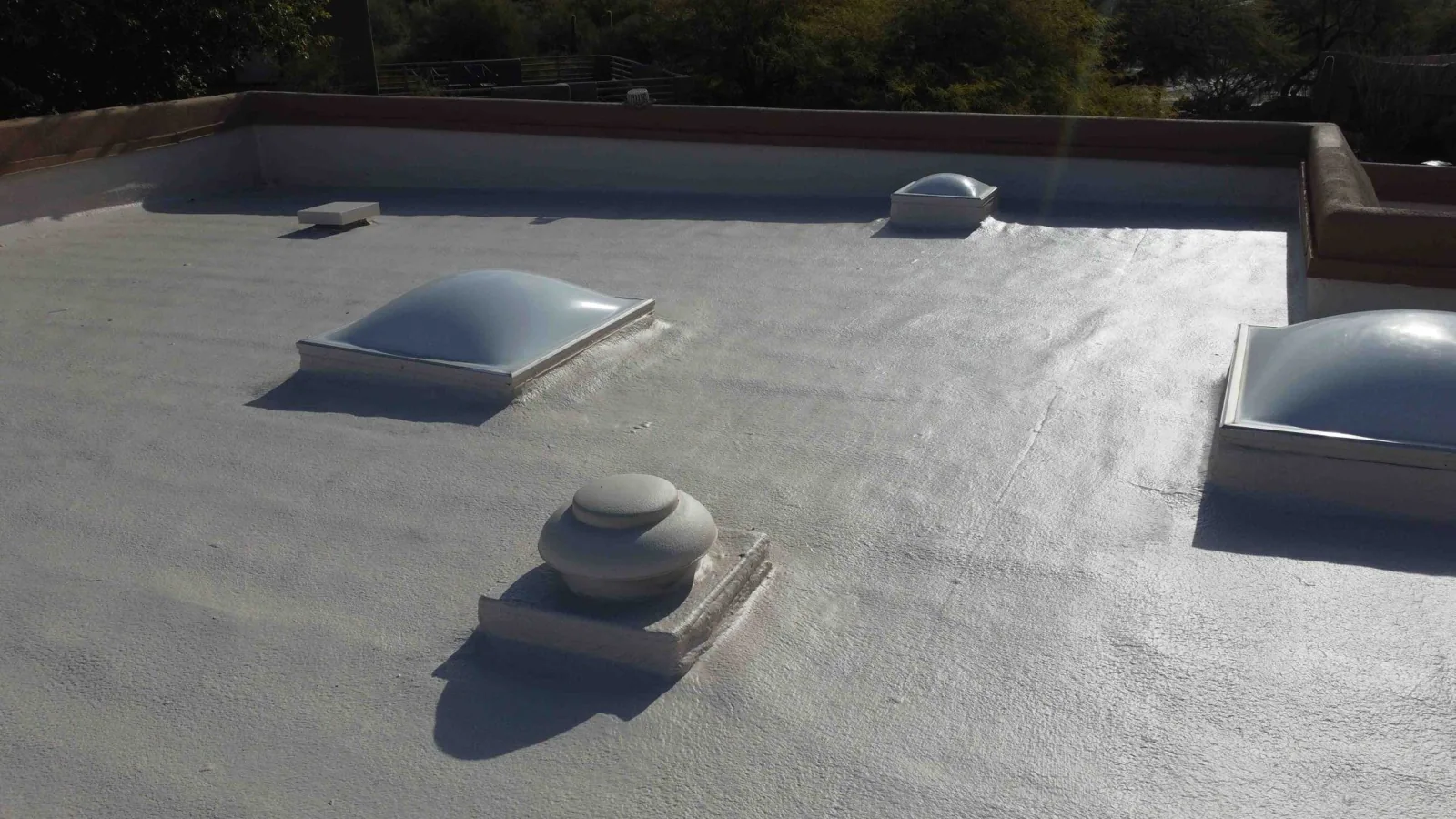
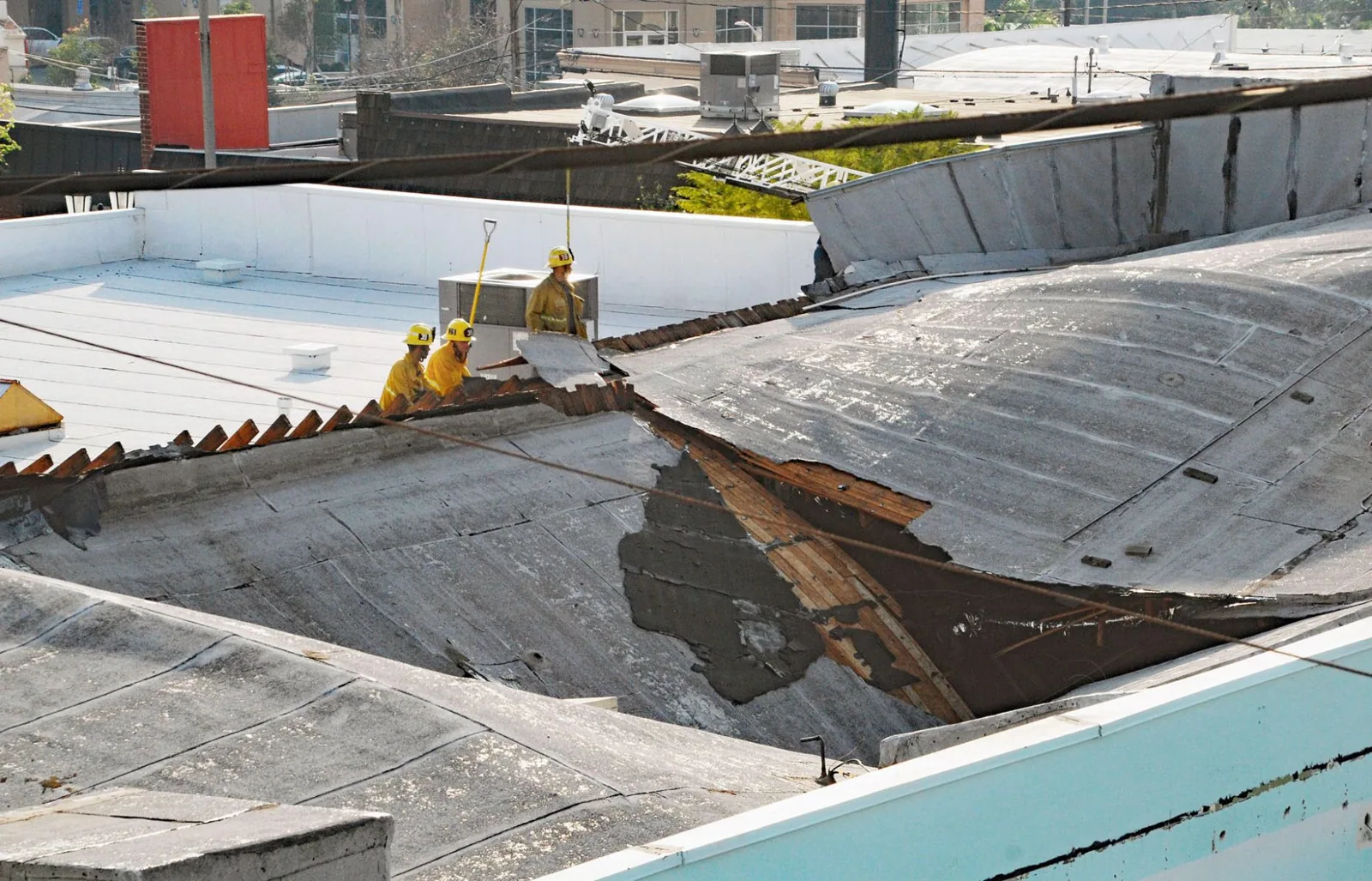
Trace water around equipment | Cooling units, electrical conduits, cable trays and exhausts create roof penetrations and traffic paths. We inspect curb flashing, corners, counterflashing, nearby seams and supports for openings or movement. A leak reported over a technical room may follow the deck or framing before it appears at the ceiling, so we compare the interior location with roof conditions above. We record the suspected path and any inaccessible perimeter rather than claiming to have verified what equipment conceals. Drain bowls, strainers, scuppers and overflow routes receive attention because summer downpours can load outlets quickly. We look for debris, water marks, lifted membrane and previous repairs around low areas. The visit is visual unless additional testing is part of the agreed scope. A commercial roof inspection can document accessible details; a defined roof repair can correct a confirmed opening. If an outlet or overflow path is involved, the drainage scope should address the exact condition rather than cover it with a surface patch. |
Review membrane and attachment | We identify the roof system before selecting a repair. TPO, PVC, EPDM, modified bitumen, built-up roofing, metal panels and coatings use different seam methods and compatible materials. At a single-ply roof, we check laps, curb flashing and attachment near corners and perimeters. On a metal assembly, panel movement, fasteners and laps change the inspection. Existing records and visible edges can help identify layers, but a surface view cannot establish every concealed component. If hidden moisture or deck condition could alter the repair, we describe a test cut and where it would be placed. A small opening answers a local question; it does not certify the full roof. TPO roofing requires seam preparation and heat-welded details, while the manufacturing-plant roof may present different equipment loads and service routes. A condition report can preserve roof-zone photographs and access limits for review by the facility manager. |
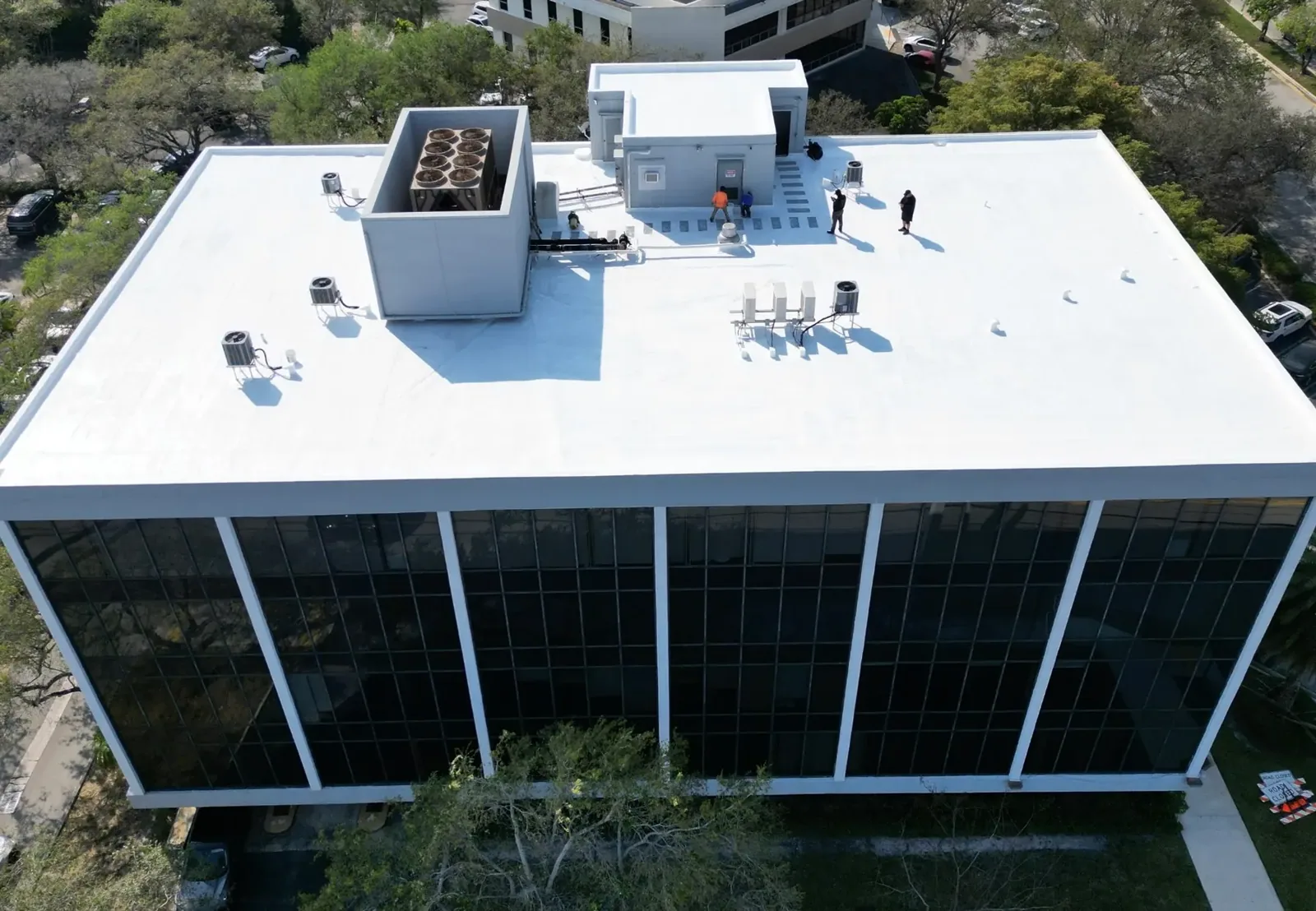
Define a low-disruption work zone | A repair proposal marks the exact area, the material transition, protection measures and the close-in point. A separated seam or curb corner can be corrected locally when adjacent material and substrate remain sound. If removal exposes wet insulation, damaged decking or a larger attachment issue, we photograph the condition and request direction before extending the work. We do not change the scope around active equipment without the operator's approval. For a data-center reroof in Coral Springs, section 2322.2.8 adds the sheathing re-nailing step. We coordinate deck access with the approved assembly and the facility work window. We verify the permitted assembly and site approval path with the operator. Replacement planning can account for controlled zones and verified access. Roof condition, moisture evidence, attachment and the operator's restrictions inform whether repair or broader work is appropriate. |
Protect continuity during the work | We plan one roof zone at a time, with material delivery, tool staging, weather protection and a documented close-in before the crew shifts. Summer heat affects safe work periods in Coral Springs, and rain can interrupt seam preparation. If conditions change, the exposed boundary is secured and the operator is told which area remains incomplete. The agreed plan records who can authorize access or a schedule adjustment when the original window no longer fits. We do not disconnect or reposition cooling or electrical equipment as part of roofing unless that work is separately authorized and performed by the responsible trade. The facility representative identifies clearances and any intake or exhaust restrictions. A manufacturing operation or adjacent office may have its own constraints, so one building's roof sequence cannot be copied to another. The final daily note states which roof zones were reached, closed and left for follow-up. Work zones near generators, cooling equipment or electrical paths need the facility operator’s review before materials or crews are positioned. The owner identifies which systems must remain available, where a temporary barrier may sit and which entry route can be used. We place those constraints on the sequence plan so a roof opening does not overlap an equipment service window or block an emergency path. Any change to the approved route is confirmed with the contact before the next roof zone is opened. |
Record the work and limits | At completion, we inspect the repaired seam, curb corners, perimeter transitions and drains within the approved scope. Photos show the finished tie-in where access allows, while the notes identify material removed, any substrate findings and areas that could not be reached. If a concealed condition needs a separate decision, it is stated plainly before the contact signs off on the next step. We review the record with the person assigned by the facility and confirm any remaining access or monitoring item. A later inspection can revisit accessible details after a heavy rain or planned equipment service. The closeout identifies the facility escort, operating controls and roof zones inspected, so a later visit starts with the current authorization and field record. |
Commercial Roofing Questions | Can roofing work affect data-center equipment?We do not move or disconnect facility equipment as part of roofing. The operator identifies restricted areas, protection requirements and approved work windows, and we confine the scope to the authorized roof zone. How do you address a leak near cooling equipment?We inspect curb flashing, nearby membrane, supports, seams and drainage, then compare those observations with the reported interior location. The repair boundary follows the evidence and access limits. Can you work during a planned maintenance window?Yes, when the facility confirms the window, access process and responsible contacts. We define the material route and close-in point before work begins and report any change that needs authorization. Does a data-center roof need a test cut?Only when concealed layers or moisture could change the recommendation. We identify the question and location first, document what the opening reveals and restore it after inspection. What should the operator provide before scheduling?Send the property address, roof records, access and escort rules, equipment restrictions, change-control requirements, leak information and approved work periods. Identify the person who can authorize scope changes. |
Set a controlled roof inspection | Provide the address, roof records, reported leak or storm date, approved access route, security requirements and operating limits. We can inspect accessible details and plan repair boundaries with the facility contact. Request a Roof Assessment 555-555-5555 |
|
|
REQUEST AN ASSESSMENT
 |