Drone Roof Inspection in Coral Springs, FL
|
|
|
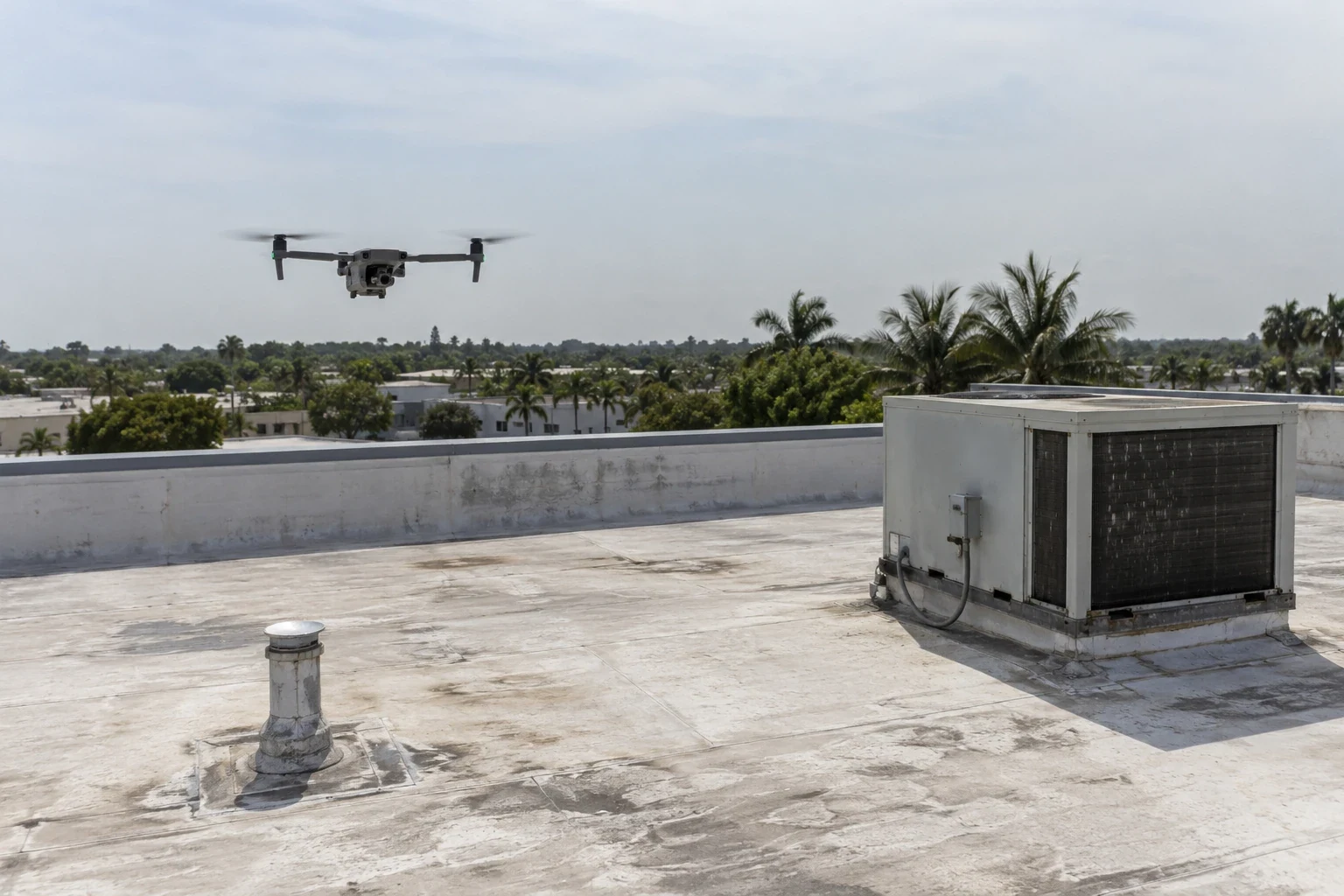
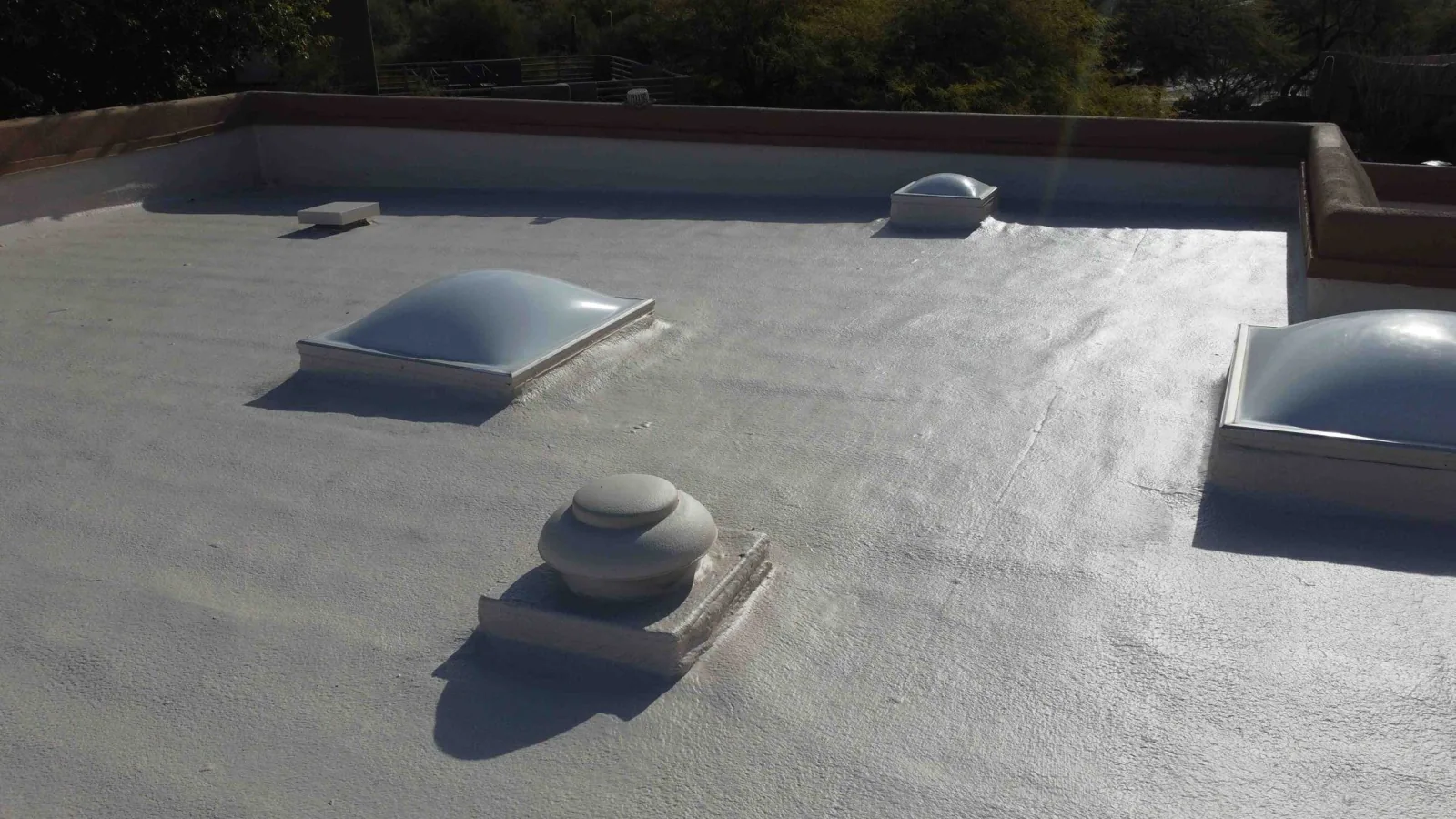
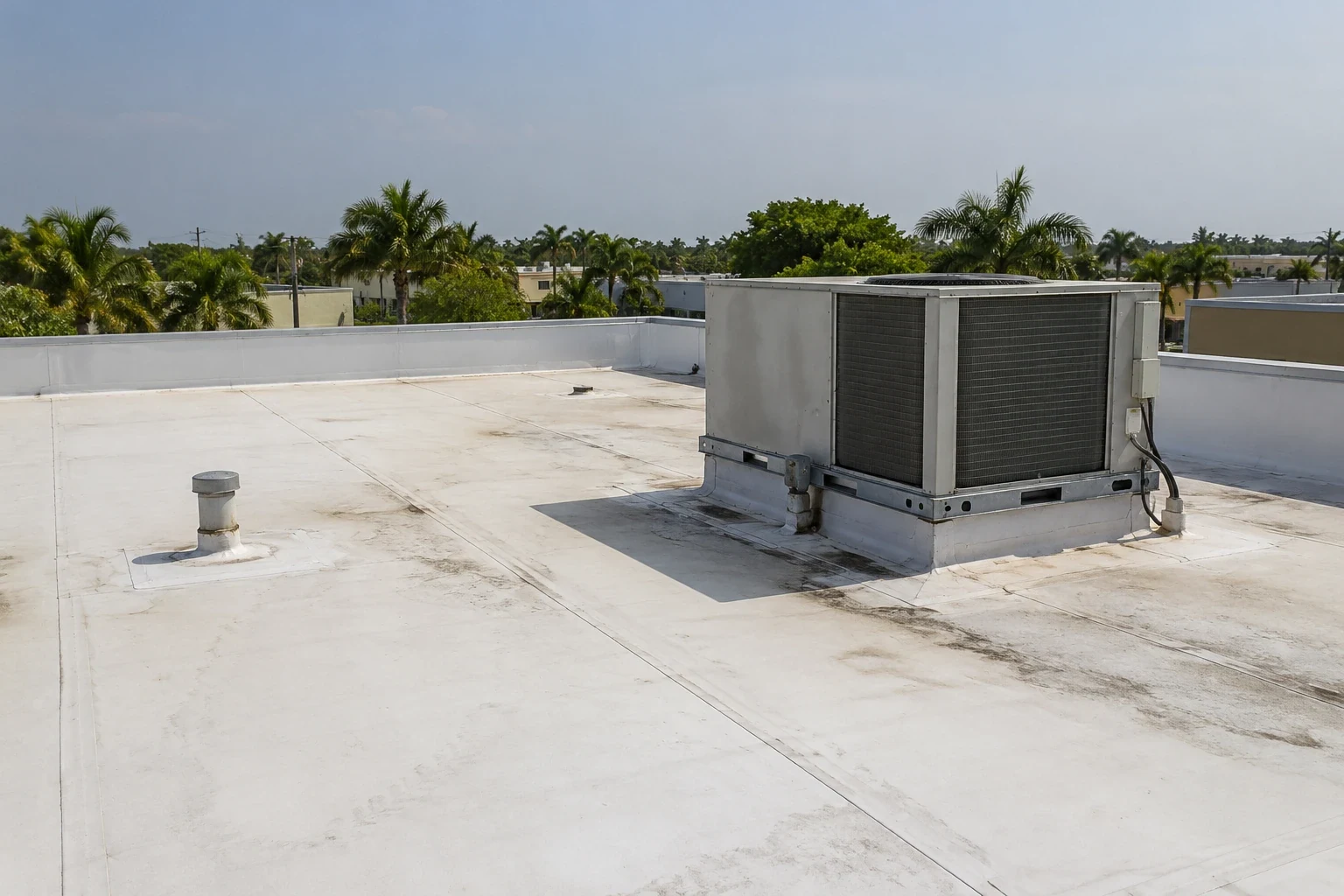
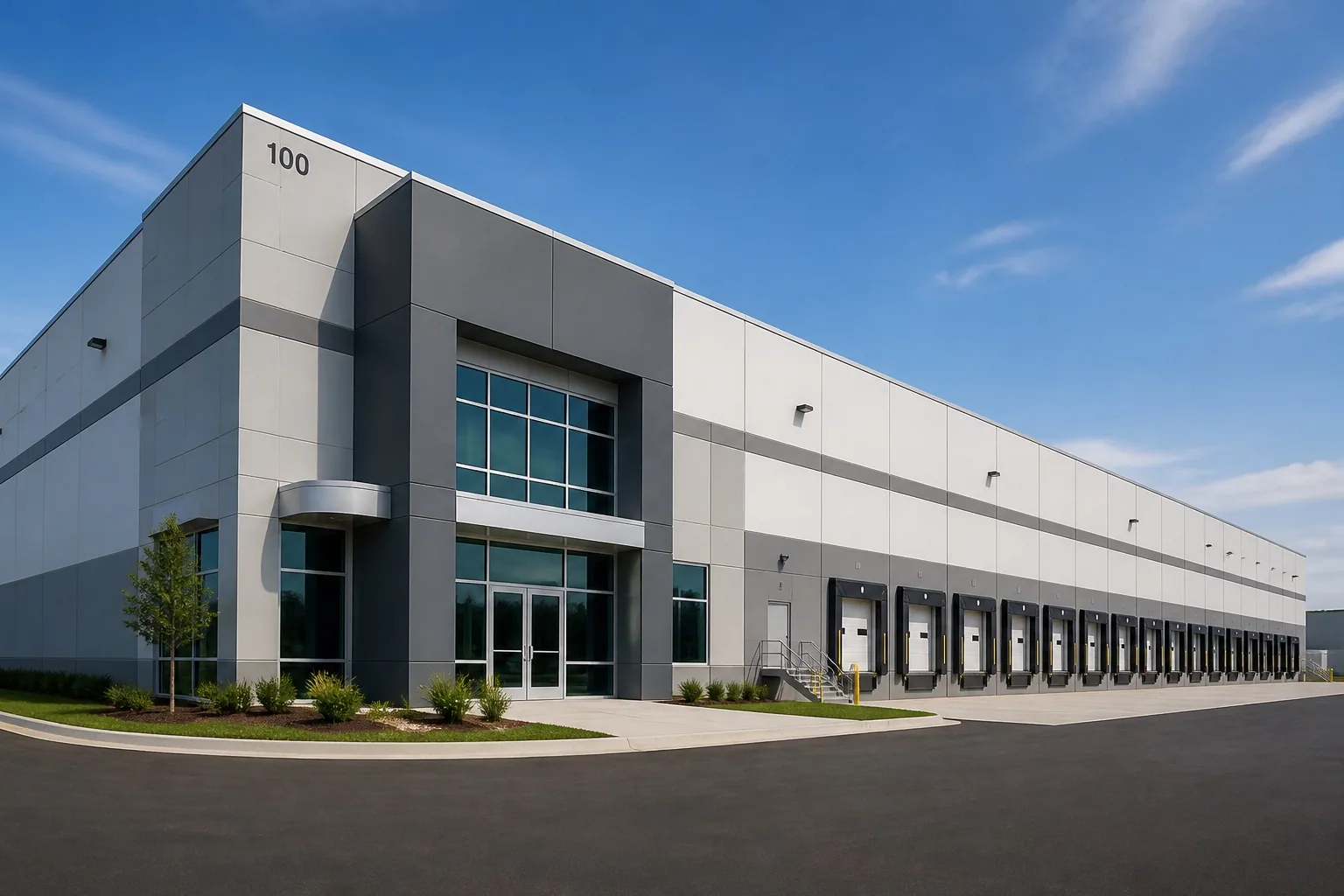
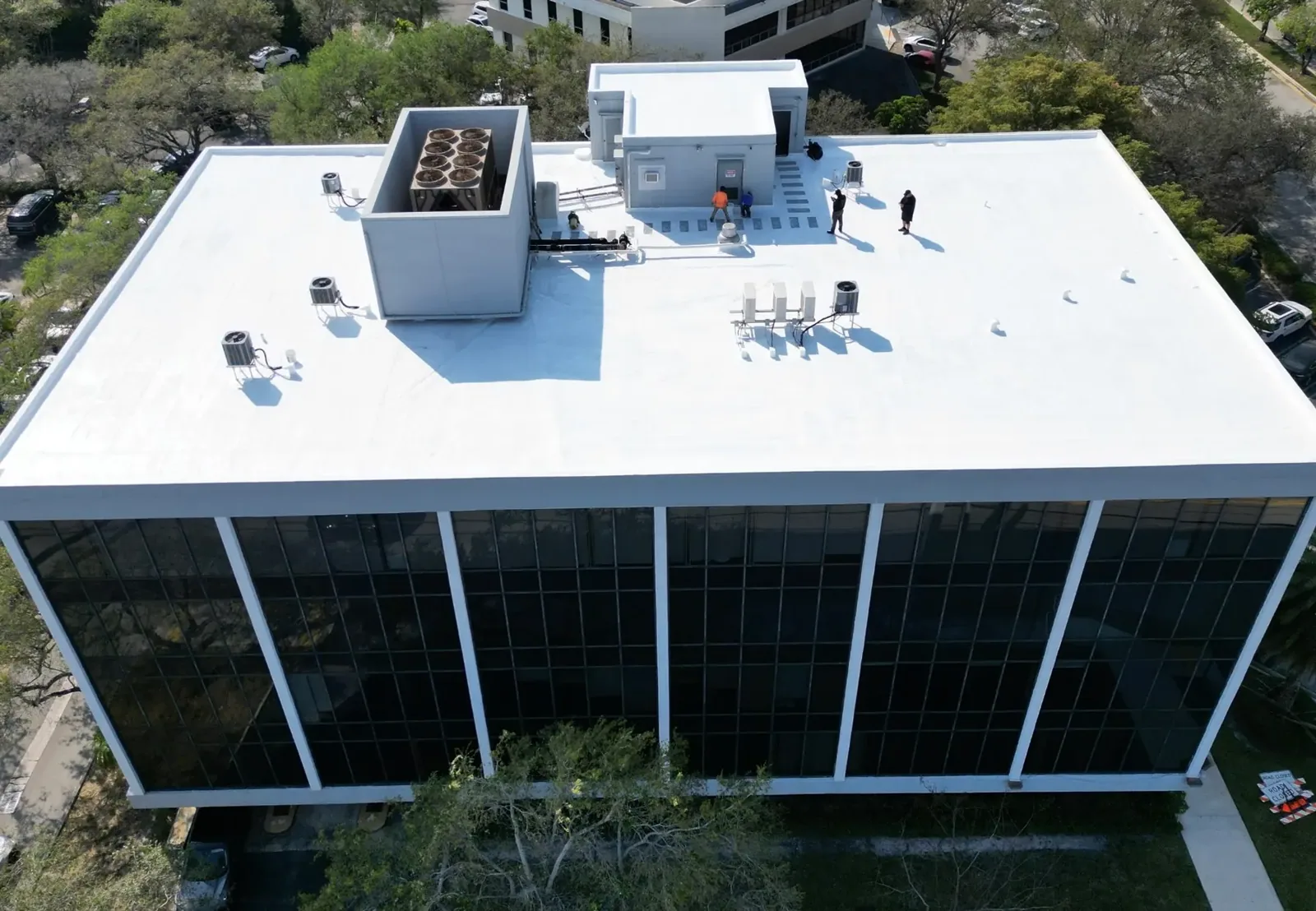
| A wide roof with several equipment zones can be difficult to document from one access point. Drone imaging can capture an overhead view of accessible roof areas and help organize a closer inspection. It does not establish the condition beneath a membrane, verify a seam by touch or replace review of a flashing detail. We define the imaging purpose, confirm site permissions and explain which roof questions still require a person on the roof. Coral Springs includes office, retail, health care and industrial properties near Coral Springs Commerce Park and Coral Square Mall. Neighboring Sunrise’s Sawgrass business districts are separate commercial destinations. Before scheduling, we verify the address, applicable airspace limits and property contact’s flight and access permissions. The site contact identifies occupied areas, sensitive operations and restrictions around the proposed flight. |
Define the view needed | Before imaging, we identify the roof areas to be documented and the question the images should help answer. The request may concern a large roof layout, a hard-to-reach zone, visible ponding or the location of rooftop equipment. We confirm expected image coverage, lighting and any obstructions that may limit the view. The plan also identifies areas that cannot be captured and whether a separate hands-on inspection is part of the visit. Drone images can help show the relationship between roof zones, curbs, drains and surface conditions. They cannot confirm concealed moisture, measure every defect precisely or establish that a system meets a specification. For a broader field review, commercial roof inspection documents accessible surfaces and details. We explain how the aerial images relate to that inspection instead of presenting an overhead image as a complete condition assessment. |
Confirm property and flight permissions | We coordinate with the property representative on roof and site access, flight area, operating hours and people or vehicles below. The contact identifies restricted spaces, sensitive equipment and any notification needed for tenants or neighboring operations. For a building near University Drive or Sample Road, the property contact identifies approved launch and landing locations and any site-specific restrictions. Flight conditions and applicable aviation requirements also govern whether imaging can proceed. We check the relevant restrictions and weather conditions before the visit, then explain any limits that change coverage. If wind, rain, visibility or access prevents a planned flight, we discuss a revised time or another inspection method. We do not treat a completed flight as proof that areas outside the captured view were examined. |
Capture roof zones and visible details | When the site and conditions allow, we capture planned roof areas from an angle that shows their layout and visible features. We note obstructions, shadows, glare, equipment screens and other conditions that affect interpretation. The images may show surface discoloration, debris, ponding or apparent damage, but those visual indicators need context. We compare the images with accessible roof observations and record what could not be verified from above. At a building with multiple sections, the images can help the owner identify where each observation occurred. We organize files by roof zone or reference supplied by the property contact. A roof condition report can pair relevant images with written observations and inspection limits. Any concern involving a seam, drain bowl or curb flashing should be checked using a suitable close inspection before repair is specified. |
Know what aerial images cannot show | Aerial imagery does not test membrane adhesion, inspect an underside or expose insulation. It cannot by itself determine whether a stain indicates trapped moisture or whether a surface detail is watertight. When the question involves concealed layers, an infrared moisture survey or controlled test cut may be considered under suitable conditions. The report states which method was used and what additional access or confirmation remains necessary. A drone image may identify a place to inspect, but it does not diagnose every visible irregularity. We avoid inferring a leak source, structural capacity or remaining service life from an overhead view. If an image suggests an open seam or displaced flashing, we identify that location and recommend an appropriate hands-on review. The owner can then authorize a defined commercial roof repair based on inspected conditions rather than image appearance alone. |
Organize images for the building team | We provide the agreed images with identifying context, capture date and notes about coverage. If a roof zone could not be captured, we list it. The building team can compare the view with prior records and direct follow-up to specific locations. Images are most useful when they show a defined area and do not imply inspection beyond the actual coverage or the details that could be resolved at that distance. For a property in Coral Springs Commerce Park or the retail area around Coral Square Mall, delivery of the imagery follows the site contact’s access and privacy instructions. We confirm the intended recipients and file organization. If the owner needs a condition review in addition to imaging, we can scope it as a separate activity. Coral Springs Commerce Park is a local reference only; the roof and flight plan are specific to each address. Image coverage should be clear enough for another member of the property team to locate the pictured detail. We label the building, roof zone, capture date and direction of view, then pair a close image with a wider frame that shows its position. When a parapet or mechanical screen hides the connection, the note identifies the blind area rather than implying the camera saw behind it. The property contact can then decide whether a roof walk, lift or interior check is the next useful step. |
Turn the view into a next step | After image review, we discuss which observations merit hands-on inspection, repair planning or continued monitoring. A broad view can help establish the relative position of roof equipment and drainage, while a close view may still be needed at a seam or penetration. We identify the evidence behind each recommendation and note if access was limited. The next scope should match the question, not assume the images resolved every roof condition. If the roof shows visible wear across several areas, compare inspection findings with a replacement evaluation or a maintenance visit. Commercial roof replacement requires an assembly and access review; preventive roof maintenance can document accessible conditions on later visits. The building representative can provide the address, site permissions, target areas and any operating restrictions so imaging is planned around actual needs. |
Commercial Roofing Questions | Can a drone inspect every part of the roof?A flight captures only permitted, visible areas under the conditions on site. Obstructions, shadows, weather and restricted zones can limit coverage, and details may still require hands-on access. Can drone images find a roof leak?Images may help identify visible areas for closer review, but they do not establish the water path or concealed source. We compare the view with the building report and inspect relevant details as needed. Do drone images replace a roof inspection?No. Aerial imaging is a documentation method. A hands-on inspection is needed to examine accessible seams, flashings and other close details, while concealed conditions require appropriate additional testing. What permissions are needed before a flight?We confirm property access, site restrictions and applicable flight requirements with the responsible contact. The address and conditions determine whether the planned imaging can proceed. What information should I provide?Share the property address, roof areas of interest, access contact, site restrictions and the decision the imagery should support. Include known obstructions or operating limits. |
Plan the imaging around a roof question | Provide the address, target roof zones, property permissions and site restrictions. We can confirm whether aerial imaging fits the request and identify any close inspection needed afterward. Request a Roof Assessment 555-555-5555 |
|
|
REQUEST AN ASSESSMENT
 |