Secure the active area
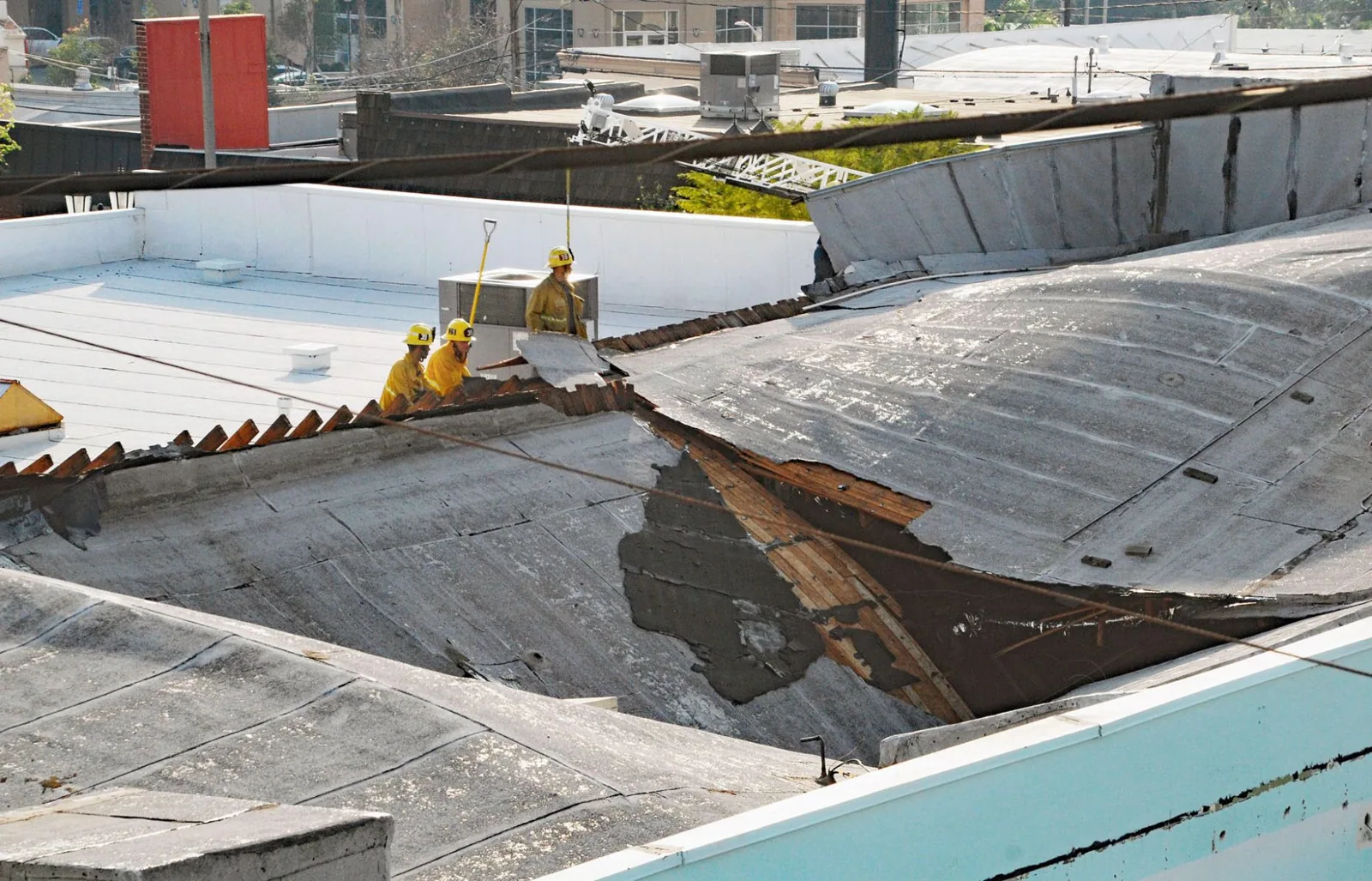
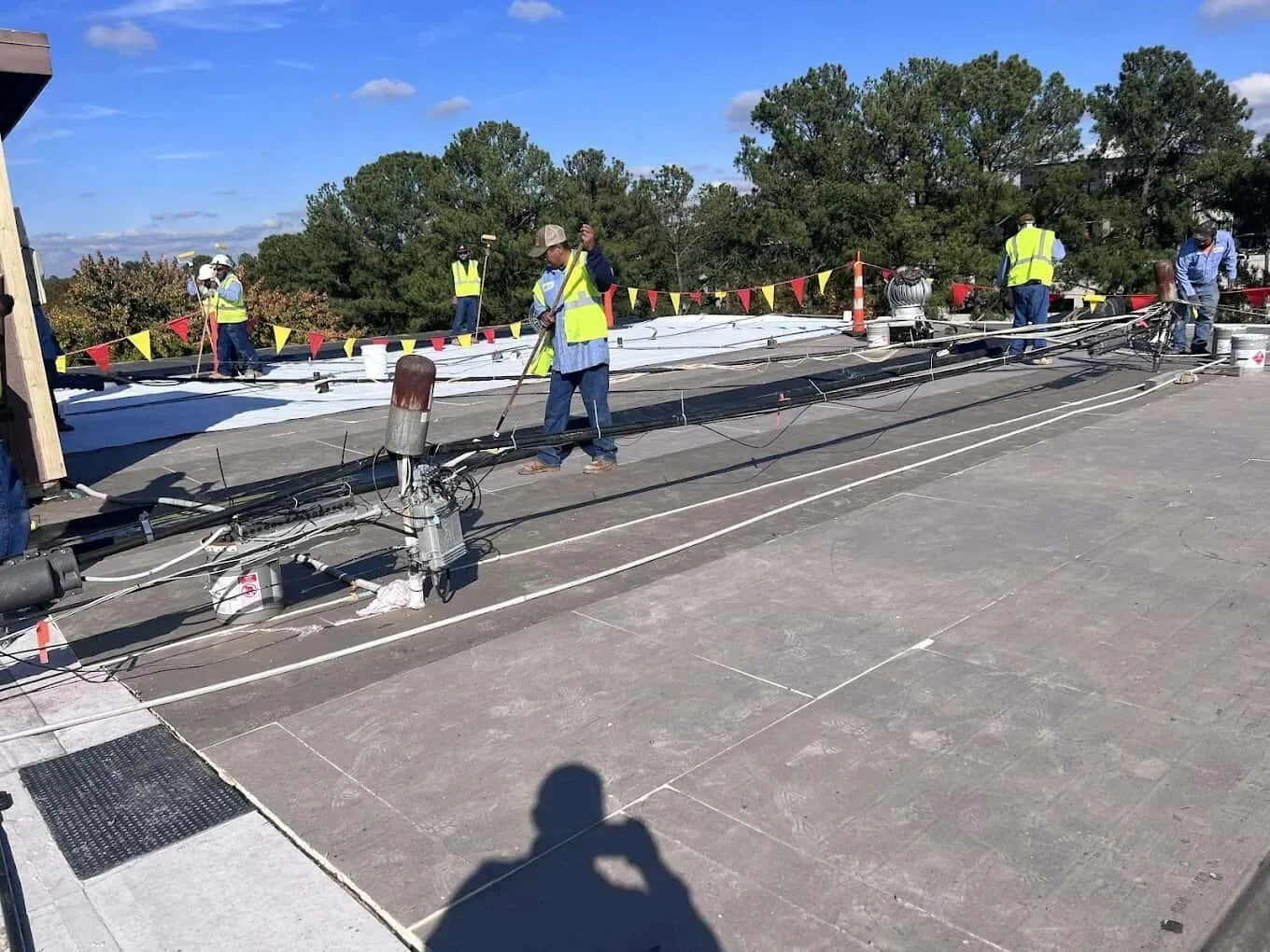
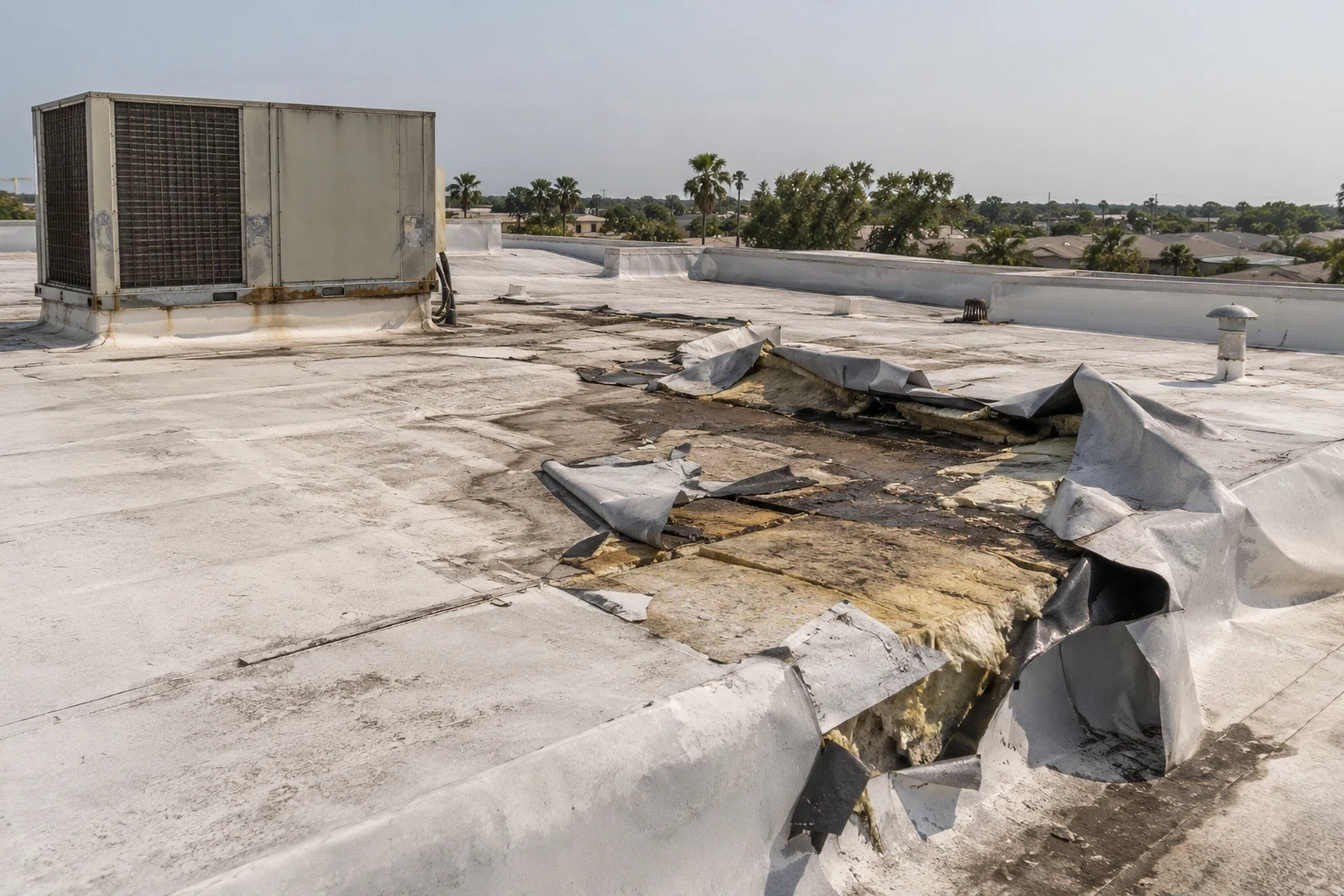
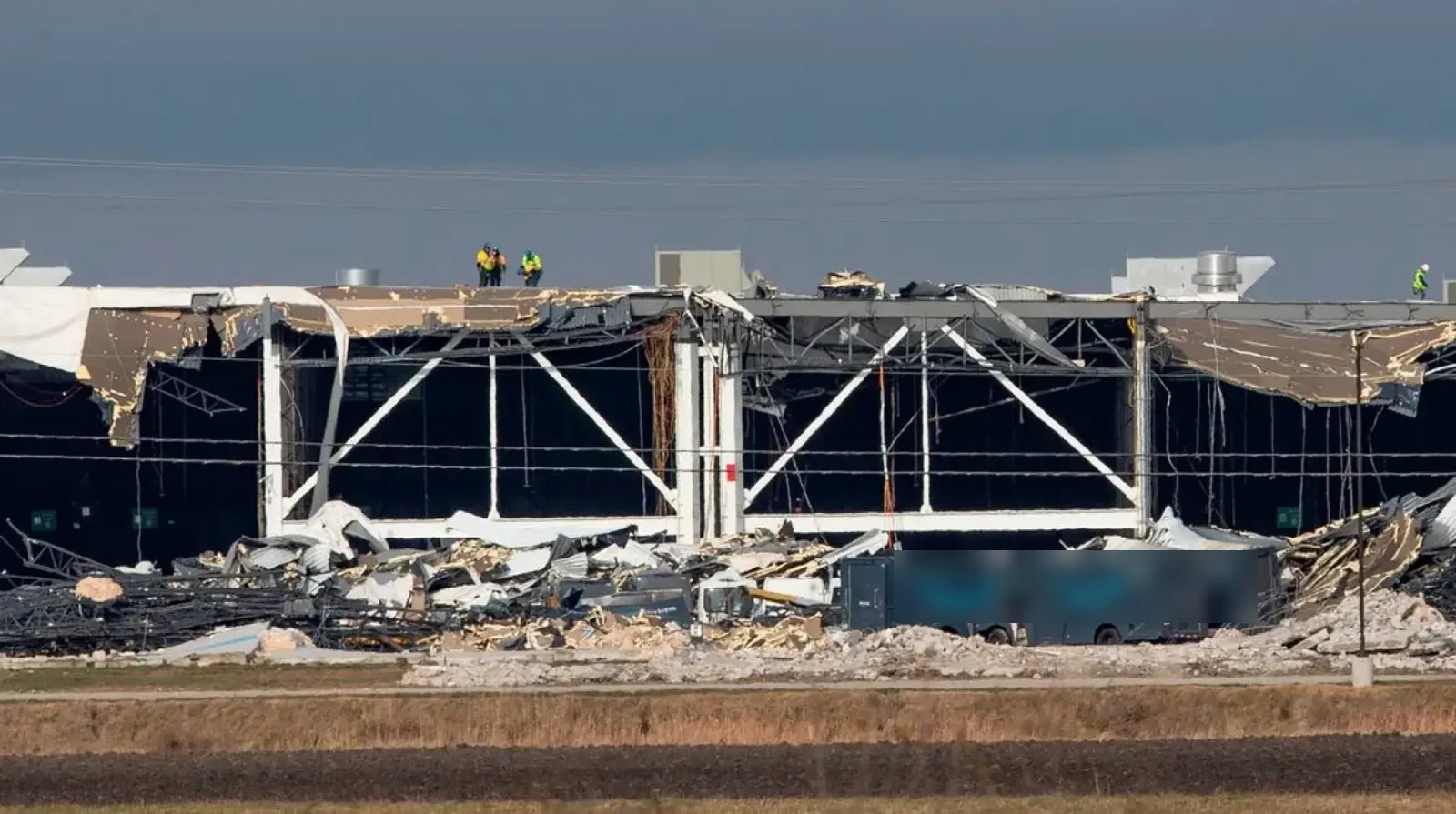
When water is entering, we identify the leak path and protect the exposed section without opening more roof than the crew can close. Temporary measures are documented separately from permanent work. The wind damage inspection checks edge metal, fasteners and membrane terminations; hurricane damage assessment records affected zones and conditions that need follow-up.
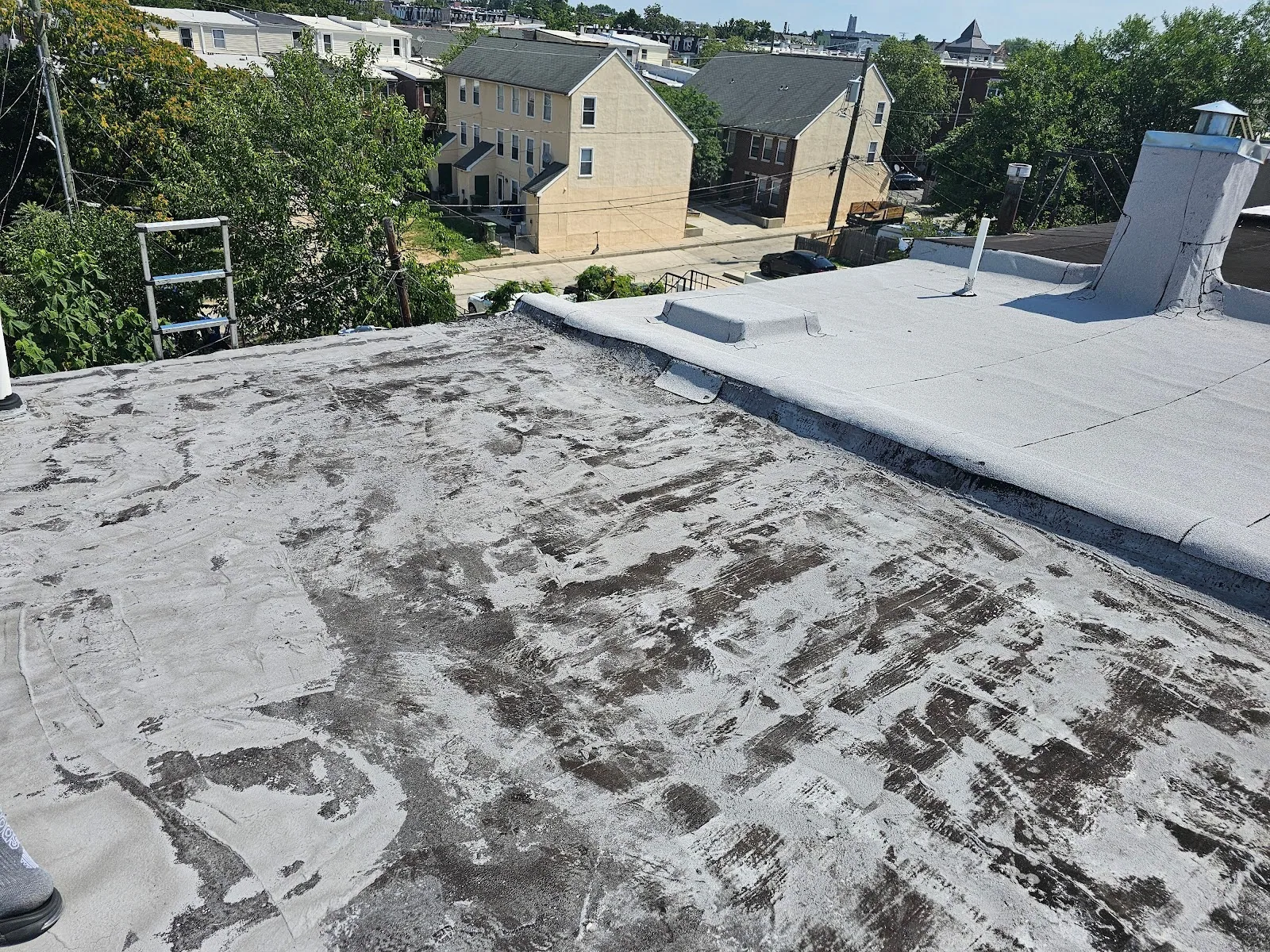
If the event has passed but the leak is intermittent, a seam failure review or flashing failure assessment follows the water to the failed detail. We photograph the repair boundary and note nearby conditions that may change the scope.
Separate impact from pre-existing wear
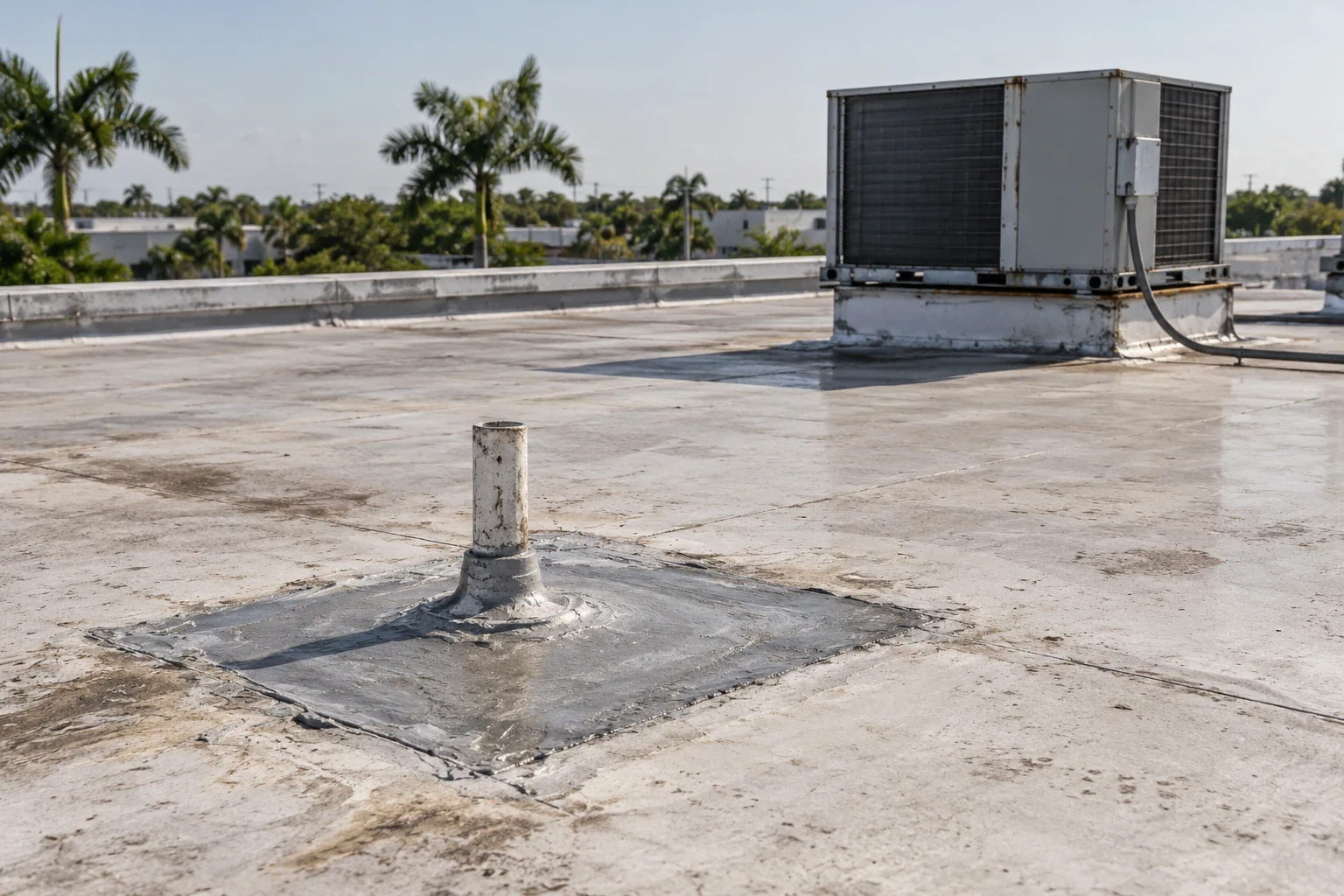
A hail mark, membrane puncture or displaced flashing does not by itself show how water entered. We inspect the surface, seams, drains, penetrations and surrounding attachment, then compare findings with available maintenance or storm records. A hail damage inspection documents impact evidence, while puncture repair identifies the opening and compatible patch detail.
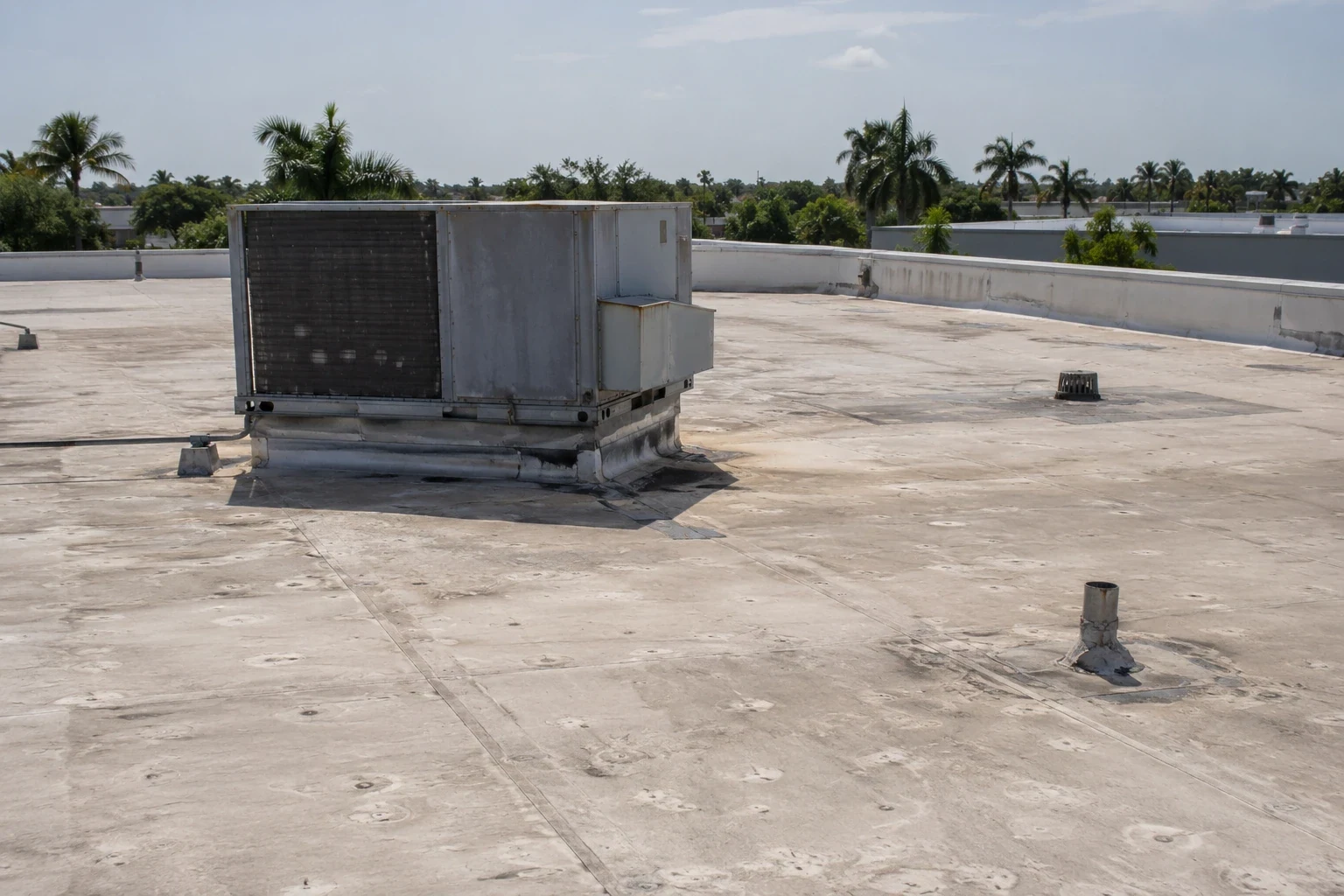
Where moisture below the roof could broaden tear-off, an infrared survey may help choose test areas. A test cut confirms layers only where taken. We keep the observed damage separate from assumptions about concealed conditions and explain what additional access would establish.
Choose repair or replacement from the findings
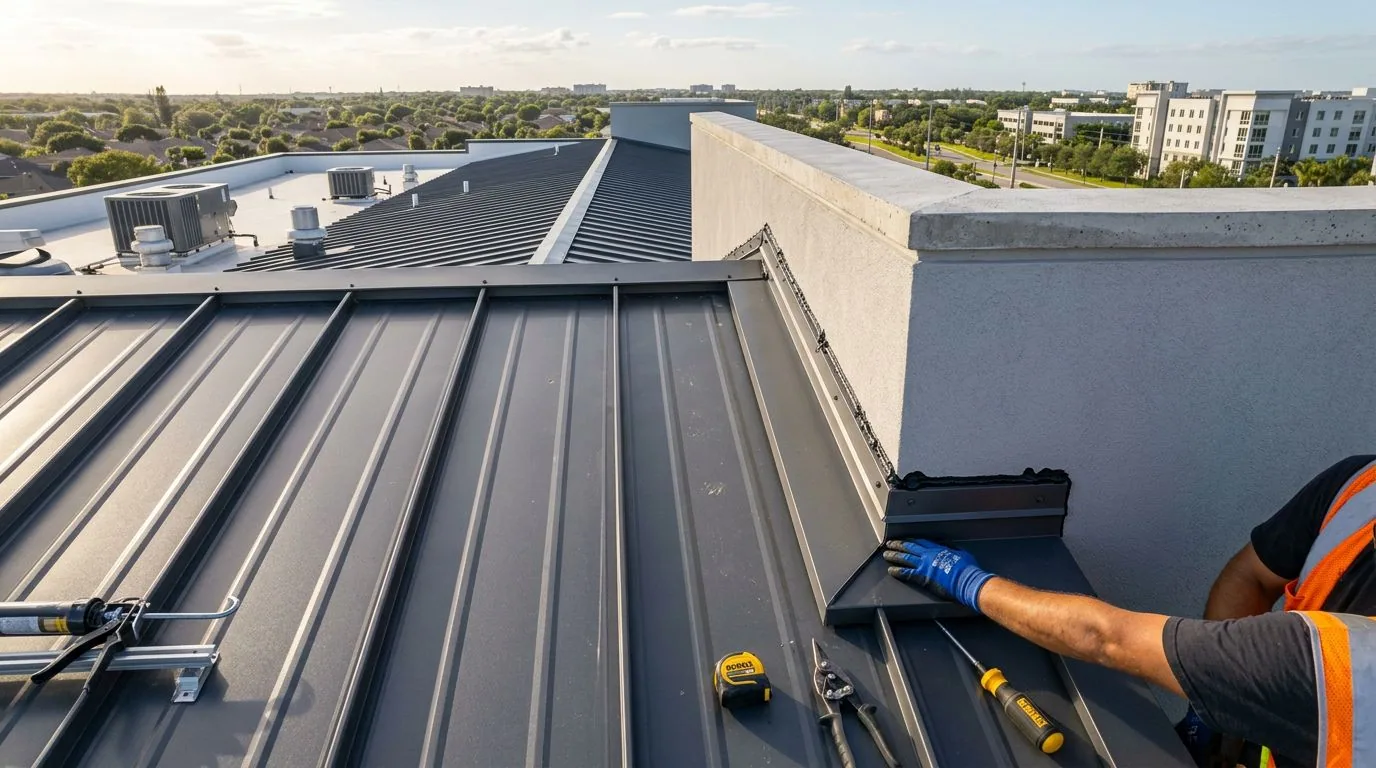
A localized repair fits a defined failure with sound material around it. Several openings, widespread wet insulation, damaged deck or failed attachment can support a larger scope. The repair plan explains what is included; if removal is indicated, a replacement scope accounts for deck review, new assembly, edge tie-in, staging and close-in.
Reroof work in Coral Springs is reviewed against the current eighth-edition Florida code and its wind-zone criteria; the deck-fastening section applies when replacement opens the assembly. We confirm permit requirements and approved details for the address before rebuilding. Each open area is protected as weather changes, and the closeout record shows what was repaired and what remains.
Keep the event record clear
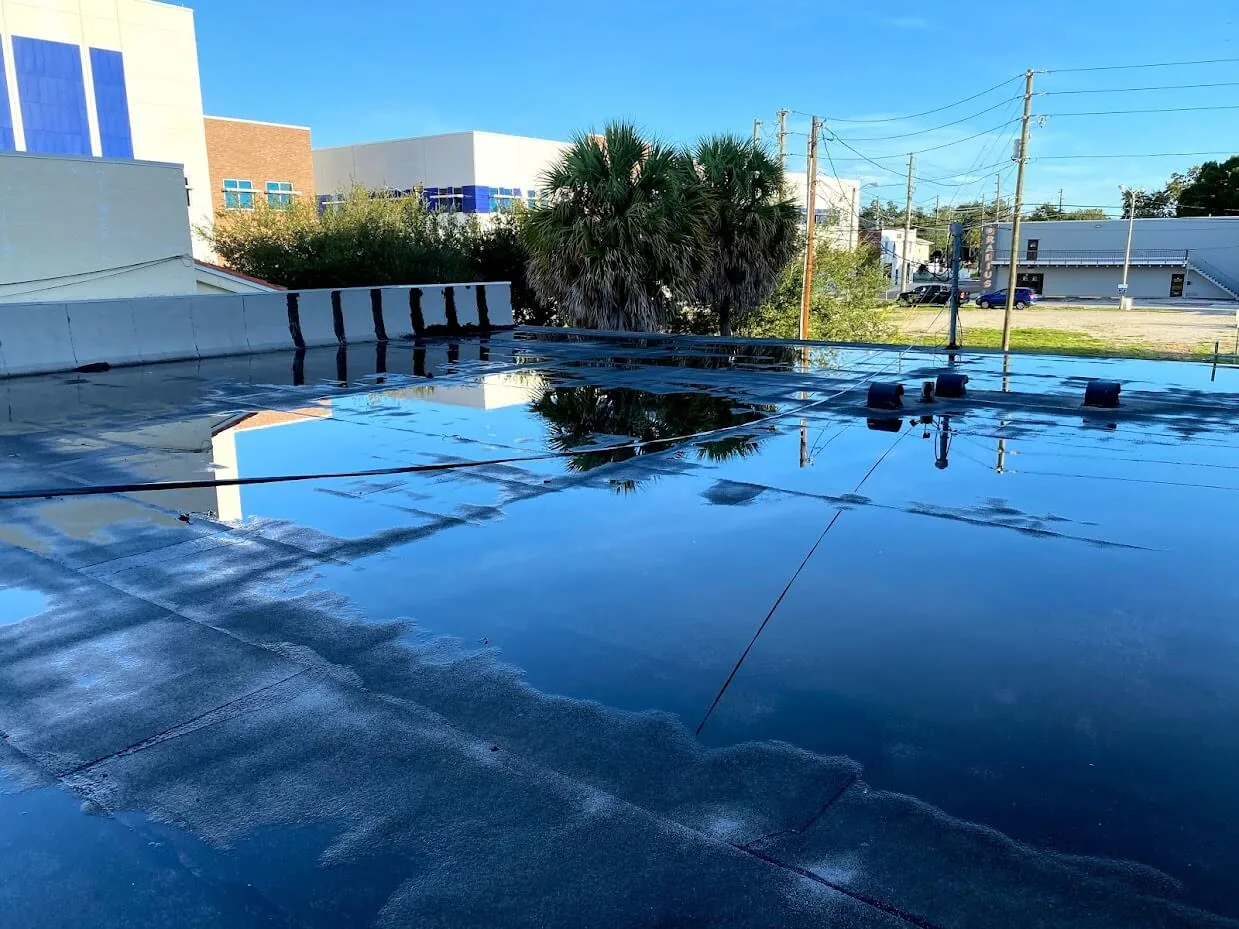
Photos, inspection notes and repair details help an owner decide what to address next and support a claim file when needed. Our claim documentation records observed conditions without promising a coverage decision. A separate ponding water evaluation can assess drainage after the active leak is contained.
Commercial Roofing Questions
Should we open the roof before the inspection?
Keep people away from unsafe areas and report active water. We inspect and decide what limited opening or protection the condition requires, then set a secure close-in boundary.
Can a storm claim determine which roof areas need work?
The field inspection documents visible conditions and likely repair scope. Coverage and claim decisions are separate; our records can support the owner’s discussion with the insurer.
What belongs in the first damage inspection record?
Record the address, reported event date, roof zones reached, photos, active exposure, temporary measures and areas that still need access or testing.
How do you choose between stabilization and permanent repair?
We first confirm what can be reached safely and protect the exposed area. The permanent scope follows an inspection of the assembly, materials and verified repair boundary.
Document roof damage and next steps
Provide the address, storm date, active leak location, roof access and operating limits. We will confirm the inspection route and record the conditions found.
Request a Roof Assessment 555-555-5555