Commercial Wind Damage Roof Repair in Coral Springs, FL
|
|
|
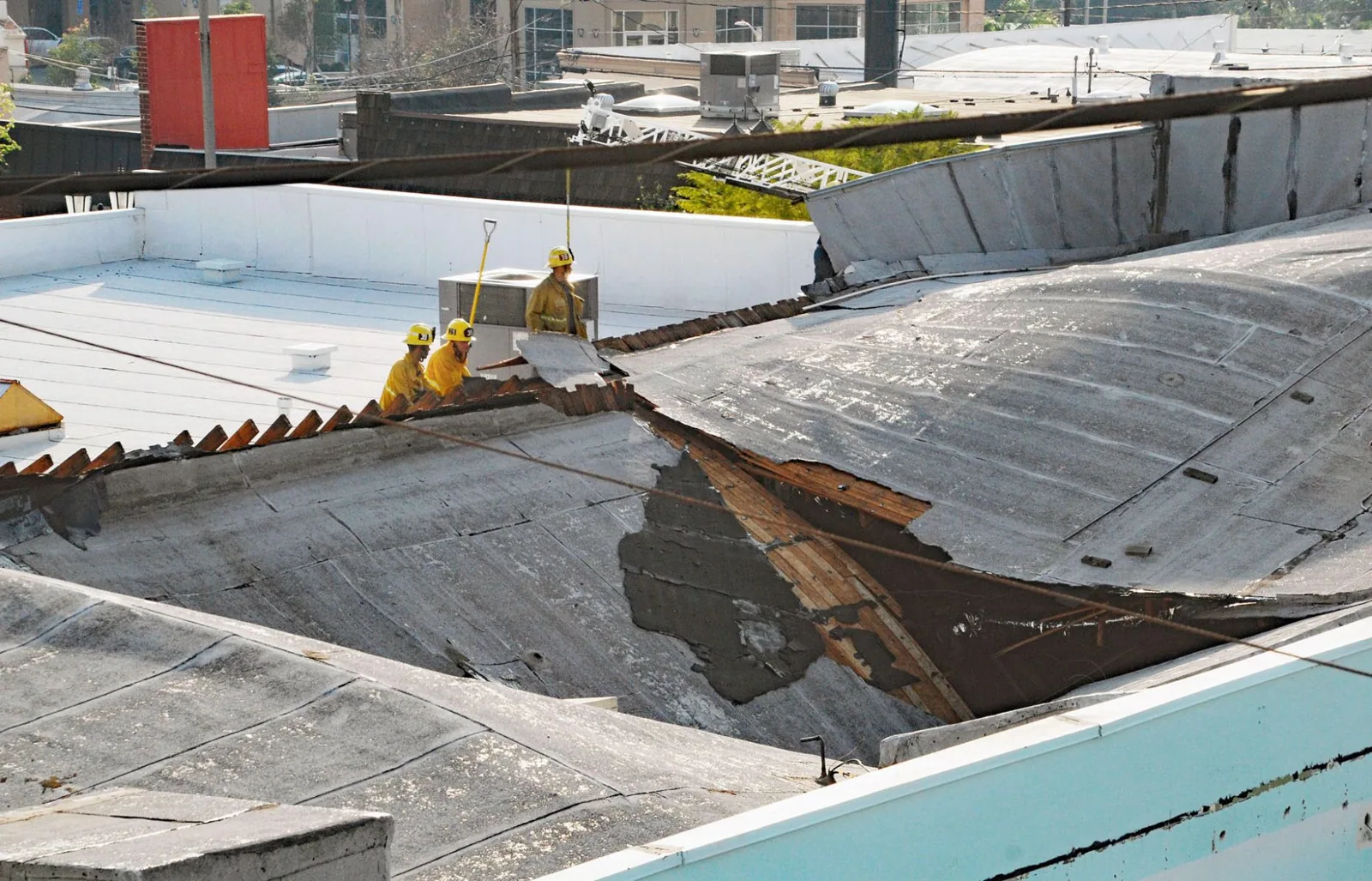
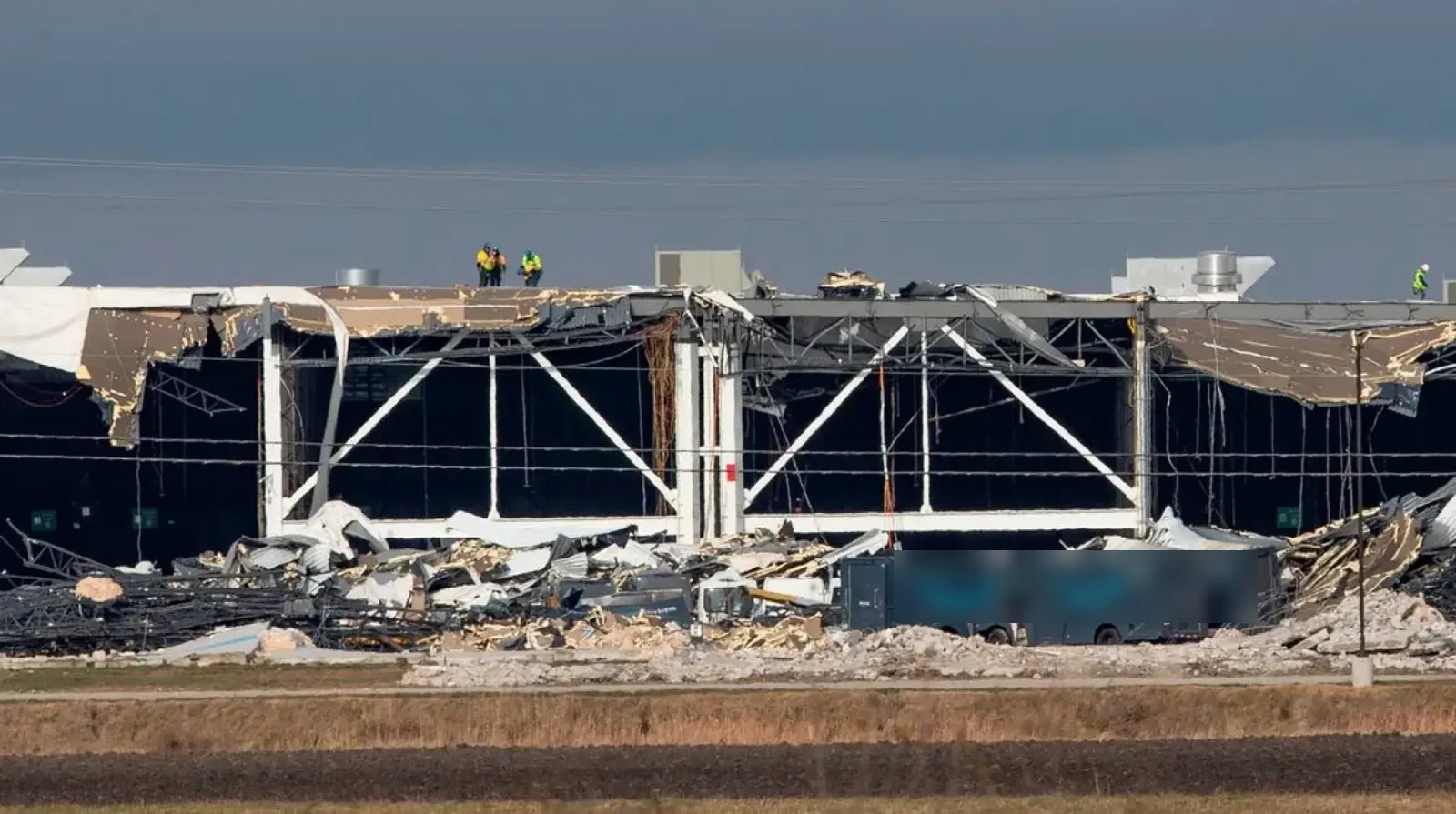
| A roof can look intact from the lot while a short edge section has lifted, a termination has opened, or a rooftop component has shifted. Our wind-damage visit starts with the reported area and expands to the connected details that could admit water. We record what is visible, what needs a closer test, and what remains inaccessible. That keeps the repair decision tied to the assembly rather than the weather report alone. Coral Springs is in a South Florida region where damaging thunderstorm winds and heavy rain occur, with severe-weather reports most concentrated from May through August. That is useful seasonal context, not proof of damage at a particular address. Before dispatch, we confirm the building location, the reported change, roof access, and whether water is entering. A contact near the Sample Road Commercial Corridor or Coral Springs Commerce Park still needs to identify the exact entrance and approved roof route. |
Separate the report from the roof evidence | We ask when the condition first appeared, what changed, and whether the building has had earlier leaks or repairs in the same zone. A maintenance log, dated photograph, ceiling stain, displaced coping section, or loose rooftop cover can help direct the inspection. We note who reported each observation and keep it distinct from what we confirm on the roof. Where the sequence is unclear, the record says so instead of assigning a cause from timing alone. Access begins with the authorized property contact. The contact identifies ladder or hatch access, escort requirements, restricted areas, active tenant or loading operations, and any interior protection needs. Near Downtown Coral Springs or the University Drive Corridor, a familiar district name does not tell a crew where deliveries may stop. We confirm the working entrance, staging limits, and safe route before bringing equipment onto the property. For active entry, emergency roof repair can address immediate exposure while the permanent scope is developed. |
Trace uplift through connected details | Wind damage can involve an edge, a seam, a wall transition, a curb, or an attachment point. We inspect the reported spot and follow the load path through adjacent fasteners, plates, terminations, and flashings. The goal is to find where the assembly remains secure and where its connection has changed. We photograph the detail at useful scale and note whether the defect is isolated, repeated, or hidden beneath an overlapping component. A lifted edge can leave a narrow opening that is easy to miss from below. We check the adjacent roof field for displaced material, exposed substrate, loose debris, or a changed water path. At penetrations, we look for separated sealant, movement, or a gap at the curb. If there is a ceiling stain, we compare its location with roof details without assuming that the point directly above is the source. A commercial roof inspection can document broader accessible conditions; commercial roof leak repair can focus on tracing an active water path. |
Reduce exposure before permanent work | If wind has left an opening or a component can move further, we first decide whether temporary protection is safe and appropriate. Any covering or restraint must suit the roof surface, current conditions, and drainage layout. It should not redirect water toward a drain obstruction, create loose material, or conceal the detail that needs repair. We record the protected area, installation limits, and what the building contact should watch until the permanent work can proceed. Temporary protection is a short-term measure, not confirmation that concealed layers are sound. After conditions allow, we inspect around the protected boundary for moisture, movement, compromised attachment, or damaged substrate. If the repair would extend beyond the authorized scope, we show the additional area and pause for direction. When weather, roof condition, or access makes temporary work unsafe, the contact receives that limitation and the next safe option. The work record distinguishes stabilization from final repair so later reviewers can see what was done at each stage. |
Specify the connection that failed | A durable repair addresses the failed connection and the material around it. The scope identifies the roof system where known, the damaged edge or transition, preparation, compatible components, fastening or bonding method, and the area to be checked before close-in. If removal is needed to reach a sound surface, we describe that step rather than covering a questionable layer. Where several roof sections show different conditions, each boundary is described separately so the owner can compare options. The repair may call for resetting edge metal, rebuilding a termination, correcting a curb transition, or replacing a damaged membrane area. We explain what cannot be confirmed until material is opened and identify any test or follow-up that would resolve it. If the roof has widespread deterioration or multiple failures, commercial roof replacement may be evaluated alongside localized repair. The chosen path follows observable condition, not an assumption that one wind event requires a full reroof. |
Sequence work for the actual property | Repair access can affect deliveries, rooftop equipment, tenant circulation, and occupied space below. The site representative sets work windows, identifies areas that must remain open, and confirms where materials can be staged. A property in Coral Springs Commerce Park may have different truck and loading rules from a storefront near Coral Square Mall; neither location name substitutes for a site walk or contact instructions. We plan the work around the building’s stated operating constraints and communicate any temporary access change. For a facility with several occupants, one person should coordinate roof access, interior notifications, and approval of any expanded scope. We can divide the work into observable zones and report which areas are complete, awaiting access, or still exposed. If noise, odors, or work over an entrance may affect operations, that is raised before the task begins. A roof work plan for an occupied building can help align a larger sequence. A roof condition report can preserve the findings for the property record. |
Close out with limits and next steps | After repair, we check the rebuilt detail, nearby transitions, and the repair boundary that could be reached safely. The closeout identifies materials installed, locations photographed, temporary measures removed or left in place, and any follow-up still recommended. If a concealed area was not opened or an adjacent roof zone could not be accessed, that limitation remains explicit. The record describes the completed work; it does not claim that every part of the building was inspected. Owners can use the findings to coordinate maintenance and compare later observations against a dated baseline. If a second condition develops near Coral Springs Commerce Park or along Sample Road, the place name helps organize the property file but does not establish a connection to this repair. A separate hail damage inspection records impact evidence, while a hurricane damage assessment follows the wind and water conditions reported at that property. We can note whether the follow-up concerns the same roof assembly or a different section. For a broader maintenance schedule, service in Coral Springs Commerce Park can set inspection intervals, and we can coordinate follow-up with the site contact. |
Commercial Roofing Questions | How do I know wind lifted part of my commercial roof?Look for a changed edge, loose metal, new opening, displaced equipment cover, or water entry, then keep people away from any unstable area. A roof inspection can confirm visible attachment changes and document what remains uncertain. Does a wind report prove my building was damaged?Regional weather information describes conditions over an area. The property inspection must establish which roof components show damage, if any, and whether the reported timing matches the physical evidence. Can temporary protection be installed the same day?That depends on safe access, current roof and weather conditions, and whether a suitable temporary measure can be secured without creating another hazard. The contact receives the reason if protection must wait. Will wind damage always require roof replacement?No. The repair decision depends on the extent and condition of the affected assembly. We document localized failures and compare repair with broader work when the evidence supports that review. What should I provide before the inspection?Share the address, event or discovery date, photos, leak locations, prior repair records, access contact, and operating limits. Those details help direct the visit without replacing inspection findings. |
Arrange a wind-damage inspection | Share the property address, reported roof change, access contact, and any active leak details. We can inspect reachable areas, discuss safe stabilization, and document a repair scope tied to observed conditions. Request a Roof Assessment 555-555-5555 |
|
|
REQUEST AN ASSESSMENT
 |