Commercial Roof Membrane Puncture Repair in Coral Springs, FL
|
|
|
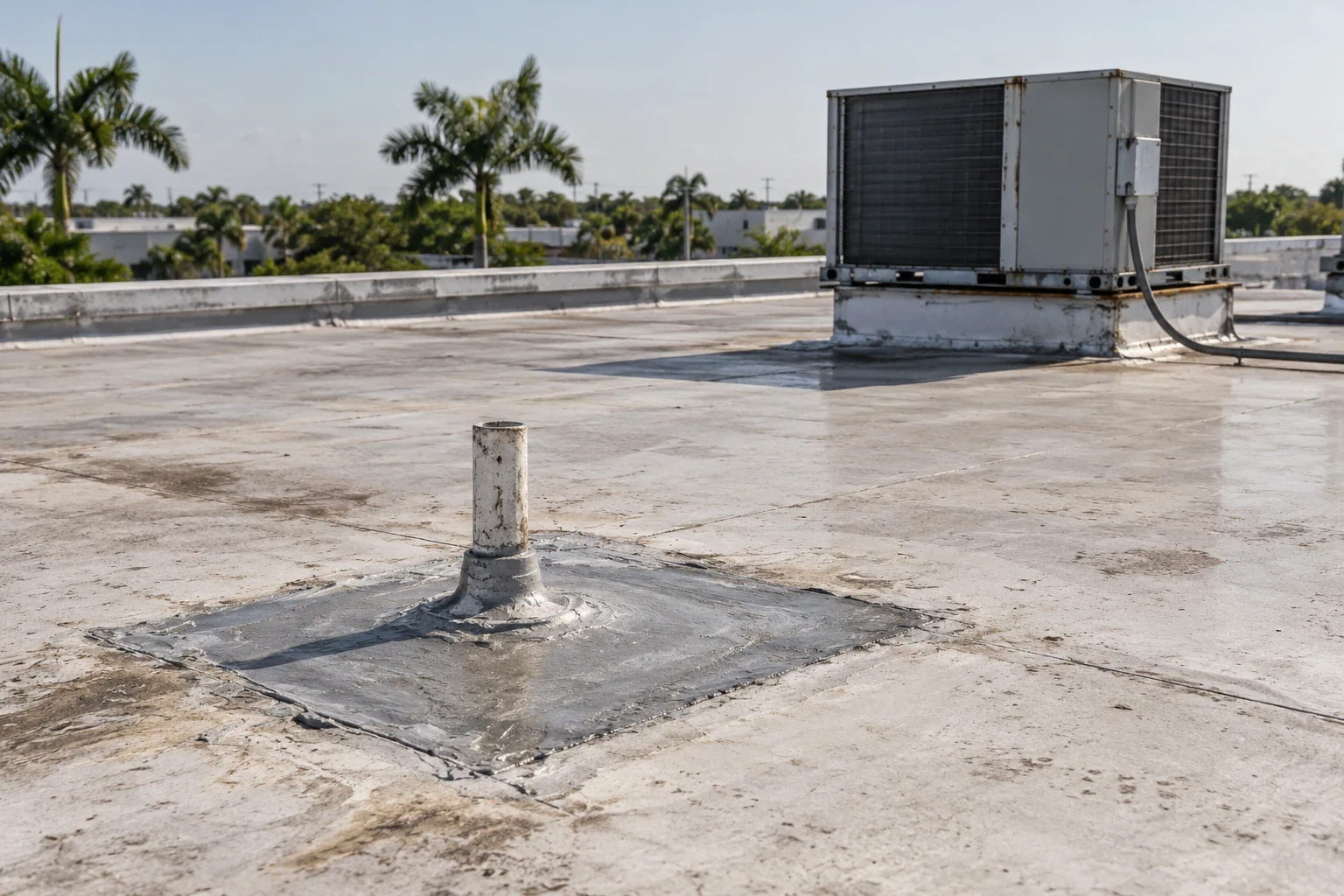
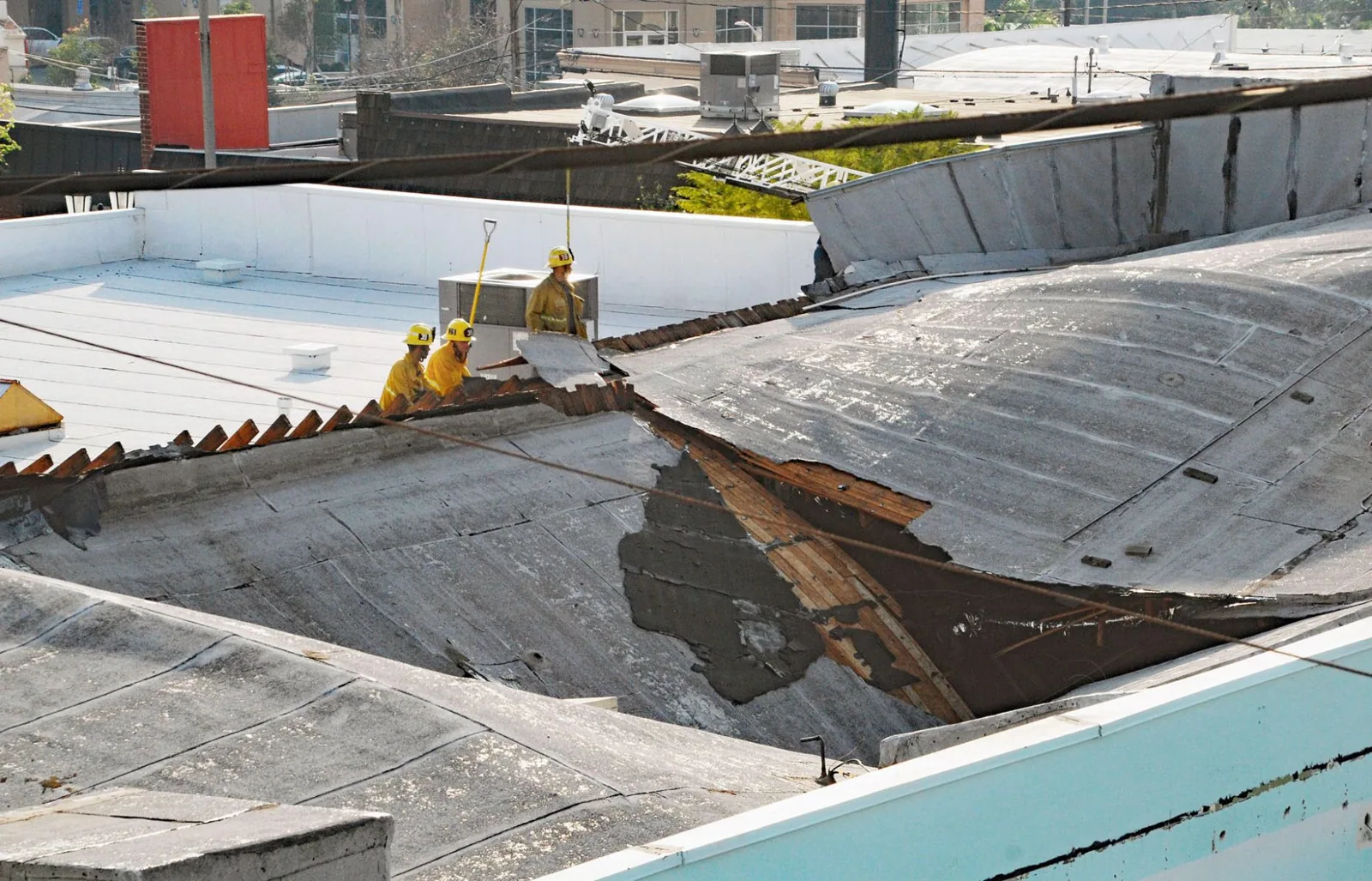
| A small puncture can allow water into an assembly long before the mark is obvious from below. We inspect the reported spot, nearby traffic path and surrounding membrane to determine whether the defect is isolated or linked to broader wear. The repair record identifies the area examined, the surface condition and any limits on confirming what lies beneath the membrane. A puncture above an occupied office or research space calls for a measured repair boundary, not a patch based only on the visible ceiling mark. We trace the water path, inspect the membrane around the suspected impact, and check nearby seams, curbs and drainage details for a second opening. In Downtown Coral Springs, the property contact also confirms whether the affected roof section sits over active work areas or equipment that must remain in service. The repair record identifies the tested area and any zone that needs a separate follow-up. |
Locate the reported mark and activity | The first step is to identify the suspected puncture and the event or work that brought it to attention. The contact may report a dropped tool, a service visit, a sharp object, a new blister or an interior stain. We record those details as supplied and note whether there are dated photographs. The visible mark is mapped separately from the interior symptom because water can travel below the roof surface. Before entry, the authorized representative confirms the hatch, ladder, escort, restricted equipment and any work happening below. At a clinic or retail property, the contact confirms hours, roof access and a secure place for tools before we begin. If water is actively entering, commercial leak repair can trace the affected path while the puncture scope is prepared. The Wiles Road Commercial Corridor links multiple shuttle-served commercial stops, including intersections with Coral Springs Drive and University Drive. A puncture repair in that market still depends on the specific membrane and traffic path at the inspected building. We mark the affected area and confirm that a patch can tie into compatible, sound material before setting the repair boundary. When a membrane is wet or contaminated, a patch may not bond as intended. We check surface condition, seam spacing and nearby repairs, then identify the preparation and compatible patch detail the proposal covers. If moisture extends beyond the visible puncture, the report marks that area for further review before the repair is closed. |
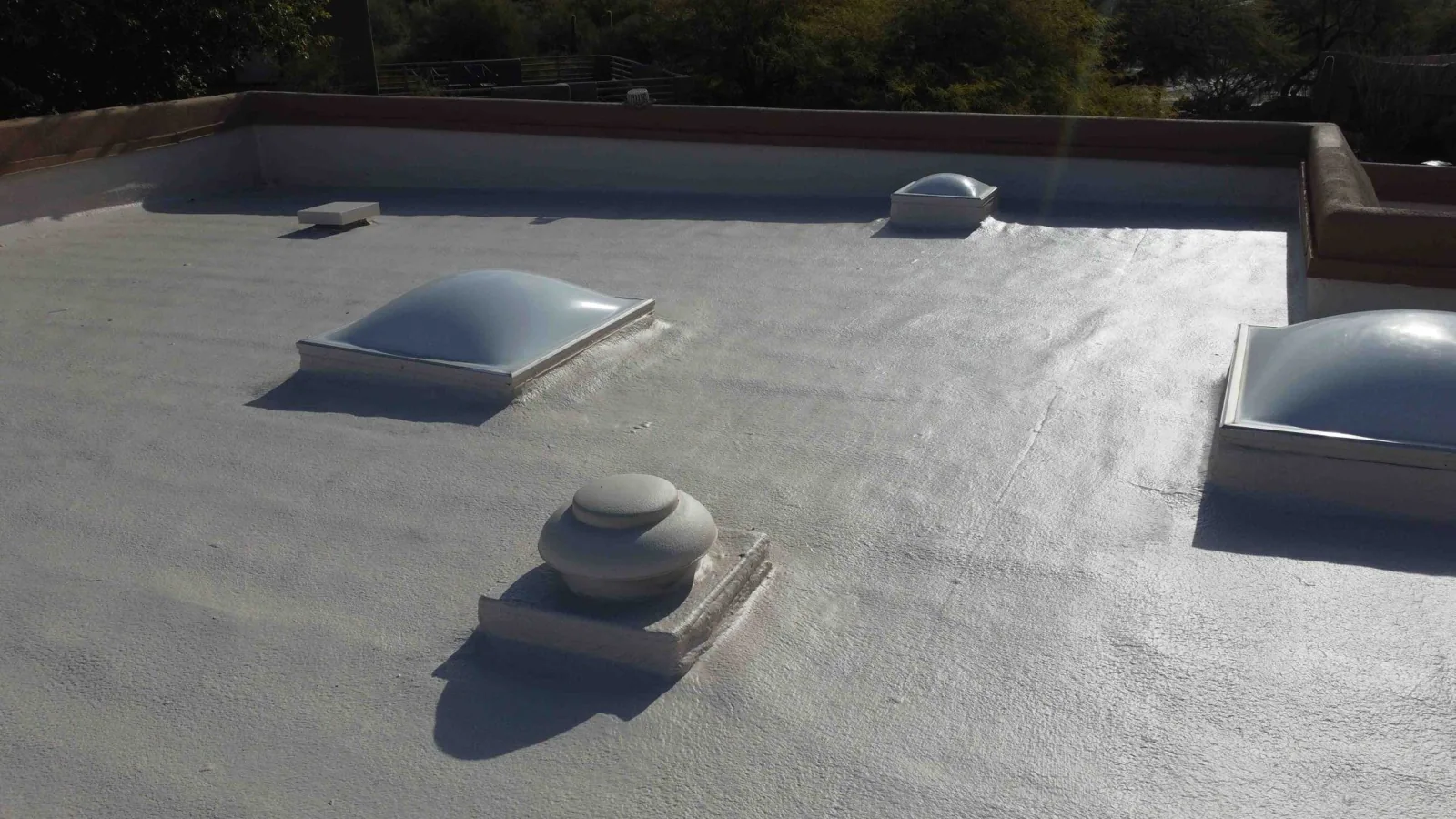
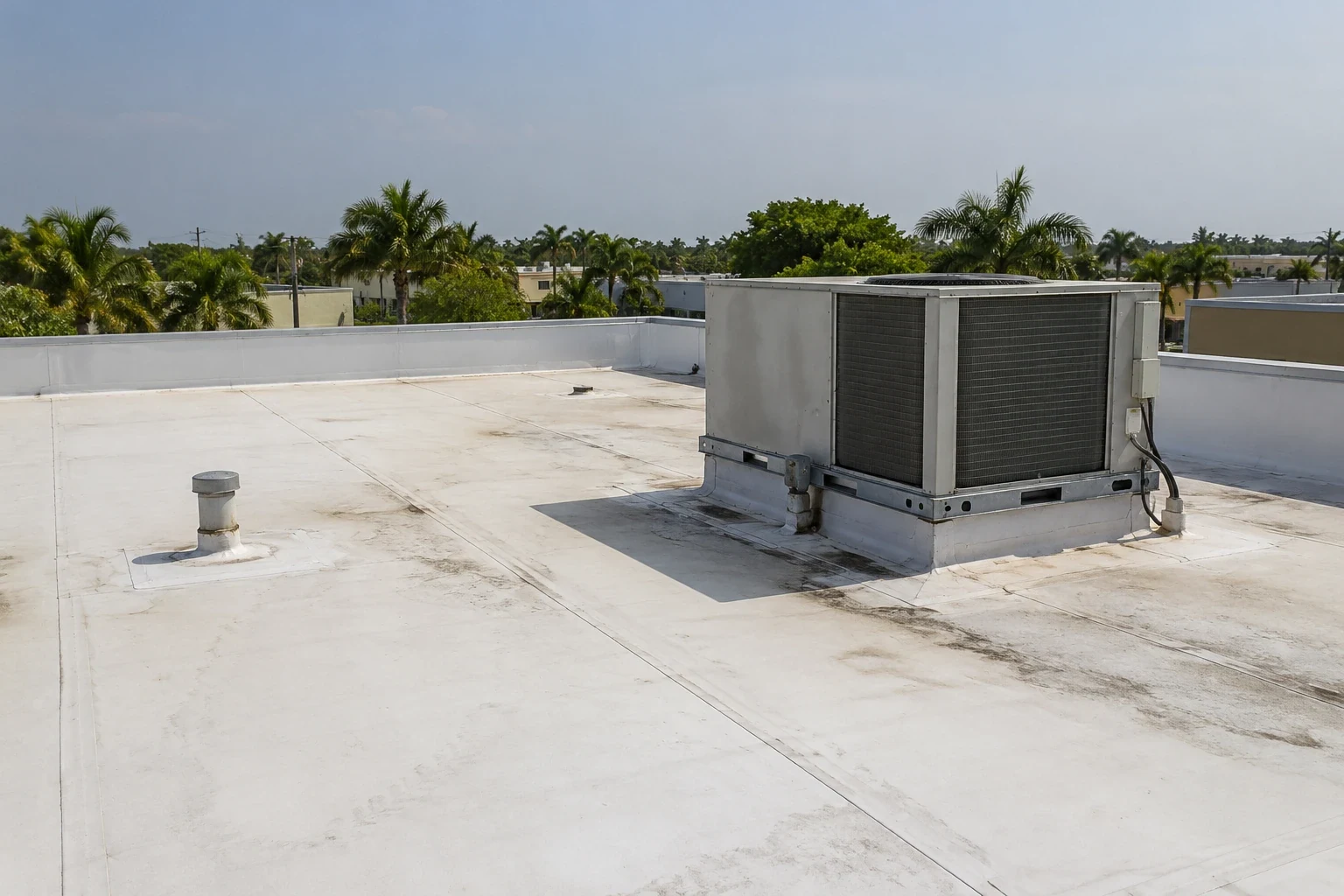
Examine the puncture and surrounding membrane | We document the opening at close range and in relation to roof seams, drains, walk pads, equipment and any recent repair. The examination looks for a cut, abrasion, crushed surface, displaced reinforcement, exposed substrate or a patch that has lifted. Nearby membrane may show a separate weakness that changes the repair boundary. We note whether the material is dry enough to accept a repair and whether the system can be identified. The interior leak location may sit some distance from the entry point, so we compare accessible roof details rather than projecting straight upward from a ceiling stain. We check the adjacent lap, curb and drainage area for another route. If moisture has spread below the surface, a small visible hole may understate the area that needs review. A commercial roof inspection can document related accessible conditions,. |
Keep the opening from taking on more water | Temporary coverage may be appropriate when the defect is exposed and the surface can be reached safely. We select a measure that will stay in place, avoid creating a trip or wind hazard and leave drainage unobstructed. The protected location and expected duration are recorded for the property contact. If a loose object remains nearby, it should be handled only under the site’s safety direction. For a wet or unstable area, we set the protection method around drying time and any opening needed to inspect the substrate. If temporary protection cannot be secured safely, we document why and advise the contact about the exposed condition. We record temporary protection separately and base permanent repair size on the exposed membrane and substrate. |
Patch to compatible, intact material | The scope names the membrane system where known, preparation required, repair material and dimensions, and how the patch will tie into unaffected surface. Loose or contaminated material may need removal. The repair edge must bond or weld to suitable membrane, and the finished work should not create a dam or obstruct a nearby drain. If the opening reaches insulation or deck, the scope explains how that layer will be evaluated and restored. A surface patch is not adequate if the surrounding membrane has lost bond or the substrate remains wet. We identify additional removal or drying needed before close-in and explain any quantity that depends on those findings. For multiple defects or widespread aging, commercial roof repair can define connected work; commercial roof replacement may be compared if system condition supports a larger evaluation. A puncture beside a split lap can also require seam failure repair. |
Control foot traffic after the work | We compare the puncture with equipment service paths, access dates and any existing walk surface, then document whether the visible marks support a connection. After the repair, a temporary route change or walk-pad installation may reduce contact with the repaired area, if appropriate for the roof system. The property representative determines who may enter and how access is recorded. Work windows depend on the actual business schedule. A hospital, aquatic facility, retail center or industrial site can each impose distinct access and equipment restrictions. The designated contact identifies the restrictions for that address and operating schedule. Tools and materials should be counted when brought onto and removed from the roof. A roof-access coordination plan can help when work occurs over an active building; service near the Coral Springs Commerce Park can be scheduled through the property contact. |
Record the repair and any access recommendations | Closeout photographs show the completed patch, its tie-in and nearby features that help locate it later. The report lists materials, surface preparation, any removed debris, and whether concealed layers were opened. If testing was performed, we identify the method and what it covered. The closeout names each inspection method, area tested and concealed layer left outside the examination. The owner can share the record with maintenance and service vendors so later roof visits avoid unnecessary traffic across the repair. We note any walk path or protective measure that should be reviewed, along with a recommended observation if the area is above a reported leak. A roof condition report can keep repair photographs with the property file. If inspection also reveals an open flashing connection, flashing repair should be scoped separately from the puncture. |
Commercial Roofing Questions | Can a tiny hole cause a large interior leak?It can be one possible entry point, while water may travel before showing inside. We inspect accessible seams and transitions around the reported area instead of assuming the ceiling mark is directly below the puncture. Does every puncture need a full roof replacement?No. A localized repair may be suitable if the surrounding membrane and substrate are sound. Wider damage or wet concealed layers can call for a larger scope, which we document before recommending a path. Should maintenance staff walk the roof to find the hole?Roof access should follow the property’s safety procedures and be limited to authorized people. Dated photos from a safe location can help the inspection team identify the reported zone. Can equipment service cause punctures?A service visit may be relevant history, but it does not establish cause by itself. We document the reported timing and visible evidence without assigning responsibility from proximity alone. How do you prevent another puncture?The property team can review access routes, tool handling and walk protection for its roof system. We can document practical recommendations alongside the completed repair. |
Request puncture and traffic-damage repair | Send the property address, reported defect location, recent roof-access or service information, and site contact. We can inspect the membrane, define an appropriate repair and document any limitations. Request a Roof Assessment 555-555-5555 |
|
|
REQUEST AN ASSESSMENT
 |