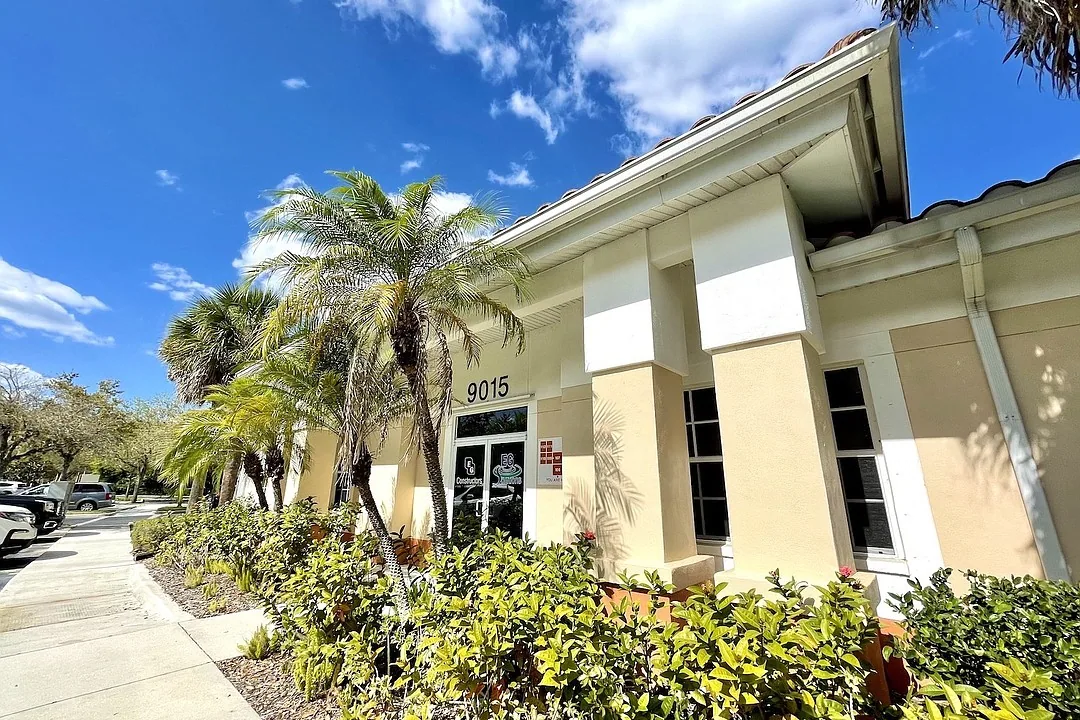
Commercial Fire Damage Roof Repair in Coral Springs, FL
|
|
|
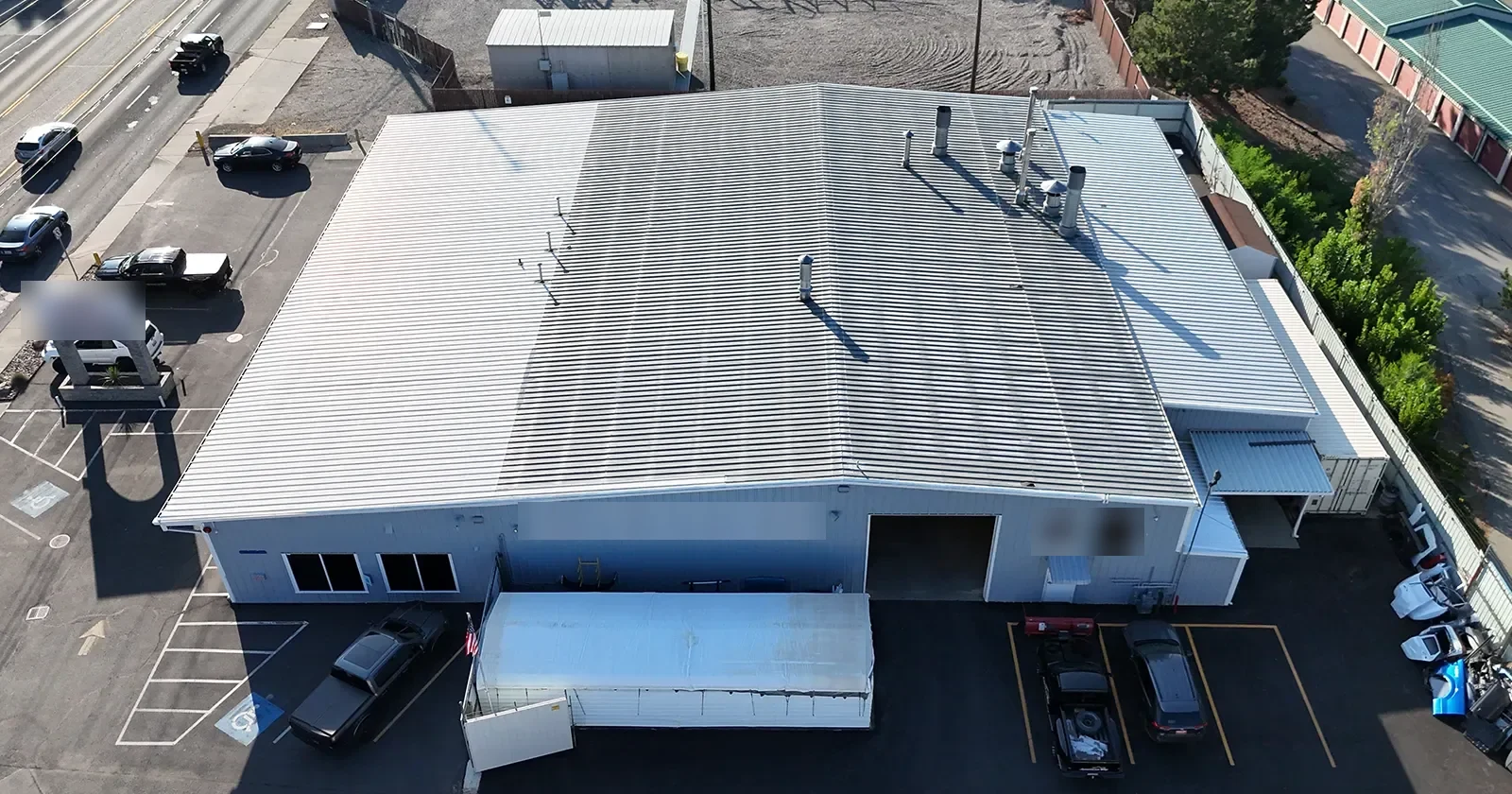
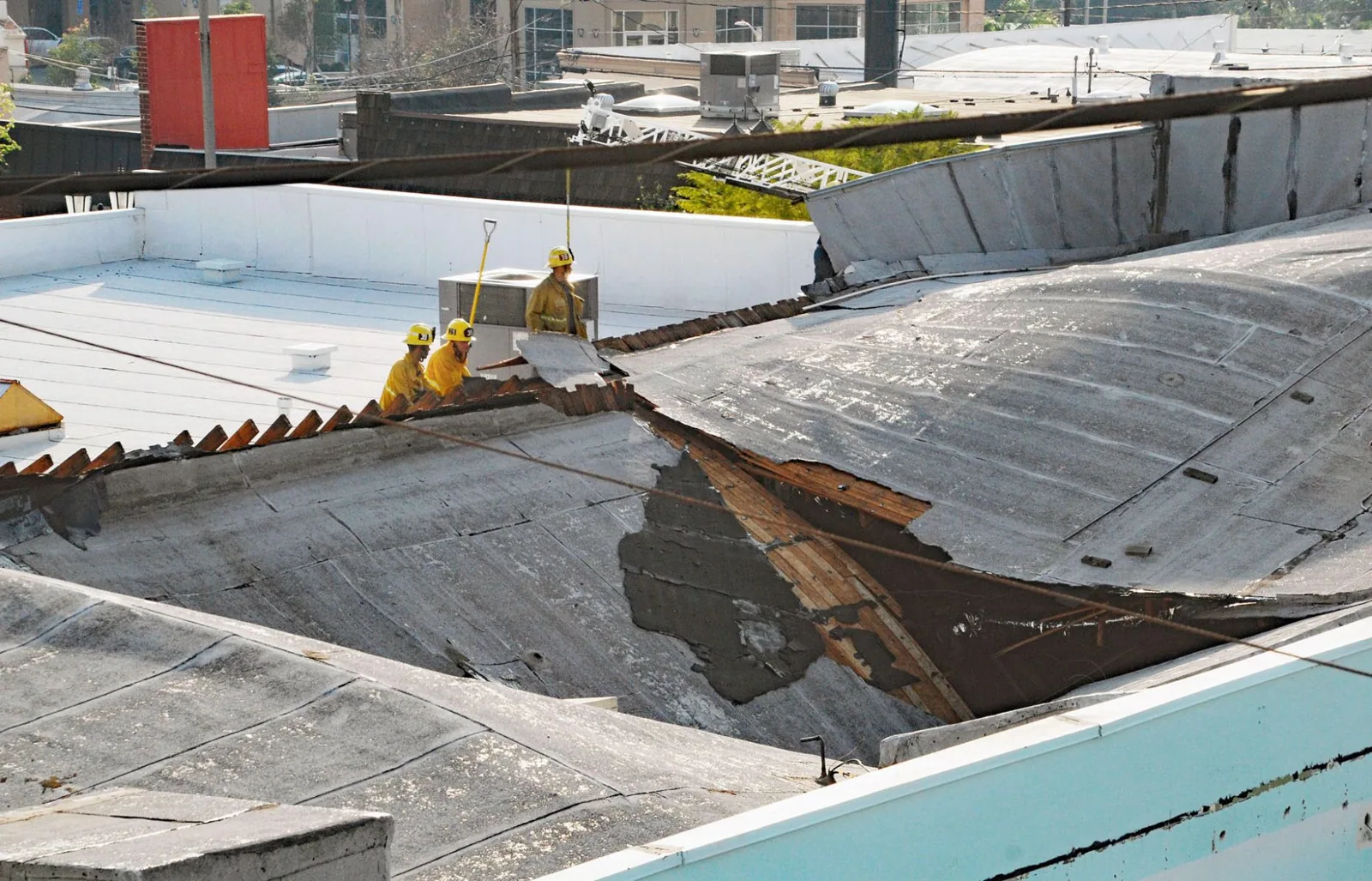
| After a fire, the roof may have visible openings, heat-affected material, smoke residue or damage from suppression and debris removal. The first visit is a condition review, not a presumption that a surface patch will restore the assembly. We coordinate safe access with the property contact, document visible changes and identify where further testing or opening is needed before repair limits are known. South Florida heat and seasonal rain shape the temporary protection plan after the incident. We compare the building’s fire documentation with visible roof conditions and identify what requires specialist review. Before mobilization, the contact confirms the address, fire department release status if relevant, structural or utility restrictions, roof access and areas that remain closed. A facility near Coral Springs Commerce Park or Downtown Coral Springs still needs its own clearance and escort instructions. |
Confirm clearance before roof access | We ask whether the fire response is complete, who has authority to release the roof area, whether utilities have been isolated and whether a structural professional has restricted access. The contact may share incident photographs, a sketch of the affected area, known suppression-water entry or removal activity. Those details guide inspection, but they remain distinct from our observed findings. We do not enter a zone that the responsible authority has not cleared. The site representative identifies a safe route, escort, restricted portions of the building and any area below that must remain closed. Smoke, heat or falling material can create hazards beyond the visibly burned zone. We establish whether inspection can proceed from a safe roof section or needs a separate safety review. If an opening is exposing the interior to rain, temporary protection is considered only after access and attachment conditions are confirmed. commercial roof inspection can document the areas released for review. |
Map heat, impact and water effects | We record visible charring, blistering, warped metal, displaced edge components, punctures, soot, loose debris and areas affected by suppression water. The surface appearance may not reveal how heat moved through insulation, deck or support components. We photograph the roof from overview and close range and distinguish direct observations from the incident history provided by the owner. Affected sections are marked so that later engineers or restoration teams can reference the same locations. Nearby rooftop equipment, penetrations, drains and seams can be affected even outside a visibly burned patch. We look for changes to membrane adhesion, metal shape, sealant, fasteners and water routes, without declaring unseen layers sound. Where there is a concern about deck, structural capacity, electrical equipment or hazardous residue, the appropriate specialist’s evaluation must precede roofing work. Our report names the area needing that review. A roof condition report can preserve photographs, limitations and handoff items for the property file. |
Secure an opening only when conditions allow | If a hole or displaced component remains, we determine whether the released area can be safely stabilized. A temporary cover must attach to a suitable surface, resist expected conditions and avoid loading a compromised deck. It should not trap water over heat-affected material or interfere with emergency access. We document its placement and the person responsible for monitoring the building until permanent work is approved. Fire-related roof conditions can change as debris is removed or wet materials dry. A covering installed before that review may conceal a dangerous or materially different condition. When structural or contamination questions remain, the contact receives a written limit and the next required clearance. If no safe temporary measure is available, we state that plainly and coordinate with the authorized property representative. Stabilization is a separate task from restoring roof performance. |
Build a repair scope from cleared conditions | Once access and safety conditions are established, the repair scope identifies what material must be removed, how far the work extends, what layers will be inspected and which compatible replacement materials will restore the roof connection. Heat-damaged membrane, insulation or deck may require different treatment from a nearby puncture or bent metal edge. The scope states where unknown conditions could change quantities and how the owner will review them before the work continues. For a contained area, a repair may restore the affected layers and tie them into sound roof material. If fire or suppression effects extend across a large section, the owner may compare localized restoration with commercial roof replacement. A separate membrane opening can require membrane puncture repair, while displaced coping may need edge metal and coping work. We identify each distinct scope so one visible repair does not imply that all post-fire conditions are resolved. Before rebuilding, we separate the roof layers that can be confirmed from the surfaces that remain concealed. A membrane may show blistering while the insulation beneath it has taken suppression water, and a metal edge may be distorted beyond the visibly heated section. We mark the boundary, photograph each transition, and identify which material can be removed without entering a restricted zone. If the property is in Coral Springs Commerce Park, its industrial, commercial and research uses can mean separate operating contacts or routes; the facility representative sets which areas are available. At a mixed-use property in Downtown Coral Springs, the contact may need to coordinate the roof boundary with occupied space below. Those are planning prompts, not assumptions about a specific building. The written scope names any specialist review that must come before the roof is closed. |
Coordinate roofing with restoration and occupancy | Roof work after a fire often overlaps with contents removal, drying, electrical review, structural assessment and interior restoration. One designated contact should sequence those activities and confirm which areas are available to roof crews. At commercial properties around Coral Springs Commerce Park or Coral Square Mall, vehicle routes, tenant access and debris handling depend on the individual site. We request the property’s instructions instead of assuming an industrial or retail schedule. We also confirm whether workers below need protection while roof materials are removed and whether a temporary weather barrier is required before interior work resumes. If access restrictions change, the work boundary and schedule may need to change too. A phased occupied-building roof plan can help coordinate work after clearance, while service in Coral Springs Commerce Park is arranged through the facility contact. Any unapproved area remains outside the work scope. |
Deliver a clear handoff to the owner | The final record lists what was inspected, what was removed or installed, how the repaired edge tied into existing material and which checks were completed. Photographs show the affected zone before work, concealed conditions exposed during removal and the finished repair. If an engineer, industrial hygienist or other specialist must evaluate a separate issue, the report identifies that outstanding handoff without implying it is included in roofing work. We note any part of the roof that remained closed, unsafe or concealed and what would be required to inspect it later. This is especially important when interior teams and roof crews complete work on different schedules. An owner can use the condition record to coordinate insurance, restoration and maintenance files, subject to their own process. roof claim documentation support can organize roofing observations, and a flashing failure review can separately address a transition defect found outside the fire-affected zone. |
Commercial Roofing Questions | Can you inspect a roof while fire crews are still working?Roof entry must wait until the responsible authority and property contact confirm the area is safe and released. We coordinate access and document any portions that remain restricted. Does a burned surface mean the whole roof must be replaced?Not necessarily. The extent depends on the roof assembly, affected layers and condition beyond the visible mark. We identify what can be repaired and what needs additional review. Can smoke affect roofing materials?Smoke residue may be present, but its effects depend on the material and exposure. We record what is visible and refer contamination or material-performance questions to the appropriate specialist when needed. Can temporary covering go over fire damage?Only if the area is cleared, structurally suitable and safe to access. A cover should not conceal a condition that still needs evaluation or attach to a compromised surface. What should the property manager provide?Share the release status, incident or restoration contact, restricted-area map, photographs, known utility or structural limits, roof access instructions and any urgent weather-protection concern. |
Coordinate a post-fire roof review | Provide the property address, release and access contact, affected roof area, known safety limits and current exposure concerns. We can document cleared conditions and outline the roofing scope that can be verified. Request a Roof Assessment 555-555-5555 |
|
|
REQUEST AN ASSESSMENT
 |