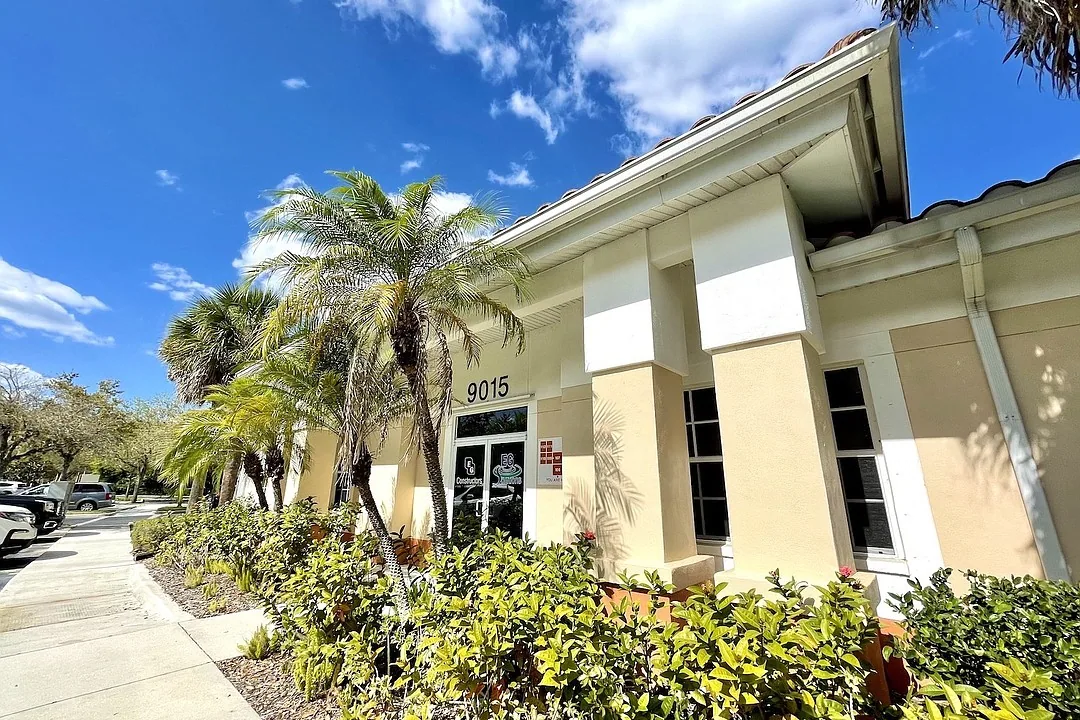
Infrared Roof Moisture Survey in Coral Springs, FL
|
|
|
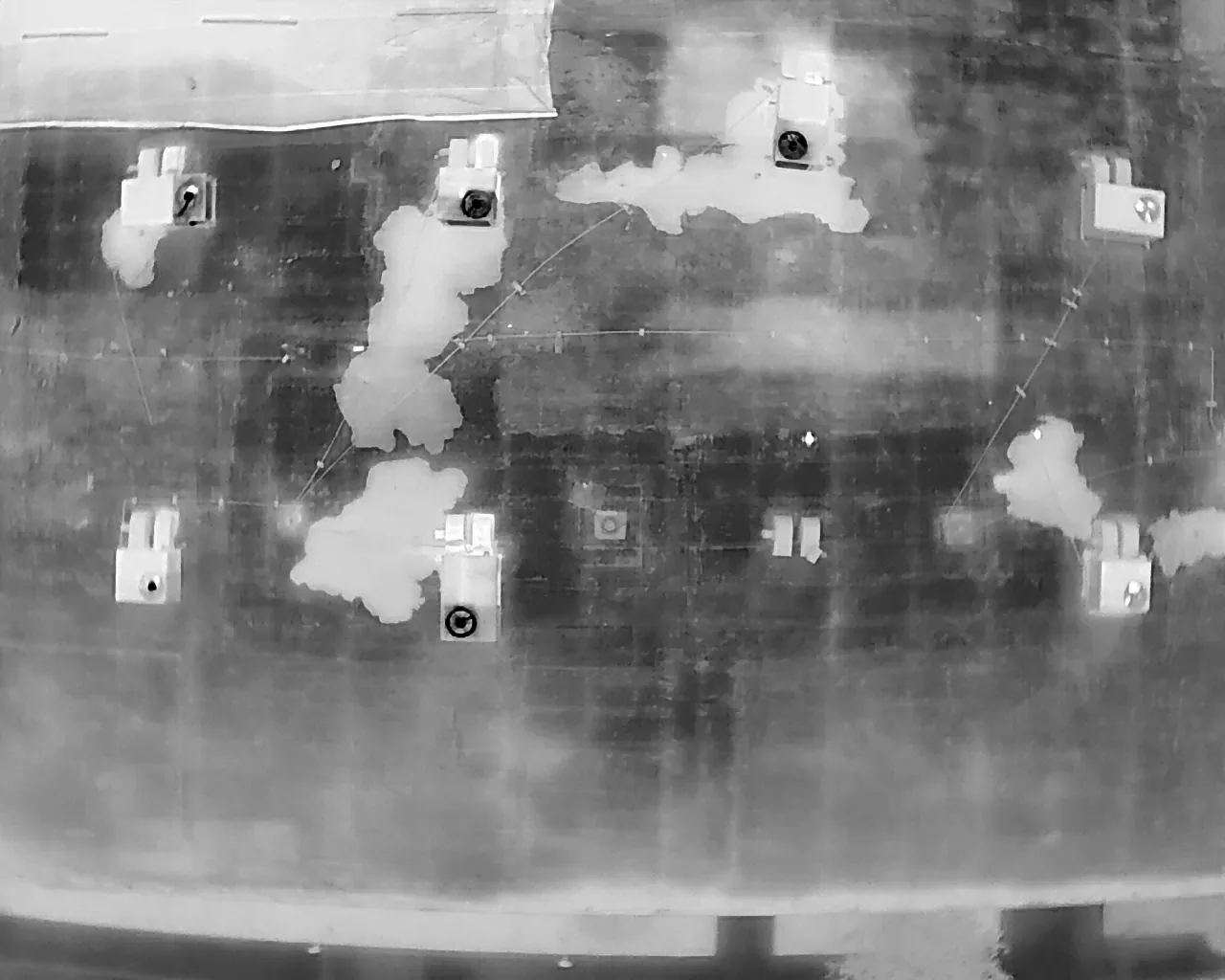
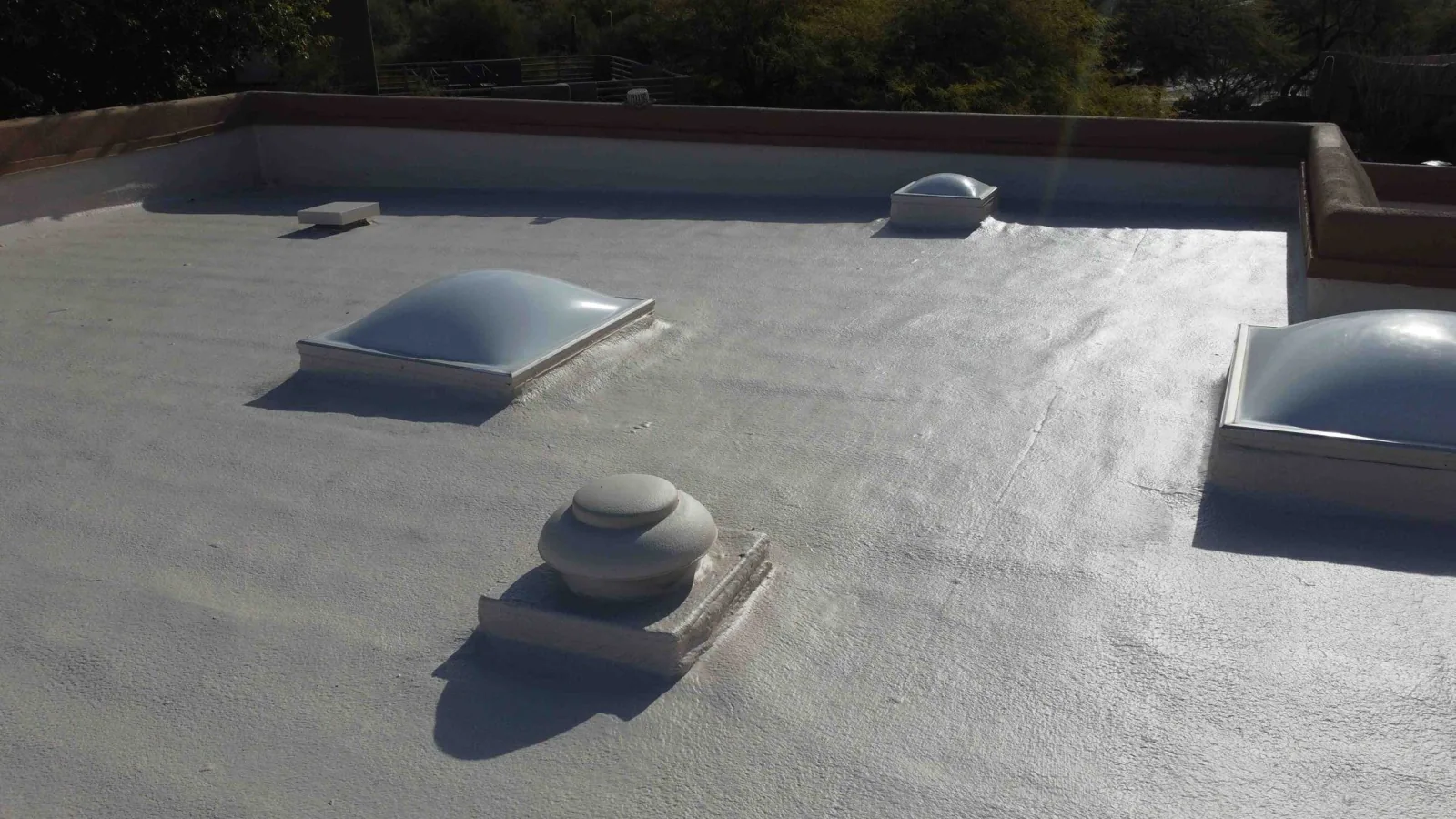
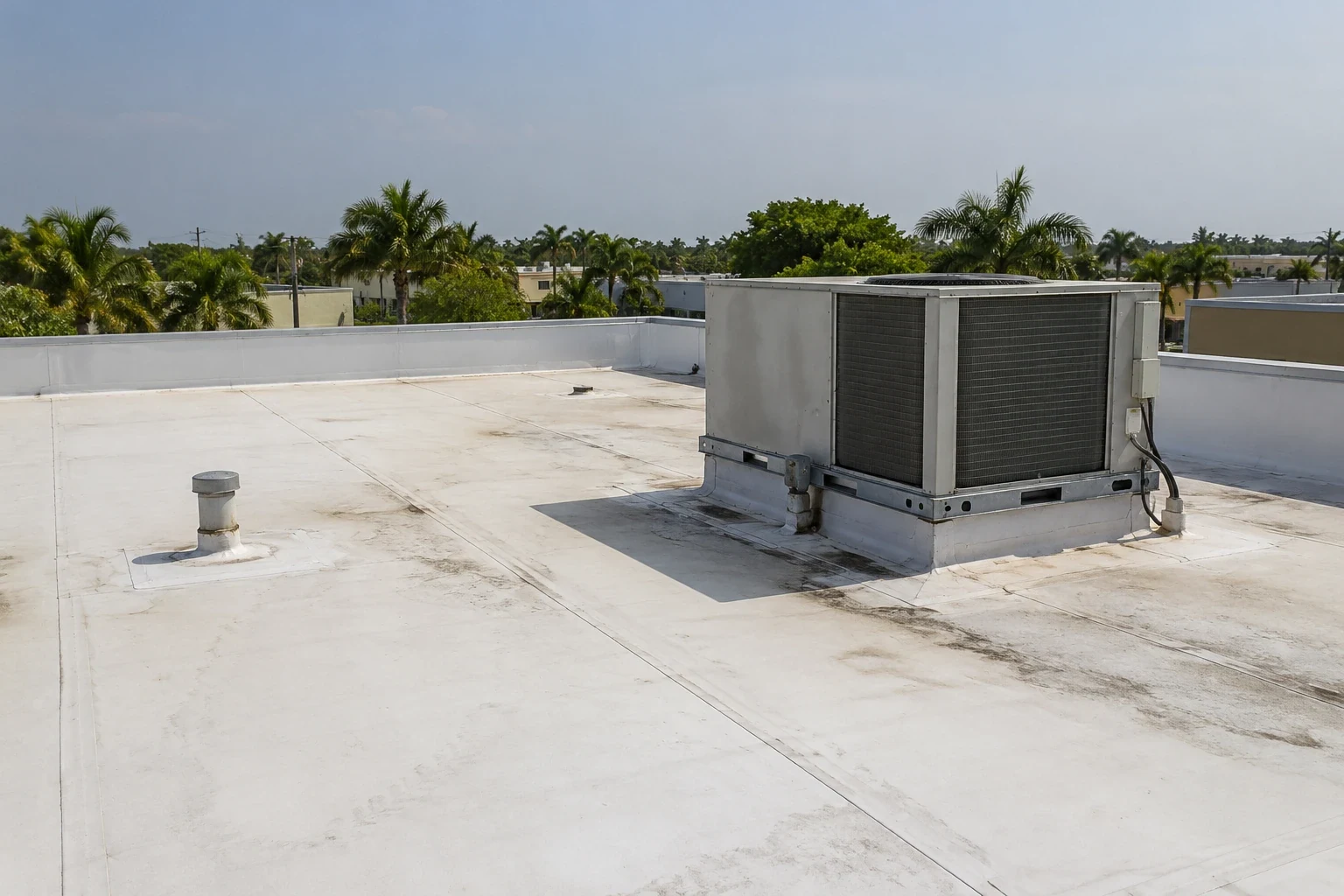
| A roof surface can appear intact while moisture remains concealed below it. Infrared imaging may help locate temperature patterns that deserve closer investigation, but an image is not a direct reading of water content. We review the roof assembly, recent conditions and survey purpose before selecting a method. Findings that could affect a recover or replacement decision may need confirmation with controlled test cuts and visual examination of the exposed layers. Coral Springs, FL experiences hot, wet seasons and tropical weather, but weather history does not establish moisture inside a particular roof. We confirm the property address, roof system if known, access route and available plans. Near Coral Springs Commerce Park, Broward Health Coral Springs or Coral Square Mall, the place name does not indicate roof construction or permission to test. The building contact supplies property-specific access and authorization. |
Define the moisture question | Before surveying, we identify the decision the information should support: locating suspect areas, evaluating a proposed recover, or checking a reported condition. We review drawings and maintenance records if available and mark known repairs, drains, curbs and roof-zone changes. The selected method and report should reflect that question. Without a defined purpose, an image pattern can be mistaken for a confirmed defect or extended beyond the area actually examined. We also confirm that roof access and survey conditions are suitable. Recent rain, sunlight, insulation type, surface changes and equipment can affect how an image should be interpreted. The plan identifies the areas included and any sections that could not be surveyed. A commercial roof inspection can document visible roof conditions alongside the survey, while a separate engineering or design review may be needed for questions beyond the survey scope. |
Capture and map thermal patterns | During imaging, we record the roof areas and conditions relevant to the method. We compare patterns across similar roof sections and note drains, curbs, equipment and surface transitions that may affect interpretation. An unusual temperature pattern is a lead for investigation, not proof of wet insulation. We map areas for follow-up and preserve enough location context for the property team to identify each point. The report explains the imaging setup and limitations, including areas omitted because of access, roof geometry or conditions. We avoid describing an entire roof as wet or dry based on a limited sample. If the roof contains multiple assemblies or previous overlays, those layers may respond differently. The owner can use the mapped observations to decide whether selected openings or another inspection method would provide the needed confirmation. |
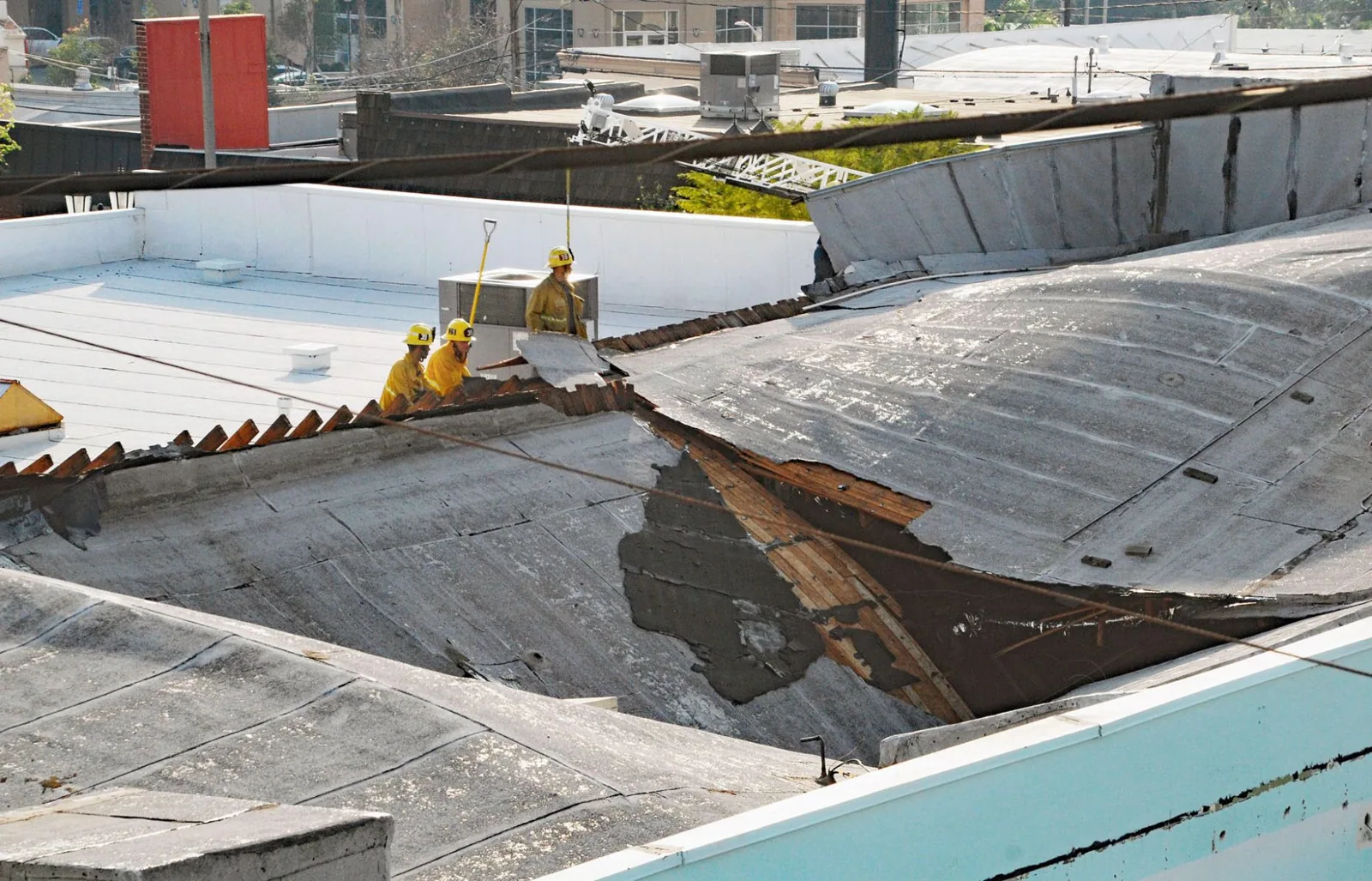
Confirm findings with test cuts | Where authorization is provided, a test cut can expose the roof layers at a selected point. We confirm the location and purpose with the contact, open the assembly in a controlled manner, document the materials and visible condition, then restore the opening using an appropriate repair detail. A sample describes what was present at that location. It does not independently establish conditions across every roof zone. If a thermal pattern and the exposed material do not agree, we document the difference and discuss what further sampling might clarify. Moisture may vary by layer or location, and prior repairs can complicate interpretation. A roof recover evaluation should account for the evidence and its coverage before retaining existing construction. If confirmed wet materials require removal, insulation and cover board replacement can be considered within a defined repair or reroof scope. Before cutting, we mark the thermal area on a roof sketch and compare it with seams, drains, repairs and interior reports. A test location should answer a defined question, such as whether insulation below a recurring pattern is damp or whether the indication follows an earlier patch. The property contact approves the opening and the protection below. We record the material sequence and the size of the area exposed, then compare the physical result with the image rather than extending one sample beyond what it shows. |
Separate indications from confirmed conditions | We report three things distinctly: the pattern observed, the points physically opened and the conclusions supported by that combined evidence. The report identifies where confirmation occurred and where it did not. If the survey covers only part of a building, the remainder is not characterized by implication. The owner can then decide whether to authorize additional investigation, localized repair or a larger roof review. Infrared data should not be treated as a leak diagnosis or a direct measurement of remaining roof life. If water is entering the building, the reported path and roof details still need inspection. Commercial roof leak repair can trace and address a suspected entry point. If broader deterioration appears, a roof condition report can organize observations, test-cut results, limitations and recommended next steps for the property record. |
Coordinate testing at an active property | Survey and test-cut access requires coordination with the building representative. We confirm the roof entrance, permitted work area, any escort, and where openings can be made and restored. The contact identifies operating limits and sensitive equipment below. Broward Health Coral Springs is a 24-hour institution; that fact applies to that hospital and does not establish the schedule of another site. Each property provides its own instructions for roof access and work near occupied areas. At retail or employment properties near Downtown Coral Springs or Coral Square Mall, delivery and parking arrangements still depend on the actual building. We ask where instruments and repair materials may be staged and whether occupants need advance notice. If roof sections cannot be accessed or sampled, we record the limitation and discuss how it affects the requested conclusion. The report should make that boundary clear to anyone using it for a later project. |
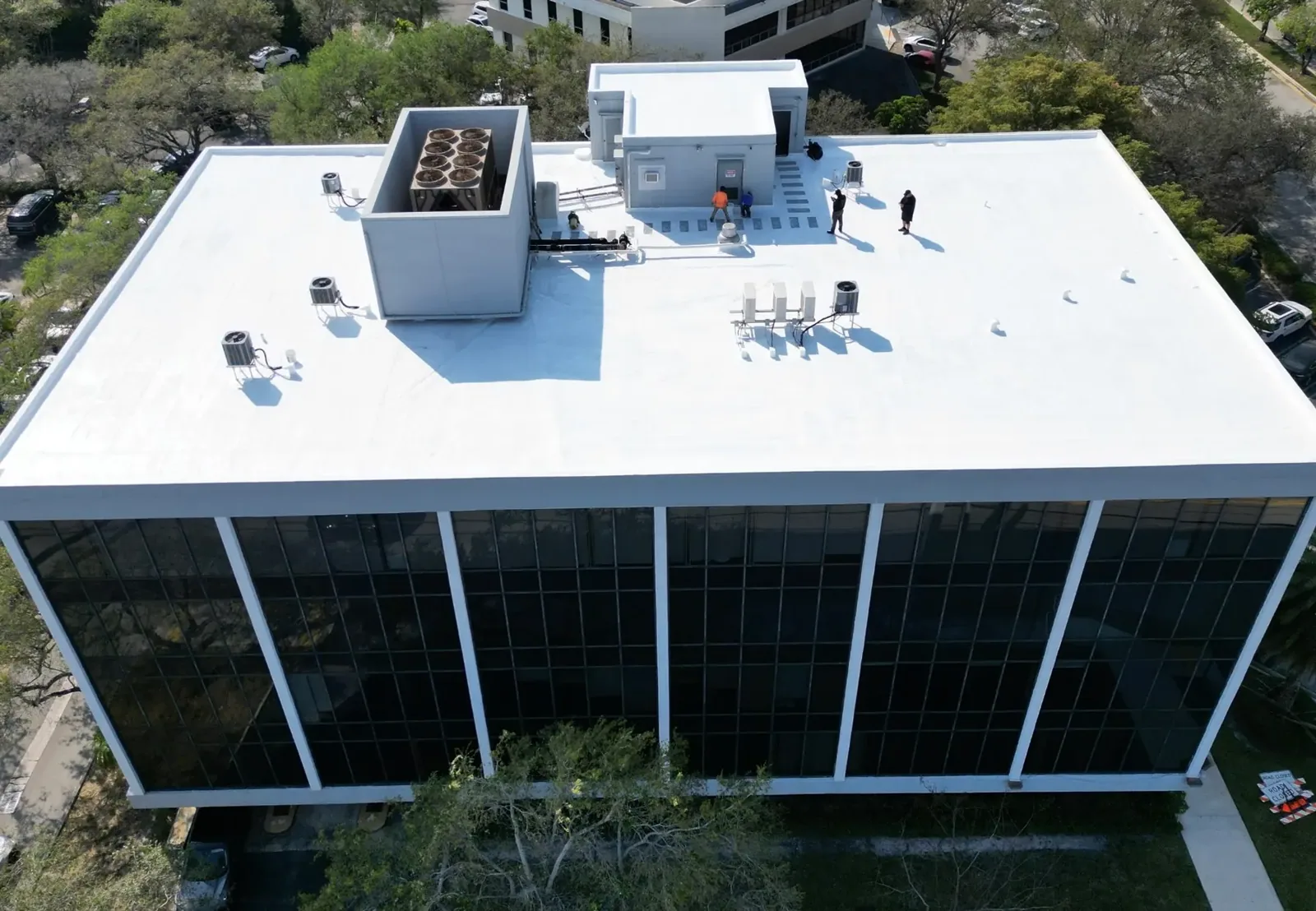
Use survey results in roof planning | The final report identifies the survey date, method, areas reviewed, mapped patterns, test-cut locations, exposed materials, repairs made to openings and any limitations. It separates indications from verified observations and provides the owner with locations for follow-up. A contractor or designer can use that evidence alongside plans and assembly requirements when preparing a recover or replacement scope. If results support localized corrective work, commercial roof repair can define the affected details. If a broad replacement is being evaluated, commercial roof replacement should state removal and rebuilding limits based on the project review. For site context, Coral Springs Commerce Park is one local employment district; the actual building condition remains the basis for recommendations. |
Commercial Roofing Questions | Does infrared imaging prove a roof is wet?No. It identifies temperature patterns that may warrant follow-up. Interpretation depends on conditions and assembly, and selected test cuts can confirm materials at specific locations. Why use test cuts after imaging?A controlled opening can reveal the layers and visible condition at a chosen point. It helps check an indication but does not represent every roof area without further evidence. Can a survey identify the source of an active leak?The survey may help locate areas for examination, but a leak path also requires review of the reported interior location and nearby roof details. We distinguish indications from a confirmed source. What happens to each test opening?We document the location and exposed layers, then restore the opening using an appropriate repair detail. The report records the work and any condition that requires additional review. What should I provide before a survey?Share the address, available roof plans, repair history, known leak areas, access instructions and the decision the survey should inform. Identify who can authorize test cuts. |
Set the survey scope | Provide the property address, roof records, known problem areas, access route and the decision the survey should support. We can define imaging coverage, any test openings and the limits of the resulting report. Request a Roof Assessment 555-555-5555 |
|
|
REQUEST AN ASSESSMENT
 |