Commercial Roof Leak Repair in Coral Springs, FL
|
|
|
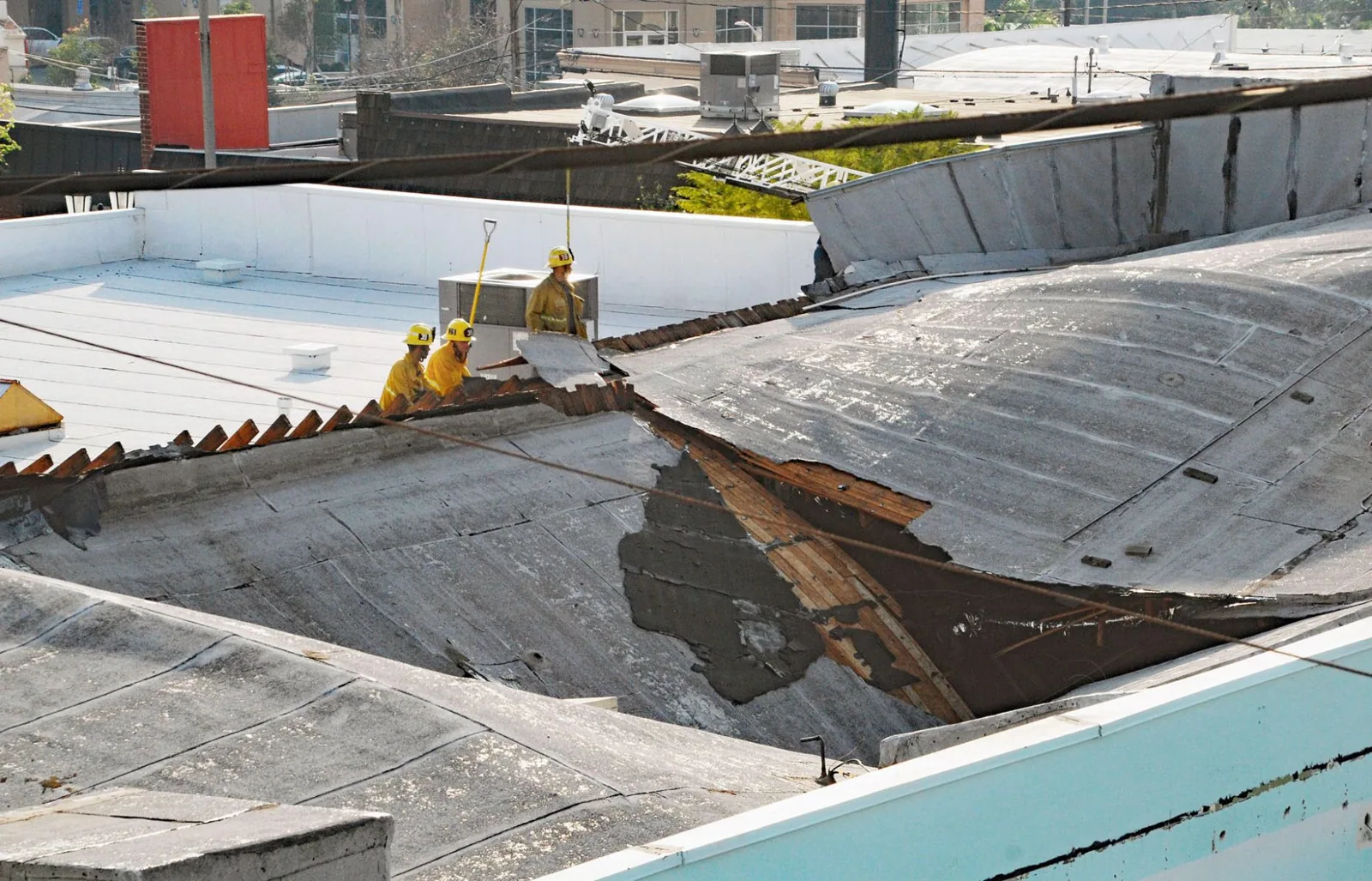
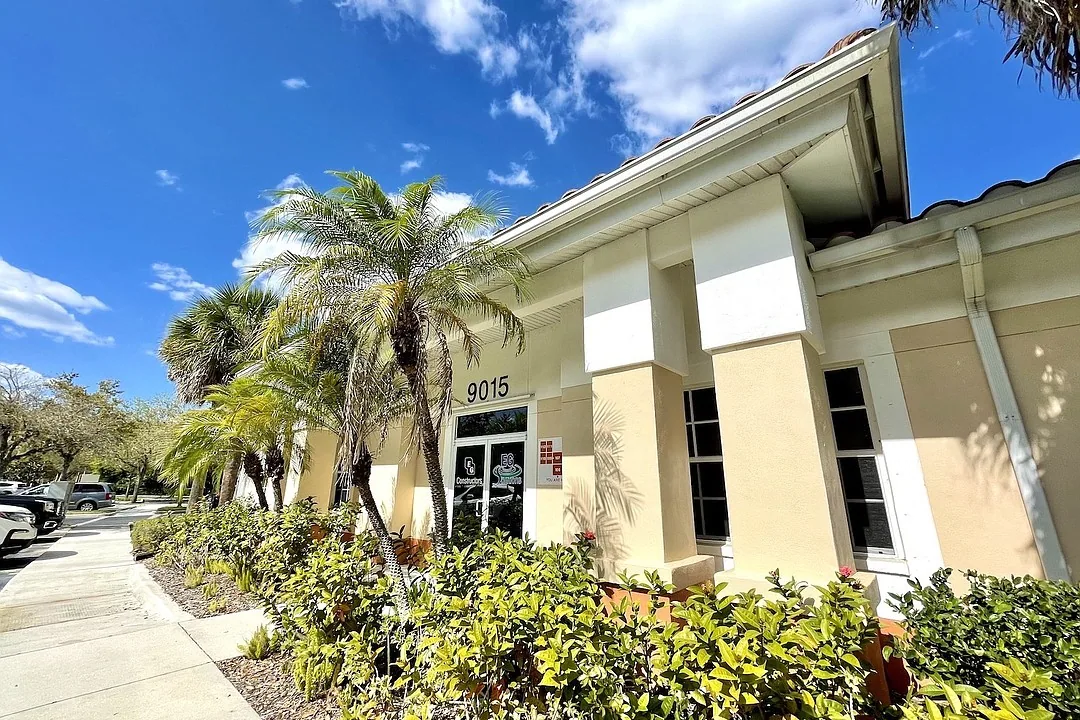
| A failed curb flashing can send water across insulation before a ceiling tile darkens. We trace the report from its room and timing to the roof zone above, then check seams, wall transitions and drains along that path. The repair record ties each candidate detail to evidence and names what can be accessed safely. Concealed layers stay outside the diagnosis until a test or opening confirms their condition. In Coral Springs, summer thunderstorms and tropical systems can bring heavy rain that exposes weak seams, drains or curb flashing. We use the leak timing and roof evidence to trace the entry at the building. We confirm the building address, roof access and interior report with the assigned contact. Whether the property is near Downtown Coral Springs, Coral Square Mall or Coral Springs Commerce Park, the inspection follows the building’s actual roof and access directions. |
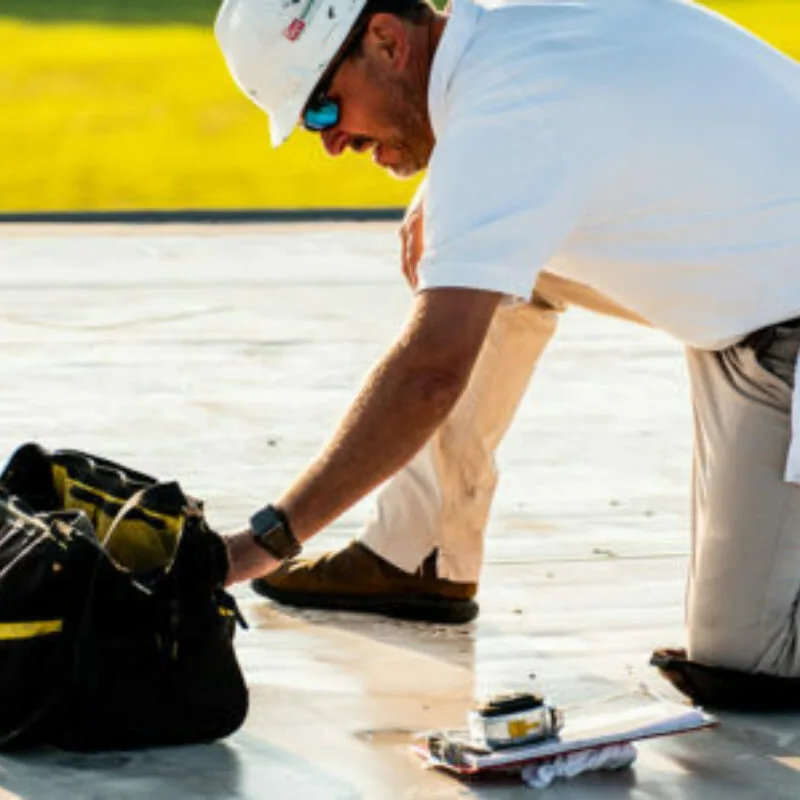
Record the reported water entry | We ask when the water appeared, whether it followed rain or equipment use, which room or ceiling area was affected and whether the condition is ongoing. The contact can identify stained materials, active dripping, nearby equipment and any prior repair. The interior report narrows the roof walk. We inspect the corresponding roof area to locate the defect and verify the water path. Roof access needs to be confirmed before we begin. The representative should identify the route, roof hatch or ladder instructions, escort requirements and any areas that cannot be entered. If the leak is active, we discuss whether interior protection or temporary roof measures are needed while tracing proceeds. An emergency roof response can address immediate stabilization when exposure or water entry cannot wait for a routine visit. |
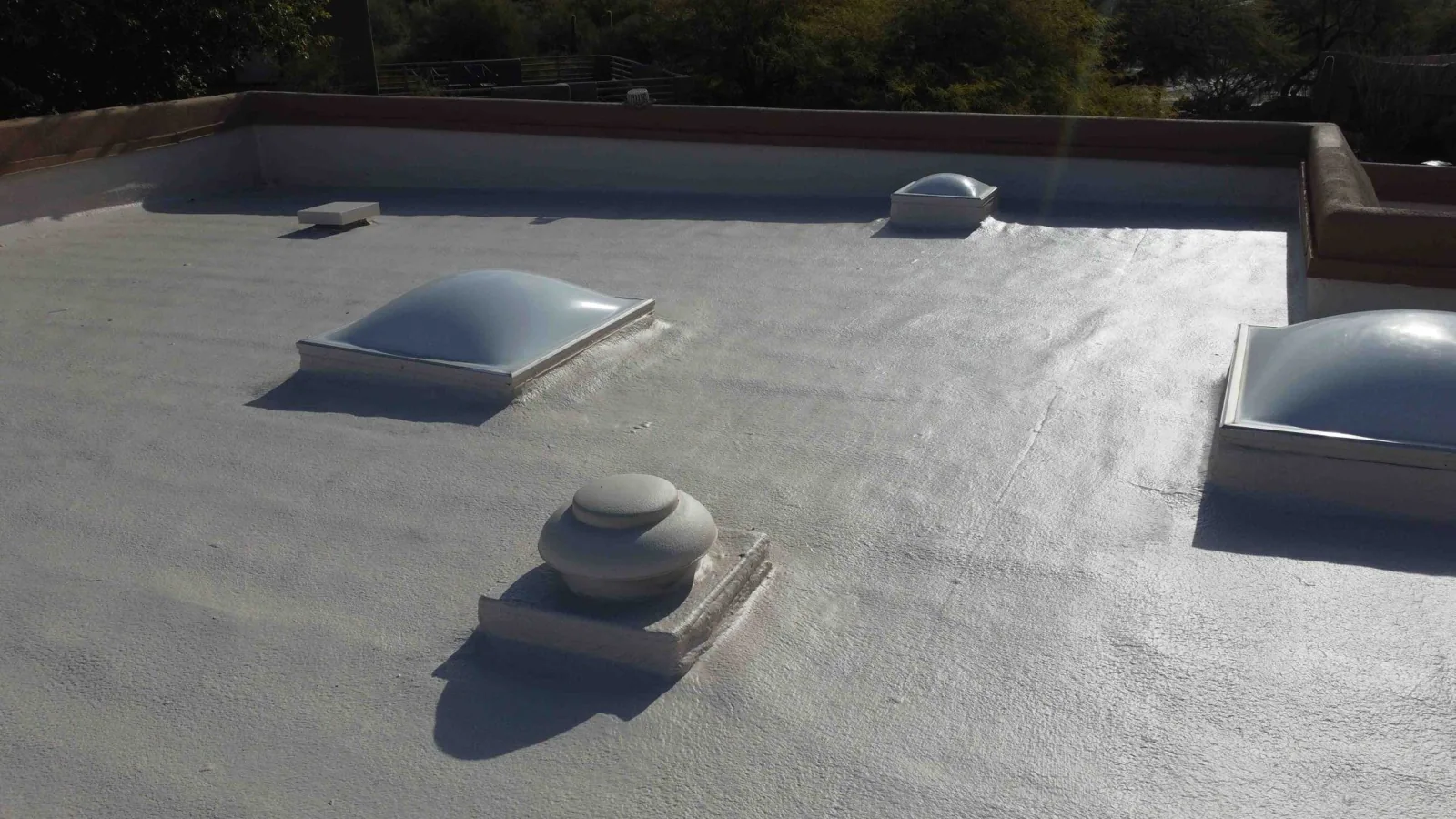
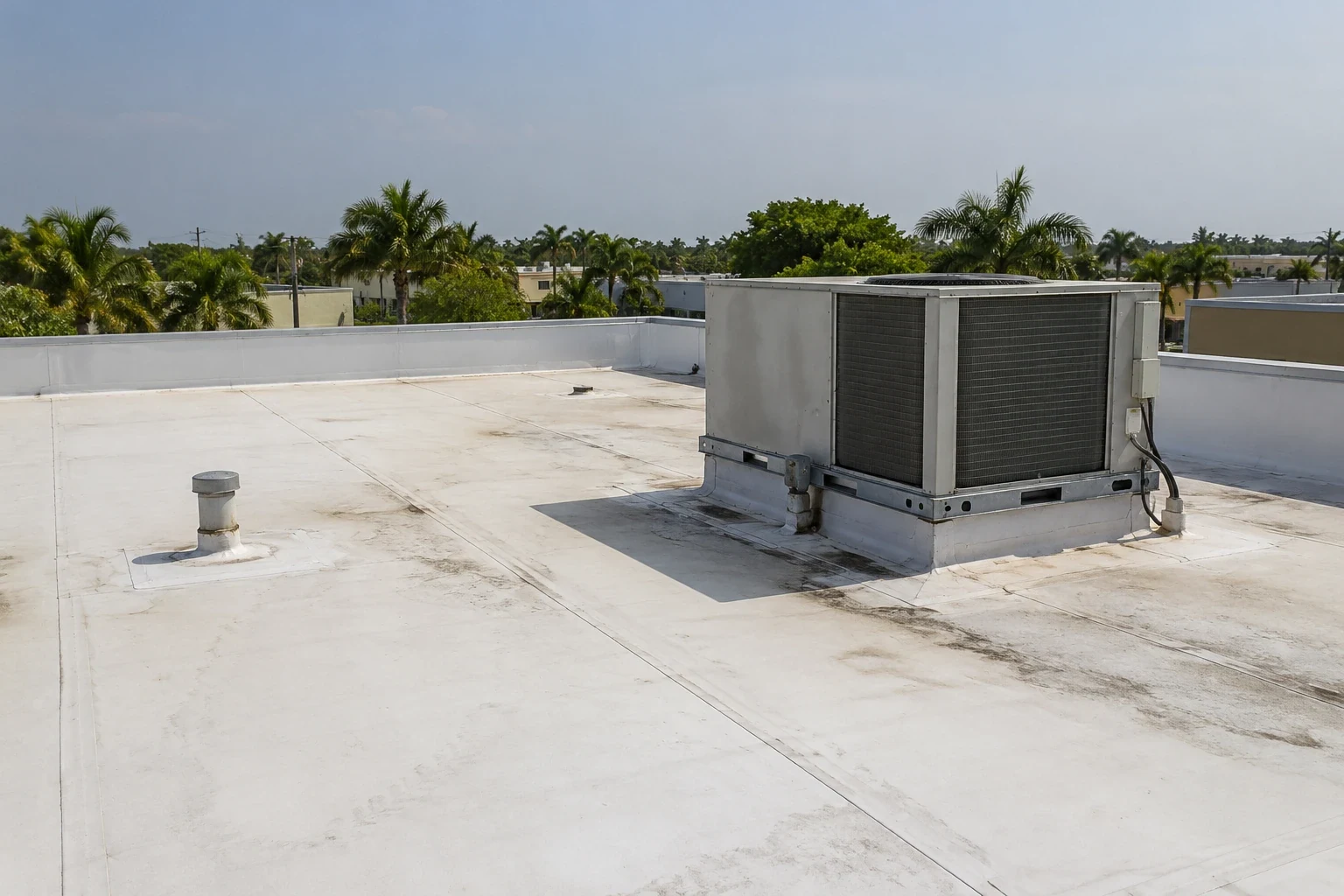
Follow the likely water path | On the roof, we inspect the reported area and work outward to check nearby seams, laps, penetrations, wall transitions and mechanical curbs. We look for open joints, displaced flashing, damaged membrane, standing water and evidence of prior patching. The path should connect the interior report to a plausible roof detail. If several possible entry points exist, we document them and state what additional examination could distinguish among them. A commercial roof inspection can document the accessible roof condition and the limits of the visit. Where the source is not visible, we explain whether a controlled test or further observation may be useful. If the surface does not reveal the entry point or lower-layer condition, we identify a controlled opening or follow-up test before choosing the repair. We inspect the completed detail before closing the work record. When several roof details meet in one zone, mark each one before opening or applying repair material. A curb, seam and drain can all sit within a short distance of the interior stain, but they do not share one repair detail. We record the condition at each connection, then test the likely entry separately if observation alone cannot distinguish them. That sequence keeps a confirmed membrane defect from being confused with a neighboring drainage or equipment issue and gives the repair a defined stopping point. |
Repair the failed connection | Once the defect is identified, we define the material preparation and detail needed to restore the connection. A seam repair may require removing loose material and preparing the membrane; a penetration repair may involve a boot, curb or flashing transition. We verify that the new material is compatible with the roof system and that the receiving area is suitable. If moisture or deterioration extends beyond the repair boundary, we record it and request direction before expanding work. For a known TPO assembly, TPO roof repair must follow the system’s specified seam and flashing methods. Other systems use different materials and joining details. If the water path involves edge metal, edge metal and coping service may be part of a separately defined scope. We document the affected roof zone and the perimeter of the repair so the owner can see what was addressed. |
Check drains and nearby details | We trace the roof field to nearby outlets and inspect the bowl, strainer, surrounding membrane, overflow and seams to see whether the drainage connection is involved. The drain flashing may be damaged, or water may be arriving from a curb or wall above it. We note whether the drainage path is visibly obstructed and whether the reported water corresponds to the inspected location. Plumbing components outside the roofing scope require the appropriate building trade. Heavy rain can expose a weak connection. We compare the event timing with the reported water path and inspect seams, curbs, drains and wall transitions before defining the correction. If a drain or scupper needs its own service, roof drain and scupper work can be scoped around the actual condition. The recommendation identifies confirmed defects and any test needed to resolve an open question. |
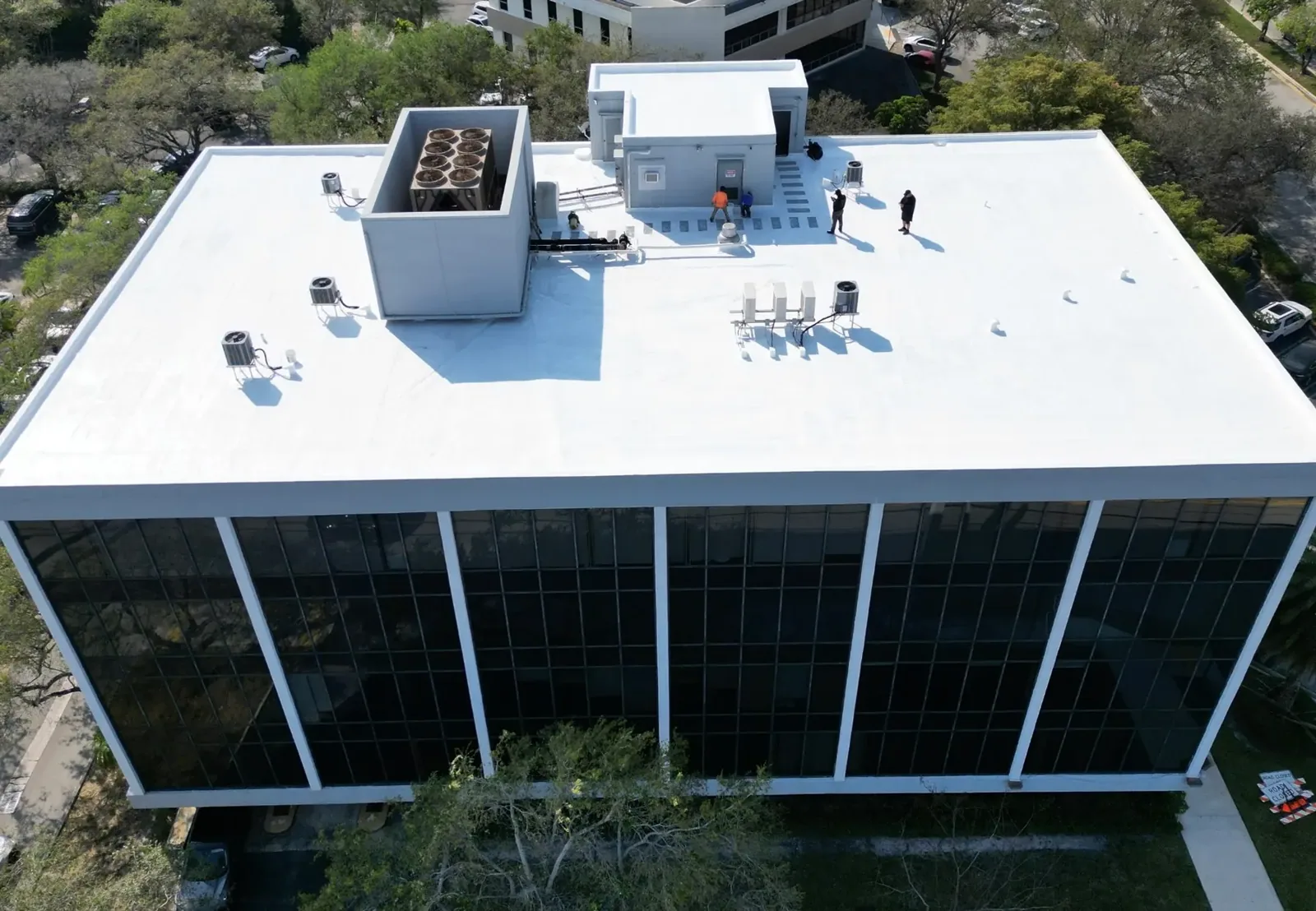
Protect the building during repair | Before work, we confirm who can approve roof access, interior protection, temporary coverings and any interruption around the affected area. At an occupied property, the representative explains entry routes, sensitive rooms and operating limits. Coral Springs includes hospitals, retail and office properties with different operating patterns. The building contact identifies the access route, interior protection and work limits for the address under review. For a property near Sample Road or University Drive, traffic and access details still depend on the site and approved delivery point. The contact can identify where a service vehicle may enter and whether an escort is required. We plan the repair around forecast conditions so an opened detail can be closed and protected. If a permanent repair cannot be completed during the first visit, the owner receives the immediate measures taken and the next step required. |
Document repair and remaining questions | At completion, we inspect the repaired seam, lap, flashing or drain transition and record the location and material work performed. We note whether the detail was accessible and whether any limitation prevented a close-in check. If additional roof conditions were found outside the approved area, we identify them separately. The property manager receives the repaired location, work performed and any remaining area that needs a separate inspection. If repeated leaks or widespread deterioration appear across separate areas, we can compare focused repairs with commercial roof replacement. A roof condition report can preserve broader findings and unresolved questions for the owner. For future observations, preventive maintenance can document accessible details over time. Each service addresses a defined scope and should reflect the actual roof condition. |
Commercial Roofing Questions | Can you tell the leak source from an interior stain?The stain helps locate the report, but water may travel before it appears inside. We compare the report with accessible roof details and explain when further testing is needed. Do you provide a temporary response for active water?We can discuss immediate protection and stabilization based on the access, weather and observed condition. The work record separates temporary measures from a permanent repair. Will you inspect inside the building?We use the interior report and access provided by the building contact. Any interior inspection must follow the property’s access and safety instructions. What happens if the leak source is not clear?We document possible paths, inspected locations and limitations. The owner can review additional testing or monitoring before authorizing a repair whose cause is uncertain. What should I send before the visit?Provide the address, room or roof area affected, date and conditions when water appeared, photos if available, access route and operating restrictions. |
Share the leak details | Send the property address, affected area, timing, roof access instructions and operating limits. We can trace the reported path, identify repair options and document any unresolved conditions. Request a Roof Assessment 555-555-5555 |
|
|
REQUEST AN ASSESSMENT
 |