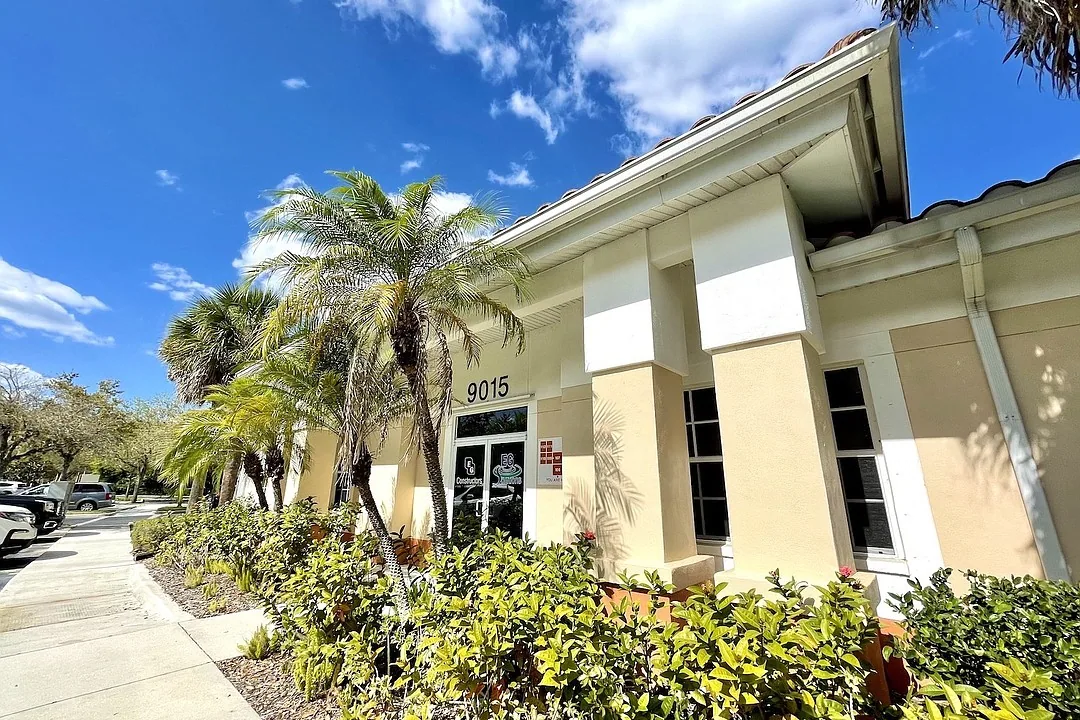
Commercial Roof Drain and Scupper Service in Coral Springs, FL
|
|
|
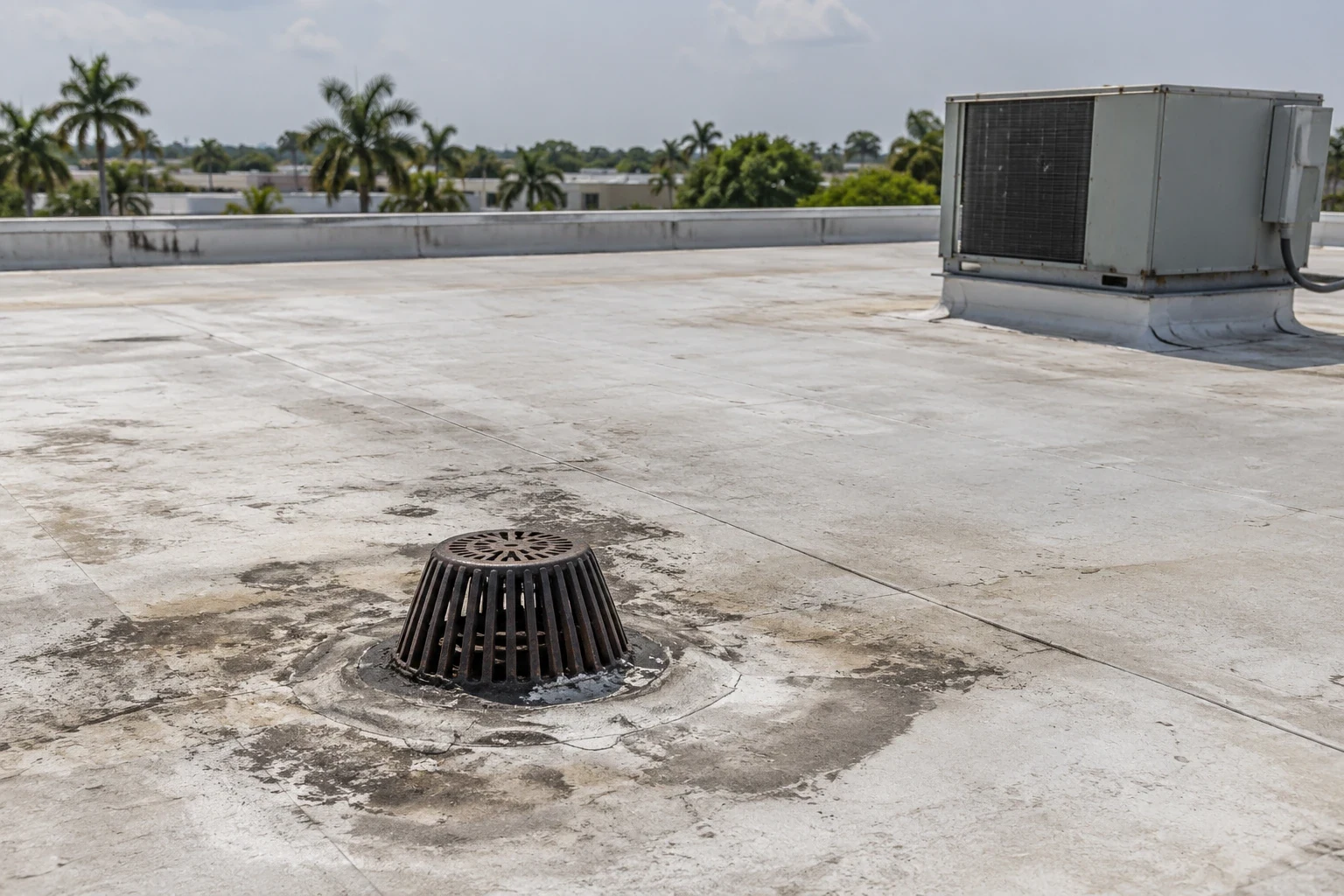
| Water standing against a cricket after a summer shower can point to debris, a blocked drain, a changed roof elevation or a slope detail that needs review. We inspect the drain bowl, strainer, sump, scupper and overflow route, then follow the surface toward the outlet. The work scope separates cleaning from roofing repairs and from plumbing or design questions. Each observation is tied to a location, so the property team can see what was cleared and what needs further correction. Coral Springs, FL has a long wet season with periods of heavy rain. That makes roof drainage a practical maintenance concern, but a regional climate fact does not establish ponding at a particular building. Near Coral Springs Commerce Park or the Sample Road commercial corridor, we confirm the actual address, roof access and work limits with the property contact before inspecting the drainage path. |
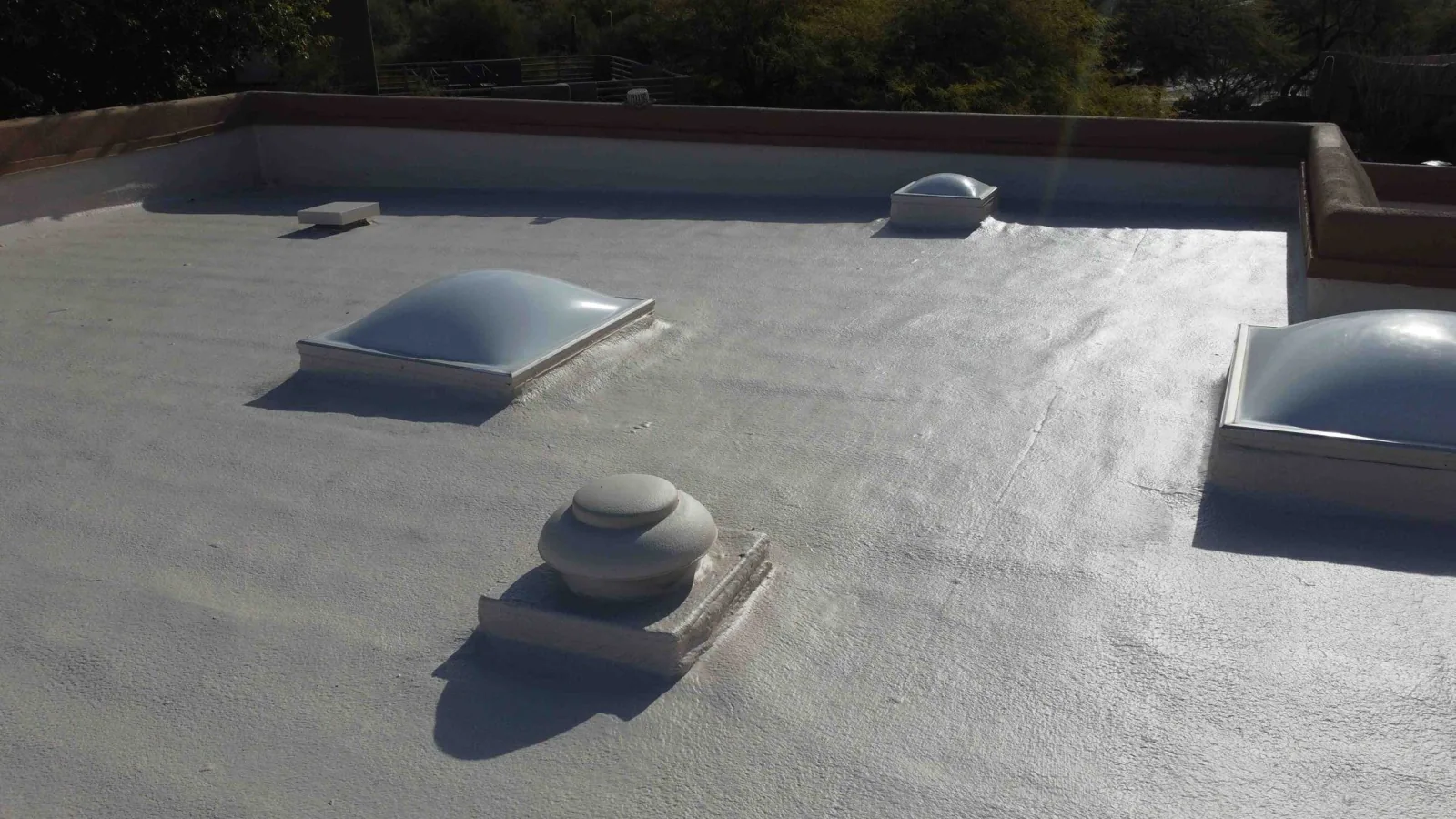
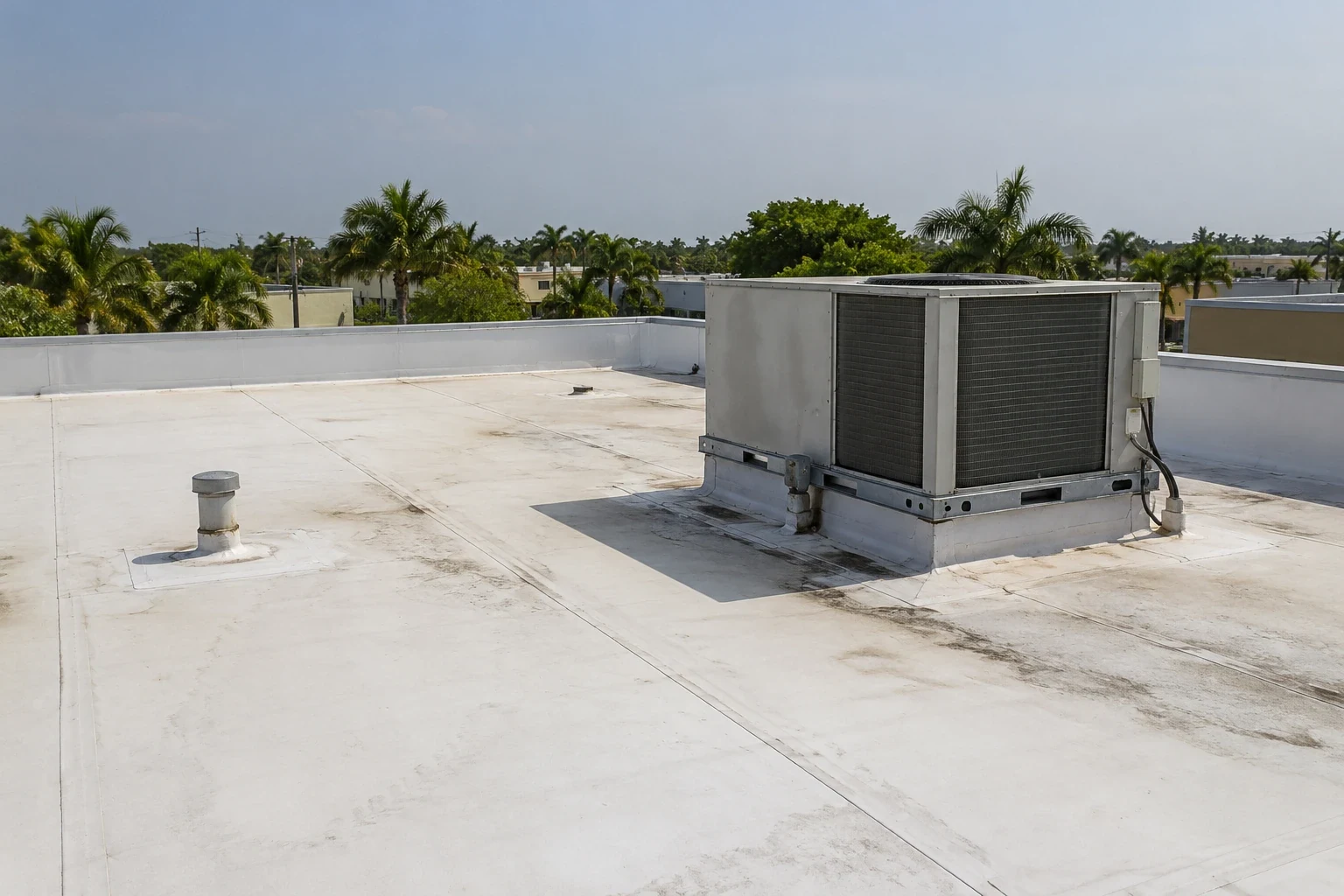
Trace each drainage path | We begin at the reported low point and inspect the surface path leading toward the drain or scupper. The review includes the bowl, strainer, surrounding membrane, visible sump and overflow opening. We look for debris, a damaged clamping detail, loose flashing or a surface change that interrupts flow. If the water path continues across a roof zone, we mark the route and note which details could contribute to the condition. A visual inspection can identify a blocked strainer or damaged membrane around an outlet, but it does not establish the capacity of the building’s storm-water piping. Plumbing components may require a separate evaluation. A commercial roof inspection can document the surrounding field and other accessible details. If water is entering inside, leak tracing and repair can follow the reported path beyond the drain area. At each drain, we note the strainer, bowl, clamping area, surrounding membrane and the route water takes toward the opening. A scupper inspection includes the throat, flashing turn, exterior discharge and any visible staining below. The record distinguishes debris that can be removed during routine service from a loose connection or damaged sheet that needs repair. If the outlet is inaccessible or its connection is concealed, we mark that limit before recommending work beyond the visible detail. Coral Springs Commercial Districts include eligible office, retail, manufacturing and industrial properties in the city’s exterior-improvement program. Drainage still depends on the specific roof’s slope, outlet and overflow route, so we inspect those components directly before distinguishing routine clearing from roofing repair. |
Clear accessible outlets | Where the scope allows, we remove leaves and loose debris from accessible strainers, bowls and scuppers. We check that the strainer is seated and that debris is not covering an overflow opening. If the outlet is damaged, corroded or inaccessible, we record that limit and identify the repair needed instead of treating it as routine cleaning. Debris removed during service is handled under the property’s disposal and safety instructions. At an occupied building, rooftop equipment, stored materials or active maintenance can restrict access to a drain. The property contact identifies those conditions before the crew arrives. If an outlet connects to damaged flashing, commercial roof repair can define the membrane work around the bowl. For a replacement drain or sheet-metal connection, the proposal states the parts and roof details included and what remains outside the authorized work. |
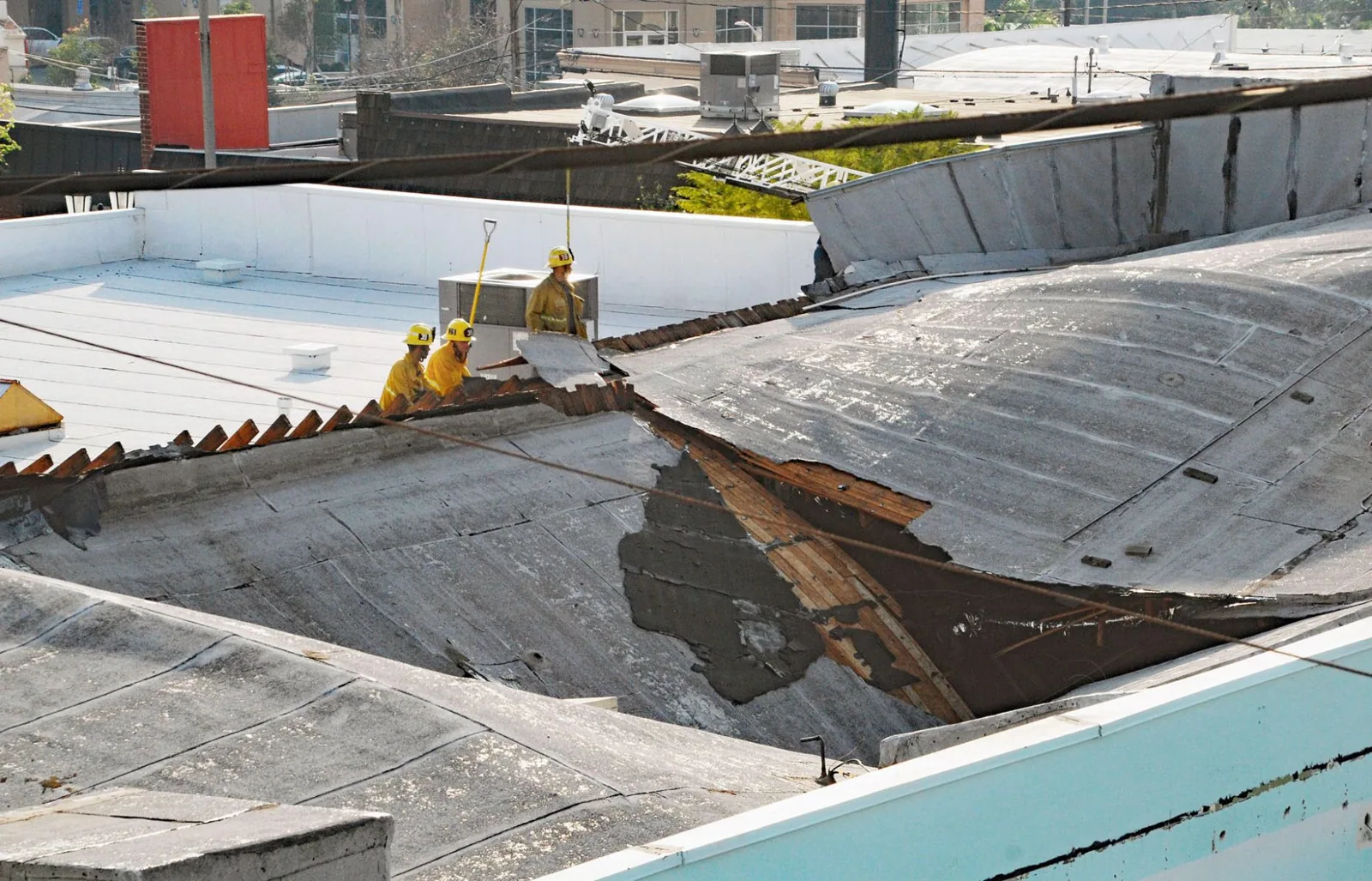
Rebuild drain and scupper details | A leak around a drain can come from a failed membrane connection, loose clamping ring, damaged bowl or nearby seam. We expose only the area authorized for repair, inspect the receiving surface and rebuild the specified connection with compatible materials. The detail must restore continuity around the outlet without reducing the opening or trapping debris. We inspect the repair before close-in and record any portion that could not be reached. At a scupper, we review the membrane transition, metal sleeve and exterior discharge point where accessible. A scupper can carry water only if the roof surface and opening provide a path, and it should not be obstructed by a repair. If the scope includes roof-edge work, edge metal, coping and gutter service can coordinate the related metal transition. The field record identifies each outlet addressed and the repair completed there. |
Review crickets and low areas | A cricket directs water around an obstruction or toward an outlet. We inspect its visible slope, seams and connections to the surrounding roof. If water remains behind it, we mark the low point and check whether debris, settlement, insulation changes or another detail could affect flow. A surface observation can show where water collects, but a slope correction may require opening or measuring the assembly under an agreed scope. Changing finished roof height can affect drains, overflow openings and equipment transitions. Before adding insulation or rebuilding a cricket, we review the outlet elevations and the specified assembly. Tapered insulation and cover board work can be scoped when the project calls for a changed slope. We explain the limits of the existing roof and the intended water path so the owner can review the correction before installation. |
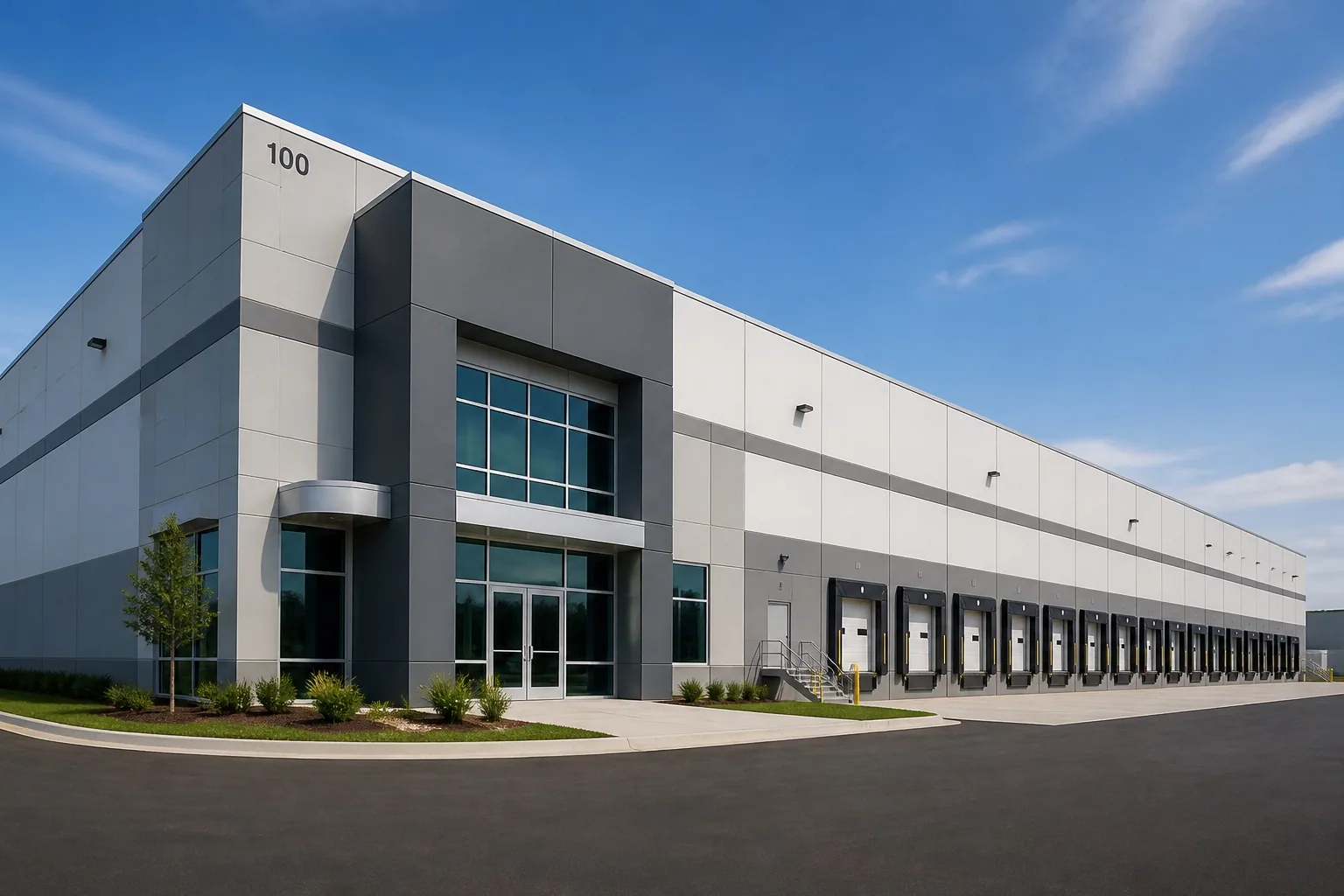
Coordinate access and building operations | Drain work requires a clear route to roof areas and, at times, access below or outside the building to observe discharge. We confirm the roof entry, escort, operating hours and any restrictions around occupied areas. Coral Springs Commerce Park includes logistics and warehouse activity; the fact does not establish where a particular truck may unload or which hatch is available. The building contact identifies that route and where service material may be staged. The community shuttle serves retail and civic stops across Coral Springs and connects with Broward County Transit. A public stop does not set access rules for a private property. We confirm arrival and loading arrangements with the assigned representative. At a healthcare or retail facility, the contact supplies operating limitations. Work above occupied rooms can be coordinated through occupied-building roof planning. |
Check outlets before close-in | We inspect repaired drain rings, membrane transitions, scupper sleeves and cricket connections while they remain visible. The close-in record identifies which outlet was serviced, what material was installed and whether the drain path was unobstructed at the end of work. A roofing repair does not establish that downstream piping is clear or sized for every rainfall event. If that question remains, we flag the separate trade or review required. After the work, the property team receives dated notes and any photographs or field marks that help identify each outlet. A written condition report can retain broader observations, while preventive maintenance can include accessible drainage details in a future visit. For location context, Coral Springs Commerce Park is one district with industrial and logistics uses; the maintenance plan remains specific to the inspected address. |
Commercial Roofing Questions | Can you clear a blocked commercial roof drain?We can clear accessible debris within the agreed scope and inspect the visible bowl, strainer and surrounding roof detail. Damaged outlets or downstream piping require separately defined work. Will a new cricket solve all ponding?The roof surface, outlet height and surrounding assembly affect the correction. We inspect the low area and explain what needs measuring or opening before a slope change is specified. Do roof drain repairs include plumbing below the roof?The roofing scope addresses the membrane and visible roof connection. Building piping or interior drainage work is separate and may require another trade. What if water remains after a drain is cleared?We document the remaining low area and inspect the visible path. A drainage or slope correction may require a separate scope after the cause is reviewed. What information helps schedule the work?Provide the address, reported ponding or leak location, roof access route, operating limits and any known drain or scupper history. Identify who can authorize access and repair. |
Review the roof water path | Send the property address, reported low area or outlet, roof access route, operating limits and any known drainage history. We can inspect accessible details, identify cleaning or repairs and record the close-in condition. Request a Roof Assessment 555-555-5555 |
|
|
REQUEST AN ASSESSMENT
 |