Emergency Commercial Roof Repair in Coral Springs, FL
|
|
|
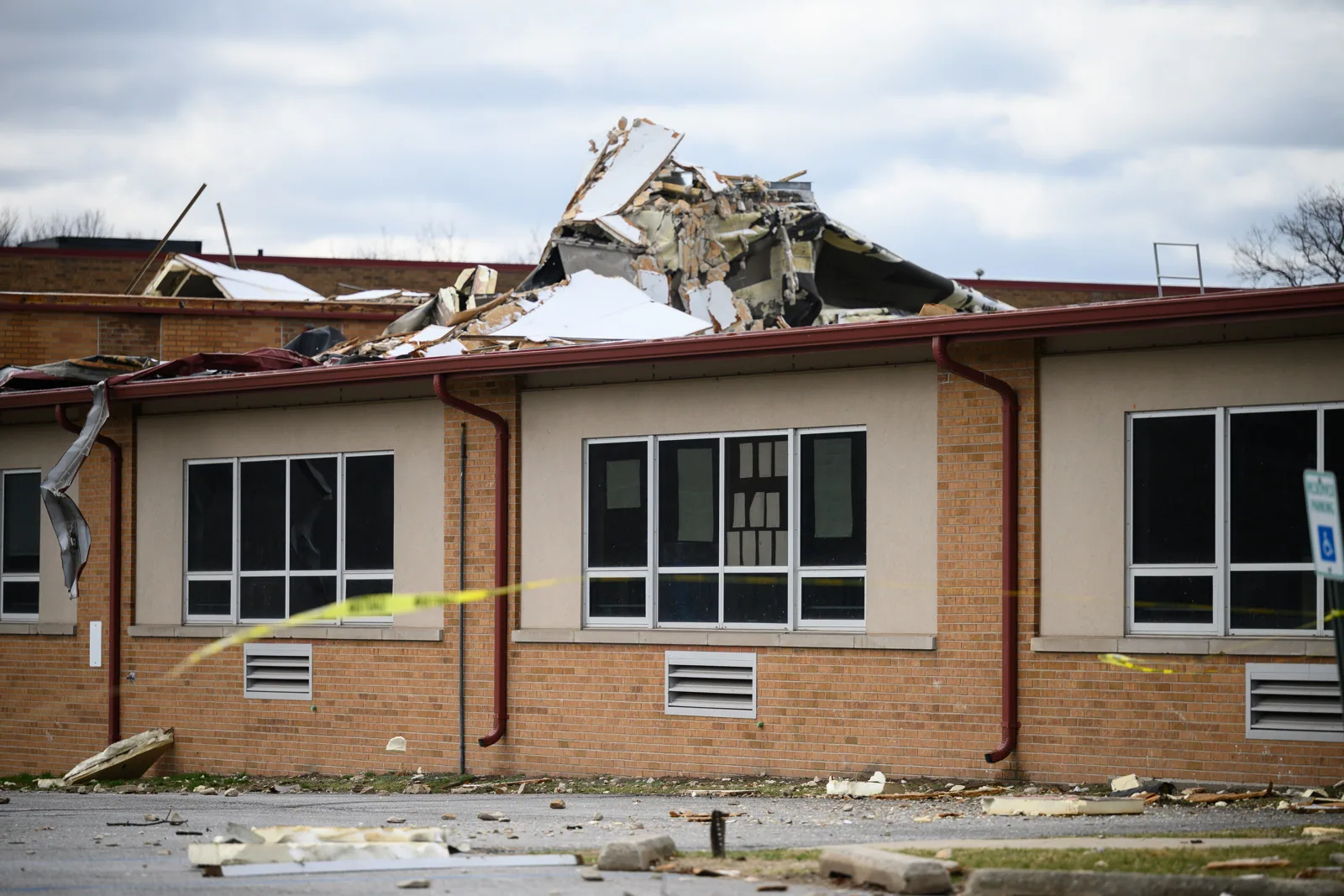
| Water crossing a roof opening requires a controlled response before a permanent repair can be designed. We first confirm who can authorize access, what interior areas are affected and whether the roof can be reached safely. The initial work may include locating the exposed detail, moving water away from sensitive areas where practical, and applying temporary protection suited to the observed condition. The building contact needs a clear account of what was stabilized and what still needs inspection. Coral Springs, FL can experience thunderstorms, heavy summer rain and tropical weather, but a regional forecast cannot establish damage at a particular address. We ask when the event occurred, what changed and whether water is entering now. Whether the building is near Coral Springs Commerce Park, Coral Square Mall or a healthcare property, we follow its own roof-entry, staging and operating instructions before mobilizing. |
Confirm access and immediate conditions | The caller should identify the property, the observed condition, active water entry and any areas that need immediate protection. We confirm the name of the person who can authorize roof access and temporary work. Building staff can describe power or equipment concerns, interior access restrictions and any unsafe areas. If the roof cannot be reached under the supplied conditions, we explain that limitation and coordinate the next safe opportunity with the contact. Before work begins, we confirm the approved roof route, hatch or ladder instructions, escort rules and where materials may be staged. A location near Sample Road or University Drive does not establish a usable entry point or delivery arrangement. The property representative supplies those details. When water is actively entering, we also ask what interior protection is already in place and whether the affected area remains occupied. |
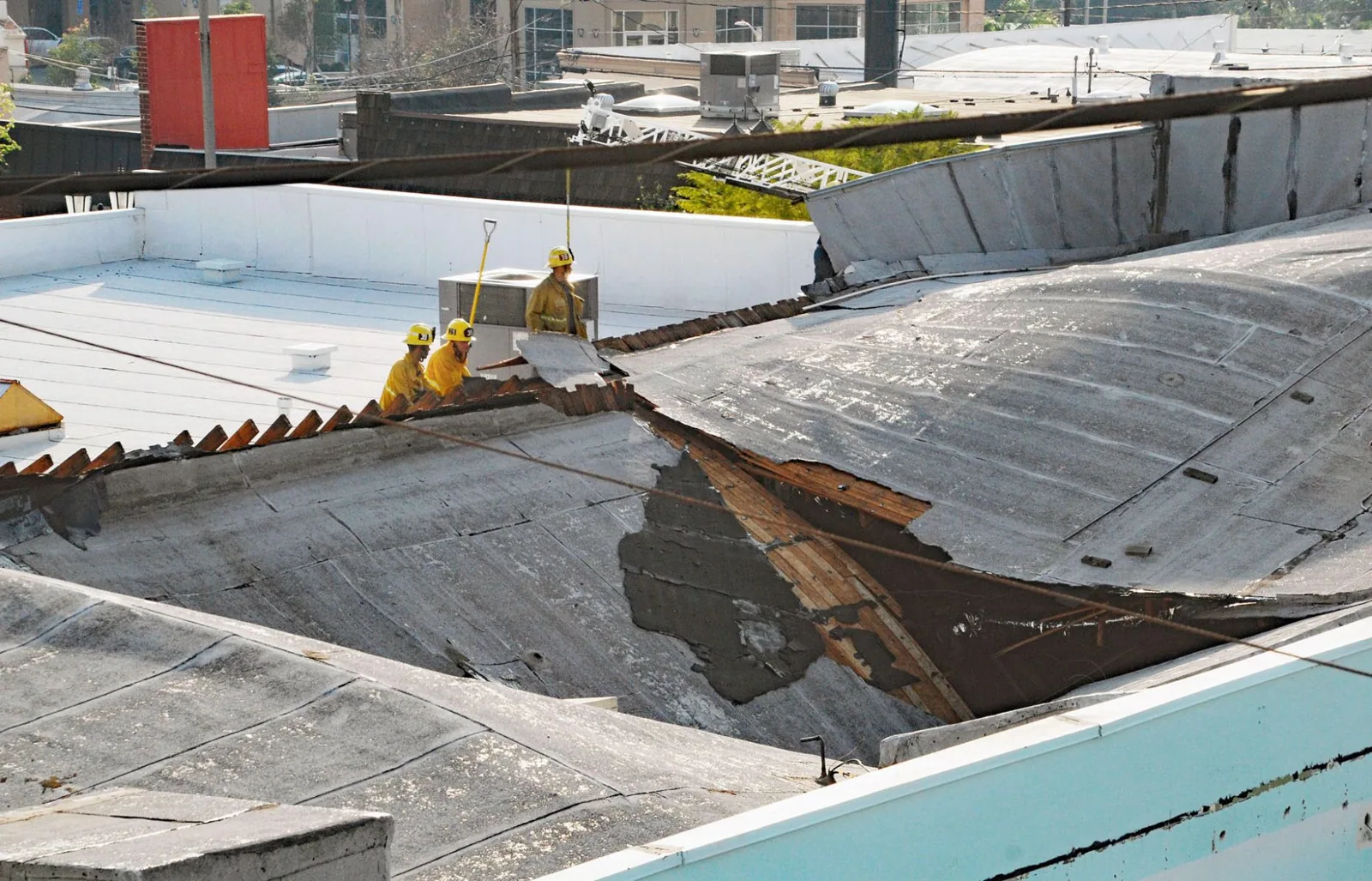
Protect exposed roof areas | Temporary protection depends on the opening, roof surface, weather and available access. We inspect the exposed detail and surrounding seams, then identify a method to limit further exposure until permanent work can be completed. A covering must be secured for the actual conditions and must not block a drain or create a new hazard. We record where it was placed, what it covers and what follow-up inspection remains necessary. Emergency protection is a temporary measure, not a substitute for a complete repair scope. If the event has loosened edge metal, opened a seam or damaged a penetration, we document the visible areas and schedule review of the underlying assembly. An active leak repair assessment can trace the water path. If widespread damage is evident, we explain why a broader commercial roof inspection or replacement discussion may be needed after the immediate exposure is addressed. |
Document damage and likely paths | Once conditions permit, we inspect the reported area and adjacent roof details. We look at seams, flashing, curbs, penetrations, edge metal and nearby drainage for visible displacement or failure. The building’s interior report helps guide this work, but water can travel before it appears. We photograph accessible conditions and distinguish visible damage from concealed areas that have not been opened or tested. South Florida storms can involve wind, heavy rain, hail or tornado reports, with conditions varying by event and location. A general weather report does not establish that any one roof experienced a specific impact. We use the owner’s timeline and the observed property condition. If an inspection reveals wet materials or a damaged substrate, we document the exposed finding and obtain direction before extending work beyond immediate protection. |
Plan the permanent repair | After stabilization, the repair plan identifies the failed detail, preparation, compatible materials and close-in check. A seam, wall transition, curb or drain requires its own connection method. If the roof assembly is uncertain, we review records or make a plan for additional examination before proposing permanent materials. The written scope states what is included and which areas remain outside the work. For a known assembly, the repair follows its specified details. TPO roofing details differ from those for other membranes; system identification matters at seams and flashings. If the affected roof zone is part of a larger failed area, compare commercial roof replacement based on the inspected condition. We separate emergency stabilization from permanent construction so the owner can review each operation clearly. A temporary cover must not hide a loose perimeter or redirect runoff into another roof zone. We mark the protected area, note how water is expected to drain and identify the point where the crew can stop work safely. The building contact checks the area below after protection is placed. If the roof cannot support a safe temporary attachment, we use an access plan that avoids loading the weak area and report what must wait for a permanent repair. |
Coordinate the occupied building | Urgent work can affect access below the roof as well as movement above it. We ask the assigned representative to identify active entrances, sensitive rooms, equipment and required notices. At a hospital or retail property, we rely on that building’s own operating contact for restrictions; a public description of another local institution does not set rules for this address. Where interior protection or access is necessary, the contact identifies the areas and approved method. We also discuss staging, debris movement and any temporary limitation around the repair area. Coral Springs Commerce Park, Downtown Coral Springs and nearby shopping districts include different property uses, but each site has separate access directions. We coordinate with the person responsible for the building and update the work plan when weather or access changes. For continued activity above occupied space, occupied-building roofing coordination can address the broader construction sequence. |
Record what remains | At the end of emergency work, we give the contact a record of the observed condition, temporary measure, accessible repair and remaining inspection. If a cover remains in place, the owner receives its location and the follow-up needed to replace it with a permanent detail. The record should not imply that untouched roof zones were inspected. Any new condition found during stabilization is described separately from the original report. When the immediate concern is contained, the next step may be a permanent repair, broader inspection or replacement evaluation. A roof condition report can retain findings for the property file, and preventive roof maintenance can schedule later observations of accessible details. The contact can provide the address, incident date and access rules so the next visit starts with the right site information. |
Commercial Roofing Questions | What should I do while waiting for roof help?Follow the building’s safety procedures, keep people away from affected areas and contact the person authorized to arrange roof access. Share whether water is entering and which rooms or equipment are affected. Can emergency work permanently repair the roof?Sometimes the visible defect can be repaired during the response, but concealed conditions or unsafe weather may require a follow-up. We record temporary measures separately from permanent work. Do you offer immediate tarping or dry-in?Temporary protection can be considered after we confirm roof access, observed conditions and a method suited to the surface and weather. The record identifies what was covered and what remains open for review. What details help dispatch the right response?Provide the property address, active leak or damage description, incident timing, roof access contact, building operating limits and whether interior areas need immediate attention. Will a storm report prove my roof was damaged?No. Regional reports describe weather, while the property inspection documents the roof condition. We distinguish those sources when recording observed damage and follow-up needs. |
Share the urgent site details | Send the property address, current water-entry status, incident timing, roof access instructions and affected building areas. We can confirm the response scope and document the stabilization and next steps. Request a Roof Assessment 555-555-5555 |
|
|
REQUEST AN ASSESSMENT
 |