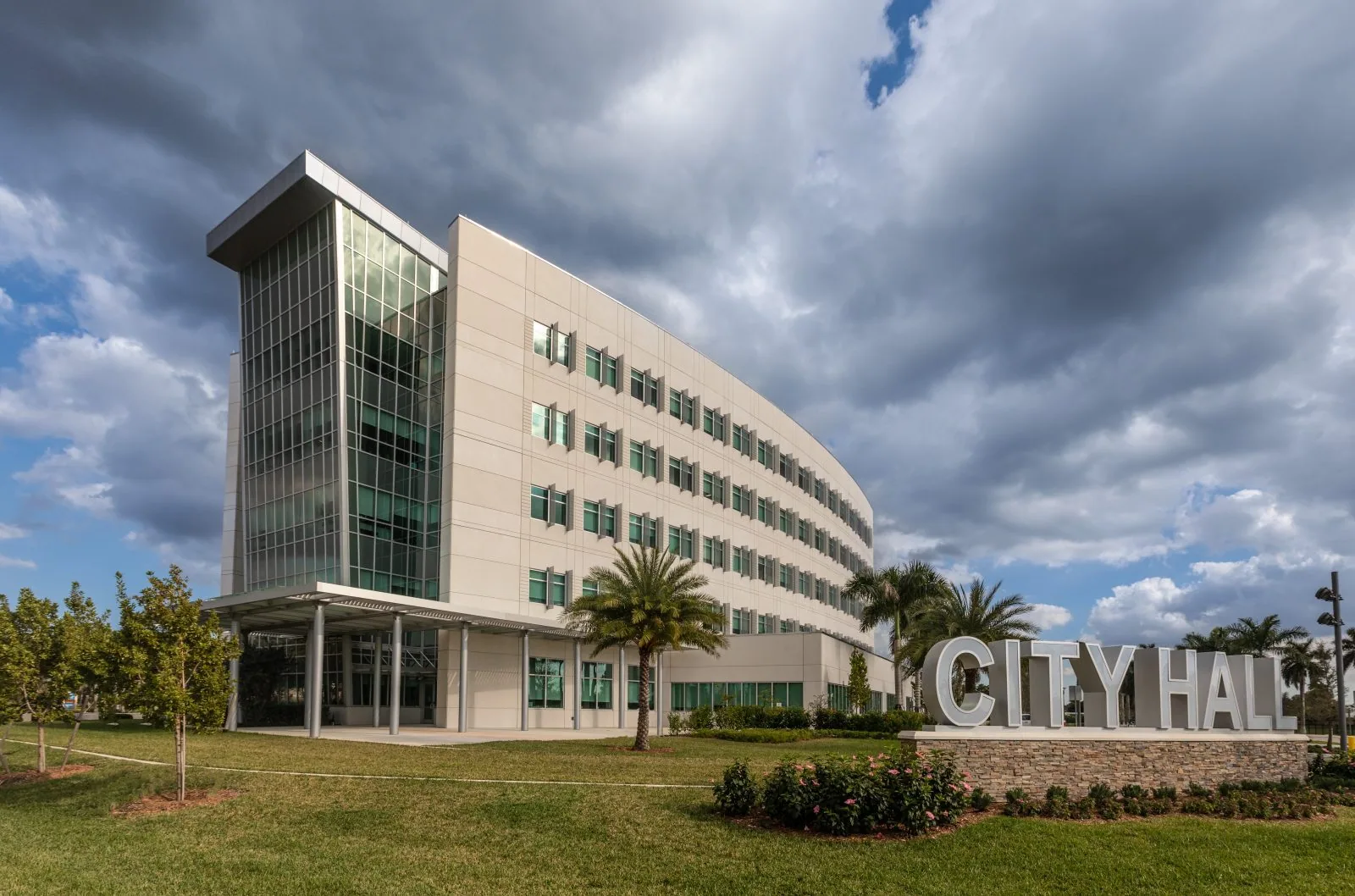
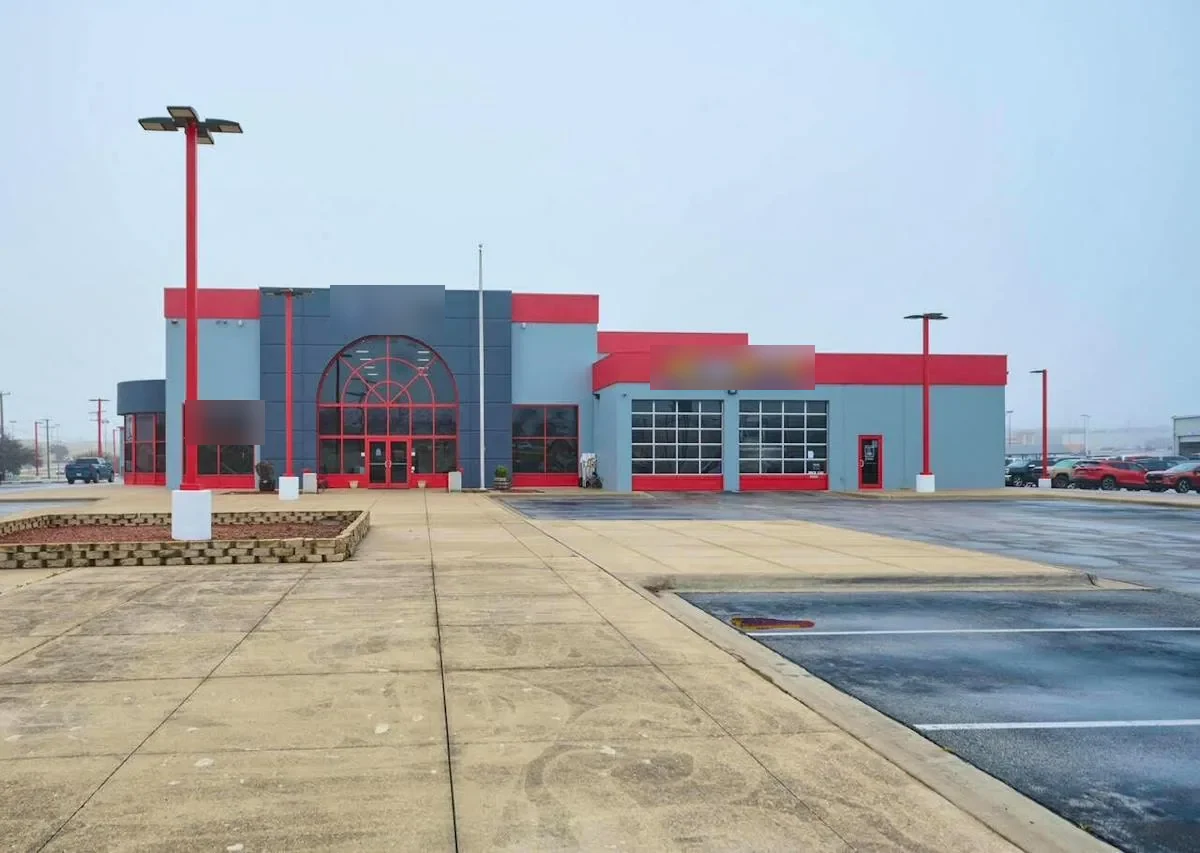
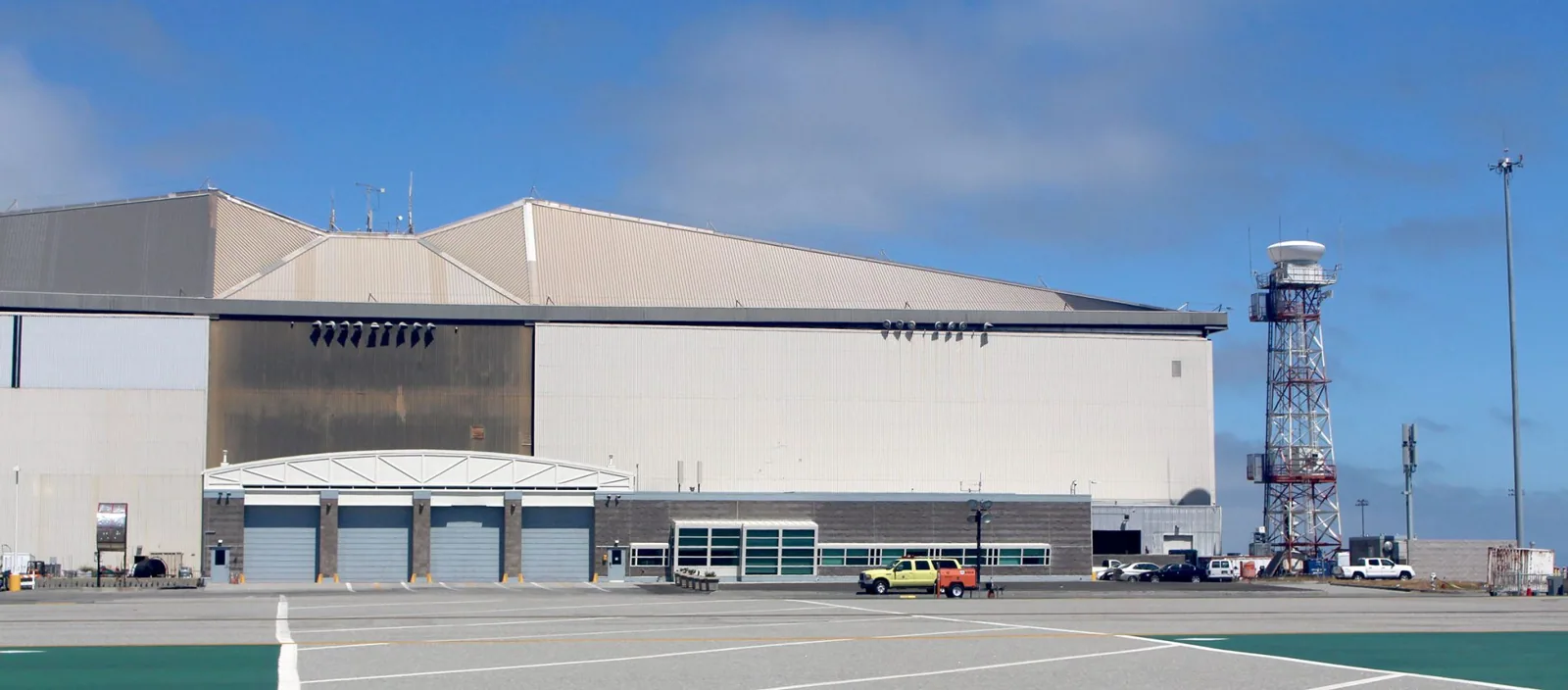
Read the building before setting scope
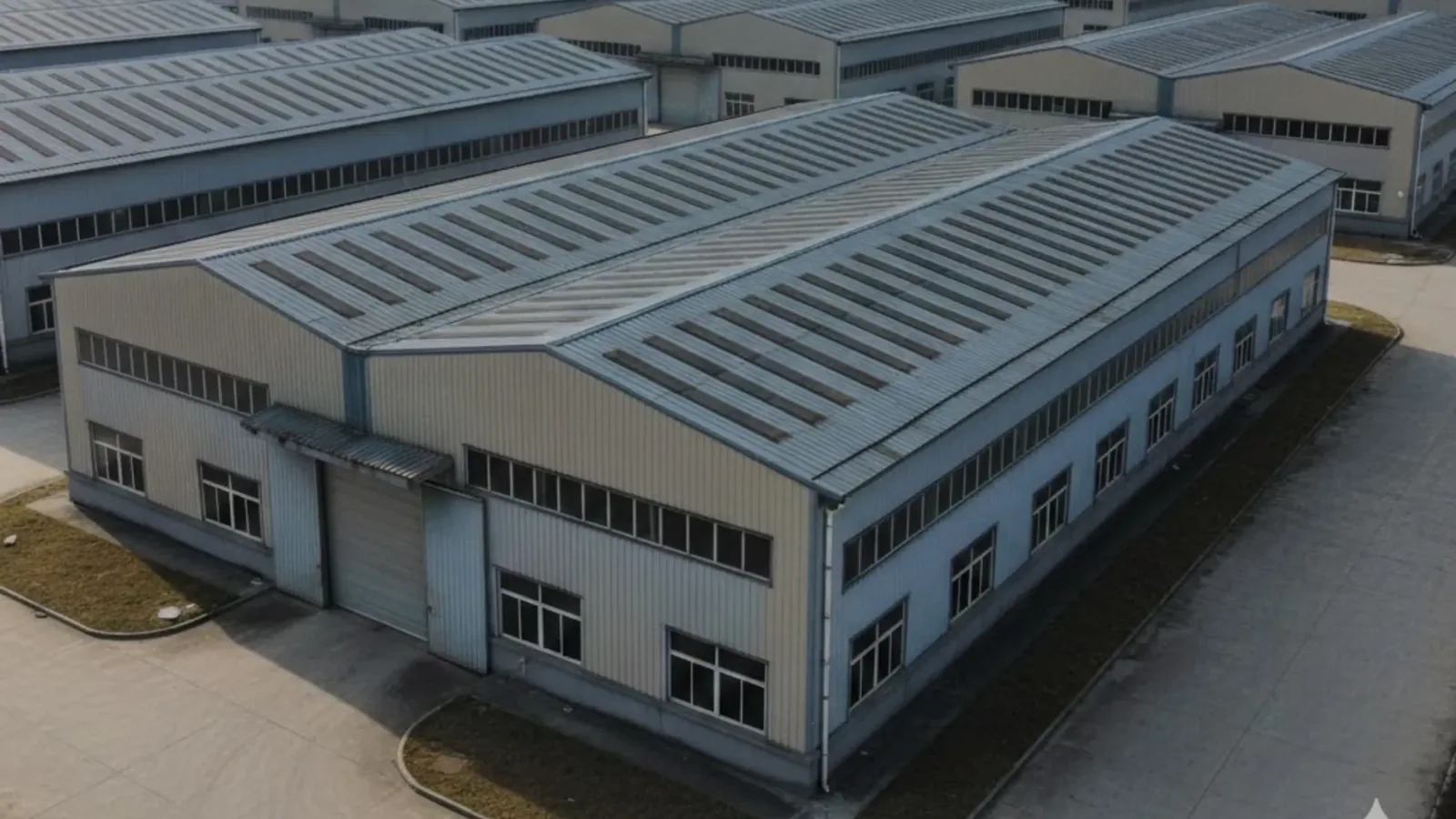
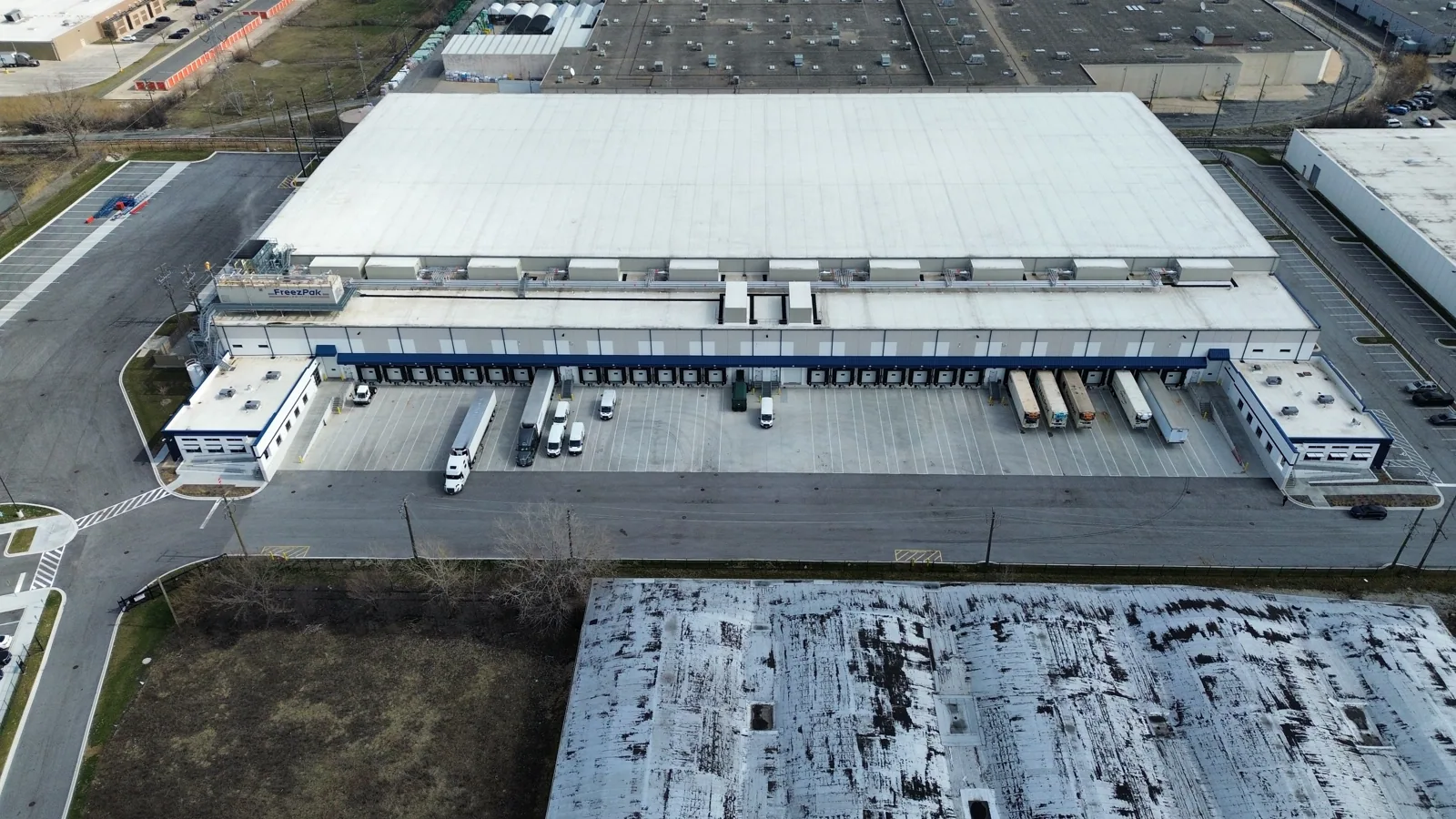
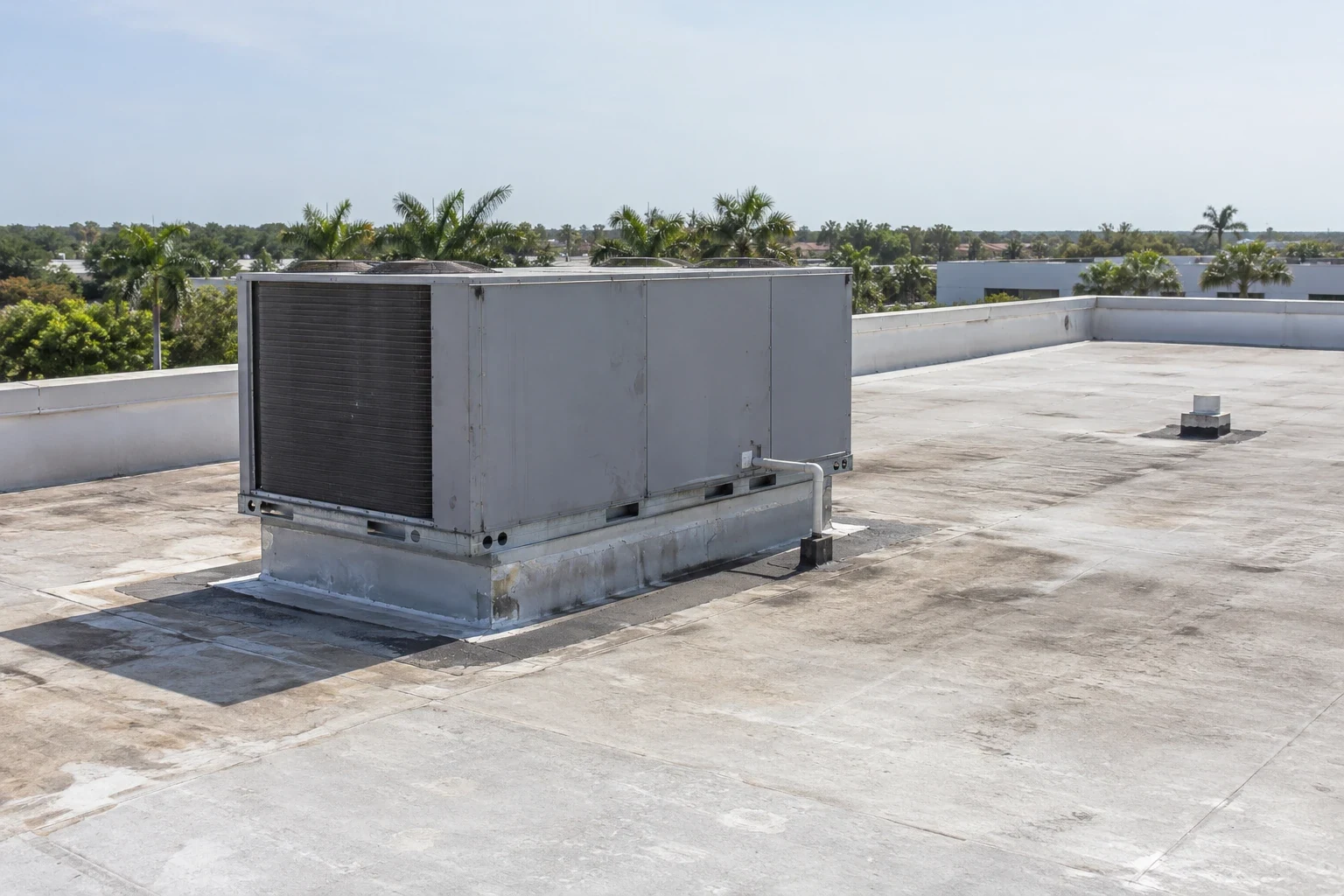
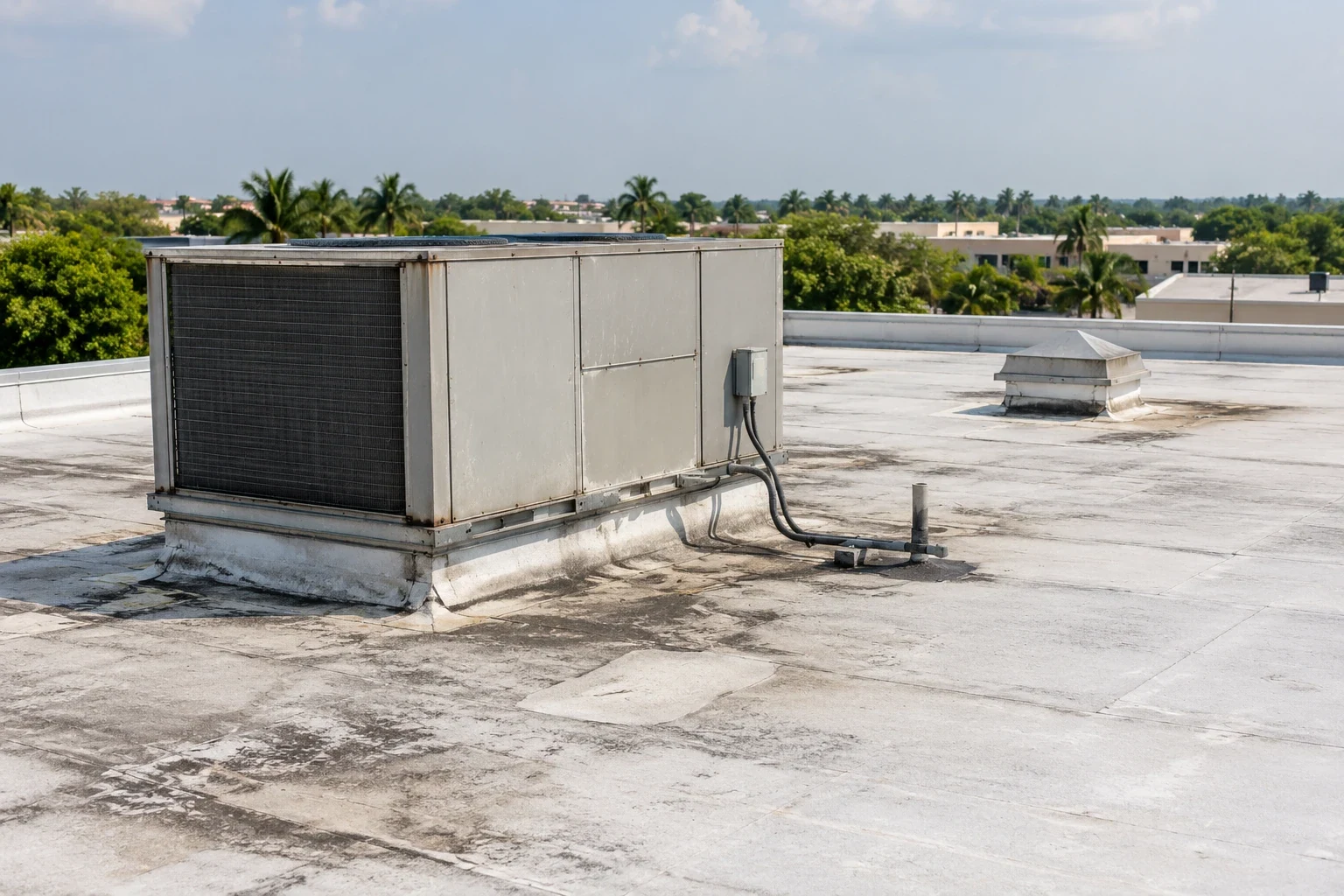
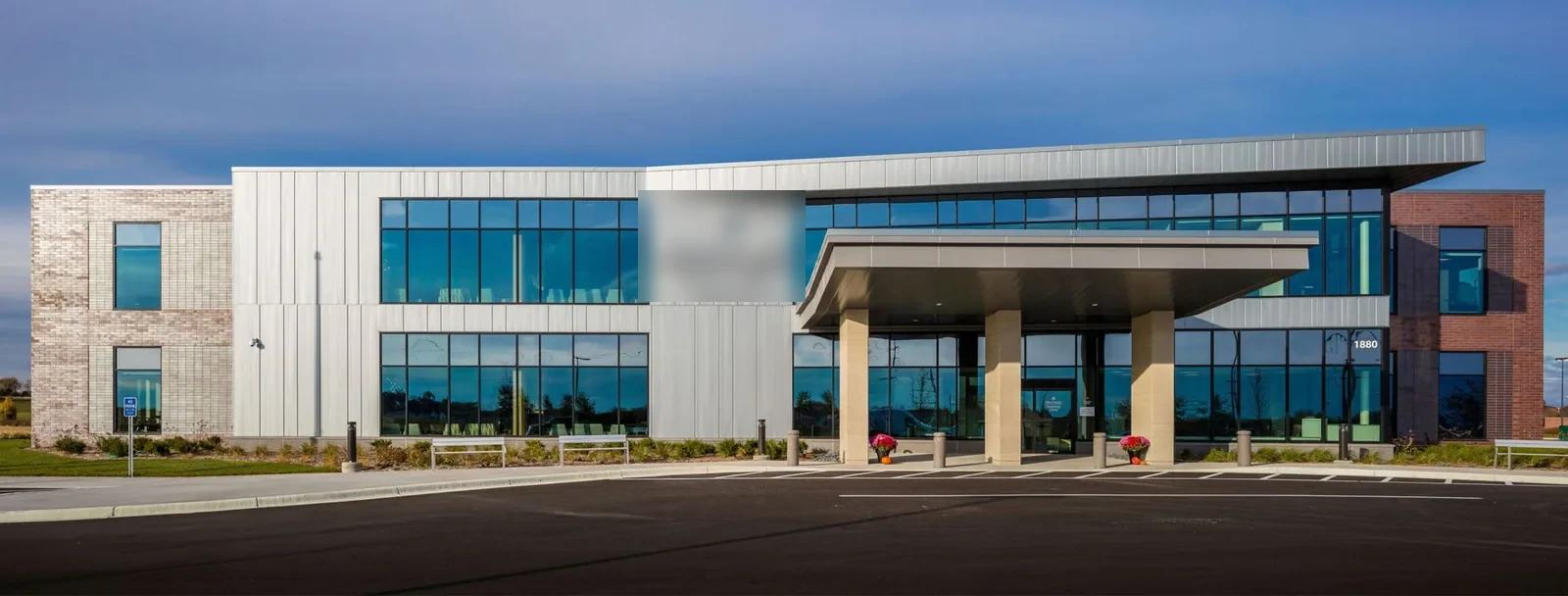
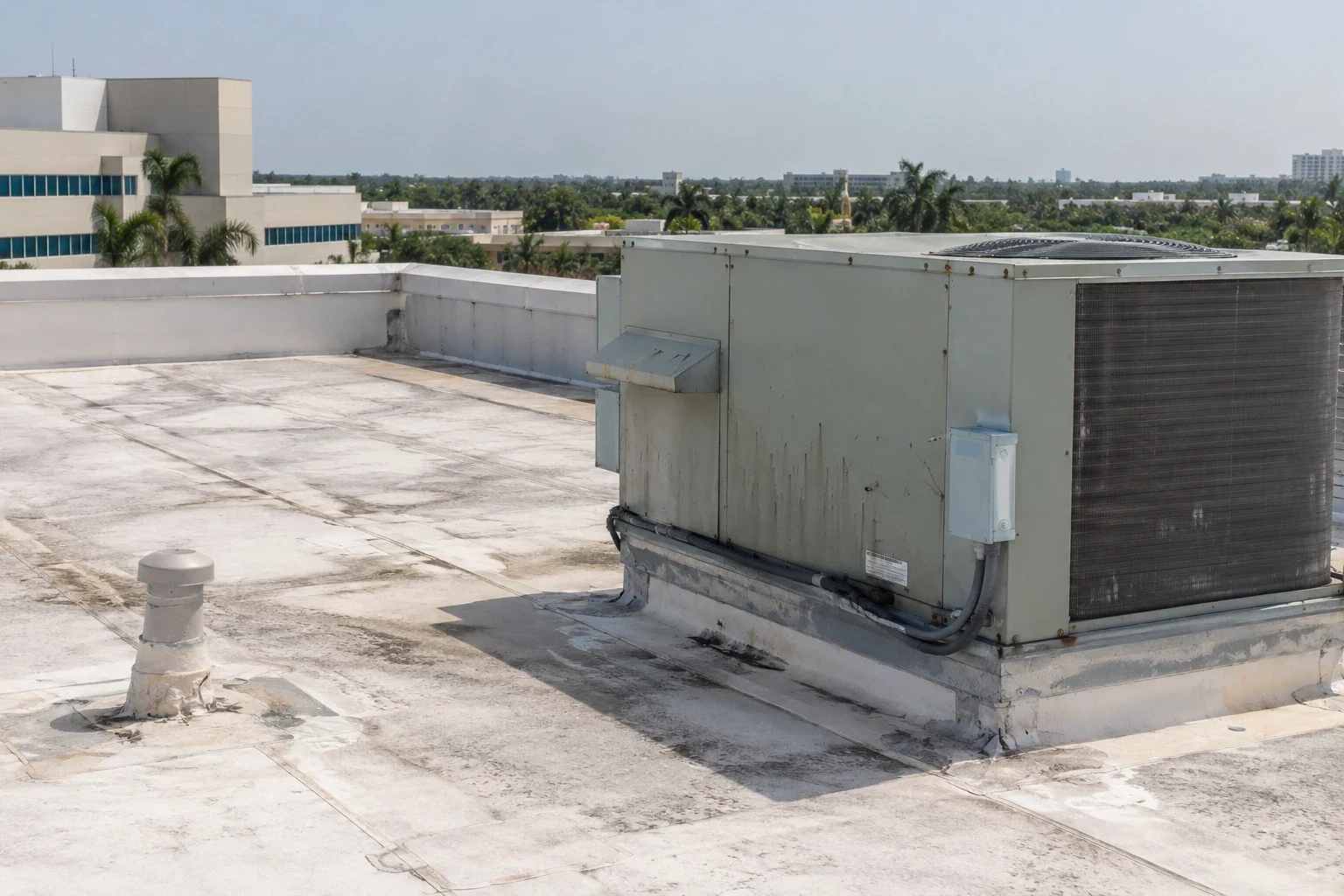
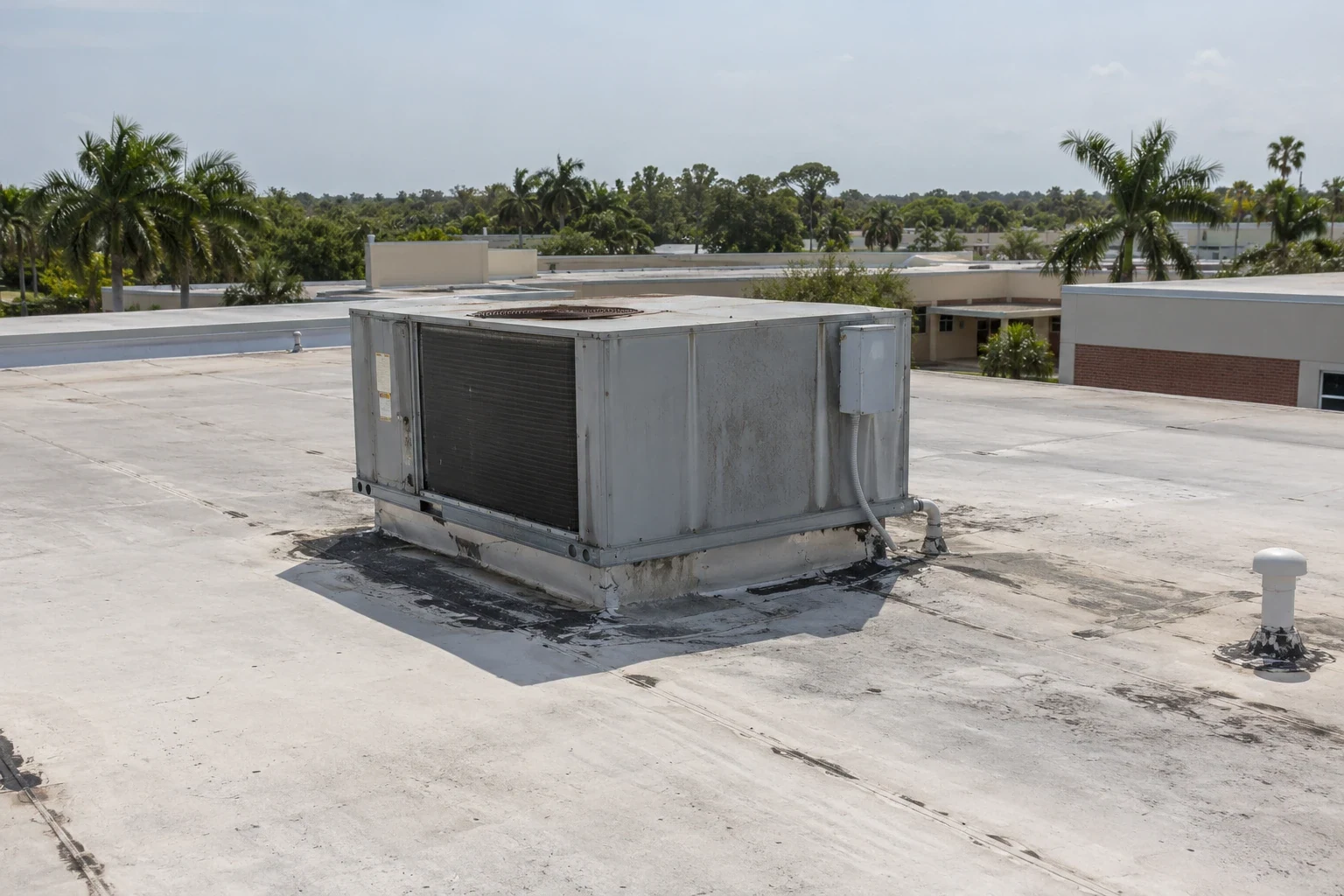
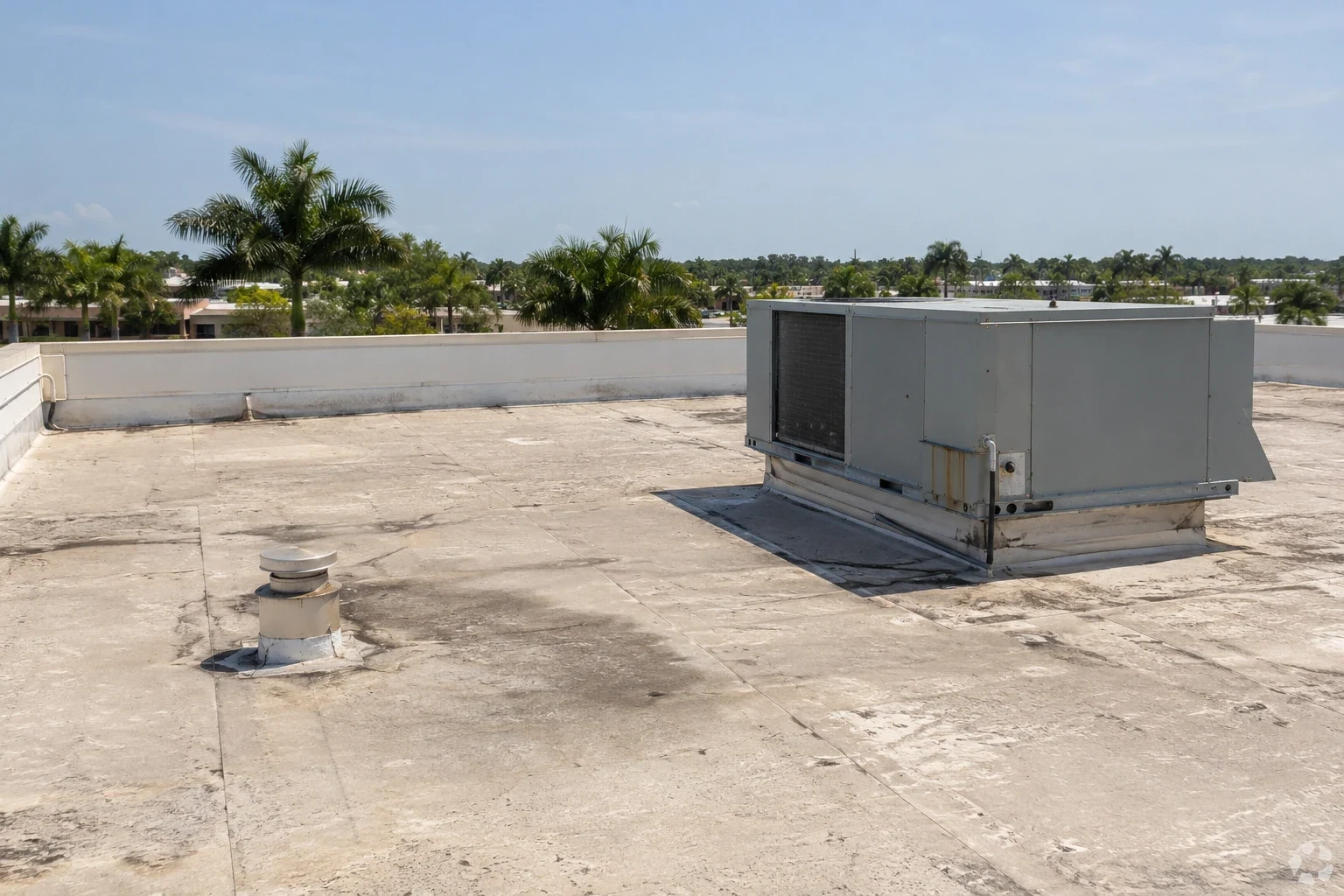
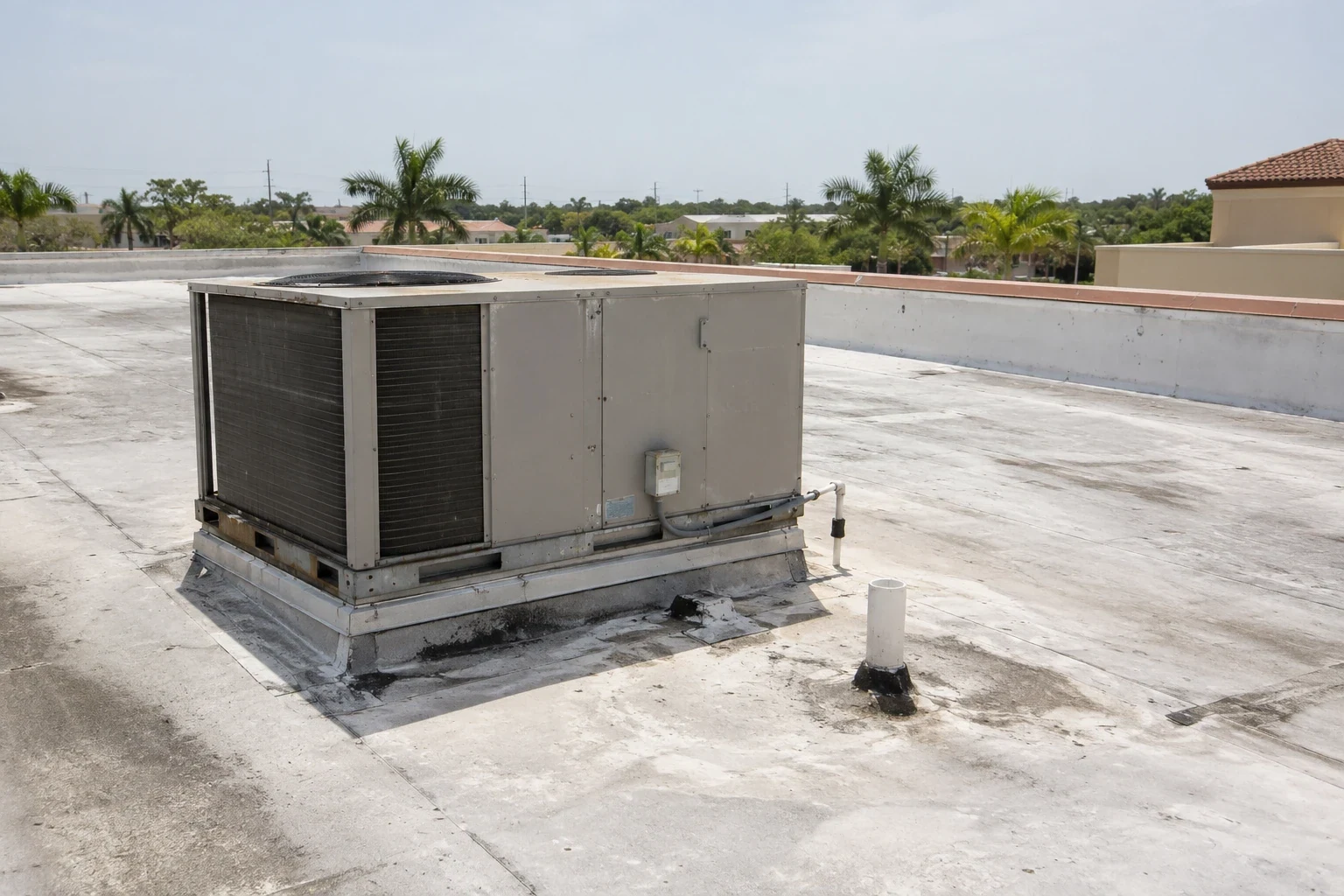
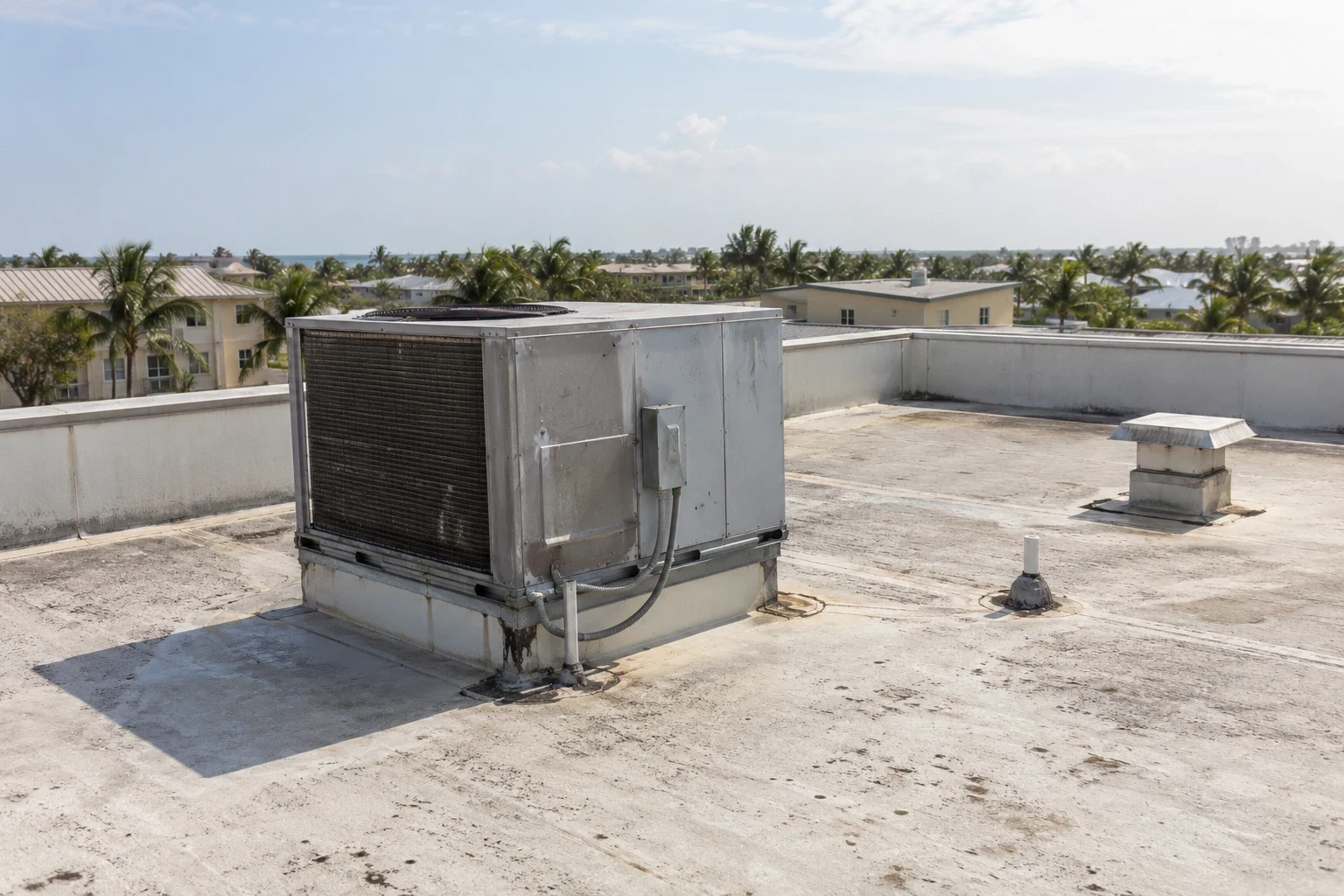
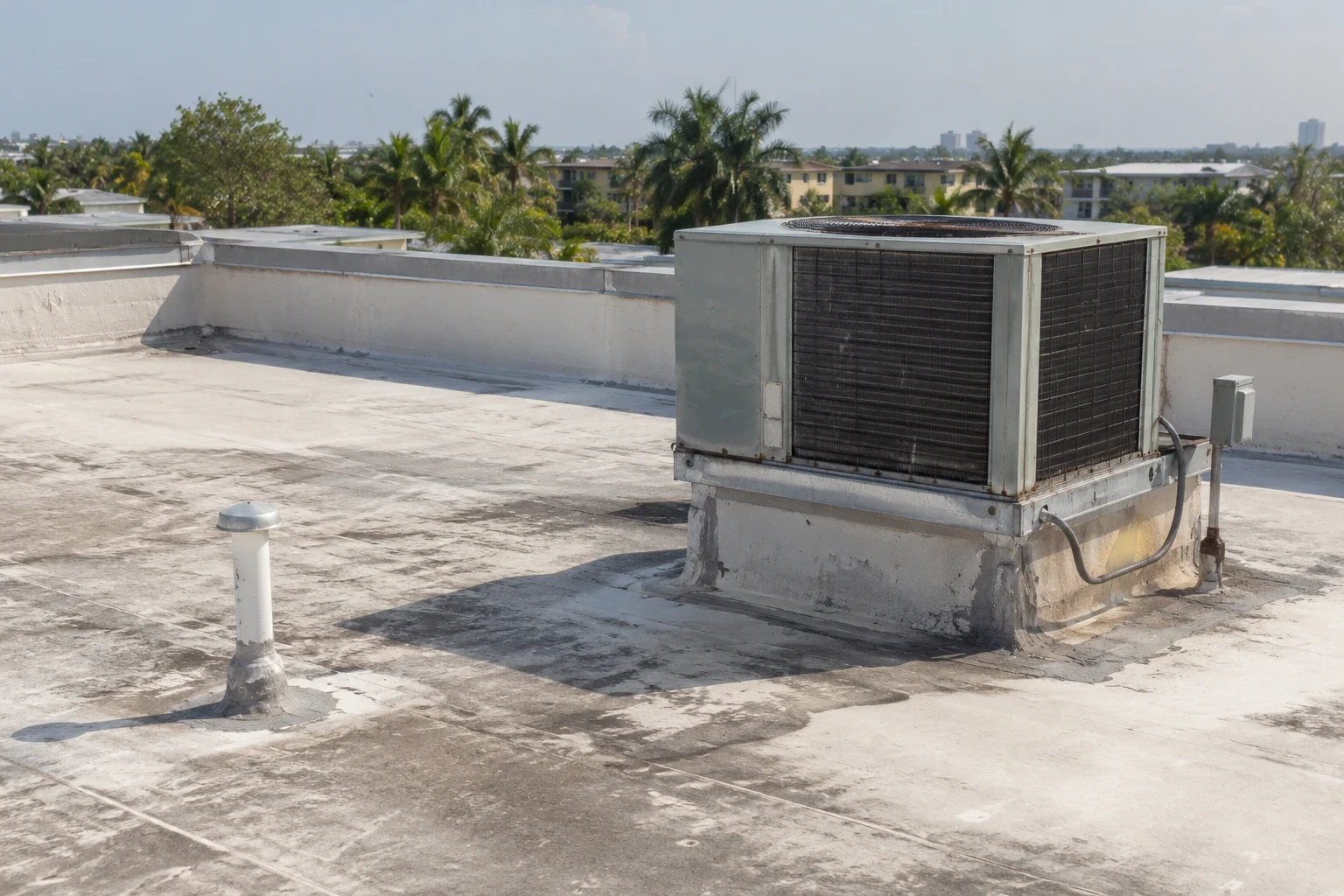
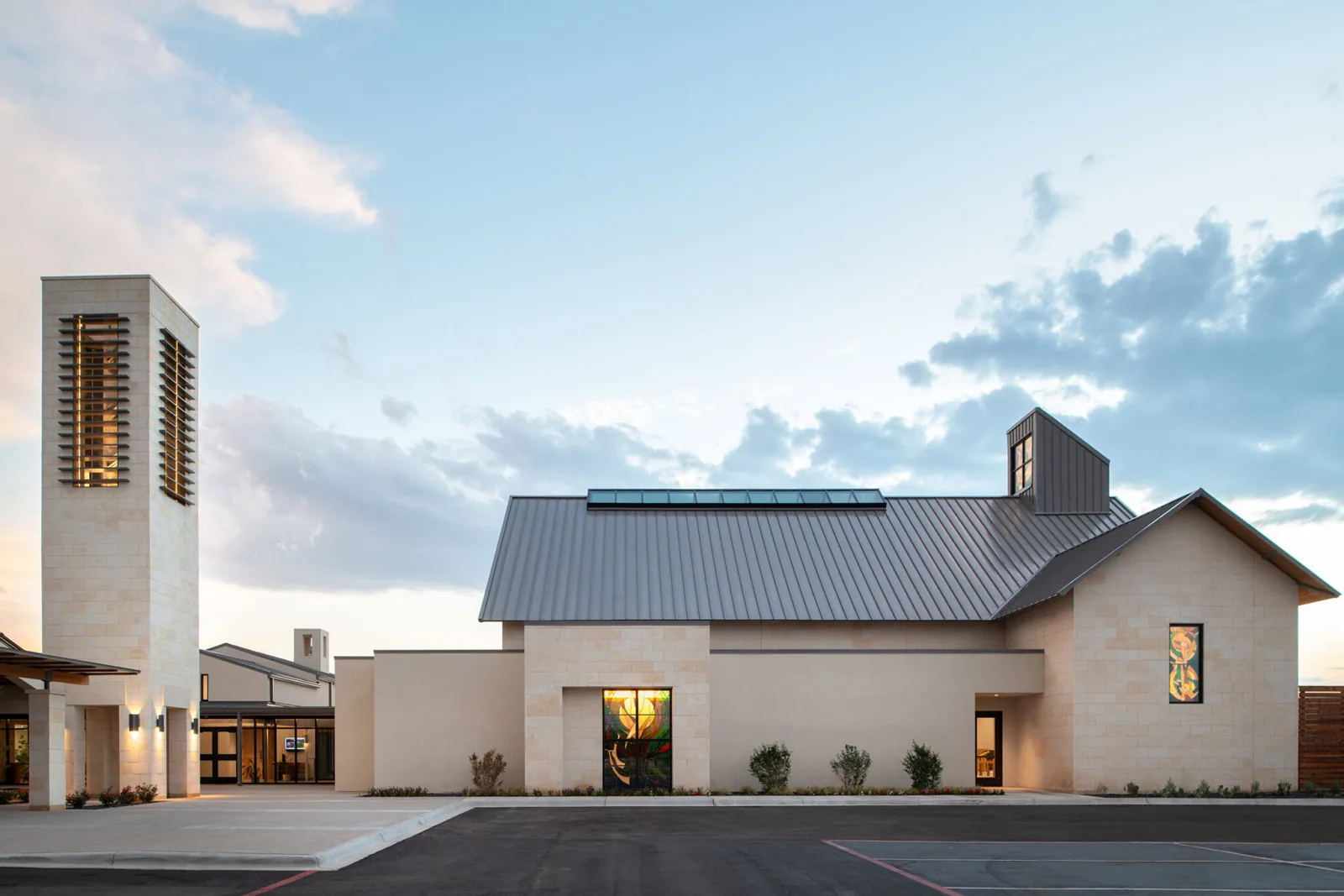
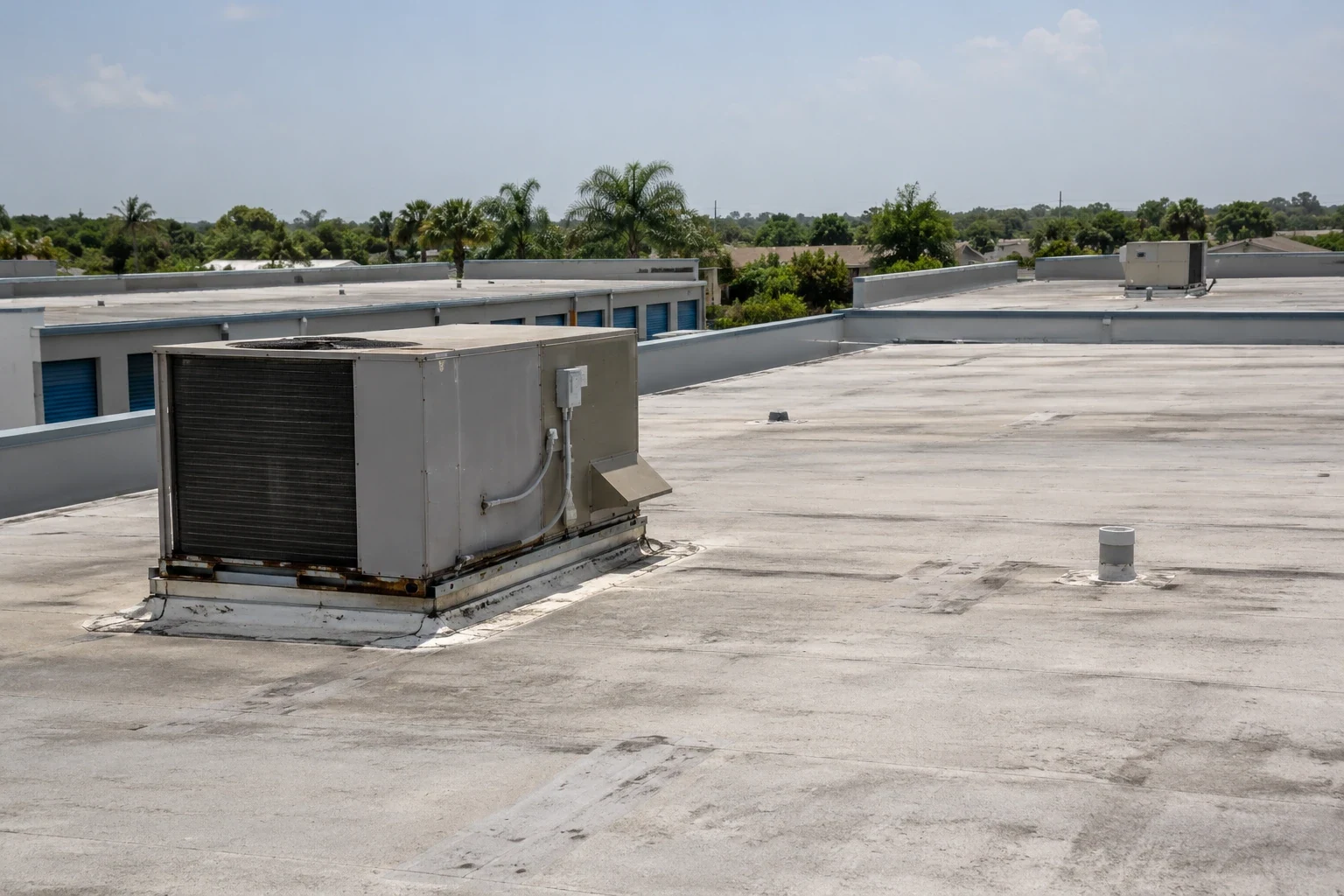
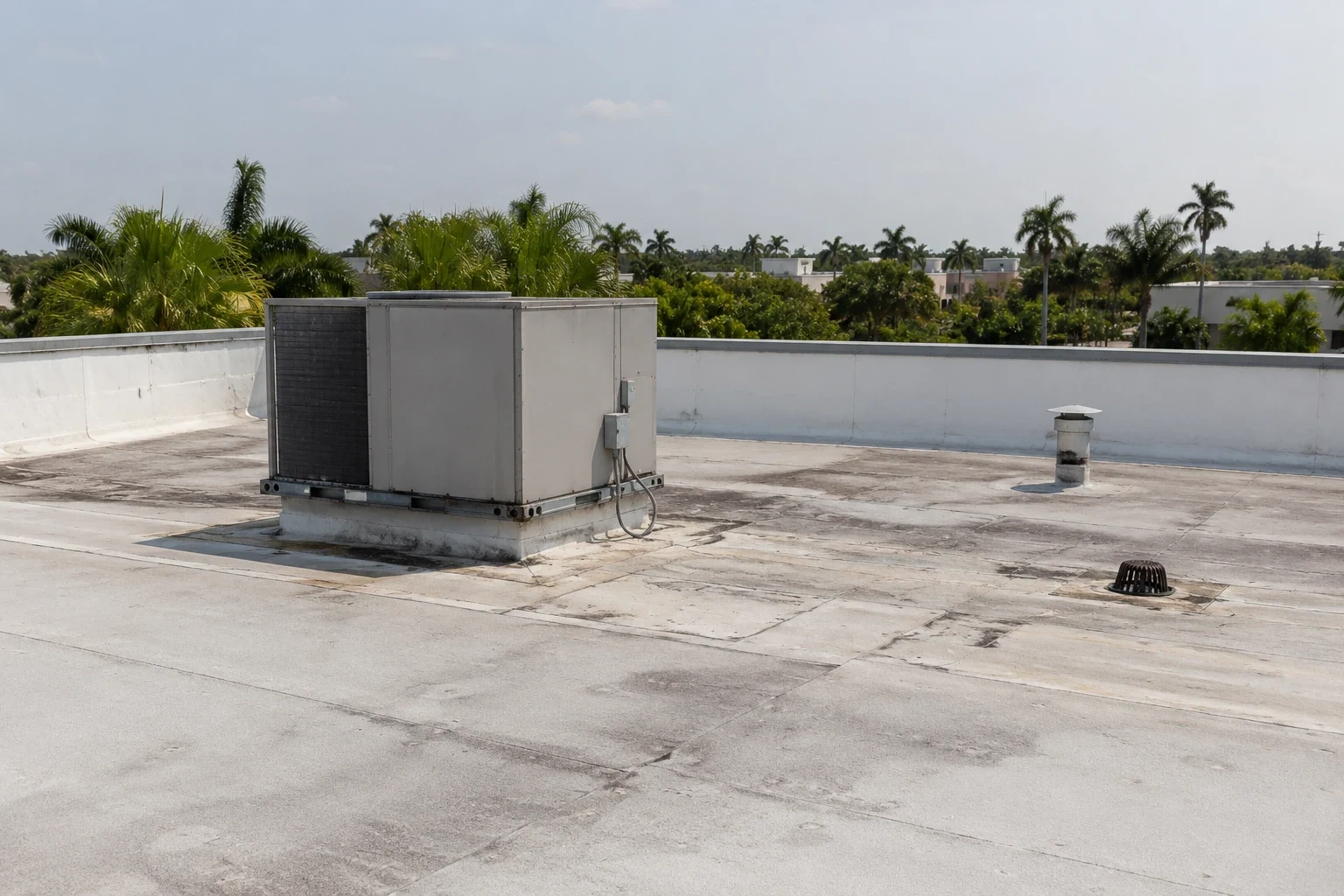
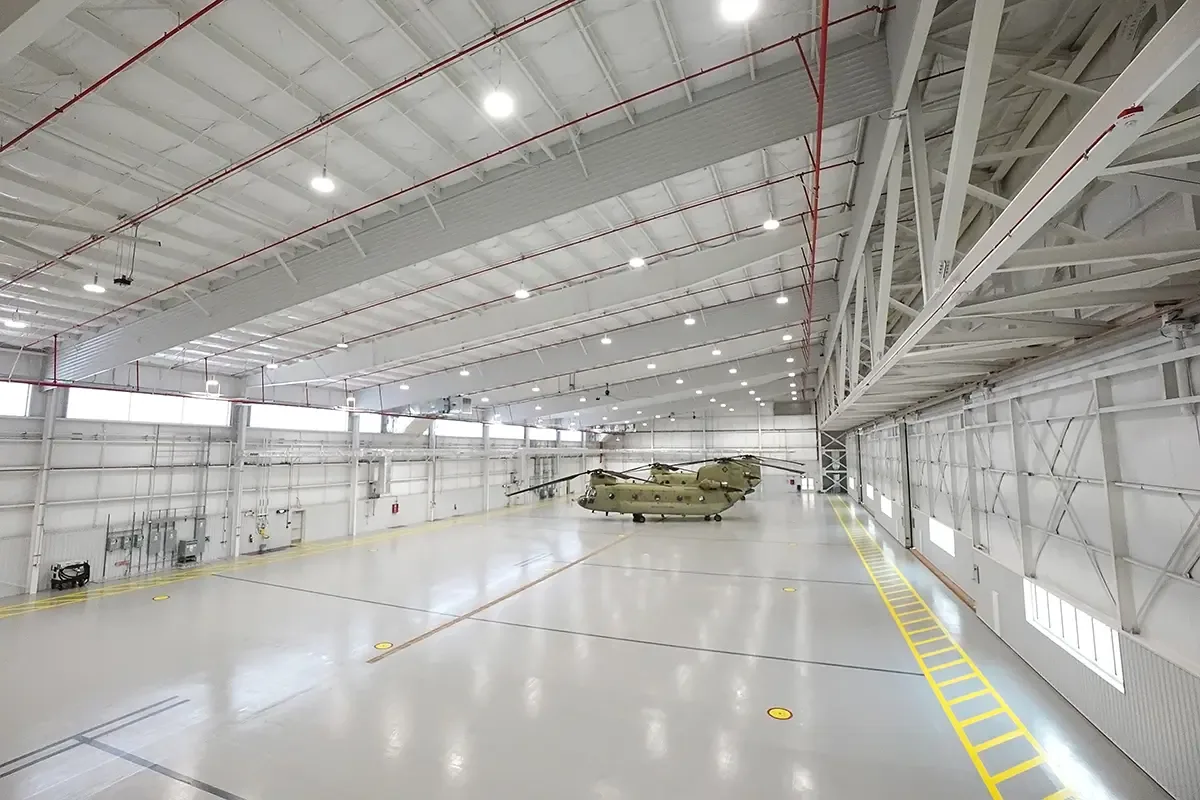
Roof condition starts with the details: membrane laps, edge metal, curb flashing, drains and penetrations. We document the interior symptom and follow it to the roof rather than quoting from a stain alone. For a warehouse or distribution center, we confirm loading windows and the protected route for materials. A medical office or hospital can require a different entrance and notice plan.
Keep operations in the sequence
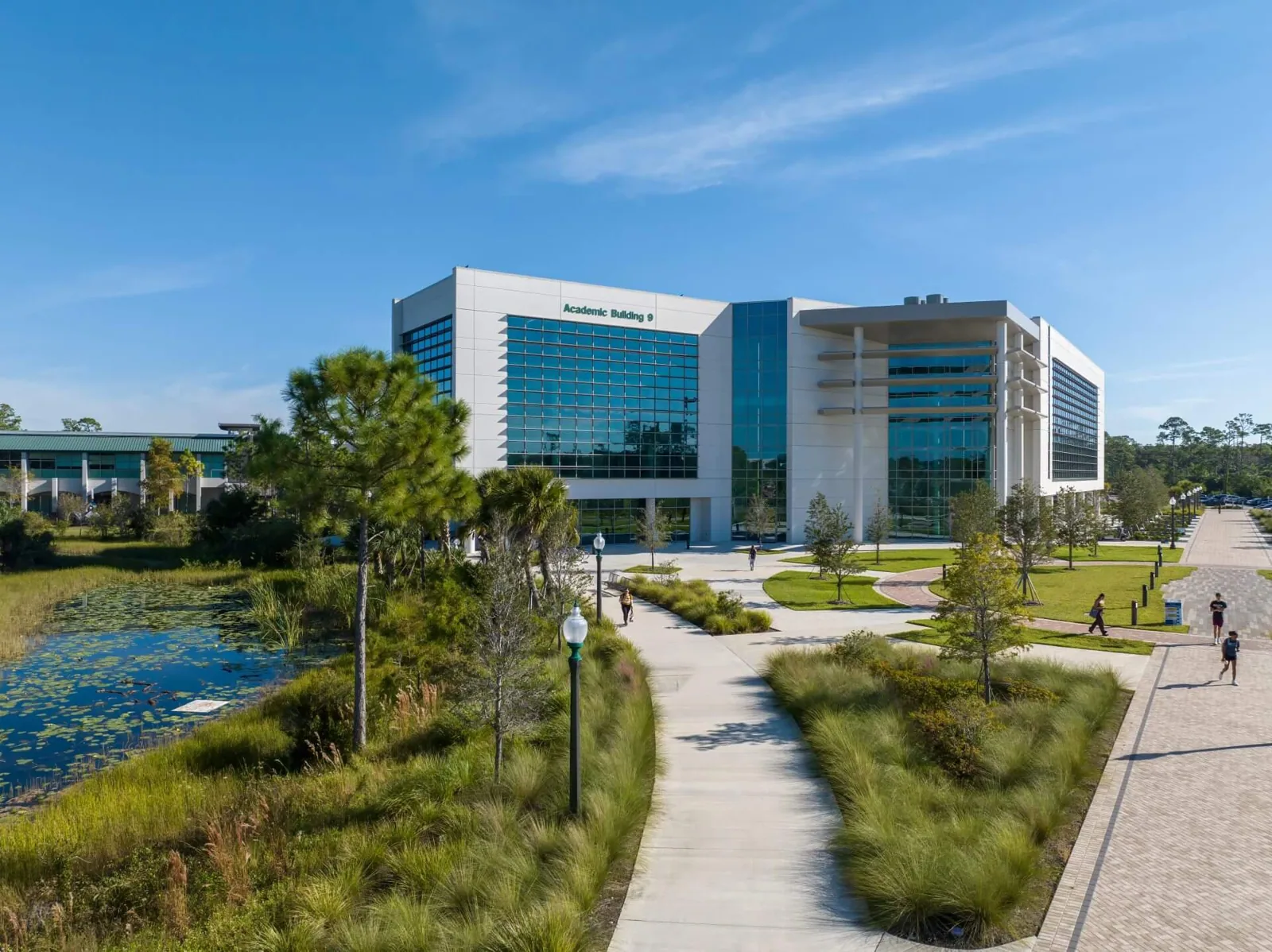
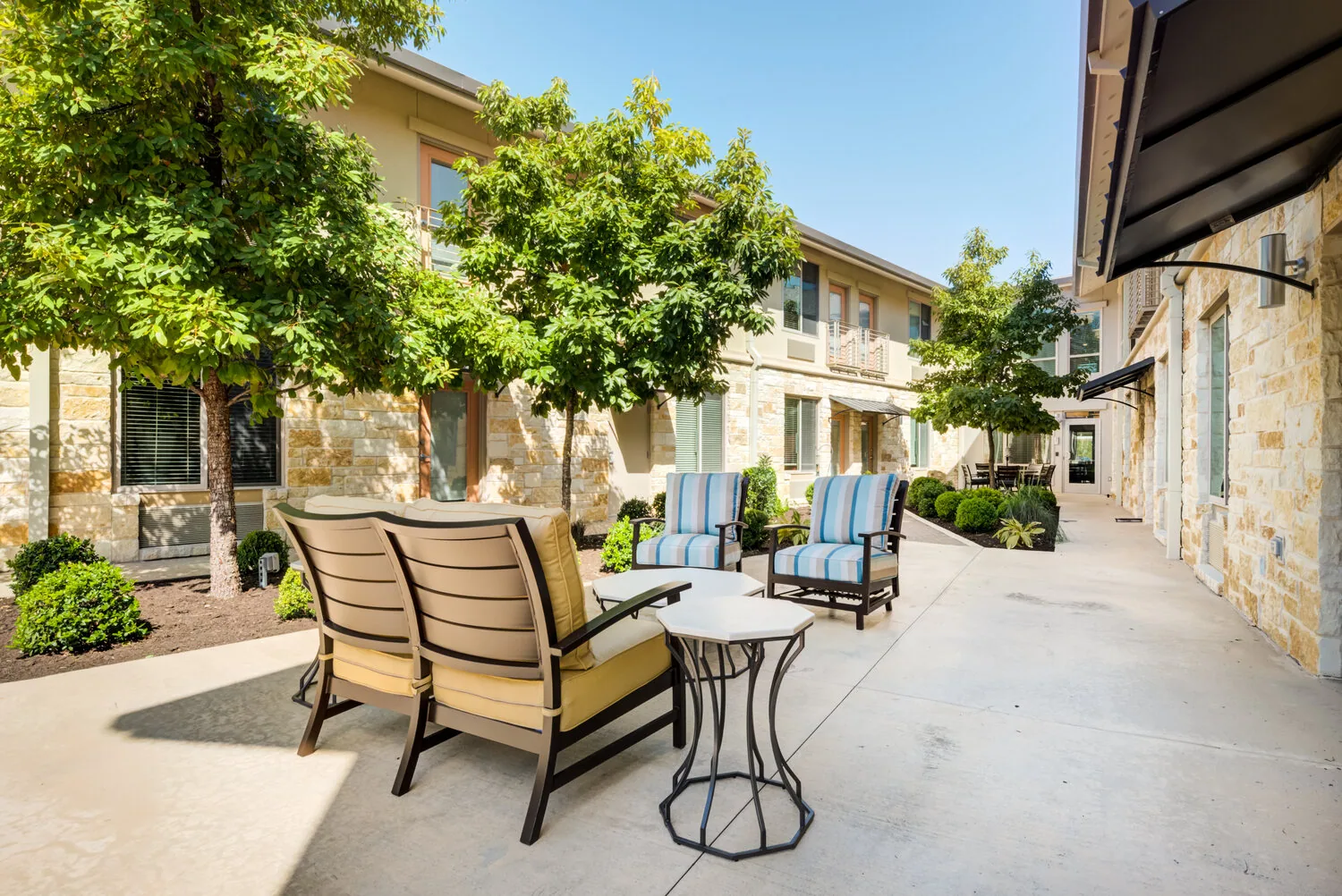
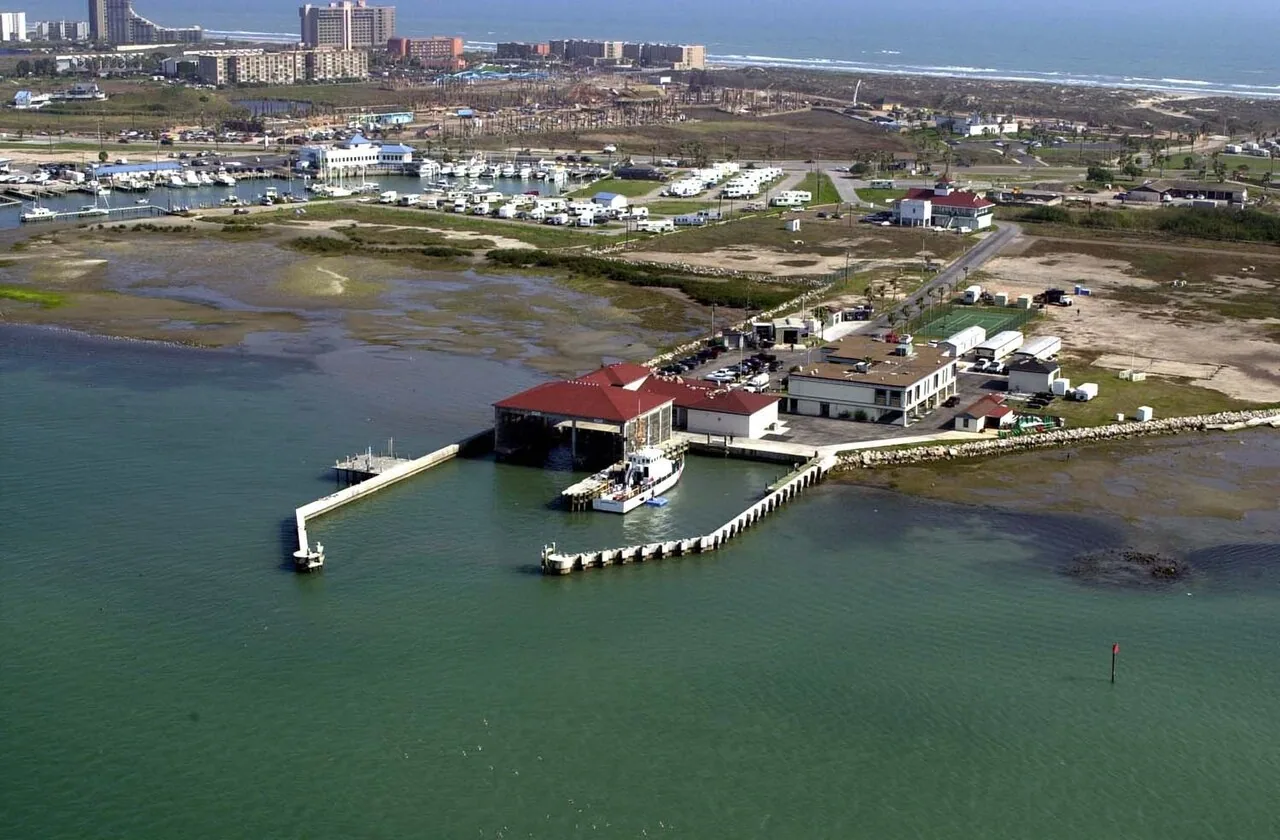
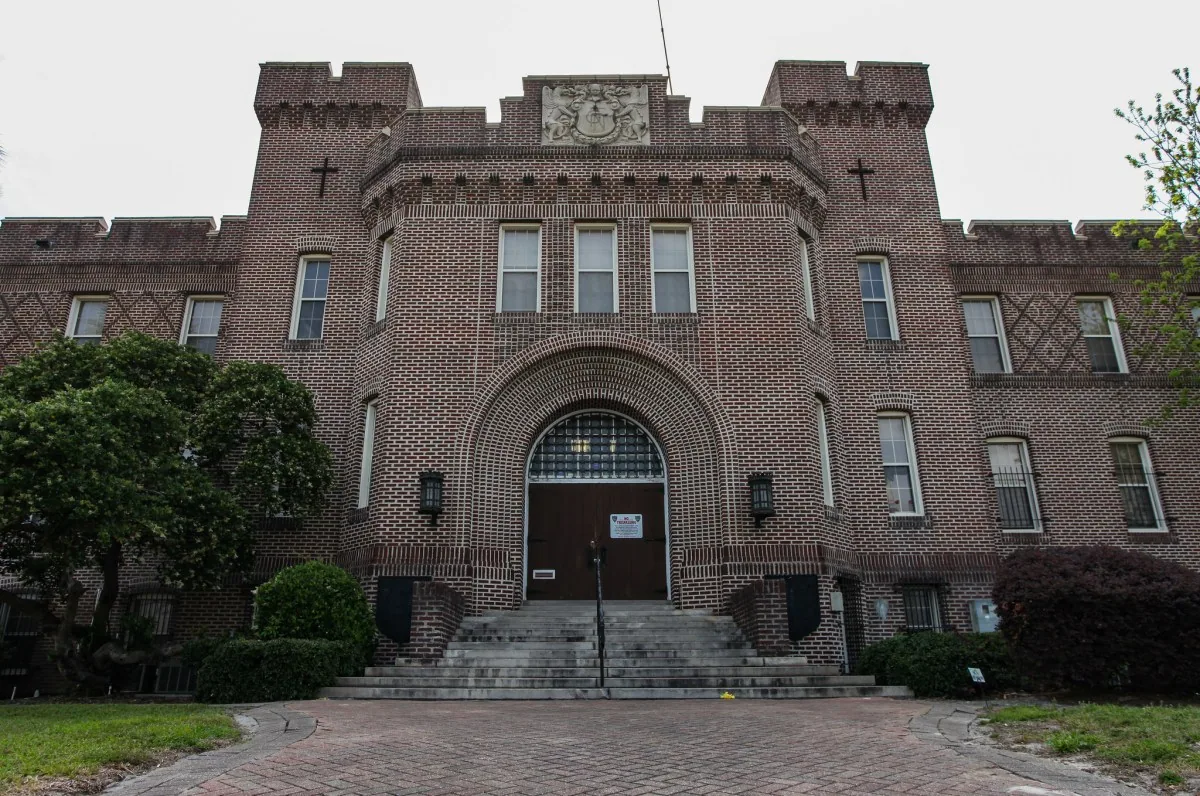
An occupied building may need phased work, daily close-in and communication with tenants. A school schedule, grocery receiving period or hotel service route can shape when crews can move materials. We confirm these limits with the property contact and state them in the proposal. For schools, grocery stores and hotels, the work plan identifies the work zone, access path and expected interruption before staging starts.
Match the repair to the building’s roof
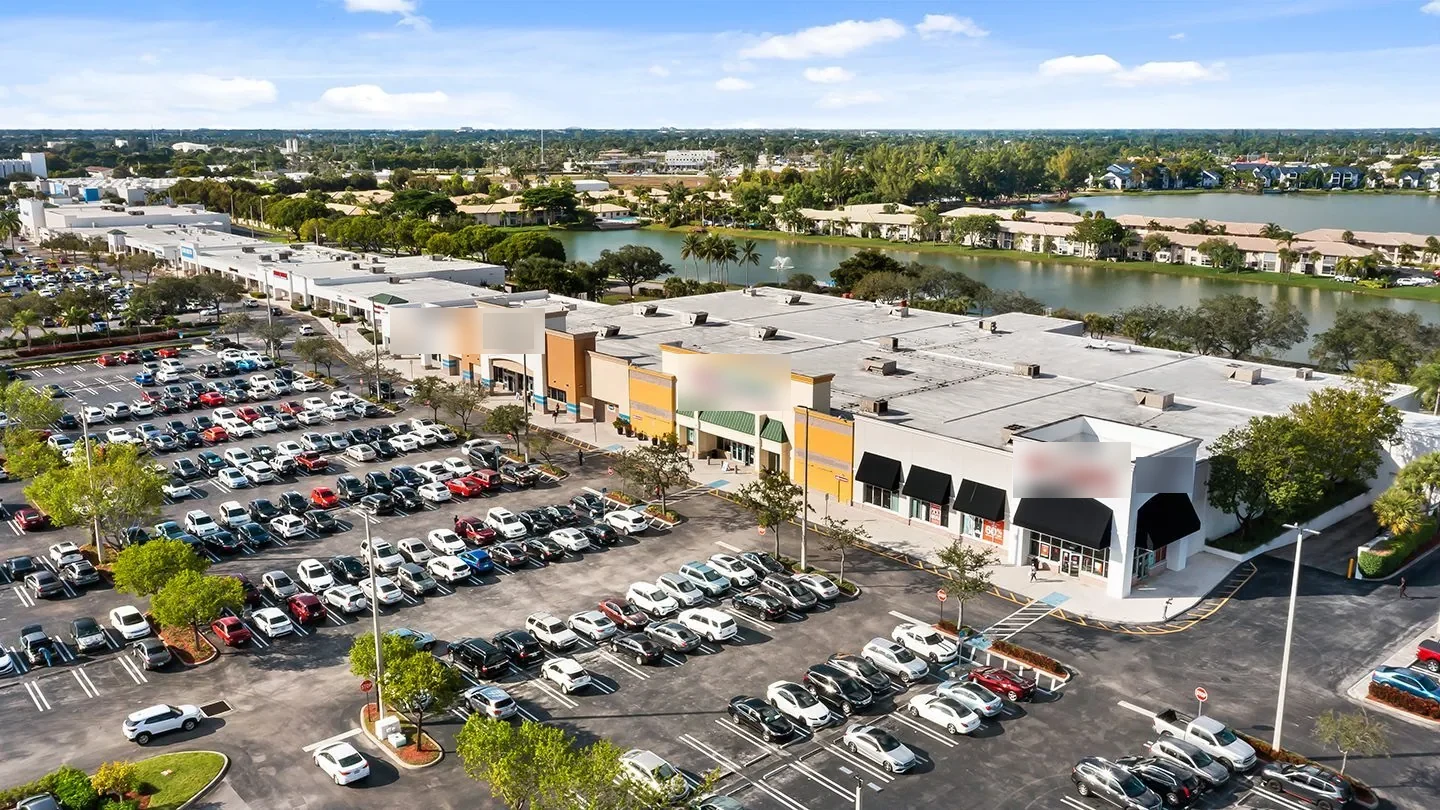
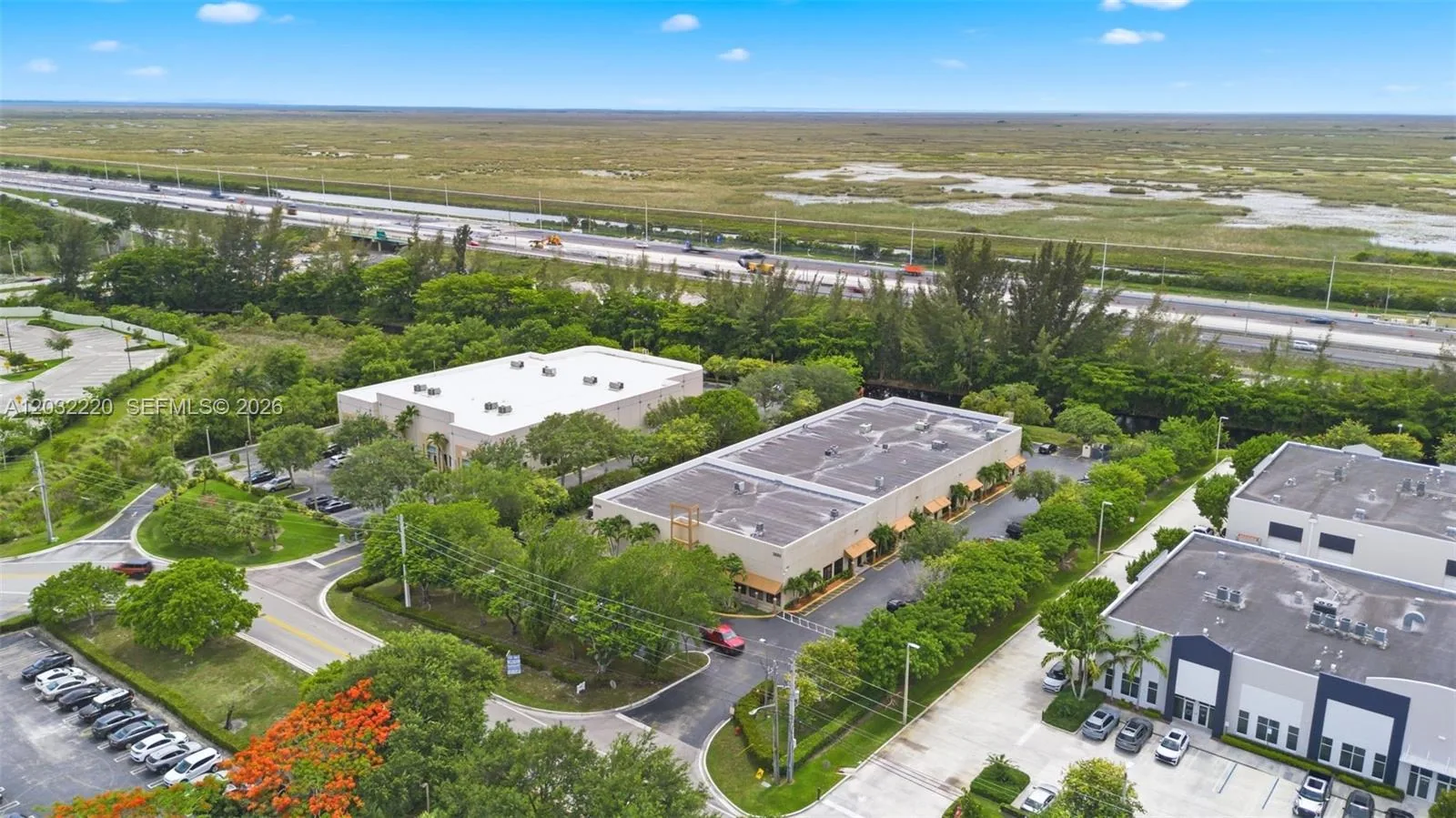
A bounded flashing or seam failure may support repair when adjoining material can take a tie-in. Repeated leaks or moisture extending beyond the first opening can move the decision toward broader work. We check layers, deck, attachment and drainage before considering recover or coating. The office building assessment records roof-specific findings, while shopping center planning also accounts for active tenant entrances and deliveries.
Coral Springs heat, seasonal rain and tropical exposure inform weather protection. For local reroofs, include the eighth-edition Florida code and High Velocity Hurricane Zone review; section 2322.2.8 addresses deck fastening. We confirm permit details for each address before finalizing a system.
Keep records tied to the asset
Closeout photos identify work completed, roof zone and remaining observations. A property manager can use the record to prioritize maintenance without treating one building as a stand-in for another. To plan an assessment at a Coral Springs, Parkland or Sawgrass address, provide the exact location, access route, leak date and operating restrictions. We set close-in limits before opening a section, then leave a field mark where the crew stopped so the next shift can verify protection and continue from a clear boundary.
Commercial Roofing Questions
Can one inspection approach cover different property types?
The inspection checks the same roof details, but access and operations differ. We adapt the route and work plan to the building contact, tenant activity and affected roof zone.
How do property operations affect reroof timing?
Receiving hours, patient access, school calendars and tenant routes can limit staging or work windows. We confirm those facts before setting a sequence or phase boundary.
What changes when roof work crosses occupied and service areas?
The access route, public entrances, deliveries and interior protection set the work boundary. We agree on staging and close-in with the property contact.
Can two buildings share one repair scope?
A shared schedule can group the visits, but each building needs its own inspection, assembly record and repair limit.
Plan around the property in use
Send the property type, address, affected area, access route and operating limits. We will confirm the roof walk and document conditions tied to that building.
Request a Roof Assessment 555-555-5555