Military Hangar and Maintenance Facility Roofing in Coral Springs, FL
|
|
|
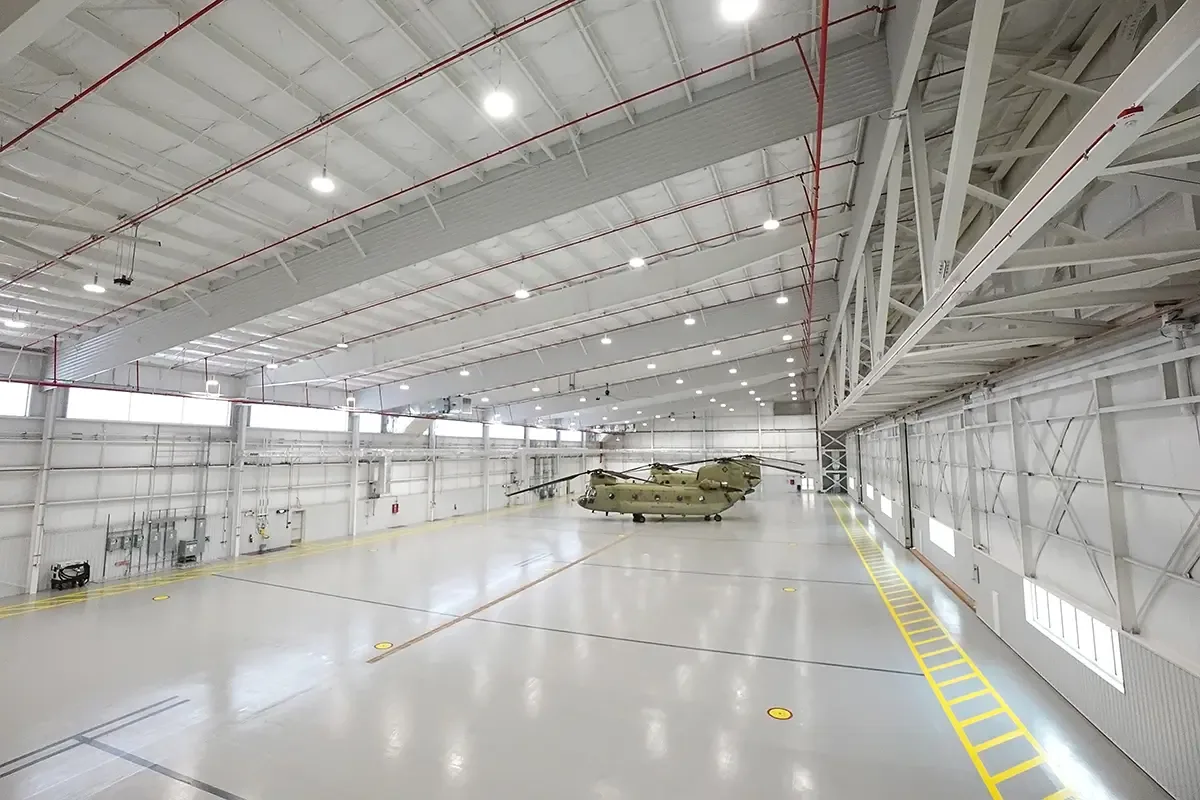
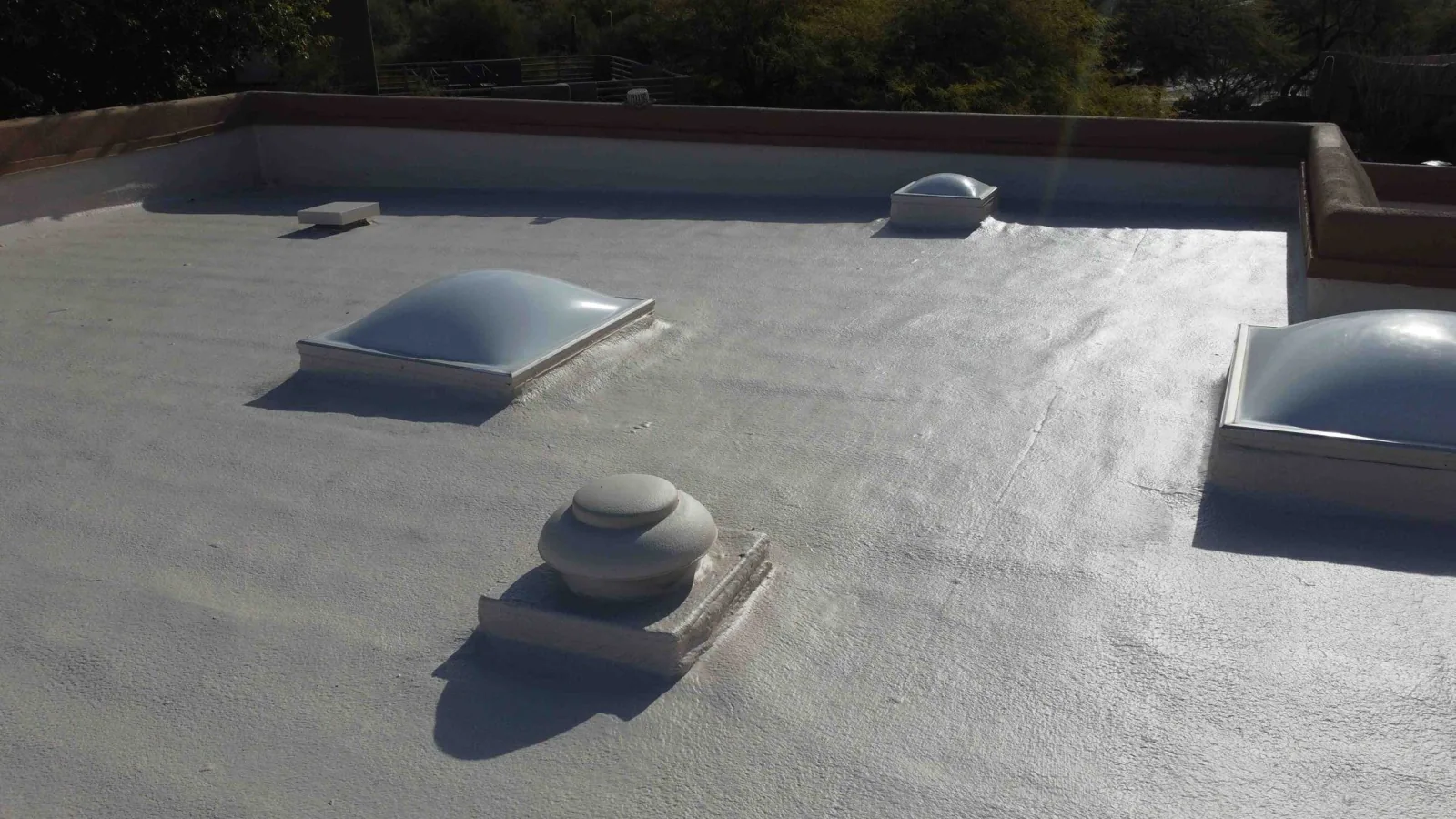
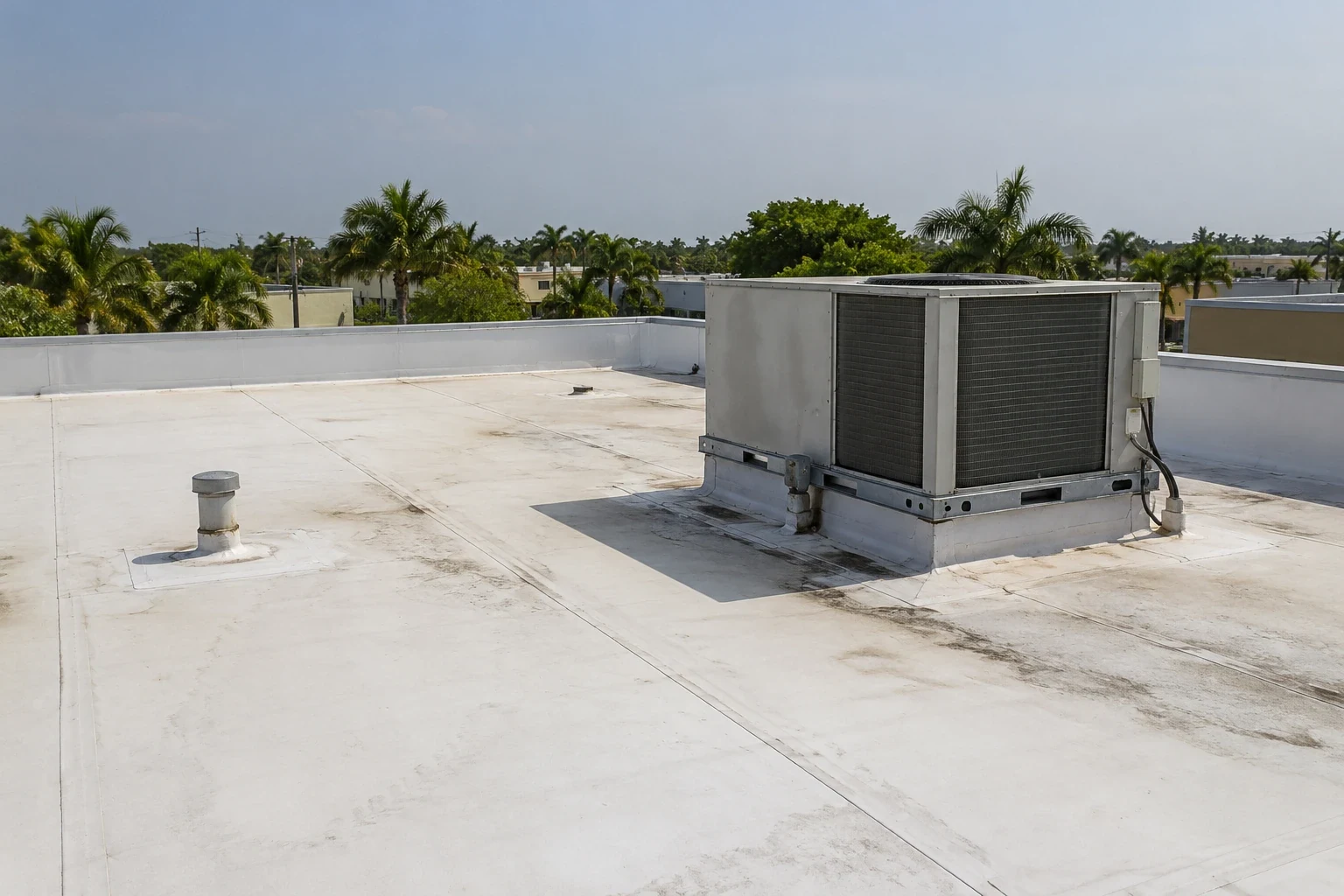
| A roof curb beside a ventilation discharge can leak at its upper corner while the surrounding field still sheds water. We inspect the curb flashing, membrane or panel connection and nearby seams, then mark a repair limit that keeps the aircraft or maintenance zone below protected. Before staging, the facility contact confirms the building number, aircraft or vehicle movement, roof access, escort and approved lift location. The crew works inside those limits and closes each exposed area before shifting bays. Coast Guard Air Station Miami operates MH-65D helicopters and HC-144 aircraft from Opa-locka Airport, south of Coral Springs. The Miramar National Guard Readiness Center has also supported truck-maintenance checks by Guard transportation soldiers. At either facility, the assigned contact approves escorts, movement windows and roofing work limits. Heavy rain and seasonal thunderstorms in South Florida add a second constraint: every work window needs a defined close-in step if weather interrupts access. |
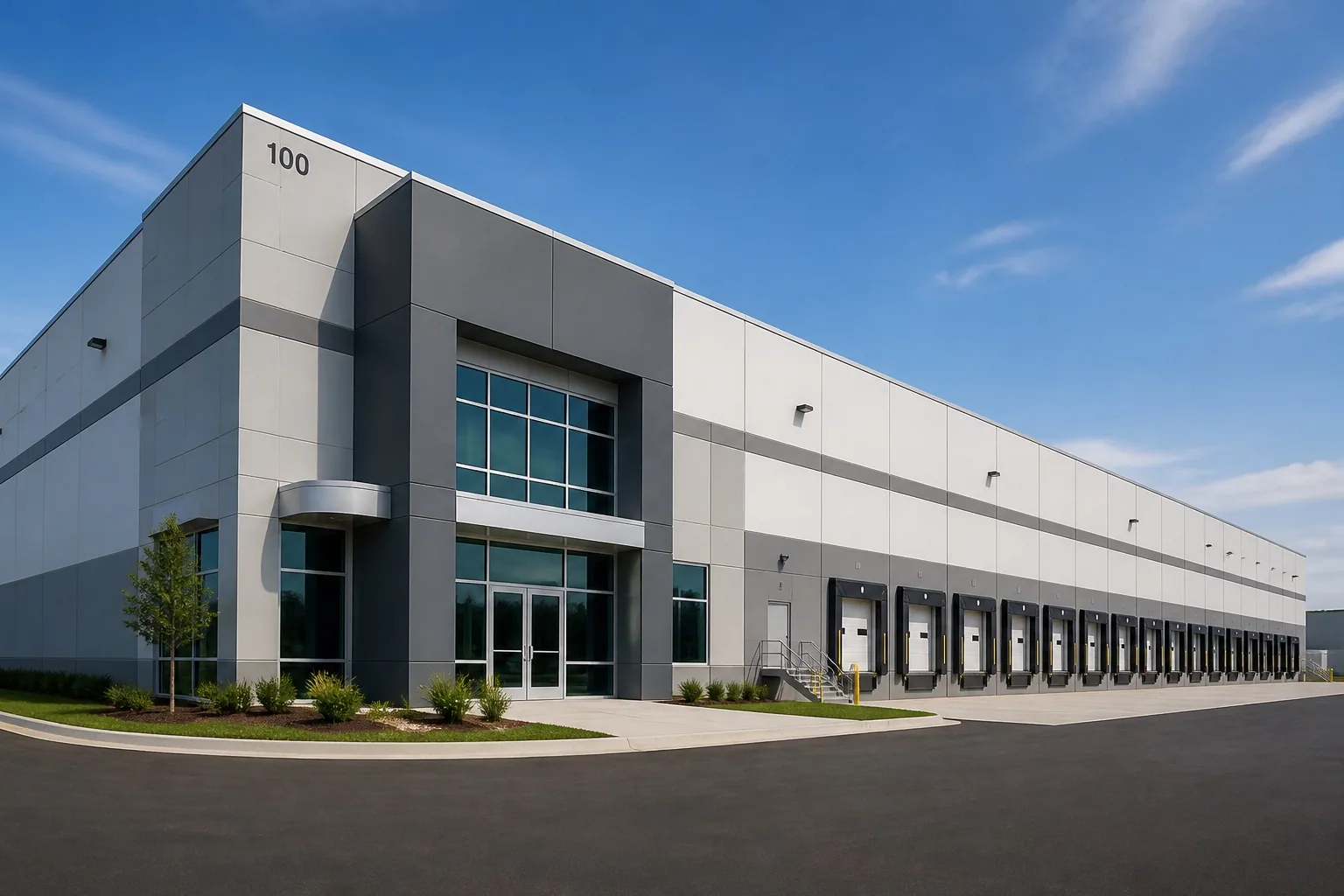
Clear the work area before staging | A hangar roof visit starts with the authorized entry and a clear route from check-in to the work zone. The facility representative identifies badging, escort, equipment limits, apron or service-lane restrictions, roof hatch and delivery point. We confirm which aircraft, maintenance activity or vehicle route must stay available. If a bay cannot be isolated during the requested window, the representative selects another time or a smaller roof zone. The plan records who can approve a change before tools or material are moved. Before work at Opa-locka Airport or the Miramar Readiness Center, we confirm the specific facility contact and authorized work area. Coast Guard station roof service coordinates with the assigned unit, while Guard facility roofing follows the readiness center's route and schedule. Naval facility work has its own building authorization. The roof crew handles roofing access only; the facility representative controls aircraft, vehicles, escorts and any operational restrictions. |
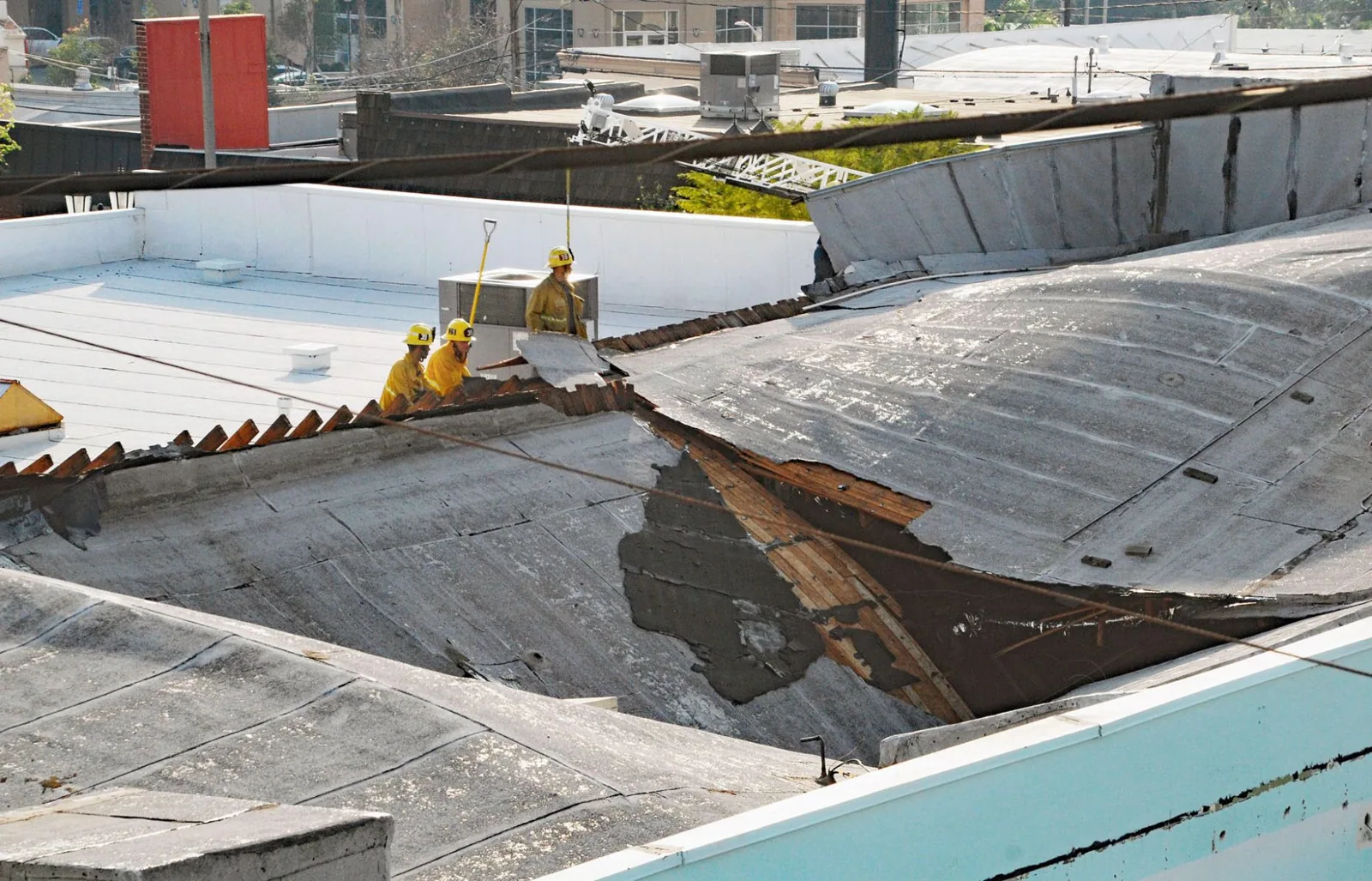
Inspect around doors and equipment | At an aviation roof, we check transitions near large openings, exhausts, lighting, communications equipment and mechanical curbs. A hangar door and its operating hardware belong to a separate system, so the roof inspection follows the weather seal and flashing interface without changing door operation. We look for open seams, loose fasteners, split sealant and water marks, then compare them with the reported leak. If an aircraft or fixed equipment blocks a view, we mark the boundary and request an approved inspection window for that area. Drainage remains part of the same check. We inspect the drain bowl, strainers, scuppers and overflow path where they can be reached. Heavy South Florida rain can expose a blocked outlet, but a wet floor alone does not identify the entry point. A roof inspection records accessible conditions; drain and scupper work follows when the outlet is implicated. If storm debris or displaced flashing is visible, emergency roof response can protect the open area while the permanent scope is evaluated. |
Identify the field system and its tie-ins | Wide-span buildings may use metal panels, a membrane roof or another assembly. We identify the actual system from accessible seams, panel profiles, edges, fasteners and the available plans. At a curb or door transition, the new detail has to connect to compatible material and allow the designed movement. A coating over older material can conceal the original seam or attachment, so we note the visible layers before recommending a test opening. Maintenance activity may put exhausts, conduits or service equipment across a roof. We inspect each penetration and its flashing at the assigned property. TPO membrane work uses seam and flashing preparation suited to that system; metal-panel repairs require attention to clips and panel movement. If plans call for a project-specific federal roofing criterion, we compare the field assembly with the approved details before ordering material. |
Separate the bay repair from larger work | A short opening at a curb, seam or edge may support a localized repair when surrounding material remains secure. If panel attachment has loosened across a broader field, insulation is wet or multiple penetrations have failed, a larger repair or replacement evaluation may be needed. The written scope identifies the building, roof zone, removal boundary, materials, temporary protection and inspection limits. A test cut is approved before opening a concealed assembly, and added work waits for direction. For this Coral Springs reroof, the approved project should reflect the 2023 eighth-edition Florida code and High Velocity Hurricane Zone requirements. Application item 2322.2.8 addresses deck re-nailing; we place that step in the authorized bay sequence. A targeted roof repair suits a supported, bounded defect. Broader conditions may justify replacement planning after the assembly and extent are documented. That comparison includes access, removal and operational phasing as well as the materials required. |
Phase work by roof zone | We agree on a bay-by-bay sequence with the facility contact before material is lifted. Each phase lists the roof area, staging boundary, crew route and close-in checkpoint. The crew opens only as much as can be secured before its shift or approved access window ends. If aircraft movement or maintenance work changes the available space, we stop at the agreed boundary and secure the roof rather than move into an unapproved zone. South Florida's rainy season can bring heavy downpours and damaging winds, so temporary tie-ins and daily close-in condition are part of planning, not end-of-day improvisation. Phased reroofing can coordinate an active property by defined sections. Coral Springs Commerce Park's industrial and research mix is a local example of varied operating activity near the Sawgrass Expressway; the facility contact still sets the actual hangar or maintenance building schedule. The work log shows which zone is complete and what remains protected. |
Record each completed roof zone | The closeout identifies repaired seams, curbs, door interfaces, drains and edge details within the approved scope. Photos show the finished tie-in where authorized access permits. We note materials removed, visible substrate conditions, limits caused by equipment or restricted access and any temporary protection left in place. The facility contact receives the record for the exact building and work zone, along with a list of items that need a separate decision. Opa-locka Airport and the Miramar Readiness Center mark distinct aviation and Guard contexts in the Coral Springs region. Coral Springs Commerce Park provides a nearby industrial corridor reference for access planning; the assigned facility's address and contact determine the work limits. We review the completed area with that representative and confirm a new access window before returning to any zone that could not be inspected during the first visit. |
Commercial Roofing Questions | What must be cleared before work starts over a hangar?The facility representative confirms aircraft or vehicle movement, apron limits, escort, roof access, lift placement, delivery path and the person who can authorize a change. Can the hangar door operate while flashing is repaired?The door operator sets any movement restriction. We coordinate the roof-to-door detail and keep roofing activity clear of the door's operating hardware. How do you inspect a leak near aircraft equipment?We compare the reported location with nearby curbs, seams, penetrations and drains. Any obstructed or restricted view is marked for a separate approved inspection window. Which nearby military aviation facility informs this work?Coast Guard Air Station Miami operates from Opa-locka Airport. That is a regional aviation reference; a specific building assignment and roof access still come from its facility contact. What if bad weather interrupts the repair?The crew secures the exposed boundary at the planned close-in point, records the completed zone and confirms the next approved work window with the site representative. |
Schedule a hangar roof assessment | Send the facility address, building number, roof plans, reported leak or storm date, approved access route and movement limits. We can define a bay-level inspection and close-in plan with the site contact. Request a Roof Assessment 555-555-5555 |
|
|
REQUEST AN ASSESSMENT
 |