Commercial TPO Roofing in Coral Springs, FL
|
|
|
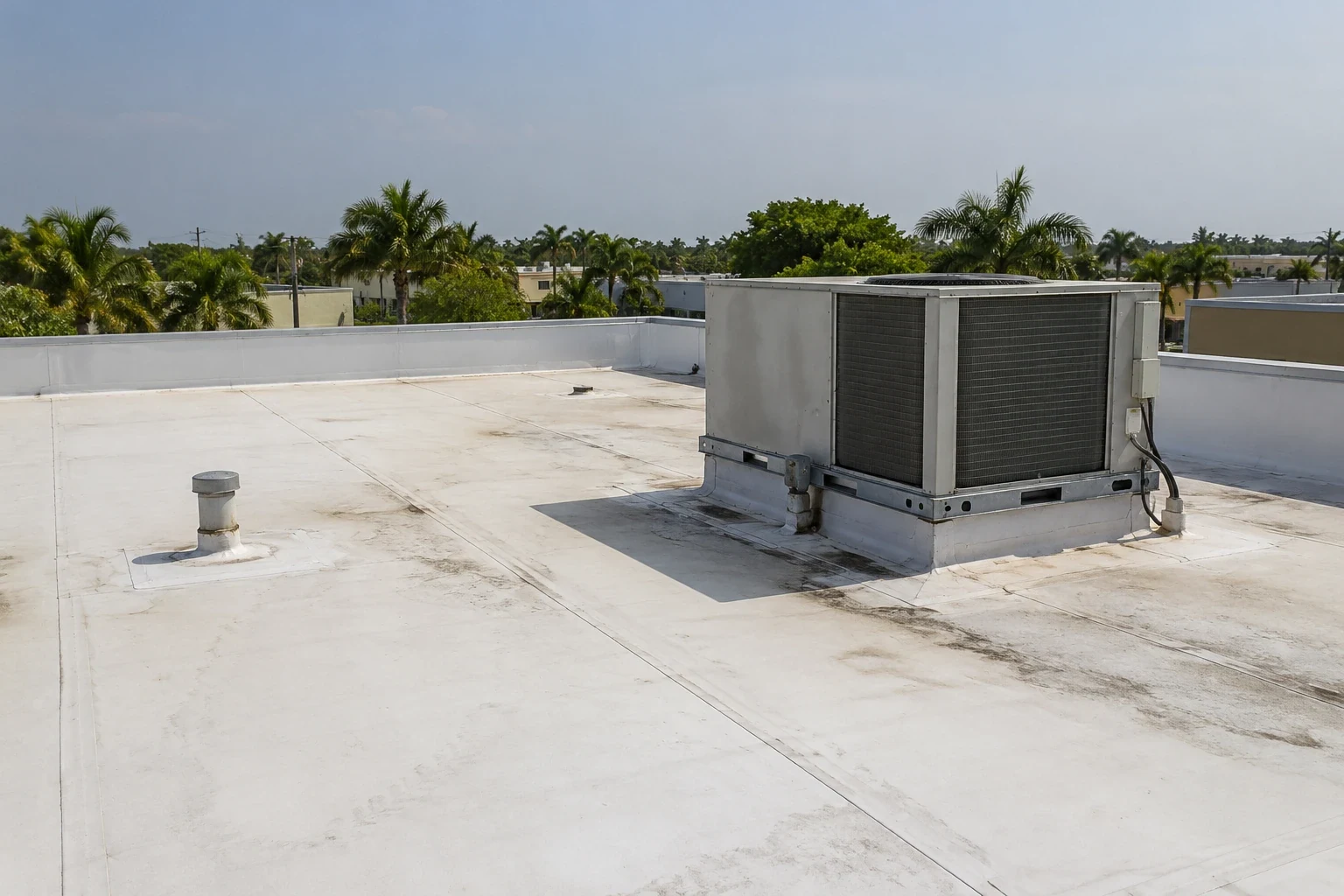
| A TPO seam that peels at a curb corner needs more than a bead of sealant across the visible edge. We inspect the lap, adjacent membrane, curb flashing and attachment pattern, then identify the repair limit before heat-welding a compatible detail. The seam must be clean, dry and properly prepared for the selected system. We record the repaired area while it is visible and check the tie-in before moving to another roof zone. South Florida has intense summer heat, a long wet season and tropical-system exposure. Those conditions affect when a roof can be opened and how temporary protection is handled. Near the Sample Road commercial corridor, membrane rolls may require a planned lift to the roof. The building contact confirms the unloading point and hatch route, and we keep drains and service paths open while material is staged. |
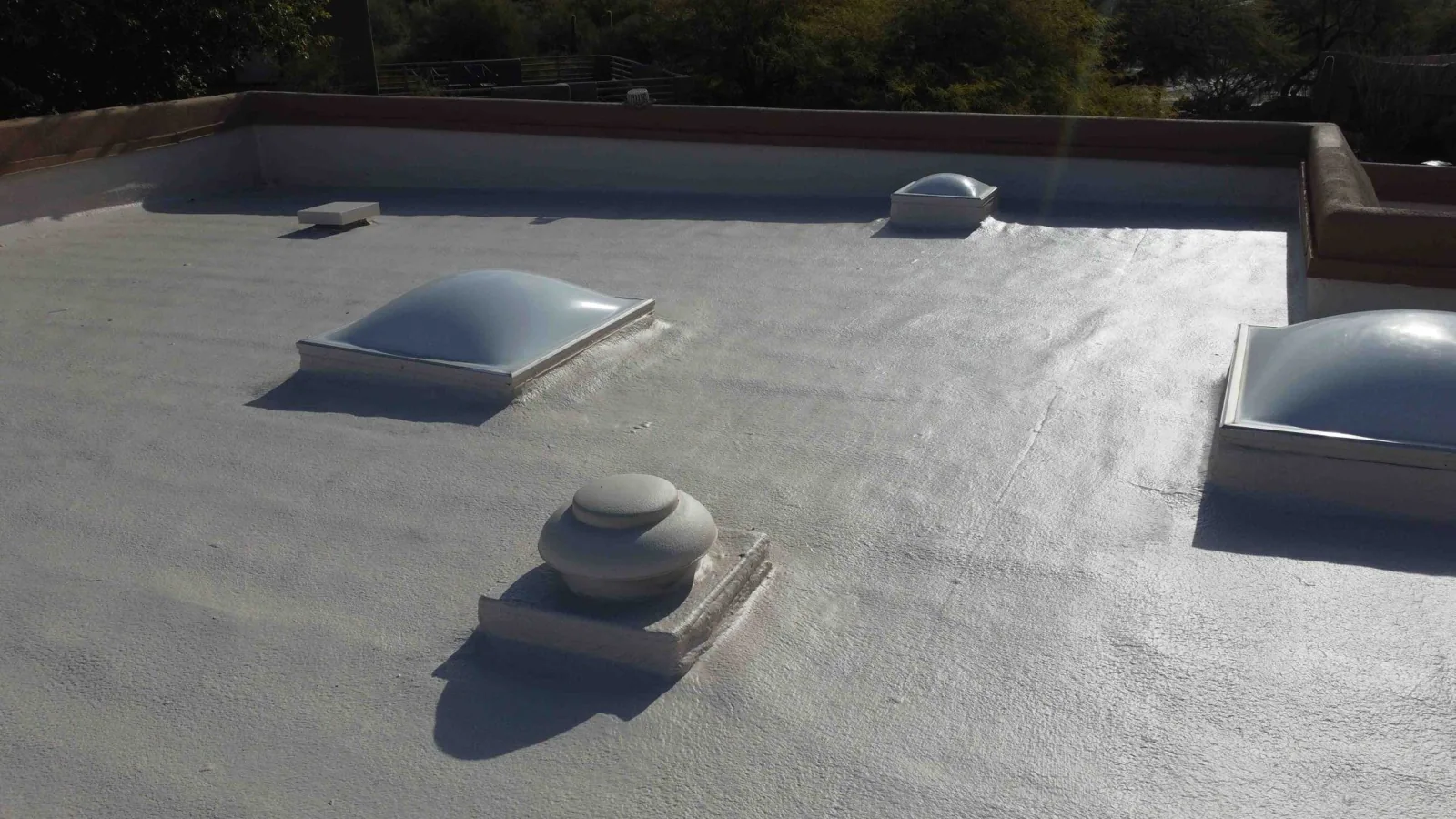
Review the TPO assembly | TPO is a single-ply thermoplastic membrane system. The specified assembly may use mechanical attachment, induction welding or another approved method, with insulation and cover board beneath the sheet. We review available plans and accessible roof conditions to identify the system and attachment before proposing repair or replacement. A surface walk cannot show every concealed layer, so we note where a test cut or record review is needed. At perimeters, corners, curbs and drains, the system’s details matter as much as the open field. We inspect termination bars, flashing laps, fastener patterns and transitions to other materials. A commercial roof inspection can document accessible TPO conditions. A comparison with PVC roofing or EPDM roofing should account for the distinct seam and flashing methods of each assembly. If the roof is being considered for a recover, the existing assembly review should address moisture, attachment and code conditions before new layers are added. |
Test and repair seam laps | Field seams are commonly joined with hot air, and a repair starts with locating the separation and checking adjacent welds. We clean the working area, remove material that cannot remain and prepare the lap for a compatible patch or detail. A probe check may identify a weak edge, but the repair boundary depends on the observed membrane and substrate. We extend work only as needed to reach sound material and record what was opened. Heat, contamination, moisture or poor preparation can affect a weld. We inspect the seam after repair and verify the lap connection using the system’s specified procedure. A puncture near a seam may need a different repair geometry than a long open weld. For isolated defects, commercial roof repair can define the field work; recurring seams across roof zones may call for a broader TPO condition review. A weld check should follow the repair into material that can still accept heat and pressure. We mark loose laps, fishmouths and prior patches, then prepare a test area where the roof assembly allows it. The tool setting alone does not establish a sound seam; surface cleanliness, membrane condition and operator technique also matter. If contamination or aged sheet prevents a reliable tie-in, we record the limitation and compare a larger repair boundary before covering the detail. |
Check attachment at roof edges | Wind uplift puts added demand on the roof perimeter and corners, where fastening and membrane terminations must match the approved assembly. Coral Springs is within Florida’s High-Velocity Hurricane Zone. Project documents, deck conditions and the specified system govern the actual attachment schedule. We inspect visible edge metal, securement and membrane terminations, then compare them with plans before describing a correction. In Coral Springs, the reroof instructions cite section 2322.2.8 for sheathing re-nailing. We compare the exposed deck with the selected TPO assembly and approved drawings before finalizing its attachment detail. Edge metal and coping repair addresses the perimeter interface. |
Tie seams into drains and curbs | At a TPO drain, the membrane transitions to a bowl or clamping assembly that must remain secure and clear. We inspect the drain detail, sump, flashing and overflow path as part of the roof zone. At a curb, we check corners, height, metal transitions and the termination into the field. A seam repair near either detail should restore continuity without blocking drainage or covering a defective connection. South Florida’s wet season brings heavy rainfall, so water needs an open route to the roof outlets. The climate does not establish ponding on a specific property. If a drain or scupper needs attention, roof drainage service can coordinate the outlet detail. For rooftop equipment access, curb and support work can be planned with the mechanical trade before the membrane is closed around the base. |
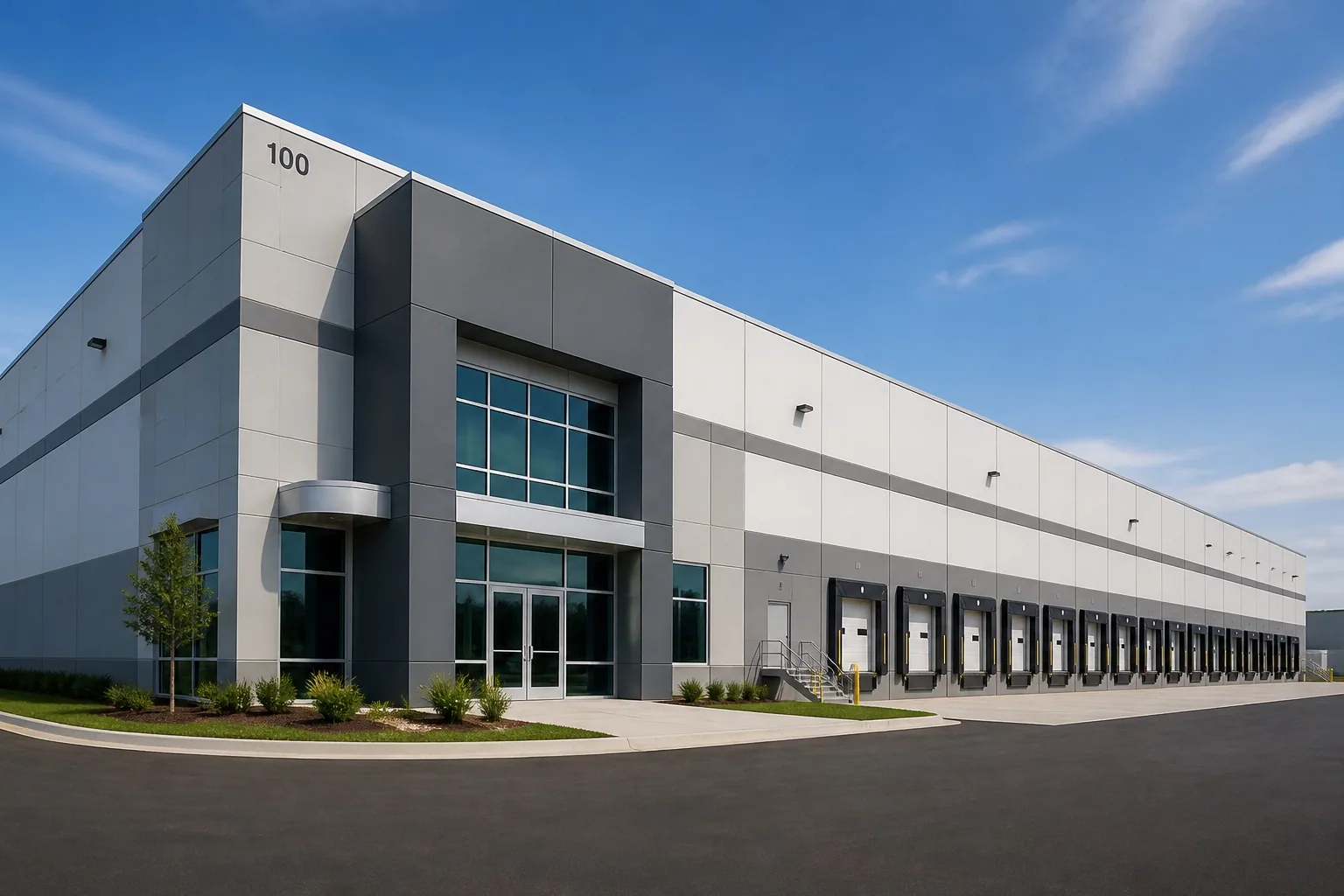
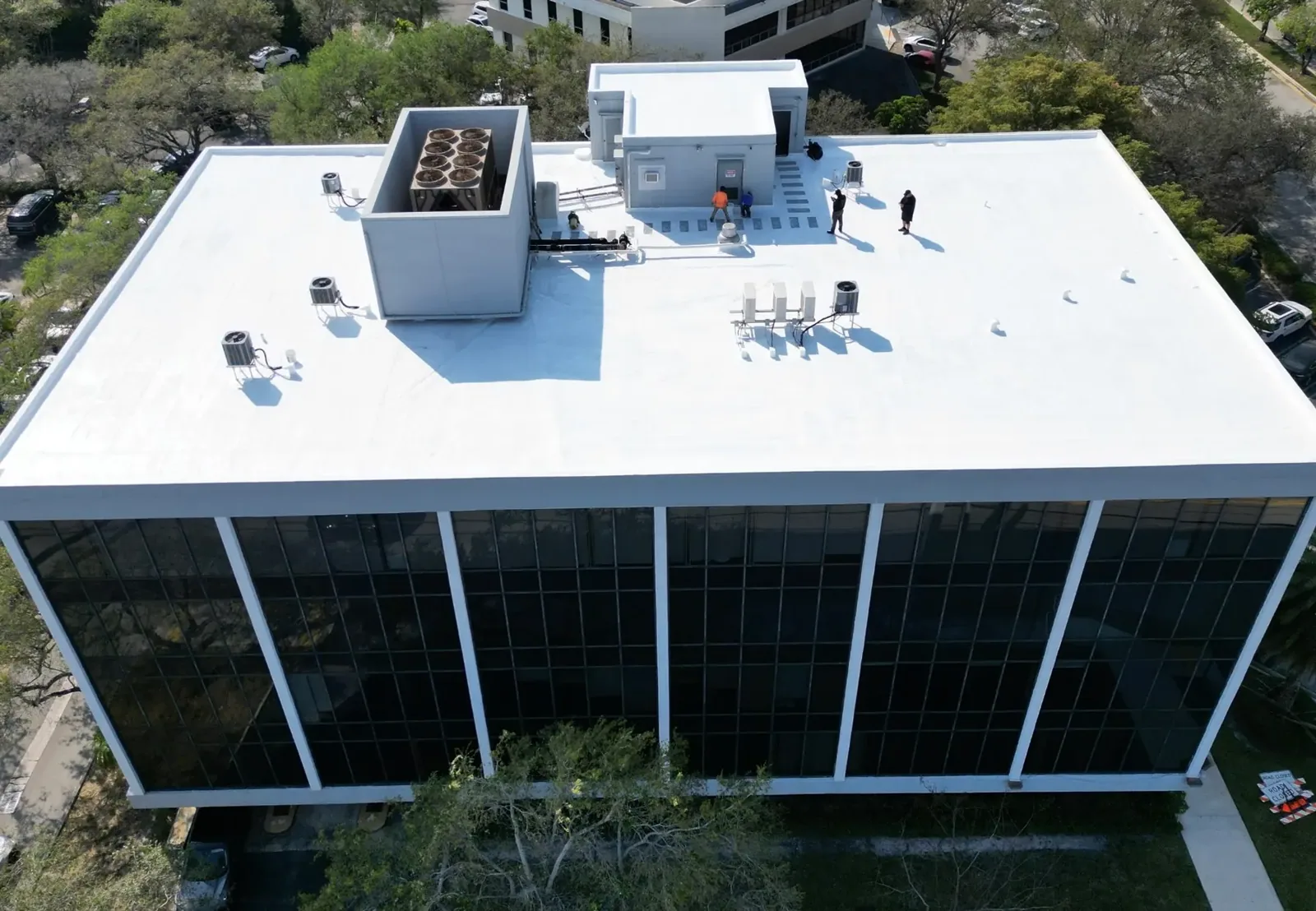
Sequence material and weather | Installation requires a suitable receiving surface, correct sheet layout, specified attachment and welded seams. We confirm the work area, material route and roof access before delivery. Heat can affect crew exposure, while rain or moisture can interrupt seam preparation and welding. The sequence identifies which roof zone will be opened, how its edges will be tied in and what protection is needed before the crew moves elsewhere. Coral Springs Commerce Park includes light-industrial, logistics and warehouse/distribution uses. At each property, the site contact confirms gate access, unloading and lift arrangements. At an occupied property, occupied-building reroof coordination can identify active entrances and roof areas. The work plan carries those instructions into delivery and close-in. |
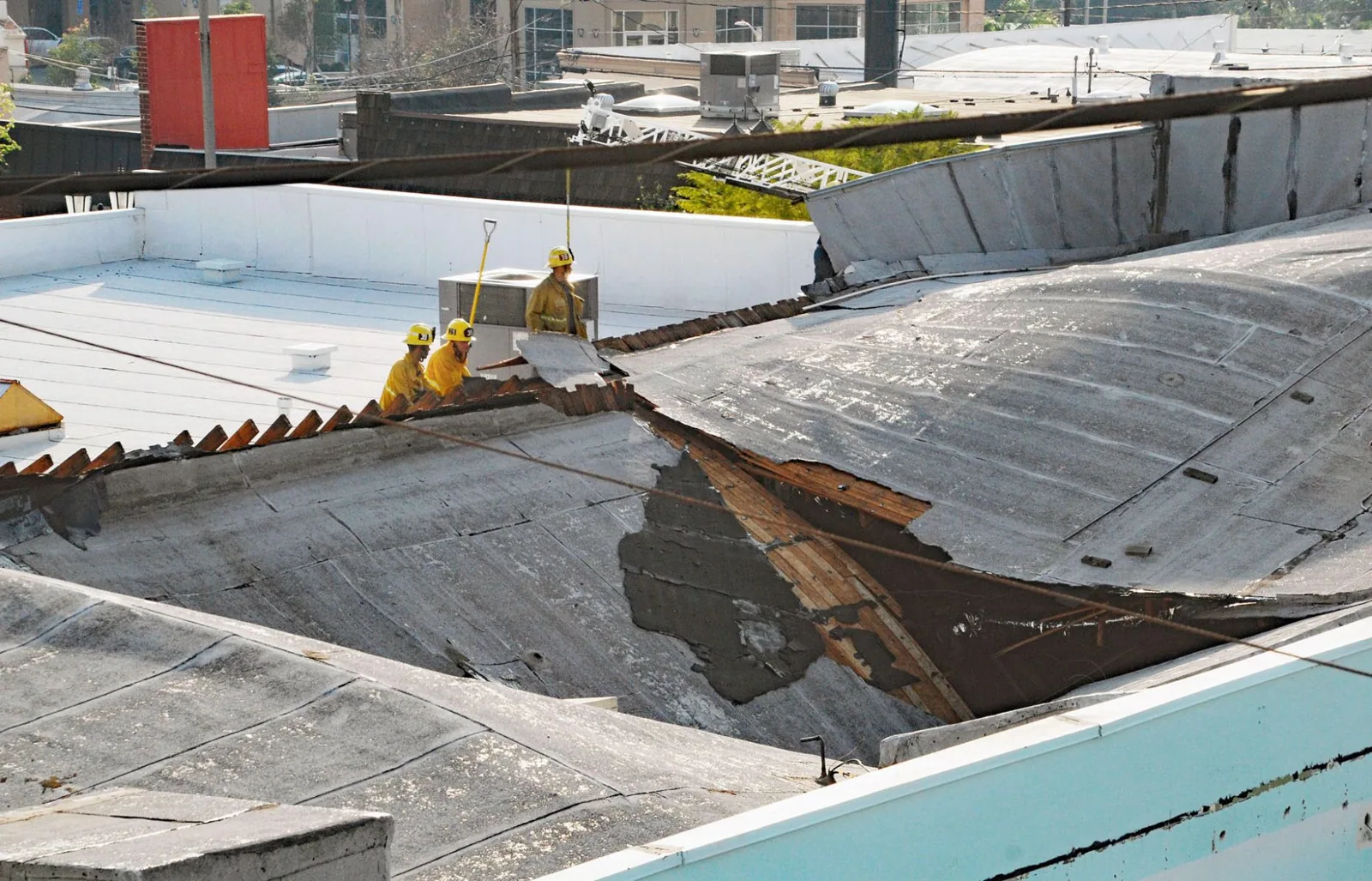
Inspect the completed membrane | Before close-in, we check seam welds, flashing corners, perimeter terminations, penetrations and drains against the specified assembly. We document the roof zones completed and note any condition that changed after removal. If the inspected area reveals wet insulation, a damaged deck or incompatible prior work, we record it and obtain direction before concealing it. The report identifies its coverage and any area that could not be reached. For ongoing observations, preventive roof maintenance can revisit accessible TPO details. A roof condition report can preserve field marks and photographs. Near Downtown Coral Springs, we verify the roof assembly and property access before making recommendations. We review the completed scope with the authorized contact. We also note any field area where access or standing water prevented a complete check, so the owner can plan a return visit after conditions change. For a later walk, compare the same seam intersection, curb and drain with these photographs instead of assuming that a dry interior means the repair remained unchanged. |
Commercial Roofing Questions | How do you repair an open TPO seam?We inspect the weld and adjacent sheet, clean and prepare the receiving surface, then install a compatible repair detail. The completed lap is checked before the area is closed. Can you install new TPO over an existing roof?A recover needs review of existing layers, moisture, attachment, substrate and code conditions. We inspect the accessible assembly and identify any test cuts or repairs needed before recommending retention. What affects a TPO installation schedule?Roof access, material lifting, surface condition and weather all affect the sequence. Rain or moisture can interrupt preparation and welding, so we plan roof zones and close-in steps accordingly. Does the roof edge use the same attachment as the field?Perimeter and corner details can differ from the open field. The approved assembly and project documents govern the required attachment, and we check the visible edge conditions against them. What should I provide for a TPO inspection?Send the address, available roof drawings, leak location and timing, and the contact who can arrange roof entry. Note any rooms, equipment zones or loading areas that must stay clear during the inspection. |
Review the TPO roof | Provide the property address, roof records, access route, active leak or storm date and operating limits. We can inspect seams, edges and transitions, define repair or installation work and record the close-in checks. Request a Roof Assessment 555-555-5555 |
|
|
REQUEST AN ASSESSMENT
 |