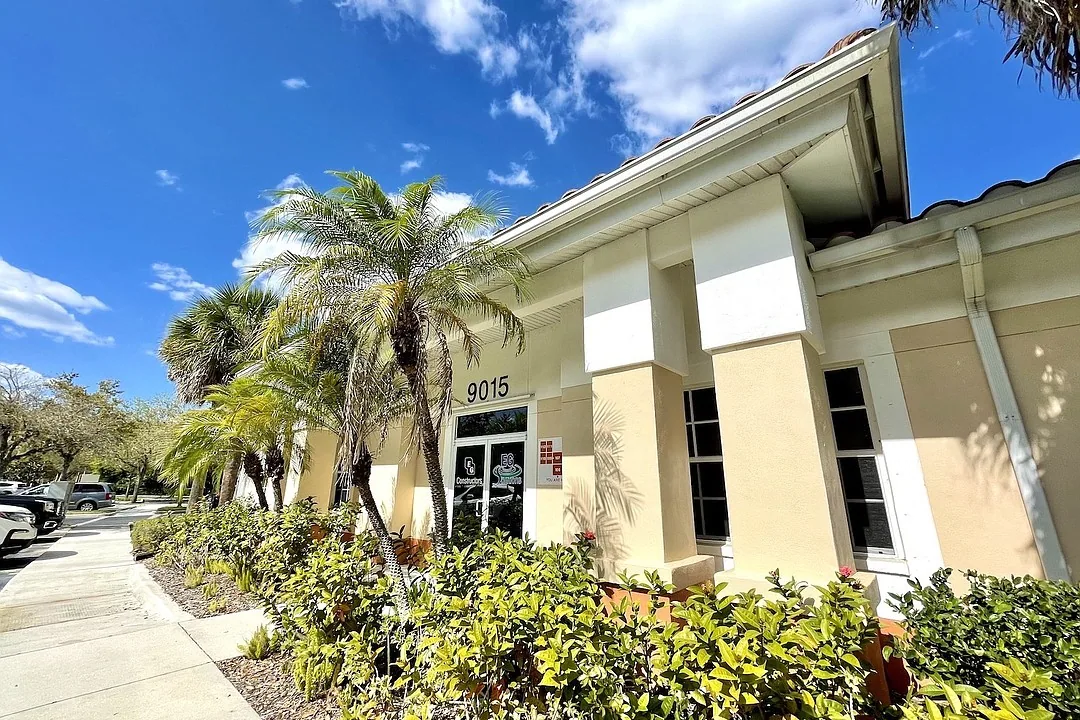
Commercial Roof Condition Reports in Coral Springs, FL
|
|
|
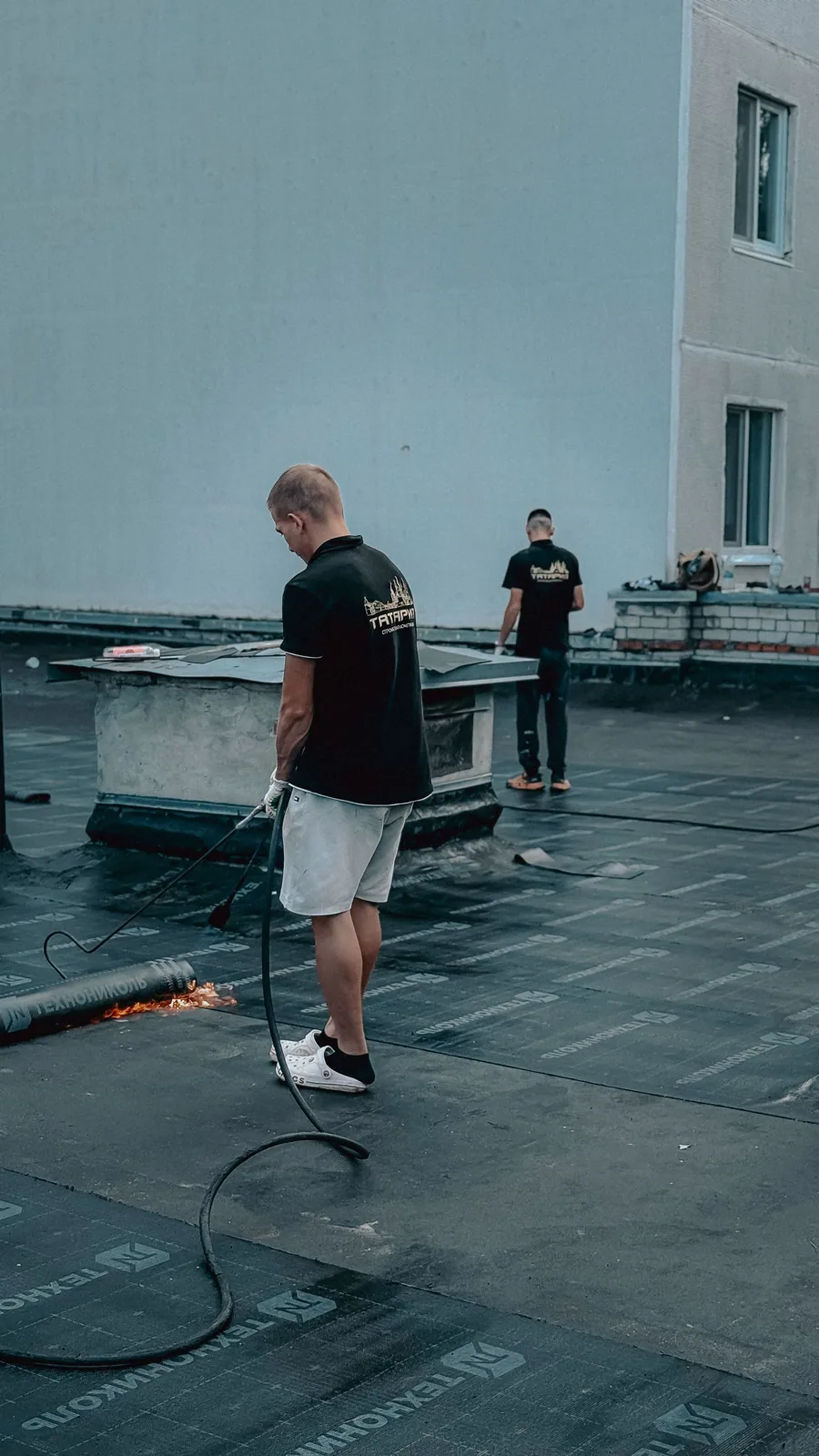
| A useful roof report lets the next person find the same seam, drain or curb that prompted the repair decision. We record observations by roof zone, photograph the relevant details and state which areas were accessible. The report separates visible conditions from owner history and lists what needs testing or opening before a repair scope can be finalized. South Florida’s heavy wet-season rain, chronic heat and tropical-system exposure make dated comparisons useful when a property team reviews roof conditions across weather periods. We identify the actual property, roof access route, reported concern and date of inspection. That matters for an industrial building in Coral Springs Commerce Park as much as for a commercial property in the Downtown Coral Springs redevelopment area. |
Set the inspection question first | Before walking the roof, we confirm why the owner needs a report. The request may concern an active leak, a repair review, annual condition tracking, a budget decision or a specific transaction. That purpose shapes which zones and details need closer attention. We ask for roof plans, prior reports, work orders, leak logs and any areas where the site team has already seen a change. The building contact confirms the ladder or hatch, escort, restricted equipment, roof zones that cannot be entered and areas below that need notice. At the Coral Springs Aquatic Complex or Commerce Park, the facility contact confirms the approved entrance, roof route and work period before inspection. A commercial roof inspection establishes the field observations; roof asset management can keep recurring reports connected to the same building record. |
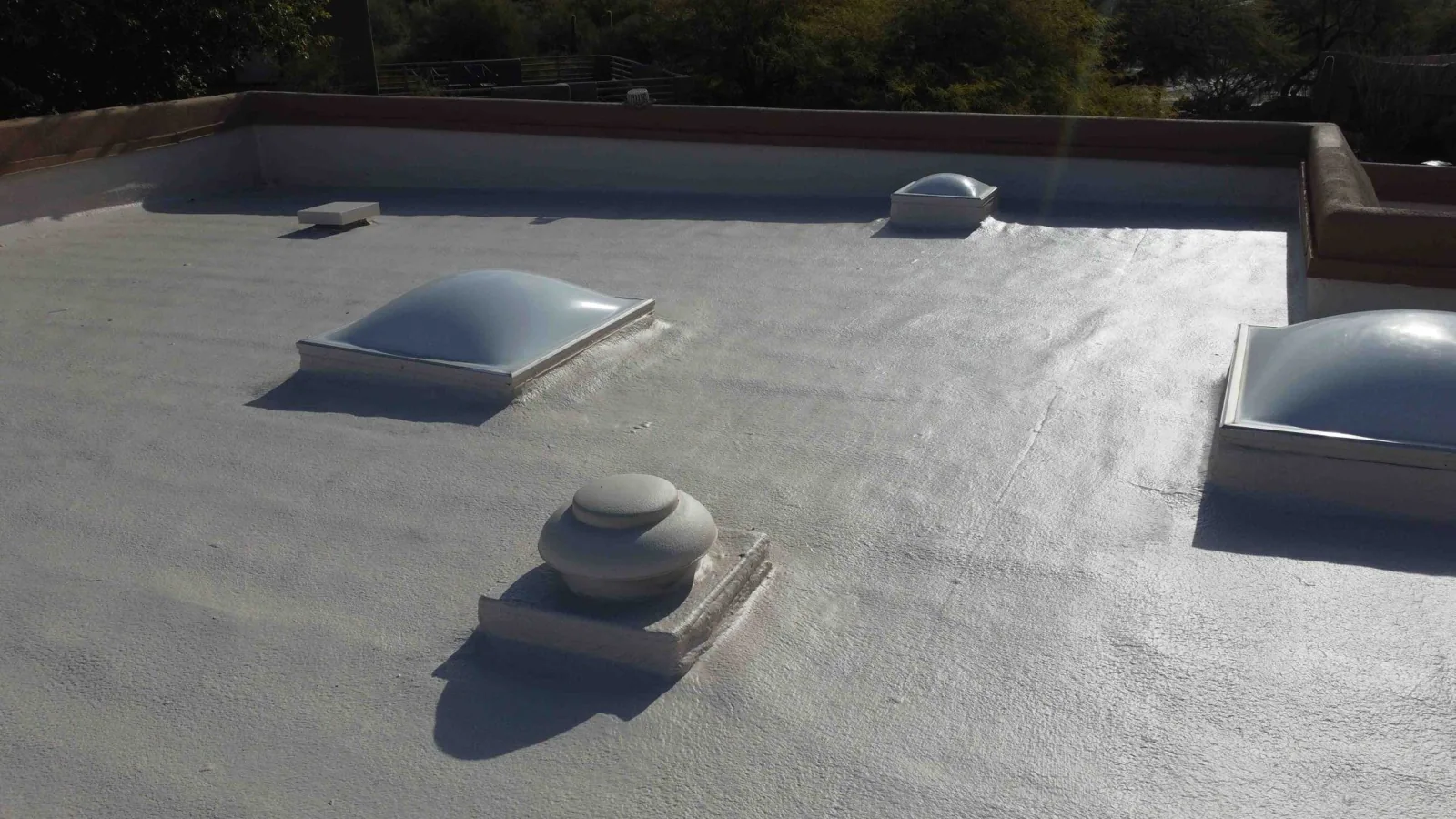
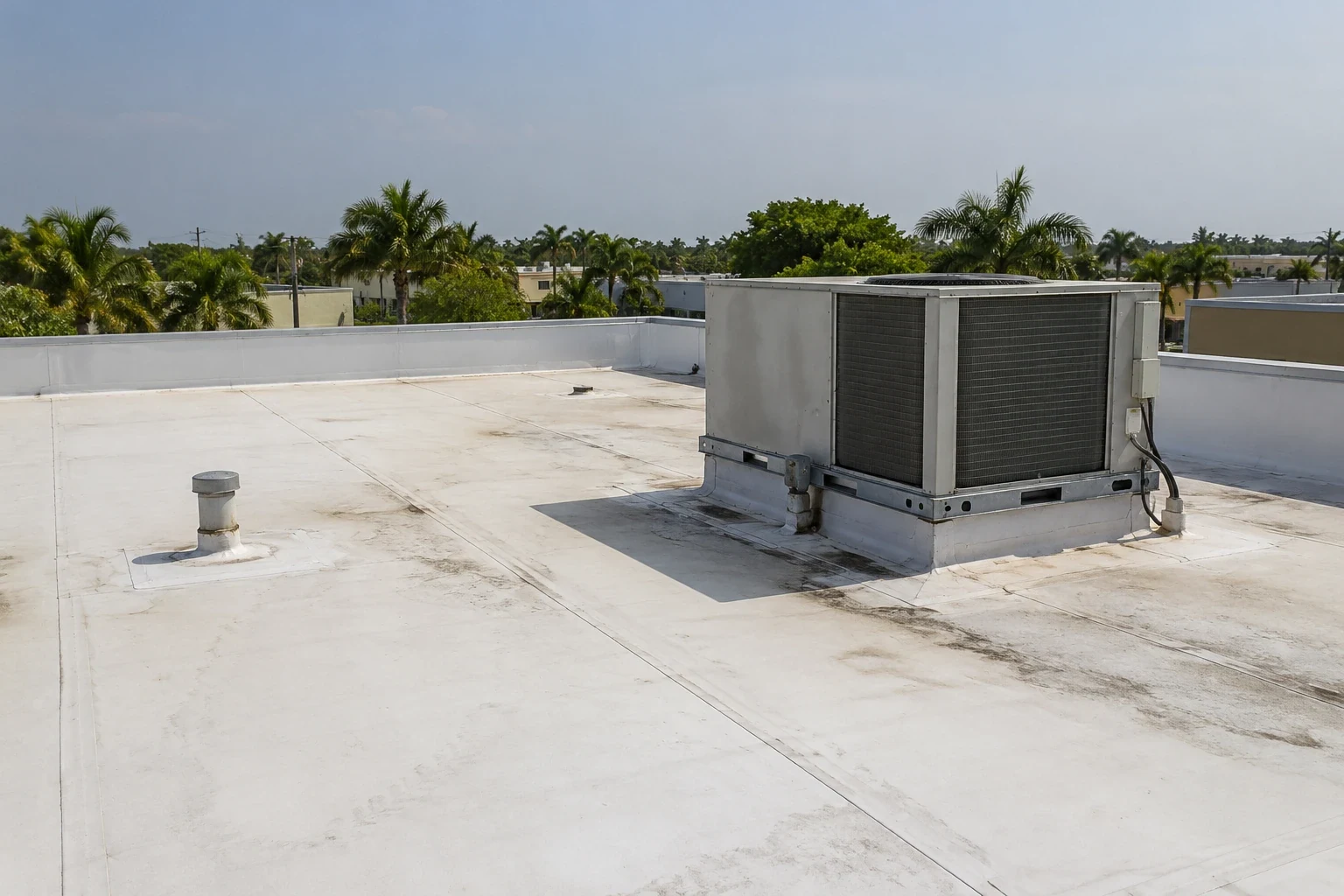
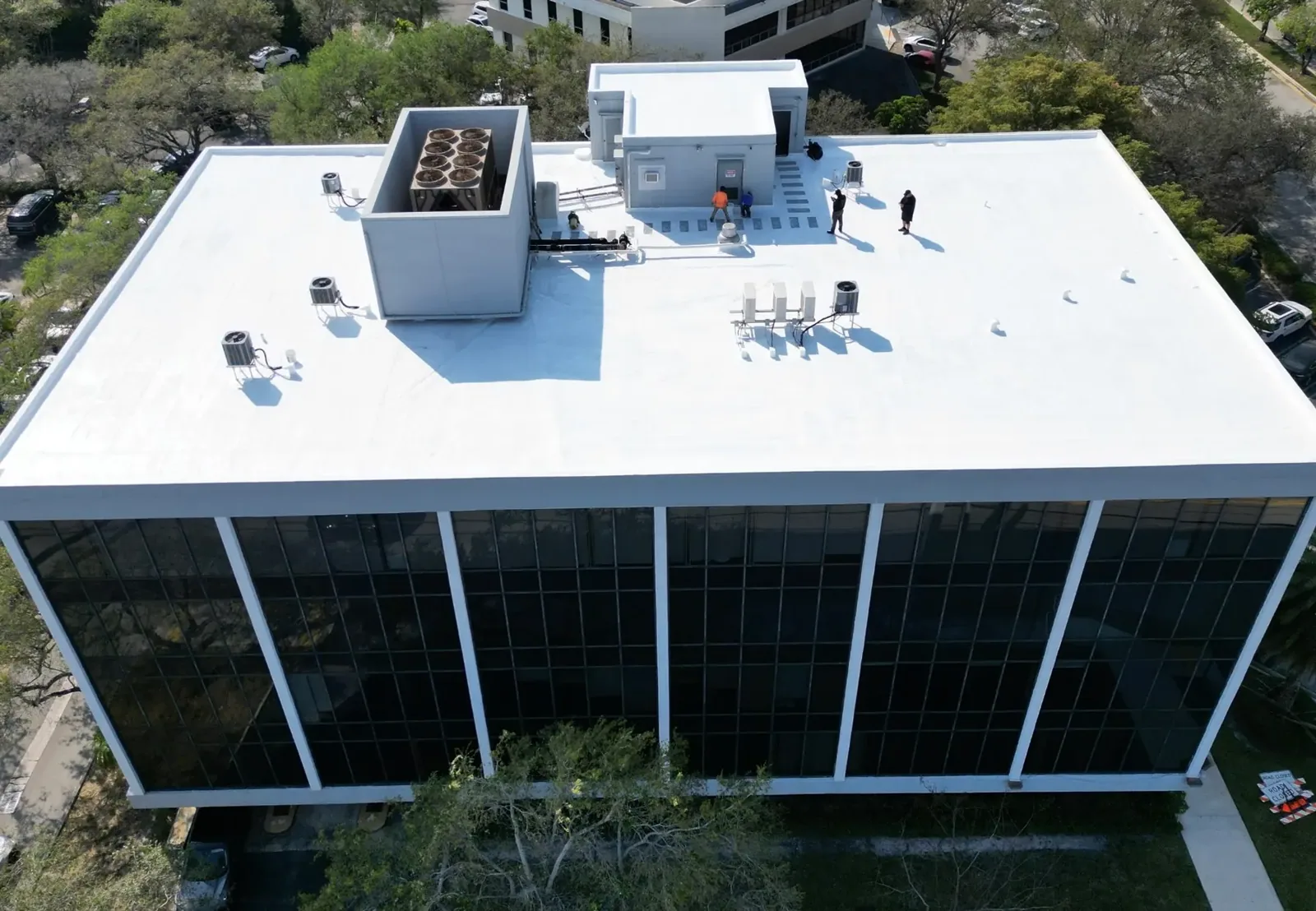
Mark each observation on the roof | We document edge metal, fastener patterns, seams, penetrations, curb flashing, drainage and visible membrane or coating conditions. Each finding includes a location reference and a photograph that shows both context and detail. The notes explain whether water is present, a component is loose, a transition has separated or an area appears stable. The report records which markings, edges and details support the system identification and notes any layer that remains unconfirmed. On a roof with several sections, we label zones consistently and distinguish inspected areas from locations blocked by equipment, unsafe surfaces or access restrictions. Deck deflection, hidden moisture or attachment capacity that needs confirmation is paired with the appropriate test or specialist review. infrared moisture survey can be an additional method when roof conditions support it, and drone roof inspection can document viewpoints that are difficult to reach on foot. |
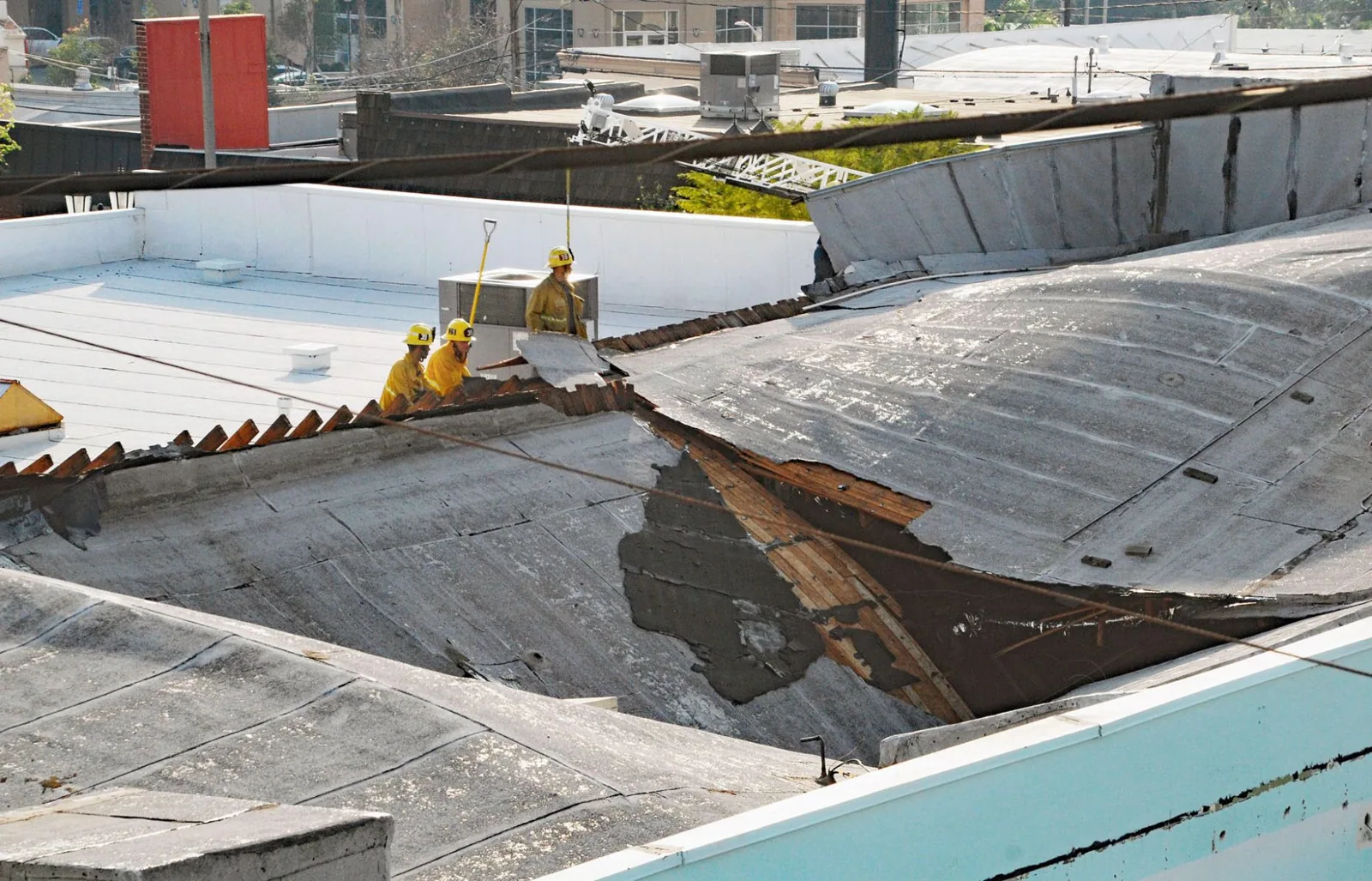
Separate active defects from monitoring items | A report should show which finding needs action and why. We distinguish active water entry, an exposed opening, loose material, deterioration, routine maintenance and conditions that need more information. Each item receives a recommended next step, such as a localized repair, outlet cleaning, test cut, moisture evaluation or continued observation. We state when the recommendation depends on opening material or gaining access to an unavailable zone. When findings will inform a Coral Springs re-roof, we add a permit and project-team review item for the locally applicable deck work. A surface inspection cannot verify concealed sheathing or fastening conditions, so the report keeps that item separate from observed defects. The owner can carry it into design and scheduling before tear-off begins. A commercial roof repair can address a confirmed defect, while capital planning can carry the finding into a broader project comparison. We write findings so a facilities manager can act without translating roofing shorthand. Each entry identifies the roof zone, observed component, visible condition, likely consequence if it remains open and next step. A drain item might call for cleaning, a repair at the bowl, or a test of the surrounding assembly; those actions should not be merged into one vague maintenance note. For a Coral Springs reroof, the report can flag the city’s sheathing re-nailing requirement for project review while clearly stating that concealed fastening was not verified during a surface walk. South Florida’s recurring heavy rain gives the maintenance team a reason to compare dated drain and seam images after a wet period, but a photograph does not prove a hidden layer is dry. We list tests and access limits directly. This makes the report useful for repair authorization, capital planning and a later comparison at the same roof zones. |
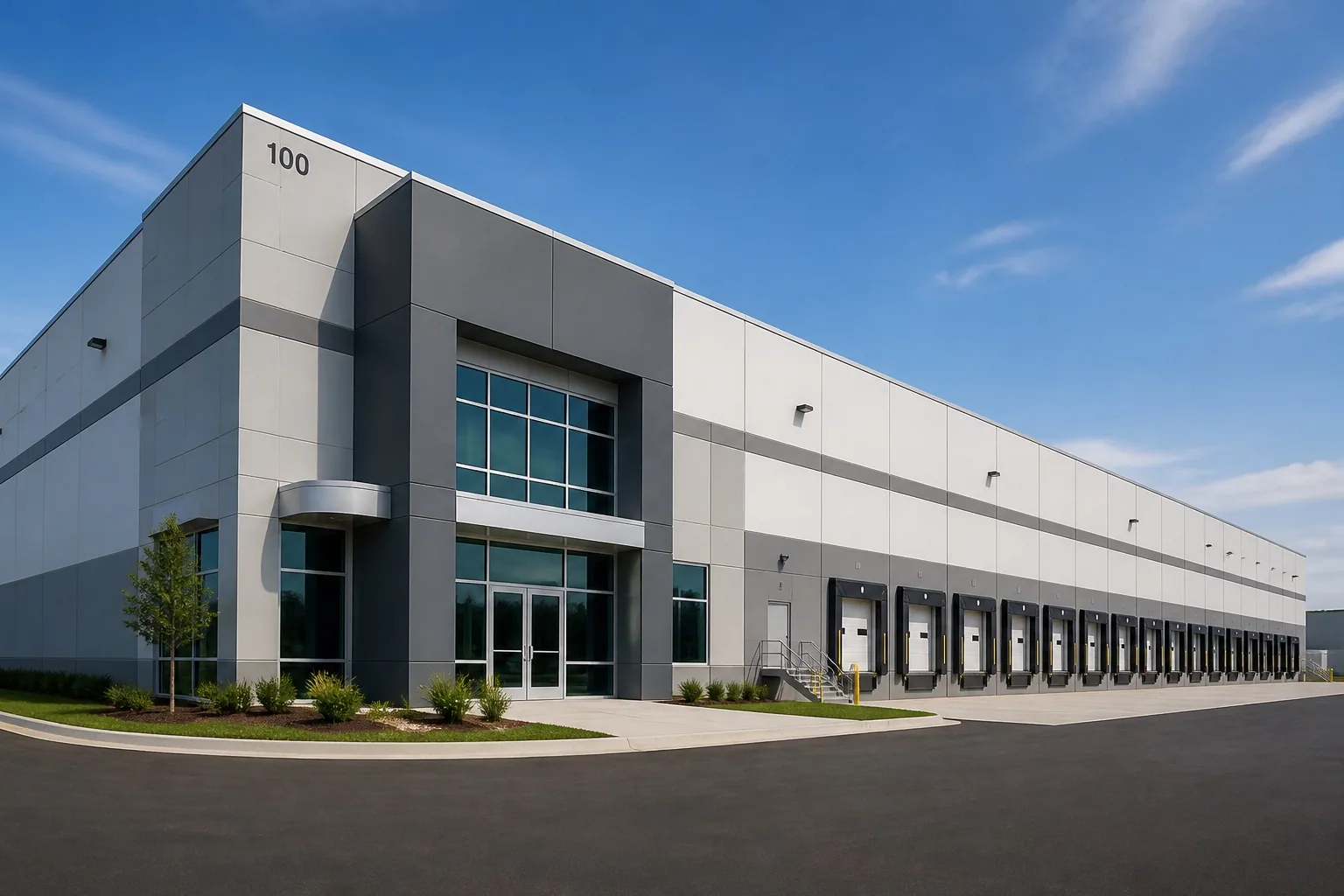
Make the report practical for the people using it | Property staff need to connect the roof finding with access, operations and the space below. We identify where a repair might affect a rooftop unit, loading route, tenant entrance or occupied room when that relationship is visible or provided by the contact. A property in the Commerce Park may have warehouse and distribution movement; a mixed-use site near University Drive can involve a different entrance and tenant pattern. Those examples help explain coordination, but the actual site plan governs. We ask who should receive the report, who can approve a scope and where the building team keeps maintenance records. If the report supports a phased repair, the contact identifies work windows and the areas that must remain accessible. occupied-building roof planning can help sequence that work, while a visit near Coral Springs Commerce Park is scheduled through its facility contact. The report can also list a follow-up date or condition that should trigger another inspection. |
Show photos, limits and repair boundaries | Each photo is paired with a concise location note and finding. The report identifies inspection date, areas reached, weather or access limits, visible repairs and any test performed. If a photo shows only the top surface, we do not describe it as proof of concealed assembly condition. Where additional investigation is needed, the report states what should be opened, measured or tested and what decision that result would inform. Repair recommendations should have a defined boundary. We describe the component, adjacent connection and close-in check needed for the proposed scope, then note whether a wider area needs separate evaluation. If the same roof has older patches, photographs help differentiate them from current work. flashing failure repair can address a confirmed transition when findings indicate broader system work. |
Keep the next visit tied to this baseline | After the report is delivered, the owner can use its zone labels and images to request repair, maintenance or a follow-up inspection. We preserve unresolved questions, not just completed recommendations. If a test cut or additional access changes the finding, the next report references the earlier condition and explains what new evidence changed the scope. A dated record is especially useful when heavy rain or tropical weather prompts a later inspection. The new visit should identify what changed rather than assume a new leak shares the same origin as an earlier one. A consistent reporting program can set fields across several properties and retain records when warranty terms apply. Every report remains limited to the roof zones and methods actually inspected. |
Commercial Roofing Questions | What should a commercial roof condition report include?It should identify the property, inspection date, roof zones, photographs, observed defects, access limits and recommended actions. We separate verified findings from reported history and unresolved questions. Can a visual report confirm moisture beneath the membrane?A surface walk cannot confirm every concealed layer. We identify where testing or a controlled opening may be needed and can recommend an additional survey when conditions suit it. Can I use the report to plan a replacement?Yes, it can support planning by documenting current condition and open questions. A replacement scope still needs project-specific design, code and access review. Will the report show where a leak starts?It records visible roof details related to the reported area and any path that can be followed. Water may travel beneath the surface, so an unconfirmed source remains identified as such. Can you report on several buildings at once?We can inspect multiple properties and use consistent zone labels, photos and finding categories while keeping each address and access plan distinct. |
Request a documented roof review | Send the property address, reason for the report, available roof records and access contact. We can inspect reachable zones, photograph findings and outline repairs or follow-up needed. Request a Roof Assessment 555-555-5555 |
|
|
REQUEST AN ASSESSMENT
 |