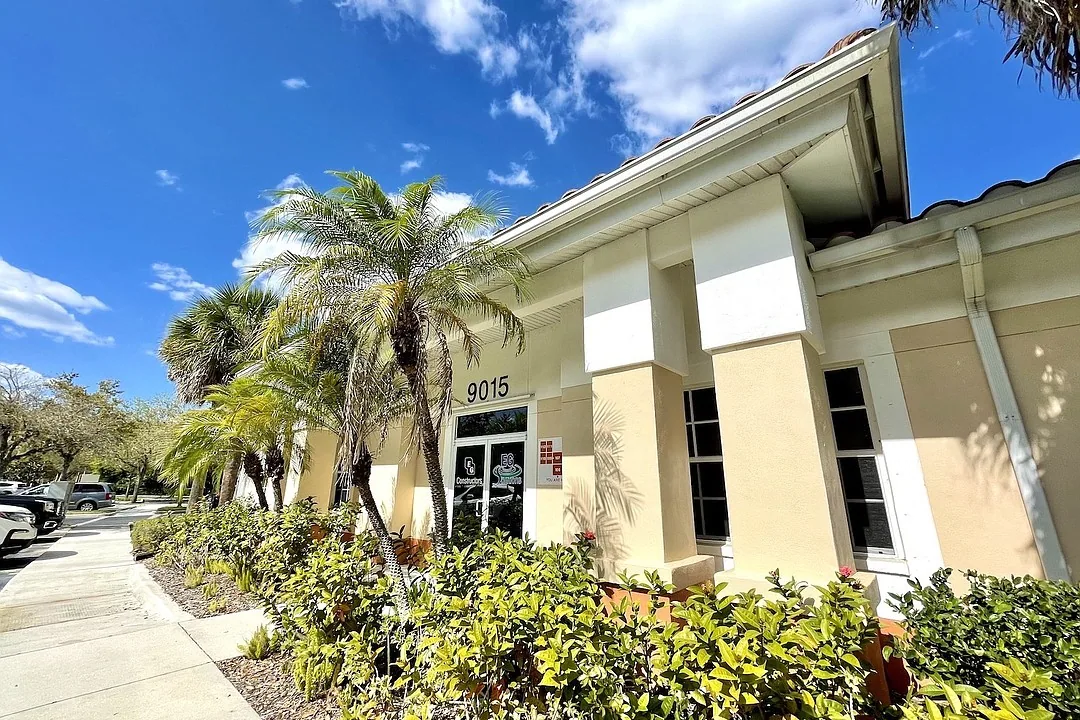
Commercial KEE Roofing in Coral Springs, FL
|
|
|
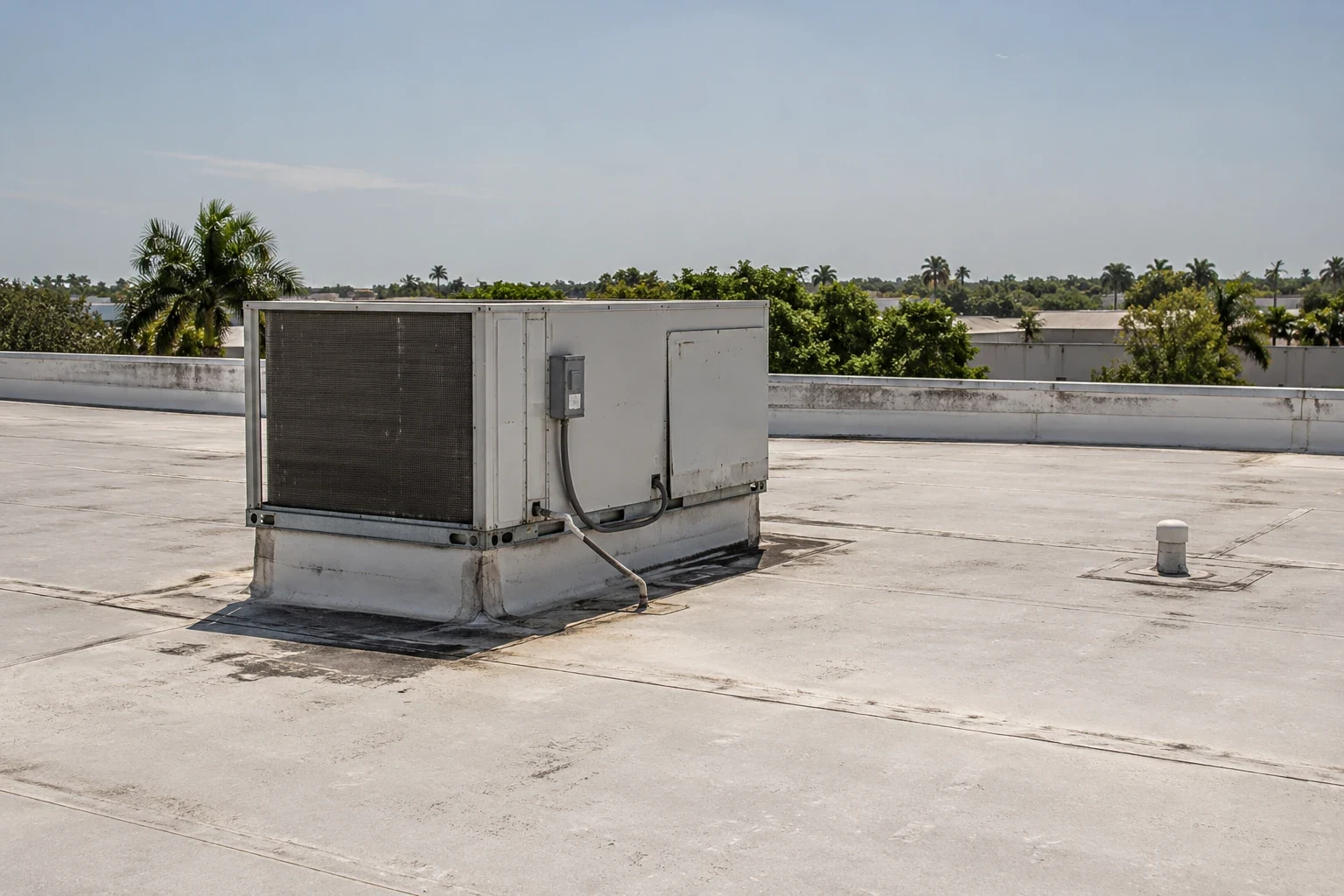
| A KEE membrane termination at a parapet needs a continuous connection from the field sheet into the edge detail. We inspect the welded laps, flashing corners, fastener line and receiving surface before deciding whether repair or replacement is appropriate. KEE is a PVC-alloy membrane, but the specific system and approved accessories still govern the work. We identify the product where records or markings allow, then use the matching preparation and close-in detail. South Florida has high summer heat, heavy wet-season rain and tropical-system exposure. Surface conditions and work windows affect how a membrane detail is prepared and protected. Near Coral Springs Commerce Park, the site representative identifies the roof entry, material drop point and operating restrictions. We verify those details with the property contact before moving KEE materials. |
Identify the KEE specification | KEE describes a PVC alloy membrane that is commonly supplied as a reinforced sheet system. The project documents identify sheet construction, attachment, insulation, cover board and flashing components. We inspect accessible labels and details to confirm the installed assembly before proposing a repair. If the roof includes a prior overlay or a different membrane in another zone, we record that variation and avoid treating the whole surface as one system. We note transitions to metal or coatings, previous repairs, and the locations of drains and rooftop equipment. These conditions affect where a new lap can be made and how a repair returns to the field membrane. A field mark keeps each question tied to a roof zone. Both KEE and standard PVC roofing use thermoplastic seam methods, while TPO roofing has its own formulation and accessories. We compare the project specification and available records rather than assuming a material from color or appearance. A commercial roof inspection can document visible construction and point out where an opening may be needed to confirm concealed layers. |
Inspect welded laps and repairs | We check the seam edge, weld continuity, surface condition and nearby fasteners. An isolated weak lap may be repairable after the surface is cleaned and prepared according to the specified system. The patch should overlap sound membrane and connect around its full perimeter. If a seam is contaminated or separation runs beyond the visible edge, we extend the review before setting the final repair boundary. Heat, moisture and dirt can affect preparation and weld quality. We inspect the finished seam while the edge is accessible and record the location. A prior patch that overlaps another repair may need removal before a new detail can bond. For an isolated membrane defect, commercial roof repair can define the work. If water appears indoors, leak tracing can inspect the reported path and nearby transitions. For a welded repair, the crew checks sheet condition and prepares a small test area before working across the full lap. The repair should extend to sound material with a smooth transition and no open channel at the end. Patches applied over aged, contaminated or previously coated sheet need a compatibility check because the surface may not accept a new weld. We record the preparation and finished perimeter so a later inspection can distinguish the new work from older patches. |
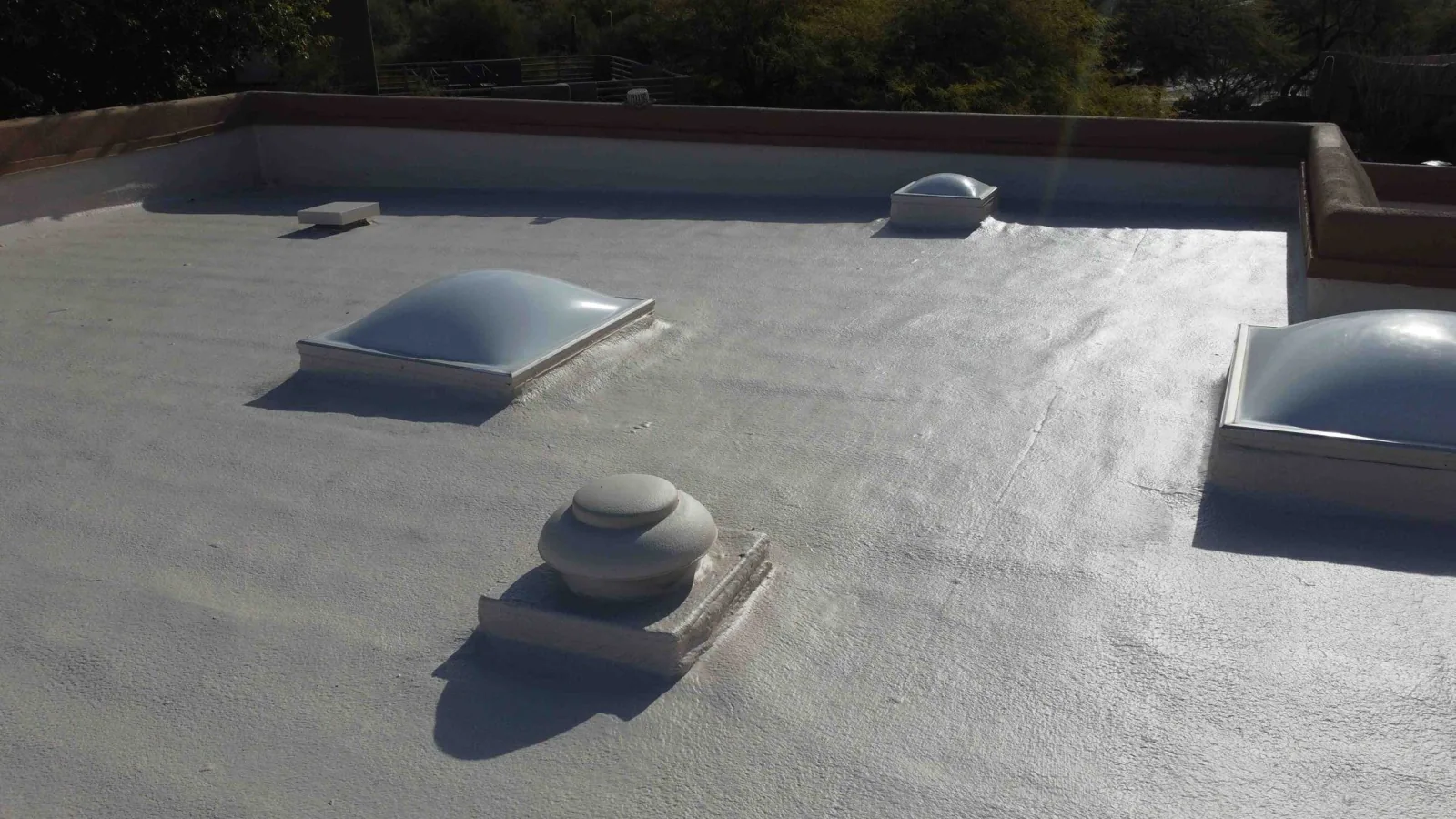
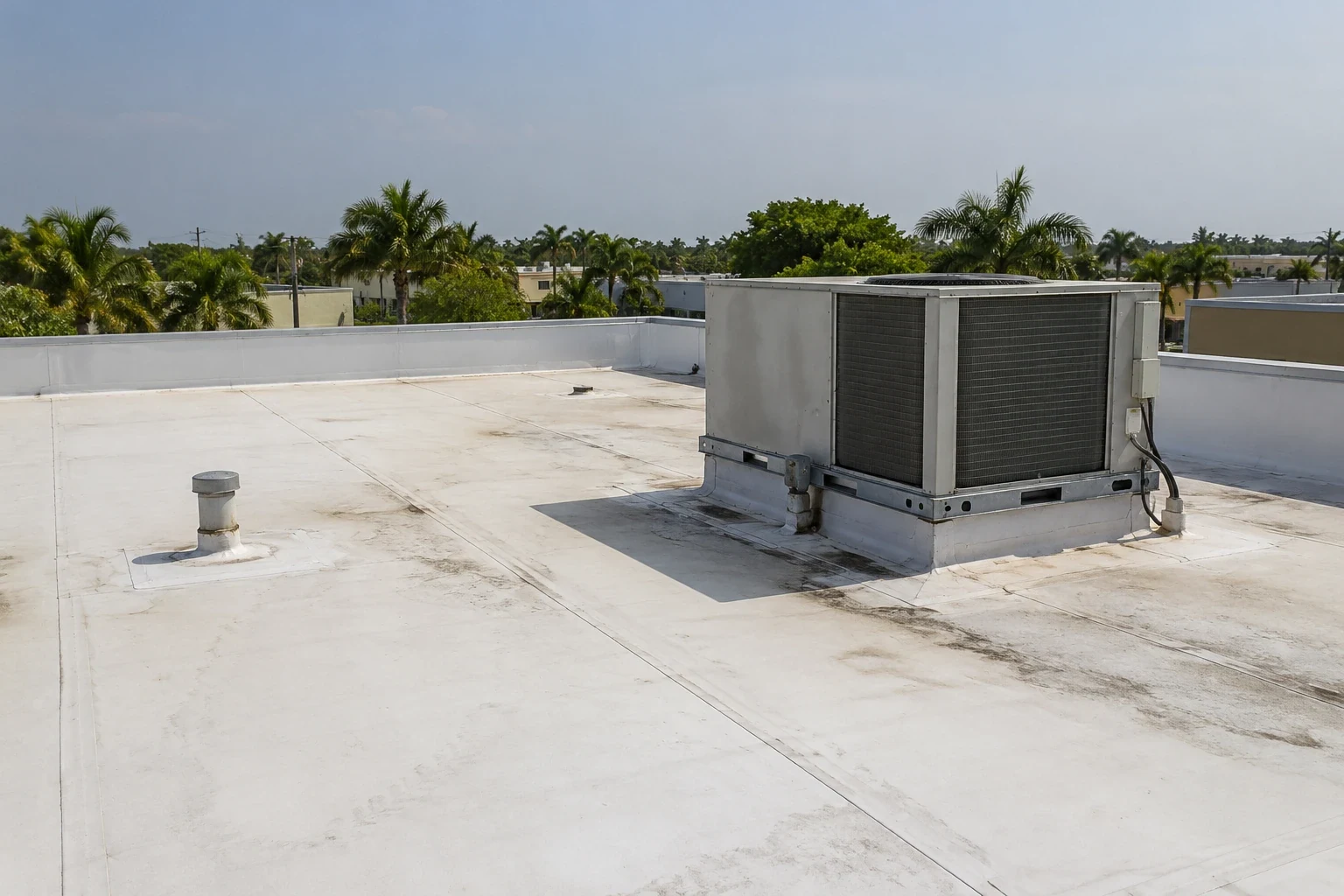
Rebuild penetrations and perimeter details | At a curb or pipe, we inspect the flashing face, corners and tie-in to the KEE field sheet. At drains, the membrane connection must work with the bowl and clamping detail. At roof edges, metal and membrane terminations need secure attachment to the specified substrate. These details may require separate components and work sequence from a field-sheet repair, so we identify them individually in the scope. The applicable assembly and drawings control fasteners and perimeter details in Coral Springs’ High-Velocity Hurricane Zone. We review the documents and exposed conditions before closing the roof. Edge metal and coping work can coordinate the perimeter, while drain and scupper service addresses outlet conditions. A system label alone does not establish that every detail was installed to the current project specification. |
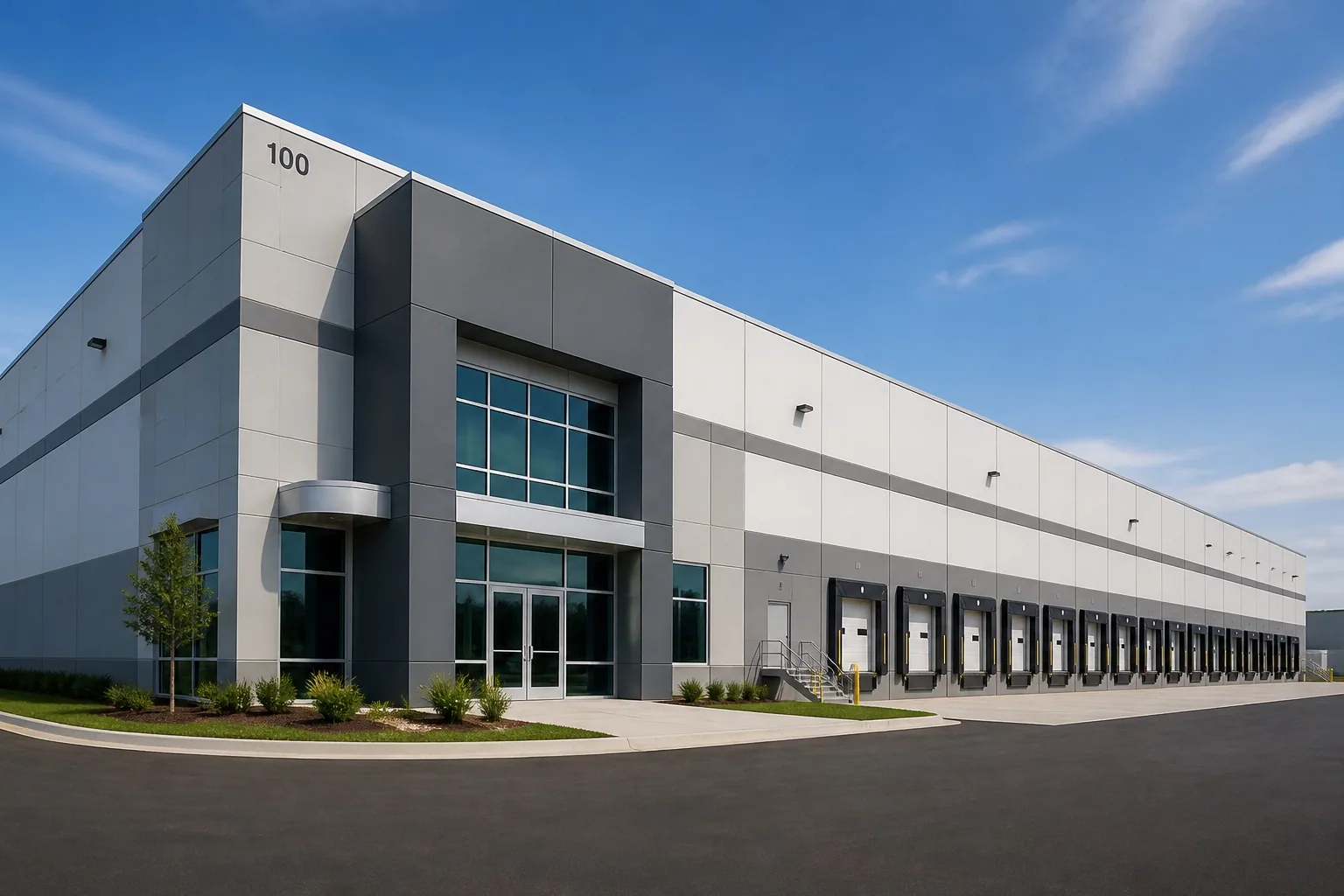
Protect the work window | KEE repairs need an appropriate surface and weather window for cleaning, preparation and welding. Coral Springs’ summer heat can raise roof-surface temperatures, while wet-season showers can leave a lap too damp to prepare. We check conditions at the work area and sequence each roof zone so the new detail can be inspected and protected. If weather interrupts the repair, we secure the open edge and record the unfinished condition. Coral Springs Commerce Park includes industrial and warehouse/distribution operations. At a property there or near Sample Road and University Drive, the facility contact confirms staging, delivery timing and roof entry. Occupied-building coordination sets access and close-in communication for active sites. |
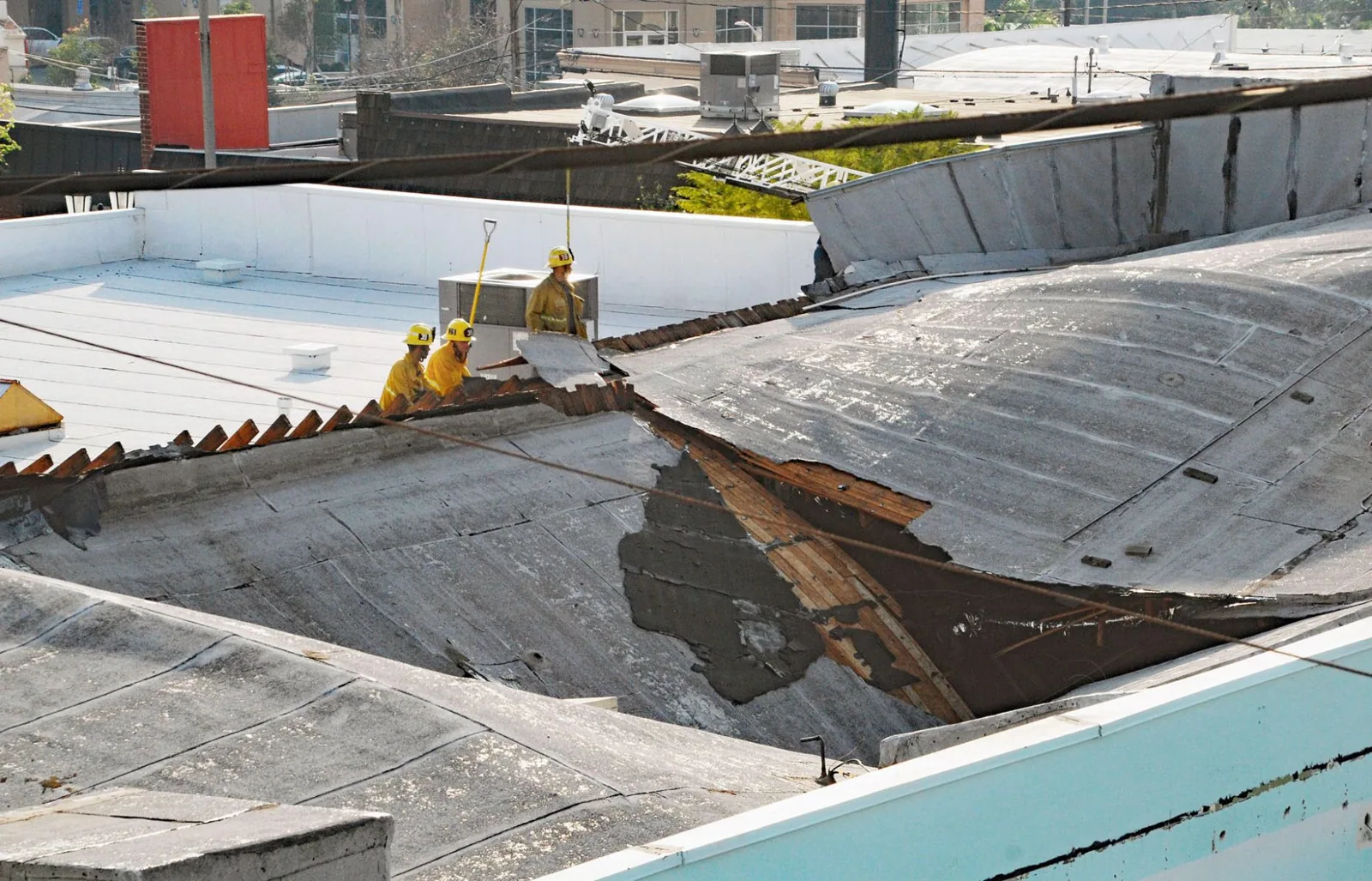
Compare repair with full system work | A localized KEE repair may address an isolated puncture, loose lap or damaged flashing while the surrounding membrane remains suitable. Repeated weld problems, broad deterioration or moisture beneath the sheet can change the scope. We document visible findings, note inspection limits and identify whether test cuts or additional records are needed. The owner can compare a repair with broader replacement using the conditions found rather than assuming every area needs the same treatment. If larger work is considered, commercial roof replacement can define removal and rebuilding limits. A roof condition report can organize photos and field marks. Coral Square Mall is a scheduled stop on the Coral Springs community shuttle. At the roof property, we confirm the building contact and access route before describing the work. |
Check and record the completed system | At close-in, we inspect seam laps, flashing corners, drains and perimeter transitions included in the scope. The record identifies the KEE areas repaired or installed, materials used and any field condition that changed the sequence. If a roof zone could not be reached, we identify that limit. The closeout should let the facility manager locate each completed detail and understand what remains for separate review. Future visits can check accessible seams and flashings for change. Preventive roof maintenance can include those observations. The maintenance plan remains separate from the original installation record and should reflect the actual roof assembly and operating limits. We review completed zones with the authorized contact and provide photographs or notes required by the project scope. We identify the product and preparation used for the repair, along with any adjacent area that remains outside the approved work. The inspection also compares the new patch edge with nearby field seams so a separate lap concern is not folded into the repair result. |
Commercial Roofing Questions | What does KEE mean for a roof repair?KEE is a PVC-alloy membrane, but the installed product and approved assembly control compatible materials, preparation and weld details. We confirm those details before proposing the repair. Can KEE seams be heat-welded?Thermoplastic KEE seams are joined using the method specified for the product. We prepare the lap and inspect the completed weld while it remains accessible. How do you identify an older KEE roof?Available plans, invoices, labels and visible field details can help identify the system. If the assembly remains uncertain, we document that limit and discuss additional inspection. Does a KEE roof need different perimeter review?Perimeter requirements come from the approved assembly, project documents and exposed roof conditions. We inspect metal, membrane terminations and fasteners as a connected detail. What information is useful before service?Provide the property address, system records, reported seam or penetration, leak or storm date, roof access route and operating limits. Include any prior patch history. |
Review the KEE roof details | Send the property address, system records, repair history, active leak or storm date, roof access route and operating limits. We can inspect seams and transitions, define the work and document close-in. Request a Roof Assessment 555-555-5555 |
|
|
REQUEST AN ASSESSMENT
 |