Commercial Roof Inspection in Coral Springs, FL
|
|
|
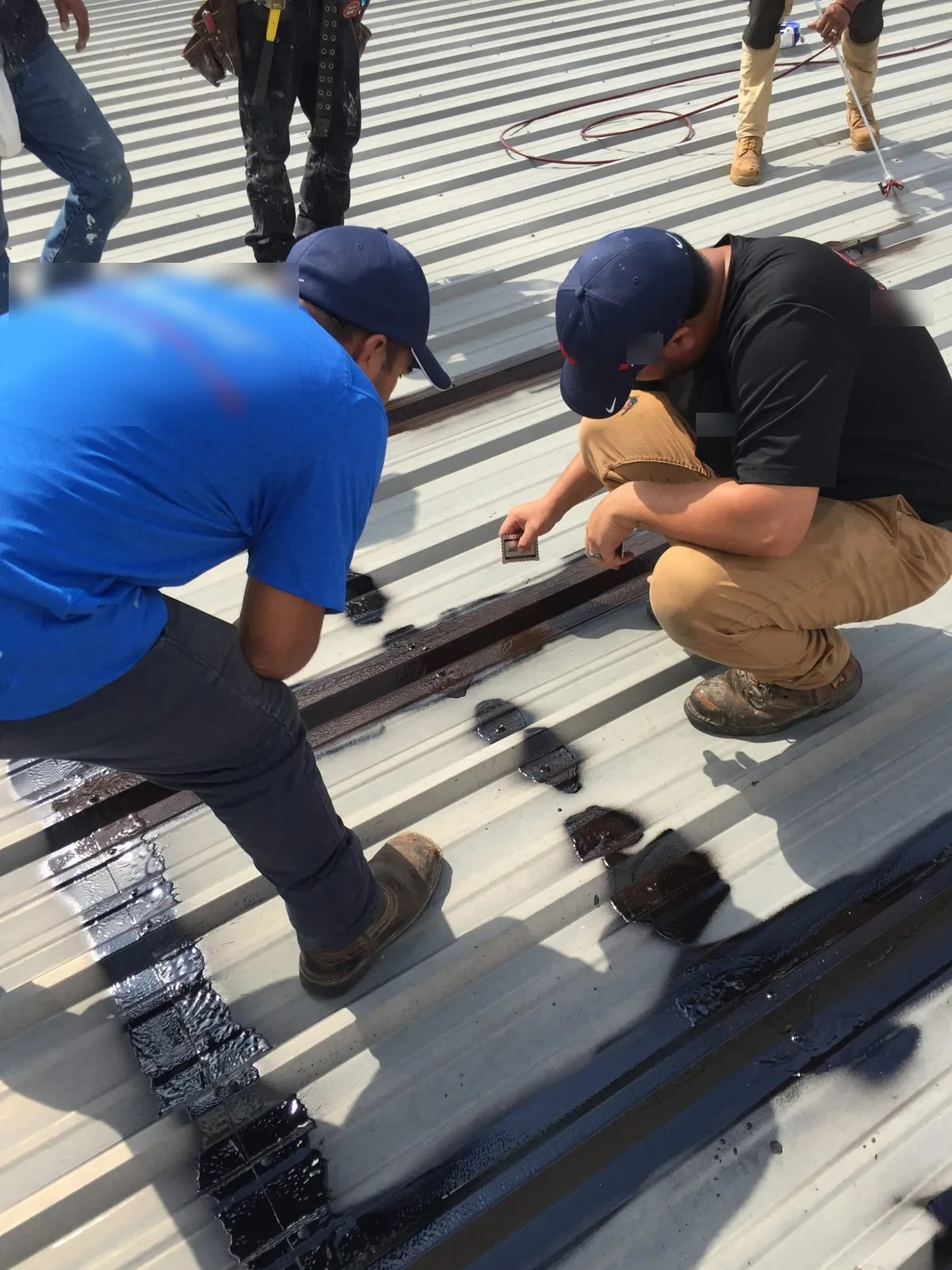
| A separated lap beside a drain deserves a closer look than a broad view of the field membrane. We examine accessible roof zones, seams, edge metal, penetrations, curbs and drainage details, then record conditions that may need repair or further evaluation. The findings describe what could be seen during the visit and identify where access, stored material or concealed construction limits the review. A useful report connects each observation to a location and a next step. Coral Springs Commerce Park spans 442 acres of industrial, commercial and research uses, while Downtown Coral Springs is a 136-acre mixed-use redevelopment area. These broad local settings help frame access questions, but the inspection findings stay attached to the identified building and roof zones. |
Set the inspection limits | Before the visit, we identify which buildings and roof sections are included, how to reach them and whether an escort is needed. The contact can provide roof plans, warranty or repair records, interior leak notes and restrictions around equipment. We confirm whether the request concerns routine condition documentation, a reported leak, a planned recover or a pre-replacement review. That purpose determines which details receive closer attention and how findings are organized. A roof inspection is visual and access-dependent unless additional testing is included. We identify locked areas, unsafe surfaces, equipment obstructions and any system component that needs a separate specialist. The written scope states whether interior review, moisture scanning or test cuts are included. A roof condition report can provide a dated record of observations and limits. |
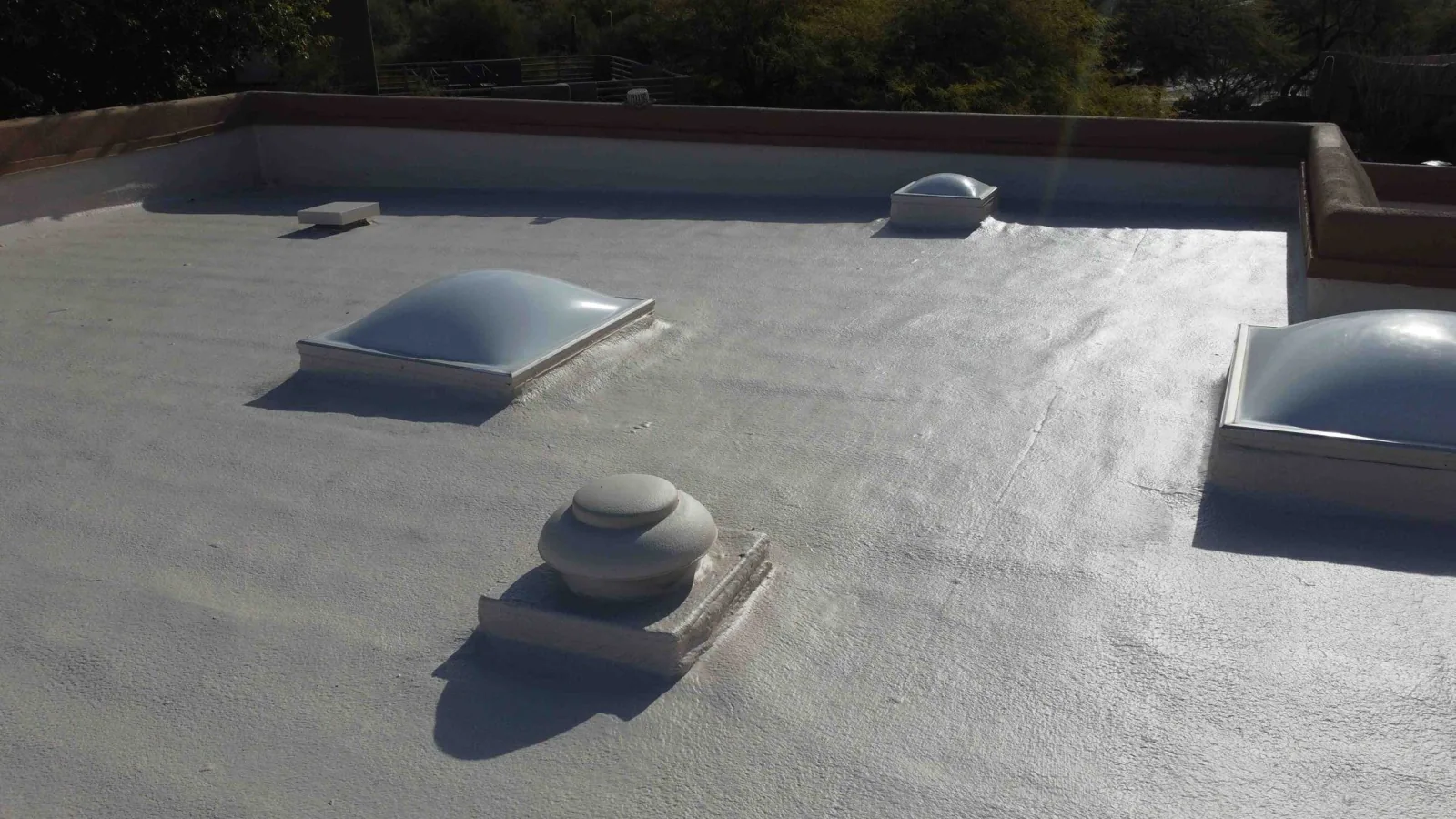
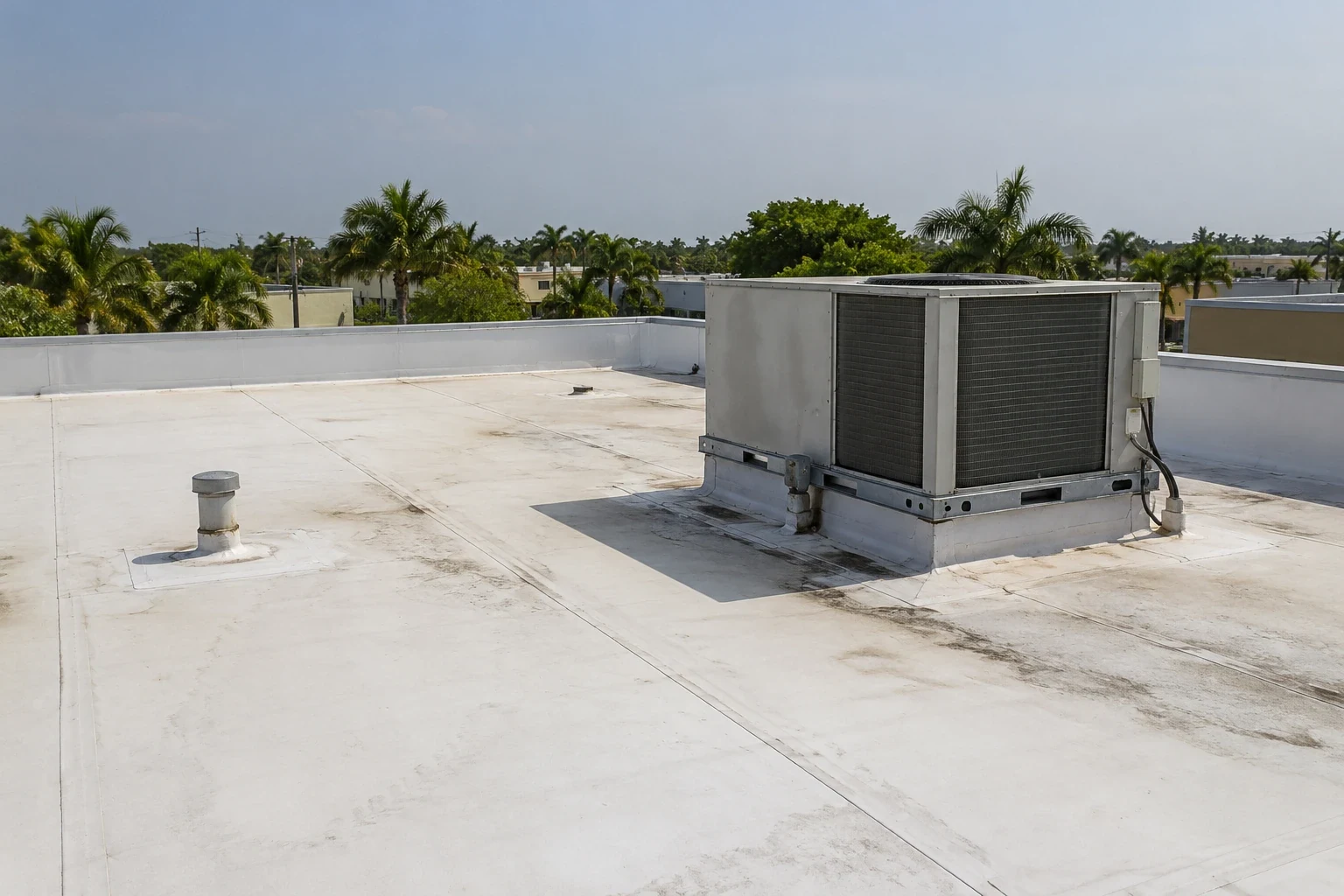
Walk roof zones and details | We move through accessible roof areas and note changes in membrane, visible repairs, open seams, loose flashing, exposed fasteners and surface wear. At parapets and perimeter edges, we inspect termination and metal transitions. At curbs and penetrations, we look at the flashing connection and nearby movement. Each finding is tied to a roof location so the owner can understand where a repair discussion begins. We also examine drain bowls, strainers, scuppers and visible overflow paths. Debris or standing water may warrant attention, but inspection does not replace a drainage engineering review or plumbing service. Where water entry has been reported, the timing and interior location can guide the roof walk. Commercial roof leak repair can address a suspected active path when the request requires tracing and correction rather than a condition-only visit. |
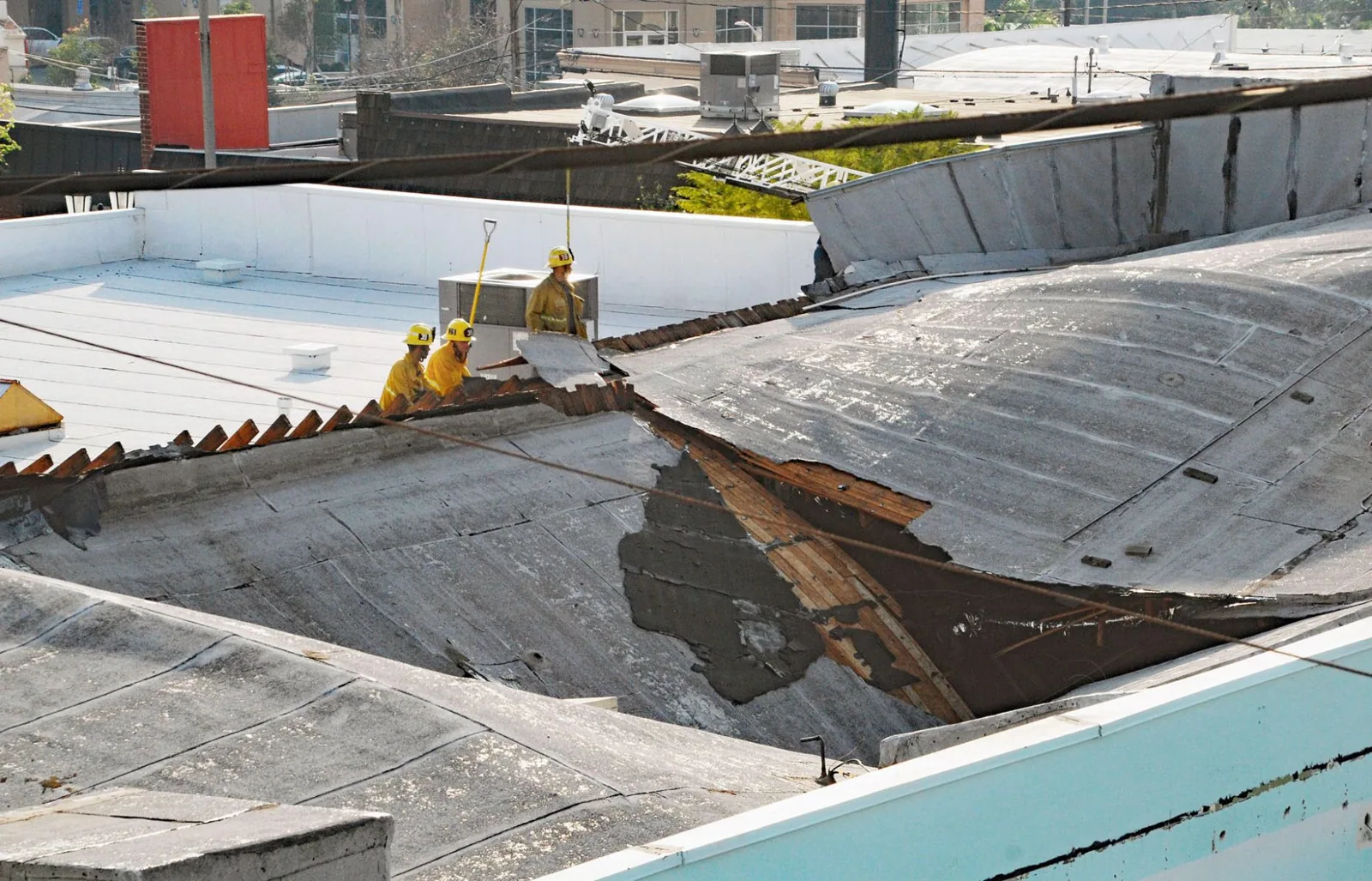
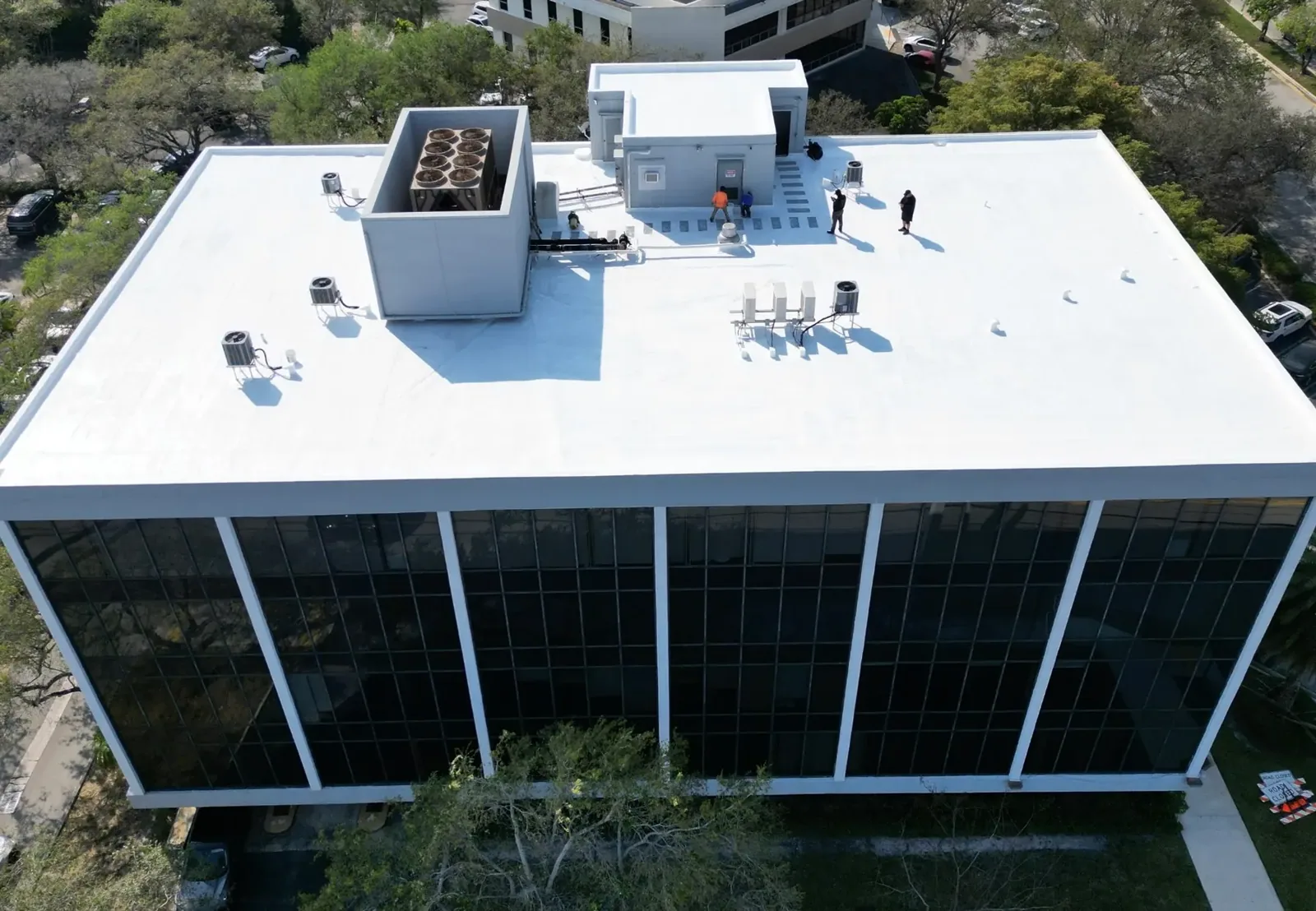
Separate observations from conclusions | The report distinguishes visible conditions from interpretations and recommendations. A lifted seam, puncture, damaged boot or loose edge can be described at the observed location. The report states whether surrounding material was inaccessible or extends beneath an untested surface. Where additional inspection is appropriate, we identify the specific question, such as whether moisture continues below a membrane or whether a curb transition has failed beyond its visible edge. For a question about concealed moisture, an infrared moisture survey or controlled test cut may be considered if site conditions support the method. Drone imagery can document large or hard-to-access roof areas, but it does not replace close inspection of every seam. The owner receives a clear account of the method used and the areas viewed. We avoid turning an observation into a building-wide conclusion without supporting access or testing. |
Prioritize repair and follow-up | Findings can be grouped by location and practical next step: address a visible defect, monitor a condition, obtain further testing or review a larger replacement question. The report should identify evidence and limits behind each recommendation. If an active opening or displaced flashing is exposing the building, prompt stabilization may take precedence over longer-range planning. If several roof zones show similar deterioration, broader review can determine whether isolated repairs remain appropriate. After a Coral Springs storm, we check the reported area for displaced edge metal, open seams, punctures and blocked drains, then document what is visible during the visit. A commercial roof repair scope can define localized corrections, while roof replacement can be compared when the assembly or failure pattern warrants broader work. preventive roof maintenance can support later observations of accessible details. |
Coordinate around building use | Inspection access may require roof keys, escorts, lift arrangements or coordination with mechanical equipment. We ask the representative to identify access routes, restricted areas and any tenant or facility instructions before arrival. Broward Health Coral Springs operates around the clock; other local properties set different access windows, which we confirm with each facility contact.The contact confirms entry and parking instructions for the inspected building before a return visit. We record any area that could not be accessed and explain whether that gap limits the report. If roof activity needs to occur above occupied rooms, the contact can identify quiet periods, sensitive operations or notice requirements. The report is more useful when its coverage and exclusions are clear. We can schedule a follow-up visit when an escort, equipment shutdown or additional permission is required to inspect a specific detail. Commerce Park combines industrial, distribution and research properties, where loading routes may affect lift setup. Downtown Coral Springs includes civic and retail settings near the redevelopment core. We confirm the route and public-entrance constraints with each property contact before choosing the inspection path. |
Deliver a usable condition record | A condition record should include the inspected date, property identification, accessible areas, observed details, photographs where taken, limitations and recommended next steps. We identify locations using roof zones or references the building contact can recognize. The owner can use that record to prioritize repair requests or seek additional evaluation. A report documents the inspection scope; it does not certify concealed layers or predict the service life of a roof. When inspection supports a targeted service, roof drain and scupper work or a defined flashing repair can be considered. A portfolio can include properties near Broward Health or within the Coral Springs commercial districts; each recommendation stays tied to the inspected roof. We review findings with the owner or assigned manager and identify any follow-up that requires a separate authorization. For a multi-section building, the field sketch should make each roof area identifiable without relying on a room name alone. We label the section, nearby drain or equipment, and the direction used to reach it. That lets a facilities contact compare photographs with the roof plan and route a later repair crew to the same place. Any obstructed or unsafe area is marked as not inspected, with the access needed to return documented separately. |
Commercial Roofing Questions | What does a commercial roof inspection include?We review the agreed accessible areas, roof surfaces, seams, flashing, edges, penetrations and drainage details, then document findings and limits. Additional testing is identified separately when needed. Can an inspection confirm hidden moisture?A visual inspection cannot establish concealed moisture across a roof. Infrared imaging or selected test cuts may help answer a defined question when the conditions and authorization support them. Will the report estimate the roof’s remaining life?The report describes observed conditions and follow-up needs. A service-life estimate requires evidence and assumptions beyond an access-limited visual inspection, so we do not present it as a measured finding. Can you inspect after a storm?Yes, subject to safe access and the agreed scope. We document visible conditions at the property and distinguish them from weather reports or areas that were not accessible. What should I provide before the inspection?Send the address, roof plans or prior reports, known leak locations, access instructions and the question the inspection should answer. Include operating limits and the authorized site contact. |
Define the inspection question | Provide the building address, available roof records, known problem areas and access route. We can confirm the inspection scope, document accessible conditions and identify follow-up needs. Request a Roof Assessment 555-555-5555 |
|
|
REQUEST AN ASSESSMENT
 |