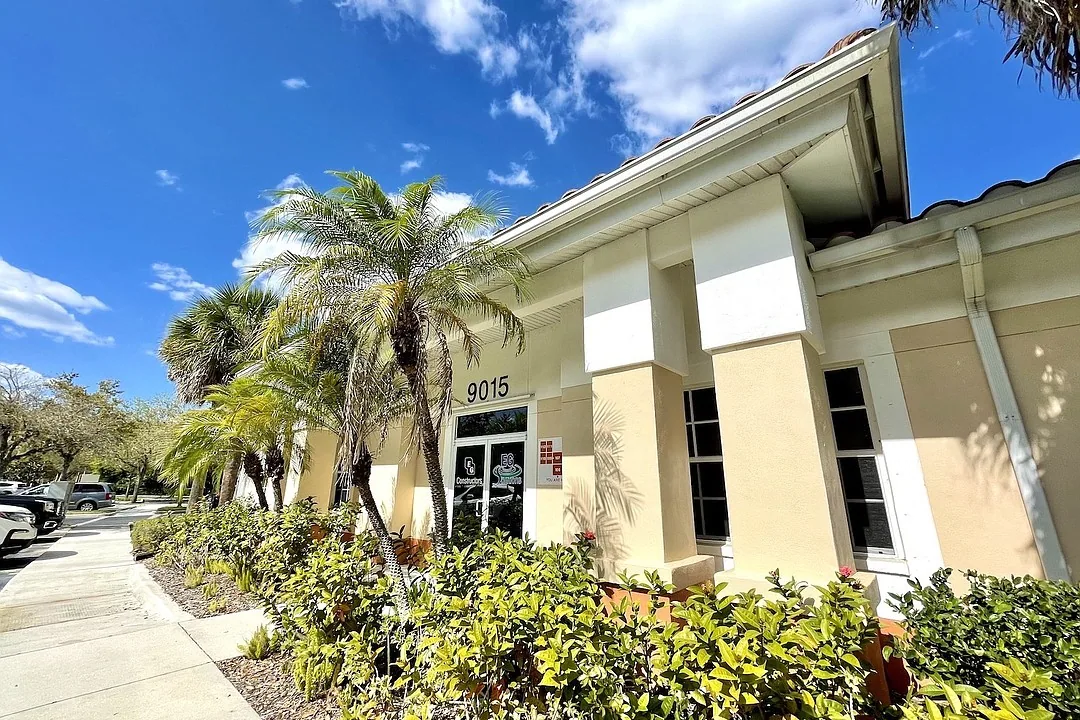
Cold Storage Roofing in Coral Springs, FL
|
|
|
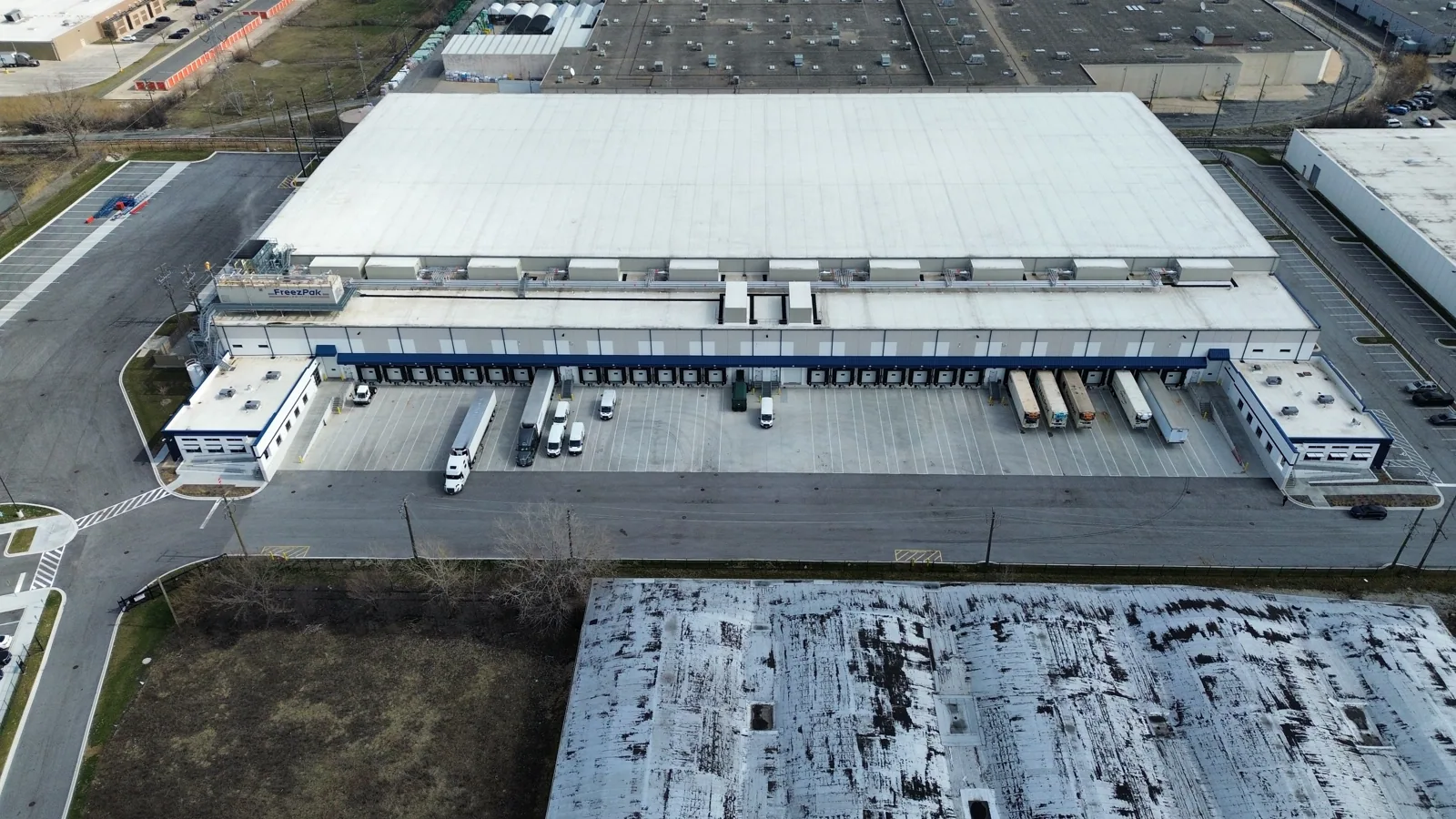
| A damp ceiling below a freezer line can come from a roof leak, an interior vapor-control failure or condensation at a transition. We begin by recording where moisture appears, when it changes and what roof zone lies above, then inspect nearby penetrations, seams, curbs and drains. The diagnosis separates exterior water entry from interior conditions and identifies whether a controlled opening or building-system review is needed. Coral Springs, FL has hot, humid summers, a long wet season and heavy rain. Those conditions put attention on roof drainage and the continuity of transitions where warm exterior air meets a cooled interior. The 442-acre Coral Springs Commerce Park sits just off the Sawgrass Expressway, close to I-95 and the Florida Turnpike, and includes logistics and warehouse activity. For a property there, loading and staging belong in the access conversation. The contact confirms this building’s temperature zones, operating requirements, entry and records before we define the inspection boundary. |
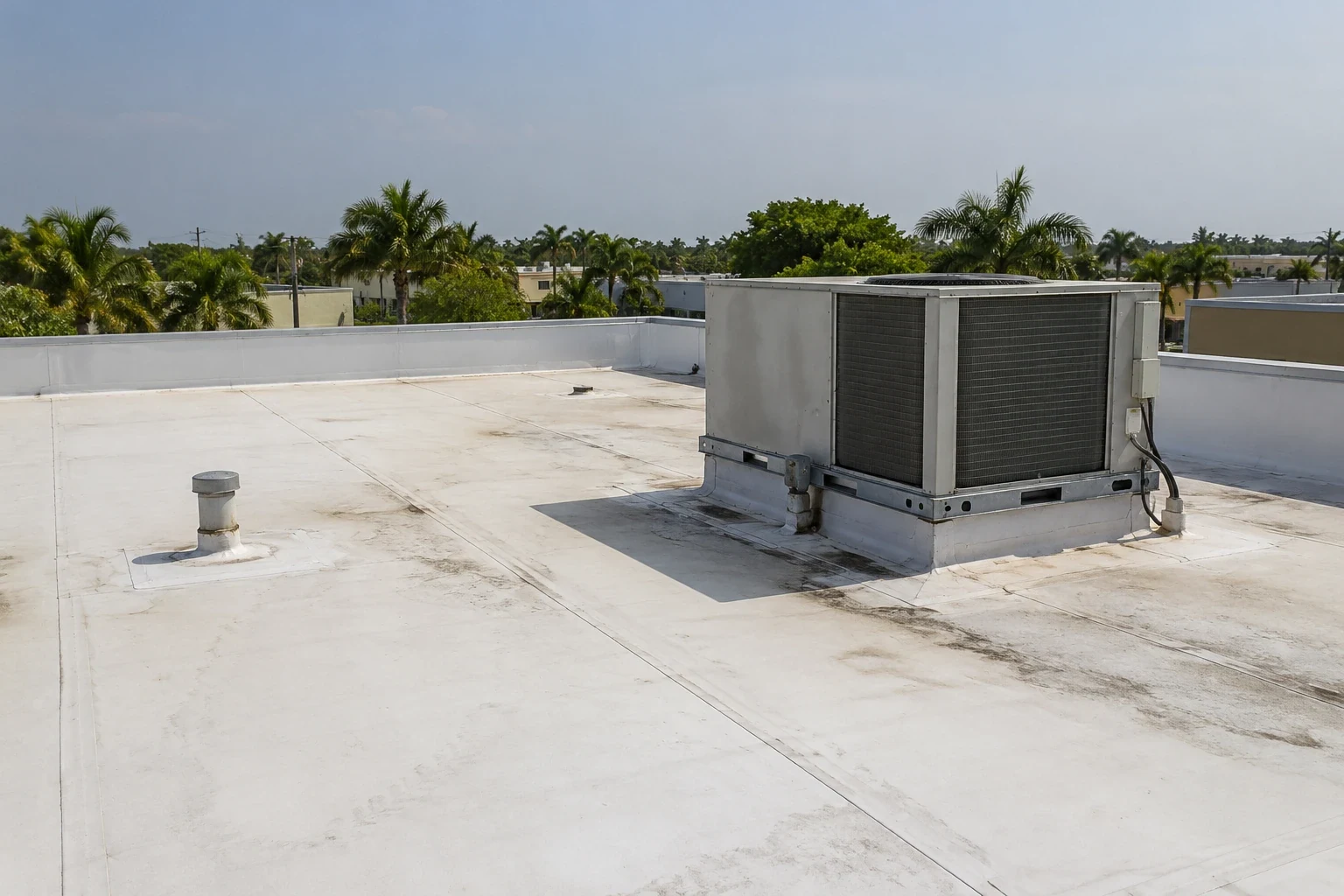
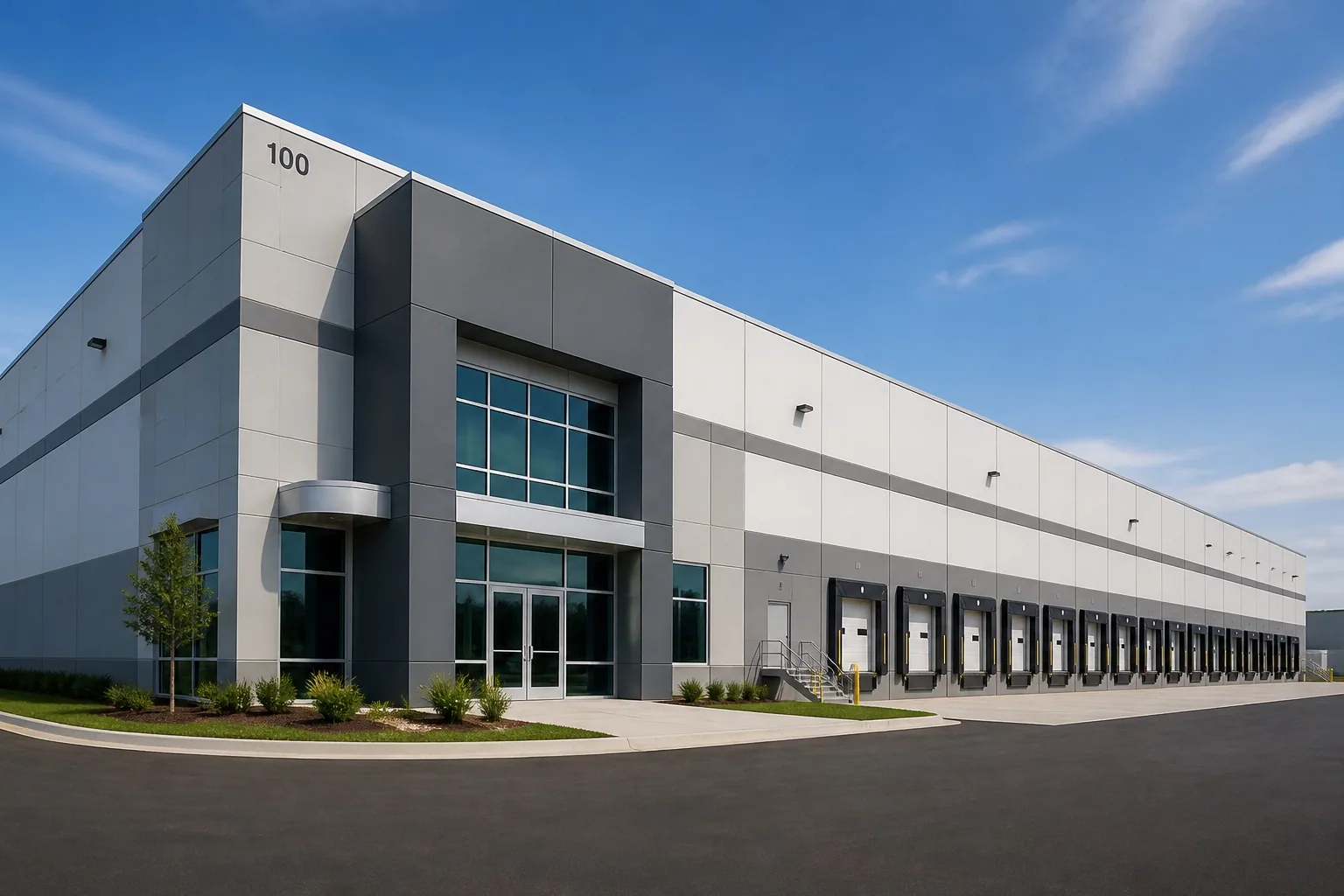
Map temperature and access zones | We first identify the refrigerated rooms, loading interface, roof equipment and areas where a ceiling or wall condition has been reported. The contact can provide roof plans, insulation details, prior repair notes and any known condensation concerns. We record the approved hatch or ladder route and ask whether roof access must avoid a specific receiving period. If interior access is included, the facility representative identifies the rooms and protection rules. We do not assume that a building labeled cold storage shares the same temperature profile or construction as another site. The roof plan also notes where mechanical lines, exhausts and curb bases interrupt the membrane. Warehouse roofs can have similar access and delivery limits; cooled spaces add a need to trace changes in vapor and insulation layers. Phased occupied-building roofing can divide work where operations must continue. At Coral Springs Commerce Park, industrial and logistics activity is part of the city's identified business mix, but a site's gate procedure and operating hours come from its contact. |
Separate rain entry from condensation | A roof-side leak usually leaves a path through an exterior detail, while condensation may form where humid air reaches a cold surface or where a vapor retarder is discontinuous. We compare the reported timing with rainfall, roof conditions and interior observations. Staining under a drain, curb or seam is a clue to inspect those details, not proof by itself. A temperature change, frost, sweating duct or wet insulation can point to a different mechanism, so the note records location, surface and conditions without collapsing them into one cause. At the roof, we inspect laps, penetrations, edge metal, drain bowls, scuppers and any patch that crosses a transition. South Florida's long wet season can expose an incomplete drainage path, so outlets and overflow routes are included in the walk. Leak tracing and repair can address an exterior entry point once the path is established. Where a drain or scupper detail is involved, drainage service can correct the outlet. If the evidence points to interior vapor or refrigeration controls, that work needs coordination with the responsible building trade. |
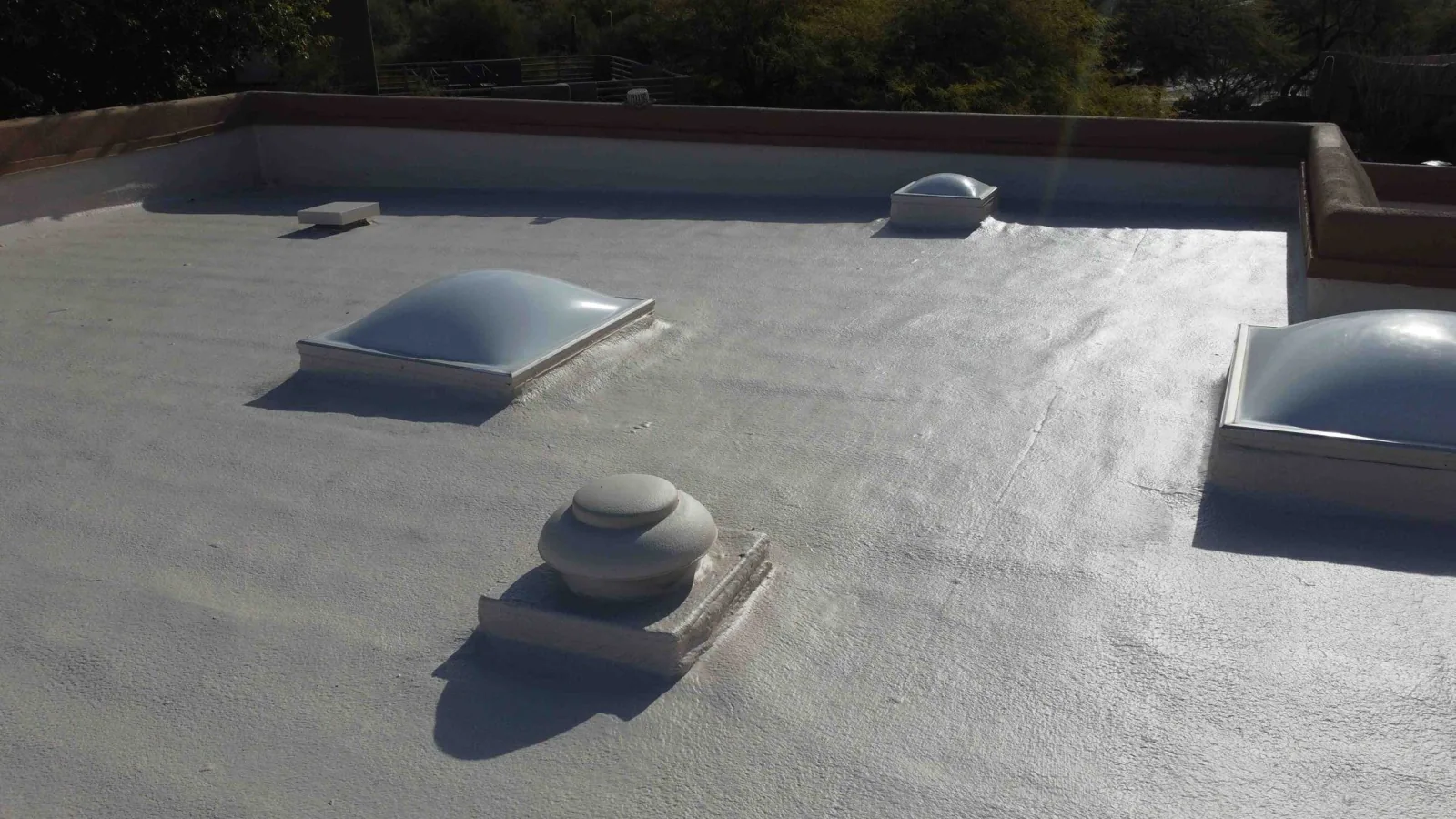
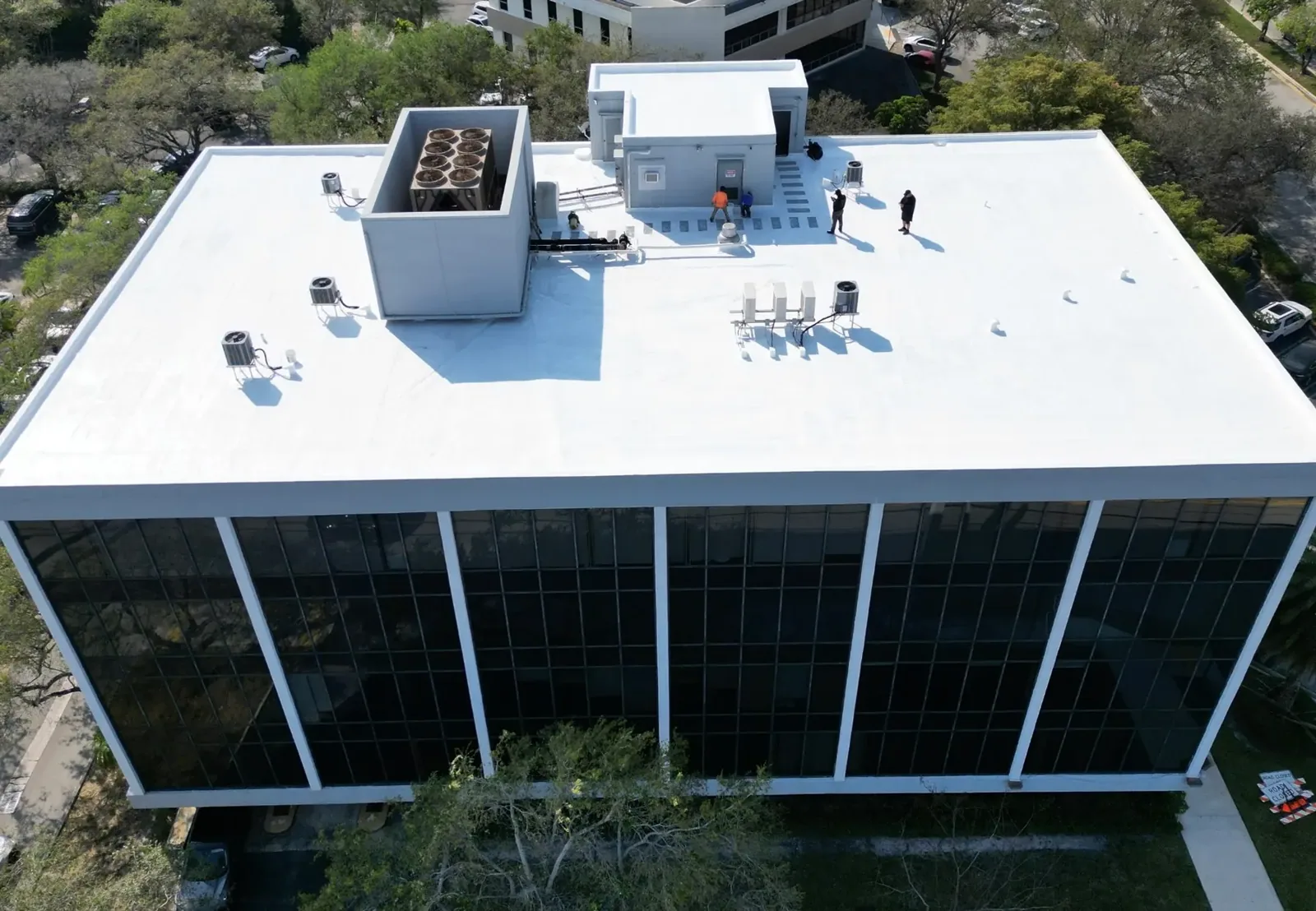
Check insulation and transitions | Insulation, vapor control and deck conditions matter because a roof opening can affect more than the membrane surface. We identify visible layers at edges or existing penetrations and compare them with available drawings. If the condition below cannot be understood without opening the assembly, we propose a test location and explain what it can verify. A sample confirms only the layers and condition found at that point. We document it and rebuild the opening with compatible materials before work moves on. Membrane type changes how seams and flashing are repaired. TPO roofing uses heat-welded laps, while other assemblies require their own seam method and compatible details. At a penetration, we check for a complete transition from field membrane to curb or pipe boot and inspect whether later equipment work disturbed the flashing. A commercial roof inspection can document these accessible conditions before a scope is priced. If the cold-side roof has multiple layers or repeat wet areas, a single surface patch may not answer the underlying question. |
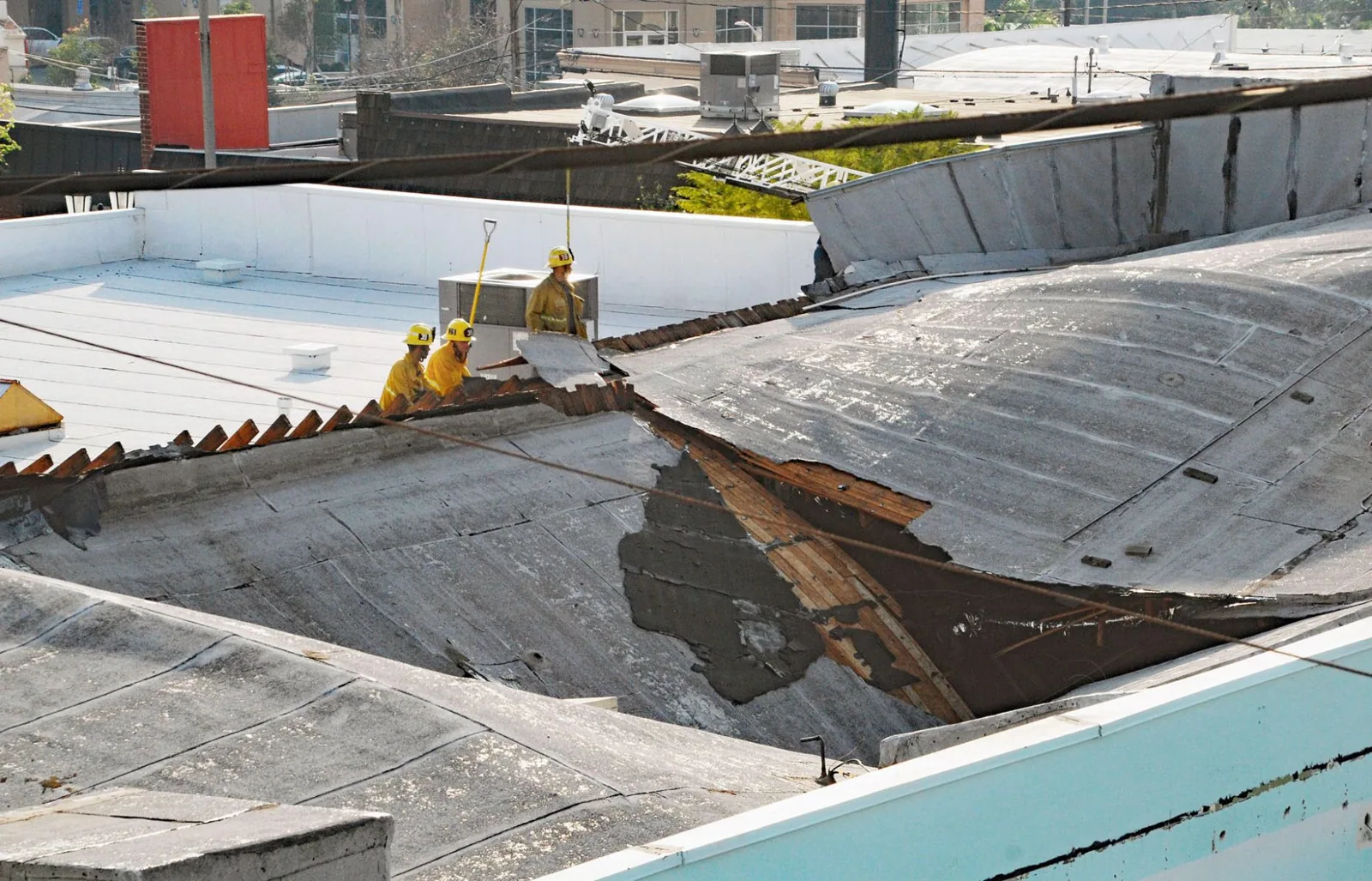
Choose a repair boundary | After tracing the condition, we mark the affected zone and state what is included: membrane repair, curb flashing, insulation replacement, deck correction or a further diagnostic step. If removal exposes a wet layer beyond the original boundary, we photograph and record it before extending work. The facility contact reviews any change that affects operating controls or access. Each transition is closed using materials suited to the documented assembly, and the work record distinguishes repaired areas from concealed zones that were not opened. For a reroof in Coral Springs, Florida Building Code section 2322.2.8 requires sheathing re-nailing on reroofs. We compare that deck requirement with the approved layers and the cold-side operation before setting removal limits. Florida's 2023 eighth-edition building rules include High Velocity Hurricane Zone criteria. Commercial roof replacement can be sequenced around confirmed room operations. A distribution-center roof may emphasize dock flow, while this scope gives temperature transitions and insulation closer review. |
Protect the cold-side operation | Before removal starts, the contact confirms which rooms remain active, what product or equipment must be protected and how roof access should be controlled. We select an area that can be protected, repaired and closed within the planned window. Rain can interrupt membrane preparation; if the weather changes, the open edge is secured before the team leaves. Summer heat affects crew exposure in Coral Springs, so the day's roof sequence needs practical work periods and a clear contact for site changes. We check that roofing materials, tools and debris do not block approved entrances or the loading approach. Any temporary interior protection is agreed with the facility representative before work begins. The roof sequence can also avoid an intake or exhaust location when operations require it, subject to the contact's direction. The project record notes the zones completed, weather interruptions and any follow-up needed to inspect an area that could not be reached on the first visit. |
Document the repaired transition | At close-in, we examine the membrane seam, flashing corners, curb details, edge terminations and drains included in the scope. Where insulation or deck was exposed, the record identifies what was found and replaced. We photograph the work before concealment where access allows and note any unresolved condition that requires another trade or a separate authorization. The closeout describes the roof work performed; it does not substitute for verification of refrigeration controls or interior vapor systems. We review the record with the assigned facility contact and confirm when temporary protection can be removed. Follow-up can revisit accessible transitions after the next heavy rain or after a separate mechanical correction. If the building has several roof zones, preventive roof maintenance can keep drains, flashings and prior repairs in a regular review. The address, assembly, interior conditions and operating limits remain the basis for the next inspection step. |
Commercial Roofing Questions | How can you tell a roof leak from condensation?We compare the moisture location and timing with rain, nearby roof details, insulation and interior temperature conditions. If the evidence does not establish the cause, we identify a test or building-system review that can answer the open question. Can a test cut find wet insulation?A controlled opening can show the layers and condition at its chosen location. We document the sample, restore it and do not extend that finding beyond the area it represents. Will repairs interrupt cold-room operations?The facility contact sets access, protection and operating limits. We can sequence defined roof zones and coordinate any interior access before work, then report changes that require a separate decision. What roof details deserve attention on a cold-storage building?We inspect seams, drains, penetrations, curbs and transitions where insulation or vapor-control layers may change. The actual assembly and observed moisture path determine which detail needs repair. What should I provide before the inspection?Send the address, roof drawings, prior leak or condensation notes, temperature-zone information, roof access instructions and operating limits. Include the contact who can approve access or work-boundary changes. |
Trace the moisture condition | Provide the address, roof records, interior moisture location, recent weather or operating change, access route and cold-room limits. We can inspect roof transitions and define which repair or diagnostic step fits the evidence. Request a Roof Assessment 555-555-5555 |
|
|
REQUEST AN ASSESSMENT
 |