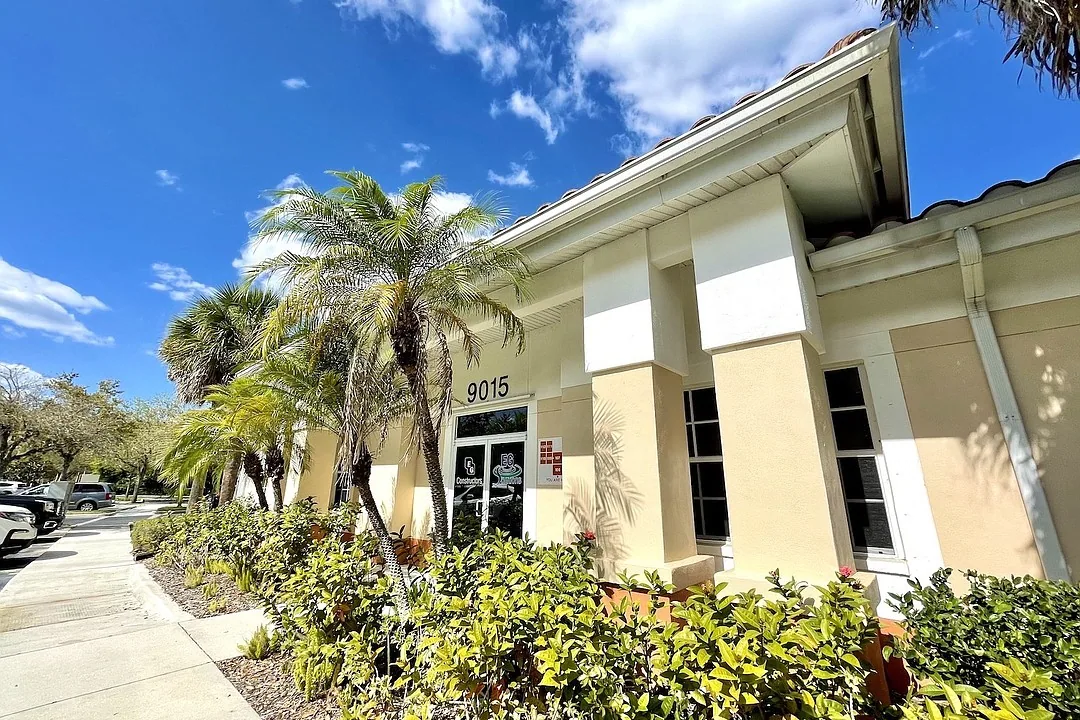
Occupied-Building Commercial Reroofing in Coral Springs, FL
|
|
|
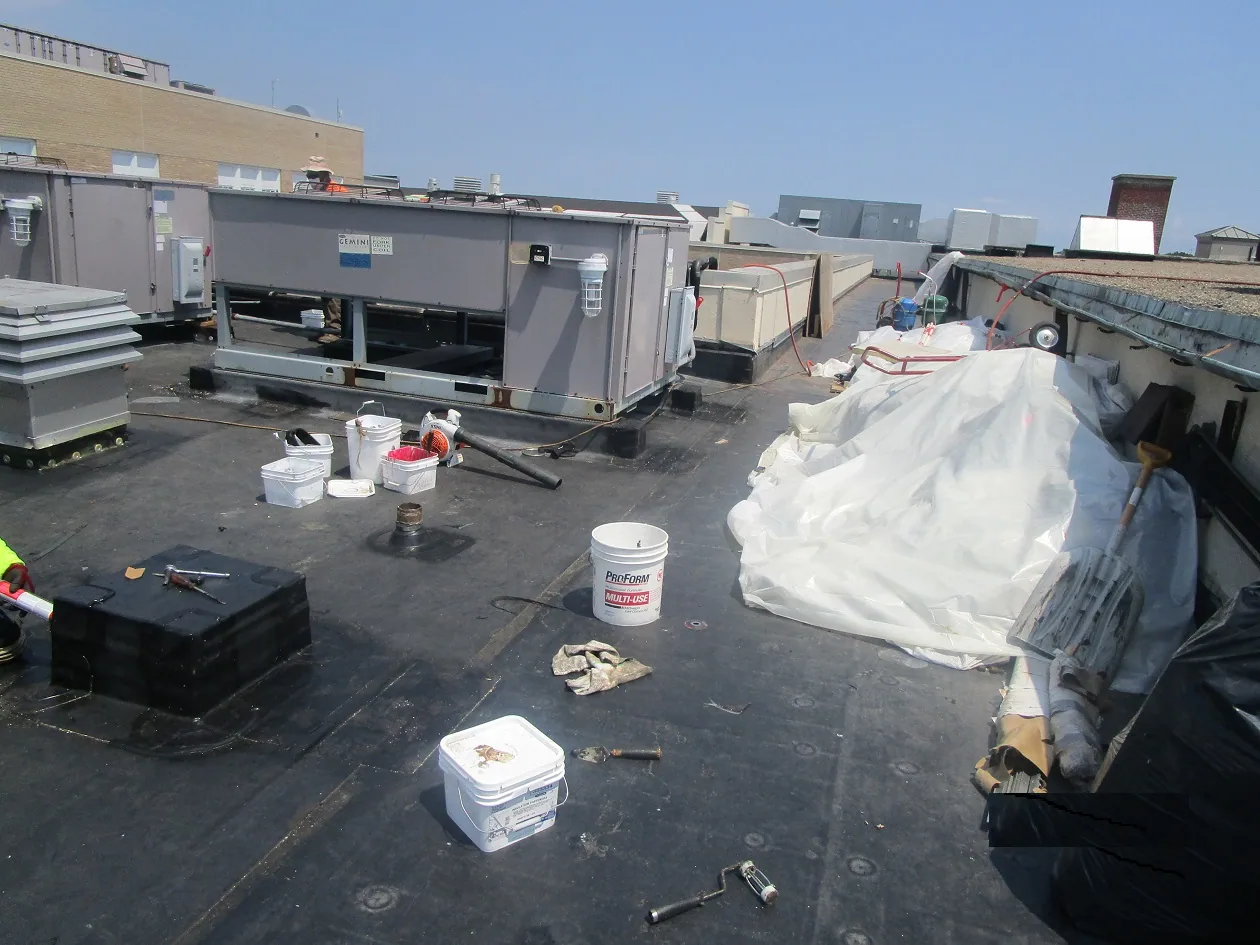
| A temporary tie-in left open over an occupied room can disrupt operations before the larger roof work is complete. We divide the roof into manageable zones, agree on access and notice with the building contact, then close each active area before moving the crew. The sequence identifies what will be noisy, where materials travel and how the property stays protected when a shift ends or weather changes. The plan follows the actual roof and the building’s operating limits. Coral Springs, FL has healthcare, retail, education, industrial and municipal properties with different schedules and access rules. At Broward Health Coral Springs, continuous hospital operations make facility-approved access, staging and work windows essential. At each property, the assigned representative confirms its own access and notice requirements. At a warehouse or office near Coral Springs Commerce Park, loading and equipment routes also need confirmation at the address. We coordinate with the assigned representative before delivery or roof opening. |
Set work zones and notice | We review building hours, occupied areas, roof access, delivery routes and any dates when a section must remain available. The property manager identifies who receives daily updates and who can approve a change when concealed conditions appear. We mark the proposed roof zones and explain the order of tear-off, installation and close-in. Smaller work areas can reduce the time a roof remains exposed, but the actual sequence depends on the assembly and weather. Coral Springs Commerce Park spans industrial, commercial and research uses, while Downtown Coral Springs includes retail and civic activity near Sample Road and University Drive. For either district, we confirm gate access, staging and occupied entrances with the site contact before scheduling. Multi-building work coordination can keep notices and roof-zone records aligned when one owner has several properties. Before a phase begins, the property contact identifies which entrance, tenant area, loading zone and interior spaces sit below the active roof section. We put the daily start and stop boundary on a site plan, along with material delivery and the route for debris removal. Notices can then name the area affected and the expected period of disruption. If the work boundary shifts after removal, we update the contact before the next section opens so protection and access stay coordinated with the actual roof area. |
Keep routes and entrances clear | Material deliveries, lifts and debris removal can affect entrances and service drives. We confirm the approved truck route, unloading area, staging location and roof entry before the first delivery. The site contact identifies fire lanes, tenant entrances, loading areas and any equipment that must remain reachable. If a route changes, the crew uses the updated direction rather than staging material where it blocks building operations. Near Coral Square Mall, University Drive or Sample Road, the property contact confirms the delivery gate, parking, escort and roof-entry route before the first shift. A phased commercial roof replacement follows that approved path and keeps the designated entrances available. |
Close each roof area before shifting | South Florida’s wet season can bring heavy rain, and tropical systems affect the region during the peak Atlantic months. We check conditions before opening a roof zone and define how it will be protected at the end of the work period. The tie-in, temporary membrane and drains must be checked before the crew shifts to another area. If weather shortens the work window, the sequence changes to secure the exposed section first. Temporary protection is inspected and recorded by roof zone. The building contact receives notice if conditions require a change to the planned area or access. For active water entry outside the reroof footprint, emergency roof response can stabilize the affected area while the primary sequence continues. When work resumes, we inspect the tie-in and verify where permanent installation begins. |
Manage noise, dust and interior effects | Roof removal, material movement and mechanical coordination can be heard or felt inside an active building. The property representative identifies sensitive rooms, occupied areas and hours when work should be sequenced differently. We describe the roof operations planned for each zone and coordinate any interior protection with the contact. If a unit needs shutdown or lifting, the responsible mechanical trade confirms the timing before the roof opening is made. For healthcare, school, retail or office settings, the building’s own operating instructions control access and notice. Hospital staff identifies sensitive rooms, occupied areas and any quiet window before a reroof sequence is set. We document the route and work period authorized by the contact at each occupied property. Equipment curb and support work can be coordinated with mechanical access when a unit transition falls inside the reroof area. We agree on the person who can pause work if an interior barrier shifts, water protection changes or an occupied route becomes unavailable. |
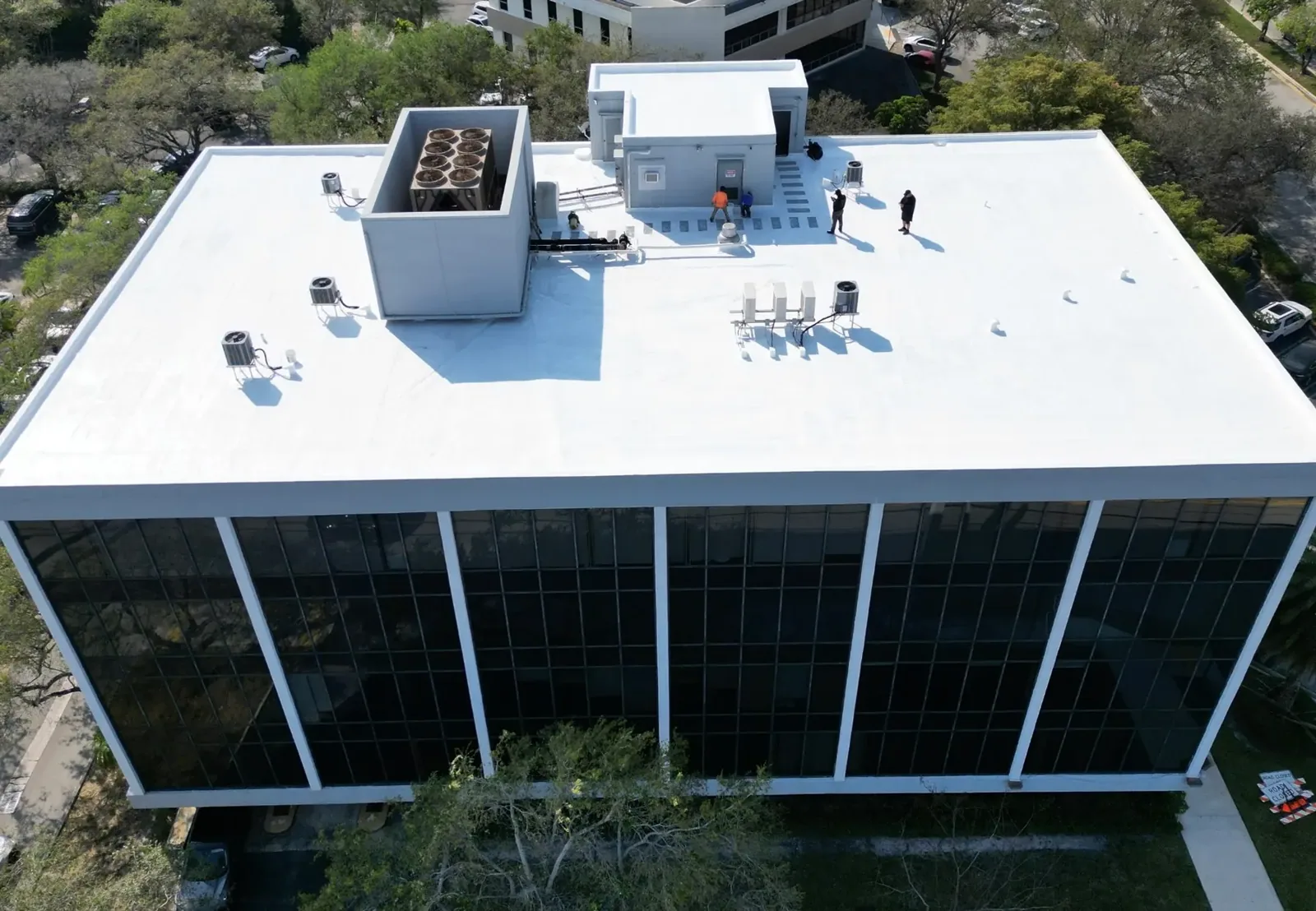
Inspect the daily close-in | Before the crew leaves an active zone, we check membrane seams, perimeter terminations, penetrations and drainage connections. The work record identifies installed layers, temporary tie-ins and any condition that needs owner review before the next phase. A change in deck or insulation after tear-off is documented and discussed with the authorized contact while the area remains open. The crew then closes the zone according to the approved assembly and daily protection plan. For a full replacement, the scope identifies tear-off limits and what layers are installed in each area. A commercial roof replacement plan can define that construction sequence. For occupied buildings where a recover is suitable, roof recover work still requires roof access, repaired details and clear close-in checks. We record areas complete so the site team can track the transition from one phase to the next. |
Keep the building team informed | At each workday close, the contact should know which roof zones are complete, which routes remain affected and what is planned next. We identify any open decision, weather delay or access dependency rather than leaving the building team to infer status. The final walk covers completed areas, temporary measures removed and remaining items. Dated notes and photographs can support future maintenance and help the property manager brief staff. A roof condition report can preserve findings and access limits. Preventive maintenance can inspect accessible details after the reroof. Near Downtown Coral Springs, mixed commercial and civic uses do not replace property-specific planning. We review the completed work and next steps with the authorized representative before leaving the site. |
Commercial Roofing Questions | Can roofing proceed while tenants remain inside?The sequence depends on roof access, the work area and operating restrictions supplied by the building. We define zones, notice, protection and close-in steps with the assigned contact before starting. How do you protect a building if rain is forecast?We check the work window, limit open areas and inspect temporary tie-ins before shifting zones. If conditions change, the sequence prioritizes closing exposed work and notifying the contact. Who handles tenant notices and access?The property representative identifies communication responsibilities, approved entrances, delivery routes and restricted areas. We coordinate the roofing schedule and provide updates on affected zones. What happens if the crew finds damaged deck?We document the exposed condition and discuss the repair with the authorized contact before covering it. The work zone stays subject to the revised scope and close-in check. What details are needed to schedule the work?Provide the property address, operating hours, roof access route, delivery and staging rules, active leak or storm date, and the contact authorized to coordinate schedule changes. |
Plan the occupied-site sequence | Send the building address, operating hours, roof access route, delivery and staging rules, active leak or storm date and the site contact. We can map work zones and review daily close-in requirements. Request a Roof Assessment 555-555-5555 |
|
|
REQUEST AN ASSESSMENT
 |