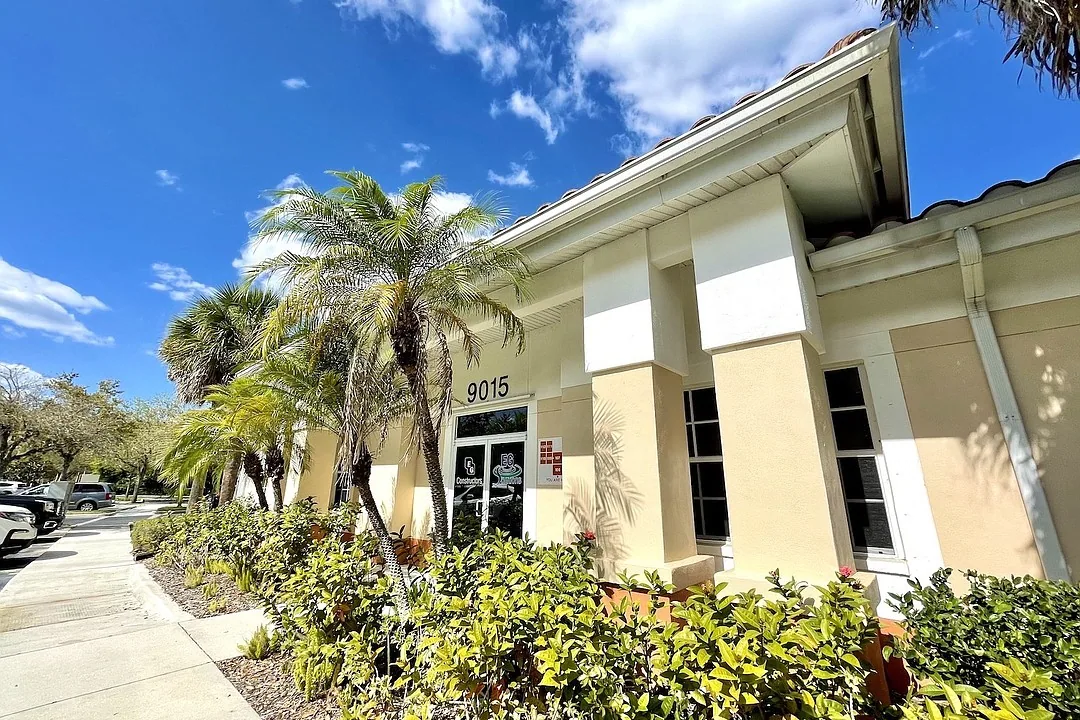
Commercial EPDM Roofing in Coral Springs, FL
|
|
|
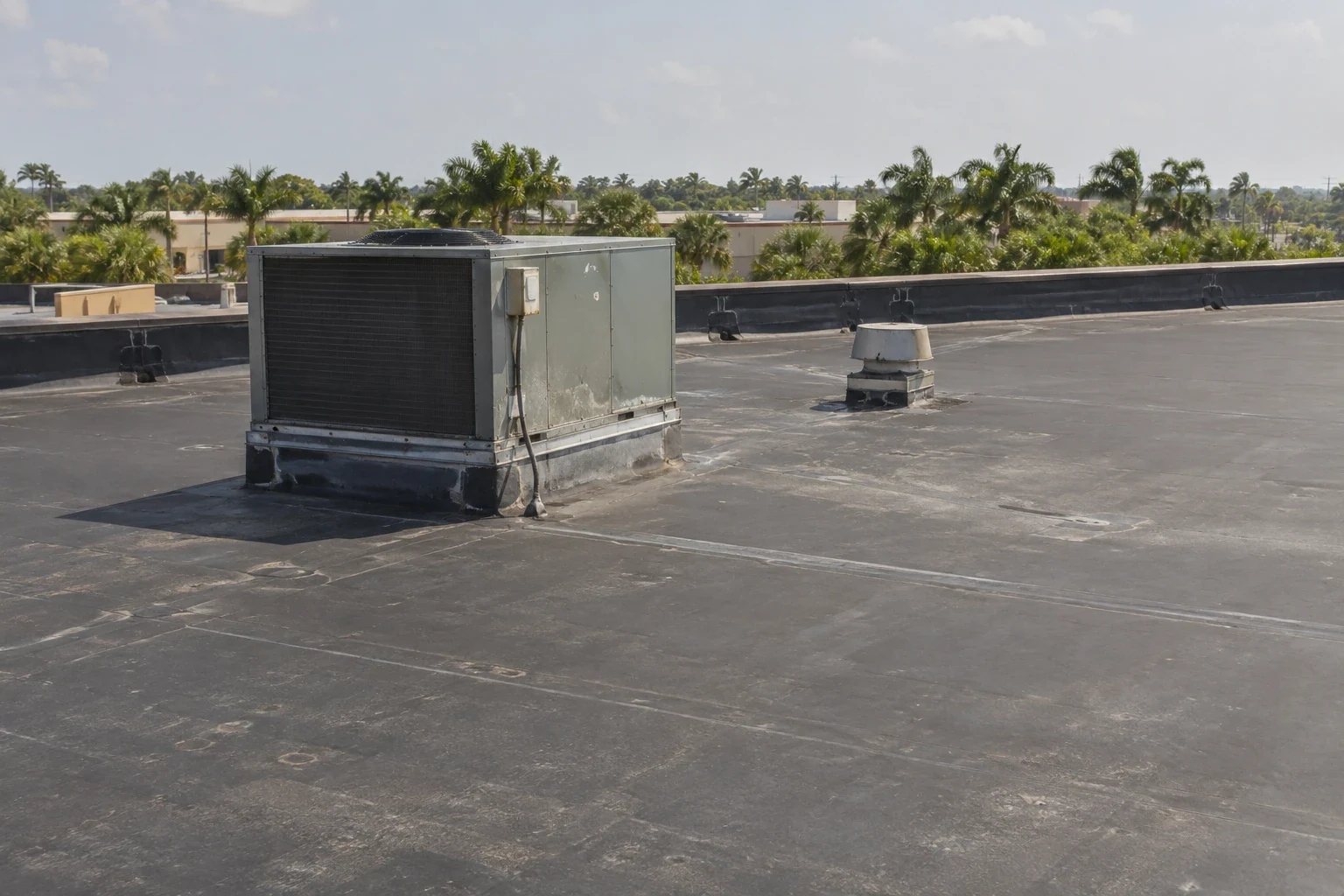
| An EPDM seam tape lifting near a parapet leaves an edge that can collect water and pull farther from the field. We inspect the lap, adhesive, surface preparation and adjacent flashing before defining the repair. The method depends on the existing membrane and its condition; a new patch needs a clean, sound receiving surface and the right compatible primer or accessory. We mark the repair boundary and inspect the completed lap before it disappears beneath another layer. South Florida’s strong summer heat and long wet season make surface condition, preparation and close-in timing important. At a building in Coral Springs Commerce Park or near Sample Road, we verify the roof records, access route and work limits with the property contact before material is staged. The University Drive Corridor meets the Downtown redevelopment area near Sample Road, but the property manager still confirms delivery and roof entry. Those details set where rolls and repair materials can be moved. |
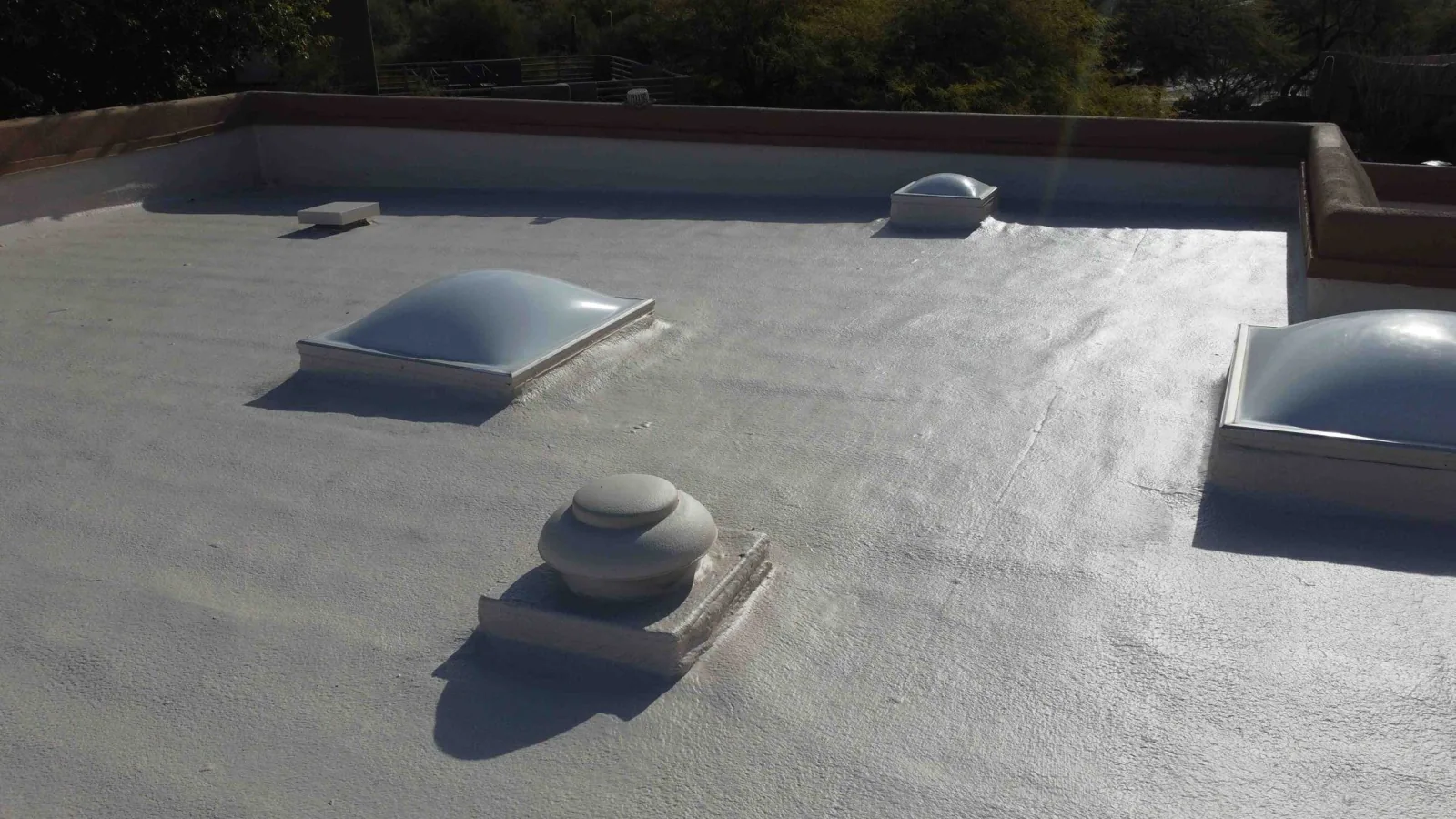
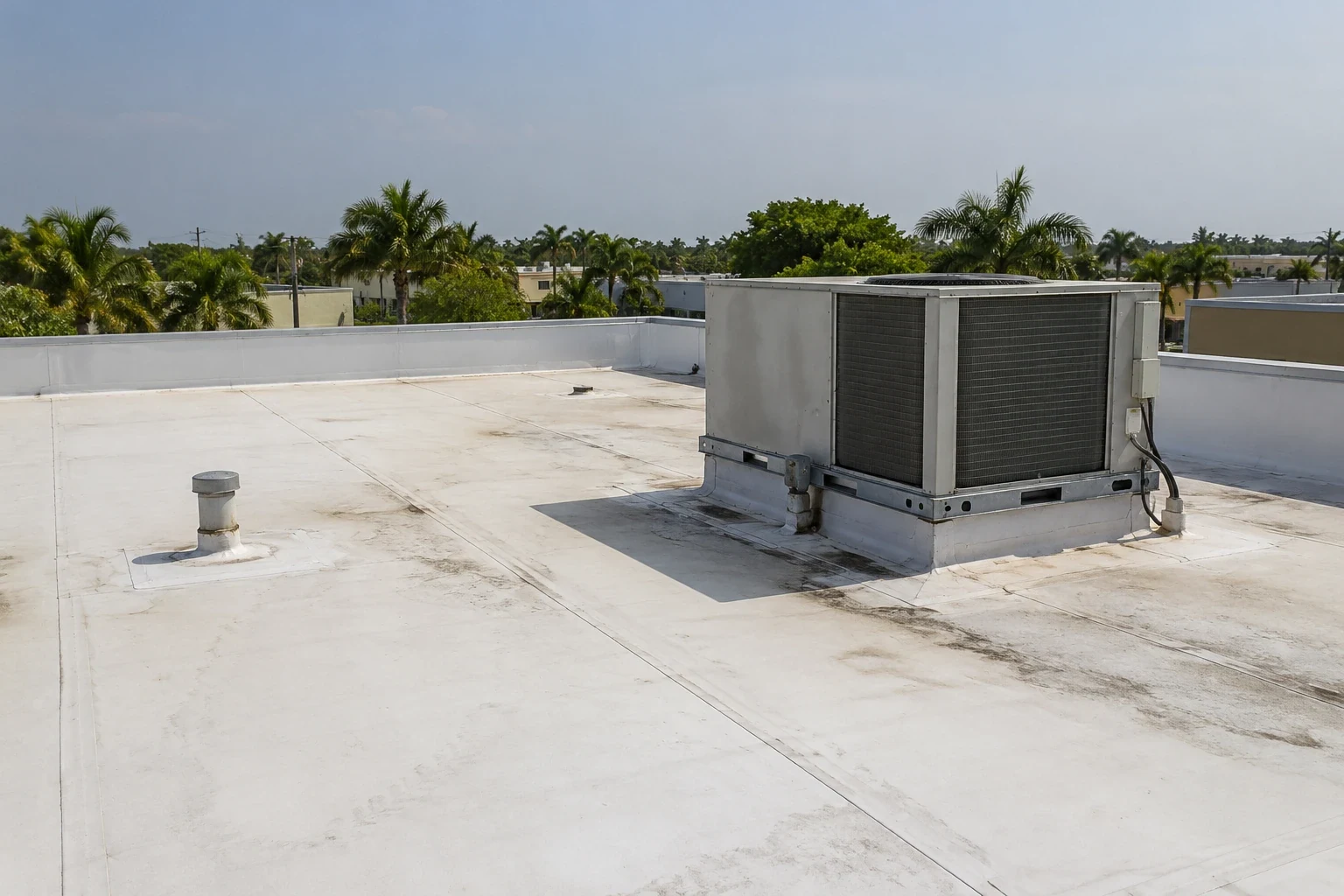
Identify the EPDM layers | EPDM is a flexible synthetic-rubber membrane used in single-ply roof assemblies. The project records and field details establish the sheet, attachment, insulation and cover board. We inspect the membrane surface, laps, field patches, perimeter terminations and penetrations to see how the existing assembly was put together. If several roof areas have different construction or prior repair methods, we document those differences instead of assuming a uniform system. At a transition to metal or another membrane, the connection needs a compatible flashing detail. A commercial roof inspection can record accessible conditions, while a modified bitumen assembly uses a different roof build-up and seam method. We compare systems only against the building’s actual requirements and project scope, not as interchangeable surface coverings. |
Prepare and repair seam tape | At an EPDM lap, we inspect the tape edge, membrane surface and nearby seams for contamination, adhesive failure, wrinkles or movement. Repair generally requires cleaning and preparing the membrane, applying compatible primer where specified, and installing seam tape or a patch with the required overlap. We follow the selected system detail and check the full repair perimeter. If separation continues outside the initial mark, we extend the inspection before setting the final boundary. Water entry may come from a nearby curb, drain or wall rather than the seam first reported. We inspect the likely path and compare it with the building’s interior report. Commercial roof leak tracing can address that investigation. For a localized EPDM defect, commercial roof repair can define the repair area and close-in check. A repair record states what was opened, prepared and restored. At a splice, we check whether the sheet edge lies flat and whether the overlap can be prepared without trapping dust or moisture. The crew marks the repair limits, removes loose residue and checks the adjoining sheet for shrinkage or movement. If the membrane has pulled back from a wall or curb, a field-tape patch will not restore that transition. The scope identifies separate flashing work and confirms whether the existing material can extend far enough to form a secure tie-in. We note the lap direction so later maintenance can distinguish the repaired edge from older patches. |
Inspect perimeter and penetration details | EPDM transitions need attention where the field membrane meets a wall, curb, pipe or drain. We check the flashing material, termination bar, metal edge, corners and clamping details around outlets. At rooftop equipment, the base may require coordination with a mechanical trade before flashing is removed. The roof scope identifies each affected transition and whether the existing surface can receive a new detail. At the perimeter, Coral Springs’ High-Velocity Hurricane Zone requirements make the approved assembly and project drawings important for edge attachment. We compare visible fasteners and terminations with the approved assembly and project drawings before setting the attachment detail. Edge metal and coping service can address the metal transition. A drain and scupper review can address outlet details when the EPDM field connects to a bowl or overflow. |
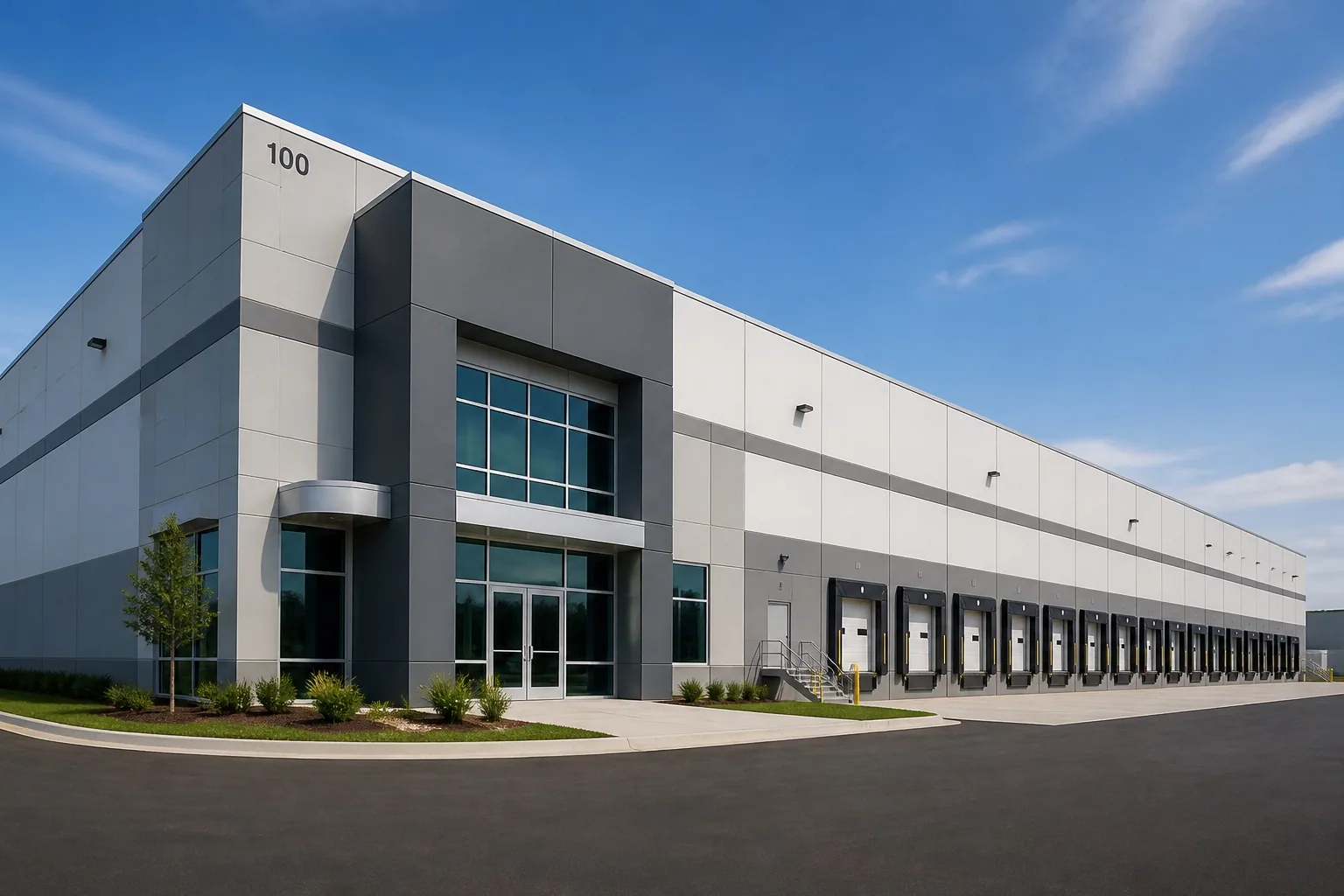
Set a suitable repair window | EPDM repair materials need surface conditions and preparation suited to their instructions. Rain, dampness and high roof temperatures can affect cleaning, primer, adhesive and the time available to close a seam. Coral Springs’ summer heat and wet-season storms can change the work window, so we inspect conditions before applying material. The sequence identifies how much membrane can be prepared and protected during the visit. Commerce Park includes light-industrial and warehouse/distribution activity. The site contact confirms the route, staging point and roof entrance for each facility. For a building with active tenants, occupied-site roofing coordination can set a sequence around operating limits. We protect the open detail if conditions change and record when permanent work can resume. |
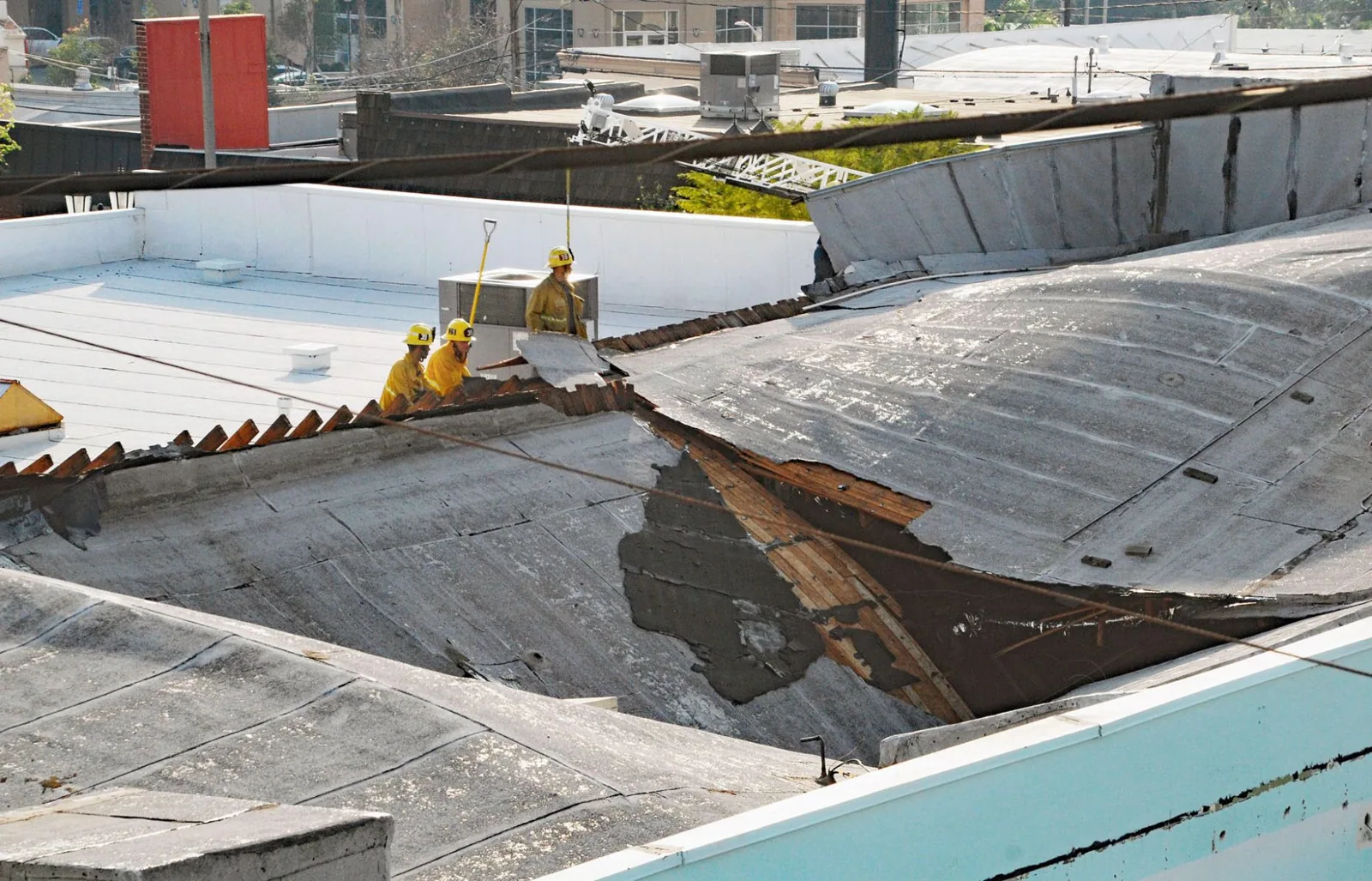
Compare repair with replacement | A localized EPDM repair can address an isolated seam or penetration while leaving sound surrounding material in place. Repeated splits, widespread adhesive failure, wet insulation or deterioration across roof zones can change that choice. We document the observed pattern, identify the inspection limits and explain whether opening more of the roof would help confirm the assembly. The owner can compare defined repair work with a replacement scope based on actual findings. For a broader condition review, a roof condition report can organize photographs and field marks. If a replacement is considered, TPO roofing may be compared with EPDM by reviewing project details, attachment and seam methods. At the Sample Road corridor, the property address and roof access still determine the work plan. We keep alternatives tied to the building’s assembly. |
Check repairs before close-in | We inspect the completed seam, patch edge, termination and related drainage detail before leaving the roof. The closeout names the repaired locations and materials and notes any surface or access condition that limited inspection. If a test cut or concealed-layer review was outside the scope, the record states that boundary. We list inspected zones separately from areas that remain outside the repair boundary. Future visits can track changes at accessible seams and flashing. Preventive roof maintenance can revisit those details and note new defects. If the roof condition affects a planned recover, the owner can use the findings to compare that scope with replacement. We provide dated notes and review the completed work with the contact responsible for the building. The closeout also records the weather and surface conditions at application when those conditions affect the repair record. If the seam could not be tested or a drain remained outside the work limit, we state that boundary for the next inspection. |
Commercial Roofing Questions | How are EPDM seams repaired?We inspect the tape or adhesive lap, prepare the surface as specified and install a compatible repair detail. The repair edge and adjacent seam are checked before close-in. Can an EPDM roof be patched in rainy weather?The repair surface and materials need suitable conditions. We check moisture and forecast, then protect the roof zone or reschedule if a reliable bond cannot be made. What makes an EPDM repair fail?Contamination, poor preparation, movement or deterioration outside the repair area can affect the result. We inspect the nearby assembly and mark the boundary supported by visible conditions. Can you install TPO over EPDM?A recover requires assembly, moisture, compatibility, attachment and code review. We identify the existing layers and any test cuts needed before proposing retained construction. What records should I provide?Send the property address, available roof plans, prior repair notes, active leak or storm date, access route and operating limits. Include details about equipment near the affected seam. |
Review the EPDM roof | Provide the property address, roof records, leak or storm date, roof access route and operating limits. We can inspect seams and transitions, define a compatible repair and document the finished detail. Request a Roof Assessment 555-555-5555 |
|
|
REQUEST AN ASSESSMENT
 |