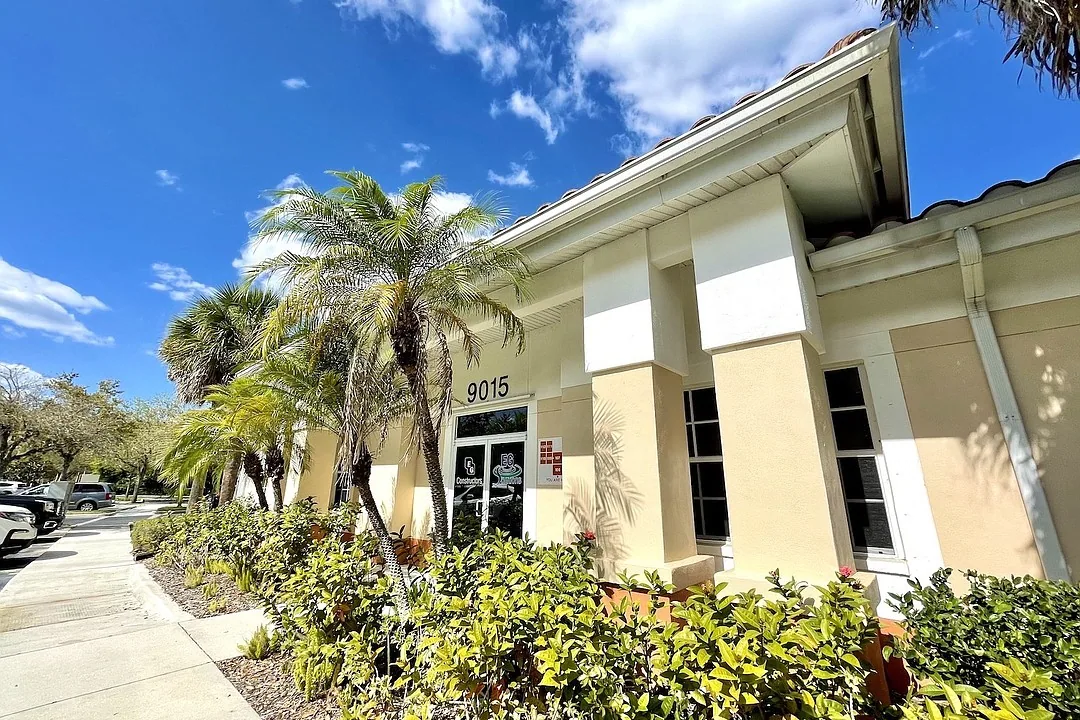
Manufacturing Plant Roofing in Coral Springs, FL
|
|
|
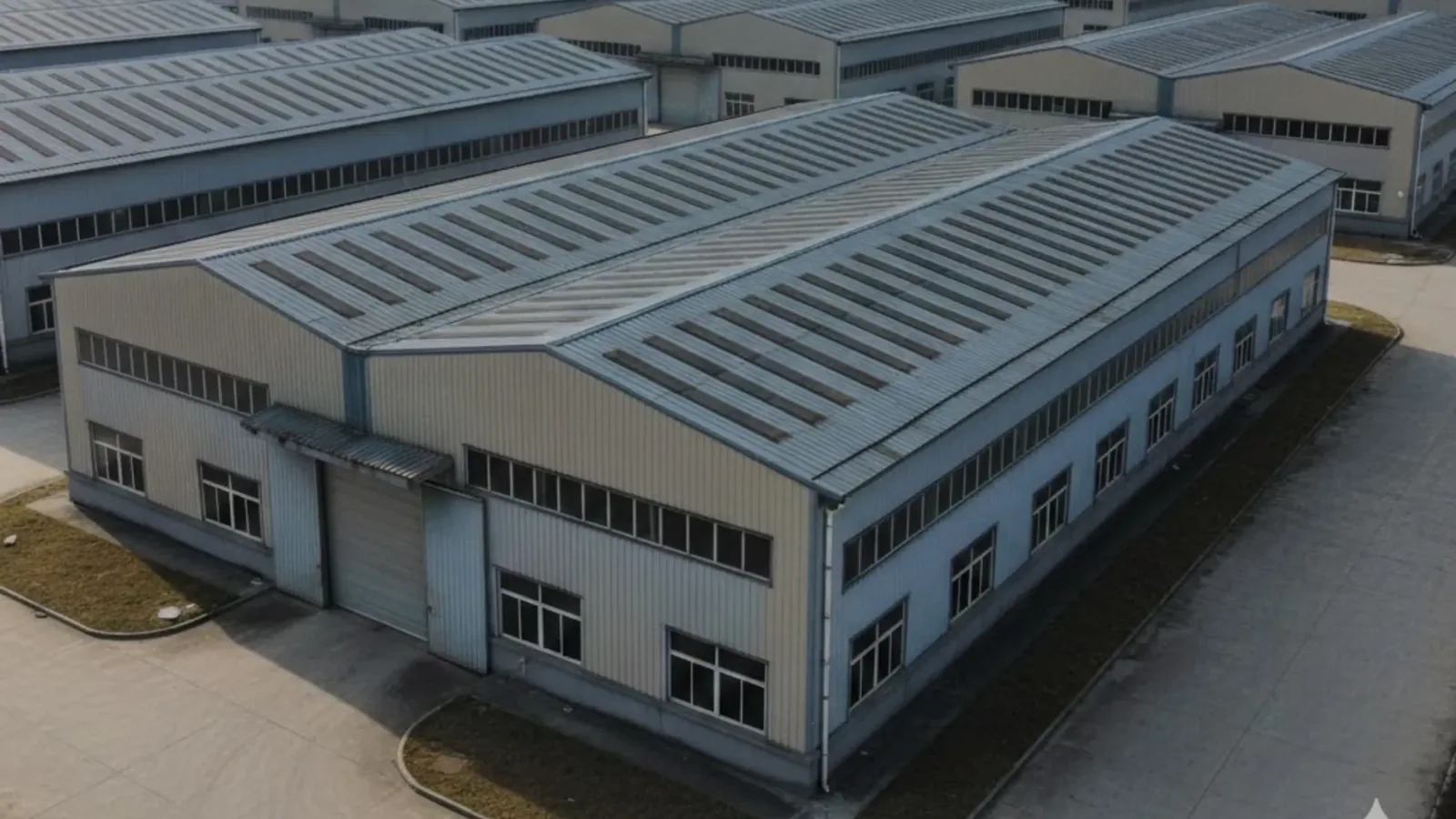
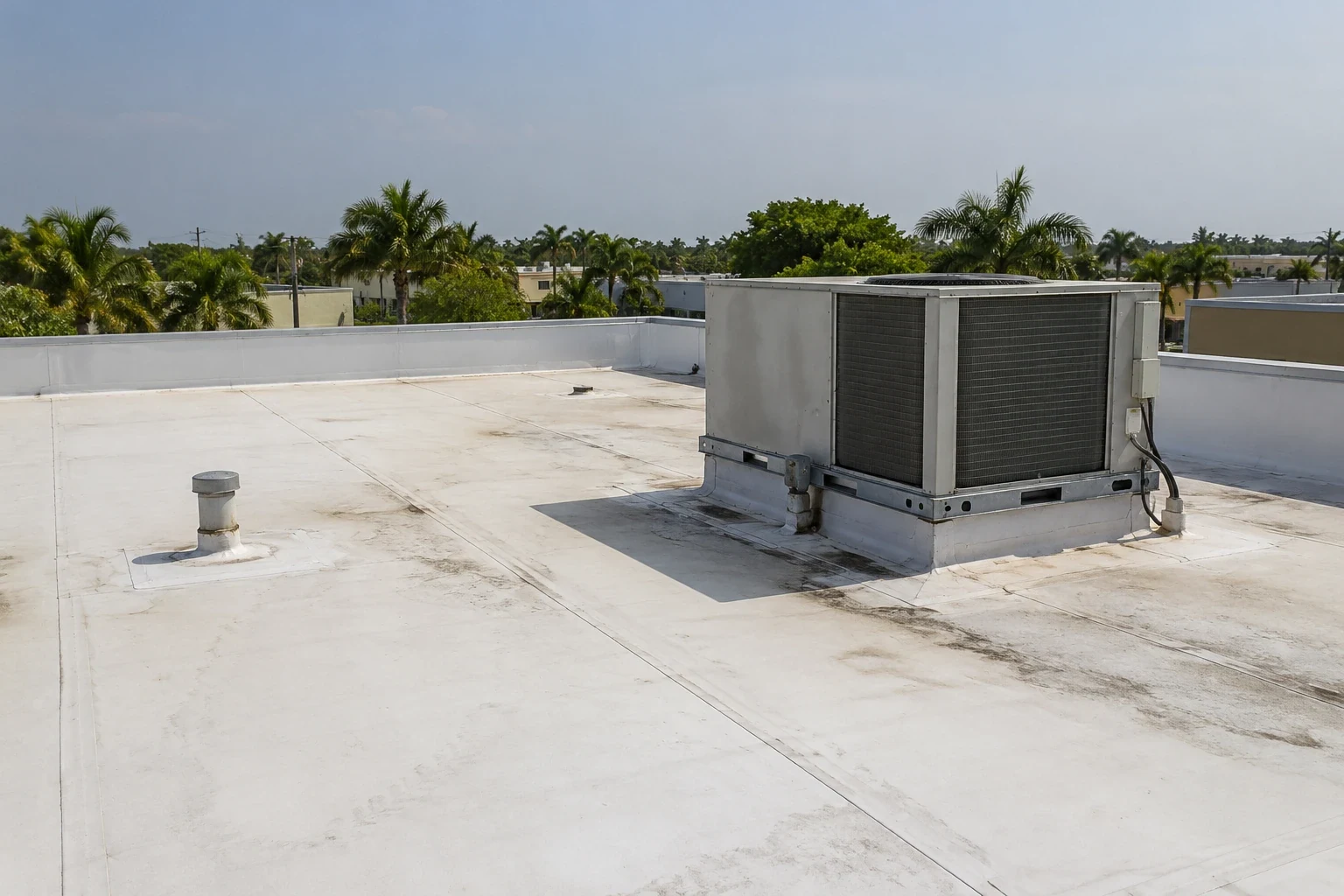
| A curb flashing that has separated beside an exhaust fan can admit rain and expose equipment or process space below. We inspect the curb corners, membrane transition and attachment around the unit, then trace any water marks toward drains and roof edges. Before opening the assembly, we confirm whether equipment can remain in operation and where work may interrupt access. The written scope distinguishes the visible defect from any layer that would require a controlled test cut. The 442-acre Coral Springs Commerce Park includes engineering, aerospace, logistics and other industrial uses. Decimal Engineering and Emser Tile are among its employers. At the plant under review, the site representative confirms production schedule, process hazards and roof assembly before we stage work. South Florida’s heavy wet-season rain and summer heat shape the weather window, so we choose roof zones that can be secured and closed as the work progresses. |
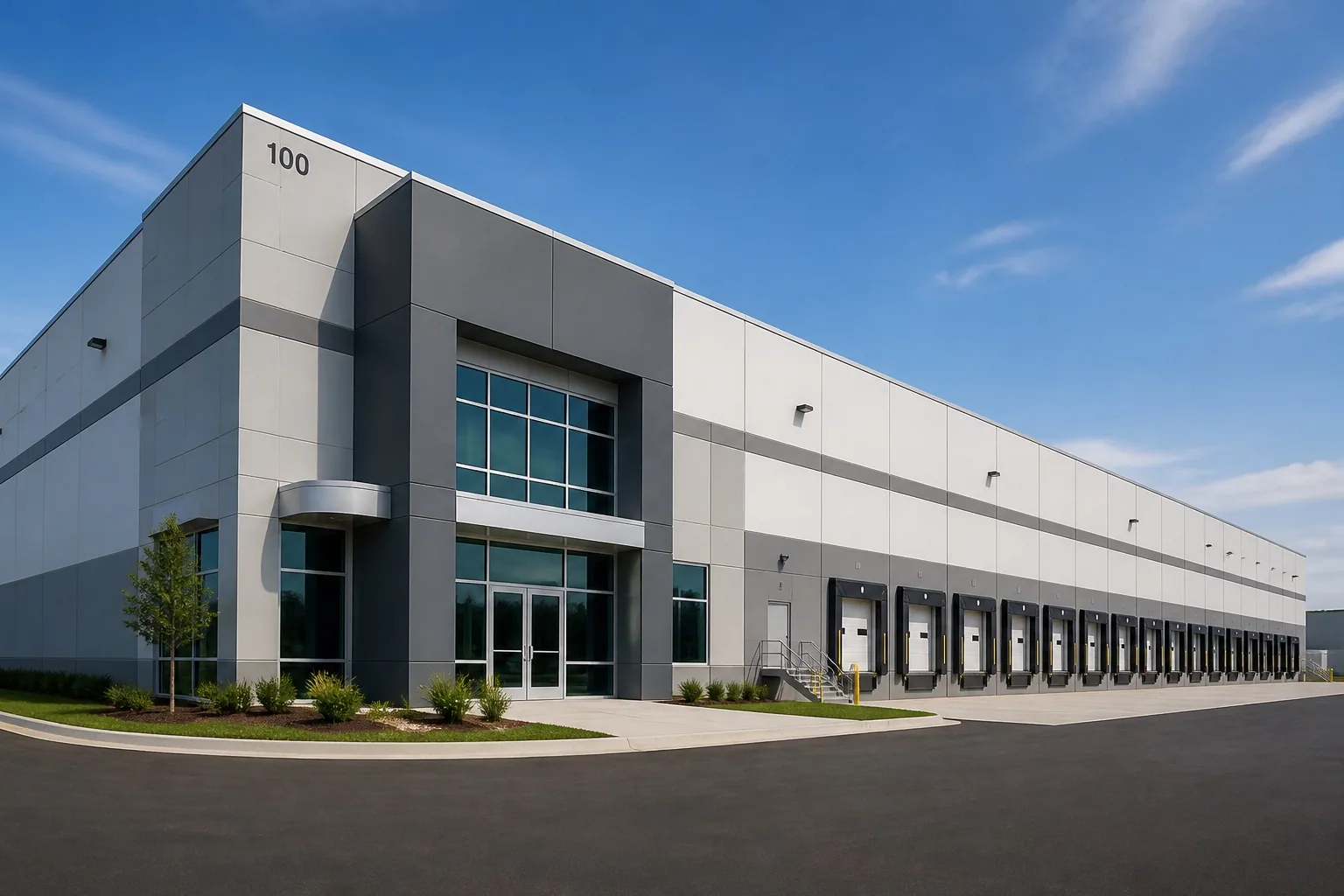
Confirm process and roof access | The first walkthrough establishes which production areas sit beneath the requested roof zone and who can authorize access. The contact points out sensitive equipment, exhaust outlets, intake locations, overhead crane paths and any restricted rooms. We record the approved hatch, ladder or lift route and identify where tools and materials can be staged. The facility team provides shift hours, shutdown windows, notification steps and any escort requirement before the visit. That information changes how roof work is sequenced. A repair above a process line may need interior protection, a short work window or a temporary control agreed with plant staff. Occupied-building reroofing can set phased boundaries when areas below must stay in use. If the access route passes through a receiving yard, we confirm deliveries and clearances before a lift arrives. A warehouse roof may share staging concerns, but production equipment and process controls call for site-specific review. A distribution-center roof scope gives dock flow different weight. |
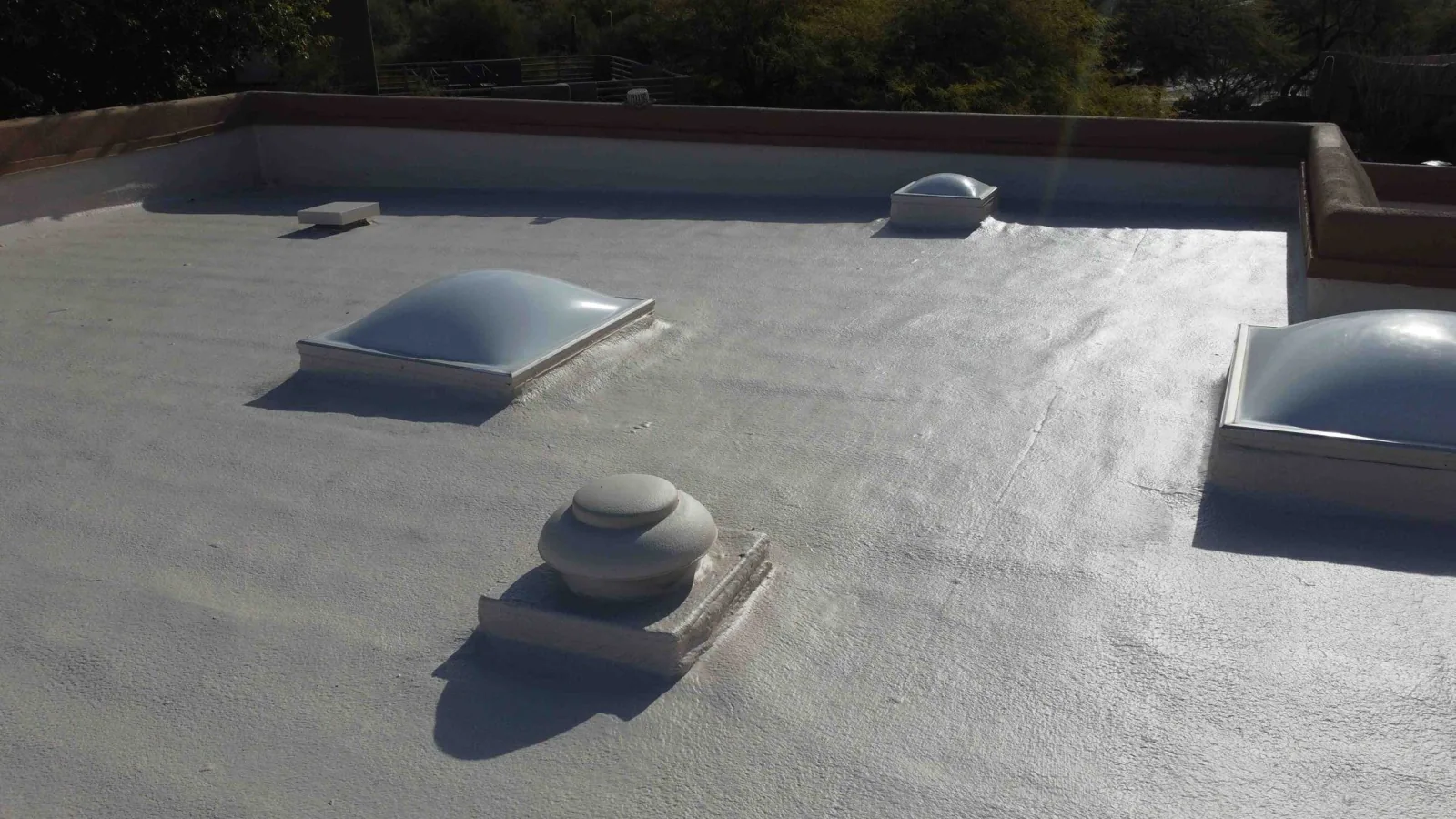
Inspect penetrations and roof zones | Manufacturing roofs often carry exhausts, ducts, piping, curbs, conduits and equipment supports. Each penetration creates a transition where movement, heat, vibration or maintenance traffic can stress flashing. We check the field membrane around each base, look for open corners and loose termination, and note nearby fasteners or repairs. Where a line or support makes the full perimeter inaccessible, we record that limit rather than describing the hidden side as inspected. We also inspect seams, edge metal, drains and scuppers across the agreed zones. Water can travel from a curb before appearing near a production room, so the interior report and roof path are compared rather than treated as the same point. A commercial roof inspection can map details before repair decisions. If water is active, leak tracing and repair can follow the reported path. Coral Springs’ wet season brings heavy rain; a clear drainage route matters when runoff reaches roof outlets quickly. |
Identify the membrane and substrate | The repair material must match the existing assembly. We identify a visible TPO, PVC, EPDM, modified-bitumen, built-up, metal or coating system and review prior work records where available. A patch on a thermoplastic seam requires a prepared, compatible surface; a metal correction depends on panel laps, clips and fasteners. At a curb, we look beneath loose flashing where the scope permits, because the substrate condition can change the repair boundary. When moisture or deck condition is uncertain, we can recommend a test cut at a named spot and explain what the result can answer. One opening represents that location only. The repair scope can then account for exposed insulation, fasteners, deck condition and the transition back to sound material. TPO roof work and standing-seam metal work use different inspection and repair details. If a coating is considered, silicone coating restoration requires a suitable, prepared substrate rather than a coat over an unresolved leak. |
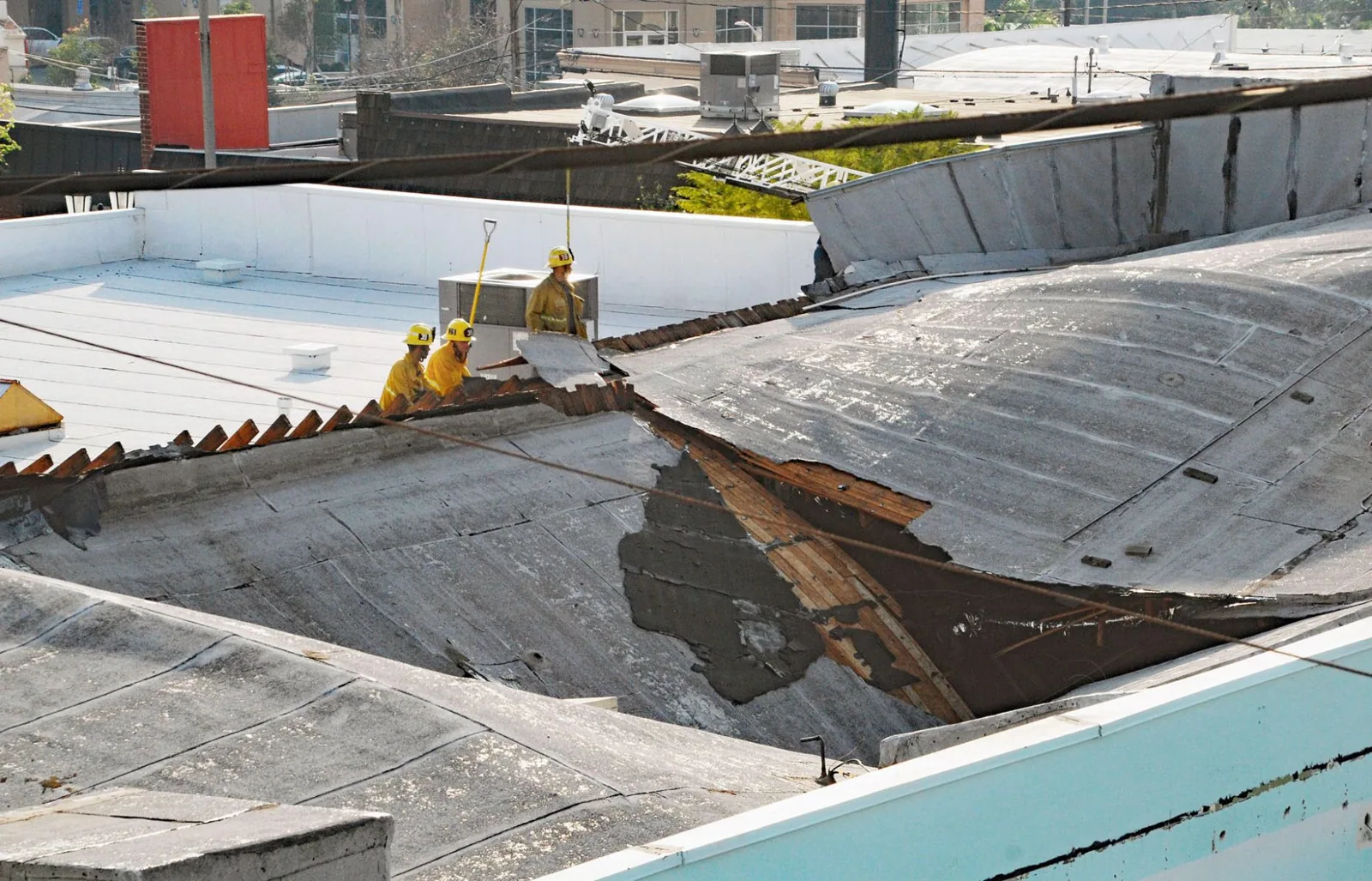
Set boundaries and protection | We mark each repair area, the work surface and the point where temporary protection is needed. A separated curb corner may need a localized flashing rebuild; widespread seam or attachment trouble can point to a broader scope. The crew records removed material and checks the substrate before closing the zone. If the actual condition extends past the planned limit, we document it and coordinate with the authorized plant contact before proceeding. Coral Springs re-roof scopes include sheathing re-nailing under section 2322.2.8. Before production access is affected, we compare the permitted deck work with the roof assembly and the facility's approved schedule. A larger decision can compare localized roof repair with replacement using condition, moisture, deck and attachment findings. For budgeting across multiple assets, capital planning can preserve the scope assumptions and timing without treating unlike roofs as one system. |
Keep production informed | Before work begins, we confirm the daily roof zone, the approved access route, material staging and the close-in point. Rain or lightning can interrupt preparation, so the crew protects any exposed edge before leaving the area. Heat is another factor during Coral Springs summers; the work sequence needs realistic breaks and a clear escalation contact if conditions change. Facility staff can identify times when a roof hatch, mechanical room or production aisle must remain clear. We coordinate roof activity with the person responsible for equipment and building operations, including any agreed protection for intake openings or sensitive areas. The contact decides whether a process adjustment is needed; the roofer records the boundary and timing. Commerce Park lies near the Sawgrass Expressway, I-95 and Florida’s Turnpike. The address-specific team confirms the delivery gate, truck rules and staging point before materials arrive. |
Check the repair before close-in | At completion, we inspect the repaired membrane, curb corners, seams, fasteners, edge terminations and drains included in the approved work. Photos and Diligence Notes identify each completed zone, materials used and any condition uncovered during removal. If a wet layer or damaged deck extended beyond the scope, it is recorded for direction before concealment. The closeout says which areas were accessed and what remains unverified. We review the repair with the assigned contact and confirm when temporary controls can be removed. A later maintenance inspection can revisit equipment flashings and drainage details. For a plant near Sample Road or University Drive, the contact confirms the entry instructions and route for that address. The record connects the roof observation, the work performed and any next step to the operating limits the facility provided. |
Commercial Roofing Questions | Can roof work happen while production is active?The facility contact identifies operating windows, sensitive areas and access rules. We can plan phased zones and protection around those confirmed limits, then document any work that needs a separate shutdown or authorization. Why inspect around rooftop equipment closely?Curbs and penetrations interrupt the roof surface, and movement or maintenance can stress their flashing. We check the transition, corners, attachment and nearby membrane for a path that could admit water. How do you handle an unknown roof assembly?We identify visible materials and review records before proposing a repair. A controlled test cut can answer a specific question about layers at one location, with the opening restored after documentation. When does a localized repair become a larger project?Repeated failures across zones, moisture below the membrane, deck deterioration or widespread attachment issues can change the scope. We document what is exposed and compare repair with replacement before covering the evidence. What details should the plant contact provide?Share the property address, roof records, leak location, equipment restrictions, process or shift limits, roof access route, delivery rules and an authorized contact for field decisions. |
Review the plant roof conditions | Provide the address, roof records, equipment restrictions, reported leak or storm date and approved access route. We can inspect the assembly, define repair limits and coordinate each close-in step with the facility contact. Request a Roof Assessment 555-555-5555 |
|
|
REQUEST AN ASSESSMENT
 |