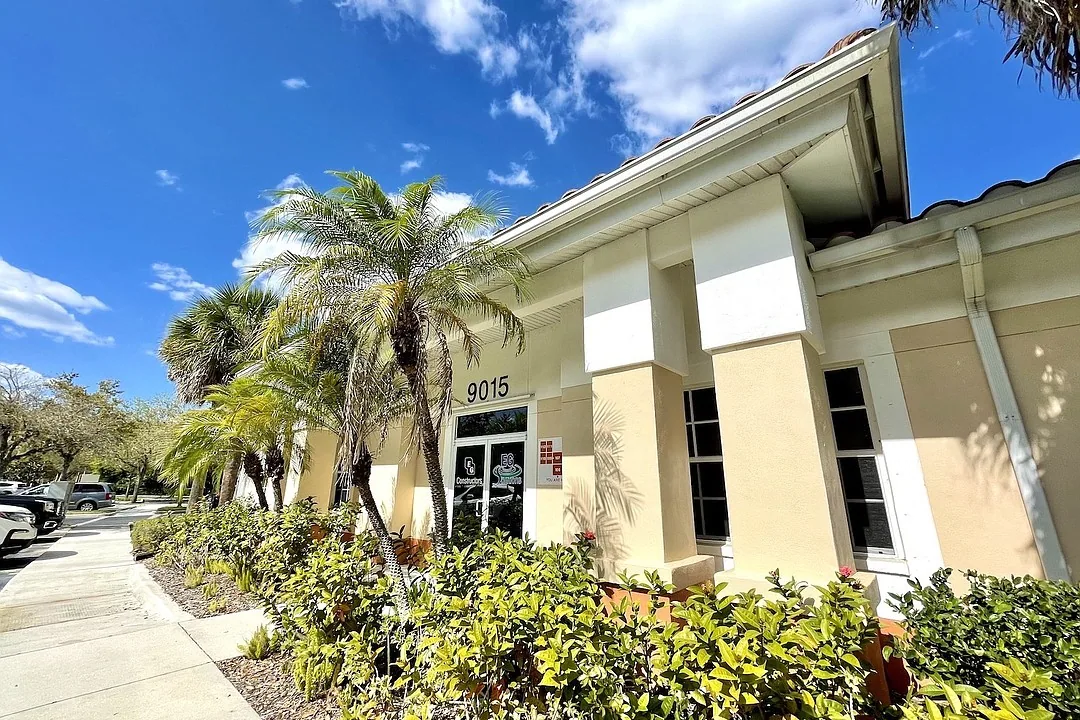
Commercial Roofing at Sawgrass International Corporate Park, Sunrise, FL
|
|
|
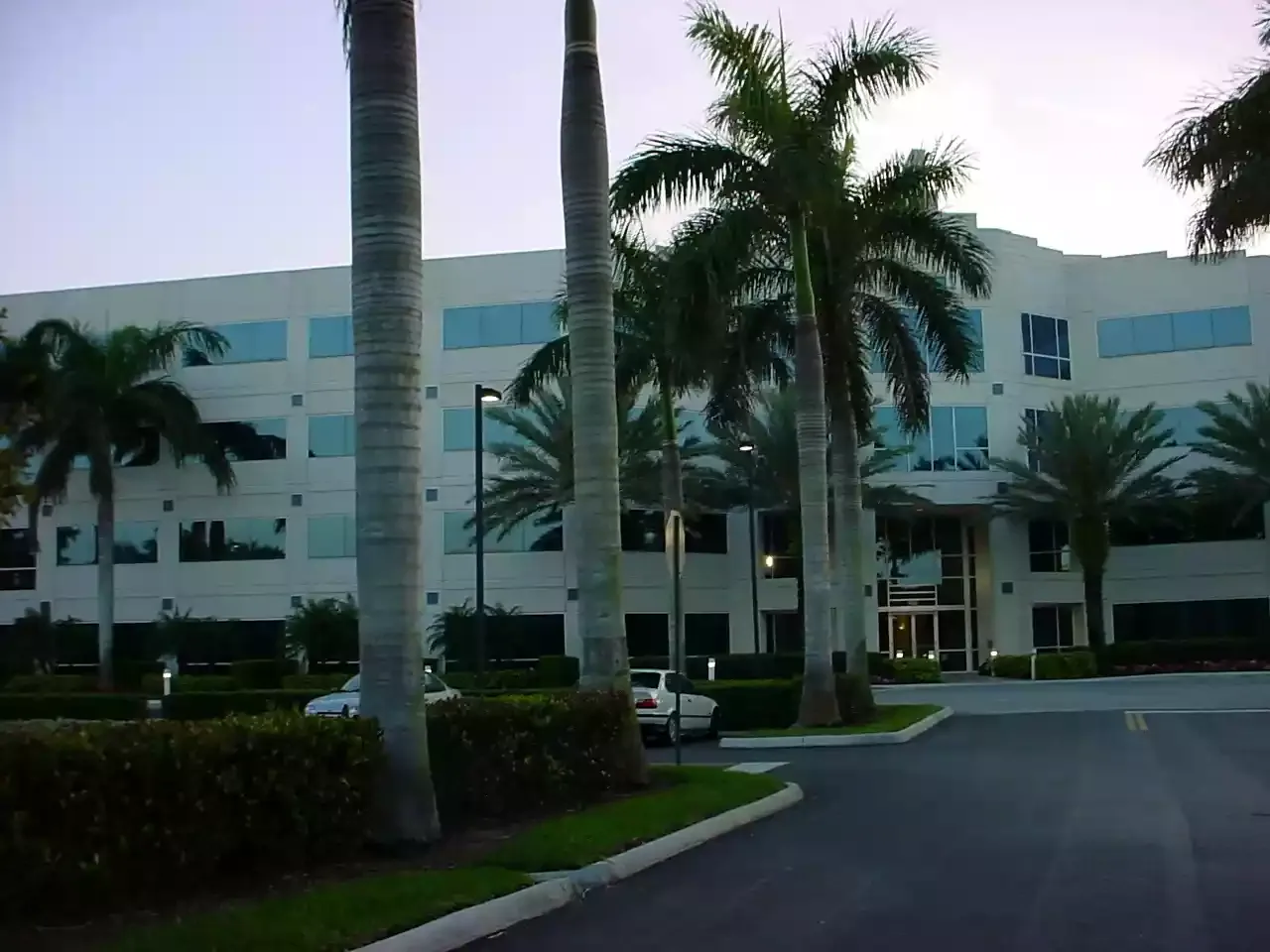
Service Areas: | | ● | Commercial Roofing at Coral Springs Commerce Park, Coral Springs, FL | ● | Commercial Roofing in Downtown Coral Springs, Coral Springs, FL | | ● | Commercial Roofing in Coral Springs Central Commercial District, Coral Springs, FL | ● | Commercial Roofing in Margate, FL | | ● | Commercial Roofing in Sunrise, FL | ● | Commercial Roofing in Coral Springs Commercial Districts, Coral Springs, FL | | View All Service Areas |
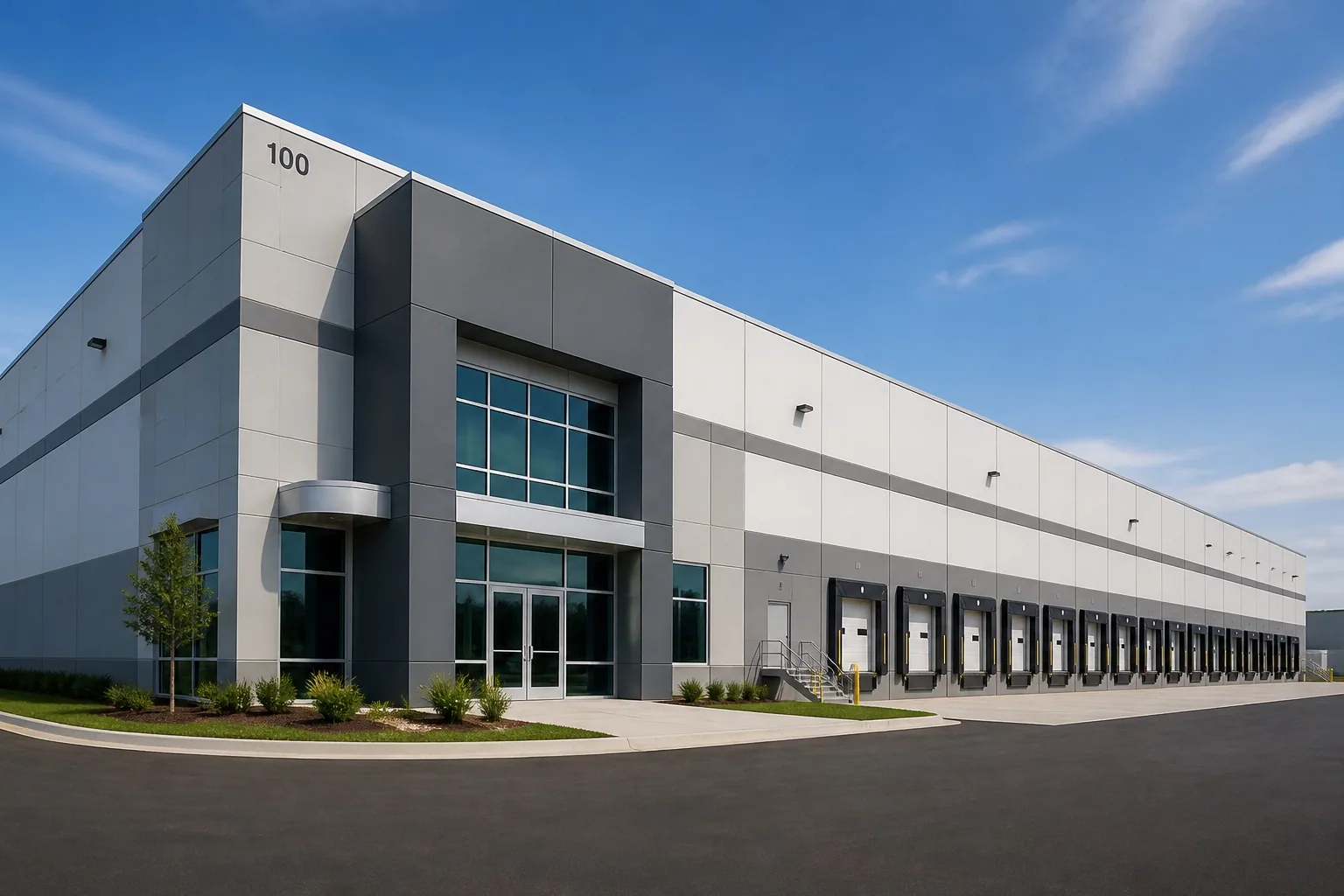
| A roof leak above a research room, executive office or production area has a different consequence than water over an empty storage bay. At Sawgrass International Corporate Park, we start by identifying the affected space, roof access and business limits at the specific address. The park covers 612 acres and includes high-tech manufacturing, research and development, executive offices, mid-rise Class A buildings, corporate headquarters and regional offices. For the building under review, we verify its roof assembly and condition before recommending work, with access and business limits set by the local representative. The park is bounded by I-595, I-75 and Sunrise Boulevard. The building contact confirms its entrance, loading route, security check-in and roof access before materials or equipment are dispatched. We tie the work area to the roof zone under review. |
Coordinate work with offices and technical operations | Before a roof walk, we ask which rooms, production processes or research spaces sit below the suspected leak. The contact identifies areas that require advance notice, escorted access, quiet work windows or protection from dust and vibration. We also confirm whether a lift, roof hatch or fixed ladder is available and who can provide roof entry. Those details determine how an inspection moves across the building and whether a repair can be isolated from occupied areas. Replacement brings a different access plan than a small repair. Rolls, insulation and tear-off debris occupy staging space and require a dependable route. We map the daily material path with the site contact, preserve required exits and establish where removed material can wait for pickup. When work must proceed over active operations, the proposal names work zones and transitions, along with any expected interruption. A phased job can protect access to selected areas, although it may extend duration and add temporary tie-ins. For an occupied roof, occupied-building reroof planning sets out notice, containment, cleanup and end-of-day close-in. If the roof supports sensitive equipment or operations, we confirm protection and access expectations before selecting a sequence. For manufacturing floors and corporate offices alike, we confirm security, access and noise rules with each building’s contact. |
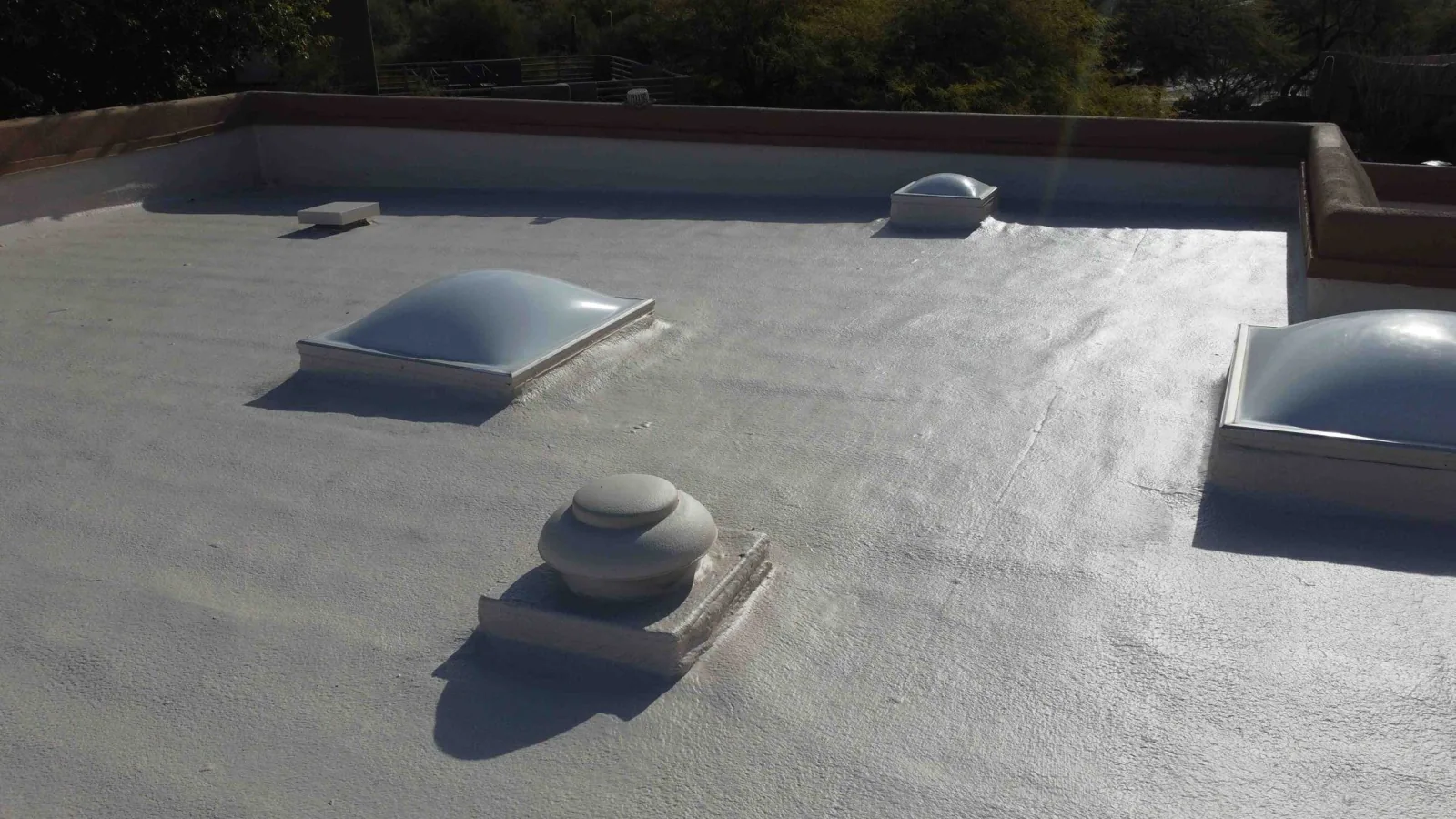
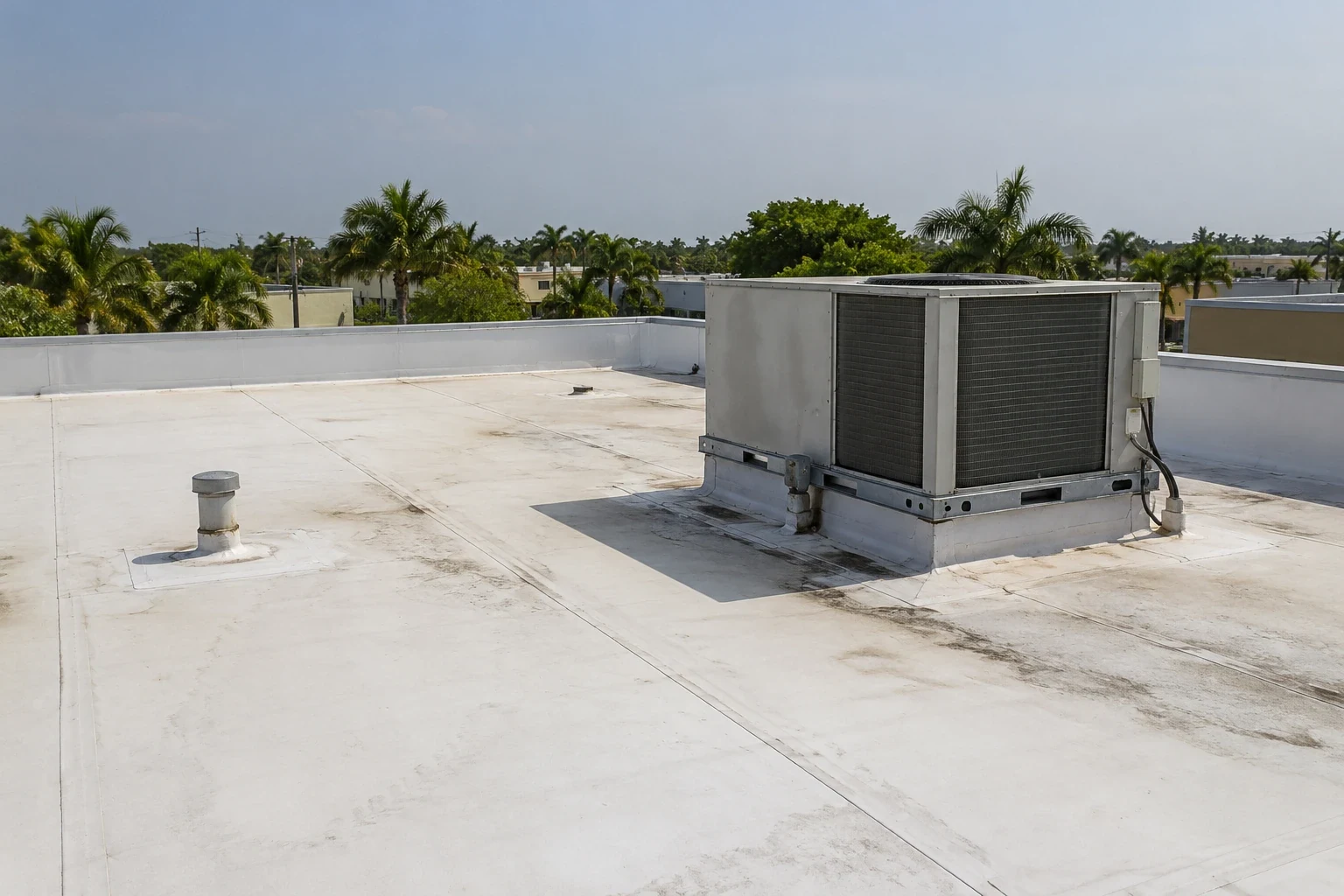
Document the roof assembly and leak path | We connect the reported interior symptom with the roof above it. A stain may appear below the entry point or away from it if water moves along a deck flute, insulation joint or framing member. We inspect the area around the likely source, then expand outward to seams, penetrations, curbs, edge metal and drains. Each observation is recorded as confirmed, suspected or concealed pending testing, so the repair boundary does not outrun the evidence. Drainage review includes the bowl, strainer, clamping ring and the path leading to the outlet. We look for blocked openings, retained debris, visible low areas and evidence of repeated ponding. Clearing a drain may help a maintenance issue, but it cannot correct a depressed deck or failed waterproofing by itself. A written commercial roof inspection gives the property manager dated photos and a location-based record for maintenance decisions. If moisture below the membrane could change the scope, an infrared moisture survey can identify areas for confirmation. A test cut shows layers and moisture at its sample point, not every part of the roof. We document its location and restore the opening using compatible materials. When water is active, a leak repair assessment follows the verified path and separates immediate protection from permanent corrective work. |
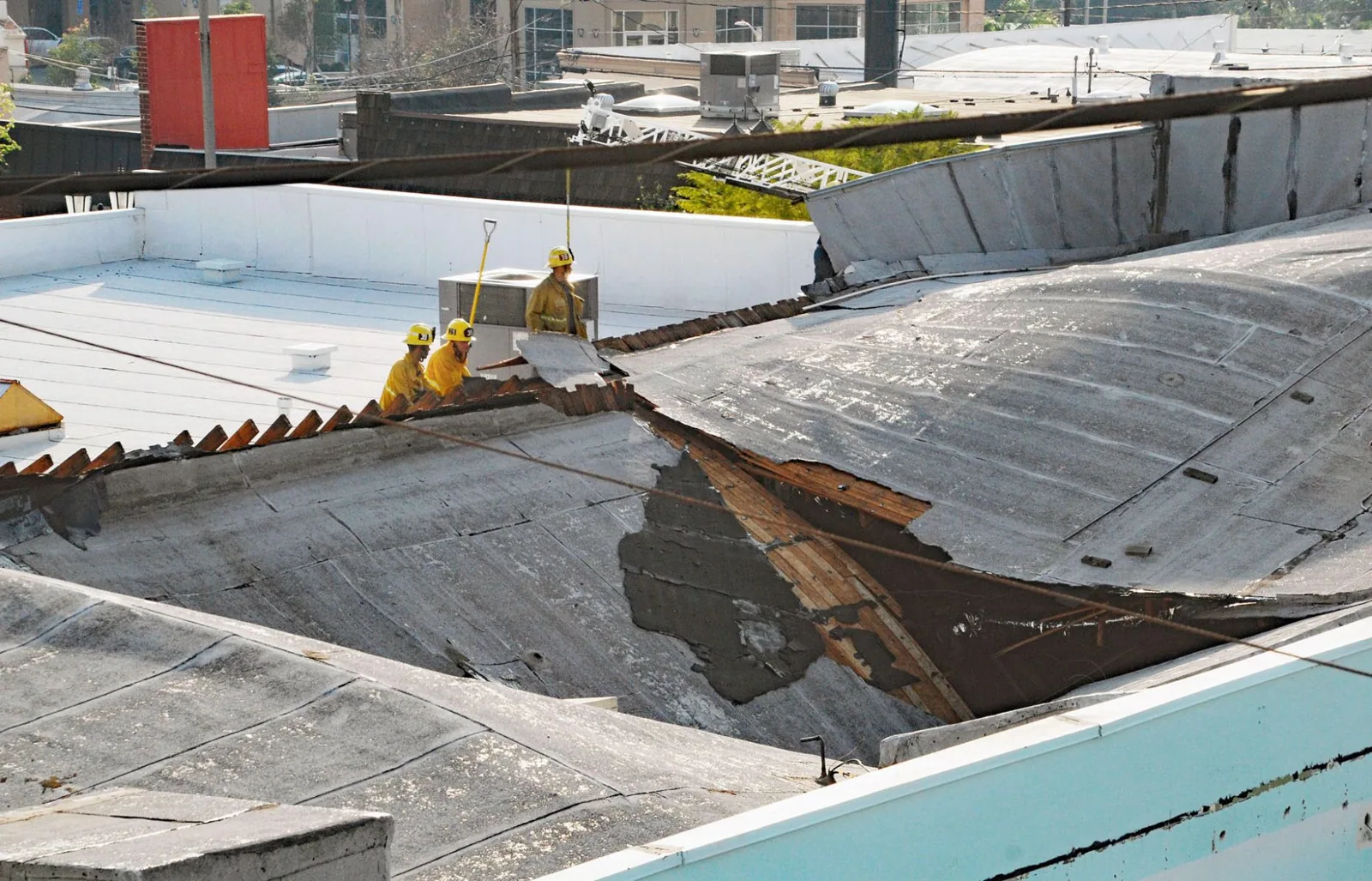
Choose a scope that fits the evidence | A local repair may be appropriate when the failure is bounded and the surrounding roof can support a reliable tie-in. We remove unsound material as needed, prepare the surface and repair the relevant seam, flashing or penetration. The scope explains the repair limits and nearby conditions that remain outside it. If leaks recur at several locations or inspection finds wet material beyond the first opening, a spot repair may not address the wider problem. The repair recommendation states what supports its boundary. A recover is considered only after review of existing layers, attachment, deck condition, drainage and applicable code. If the roof cannot accept another assembly, removal and replacement may be the better path. A recover evaluation compares those choices without assuming that a new layer can correct concealed moisture or loose attachment. Test results and exposed-deck conditions may change the final quantity or detail. Restoration coating is another conditional option, not a universal fix. We check whether the surface is dry, stable and suitable for the proposed system, and whether seams and penetrations can be prepared. A coating will not dry wet insulation or secure a failing deck. If those issues are present, the recommendation returns to repair or replacement. The owner receives the reason for the selected scope and any remaining uncertainty before authorizing work. |
Protect the roof through wet-season conditions | Rainy months stretch across South Florida, bringing intense precipitation and damaging thunderstorm gusts; tropical systems are most likely August to October. Those market conditions make daily close-in planning important. Before opening a roof, we set the work boundary, protect stored materials and identify the point the crew can secure before the shift ends. A changing forecast can shorten the opening window, so the plan needs a practical stop point rather than an assumption that conditions will hold. The Coral Springs code basis is Florida’s 2023 eighth edition with High Velocity Hurricane Zone provisions, and local reroof instructions specify sheathing re-nailing. For a Sunrise address, confirm the responsible permitting authority and approved assembly before finalizing the roof details. We check the governing requirements for the address and system before finalizing details. Once the roof is open, visible deck condition and attachment are recorded, and concealed conditions are addressed through the agreed change process. Heat and humidity also affect crew pace and material handling. We follow the selected system’s installation conditions, protect adhesives and membrane from exposure, and adjust work hours when necessary. If rain or wind interrupts work, the team secures the active section and reports the status to the property contact. That gives operations staff a clear account of what was completed, what remains protected and when the next access window is needed. |
Keep inspection and repair records by building | For a corporate park with different tenants and building uses, a useful record identifies the address, roof zone, repair boundary, photos and date. We note which details were completed, which areas were not part of the approved scope and whether any follow-up testing is recommended. We keep each building’s inspection record separate, with its own address, roof zones and repair history. Scheduled preventive roof maintenance can revisit seams, drains, penetrations and prior repairs before the next major project. A building in Sawgrass Technology Park or Sunrise Commerce Park needs the same address-specific record of roof access, leak locations, tenant limits and inspection findings. |
Commercial Roofing Questions | Can roof work continue over an active research or manufacturing space?Often it can be planned in defined zones, but the site contact must identify sensitive operations, access controls and notice requirements. We set protection and sequencing for the specific building before work begins. Does the park's highway access confirm where a delivery can enter?The building contact confirms the delivery entrance, truck route, staging area and security check-in before dispatch. What does the first inspection document?We record the reported leak area, visible roof layers, seams, penetrations, drainage conditions, photos and access limits. Findings distinguish confirmed conditions from areas requiring testing or exposure. When could replacement be more appropriate than repair?Repeated leaks, moisture beyond a localized failure, compromised attachment or deteriorated deck can broaden the scope. We explain the evidence and compare repair, recover and replacement options. What should a manager provide before scheduling?Share the property address, roof entry method, affected rooms, operating restrictions, recent leak or storm dates and available roof records. We confirm the work window and site contact before arrival. |
Arrange a corporate park roof assessment | Send the building address, reported leak area, access instructions, operating limits and any prior roof records. We will confirm a walk and document the conditions at that roof. Request a Roof Assessment 555-555-5555 |
|
|
REQUEST AN ASSESSMENT
 |