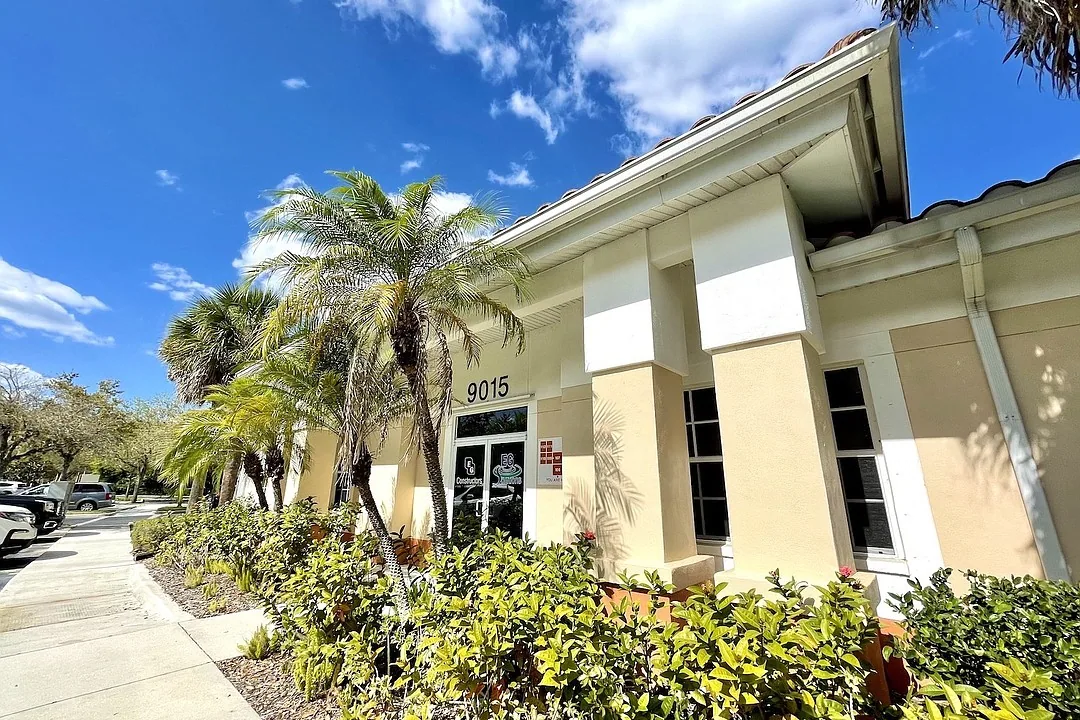
Commercial Roofing at Sawgrass Technology Park, Sunrise, FL
|
|
|
Service Areas: | | ● | Commercial Roofing at Coral Springs Commerce Park, Coral Springs, FL | ● | Commercial Roofing in Downtown Coral Springs, Coral Springs, FL | | ● | Commercial Roofing in Coral Springs Central Commercial District, Coral Springs, FL | ● | Commercial Roofing in Margate, FL | | ● | Commercial Roofing in Sunrise, FL | ● | Commercial Roofing in Coral Springs Commercial Districts, Coral Springs, FL | | View All Service Areas |
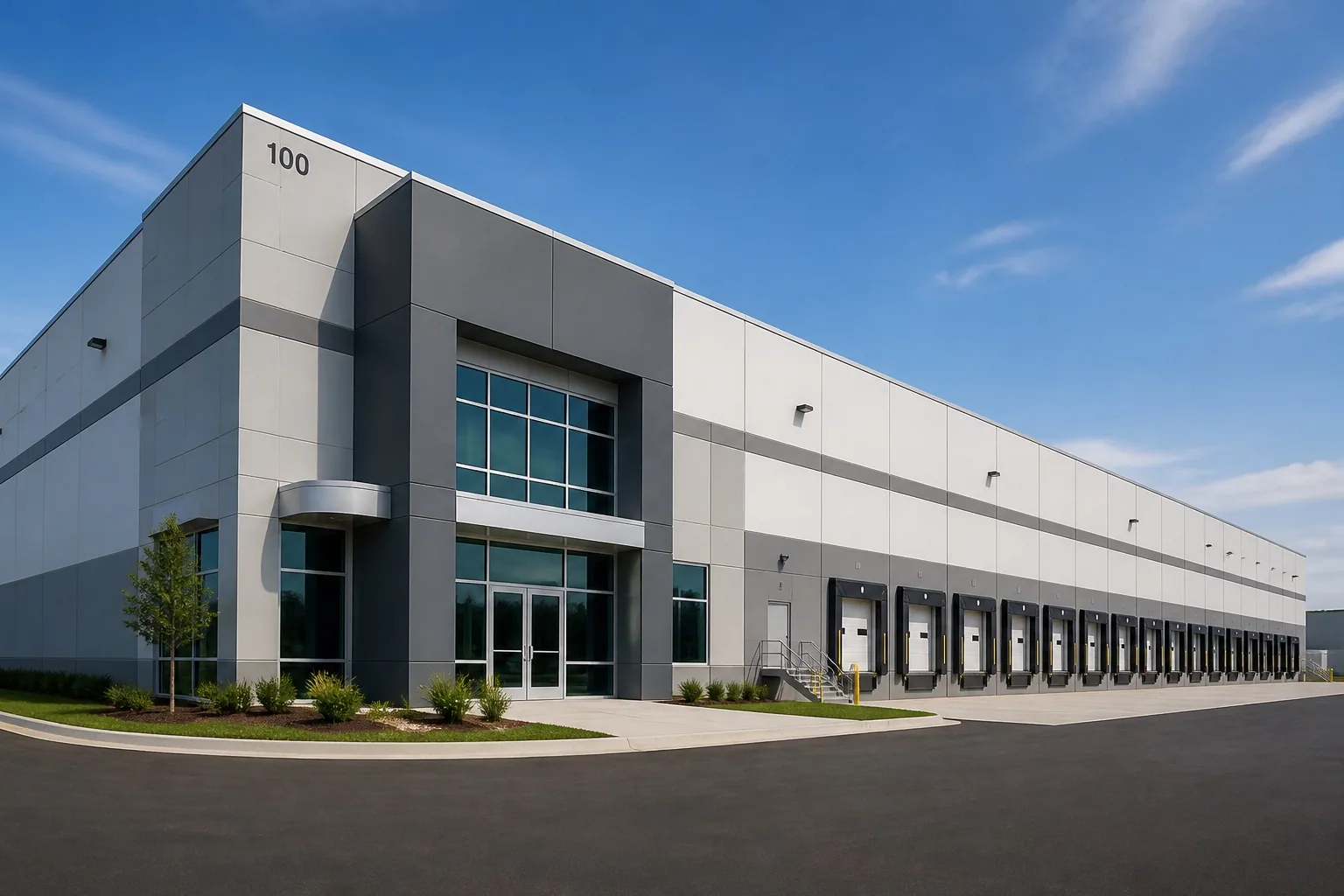
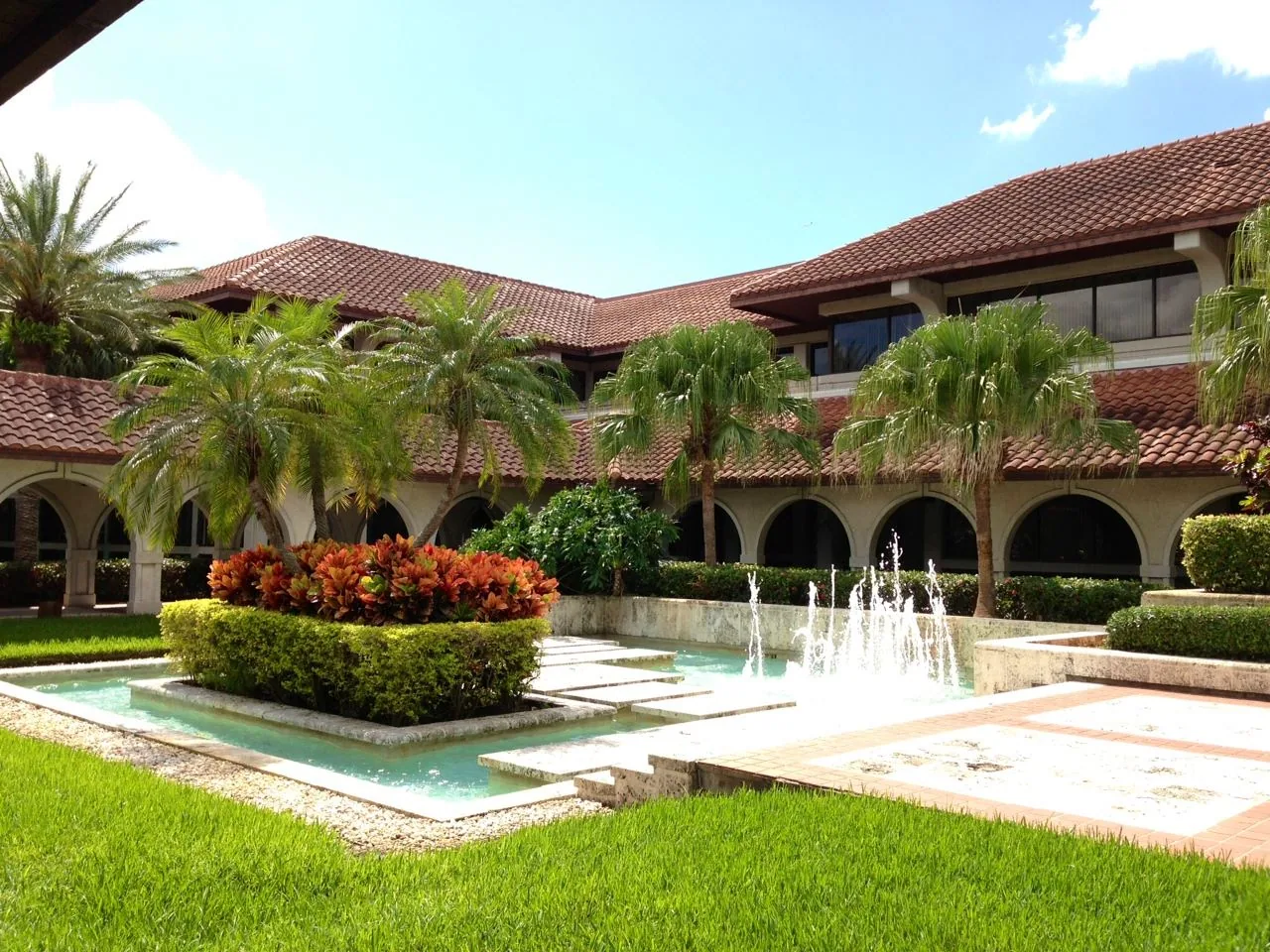
| A roof plan for a campus must account for several buildings, not just the first leak report. Sawgrass Technology Park is a 100-acre Sunrise business park with a dozen buildings arranged around courtyards and covered walks. Sawgrass Technology Park in Sunrise has about 650,000 square feet of building space and approximately 32 acres available. That scale makes roof-by-roof records useful: one building may need a localized flashing repair while another is ready for capital planning. We identify the address, roof area and operating contact before recommending a sequence. The park has direct frontage on Sunrise Boulevard and access from I-595, I-75 and the Sawgrass Expressway. For each building, the site manager identifies the truck route, loading location, security steps and roof entry. A courtyard or covered walkway may affect pedestrian protection and equipment movement, so the first visit checks the actual route from arrival point to roof. |
Plan a campus sequence without assuming every roof matches | We begin by listing the buildings in the approved scope and asking which remain occupied during work. The site contact can identify tenant hours, shared walkways, courtyard use, loading constraints and any spaces that need advance notice. We then map a safe route for people and materials. Because the park has covered walks and courtyards, we confirm the open pedestrian paths, overhead protection needs and lift route before staging. For multiple roofs, an inspection can be grouped by access window, but the findings stay separated by building. We label each roof zone, note the assembly when visible and photograph its drains, edges, seams and penetrations. If replacement is planned, the sequence can prioritize a building with active water entry and protect adjacent routes while materials move. The schedule should state work hours, daily close-in and temporary conditions at each transition. When tenants remain onsite, occupied-building reroof planning lays out notice, staging, dust control and closeout for each work area. We confirm who can authorize entry to the roof and who receives a weather update. The campus manager connects us with the building contact who confirms access before mobilization. |
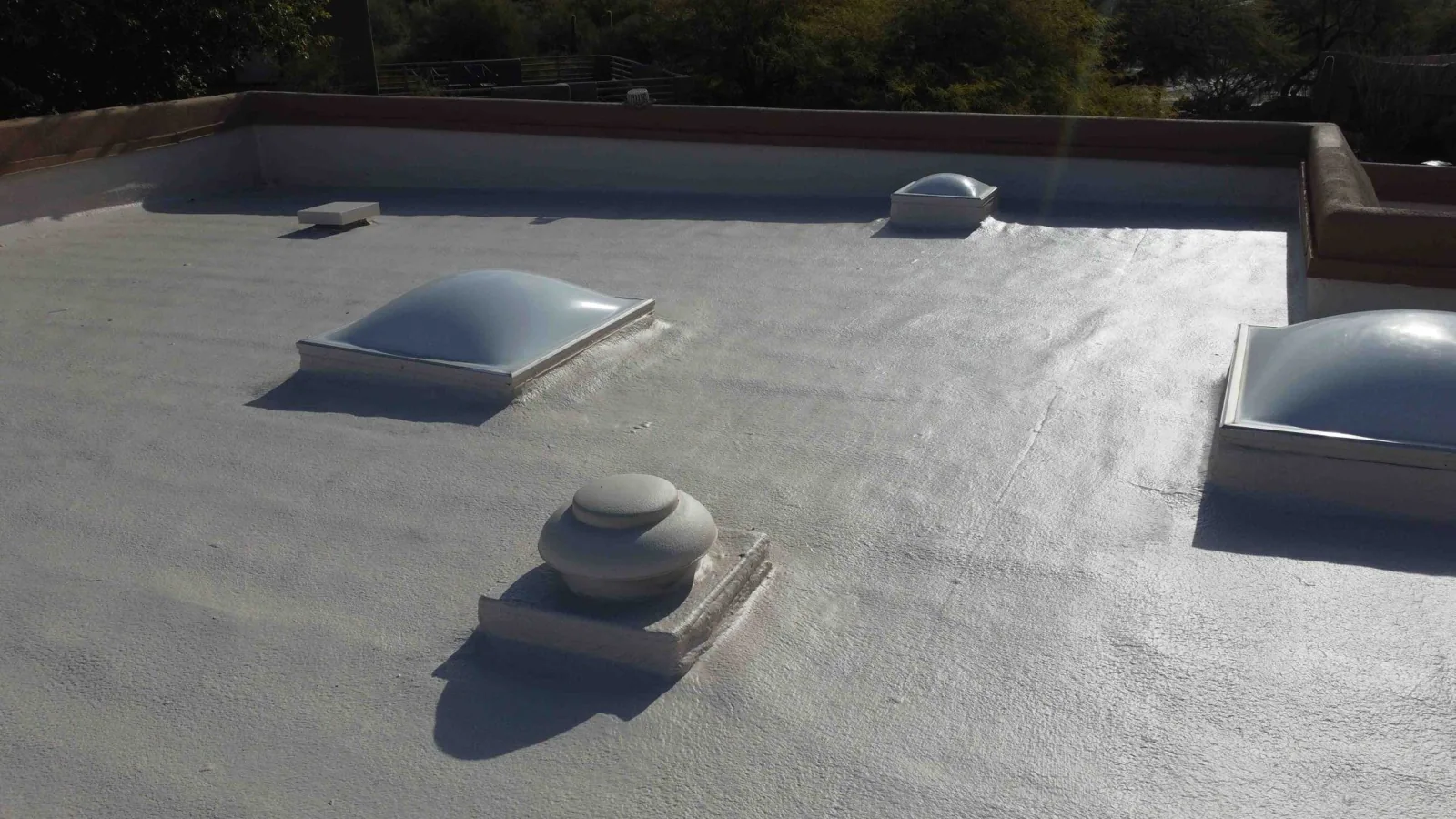
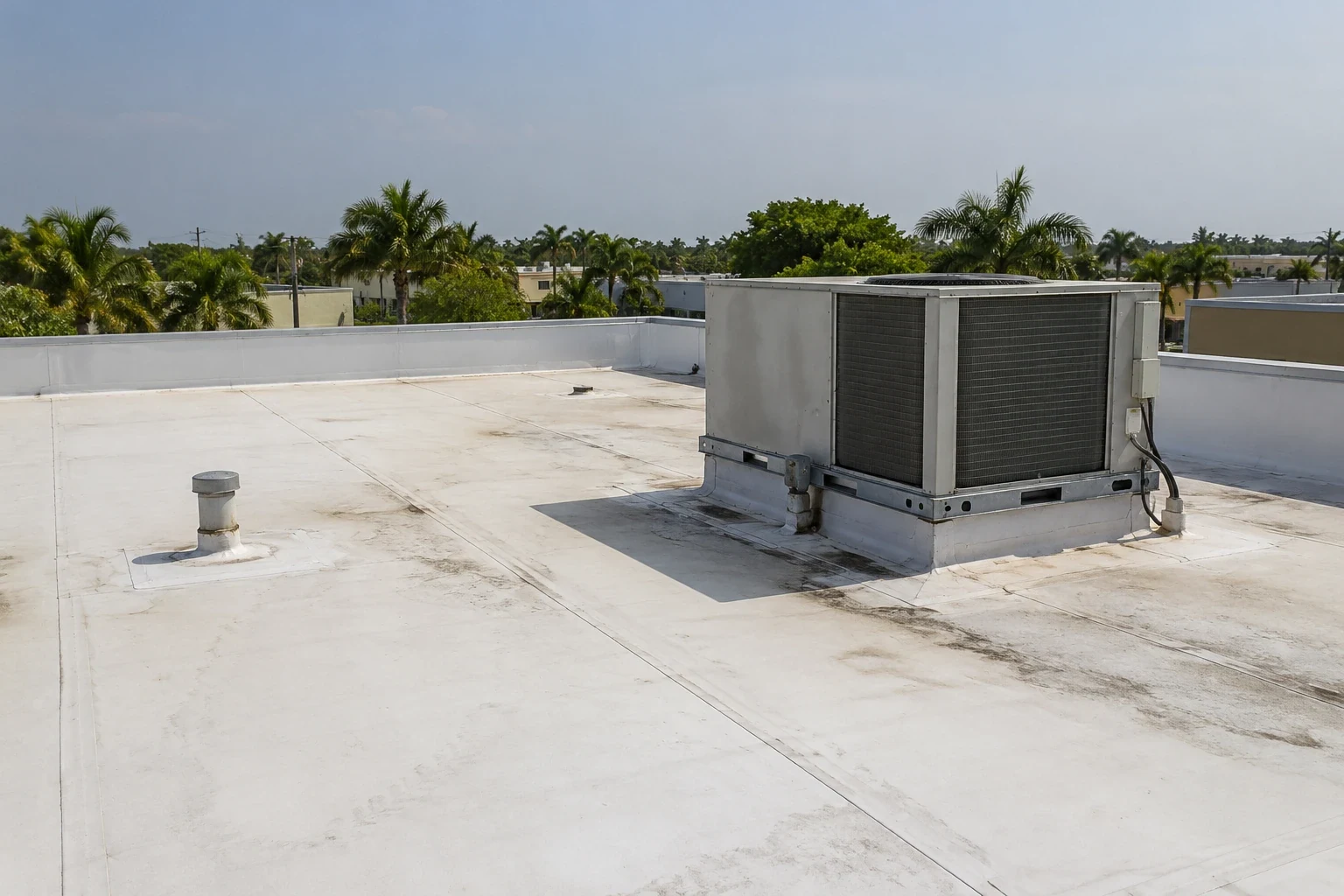
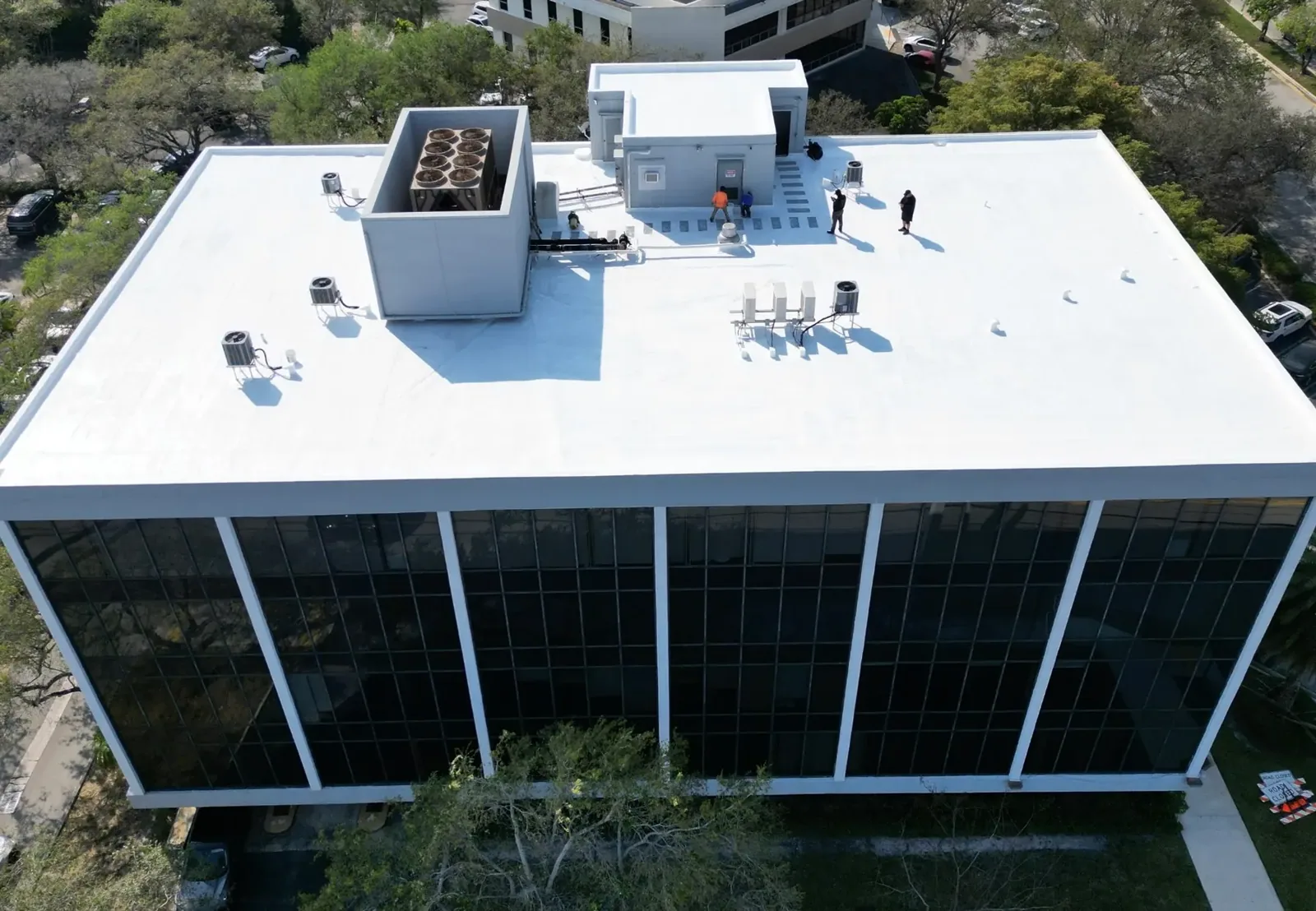
Make the survey useful for the next decision | On the first roof walk, we start at the reported problem and trace outward. The inspection checks membrane seams, terminations, curb flashing, roof edges, penetrations and drains. We look for open laps, patch edges, displaced metal, cracked sealant, retained water and debris. Interior reports help target the inspection, while photographs and marked locations make it possible to compare later visits. We identify observations separately from conclusions when a concealed layer prevents confirmation. Drainage matters across a campus because a blocked outlet and a low roof area require different responses. We inspect the bowl and strainer, follow the flow path, and record visible ponding or staining. We do not treat a clear drain as proof that the roof drains adequately. A commercial roof inspection record can list each building’s conditions, repair priorities and recommended follow-up without merging unlike roofs into one conclusion. Where hidden moisture may expand the scope, an infrared survey may help identify areas for confirmation. The survey is not a substitute for verification: test cuts confirm conditions only at their locations. We record samples, close each opening with compatible materials and explain whether more investigation is warranted. For active intrusion, a leak repair visit focuses on the path and near-term protection while preserving a record for permanent work. |
Match repair or replacement to each roof | A campus plan should not force the same scope onto every building. If inspection finds one failed penetration surrounded by sound material, a local repair may be the sensible first step. The work includes preparation and a compatible tie-in, and the written boundary states what the repair covers. If several areas fail or moisture spreads beyond the first opening, we explain why broader work deserves consideration. The repair scope is tied to evidence from that particular roof. For a roof nearing a larger project, we compare repair, recover and removal. A recover can be considered only after checking existing layers, deck condition, attachment, drainage and code. It is not an automatic way to avoid tear-off. A recover assessment records which conditions support another assembly and which need opening or testing. Wet insulation, poor attachment or an unsuitable substrate can shift the decision to replacement. Coating may be appropriate where the existing surface is stable, dry and compatible with the proposed system. It cannot repair a weak deck or resolve moisture trapped beneath the surface. Before suggesting restoration, we check the membrane, seams and penetrations and specify preparation. A replacement plan addresses tear-off, deck review, insulation, transitions, staging and disposal when removal is indicated. Each building receives its own scope and budget drivers. |
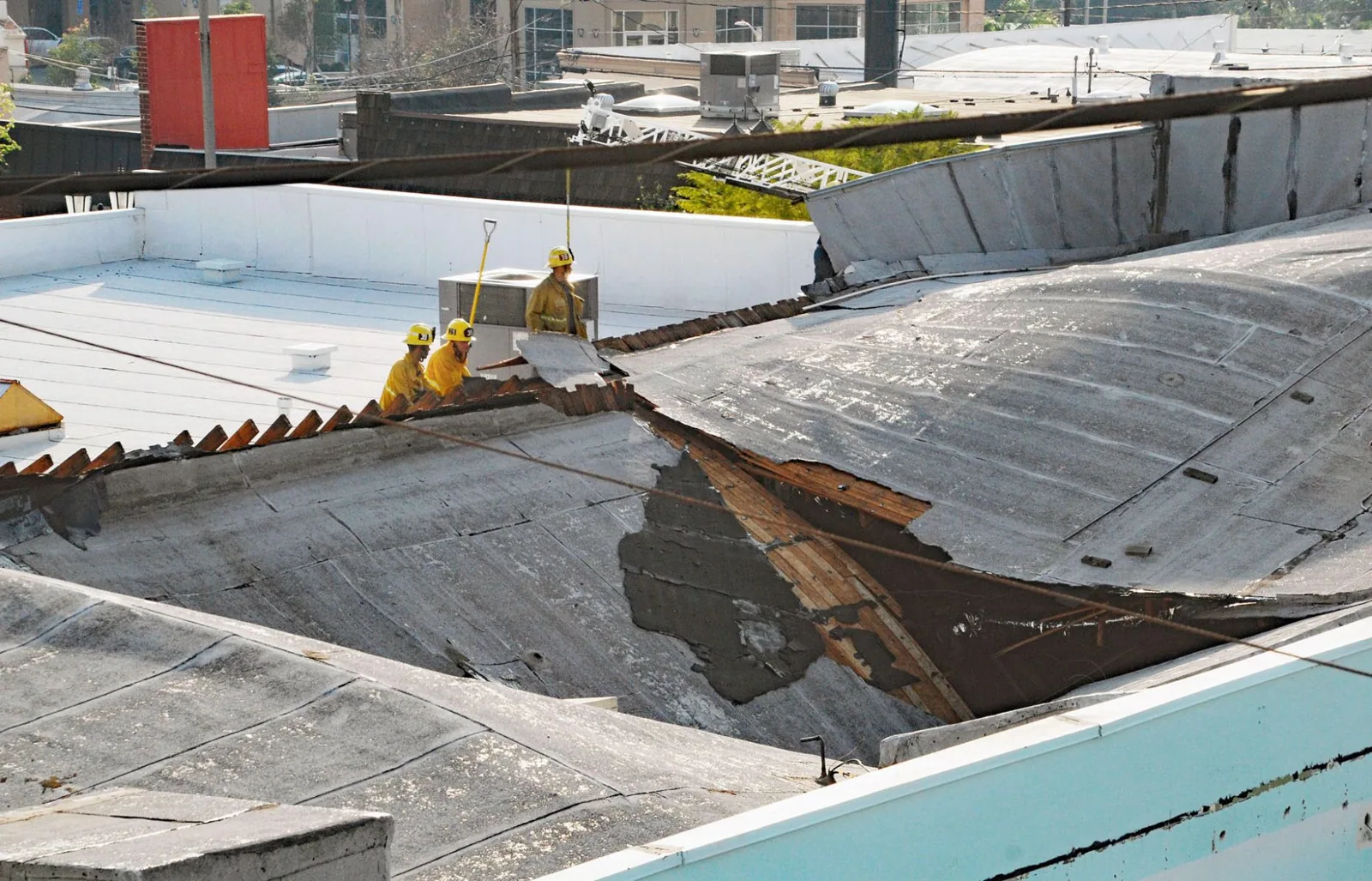
Protect open roof areas in changing weather | Across South Florida, frequent wet-season downpours and damaging storm gusts shape daily roof windows. Tropical-system risk is highest from August through October. A Sunrise campus project should plan its open area and daily close-in around that regional exposure, while checking the active forecast on each work day. We agree on a manageable work zone, protect materials and keep a secure stopping point available if weather arrives sooner than expected. Courtyard and covered-walk routes also need to remain safe if the schedule changes. For a Sawgrass Technology Park reroof, we confirm the permitting authority and approved assembly for the address. Tear-off can reveal deck conditions that change fastening or quantities, so the scope defines the review point and approval process before removal begins. Heat and humidity influence crew planning and product handling. We follow the selected system’s instructions for temperature, substrate and adhesive conditions. If rain threatens, we secure the open section, confirm water protection and update the site contact before people return to the affected building. Campus operations then have a clear account of each roof’s status rather than a general notice that work is delayed. |
Maintain building-specific roof history | At closeout, we provide photos and a concise record of work by building and roof zone. It identifies the repaired detail, tested area, remaining concern and any work that was not part of the approved scope. We keep each roof’s condition record separate so the property manager can rank follow-up by urgency and maintain a useful building history. Preventive roof maintenance can revisit seams, flashings and drains on a schedule that fits the owner’s asset plan. Related settings include Sawgrass International Corporate Park and Sunrise Commerce Park; inspect each roof separately. To request a campus assessment, provide the building list, roof contacts, access routes, known leaks and prior reports. We can then confirm a practical sequence and return findings per address. |
Commercial Roofing Questions | Does the 100-acre campus have one roof condition?No. The park has multiple buildings, and inspection findings must be tied to each address and roof zone. We keep repair and maintenance records separate so one roof does not stand in for another. Can you inspect several buildings during one visit?That may be possible when access is coordinated. We confirm roof entry, escorts, tenant schedules and safe routes in advance, then document each roof independently. Does campus size provide a roof-area estimate?The reported 650,000 square feet describes building space across the campus. We measure each roof separately, inspect its assembly and report its condition by building. How do covered walks affect a roofing project?They are part of the campus layout, so we confirm pedestrian paths, protection needs and equipment routes with the property contact. The specific work plan depends on the building entrance and approved staging area. When is a recover considered?Only after review of existing layers, deck, attachment, drainage and applicable requirements. If moisture or structural conditions do not support another assembly, we compare repair or replacement instead. |
Plan a building-by-building roof assessment | Share the campus building list, access contacts, known leak locations and prior inspection records. We will confirm the visit sequence and report conditions by roof. Request a Roof Assessment 555-555-5555 |
|
|
REQUEST AN ASSESSMENT
 |