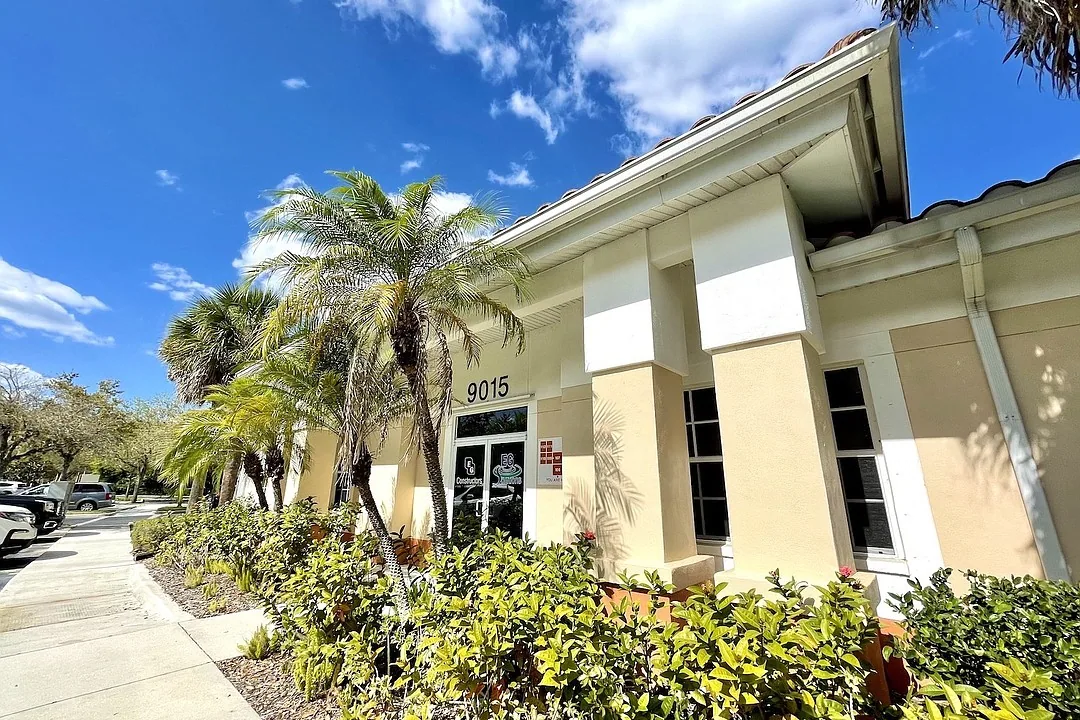
Commercial Roofing in Downtown Coral Springs, Coral Springs, FL
|
|
|
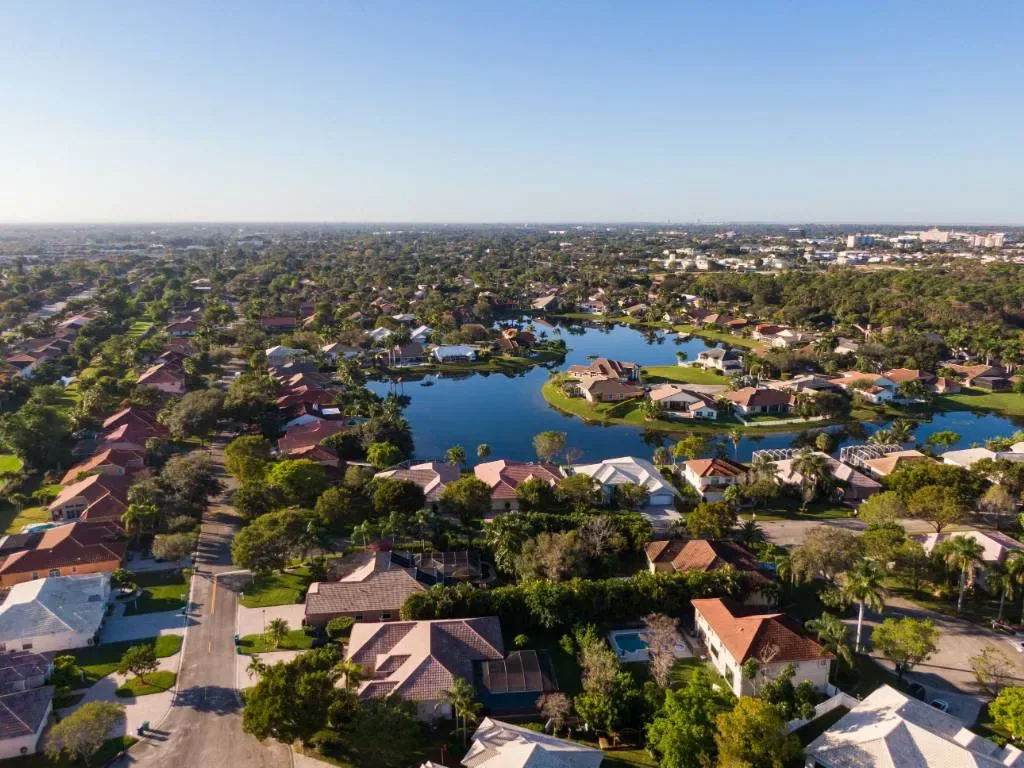
Service Areas: | | ● | Commercial Roofing at Coral Springs Commerce Park, Coral Springs, FL | ● | Commercial Roofing in Downtown Coral Springs, Coral Springs, FL | | ● | Commercial Roofing in Coral Springs Central Commercial District, Coral Springs, FL | ● | Commercial Roofing in Margate, FL | | ● | Commercial Roofing in Sunrise, FL | ● | Commercial Roofing in Coral Springs Commercial Districts, Coral Springs, FL | | View All Service Areas |
| A drain bowl packed with debris can hold water at the lowest point even when the roof surface looks clear from the street. In Downtown Coral Springs, roof work belongs to the actual building and its operating plan, not to the district label. The 136-acre redevelopment area sits near Sample Road and University Drive and carries a Downtown Mixed-Use zoning designation. We start with the property address, roof access route and reported condition, then inspect outlets, overflow paths, seams and wall transitions before setting a repair boundary. Downtown has Local Activity Center land-use designation and commercial-property improvement programs. Cornerstone is planned with retail, restaurants, a Hyatt Place and more than 700 homes. At each existing property, we inspect the roof assembly and confirm the contact, access and work limits before setting the sequence. We confirm what is operating at the address, what must stay open, and how deliveries or lifts can enter. In Coral Springs, the wet season brings heavy rain and summer heat can shape safe work timing, so the repair plan includes a way to close each opened area. |
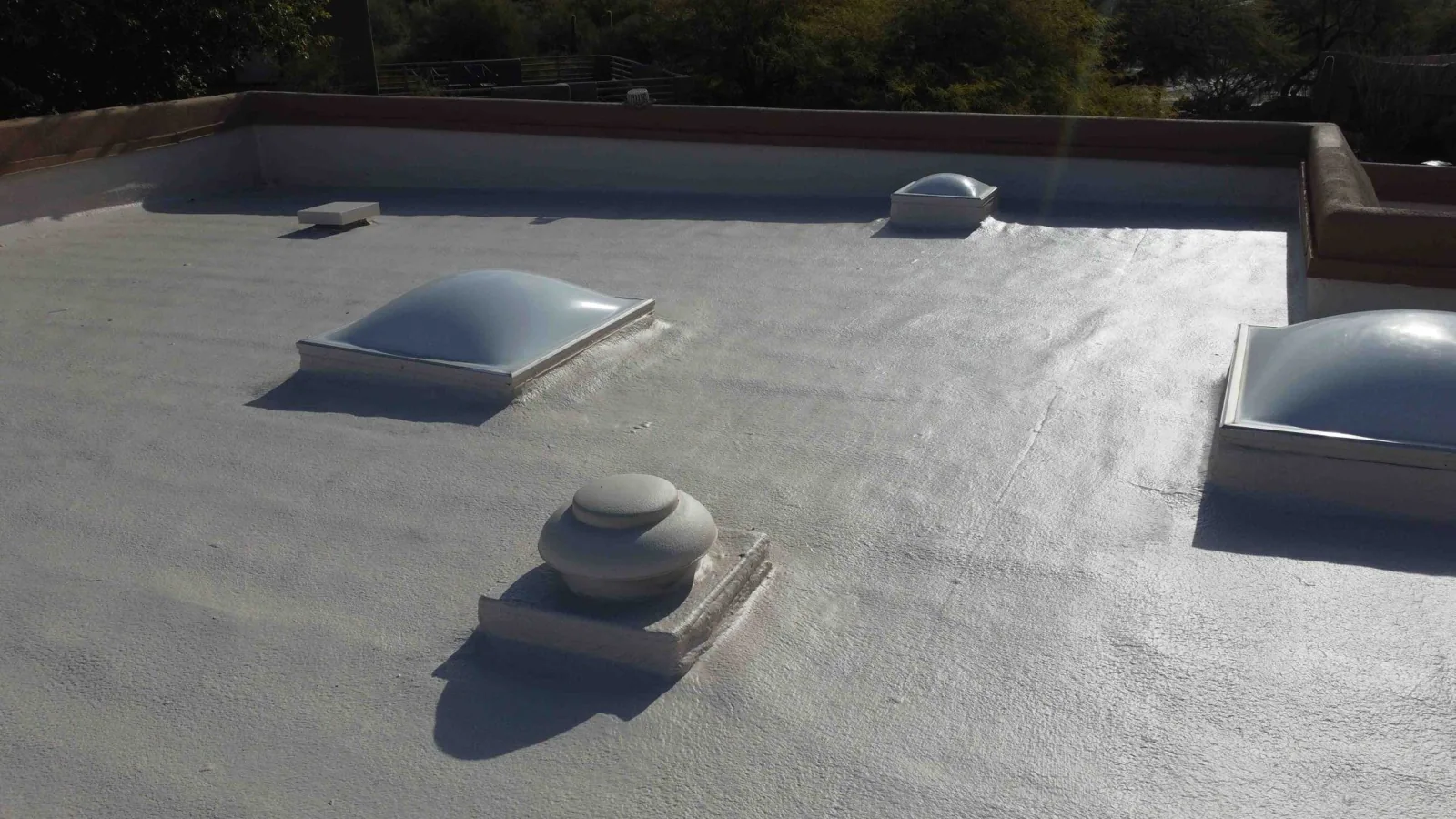
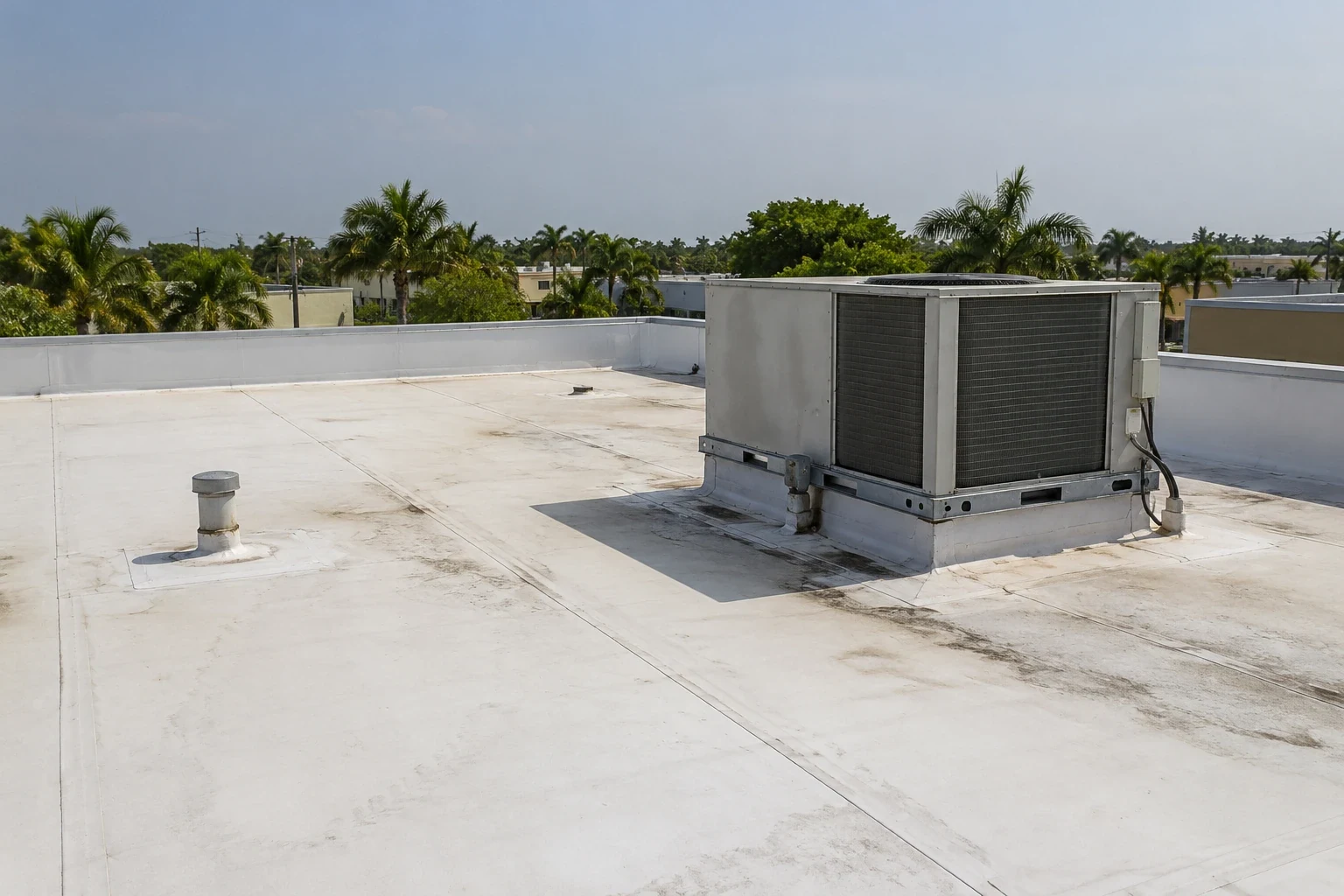
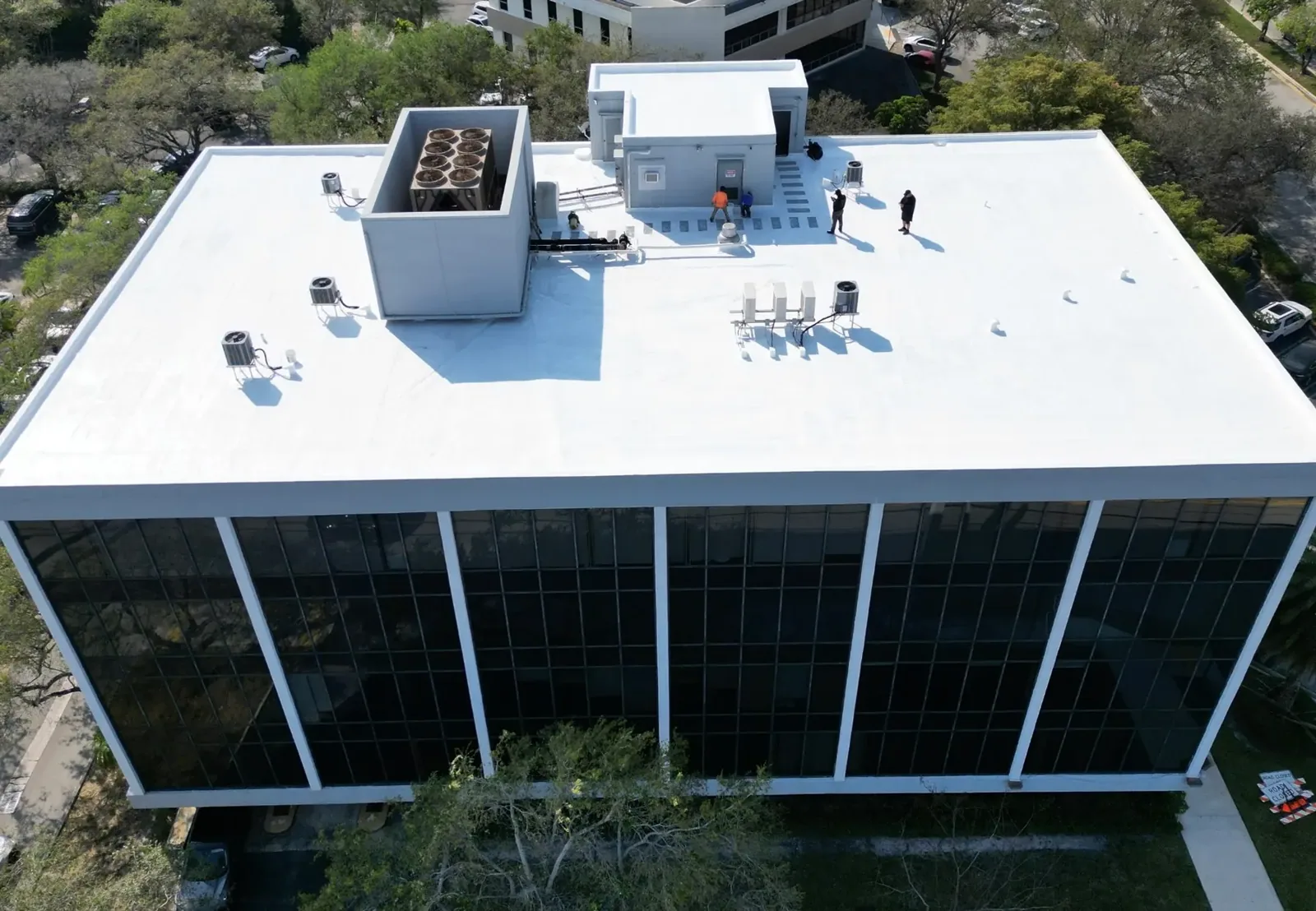
Clear the water path at each outlet | Water follows slope and surface conditions, so the first drainage check follows the roof from high points toward its outlets. We inspect drain bowls, strainers, sumps, scuppers and overflow openings, then note debris, damaged rings or transitions that could interrupt flow. A stain inside a mixed-use building does not identify the roof entry point by itself. We compare it with the closest roof details and follow likely paths before proposing work. Where ponding is visible, we document its extent and determine whether the cause is blockage, deflection or a detail that needs closer review. We inspect each Downtown building’s slope, drainage and occupied areas as part of its own roof assessment. We verify the actual arrangement before changing a drain or raising a finished surface. A drain and scupper repair may be localized, while an inspection across the roof zones can look for related seams and flashing conditions. If a repair requires a temporary opening, we define the daily limit and close-in point before the crew starts. That sequence matters when rain can arrive during a work window. |
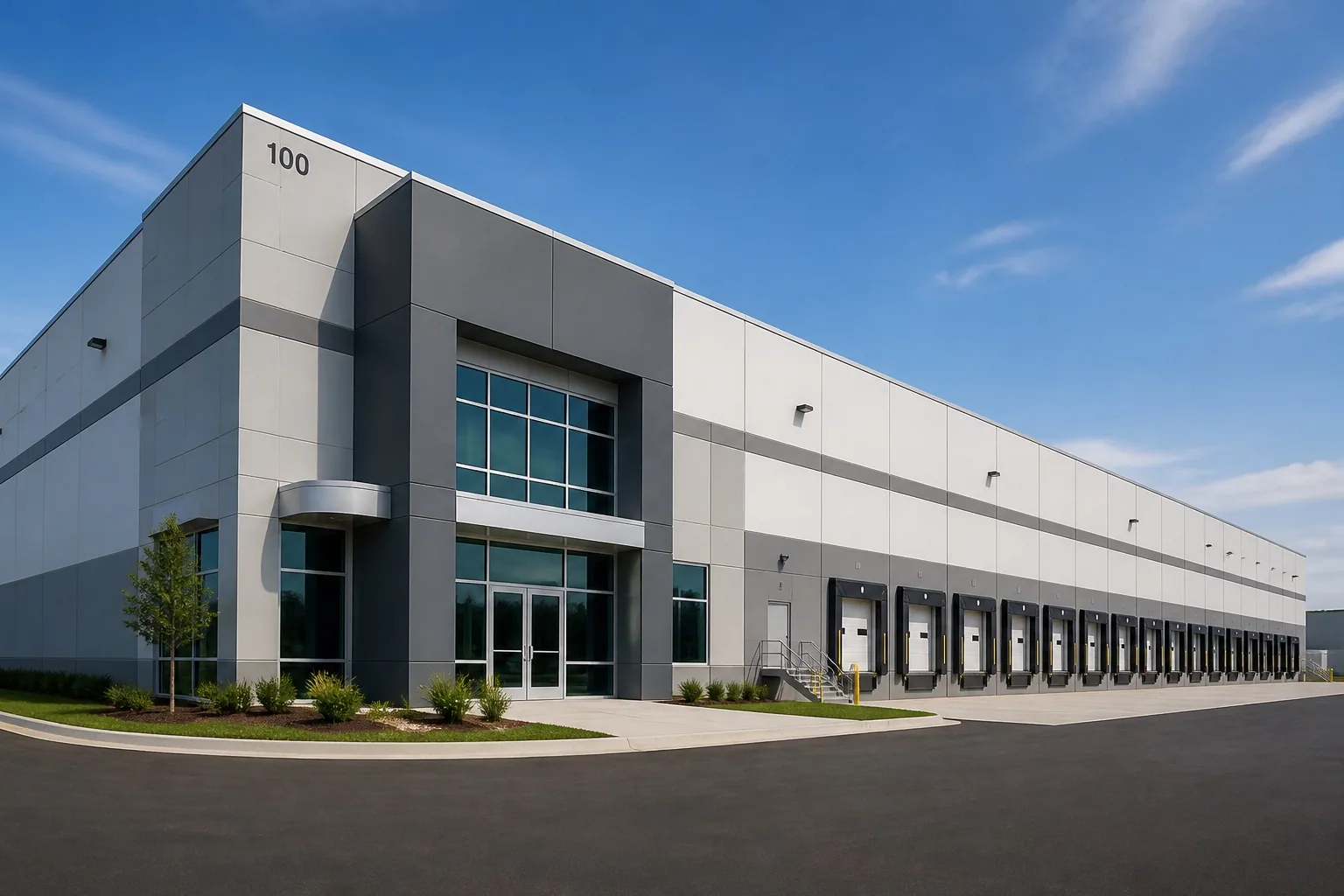
Coordinate access with nearby activity | Roof access often depends on more than finding a hatch. We confirm the authorized entrance, keys or escort, service-lift or ladder route, roof protection requirements and any equipment that cannot be shut down. The property contact identifies public approaches, delivery periods and areas where pedestrian movement must continue. We plan any lift or material staging around those instructions and identify who can approve a scope change if concealed damage appears. At a Downtown property near Sample Road or University Drive, the manager confirms the truck route and staging area at the address. We map the address-specific approach and keep access notes with the work sequence. For another commercial node, Commerce Park includes industrial and distribution activity. Each contact supplies the operating limits for their site. A phased reroof plan can define zones and access changes when broader work is approved. |
Inspect transitions before selecting a repair | Wall edges, parapets, equipment curbs and penetrations create transitions where water can bypass a field membrane. We inspect the flashing termination, metal condition, fastener pattern and nearby membrane for movement, splits or prior patching. If the roof has several layers or coatings, we compare visible clues with available records before choosing compatible repair materials. A surface patch over a loose substrate may not hold. Where the assembly is uncertain, a controlled test opening can confirm the layers at a selected location and be restored after examination. A Downtown re-roof must account for the sheathing-fastening provision in section 2322.2.8. We compare the deck and approved assembly before including that work. We bring that code context into a replacement review and check the approved plans and assembly for the property. A perimeter and coping review can address metal transitions, while a TPO system detail is relevant only when that membrane is actually specified. We compare field observations with the approved project details before defining a code-related repair. |
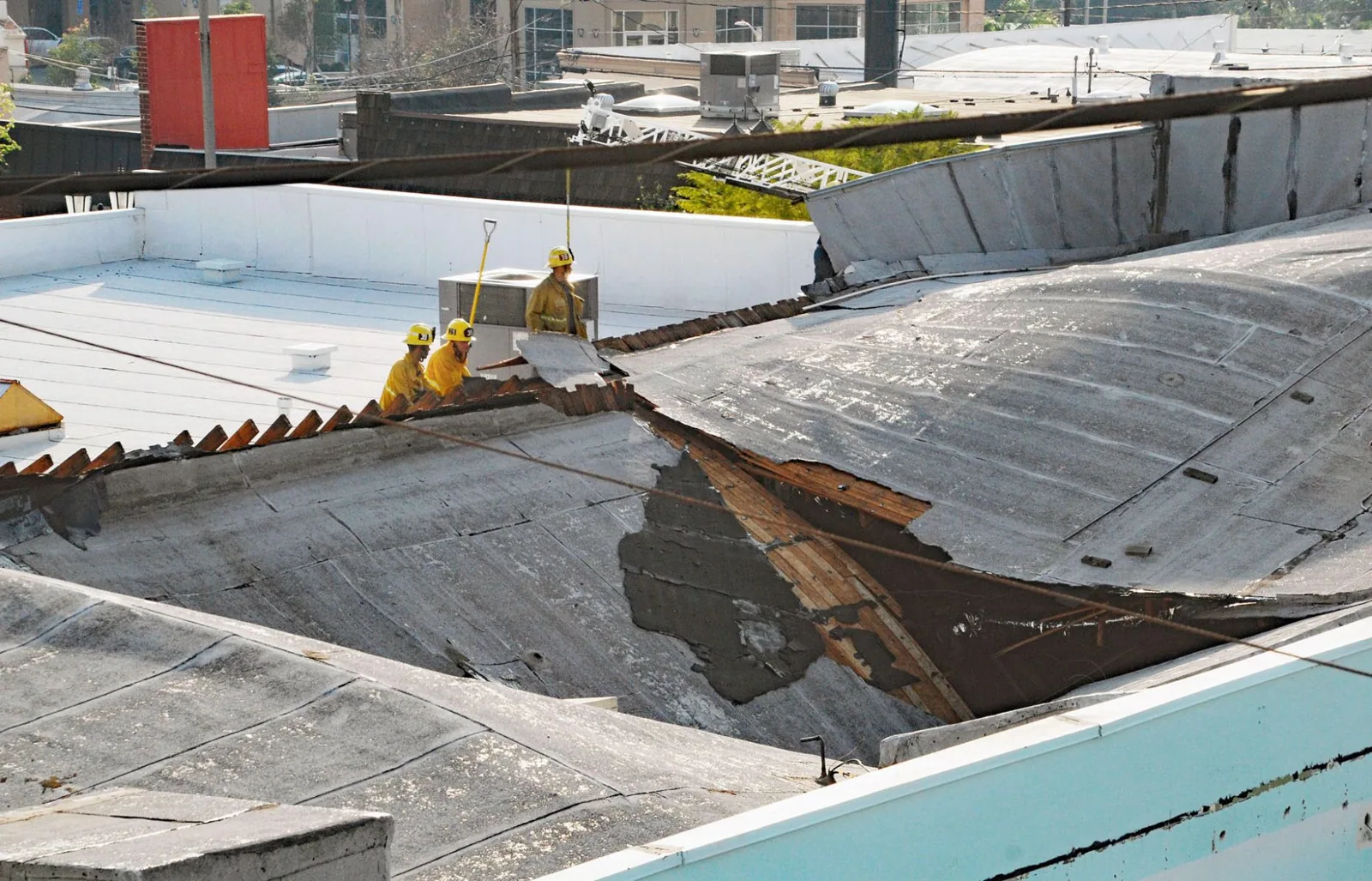
Compare repair, recover and replacement | A focused repair is reasonable when the defect and surrounding material are sound enough to support it. Wider deterioration, repeated water entry, wet insulation or failed attachment may call for a larger scope. We mark each affected area, identify whether concealed materials need testing, and explain what stays in place under each option. A recover can add a new roof layer only when the existing assembly, moisture condition, drainage height and code requirements allow it. Replacement exposes more of the deck and insulation, but its scope and timing depend on the conditions found after removal. Downtown Coral Springs has commercial-property improvement programs for exterior work. The roof scope remains tied to observed assembly conditions, and the owner confirms any separate project eligibility or approval questions. Photographs, test results and access constraints support a grounded comparison. If the roof is serviceable, periodic review of drains and transitions gives a later decision a current record rather than an old patch alone. |
Set a safe work window for heat and rain | South Florida’s long wet season includes heavy rain, and July and August are typically the hottest months. We use those regional conditions to plan crew exposure and material handling, then check the active forecast and surface at the Downtown property. We check the active forecast, surface conditions and product requirements before selecting a work window. Heat affects crew exposure and material handling; moisture can limit adhesion, coating application or seam work. A repair scope identifies which details can be completed and closed before the crew moves to another roof zone, with temporary protection ready if conditions change. Tropical systems can affect South Florida during the peak Atlantic season, so maintenance and post-event inspection should focus on visible changes rather than assume damage. We photograph edge metal, penetrations, drains and prior repair areas, then compare the current observations with the owner’s records. A wind-damage roof inspection can document displaced details, and a photo condition record can keep the findings organized. Cornerstone has its own address and access plan, separate from this building’s inspection. |
Commercial Roofing Questions | Does Downtown zoning tell you what roof system a building has?No. The designation describes land use, not a specific roof assembly. We inspect the membrane, attachment, insulation, deck clues, drains and transitions at the property before naming a repair method. Can roof work proceed while shops or residents remain on site?Often the work can be phased, but the property contact sets the access, noise and operating limits. We mark the work zone, material route and close-in point, then coordinate changes before moving into another area. What information helps locate a recurring interior leak?A room or ceiling location, first date observed, recent rain timing, photos and prior patch records give us a starting point. We compare that report with roof details above it and trace the water path before expanding the repair. When should a roof be opened for a test cut?We use a test cut when the concealed layers or moisture condition could change the recommendation. The selected spot answers a defined question; it does not represent every roof zone unless additional evidence supports that conclusion. How will I know what changed during the repair?The closeout identifies the roof zone, repair performed, photographs and any concealed condition that affected scope. We also note areas not included or not accessible, so the next decision has a clear record. |
Arrange a Downtown roof inspection | Share the address, access and operating rules, current leak or storm date, and any roof records. We will confirm the inspection path and the areas that can be opened if needed. Request a Roof Assessment 555-555-5555 |
|
|
REQUEST AN ASSESSMENT
 |