Commercial Roof Repair in Coral Springs, FL
|
|
|
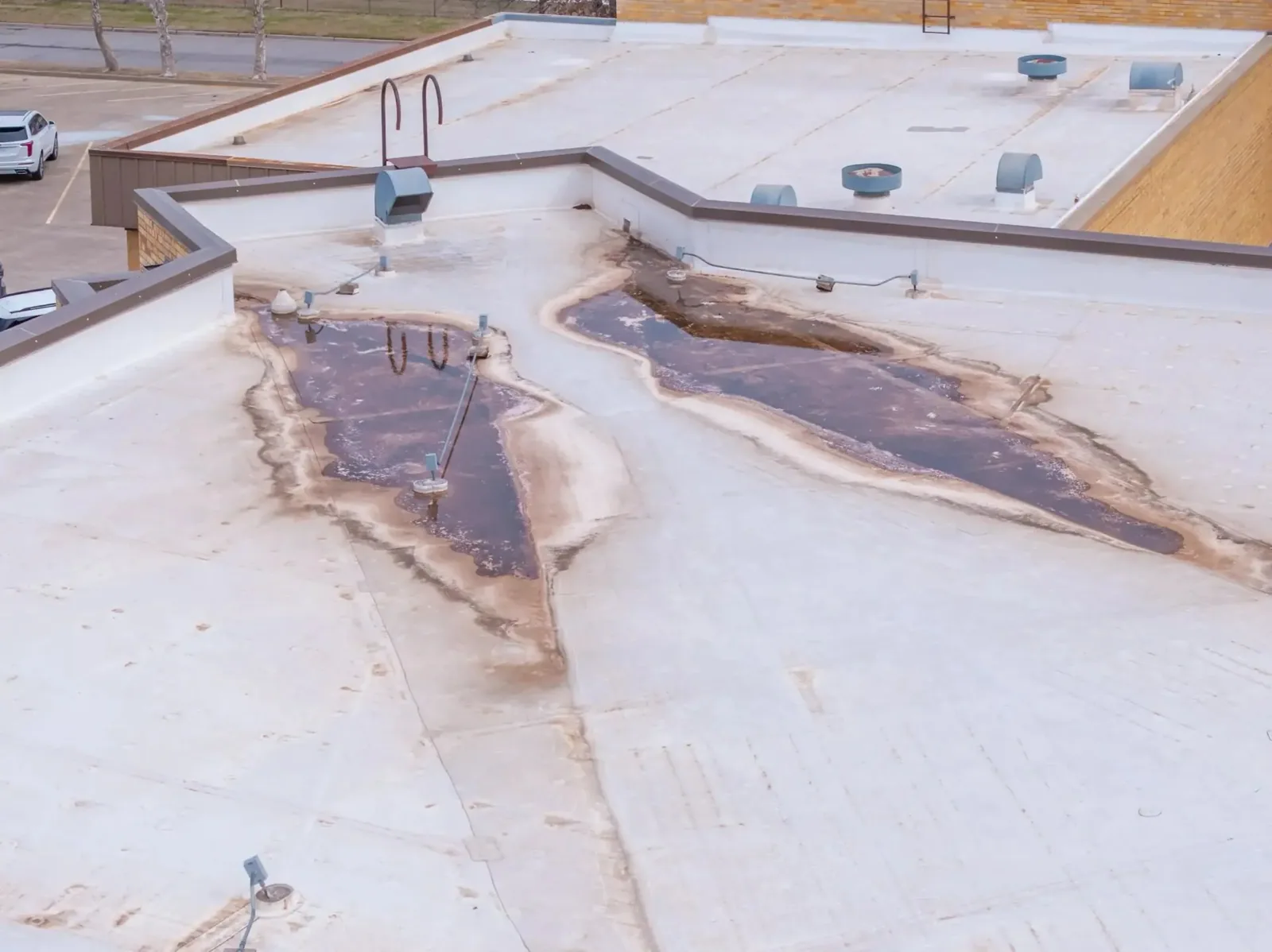
| A lifted seam lap is a specific repair condition, not a diagnosis of the entire roof. We inspect the surrounding membrane, adjacent fasteners, curb flashing and drainage path to find how far the defect extends and what connection has failed. The repair scope should identify the affected roof zone, preparation, compatible materials and the detail that will be checked before close-in. If the evidence points to a broader assembly problem, we explain the added inspection instead of treating a surface patch as a complete correction. Coral Springs, FL has commercial buildings near Sample Road, University Drive, Coral Springs Commerce Park and local retail destinations. None of those place names tells us the roof system or condition at a property. We confirm the address and review accessible areas with the building contact, then record the observed defect and the repair limits. Those observations help the owner decide whether a localized repair is appropriate or whether another scope needs consideration. |
Trace the defect to a roof detail | We begin at the reported location and inspect the nearest seams, penetrations, edge metal, drains and wall transitions. A leak or loose membrane can travel from a different point, so we look for a plausible water path and compare it with the interior report when access is provided. We note roof-zone changes, previous patches and visible movement. If evidence remains ambiguous, we describe where additional testing or observation could narrow the cause. A commercial roof inspection can document accessible conditions before a repair is approved. For an active leak, we can discuss leak tracing and repair as a focused service. Photographs and field marks can show the defect and nearby details, while a roof condition report helps preserve the findings, limits and recommendations for the property file. We record the stain location, inspect the associated roof zone and identify any hidden layer that needs a test. |
Prepare a compatible repair | Repair begins with identifying the existing membrane and condition of the receiving surface. The work area may need cleaning, drying and removal of loose or failed material before new flashing or membrane can bond. We inspect the seam edge, fastener line, substrate and adjoining surfaces. If water or contamination prevents a sound connection, we address that condition before installing repair material. The scope should name the repair location and the components included. Different systems use different seam, adhesive and flashing methods. The repair detail should match the roof assembly rather than apply a generic patch. On a TPO roof, the specified seam and compatible accessories govern the repair; other membranes have their own requirements. If the existing assembly cannot be identified, we note that uncertainty and seek records or further examination. We avoid covering adjacent deterioration simply to make the visible patch larger. |
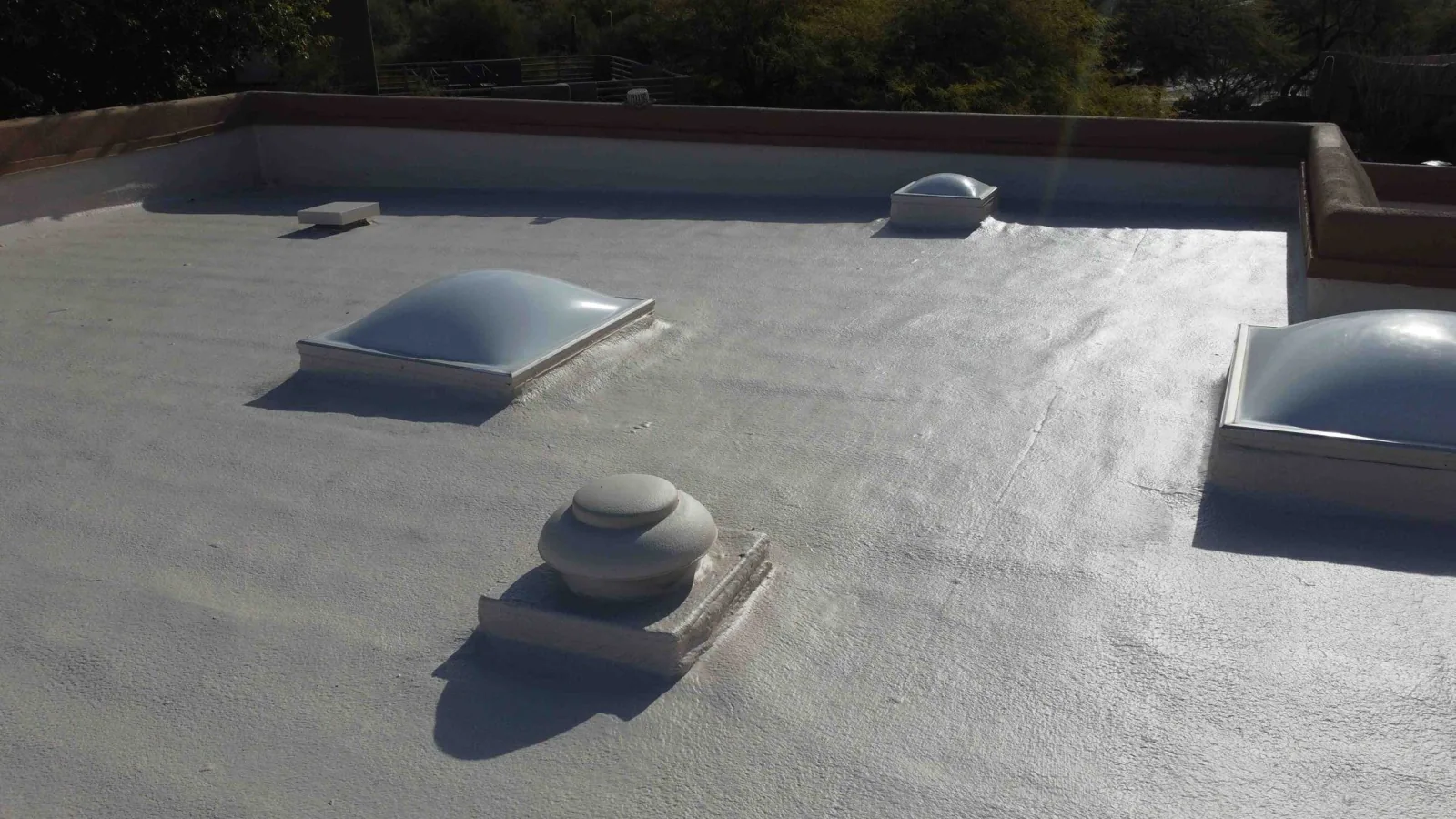
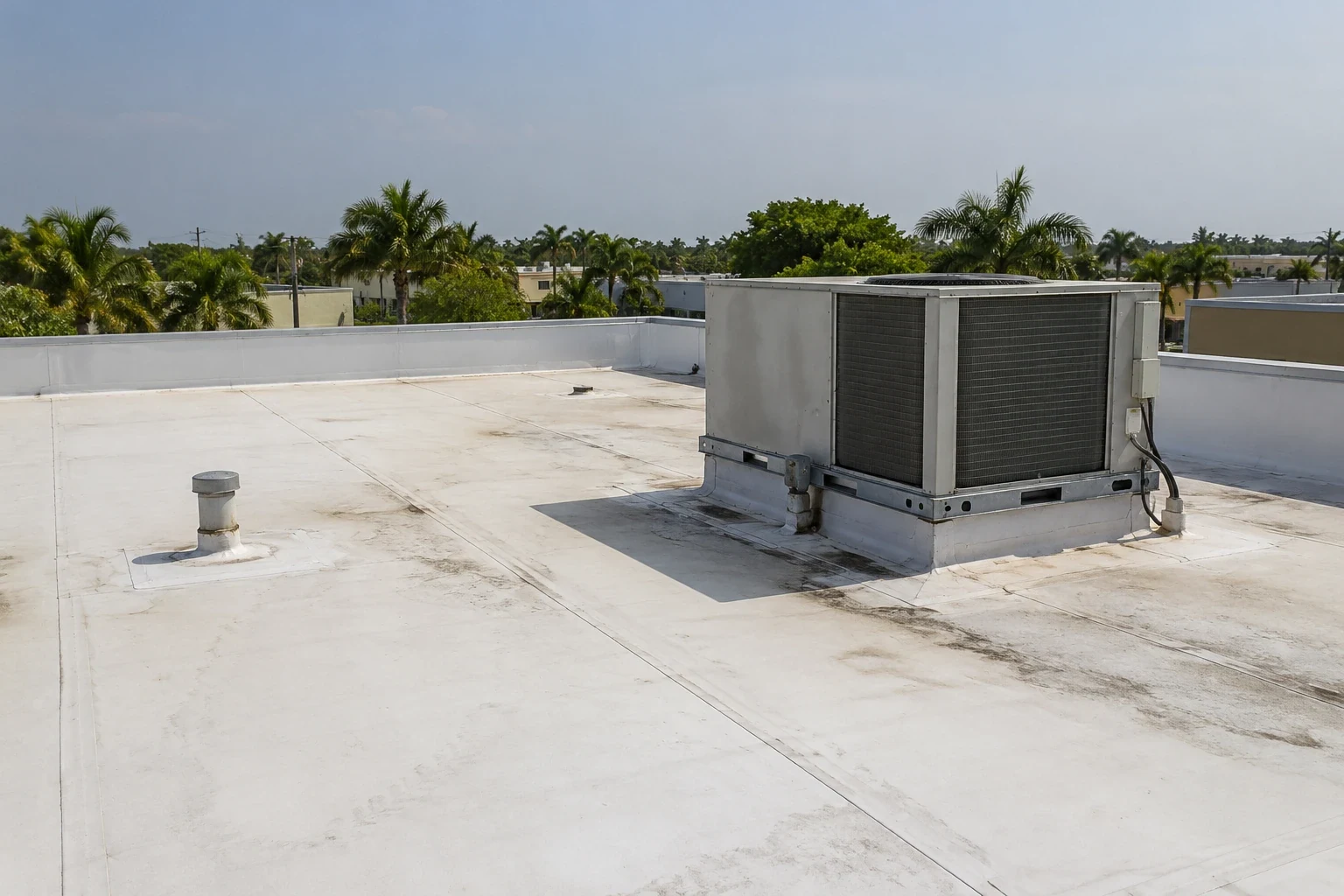
Repair seams, flashing and penetrations | At seams, we inspect whether separation is isolated or continues beyond the visible edge. At wall and curb transitions, we examine flashing height, termination and the condition of the adjoining substrate. At pipes and equipment supports, we check the boot or curb detail and nearby movement. At perimeter edges, we review securement and metal transitions. The repair work should restore the failed connection using the specified material and include the adjacent detail that caused or contributed to the defect. We document each repaired area as it is completed and inspect the seam, lap, termination or fastening detail while it remains visible. If the repair requires opening a larger section, we explain the reason and get direction on concealed conditions before rebuilding. An edge-metal concern can be reviewed with edge metal and coping work, while a localized open seam may call for a defined membrane repair. The final record identifies what was accessed and what was outside the repair boundary. |
Check drains and water paths | Drain bowls, strainers, scuppers and overflow openings affect the path water takes off the roof. We inspect the reported area and nearby drainage details for debris, damaged flashing or an obstructed path. A roof repair does not replace building plumbing work or prove that a drainage system has capacity for every storm. When a drain connection or surrounding membrane is part of the repair, the written scope states which components will be serviced and how the new flashing ties in. Heavy summer rainfall and tropical systems shape inspection timing in South Florida; the water path at the property determines the repair boundary. We use the building’s reported timing, accessible roof condition and visible water path to guide inspection. If water entered near a mechanical curb or wall, we examine those interfaces rather than assume the drain is responsible. For a broader maintenance visit, roof drain and scupper service can address specified drainage details. |
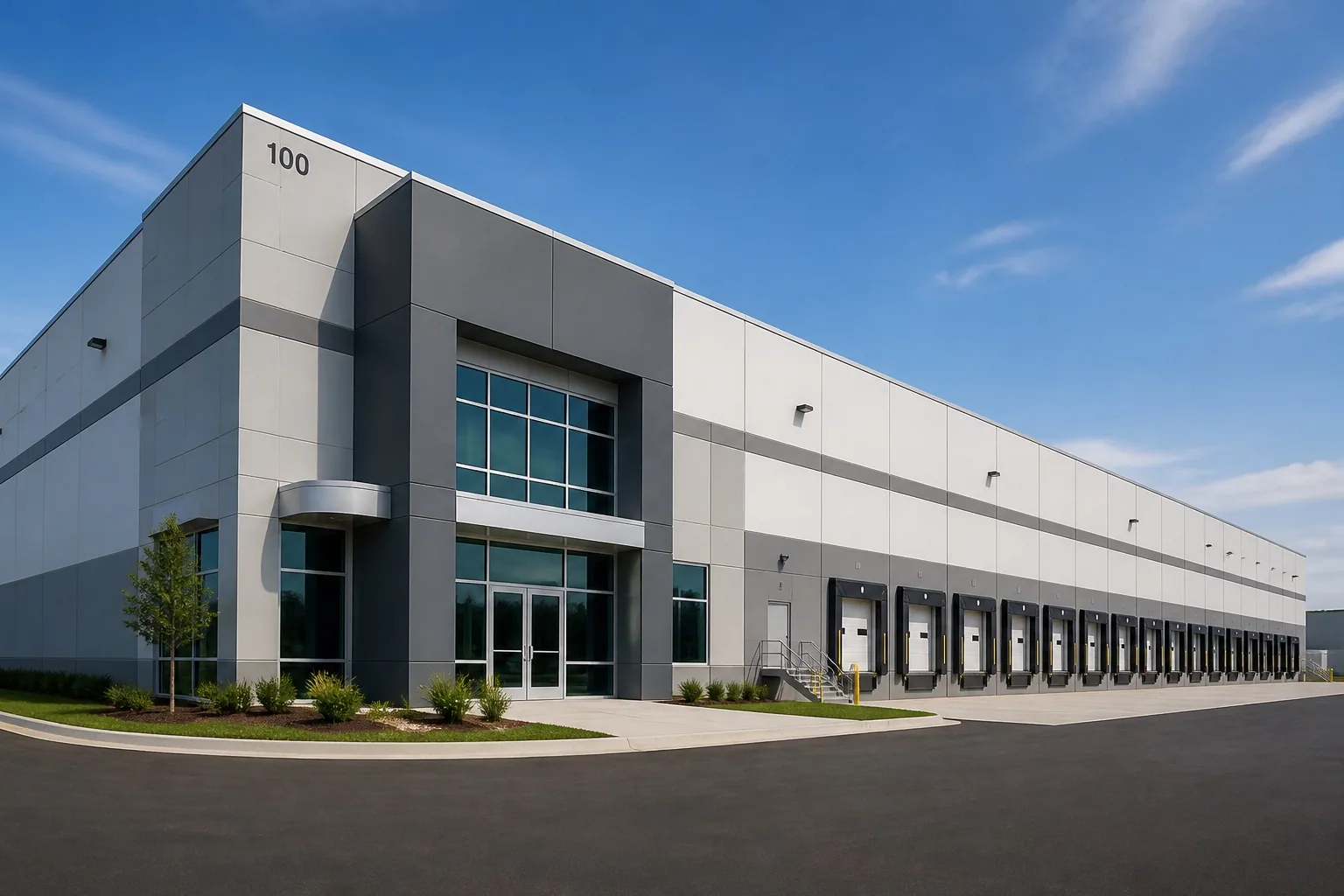
Coordinate repair access | Before mobilizing, we confirm the roof entrance, escort or key instructions, work hours and material movement route with the property representative. Commerce Park’s industrial and distribution uses can call for equipment and loading coordination, while a Downtown retail or civic building may have pedestrian routes to preserve. The contact supplies access instructions for the specific property, including any occupied area or equipment that must remain available. We plan the repair around that information and the weather conditions expected during the work. For an active business near Coral Square Mall or the Coral Springs Auto Mall, access still depends on the individual operator and property manager. We ask where materials may be staged and whether the area below the repair needs temporary control. If rain threatens an open repair location, we sequence preparation and close-in so the roof is protected. Where immediate water entry requires temporary protection first, emergency roof repair can address stabilization while a permanent repair is defined. |
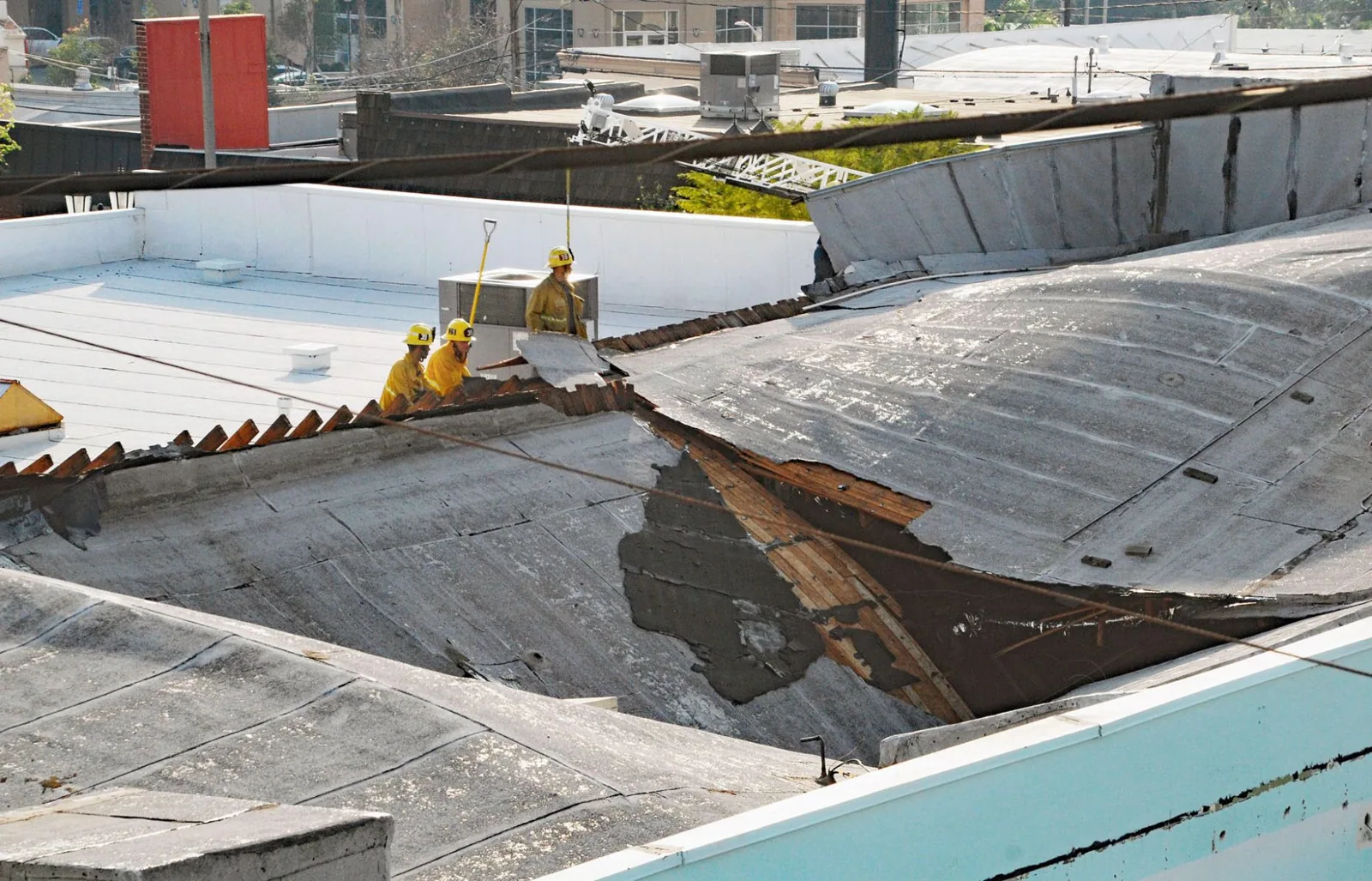
Verify the completed detail | At close-in, we inspect the repaired connection and the transition back to existing roofing. We check the specified seam, flashing, fastener or edge detail and record its location. Any limitation that prevented access or confirmation is included in the completion notes. If the surrounding assembly shows deterioration beyond the authorized repair, we document it and discuss a separate scope instead of extending work without approval. The owner receives a description of the repair area, materials and observed conditions. The record supports later inspection and maintenance decisions for the documented roof zone. If evaluation shows widespread wear or repeated failures, commercial roof replacement may be compared against additional repairs. Future observations through preventive roof maintenance can record changing conditions at accessible details. |
Commercial Roofing Questions | Can you repair a leak without replacing the roof?A localized repair may be suitable when inspection identifies a limited defect and the surrounding assembly can receive a compatible repair. We explain what was observed and any uncertainty before defining the work. How do you find the source of a roof leak?We inspect the reported area, adjacent details and likely water path, then compare accessible roof conditions with the building report. Additional testing may be appropriate when the evidence does not establish a cause. Will a patch stop water everywhere on the roof?A repair addresses the specified location and defect. It cannot establish the condition of roof areas that were not inspected or repair unrelated failures elsewhere. What should be included in a repair record?The record should state the roof area, observed defect, work performed, materials and any access or inspection limits. We document the detail while it remains visible at close-in. What information should I provide before a repair visit?Share the address, leak or damage location, date first noticed, interior impact if known, roof access route and any limits on work hours or building operations. |
Describe the roof condition | Provide the property address, reported roof area, timing of the issue and access instructions. We can inspect the detail, explain the repair limits and document the completed connection. Request a Roof Assessment 555-555-5555 |
|
|
REQUEST AN ASSESSMENT
 |