Read the assembly before choosing material
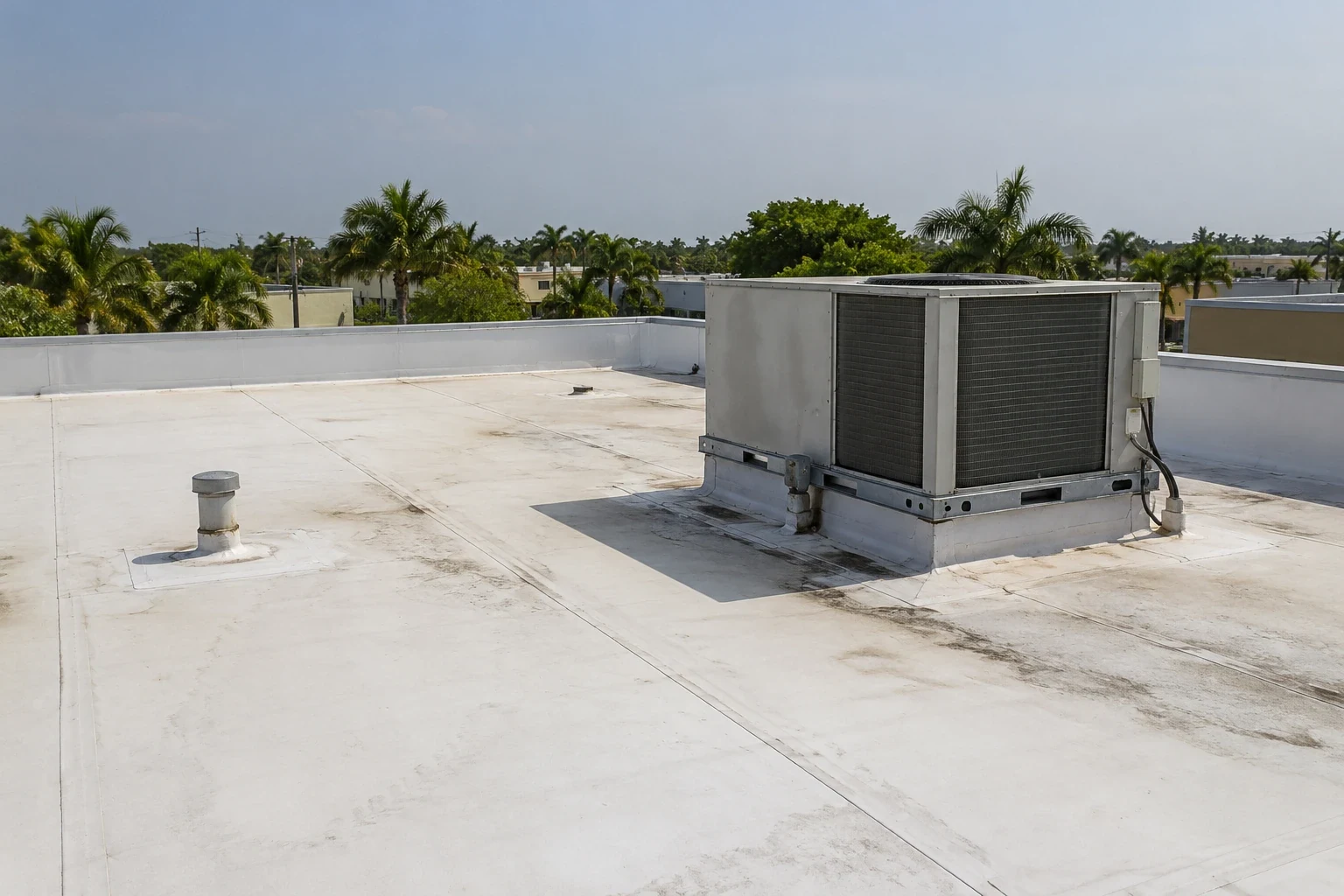
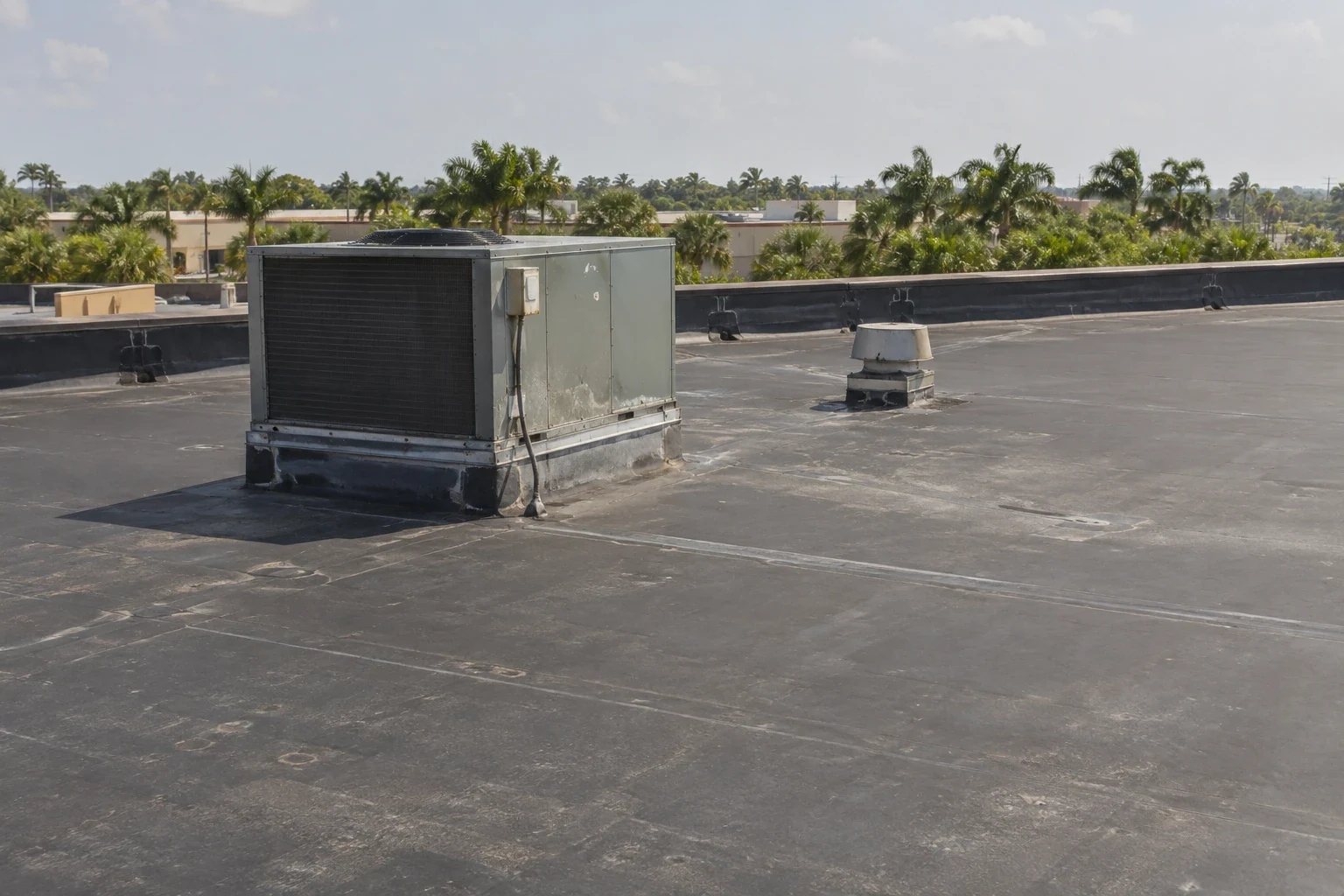
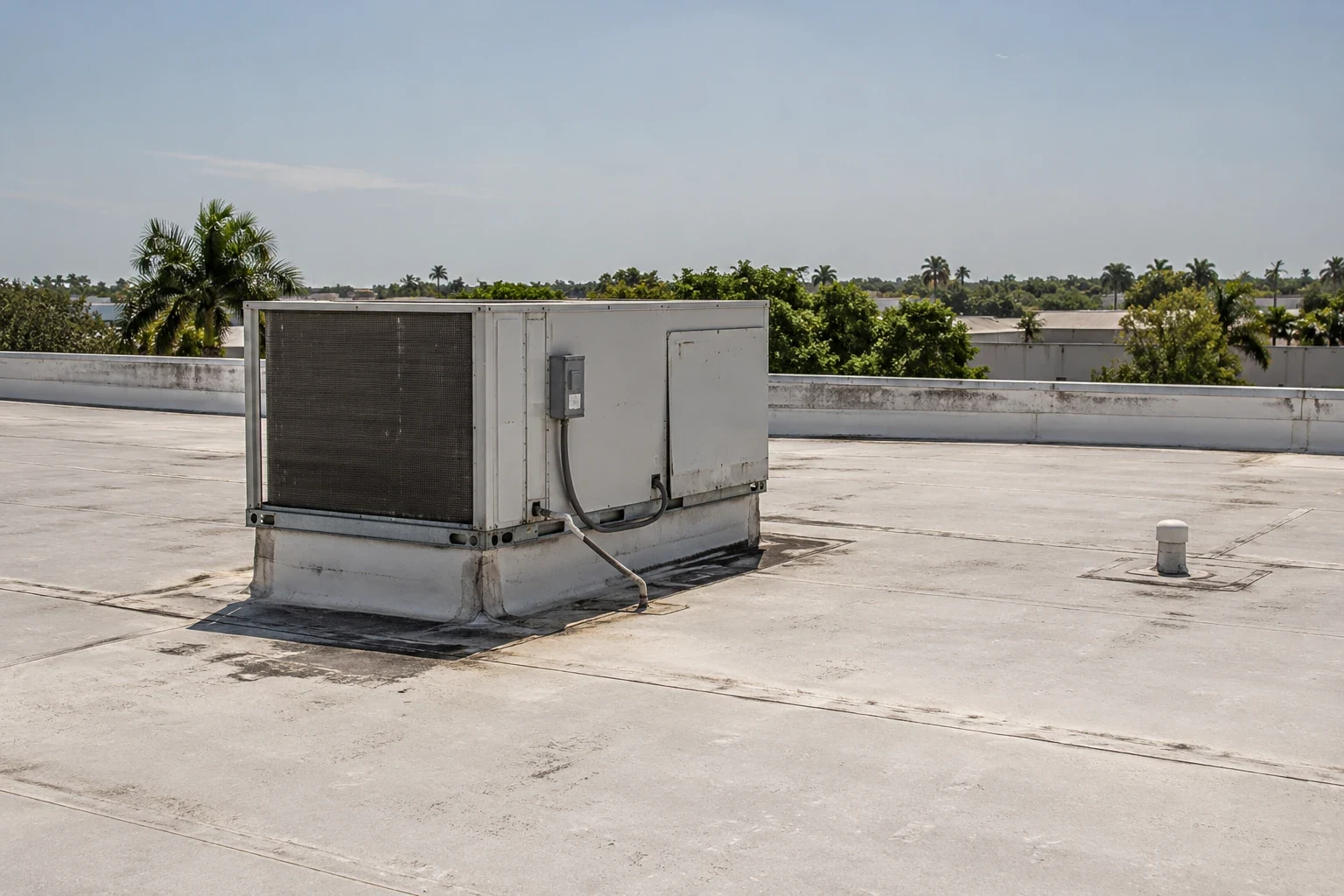
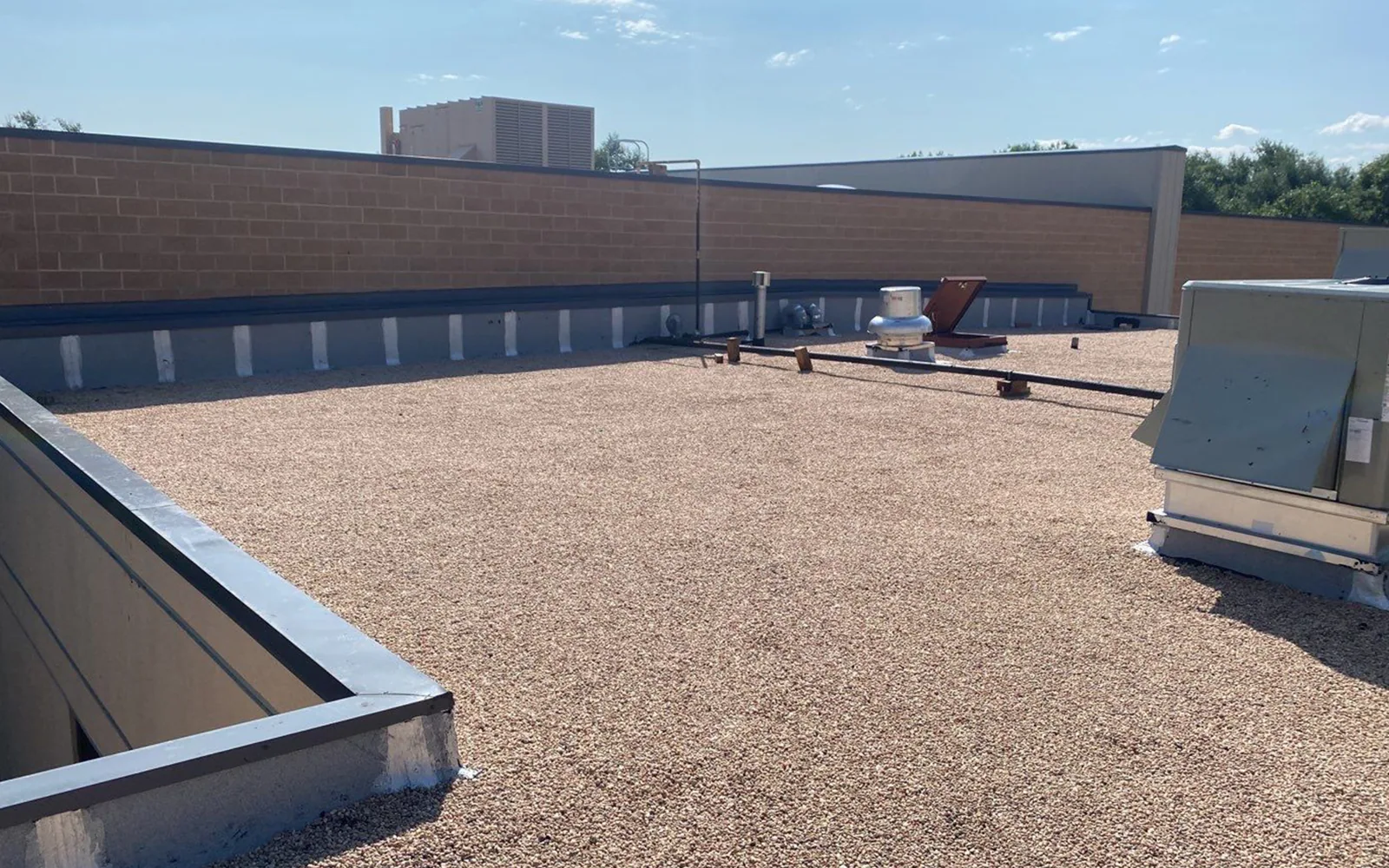
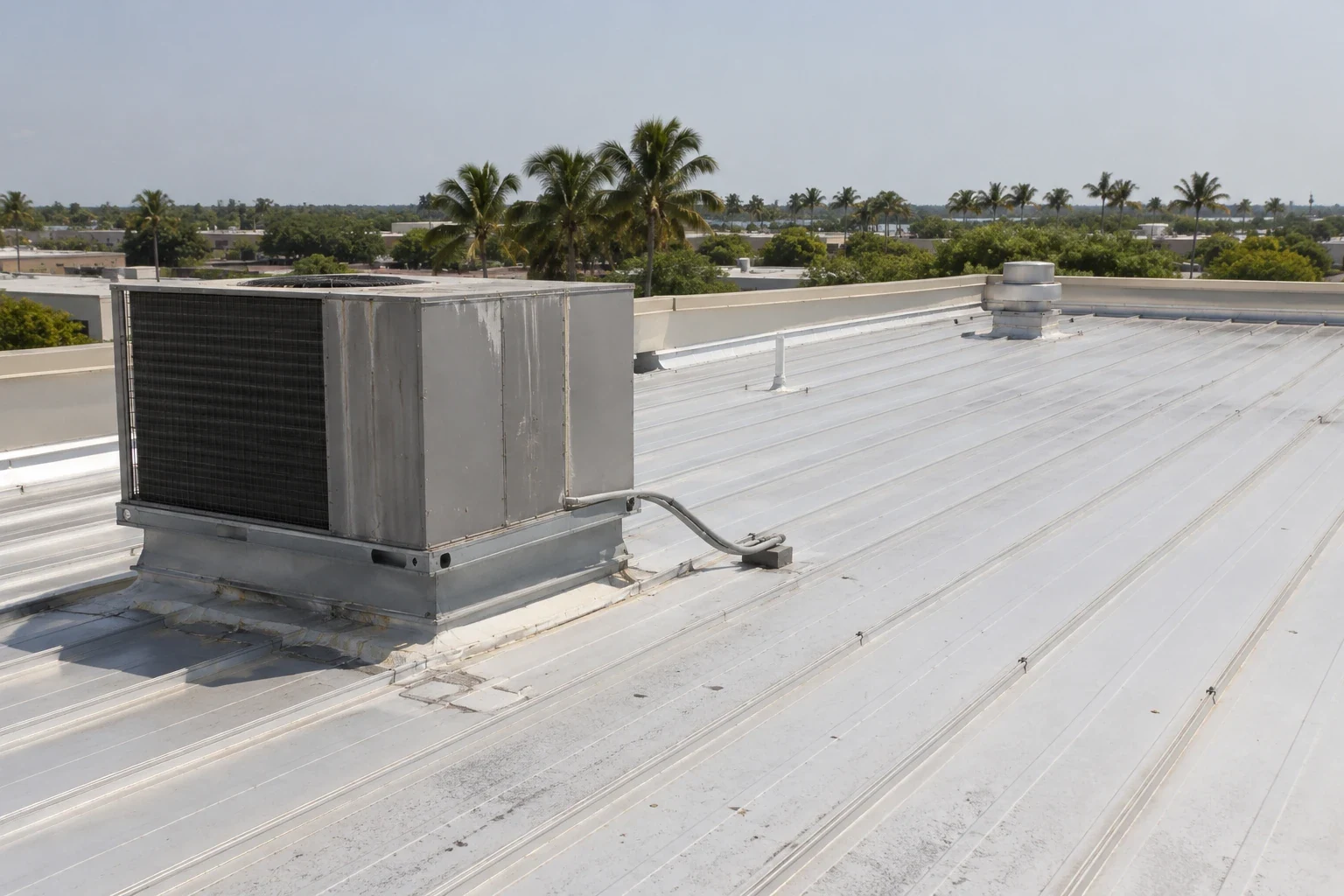
We check seam condition, fastener pattern, cover board, insulation, deck and perimeter transitions. A roof system must tie into curbs, drains and edge metal without leaving a weak connection. Existing wet insulation or unstable attachment can rule out a simple overlay, even when the surface looks serviceable. The inspection record captures those conditions before material is proposed.
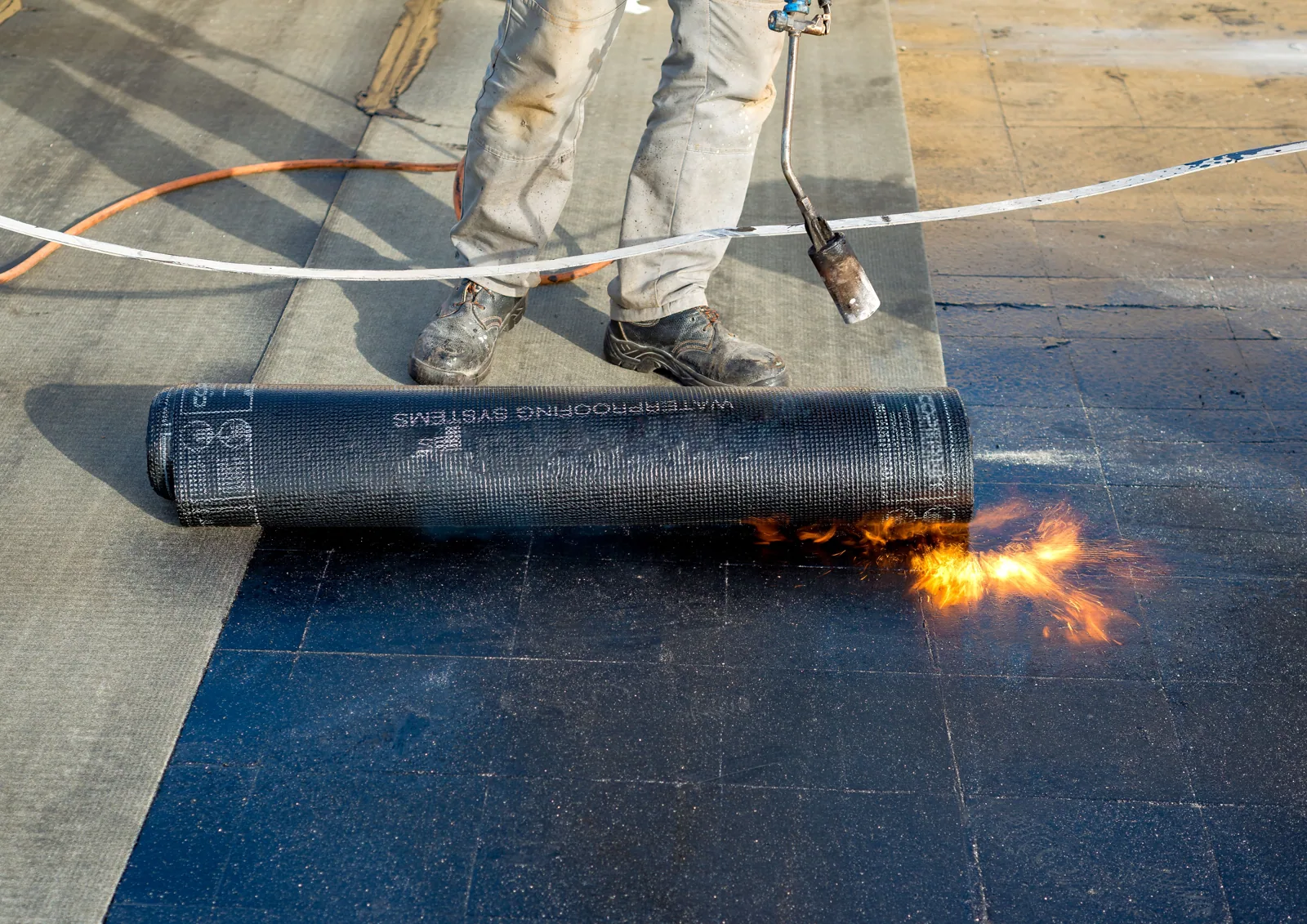
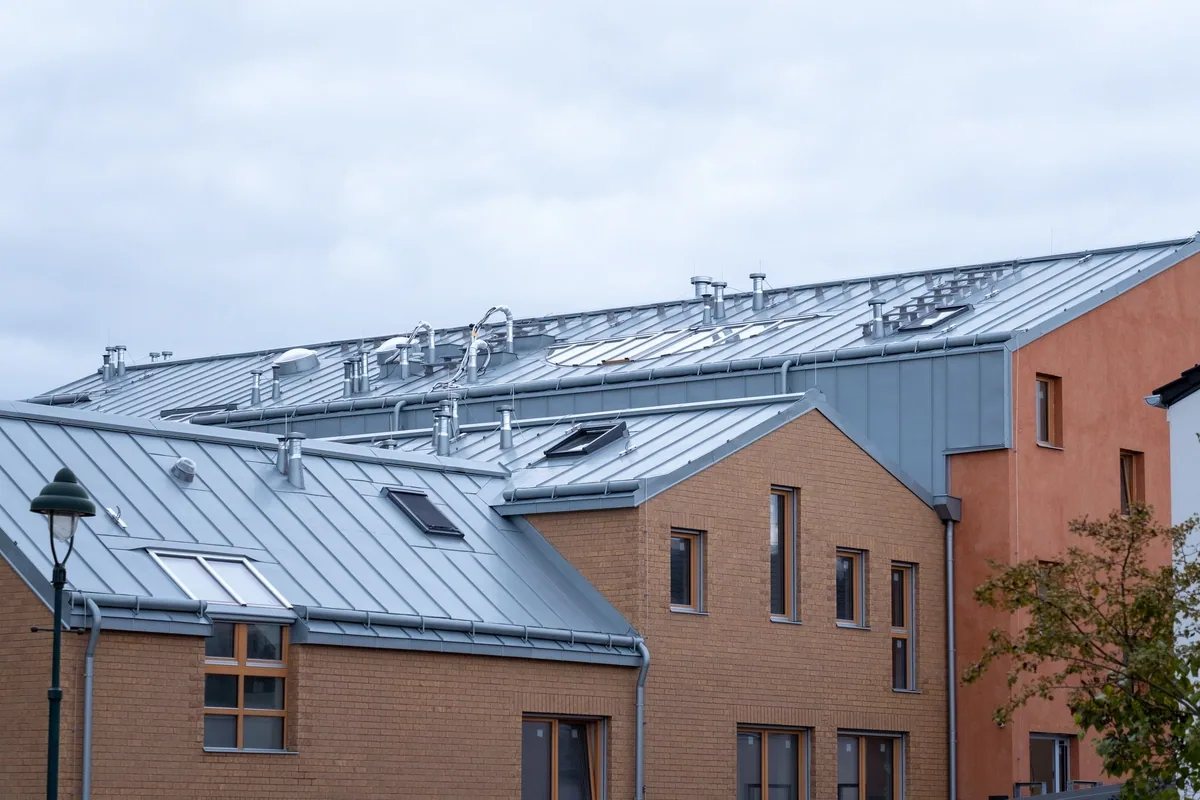
For single-ply options, compare TPO, PVC, EPDM and KEE against the existing substrate, seams, penetrations and expected maintenance. For other assemblies, we review modified bitumen, built-up roofing, or standing-seam metal according to the building and scope.
Compare installation with the building schedule
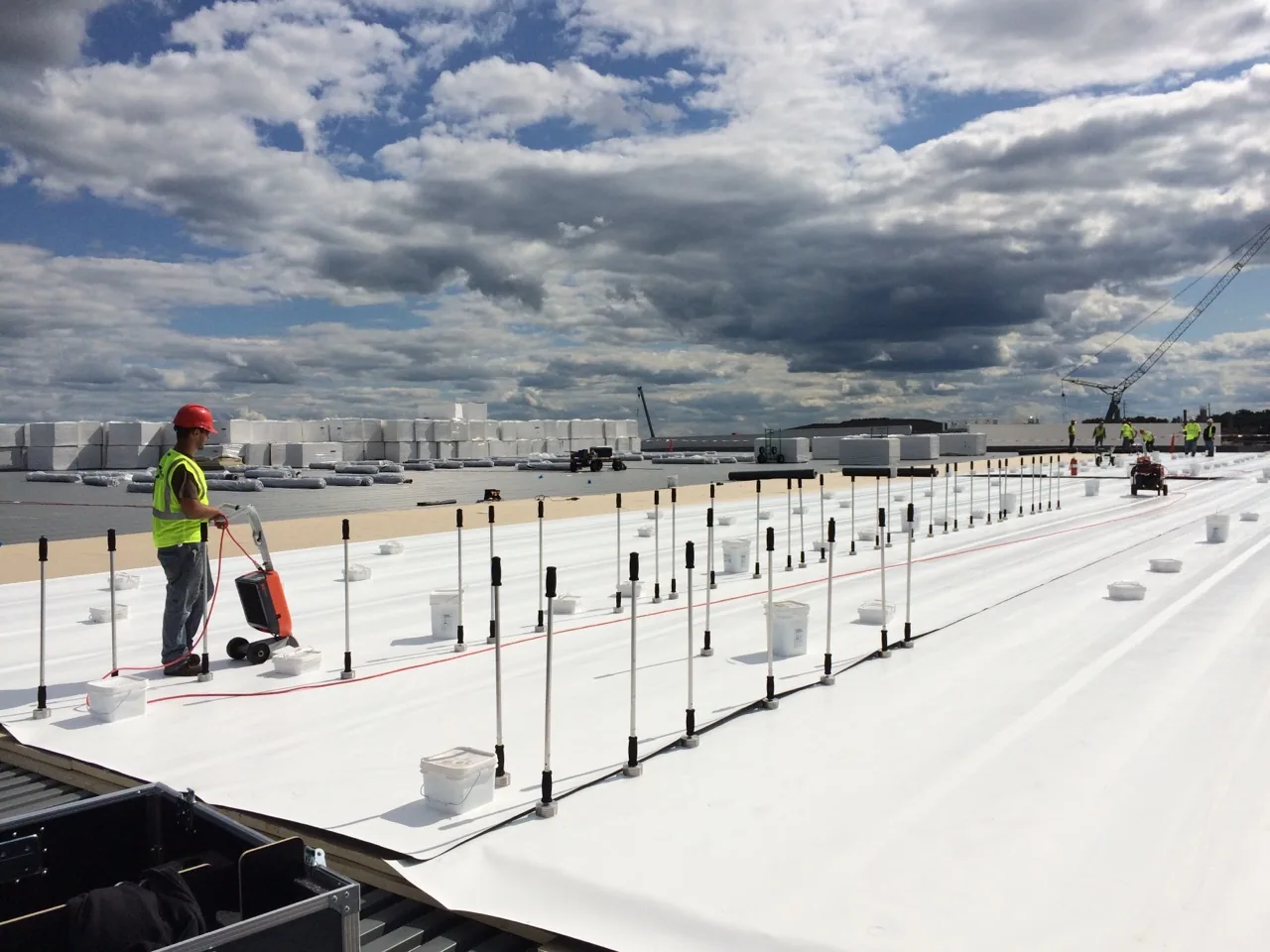
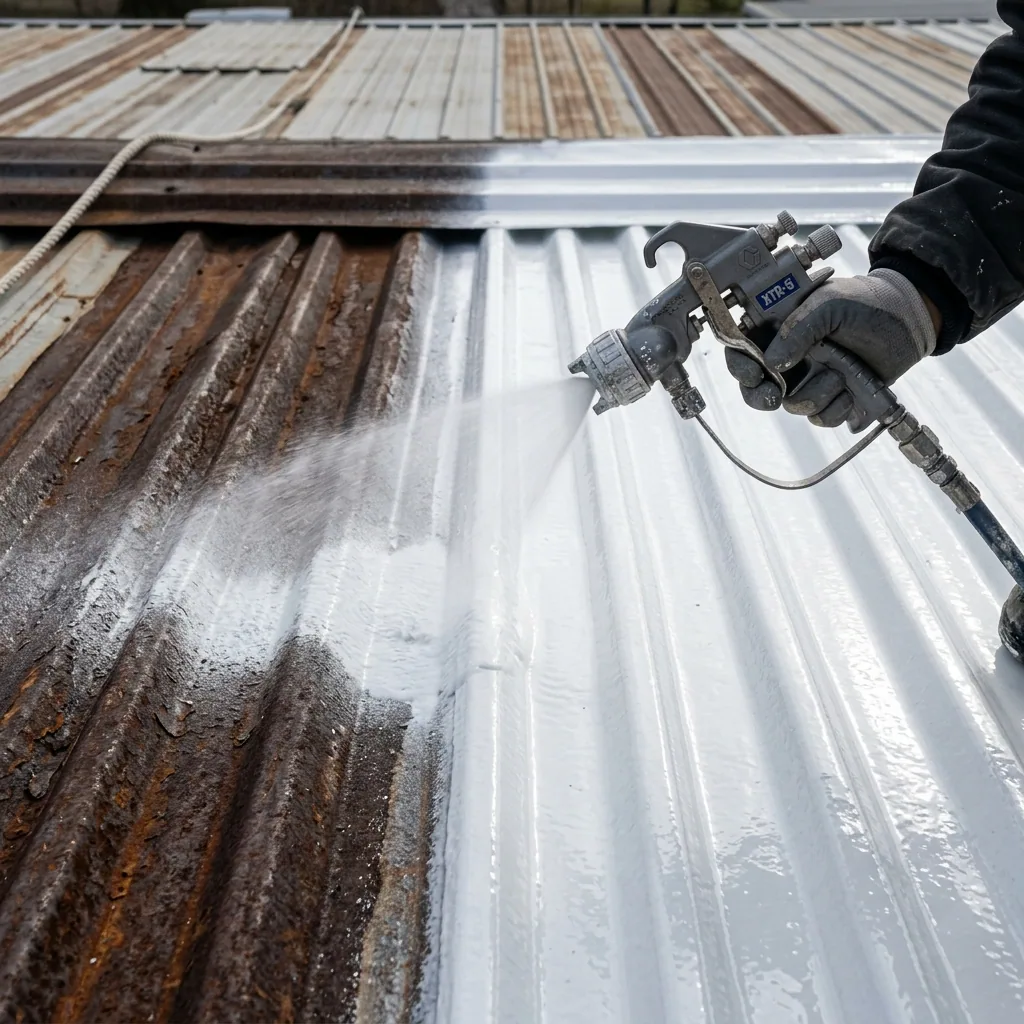
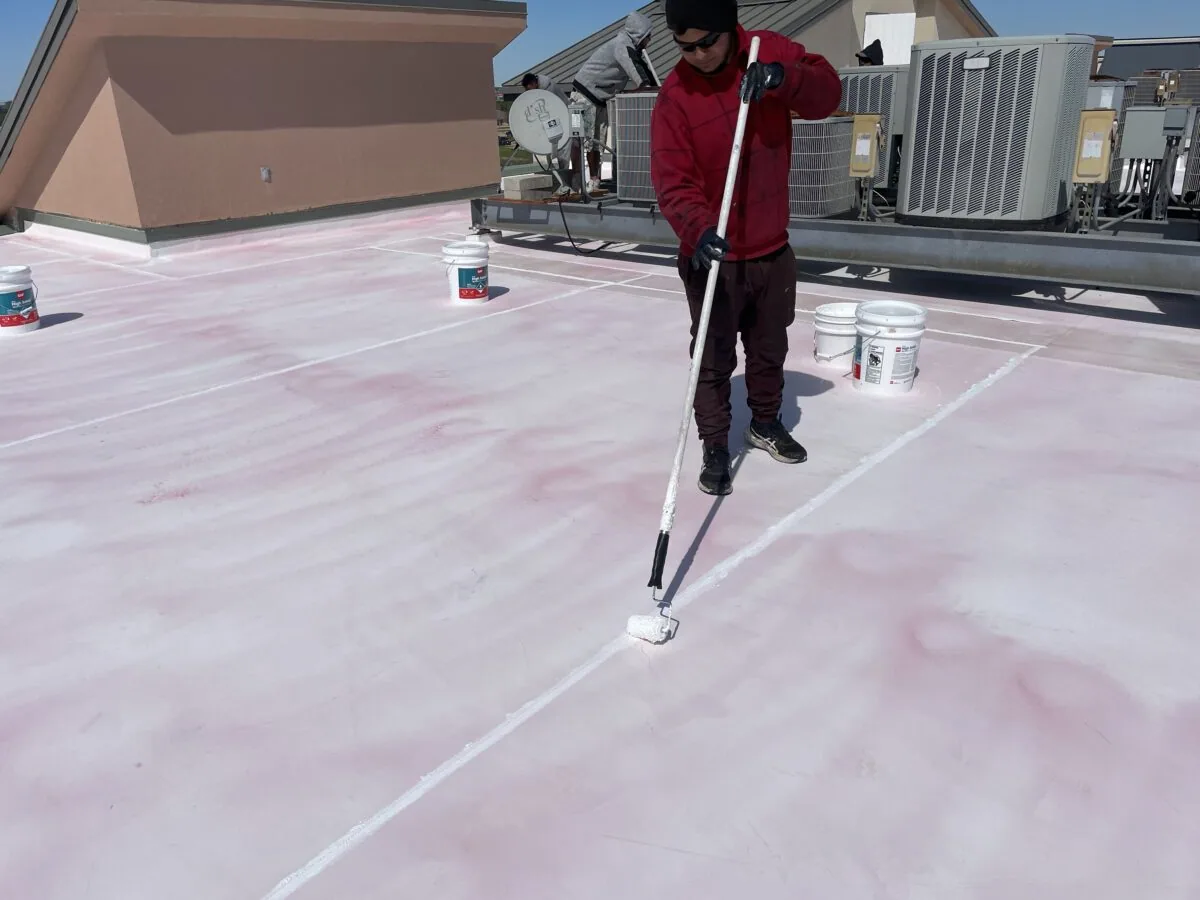
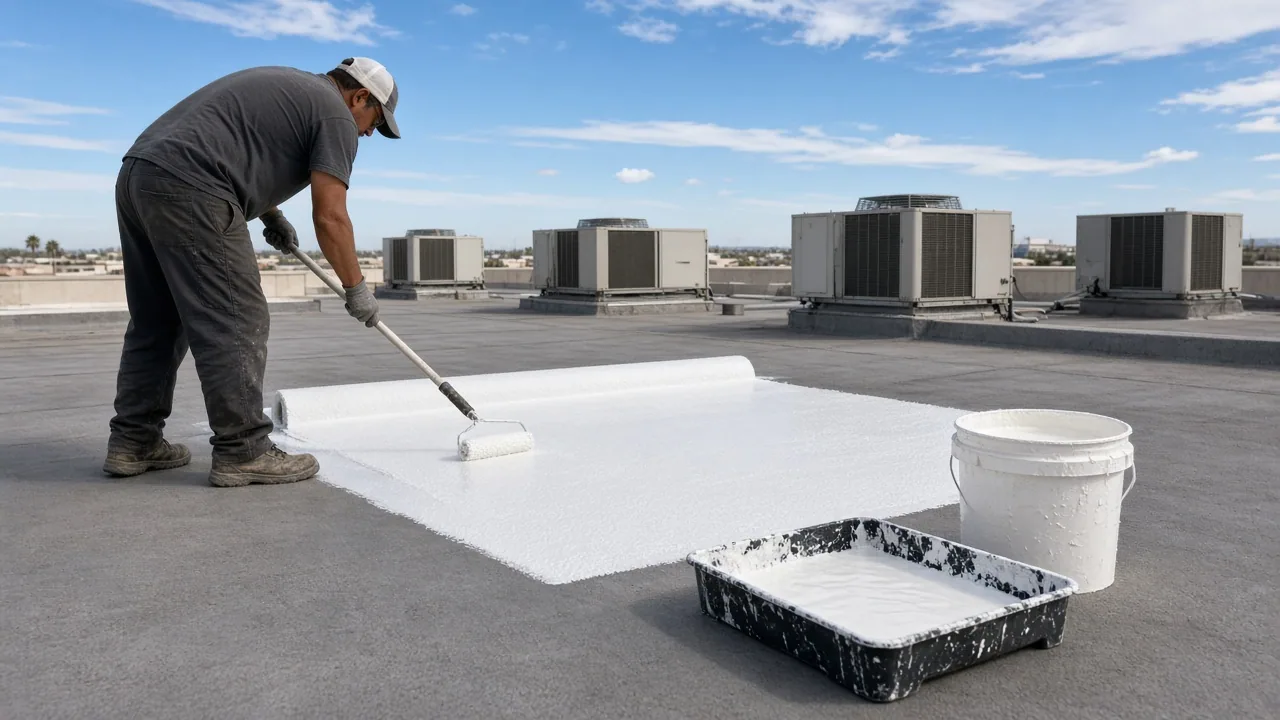
Replacement affects staging, tenant access, tear-off and close-in. A recover can reduce removal only when existing layers and the approved assembly support another roof. Coating requires a compatible, dry surface and cannot fix wet insulation under the membrane. A recover assessment or replacement scope makes those tradeoffs visible before work begins.
For a Coral Springs reroof, confirm the 2023 Florida Building Code, 8th Edition, and applicable High Velocity Hurricane Zone criteria, including the sheathing re-nailing requirement in section 2322.2.8. The address-specific permit set controls the approved assembly. A site in the Sawgrass Business and Entertainment District or at Commerce Park still needs its own address-specific review.
Keep system performance tied to maintenance
After installation, the record should identify material, roof zones, transitions and any field condition that changed the approved details. Preventive maintenance revisits drains, laps and penetrations before a small opening becomes a larger repair. We set the inspection route around the property’s access limits and leave photos with the owner. Where a report identifies retained water, failed flashing or an open lap, the maintenance visit records whether the condition changed and whether a repair boundary should be reconsidered. That history helps the owner compare future scope with the installed system.
Trace the wind path from membrane to deck
Coral Springs roofing projects follow the 2023 Florida Building Code, 8th Edition, with its High Velocity Hurricane Zone requirements. We check the deck, fastener pattern, edge metal, membrane termination, and transitions against the approved project details before setting repair or replacement scope. Heat and storm exposure make the edge and field connection part of one load path. The installed roof and approved design determine which fastening work applies.
Commercial Roofing Questions
Can a new membrane go over any existing roof?
No. We check layers, moisture, deck, attachment, drainage and the permitted assembly first. An unsuitable substrate can require removal rather than another layer.
Does a reflective coating repair wet insulation?
It treats the prepared roof surface, not moisture concealed below it. Testing and inspection determine whether restoration is appropriate or replacement is needed.
What should be checked at the roof perimeter?
Follow the membrane termination, edge metal, fastener pattern and deck support together. A secure field sheet cannot compensate for a loose perimeter connection.
Does HVHZ designation identify the attachment for every roof?
No. The governing requirements and approved assembly depend on the project. We confirm the permit details, deck and installed system before setting the repair scope.
Compare roof-system options
Send the property address, roof access details, current assembly and known leak history. We will inspect the roof and compare systems against the field conditions.
Request a Roof Assessment 555-555-5555