Commercial Spray Polyurethane Foam Roofing in Coral Springs, FL
|
|
|
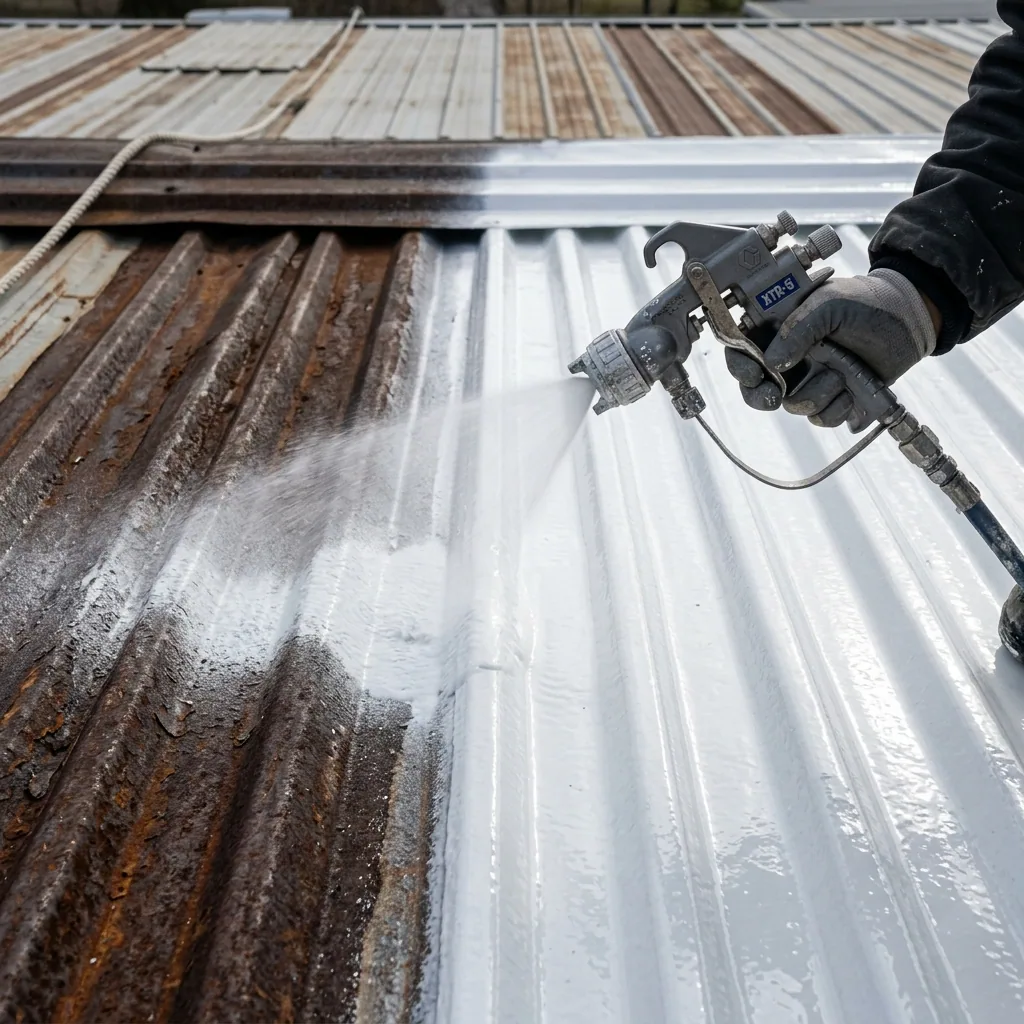
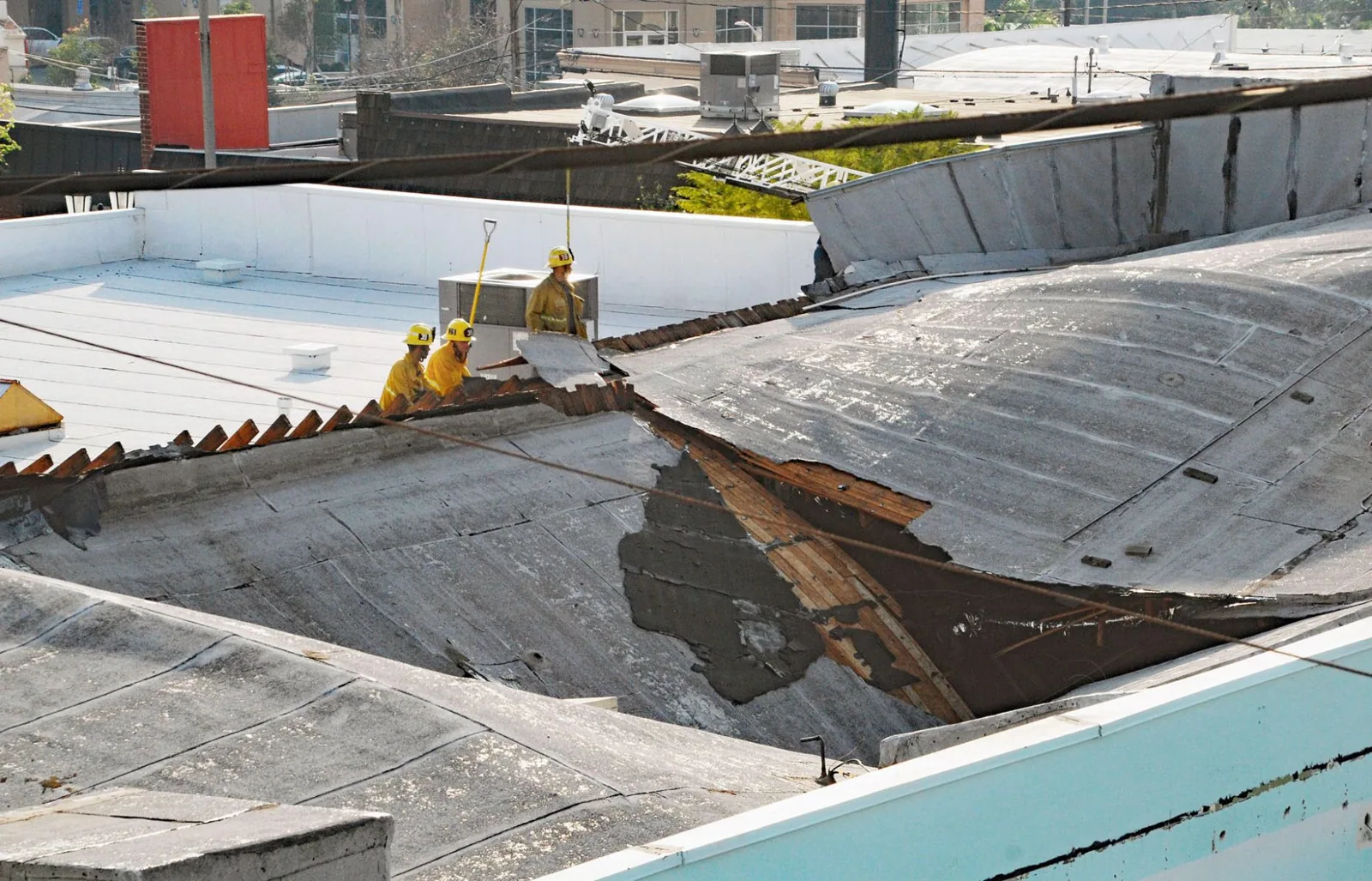
| A split in the protective coating above an SPF roof can expose foam to sun and water. We inspect the coating, foam surface, drains, penetrations and previous repairs before deciding whether to patch, recoat or remove affected material. The repair must restore the foam profile and the protective layer without leaving an exposed edge. We mark the affected roof zone, prepare the substrate and document the finished surface while it remains accessible. Coral Springs, FL has strong summer heat, heavy wet-season rain and tropical-system exposure. The work sequence needs to account for surface temperature, moisture and rain protection. At Coral Springs Commerce Park or a property near University Drive, we confirm the address, access route and material staging with the building contact before application. |
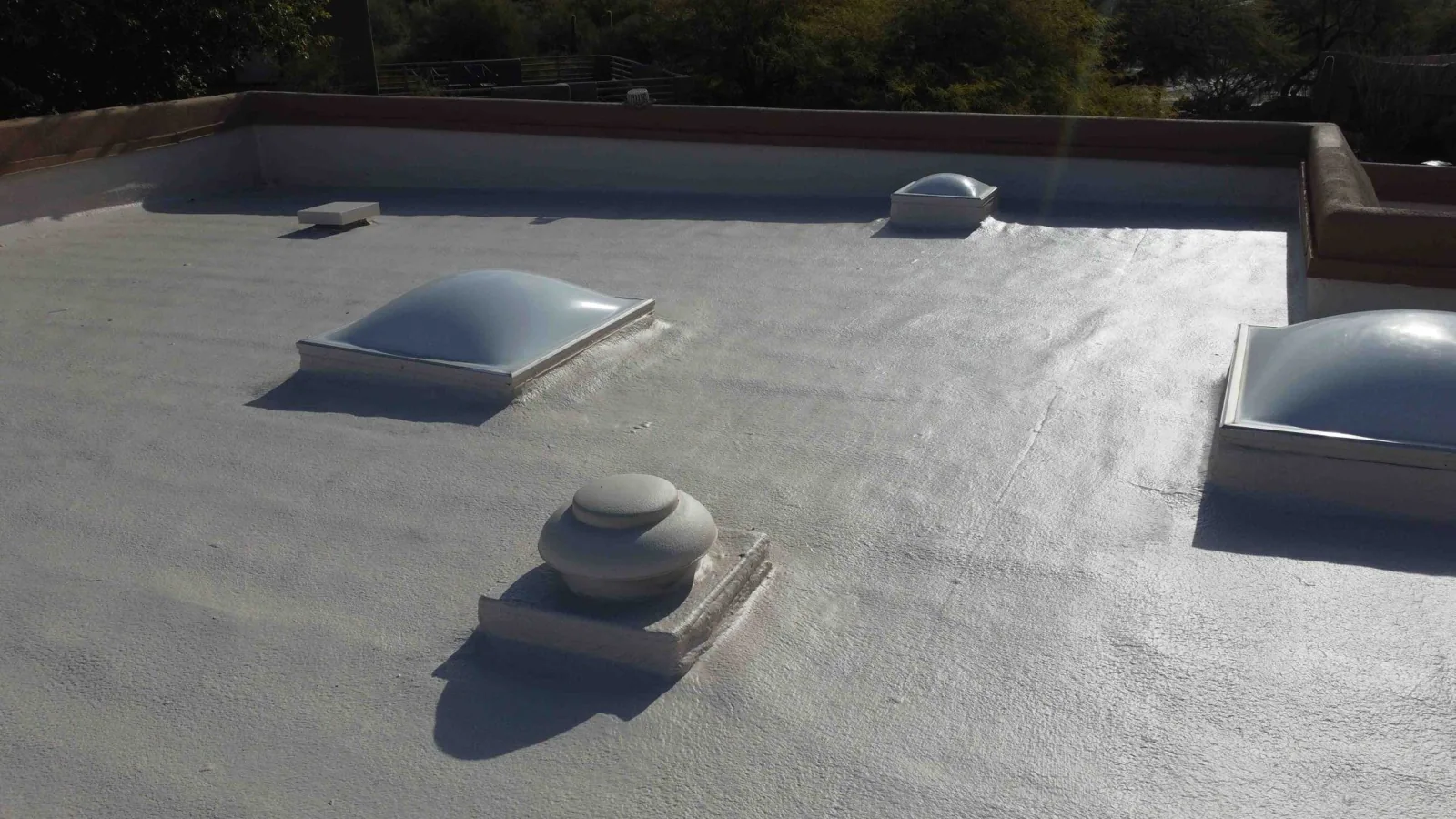
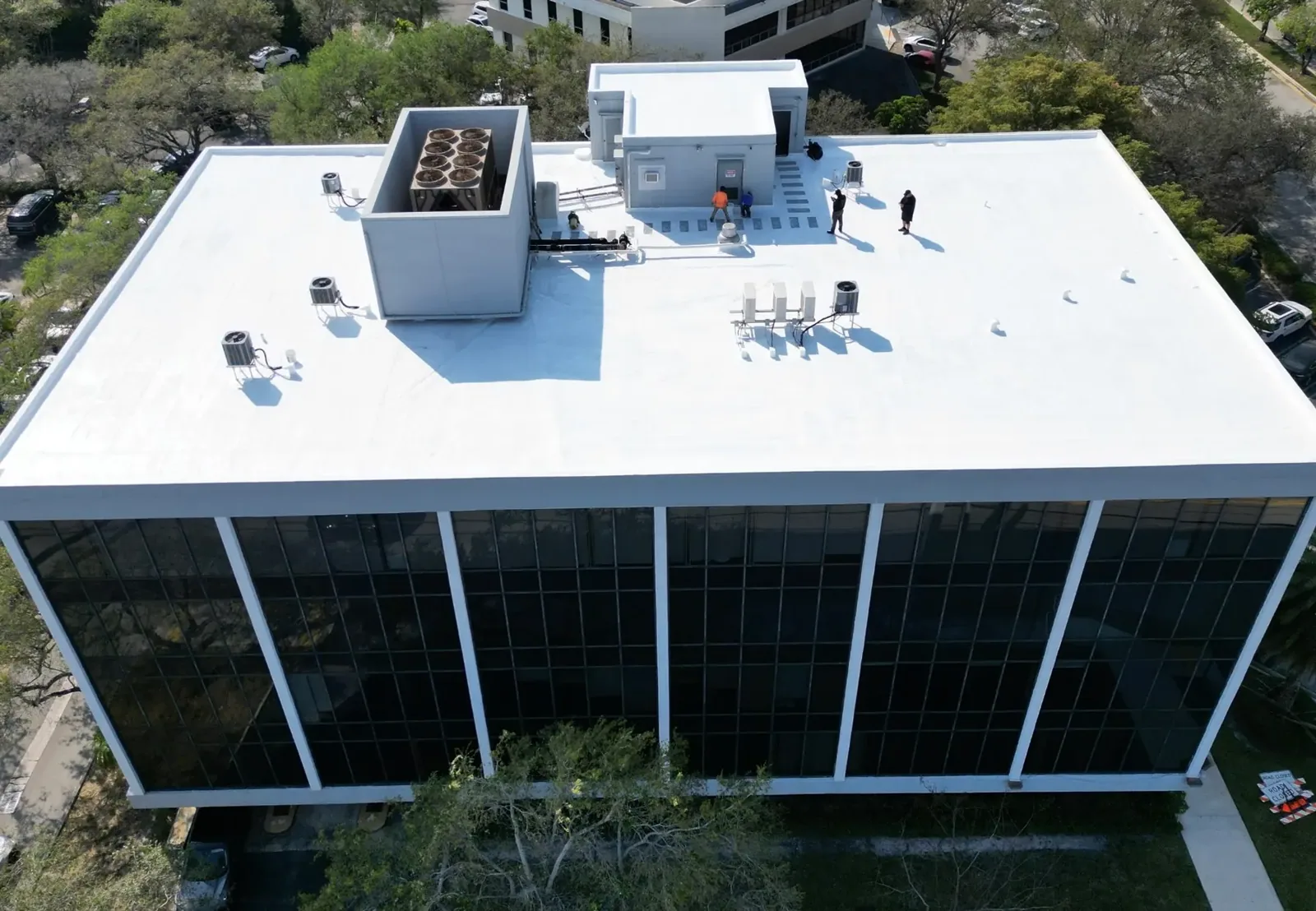
Inspect foam and protective coating | SPF roofing uses sprayed polyurethane foam to form a continuous roof layer, typically protected by a coating system. We inspect for exposed foam, coating splits, blisters, impact marks, ponding and failed transitions. We also review prior repairs and any changes in coating color or texture. If the surface hides wet or deteriorated material, we identify a test area or opening needed to check the substrate before specifying a new protective layer. The coating protects the foam from weather and physical exposure, so the foam profile and coating condition are reviewed together. A commercial roof inspection can document visible foam and coating defects by roof zone. Thermal imaging can help target follow-up when a suitable temperature contrast is present. We treat it as a screening aid, then use an opening or another direct check when the suspected moisture needs physical confirmation. |
Repair the foam profile | Where foam is damaged or exposed, we remove loose material within the authorized boundary and restore the surface profile using compatible repair material. The transition should taper to sound foam so the protective coating can bridge the repair without a raised edge or hollow. We check the surrounding coating for adhesion and identify any wider area that needs preparation. If the roof has wet insulation or unsound substrate beneath the foam, that condition changes the repair scope. We record the cutback area, foam repair and surface preparation before applying a new coating. A small puncture and a broad eroded section call for different repair limits. If the damage follows a seam, curb or equipment support, equipment curb and support work can coordinate the base detail. The roofer and equipment trade need to agree on any movement or disconnection before the repaired foam is closed. Foam repairs need a clean, stable cut edge that can receive new material and be shaped to the adjacent slope. We remove loose or wet foam only within the approved boundary, then rebuild the profile so water reaches the intended outlet rather than holding beside the repair. The protective coating must return over the prepared foam at the specified thickness and transition. Photographs show the cut area, rebuilt slope and coating tie-in, while any concealed deck condition remains a separate item. |
Select and apply the protective coating | The specified coating type, primer and application method need to match the foam and existing finish. We review the product instructions, surface condition, target coverage and weather window before spraying or rolling material. Application areas are protected from overspray, and work proceeds in controlled zones. We record required coverage checks under the project specification and inspect transitions at walls, curbs, drains and penetrations. The selected silicone roof coating or acrylic coating system must fit the roof’s drainage, exposure and project requirements. We identify the selected material and repairs included before work starts. The coating is not a substitute for correcting unsound foam or an open flashing connection. At intersections and changes in plane, we check whether reinforcement or a separate flashing layer is specified. Those details are completed before the surrounding field receives its final protective coat. |
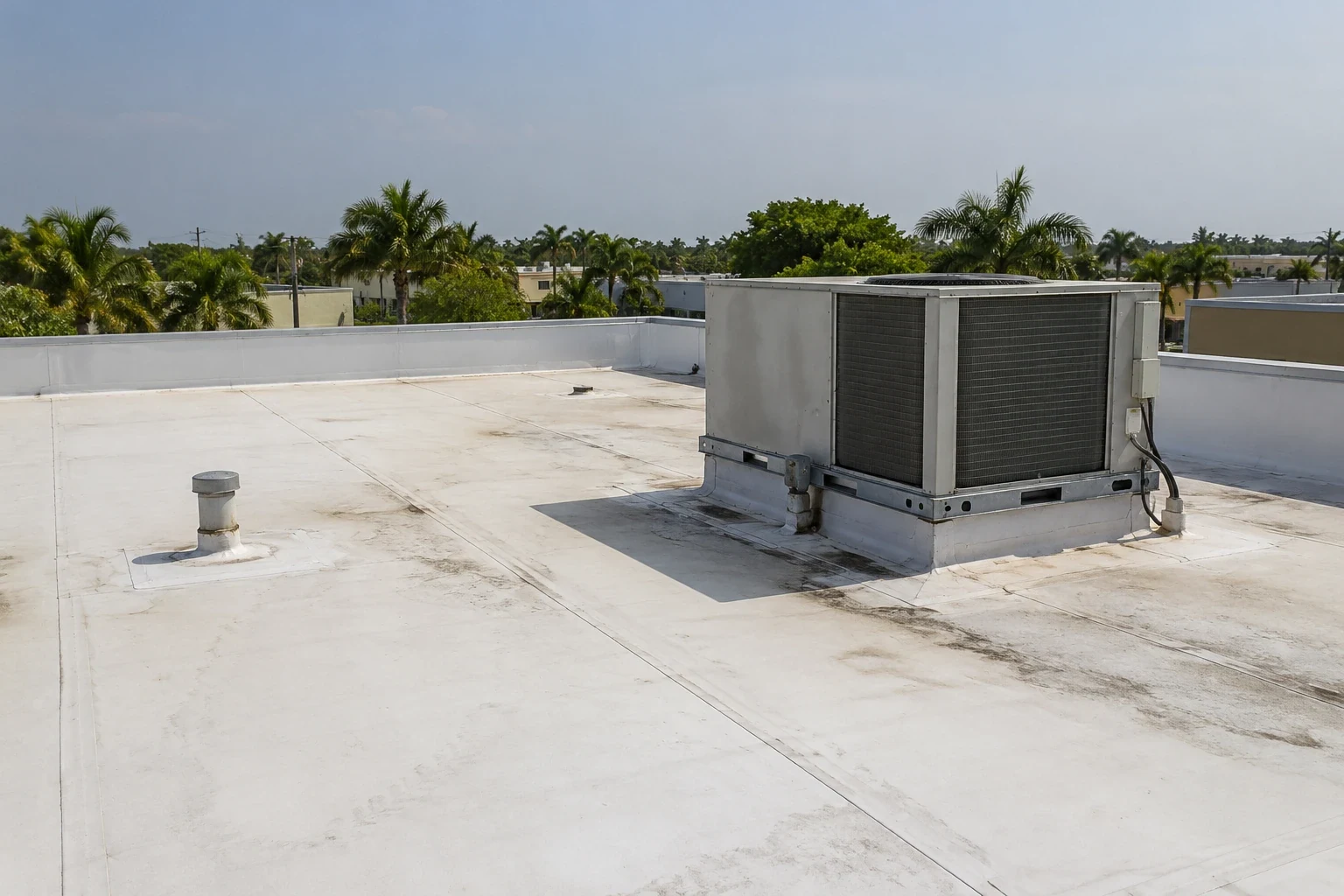
Check slope and roof outlets | SPF can form tapered contours that direct water toward outlets, but field wear or a damaged drain can change that path. We inspect low areas, drain bowls, scuppers and overflow openings and mark any visible obstruction or ponding. If the foam profile needs reshaping, we identify the specific area and slope work needed. The coating should follow a sound, dry profile and leave the drain connection clear. Heavy wet-season rainfall makes the drainage path a key SPF inspection point; we map low areas, outlets and overflow openings against the foam profile. A drain and scupper review can address outlet details. Where water remains, we note the location and compare it with the roof shape and visible drainage path. Ponding-water assessment can help define a broader correction when slope or drainage needs additional review. |
Protect foam during application | SPF application and coating require dry conditions, controlled wind and surface conditions suited to the product. Coral Springs’ summer heat can affect crew exposure, while wet-season storms can disrupt spraying or curing. We review the forecast and site conditions before opening an area and protect fresh material until the specified cure period and close-in checks are complete. If the surface becomes wet or contaminated, we reassess preparation before continuing. At Coral Springs Commerce Park or near Coral Square Mall, we confirm the spray perimeter, delivery route, ventilation, occupied areas, access and staging with the property contact. For work above active operations, occupied-building roof coordination can define zones and notice requirements. We adjust the application sequence to the site’s actual conditions. |
Record foam and coating checks | Before closeout, we inspect repaired foam, coating coverage, transitions, drains and penetrations included in the scope. The record identifies the roof areas treated, materials used, visible conditions and any limitation. The closeout records the tests performed and identifies concealed layers that remain outside the inspection. We document the repair boundary so later maintenance can return to the same area. A roof condition report can tie marked roof zones and photographs to each completed repair. Preventive maintenance can revisit accessible coating and flashing details. The city’s Downtown redevelopment area near Sample Road and University Drive is a local commercial context, but the roof scope remains based on each building’s assembly. We review completed work and follow-up needs with the property contact. We check that the repaired foam has no exposed edge before recording the coating tie-in. The adjoining drains and low points remain visible after the coating is restored. |
Commercial Roofing Questions | How do you repair exposed SPF?We remove loose foam, restore the profile with compatible material, prepare the surface and apply the specified protective coating. The repair is inspected at its transitions before closeout. Can you coat an existing SPF roof again?The foam condition, prior coating adhesion, moisture and substrate affect suitability. We inspect the assembly and identify repairs or testing needed before proposing another coating layer. What if water remains on an SPF roof?We map the low area and inspect drains, scuppers and the foam profile. The correction may involve outlet work or reshaping and needs a defined scope before coating. Can SPF work proceed in wind or rain?Application depends on product limits and site conditions. We check weather, wind, moisture and overspray protection and adjust the sequence when the surface is not ready. What should I send before an SPF roof review?Share the coating and foam repair history, photos of blisters or exposed areas, known drainage issues and any prior moisture survey. Roof records help us compare the documented assembly with its visible condition. |
Review the SPF roof surface | Send the property address, prior coating or repair records, active leak or storm date, roof access route and operating limits. We can inspect the foam and coating, define repairs and record application checks. Request a Roof Assessment 555-555-5555 |
|
|
REQUEST AN ASSESSMENT
 |