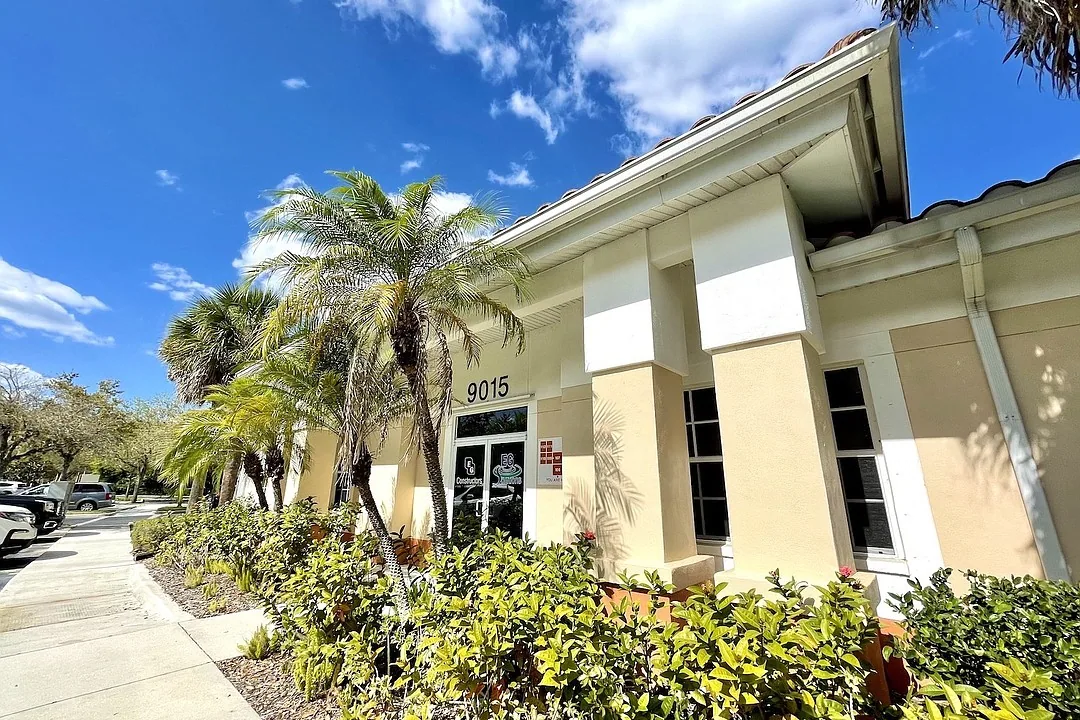
Commercial Ponding Water Roof Repair in Coral Springs, FL
|
|
|
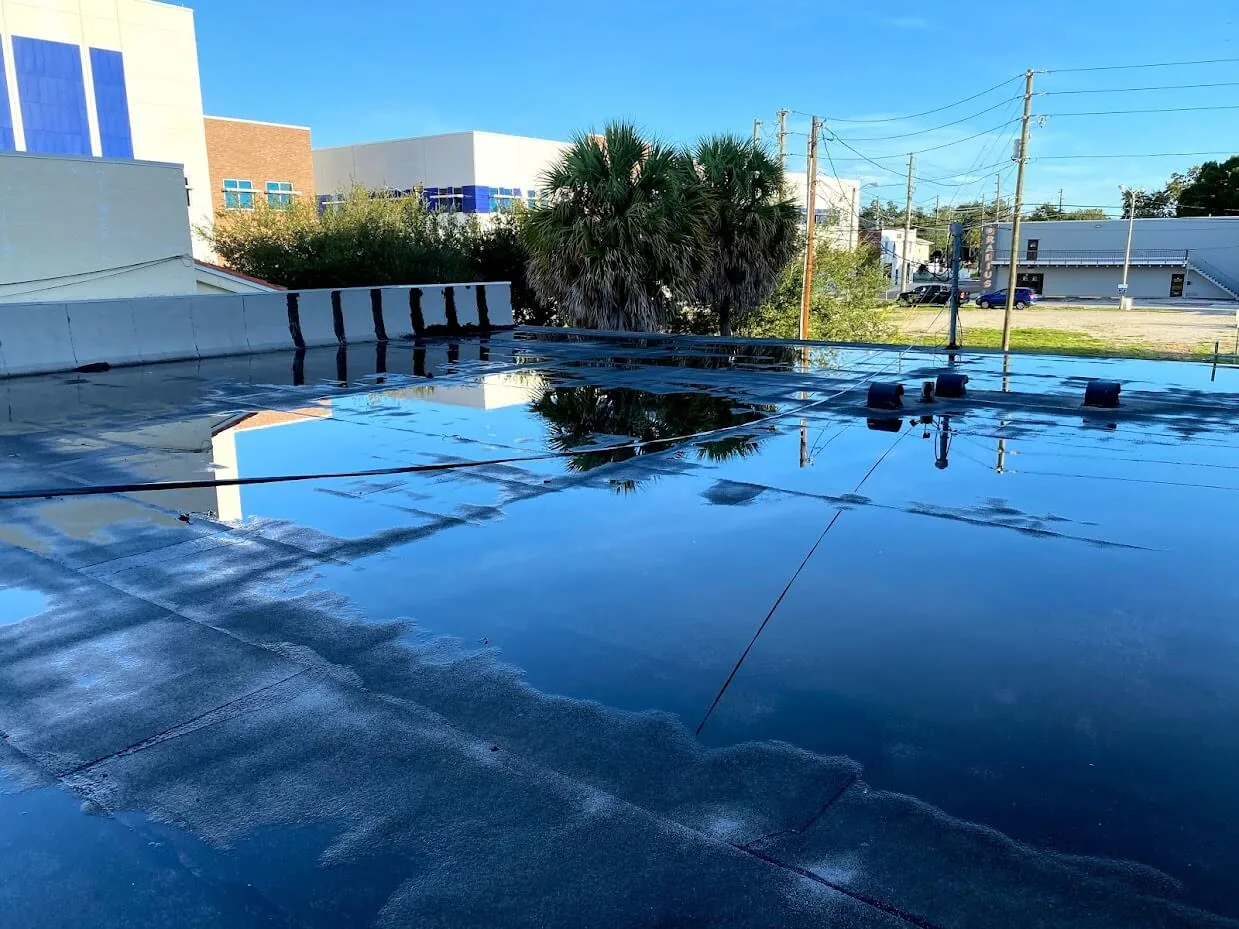
| A shallow pool after a storm can disappear before anyone reaches the roof, but repeated standing water deserves a closer look. We inspect the affected low area, nearby drains and scuppers, and the roof surface that directs water toward them. The purpose is to separate a blocked outlet from a slope, membrane, or structural concern and to record which parts of that path can actually be verified. Coral Springs sits in a South Florida climate where heavy rain is part of the wet season, and flooding is among the regional hazards. That context can help explain why a drainage concern becomes urgent; it cannot establish the cause at a specific building. We ask for the address, how long the water remained, what changed after rainfall, and whether interior leaks have appeared. A site in Coral Springs Commerce Park or along University Drive still needs its own roof access and operating instructions confirmed. |
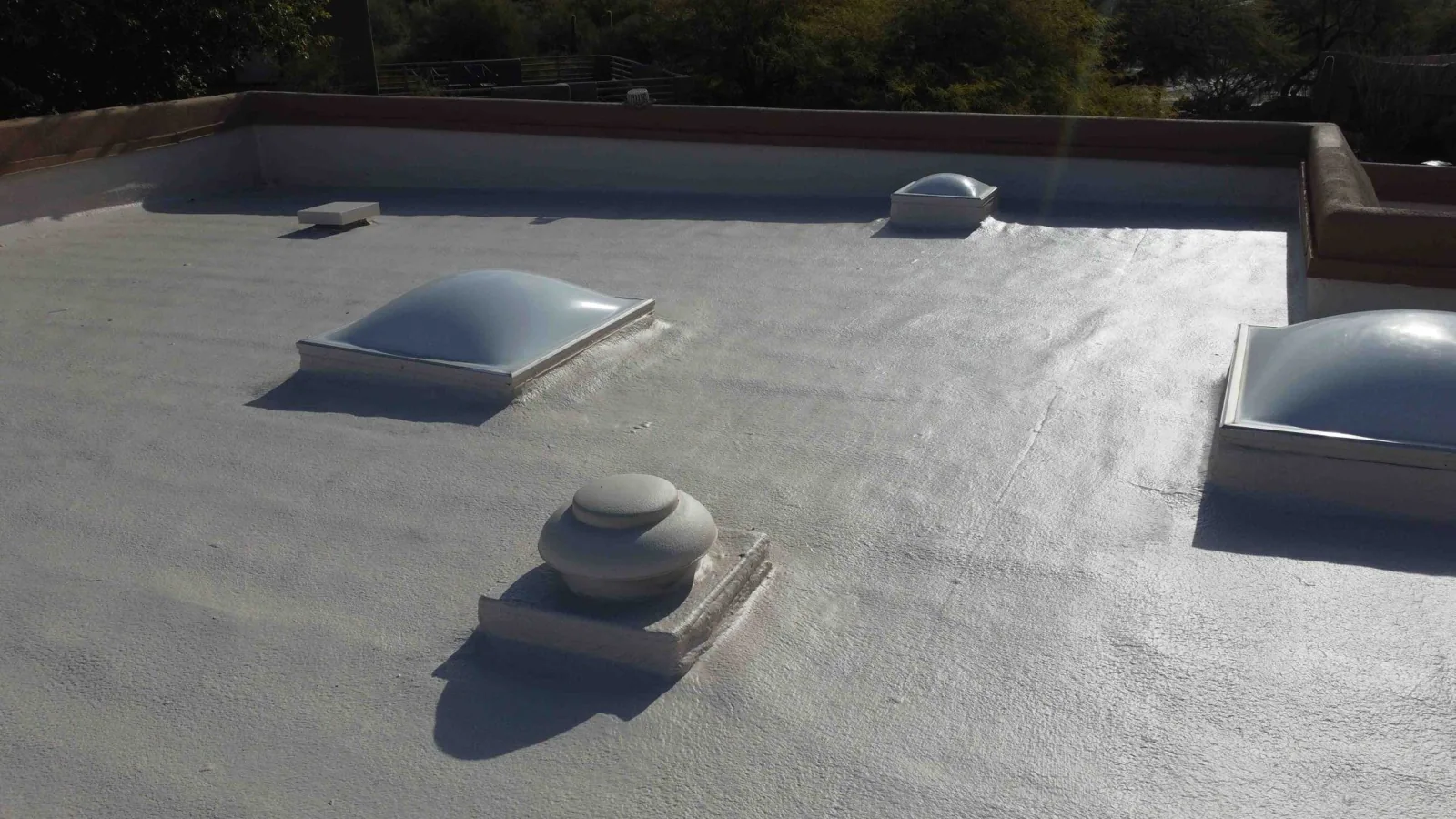
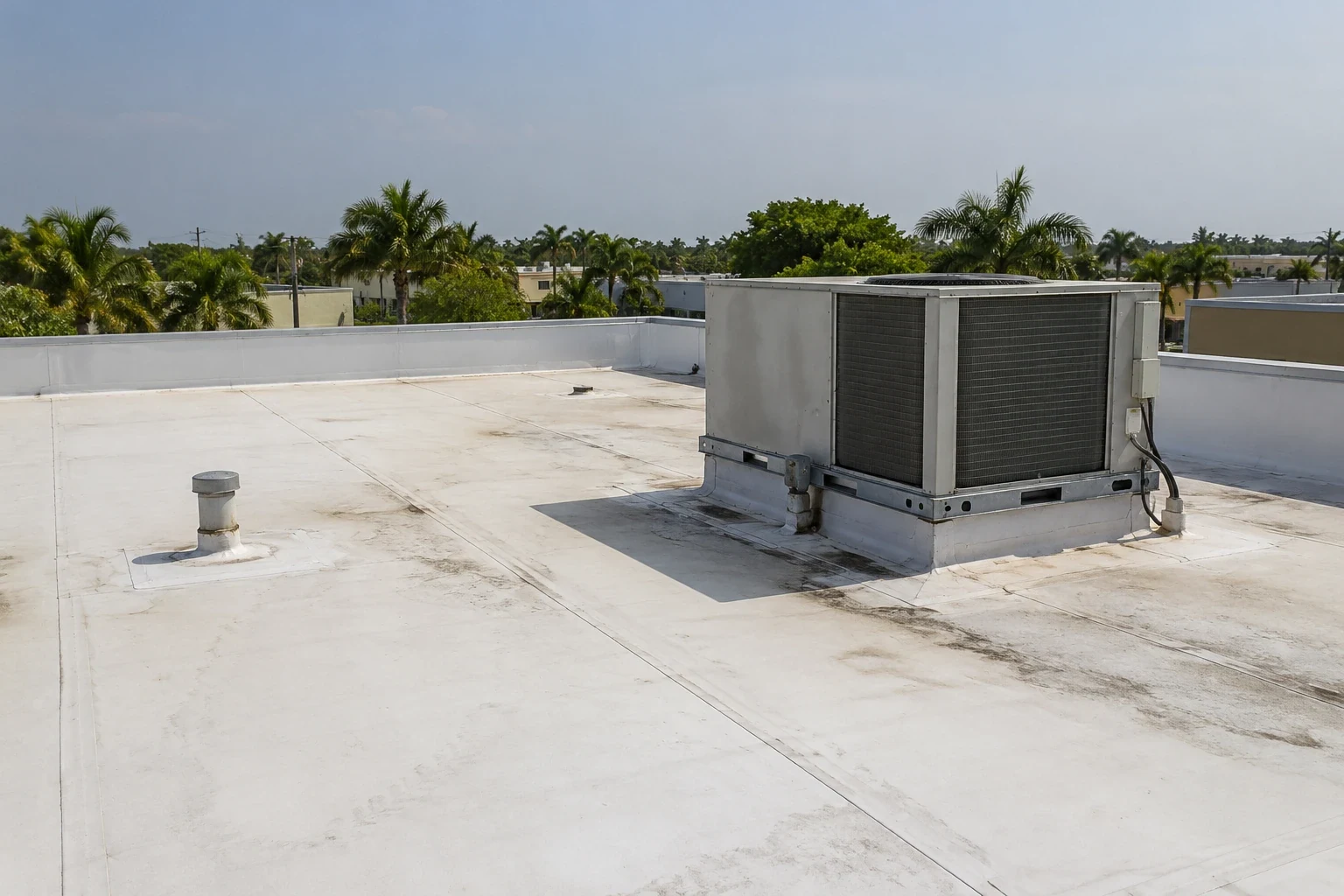
Describe the water pattern | We start with the building team’s observations: where water collects, how often it happens, approximate persistence after rain, and whether the area has changed over time. Dated roof photographs are useful when the surface dries before the visit. We note whether the report concerns one depression, a drain bowl, a long seam, or a broad roof section. The record also identifies weather or access conditions that limited what could be observed. Water marks, dirt lines, debris and plant growth can help locate a recurring low point, but none alone proves why it formed. We map the visible boundary and compare it with drains, scuppers, penetrations and changes in elevation. The authorized contact confirms ladder or hatch access, escort needs, active work zones and any interior precautions. At the Coral Springs Aquatic Complex or along the Sample Road Commercial Corridor, the property contact confirms the entrance and roof-access route for the inspection. If water is entering, emergency stabilization can address immediate exposure while the drainage evaluation proceeds. |
Check each part of the drainage route | We follow the intended route from the observed pool toward the nearest outlet. At a drain, we look for debris, a restricted opening, a damaged bowl, loose clamping components, or a membrane transition that no longer seals. At a scupper, we check the throat and adjoining wall detail. We note whether water has a clear path or whether the roof geometry directs it to a low spot before reaching the outlet. On the field, we look for deflection, soft areas, wrinkles, open seams and prior patch edges near the water line. A shallow pool may arise from several interacting conditions; we do not label it a structural problem from a photograph. If additional testing or a safe opening is needed to determine the layer condition, the report identifies that next step. A roof drain and scupper repair can address a confirmed outlet defect, while a commercial roof inspection can document accessible areas beyond the reported low point. |
Keep drainage open while the cause is reviewed | If debris is safely reachable and removal is within the approved scope, clearing the outlet may restore a water path. We document what was removed and whether water could flow afterward. When a drain component, seam, or roof surface is damaged, we decide whether temporary protection is appropriate. A measure should not dam water, cover an unverified defect, or create a loose object that can move in wind. Temporary steps do not correct a low roof area or demonstrate that the underlying assembly is dry. We identify what requires follow-up after the next rainfall and what needs a repair decision before close-in. If access is unsafe or the water condition cannot be controlled without changing the drainage route, we tell the authorized contact and record the limitation. Keeping the outlet clear is useful, but repeated ponding still requires a repair scope based on the roof geometry and observed construction. |
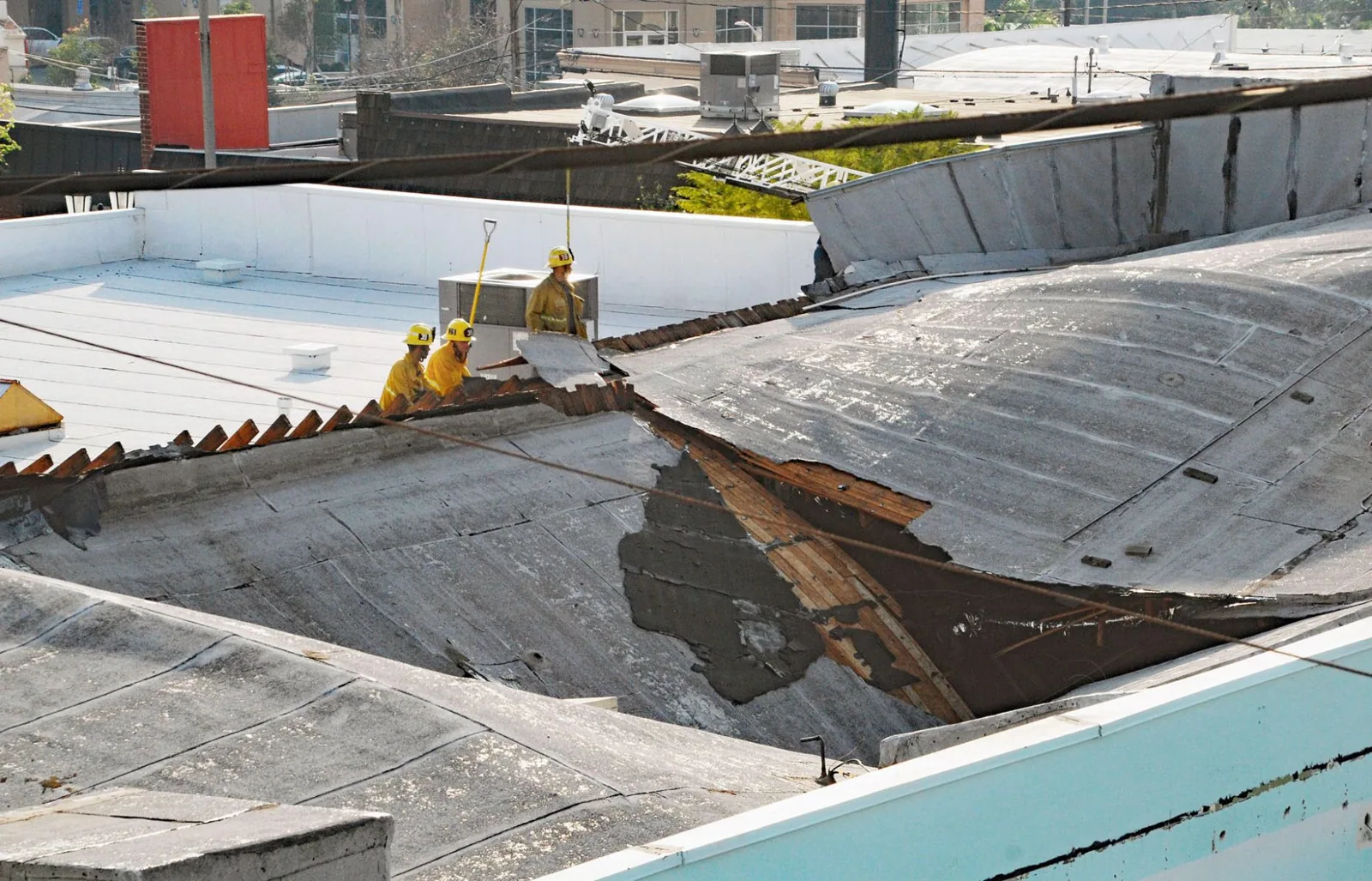
Match the repair to the verified cause | Where an outlet connection has failed, the scope can include removing incompatible patch material, preparing the surface, repairing the drain bowl or scupper transition, and restoring a watertight connection to the roof membrane. If the surface is damaged near the low point, the repair boundary should extend to sound material and identify how seams and terminations will be closed. We describe what will be opened and what remains concealed. Where the roof plane itself does not drain as intended, a localized patch may leave the same pool in place. We explain whether tapered materials, drainage redesign, structural review, or a wider project needs evaluation, and we do not promise a slope correction without measurements and design. If the wet area is part of broader assembly deterioration, commercial roof repair can define the overall work boundary. When a larger scope is under consideration, commercial roof replacement may be compared against targeted correction. A confirmed split at the wet area can also require seam failure repair. |
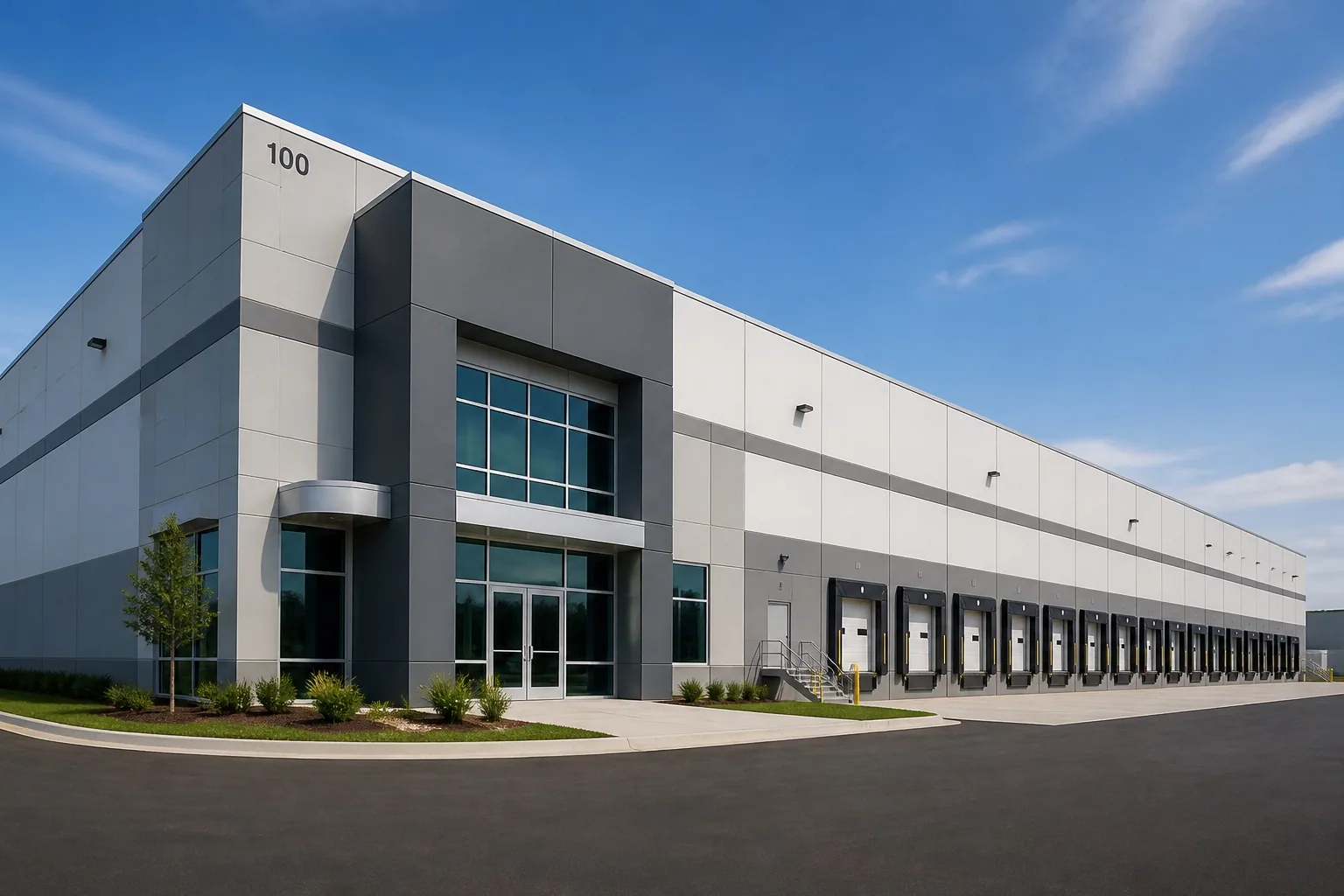
Plan around rainfall and daily operations | Drainage work can involve wet surfaces, temporary restrictions near outlets, and material movement through an active site. The contact identifies operating hours, loading activity, roof equipment that must remain available, and routes that tenants or staff use below. A property near Coral Springs Commerce Park may coordinate around warehouse circulation; a business near Downtown Coral Springs may have different delivery or pedestrian needs. We confirm those details for the actual property before scheduling. For recurring ponding, the site representative can arrange a follow-up observation after rain, when the water path is visible. We agree on where photographs should be taken and who will report the time conditions change. A work plan should preserve access to emergency routes and avoid directing runoff toward entries or neighboring property. If the repair requires a broader operational shutdown, the contact receives that constraint before work begins. occupied-building roof planning can help coordinate more extensive work, and service in Coral Springs Commerce Park can be arranged with the local site contact. |
Document the outcome, not just the puddle | Our closeout records the repaired outlet or roof area, materials used, visible water path, and any conditions still needing evaluation. We note whether the surface was dry during inspection and whether the drainage result was observed after a later rain. If only a limited area was accessible, the report says so. A completed drain repair does not certify roof slope or structural capacity beyond the work inspected. The condition record gives the owner a baseline for maintenance staff and later contractors. If ponding returns, a new dated observation can distinguish a recurring geometry issue from a newly obstructed outlet. At Coral Springs Commerce Park or along the Sample Road Commercial Corridor, we file observations by facility address and roof zone. A roof condition report can preserve photographs, limits and next steps, while a flashing failure review can address a separate failed transition identified during the visit. |
Commercial Roofing Questions | How long can ponding water remain before it becomes a concern?The roof system and building requirements determine what is acceptable. We document the observed depth, area and persistence, then compare those conditions with the assembly and drainage path rather than use one elapsed-time rule for every roof. Can a clogged drain be the only cause?It can restrict discharge, but it may not explain every low area. We check the opening, drain connection, surrounding membrane and surface route before defining the correction. Will adding a drain solve recurring ponding?That decision may require roof measurements, drainage design and review of the existing assembly. We identify the observed issue and recommend the next evaluation instead of selecting a drain location by appearance alone. Should water be removed before an inspection?Do not enter an unsafe roof area to remove it. If a site team can document the condition safely, dated photographs and approximate timing can help; we record whether the water remained at our visit. Can standing water be repaired without replacing the roof?Sometimes a confirmed drain detail or localized membrane defect can be corrected. If the roof plane or wider assembly is involved, we explain what further review is needed before comparing repair and replacement. |
Request a ponding-water evaluation | Send the building address, the approximate area where water collects, how long it tends to remain, and the site contact for roof access. We can inspect the drainage route and document verified repair options. Request a Roof Assessment 555-555-5555 |
|
|
REQUEST AN ASSESSMENT
 |