Commercial Silicone Roof Coatings in Coral Springs, FL
|
|
|
| A pinhole in a silicone coating at a drain sump can leave the underlying roof exposed even when the surrounding surface looks continuous. We inspect the coating, substrate, seams, flashings and outlet before deciding whether a patch, reinforcement or broader restoration is appropriate. Silicone belongs on a roof that can receive it. Wet material, loose coating or failed flashing needs correction before a new layer is applied. South Florida’s recurring downpours put a premium on clear drains and intact coating transitions. Weather exposure alone does not show whether an existing roof can accept silicone; we check adhesion, trapped moisture and the substrate at the property before recommending an application. |
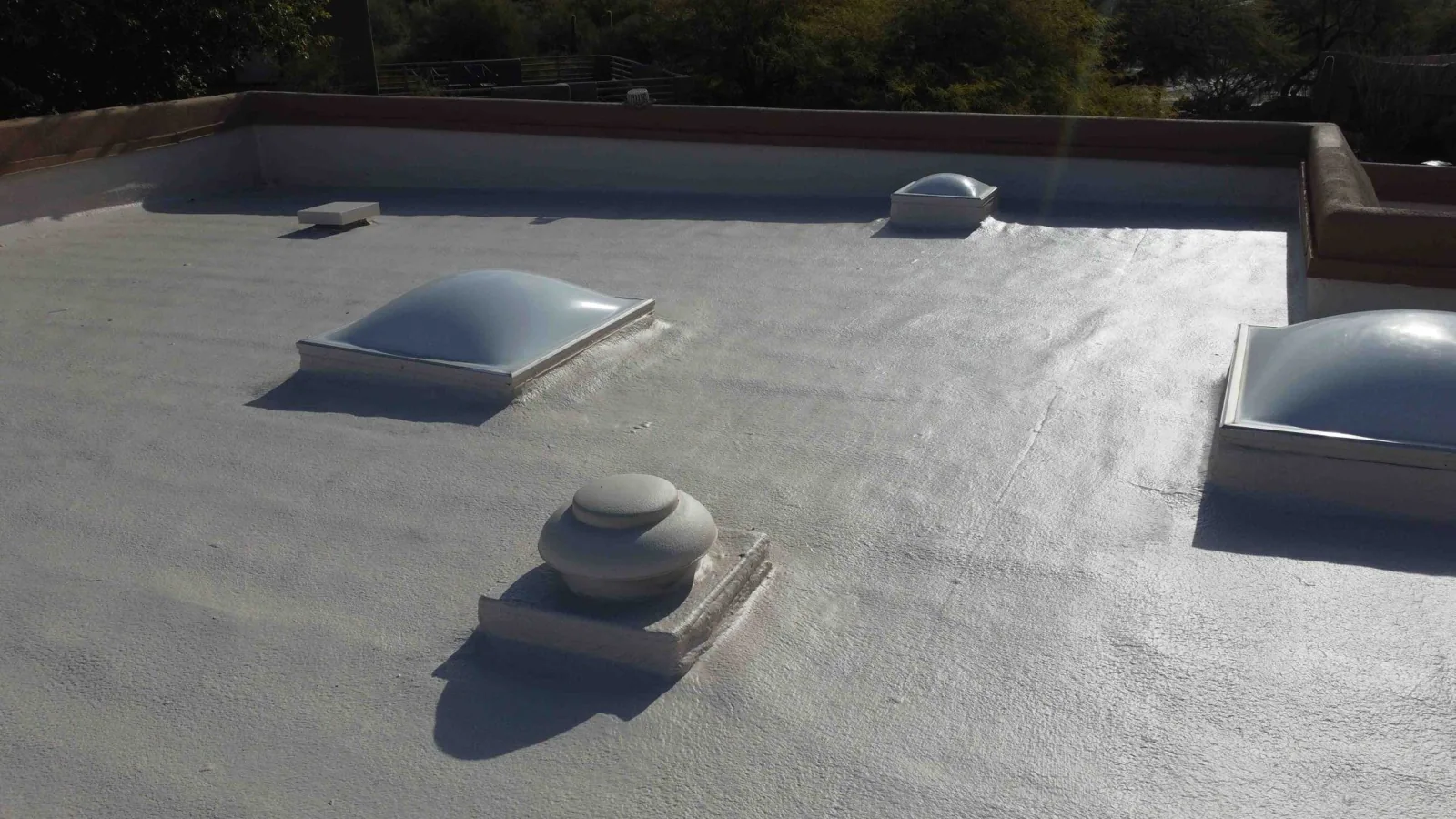
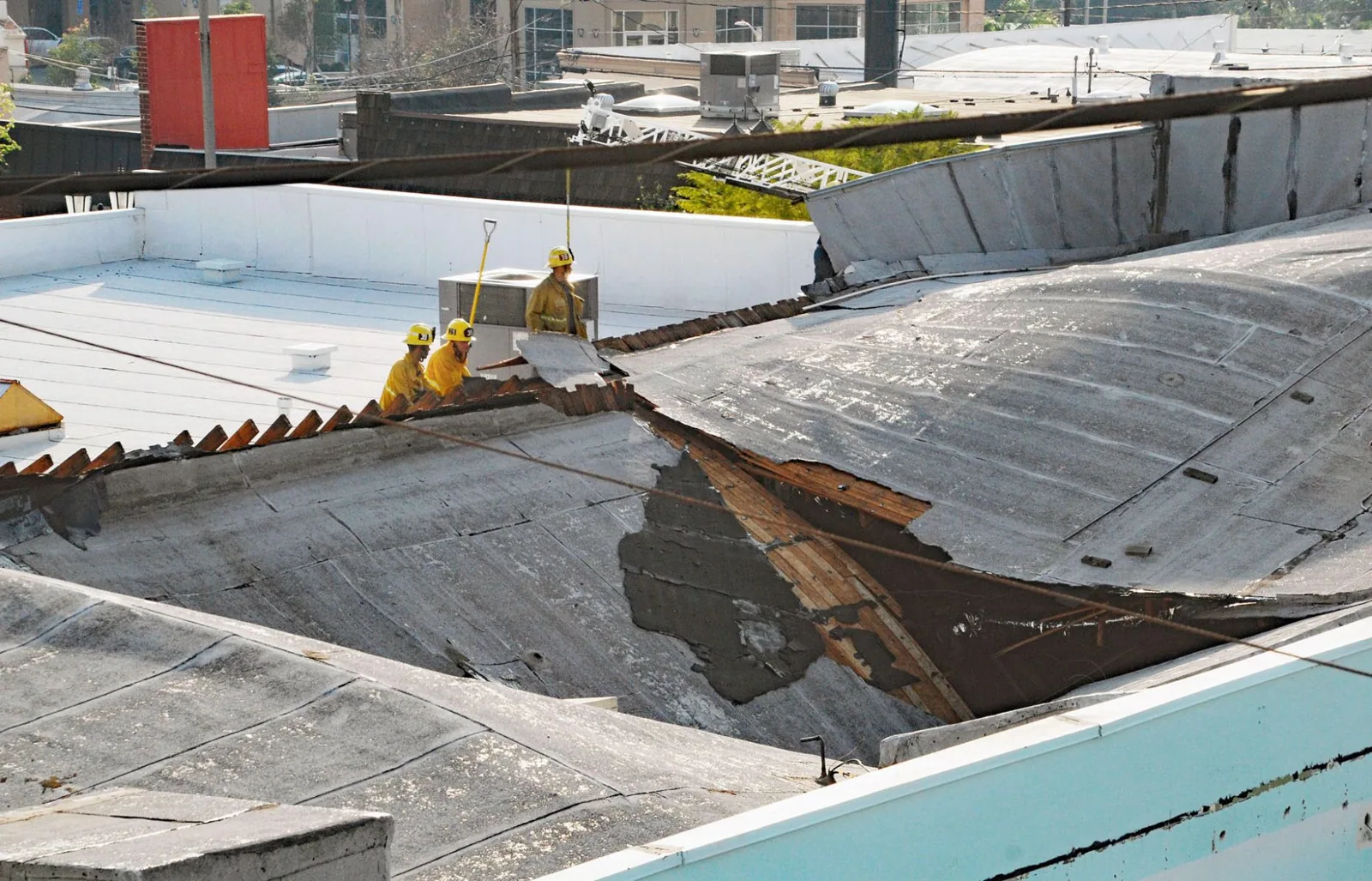
Check the existing coating and base | We inspect the coating for splits, blisters, erosion, ponding marks and loose edges. At drains, curbs, skylights and parapets, we look for an open tie-in or a layer that has separated from the receiving surface. The base roof also matters: a coating cannot correct wet insulation, a failed seam or a damaged deck. We mark suspect areas and identify where testing or a controlled opening could confirm concealed conditions. A commercial roof inspection can document accessible surfaces and limitations. If adhesion is uncertain, representative checks can inform preparation, but their results apply to tested locations. A roof coating restoration review can compare repair and recoating after the base condition is known. The report separates confirmed defects from areas that were not opened or tested. |
Prepare the receiving surface | Before recoating, we remove loose or failed material within the approved limits, clean the surface and allow it to dry under suitable conditions. Seams and penetrations need compatible repair or reinforcement before the field coating. If the roof has several previous coating layers, we identify their condition and compatibility rather than assuming another layer will adhere. The proposal states which areas are cleaned, repaired or excluded from the application. Silicone material, primer and reinforcement follow the selected system’s requirements. We protect drains, equipment and adjacent surfaces from material during application. Any damp or contaminated area is rechecked before coating proceeds. If the base is unsound or wet, we document the condition and discuss removal or replacement of affected material. At old repair boundaries, we check for a raised edge or loose perimeter that could telegraph through a new coat, then prepare or rebuild the transition according to the selected system. Field marks connect the repaired substrate to the coating coverage check. |
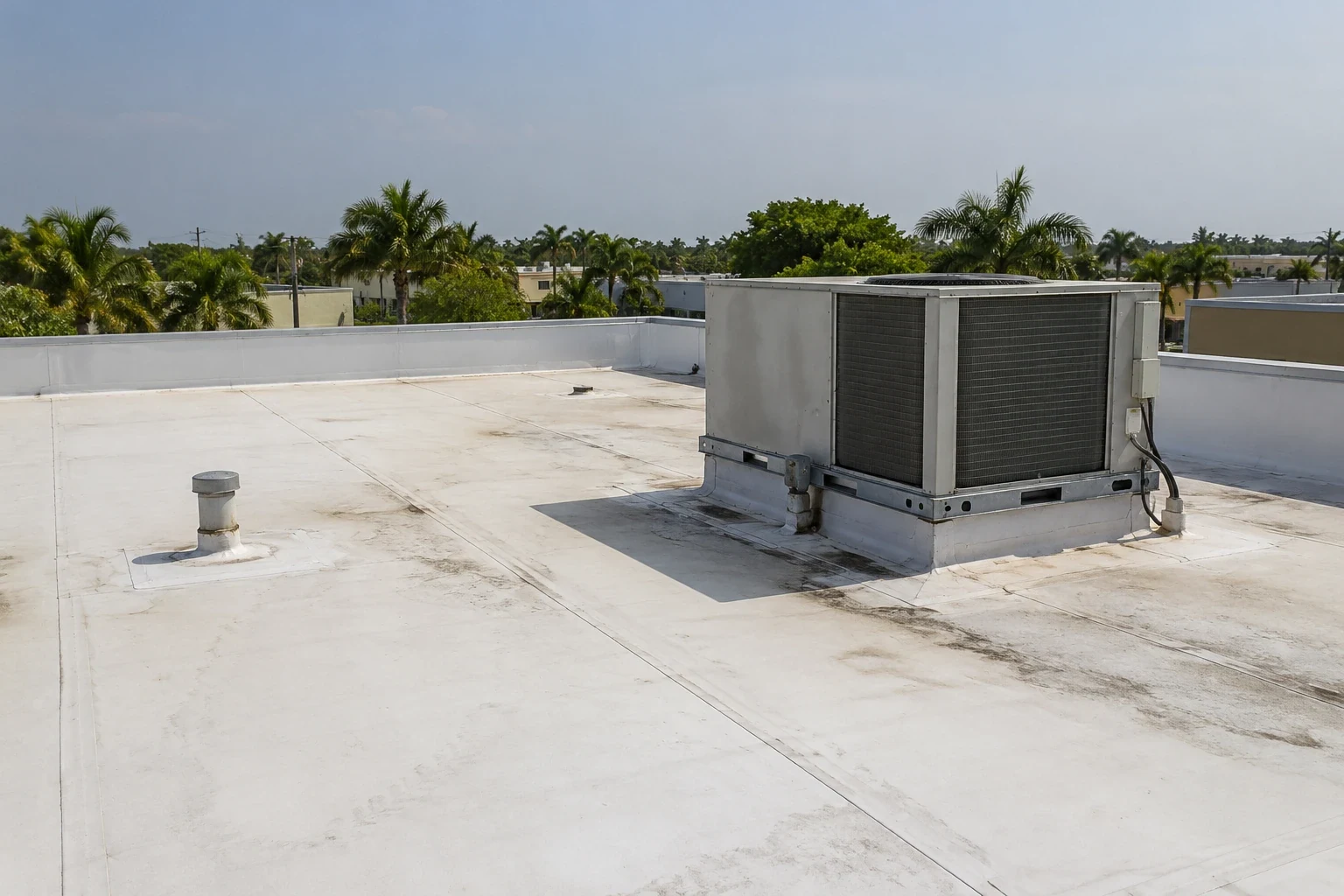
Rebuild seams and roof transitions | We repair open seams, curb flashing, pipe penetrations and perimeter edges before coating the field. At each change in plane, the detail may require a reinforcing fabric or separate flashing treatment specified for the assembly. We inspect the transition after preparation and again after application. A coating should terminate at a planned edge or metal detail, not stop at a surface that can peel or channel water beneath it. At a drain, the coating needs to connect without reducing the opening or covering a required clamping detail. Drain and scupper work can address outlets before application. For a damaged seam or curb, commercial roof repair can define the substrate correction. Compare acrylic coatings with silicone based on the roof conditions and project requirements, not by color alone. |
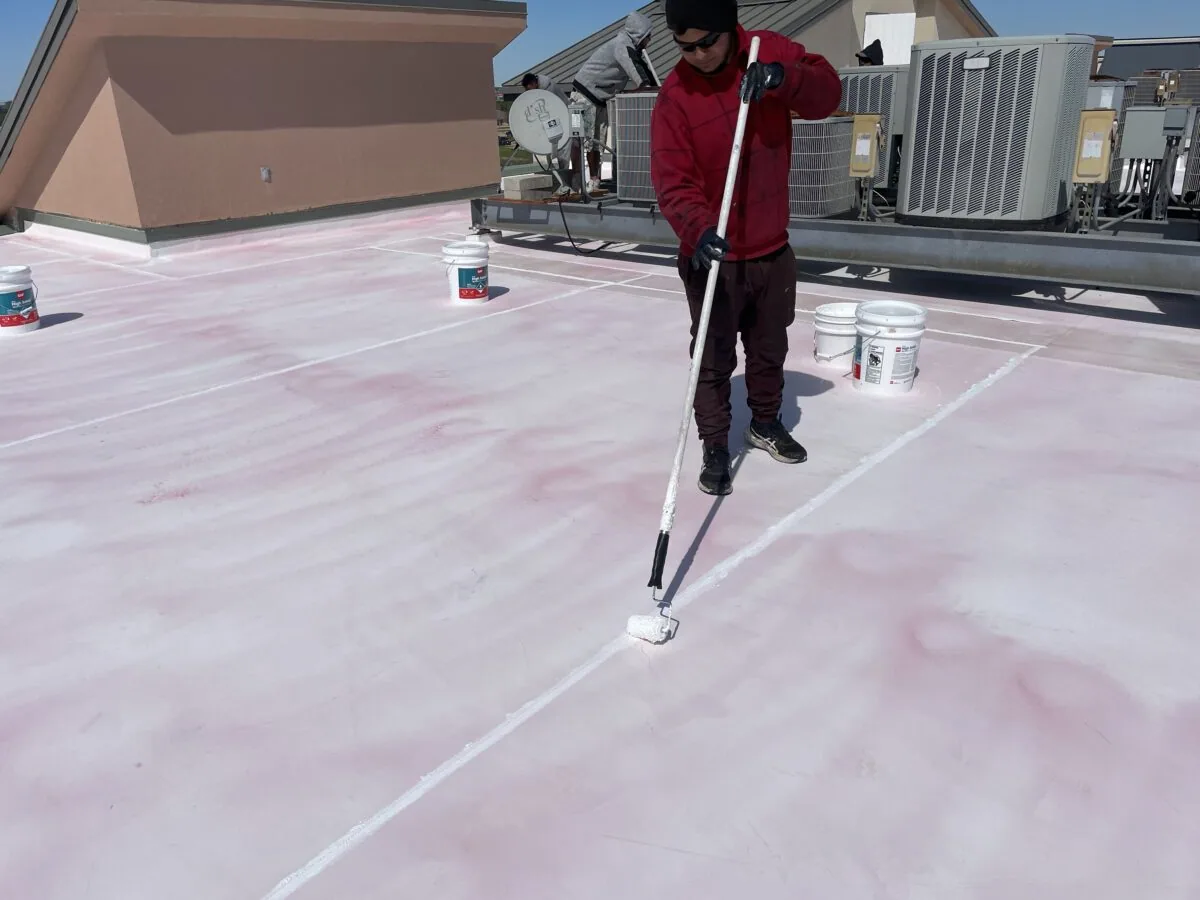
Apply and check coating coverage | The product instructions and project specification control primer, application rate, reinforcement, cure and minimum surface conditions. We divide the roof into zones and apply material using the method specified for that system. Coverage checks or thickness measurements are recorded where required. At edges, penetrations and drains, we verify continuity and identify any void, thin area or tie-in that needs correction before closeout. Coral Springs’ summer heat can affect roof-surface conditions, and wet-season showers can interrupt application. We check the forecast and surface moisture before starting each area. Wind may also affect spray application and overspray controls. At a property near Coral Springs Commerce Park, the contact confirms staging, work hours and nearby operations. The application plan identifies how material is protected and where the crew will stop if conditions change. We divide the roof into application zones with a defined stop line at drains, curbs, walls and existing terminations. A field area may receive the planned coat while a detail needs separate reinforcement or flashing. The crew records application rate and coverage checks required by the specification, then inspects for holidays, pinholes or exposed fabric. If weather interrupts the work, the stop line is protected; before returning, we prepare the cured edge so the next application can tie in as specified. |
Keep the drainage route open | Silicone coating can tolerate standing water only when the selected system and roof conditions support that use; drainage still needs inspection. We check visible low areas, drain bowls, scuppers and overflow paths, then document obstructions or changes in finished height. A coating does not create slope or repair an undersized outlet. If water remains, we identify the low point and review whether a cricket, drain or roof-shape correction is needed before recoat. South Florida’s wet season produces heavy rainfall, but that regional fact does not prove ponding at a particular roof. SPF roofing may be evaluated as another assembly, but the base and design need review. The scope should state whether drainage correction is included or left for separate work. We do not coat over debris, loose surfacing or a drain detail that remains unfinished. |
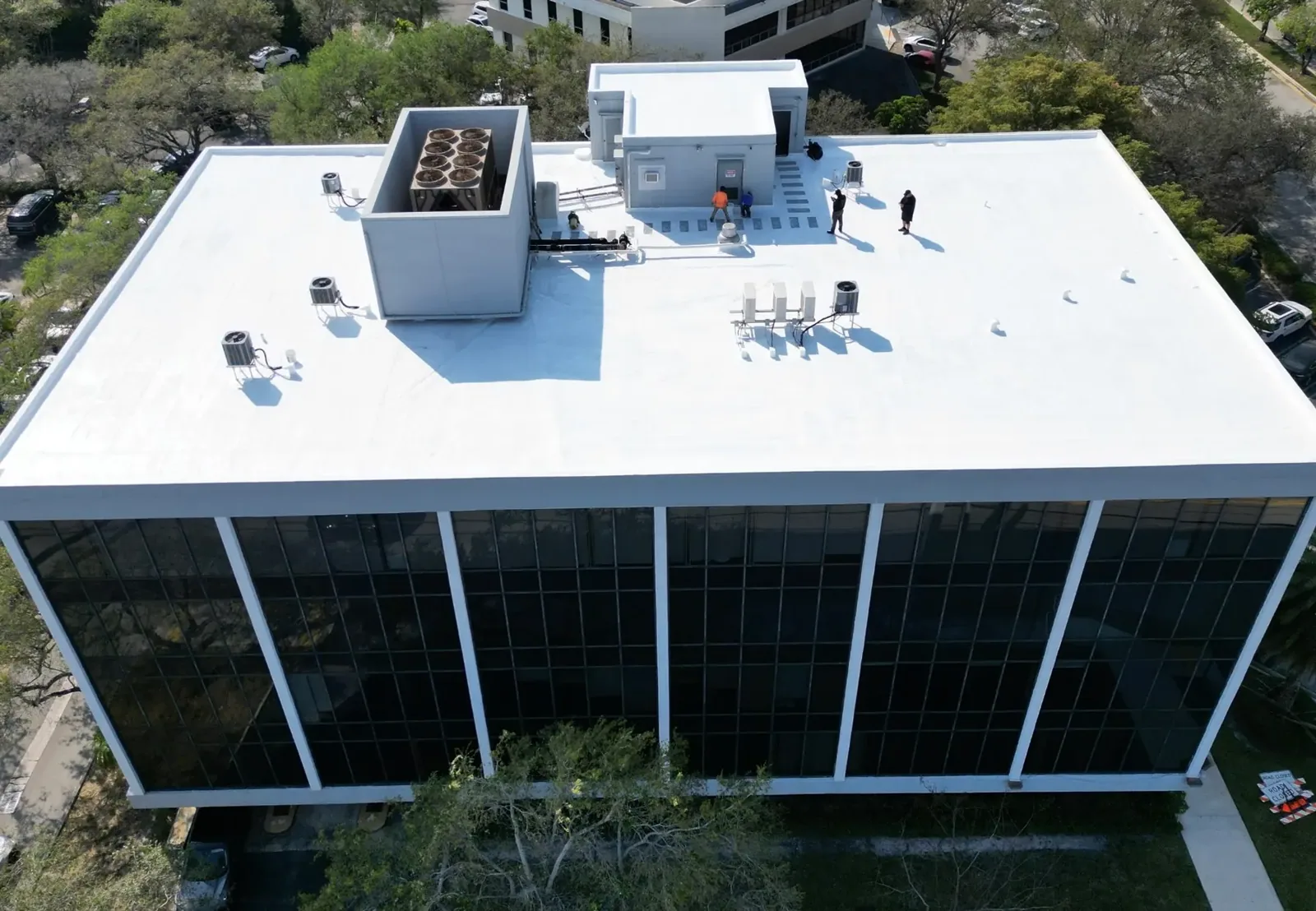
Record the coated roof areas | At completion, we inspect the coated field, seams, perimeter, drains and repaired penetrations included in the scope. The closeout identifies material, treated zones, coverage checks and any limitation. If a surface was inaccessible or outside the project boundary, we state that rather than implying it received the same inspection. Photographs and field marks help the property team return to a repair or transition later. A roof condition report can preserve the application record and original findings. For coating work at a retail property in Margate, agree on the unloading route and customer barriers before cleaning or application starts. We confirm those conditions with each site contact. Future inspections should consider the actual coating system and its accessible transitions. For each approved test patch, the closeout notes its location, preparation method and observed bond. Those results apply to the tested area and help the owner decide whether additional surface checks are needed before coating proceeds elsewhere. If test results differ by roof zone, we map each result separately and keep the proposed coating limit within areas that accept the tested preparation method. |
Commercial Roofing Questions | Can silicone coating go over any roof?The base condition, previous coating, moisture and system compatibility affect suitability. We inspect the assembly and define any repair or testing required before proposing application. Does silicone fix a leaking drain?The drain connection and surrounding roof detail need inspection. We identify whether the leak involves coating, membrane, clamping ring or another part of the outlet before specifying work. How do you confirm coating coverage?We inspect the treated zones and record the measurements or coverage checks required by the selected system and project documents. The record identifies any excluded areas. Can a silicone roof be recoated?A recoat depends on existing adhesion, surface preparation and compatibility. We inspect prior layers and repair failed details before deciding whether new material can be applied. What should I provide before a coating inspection?Provide the address, existing roof and coating records, leak or storm date, roof access route, operating limits and any restrictions on spray work or staging. |
Inspect the coating before recoating | Send the property address, roof and coating records, active leak or storm date, access route and operating limits. We can check the base, define repairs and document coverage and close-in details. Request a Roof Assessment 555-555-5555 |
|
|
REQUEST AN ASSESSMENT
 |