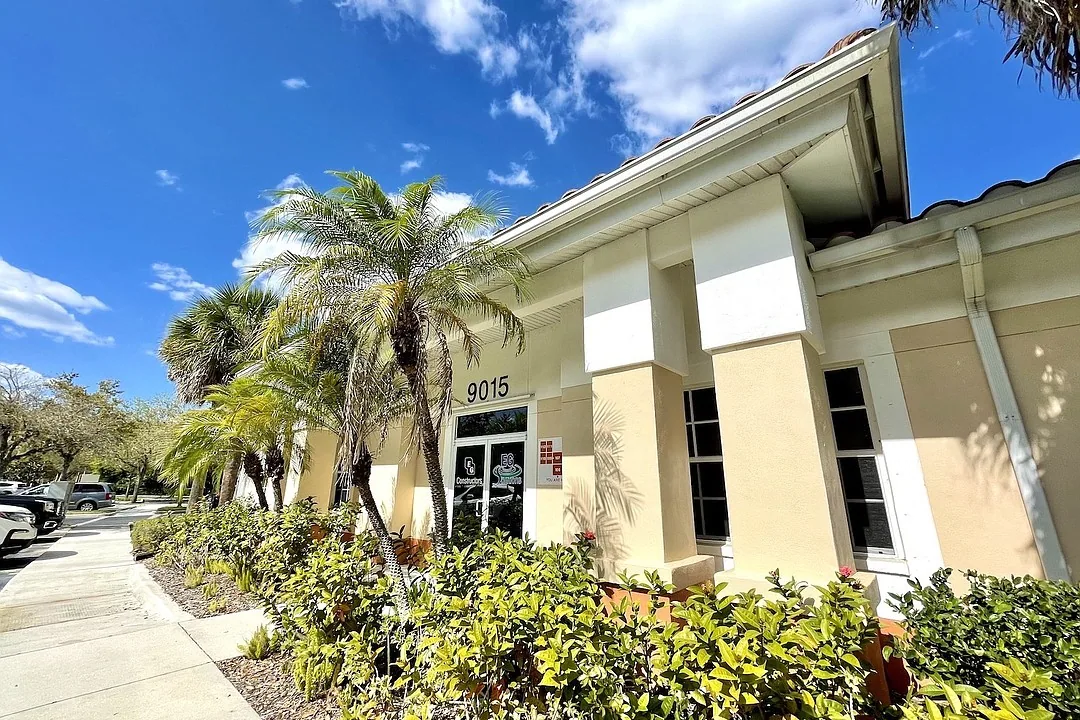
Commercial Roof Coating Restoration in Coral Springs, FL
|
|
|
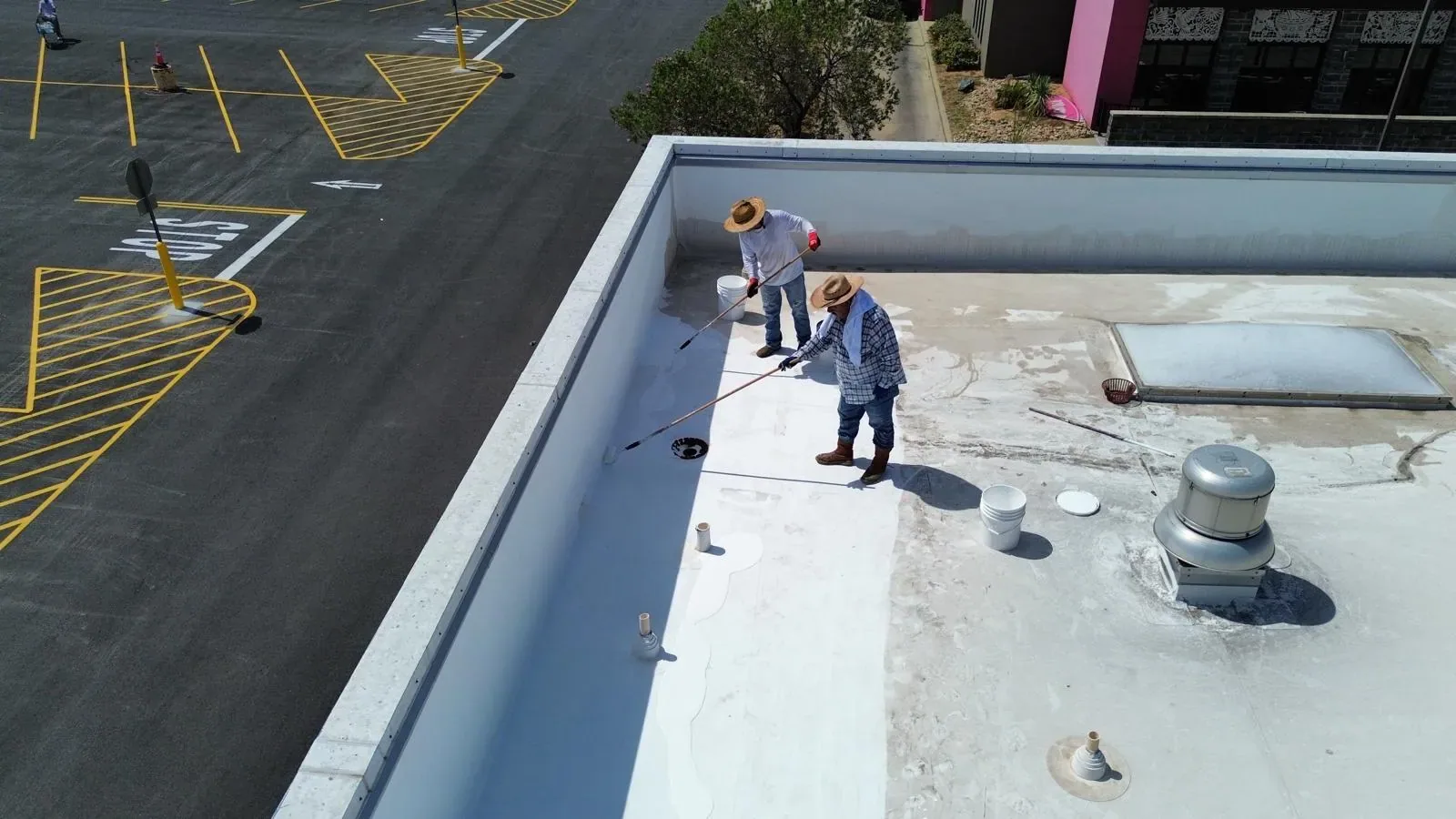
| A coating that releases at a drain or blisters beside a seam usually points to a preparation or substrate question, not simply a need for another layer. We inspect the existing roof, test representative areas when appropriate and identify repairs before discussing restoration. The base must be suitable for the selected coating, and wet or deteriorated materials may need removal. The scope states where the coating will be applied, what must be repaired first and how the finished film will be checked. Coral Springs, FL has strong summer heat, high humidity and a long wet season. Those conditions make surface preparation, dry-in and application timing part of the field sequence. At a property near Coral Springs Commerce Park or Sample Road, the facility contact confirms roof access and operating hours. We test the actual receiving surface before recommending restoration. |
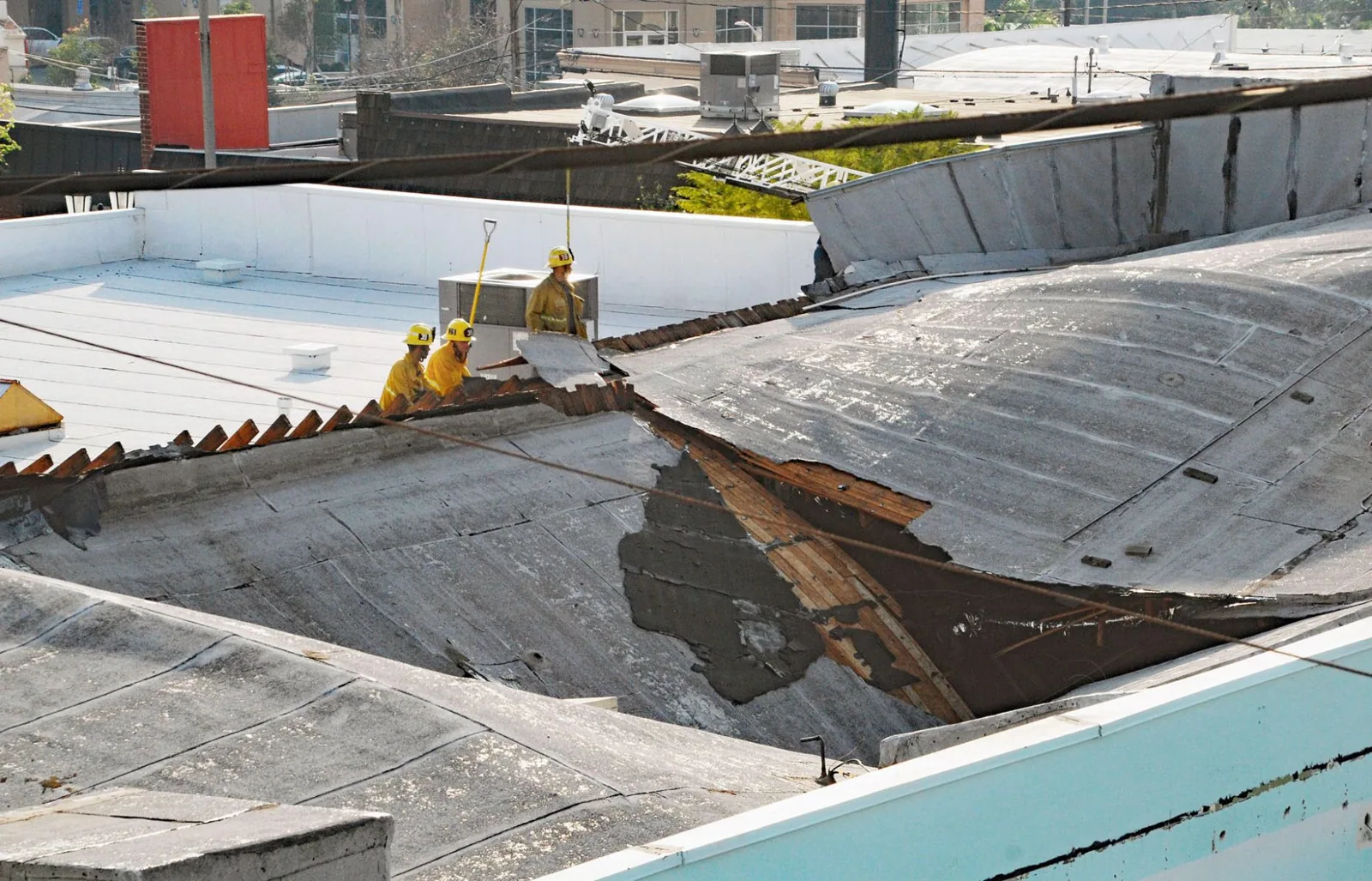
Check whether the roof can be restored | We inspect membrane condition, seams, flashings, roof penetrations, drains and previous repairs before deciding whether a coating is suitable. Loose material, open seams, standing water, widespread deterioration or wet insulation can change the scope. Coating covers the prepared surface; it does not rebuild a failed substrate or correct every drainage problem. We identify areas that need repair, removal or further testing before a coating system is considered. Where hidden moisture is a concern, an infrared moisture survey may help locate areas for closer review under suitable conditions. Selected test cuts can show layers at individual points, subject to authorization and restoration of each opening. A commercial roof inspection can document visible conditions and limitations. We review the existing assembly, previous coating layers and available records before preparing a restoration proposal. |
Prepare the receiving surface | Surface preparation affects adhesion and the continuity of the coating film. We identify loose or failed coating, remove material that cannot remain, clean the specified area and allow it to dry under suitable conditions. Seams, penetrations and transitions need compatible repairs before the field application. If the roof contains contaminants or incompatible materials, we document the issue and determine whether additional preparation or a different method is needed. Representative adhesion checks can help evaluate the relationship between the coating and the existing surface, but each test describes only its location and conditions. The proposed system’s manufacturer instructions and project specification determine preparation, primer and application requirements. We mark repairs and transitions before field work so they are not hidden by a uniform finish. If the base does not support the selected system, commercial roof replacement can be reviewed against the documented condition. |
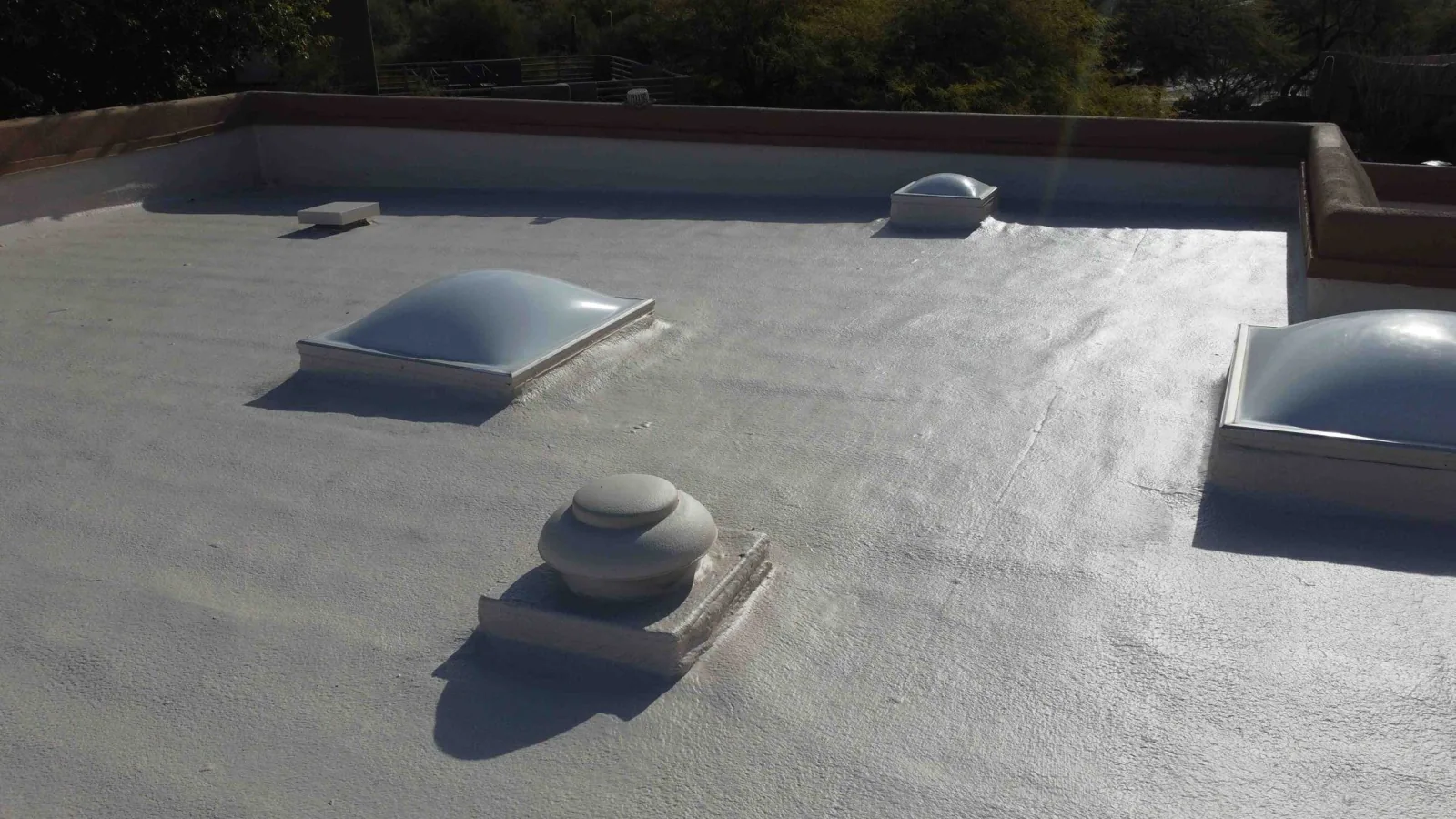
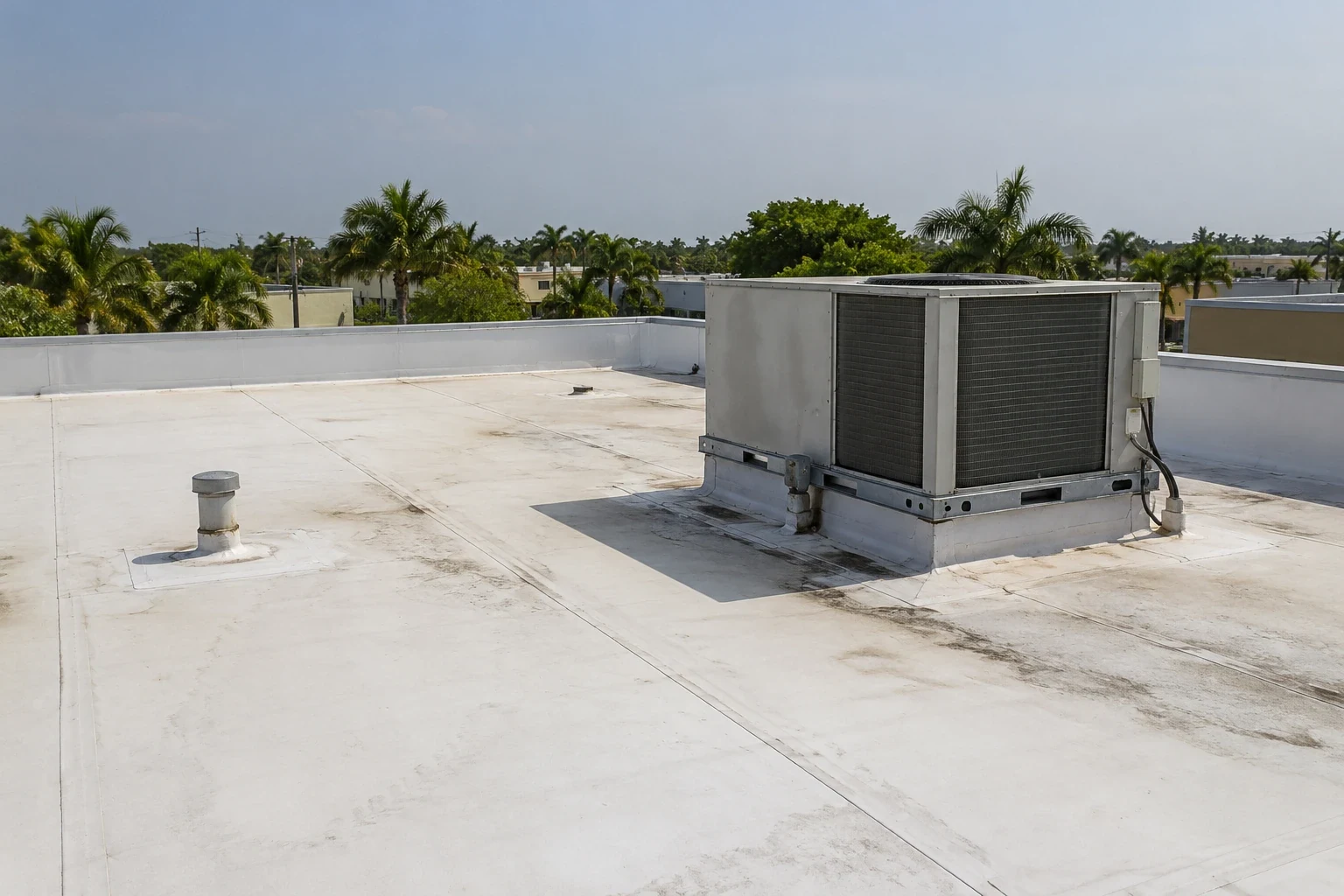
Repair seams and roof details | Before coating, we address defects that would remain active beneath the new film. That may include repairing membrane seams, rebuilding flashing at a curb, correcting loose termination or replacing damaged material in a roof zone. Drain bowls and overflow details require separate attention because a coating should not block the water path or obscure a needed connection. Each repair is identified in the scope and checked before the surrounding field receives coating. Where a localized defect can be corrected without broad restoration, commercial roof repair can define that work. A drain and scupper review can address specified drainage details before coating. At skylights or pipes, the flashing transition needs a compatible treatment. The proposal should identify which surfaces and penetrations are included, what stays outside the restoration area and any detail that requires replacement instead of coating. |
Apply the selected coating system | The coating type, primer, reinforcement and application rate follow the approved system and project specification. We review the required weather window, surface temperature, moisture conditions and cure sequence before applying material. A roof may be divided into work areas so the crew can prepare, coat and protect each zone. Field thickness or coverage checks should follow the specified method and be recorded where required for the project. Silicone and acrylic systems have different properties and application conditions. We identify the proposed system rather than describing every coating as interchangeable. At the perimeter, drains, curbs and penetrations, the coating must connect to the prepared detail in accordance with the selected assembly. Coral Springs’ high summer heat can affect working conditions, while afternoon thunderstorms can affect the available application window. We plan each work zone around the forecast and close it according to the system requirements. Application stops at a defined boundary when an unexpected condition appears. If a test reveals soft cover board, wet insulation or a loose existing layer, the crew protects the opened area and alerts the property contact before coating over it. The owner can then compare the added repair with the approved restoration scope. This matters at transitions where a new coating would otherwise hide a failure in the layer below. We keep the coating application separate from substrate work so each item has its own quantity and closeout record. |
Plan staging and building access | Coating work needs a route for pails, equipment and waste, along with roof access and a place to stage materials. The property contact identifies delivery limits, occupied areas, operating hours and restrictions around ventilation or rooftop equipment. At Coral Springs Commerce Park, the site representative supplies the gate, unloading area and roof-hatch instructions before material arrives. For office or retail properties near Downtown Coral Springs and Coral Square Mall, the building contact identifies approved staging and entrances that must remain available. For occupied sites, occupied-building reroof coordination can address work areas and communication with the representative. If application conditions change, we pause or resequence rather than coat a surface that is not ready. |
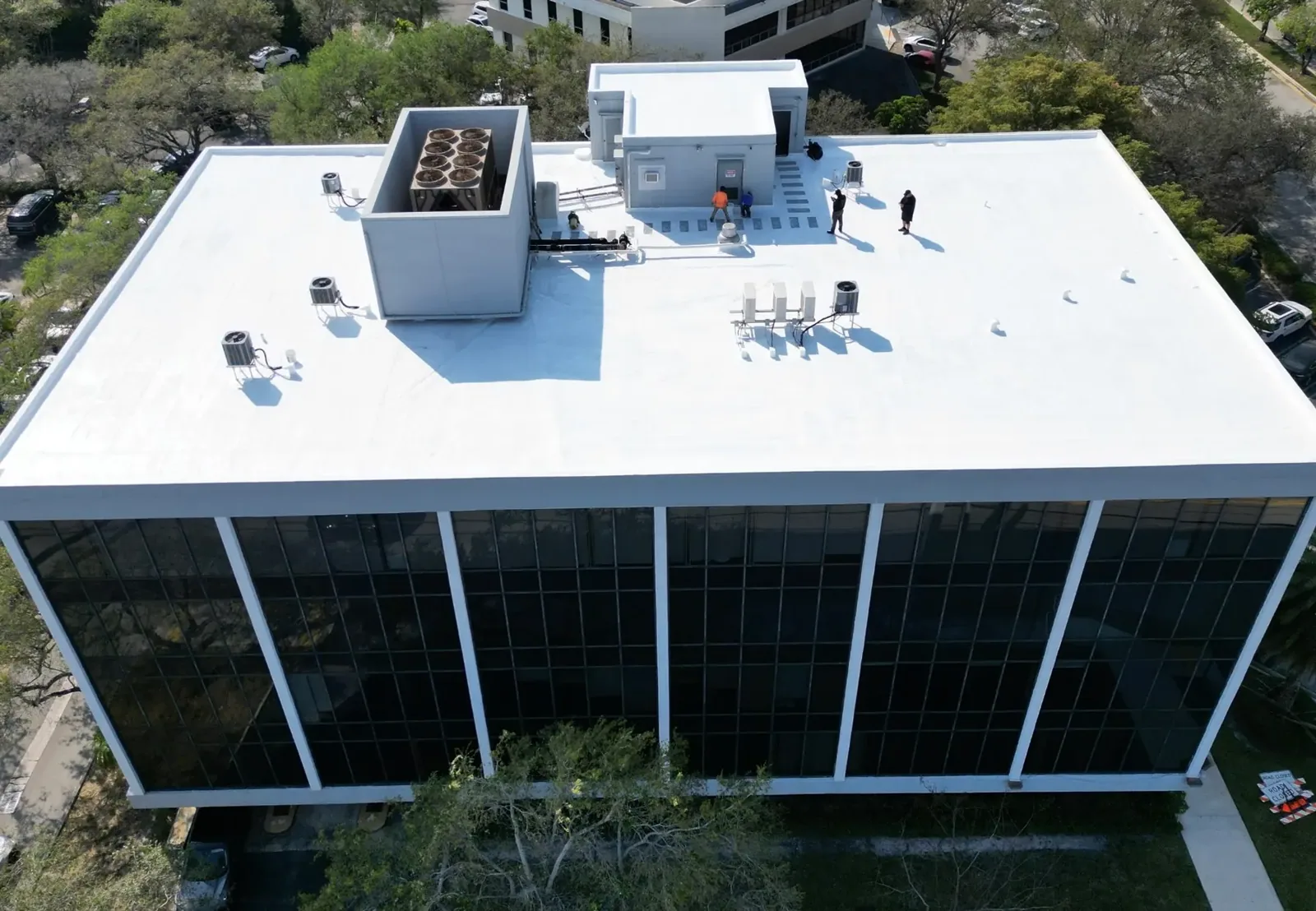
Inspect coverage and close-in | After application, we inspect the completed zones, transitions, penetrations and repaired details against the specified scope. We record coverage checks or field measurements required by the project documents and identify any area that needs touch-up. At drains and edges, we confirm the coating has not obscured the water path or terminated at an incomplete detail. Any departure from the planned system is documented for review before closeout. The closeout record describes areas treated, preparation and repairs completed, system materials and limitations observed during the work. It does not characterize uncoated or inaccessible areas. If the inspection shows deterioration beyond the restoration limits, we explain what further work is needed. Roof condition documentation can preserve this record, and preventive roof maintenance can track future conditions at accessible seams and transitions. |
Commercial Roofing Questions | Can a coating go over any existing roof?No. The existing surface, moisture condition, previous coatings, repairs and system requirements affect suitability. We inspect the assembly and identify preparation or testing needed before proposing restoration. Will coating correct ponding water?A coating does not by itself correct inadequate slope or a blocked drain. We inspect drainage and identify any cricket, drain or slope work that should be addressed separately. How do you know the coating will adhere?Surface preparation and representative adhesion checks can inform the proposal. The test results apply to the tested locations, and the selected system instructions determine preparation and primer requirements. Can the roof remain in use during coating work?The property contact supplies access and operating limits. We plan staging and roof zones around those instructions, then adjust the sequence if weather or surface conditions are unsuitable. What should I provide for a restoration review?Send the address, roof records, prior coating or repair history, access route, active leak or storm date, and operating limits. Identify who can approve test cuts or adhesion checks. |
Review the roof before coating | Provide the property address, available roof records, previous coating history, access route, active leak or storm date, and operating limits. We can inspect the base, define repairs and document the proposed restoration area. Request a Roof Assessment 555-555-5555 |
|
|
REQUEST AN ASSESSMENT
 |