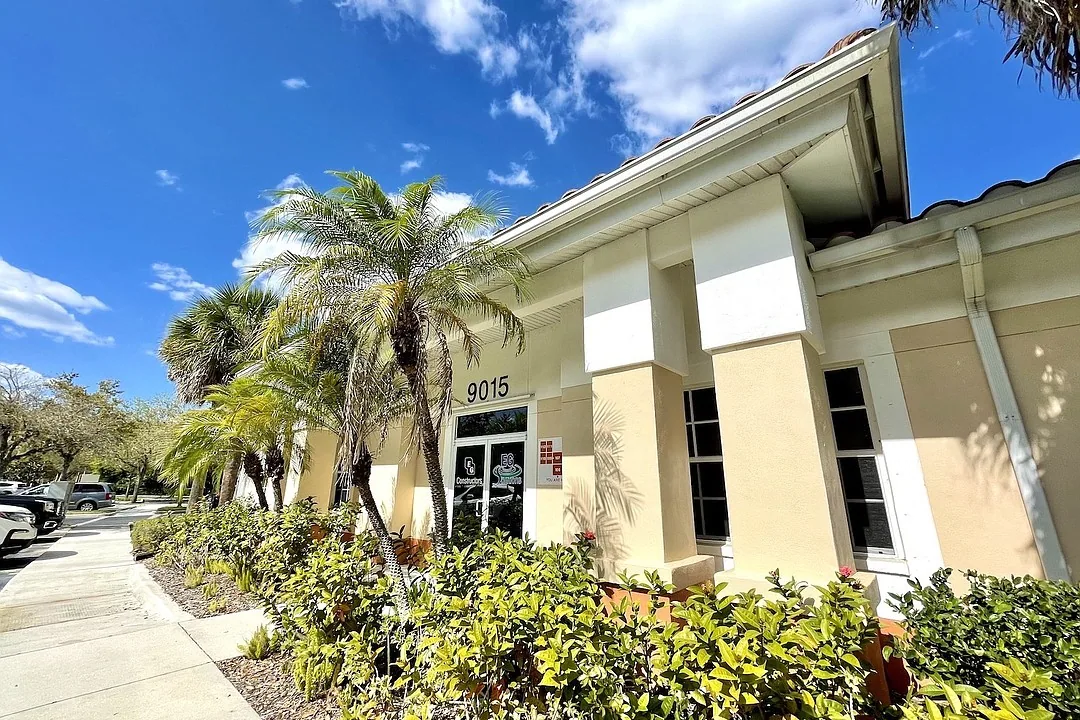
Self-Storage Roofing in Coral Springs, FL
|
|
|
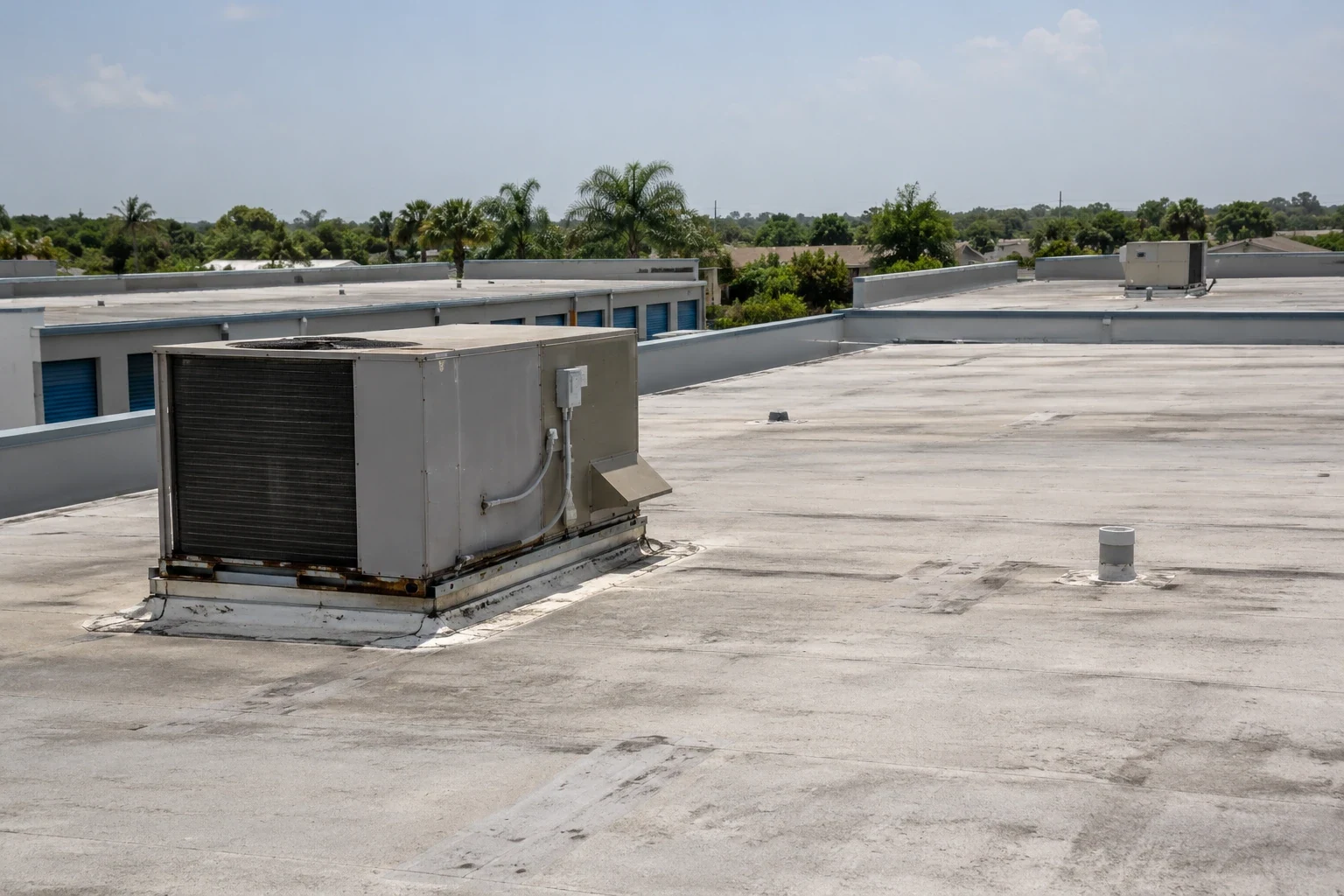
| A wet line above a row of storage doors can point to a roof seam, a curb or water traveling from another bay. We inspect the reported area, compare it with nearby roof transitions and mark each finding by building and zone. Storage properties may have many unit doors and customer paths below, so a roof repair needs a controlled access route and a clear boundary for any lane closure. The site contact confirms gate hours and where materials can be handled. Coral Springs, FL includes logistics and warehouse activity in its 442-acre Commerce Park, with Osprey Logistics Park developing warehouse and distribution space nearby. The park lies just off the Sawgrass Expressway and near I-95 and Florida's Turnpike. The property representative confirms the storage site's roof assembly, gate procedure and delivery window before we set the inspection sequence. |
Map the gate and interior lanes | We confirm the check-in point, gate code or escort, roof hatch or ladder, unloading area and approved location for a lift. The manager identifies aisles that remain open, tenant access hours, emergency lanes and the unit rows below the work zone. If the property is active, we agree how a barrier or overhead protection will be placed without blocking an unapproved route. The access plan records who can authorize a lane closure and who will notify tenants. Storage buildings may sit side by side with shared walls or additions, but the site plan and roof records determine how the sections connect. Warehouse roof work can share loading and staging questions, while flex-industrial roofing may involve tenant-specific equipment areas. Each property has its own layout. Phased occupied-building work can identify which units or aisles sit below each day's roof zone and when the route can return to normal use. |
Compare leak reports by roof zone | A customer may report water inside one unit while another row remains dry. We record the unit reference and timing, then compare it with roof details overhead, adjacent seams and the drainage path. Water may move along a deck flute or insulation joint before entering, so the nearest roof feature is not automatically the cause. Each finding is marked by building and section. A locked unit or inaccessible roof surface remains outside the inspection record. We inspect laps, edge metal, penetrations, curb flashing, drains and visible prior repairs. A continuous roof area can serve several storage rows, so an outlet or seam defect may affect a different unit than the reported stain. South Florida's long wet season brings heavy rain; outlet and overflow paths need attention before they are obscured by a surface repair. Leak tracing can establish the correction boundary. If an outlet is restricted, drainage service can address that component. |
Identify the roof system and transitions | We inspect the surface and available plans to identify membrane, metal, bituminous or coated sections. A facility name does not tell us whether its buildings share one assembly. At a seam, we check the joining method, material condition and nearby fasteners. At perimeter walls and expansion joints, we review the flashing connection and look for movement or separation. If past repairs overlap, we note the materials and whether the existing patch edge remains bonded. When concealed insulation or deck condition could change the recommendation, we identify a controlled test location and explain the question it can answer. One sample describes its location, not every unit row. TPO roofing uses heat-welded laps; the compatible receiving surface and seam condition determine how a patch can be joined. A roof inspection can map findings before larger work. We list locations blocked by rooftop equipment or access restrictions instead of implying they were checked. |
Plan around units and roof boundaries | The scope lists the affected building, roof zone, detail and access impact. A small puncture may call for a localized patch. A separated seam or loose edge can require a longer repair boundary. If removal exposes wet insulation, damaged decking or a different roof layer, we photograph the finding and request direction before continuing. The storage manager decides how unit notices and customer access are handled if the work expands beyond the initial area. For a Coral Springs reroof, roof sheathing is re-nailed under Florida Building Code section 2322.2.8. We confirm the approved scope and inspect exposed deck before removal proceeds. Replacement work can be compared with recurring repairs using the condition by roof zone. The storage manager confirms gate hours and truck rules for the property before materials are delivered. |
Keep the customer path clear | We confirm work hours, gate access, loading, lift placement, debris handling and weather protection before the crew begins. Each open area is kept small enough to close in the approved window. Heat can affect safe work periods during Coral Springs summers, and rain can interrupt seam preparation. If a shift must stop, the roof edge is secured and the manager is told which section needs a return visit. Storage tenants may arrive throughout the day, so the property contact identifies busy periods and any unit rows that must stay reachable. We place cones or temporary barriers only where permitted. Commerce Park is near the Sawgrass Expressway, while the site contact identifies which gate and lane the crew may use. The daily note lists which areas remained open and where crew activity occurred. If a repair requires entry above occupied units, management can identify the affected row and contact customers before access changes. We use unit numbers only as location references in the work plan, then keep private contents and customer areas outside the crew route. Any ceiling or wall opening below requires separate approval. The close-in check records when the roof work is weather-tight and when the unit aisle can return to normal use. |
Give management a zone-by-zone record | At close-in, we check the repaired seam, flashing, fasteners and drain details included in the approved work. Photographs identify each roof section and show the completed tie-in where access allows. If a layer or deck condition changed the plan, the notes describe what was exposed and what was authorized. Areas that could not be inspected stay identified so they can be scheduled separately. We review the record with the site contact and identify remaining repairs or monitoring. A maintenance visit can revisit accessible outlets, edges and prior patches. For the storage property, the manager receives a roof-zone record with completed repairs, remaining observations and the access limits for any next step. |
Commercial Roofing Questions | Can storage tenants keep accessing units during repairs?The manager confirms which aisles and unit rows must remain open. We plan the work boundary and protective measures around those routes, then communicate any change before a lane or entrance is affected. How do you handle similar leaks in several units?We label each report and compare the locations with roof zones, seams, penetrations and drains. Multiple interior symptoms do not establish one shared failure until the roof evidence supports it. Does a test cut tell you what is under every building?A sample describes the layers at the point opened. We record its location and keep conclusions limited to that area unless additional inspections support a broader finding. Can work be planned around gate hours?Yes, when the site contact supplies the gate schedule, escort rules and delivery limits. We confirm the route before staging equipment and identify a safe close-in point for each shift. What records help you scope storage roof work?Provide the site plan, building list, roof drawings, prior leak notes, gate and aisle instructions, active unit areas and the person who can approve a changed boundary. |
Map the storage roof sections | Send the address, site plan, roof records, unit leak reports, gate hours, access route and operating limits. We can inspect accessible zones and plan repairs without assuming how connected buildings are assembled. Request a Roof Assessment 555-555-5555 |
|
|
REQUEST AN ASSESSMENT
 |