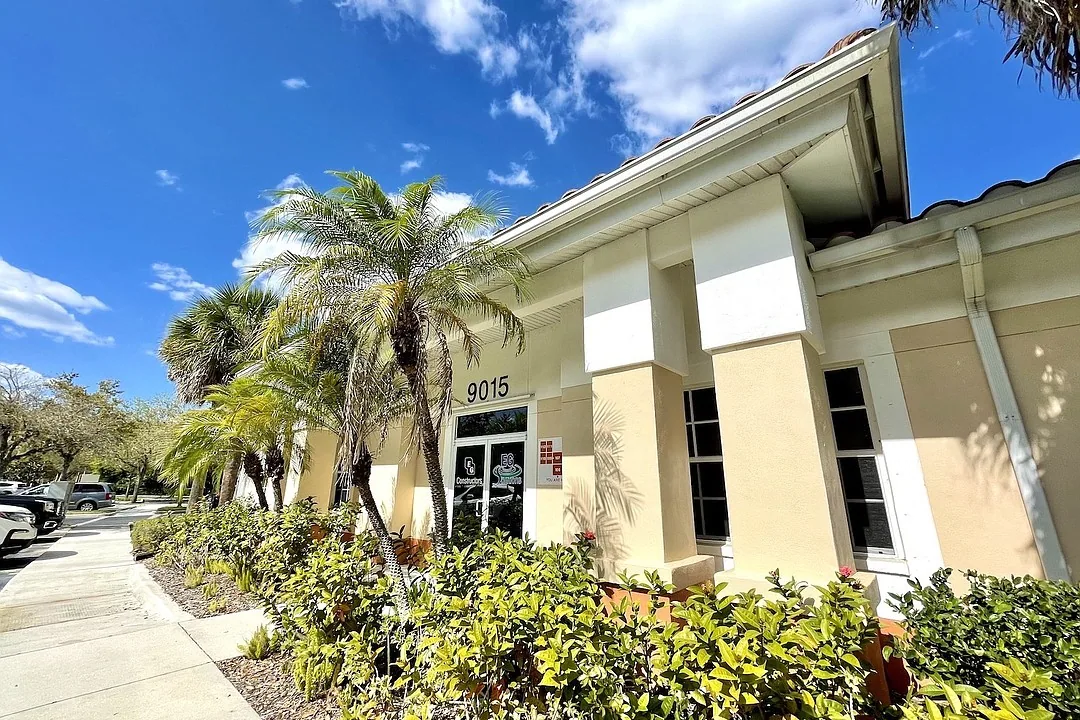
Aircraft Hangar Roofing in Coral Springs, FL
|
|
|
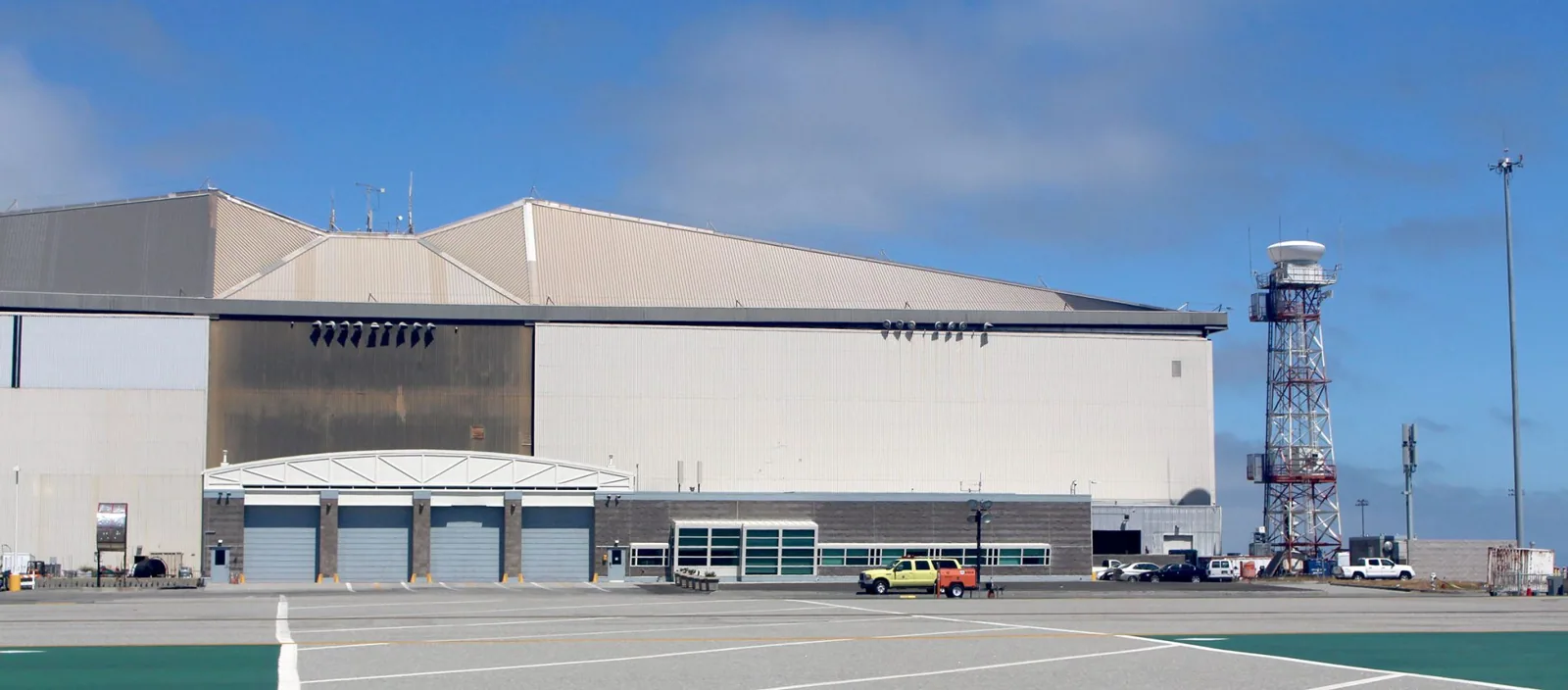
| A gap at a hangar-door head can admit wind-driven rain even when the roof field membrane looks intact. We inspect the edge and door transition, follow nearby seams and drains, then mark the repair limit before staging a lift or opening material. Aviation properties need a confirmed route for aircraft, service vehicles and roof access. The operator identifies which apron or bay must stay clear and who can approve a temporary restriction before the crew begins. Coral Springs, FL is within regional reach of Coast Guard Air Station Miami at Opa-locka Airport, a named aviation facility south of the city. That fact provides aviation context; it does not establish hangar construction, roof condition or access rules for any particular building. Coral Springs Commerce Park is another local reference for industrial and technical activity. The facility manager supplies the actual address, roof records, movement schedule and restrictions. South Florida's heavy rain, wind and tropical weather shape the close-in plan. |
Clear aircraft and material routes | We confirm the hangar address, check-in point, escort or badge process, approved roof access and material lift location with the facility contact. The operator identifies aircraft movement, tow routes, fuel or maintenance areas and any bay that cannot be entered during work. We do not rely on a generic operating window. The contact tells us when the apron is clear and which roof zone can be inspected without crossing a restricted path. Roof access is planned apart from aircraft movement. The site team confirms barriers, fall protection, staging and whether an adjacent bay remains active. Flex-industrial roofing can share equipment and tenant routes, while warehouse roof work may involve high-volume deliveries. Hangar work adds the door opening and aircraft clearance to the plan. Phased reroofing can identify the section open, the protection in place and the point where the crew closes it before shifting to another bay. |
Inspect door edges and water paths | At the hangar perimeter, we look at metal flashing, fasteners, membrane termination, door-head details and transitions between roof and wall. A moving door can affect weather seals and clearance, so we distinguish the building's door hardware from the roof flashing and coordinate with the responsible operator. We inspect accessible equipment curbs and seams around the reported location. If the door or a parked aircraft blocks a view, that area remains an inspection limit. Inside a wide-span building, water may follow framing or a deck rib before reaching the floor. We compare the reported drip or staining with the roof details above and note where the route remains uncertain. Heavy South Florida rainfall can reveal a blocked drain or gutter; we check outlets and overflow paths before assuming the door edge caused the leak. A documented roof inspection can map visible conditions. Drainage work can address an outlet issue, while storm-damage repair can correct an opening confirmed after a weather event. |
Identify the hangar roof system | Hangars may use membrane, metal, built-up or coating systems, and the roof type cannot be inferred from the clear-span structure. We review plans and accessible edges, then inspect seams, panels, clips, fasteners and penetrations that appear in the actual assembly. A metal roof's movement and panel connection differ from a single-ply membrane's seam. At a door head or transition, the repair must reconnect to compatible material and preserve the clearance provided by the operator. Where insulation or deck condition is concealed, we state whether a test opening is useful and ask before cutting. The sample documents the specific location. Standing-seam metal roofing relies on panel joints and clips; a membrane system requires different seam preparation. If an aircraft or fixed equipment makes a roof zone inaccessible, we identify the limit and discuss another approved inspection window rather than claim that surface is clear. |
Define a safe repair zone | The work description identifies the defect, roof bay, door or perimeter transition, access controls and close-in step. A short open seam may support a localized repair if surrounding material is sound. Damaged edge metal or a failed door-head flashing may require removal across a larger connection. If removal reveals wet insulation, a bent substrate or a different attachment than the plans show, we secure the area and obtain direction before expanding the scope. Coral Springs reroof applications identify sheathing re-nailing under section 2322.2.8 and current high-velocity wind requirements. The approved design set determines what applies to the hangar. Replacement planning can be compared with repair when condition or repeated failures warrant a larger scope. Edge metal work can address a confirmed perimeter defect. Each recommendation follows the actual roof, not the aircraft function or dimensions of the hangar opening. |
Close the roof before aircraft return | We agree on the work window, operator contact, roof access, lift position and bay closure before tools arrive. The crew opens only an area that can be secured if rain or wind interrupts the task. South Florida's wet season and tropical weather can change the sequence; a temporary tie-in must protect the exposed boundary before the crew leaves. We confirm who can halt aircraft movement or reopen a route when conditions change. The operator directs aircraft parking and apron restrictions. Roofing staff do not move aircraft or change door operation. At a facility near Opa-locka Airport or Coral Springs Commerce Park, the named place gives regional context but not the subject property's gate instructions. The site contact approves each delivery and access route. Daily notes show which bay was roofed, whether the opening was closed and what access must be confirmed for a return visit. |
Record the completed bay | Before releasing the roof zone, we inspect the repaired seam, panel, door-head flashing, perimeter connection and drainage point included in the approved scope. Photos show the finished tie-in where access permits. The closeout notes substrate conditions, material removed and any area hidden by aircraft or equipment. If another part of the roof could not be reached, it stays listed as uninspected. We review the record with the facility contact and agree on remaining inspection or repair needs. A later visit can return to a blocked area when the operator confirms a safe window. Coral Springs Commerce Park is a local industrial reference; Coast Guard Air Station Miami at Opa-locka Airport is a separate regional aviation facility. Neither fact describes this hangar's assembly. The roof plan, access authorization and observed conditions guide follow-up. |
Commercial Roofing Questions | Can a hangar stay in use while roofing work proceeds?The operator confirms which bays and apron routes remain active. We plan a defined roof area and close-in point around those controls, then report any condition that requires a longer restriction. Do you repair hangar doors as part of roofing?We inspect the roof-to-door transition and flashing. Door panels, tracks, motors and operating hardware remain with the responsible door contractor unless separately included and authorized. How do you inspect a leak above a parked aircraft?We compare the reported location with accessible roof seams, penetrations, door transitions and drains. The operator must approve the access area; any blocked view is stated as an inspection limit. What if the hangar has metal panels?We identify the panel profile, laps, clips and fasteners before proposing work. Repair material and attachment follow the existing system and approved project details. What information helps plan a hangar roof visit?Provide the address, roof plans, leak or storm report, aircraft movement windows, escort rules, apron limits, roof access and the contact authorized to approve a bay restriction. |
Coordinate a hangar roof inspection | Send the facility address, roof plans, reported leak or storm date, aircraft movement limits and approved roof access. We can inspect accessible details and define a protected repair zone with the operator. Request a Roof Assessment 555-555-5555 |
|
|
REQUEST AN ASSESSMENT
 |