Storm Damage Roof Repair in Coral Springs, FL
|
|
|
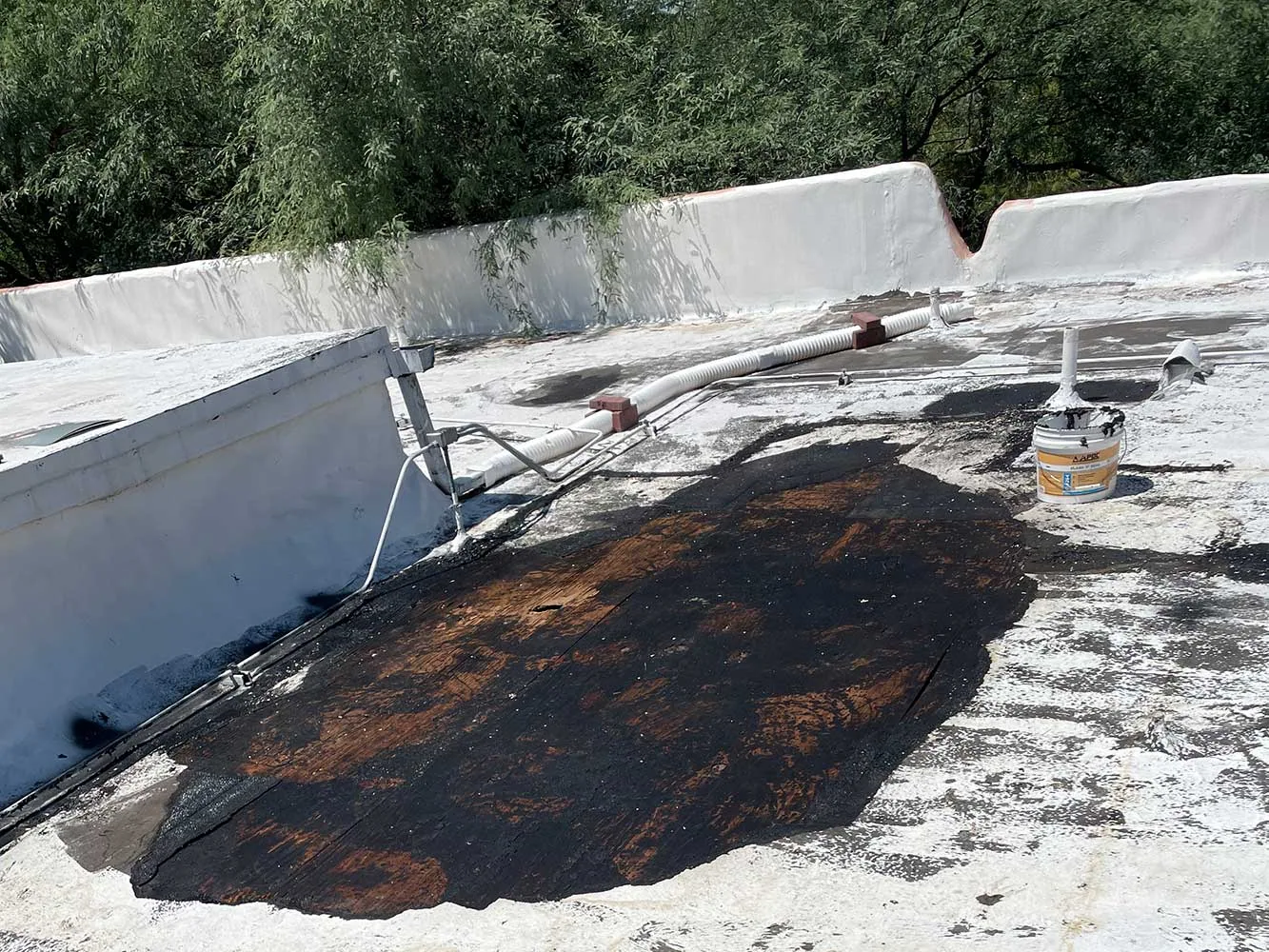
| A bent edge-metal section or newly opened seam after a storm gives us a place to start, not a complete picture of the roof. We inspect the reported zone, adjacent terminations, penetrations and drainage, then document visible changes and any areas that need closer review. The first work decision is whether the building needs temporary protection. The permanent repair scope follows the observed roof condition and notes what could not be verified from the surface. Coral Springs, FL sees severe summer weather that can include heavy rain, damaging thunderstorm winds, hail and tornado reports. Tropical systems can affect South Florida during the peak Atlantic months. These regional facts set context, but they do not establish what happened to an individual roof. We confirm the address, reported event date and access route with the property contact before inspection. |
Record the event and reported change | We ask when the storm passed, what the building team observed and whether water is entering now. The contact may identify loose metal, a new ceiling stain, debris impact, a damaged skylight or a change in rooftop equipment. Photographs taken soon after the event can help locate the reported area. We note those reports separately from conditions confirmed during the roof inspection, so the work record distinguishes timing from physical evidence. Access must be safe and authorized before the roof is entered. The property representative provides the approved route, escort instructions, restricted areas and any interior precautions. Near Sample Road, University Drive or Coral Springs Commerce Park, a street or district name does not establish a staging point. We confirm the actual entrance and roof access with the building contact. If active water entry requires immediate stabilization, emergency roof repair can address temporary protection first. |
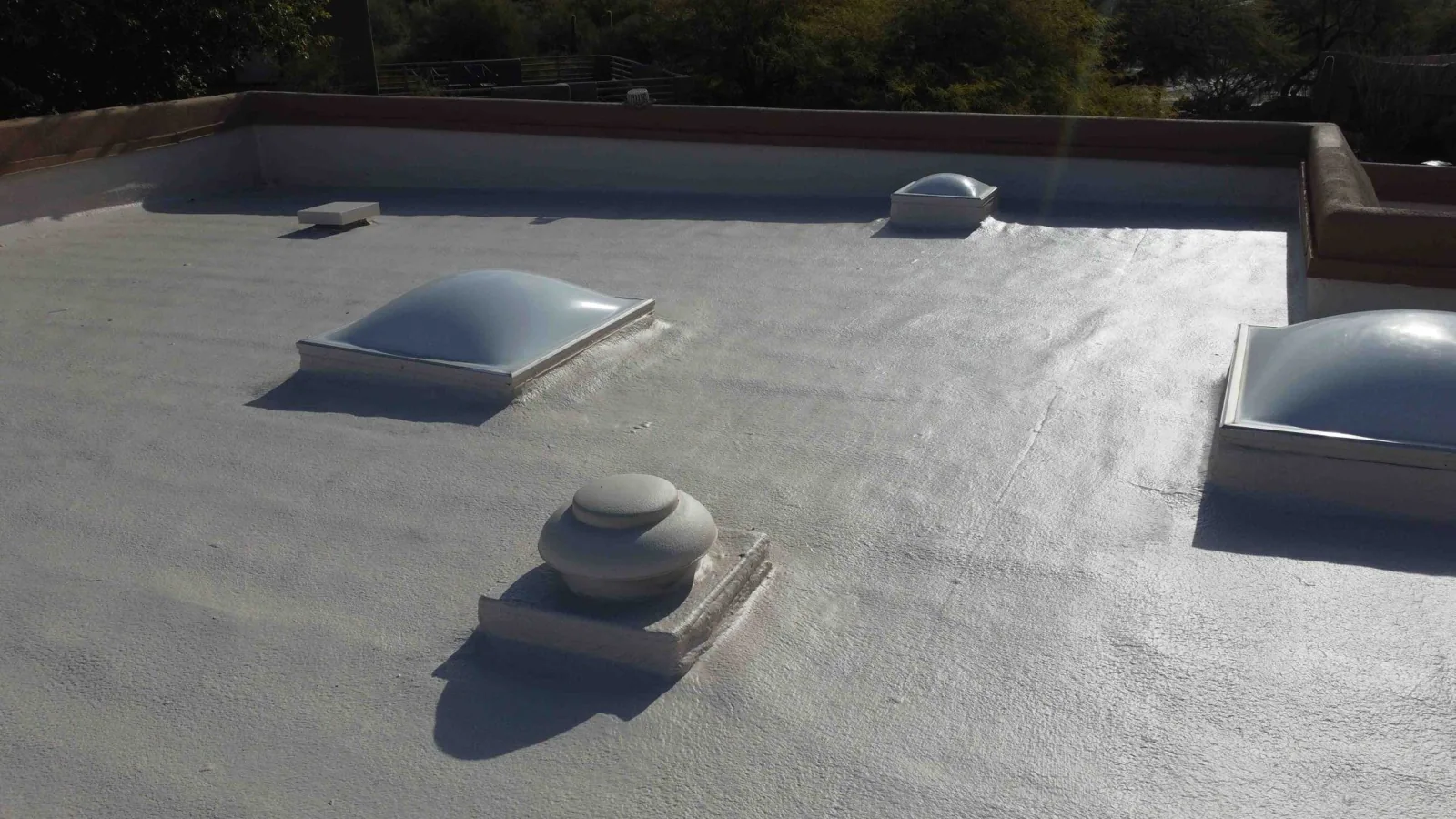
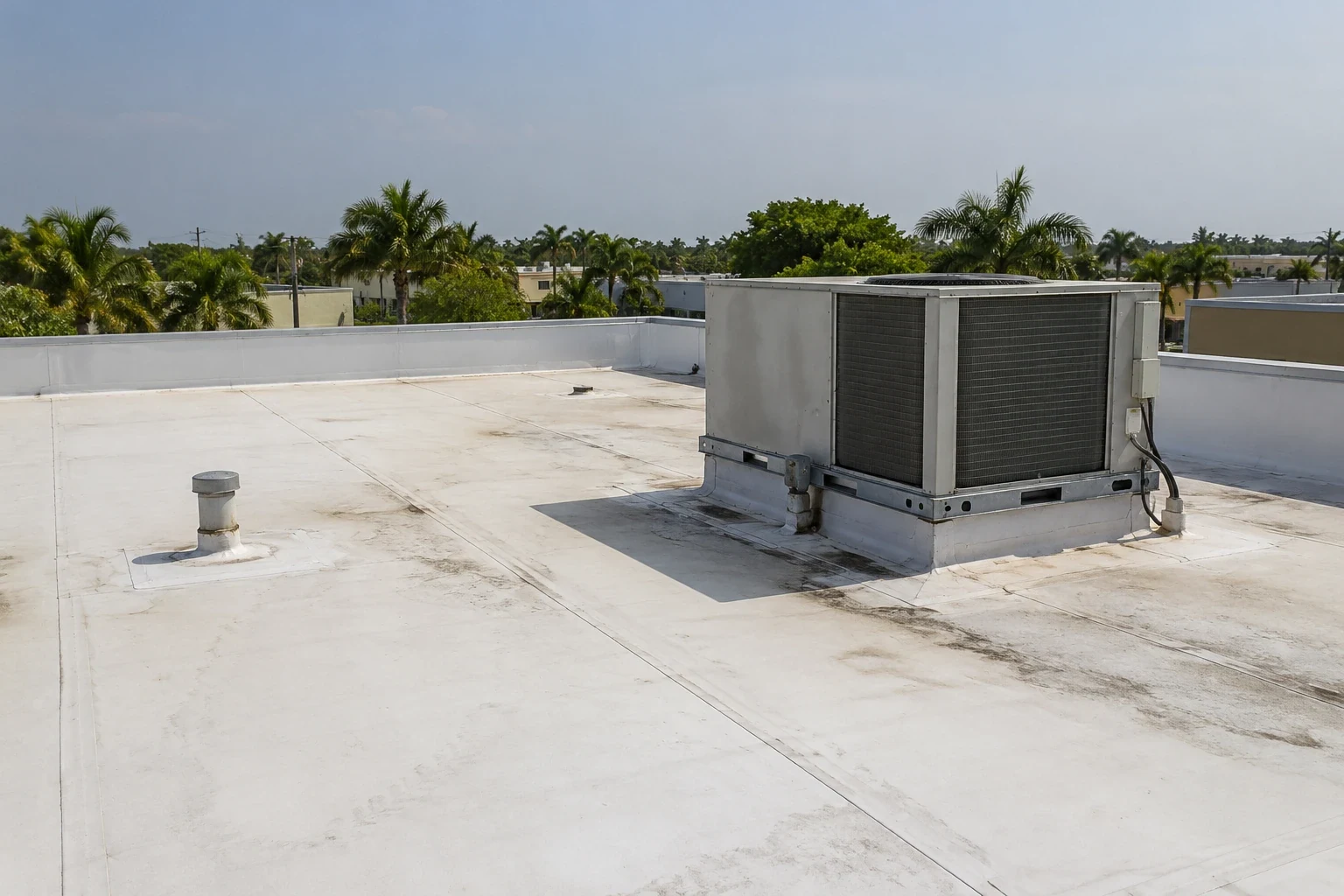
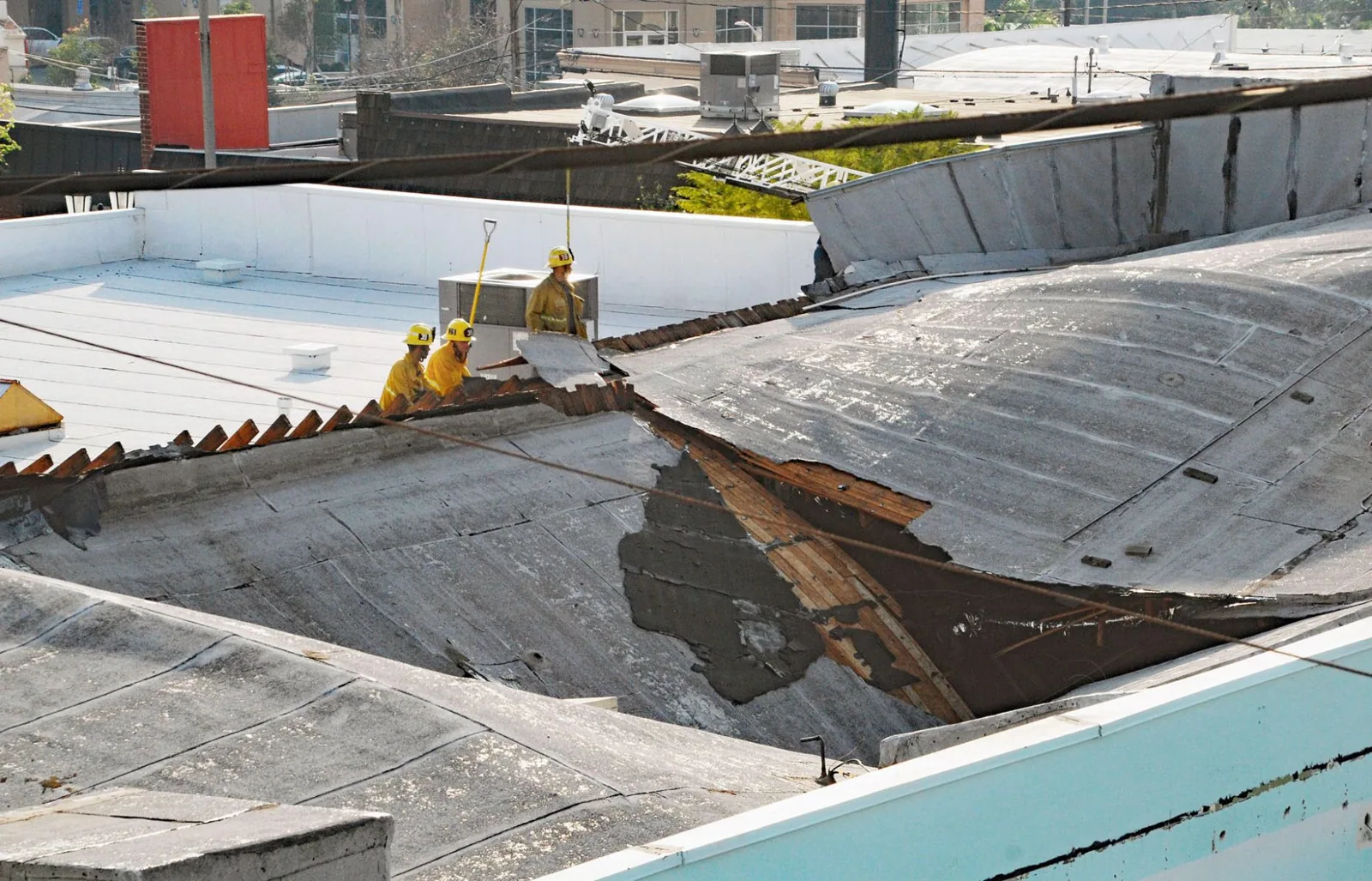
Inspect the affected roof zone | We begin at the reported condition and follow the adjacent seams, fastener lines, edge metal, curb flashing and wall terminations. Hail or debris impact may leave visible marks, but appearance alone does not determine whether the membrane is punctured or the assembly is compromised. Wind can displace flashing or expose a termination. We record specific defects, distinguish them from older repairs where the evidence allows, and note areas that need further testing. At drains and scuppers, we look for debris, damaged flashing and an open water path. If the reported leak appears below a roof penetration, we inspect the detail and nearby field rather than assigning a cause from the interior stain. After a storm, inspect the reported area alongside adjacent seams, penetrations, edges and drains for related damage. For a suspected active water path, commercial leak repair can define tracing and correction for the affected area. We photograph displaced edges, lifted laps, punctures and damaged flashing before moving loose material. When the surface permits, the inspection follows a suspected uplift path from the perimeter into the field and checks whether adjacent fasteners or seams changed. A single open corner does not describe the whole roof. We mark each observation by zone and compare it with prior repair records if the owner has them. If debris or unsafe conditions block part of the roof, the report identifies the inaccessible section for a later visit. |
Stabilize exposed details | When a roof opening or displaced component leaves the building exposed, we identify a temporary measure suited to the surface and conditions. The protection should cover the affected area without blocking drainage, creating a new wind hazard or obscuring the detail that needs permanent repair. We document where the measure was installed, what it covers and the next inspection required. If weather or access prevents safe installation, we explain the constraint to the authorized contact. A temporary covering does not establish the extent of concealed damage. Once the area can be examined, we inspect around the protection and identify any wet materials, loose attachment or damaged substrate that becomes visible. If those conditions extend beyond the repair boundary, we pause for review before closing the roof. The written record separates the immediate protection from permanent work and identifies any unexamined zone. |
Define the permanent repair | The repair scope names the failed detail, preparation, compatible materials, boundary and close-in check. A seam, penetration, skylight curb, parapet edge or drain each needs a connection method suited to the existing assembly. We explain when a repair requires removing material to reach a sound surface. If a damaged area spans more than one roof zone, the scope shows that boundary so the owner can compare localized work with a broader project. Storm reports can include several hazards during the rainy season, with severe-weather reports concentrated in May through August and tropical exposure peaking later in the year. The event category does not replace inspection evidence. For a roof with extensive damage, commercial roof replacement may be compared with repair based on exposed conditions. If a damaged flashing or edge is isolated, edge metal and coping repair can address the affected transition. |
Plan work around site operations | Storm work may affect loading, equipment and occupied areas. The property contact identifies entrances, operating hours, equipment that must remain accessible and any notice required for tenants. Broward Health Coral Springs is an always-open hospital; other facilities set their own operating constraints. We use the actual building’s instructions to sequence access and protection, and we identify where work may temporarily limit roof or interior access. Coral Springs Commerce Park includes warehouse and distribution activity, while the Downtown redevelopment area has commercial uses near Sample Road and University Drive. Those descriptions do not determine a particular site’s delivery route. We confirm where a service vehicle can enter and where materials may be staged. A roof work plan for an occupied building can coordinate the repair sequence with the designated contact. |
Close out with a condition record | After repair, we inspect the rebuilt seam, flashing, edge or penetration detail and record the completed location. The notes identify materials used, temporary measures removed or left in place, access limits and any remaining questions. If there are indications of concealed damage, we explain what further evaluation could establish. The report does not extend to areas outside the authorized or accessible inspection. Owners can use the record to direct future maintenance and review repair needs with the building team. A roof condition report can organize photographs, findings and limitations for the property file. If multiple roof sections show storm-related change, a maintenance visit at Coral Springs Commerce Park can schedule follow-up observations. We can also compare findings with claim documentation support when the owner is preparing records for an insurer. |
Commercial Roofing Questions | Does a storm report prove roof damage at my building?A regional weather report gives event context. The roof inspection documents what is visible at the property and separates observed conditions from the event history supplied by the contact. What happens if water is entering after a storm?We confirm roof access and the current condition, then determine whether temporary protection is needed before permanent repair. The record separates stabilization from follow-up work. Can hail marks be repaired without replacing the roof?We inspect for a puncture or functional damage and note how far the observed condition extends. The repair scope follows those findings and identifies whether a larger review is needed. What should I keep after storm damage?Keep the event date, photos, interior reports, prior roof records and names of people who observed the change. We can add inspection findings and repair records for the property file. Can the roof be inspected while the building is operating?The site contact identifies active areas, access rules and restricted equipment. We plan the roof route and work timing around those directions and document any area that cannot be reached. |
Arrange a storm condition review | Provide the property address, storm date, reported roof change, roof access route and operating limits. We can inspect accessible details, stabilize exposure where needed and document the repair scope. Request a Roof Assessment 555-555-5555 |
|
|
REQUEST AN ASSESSMENT
 |