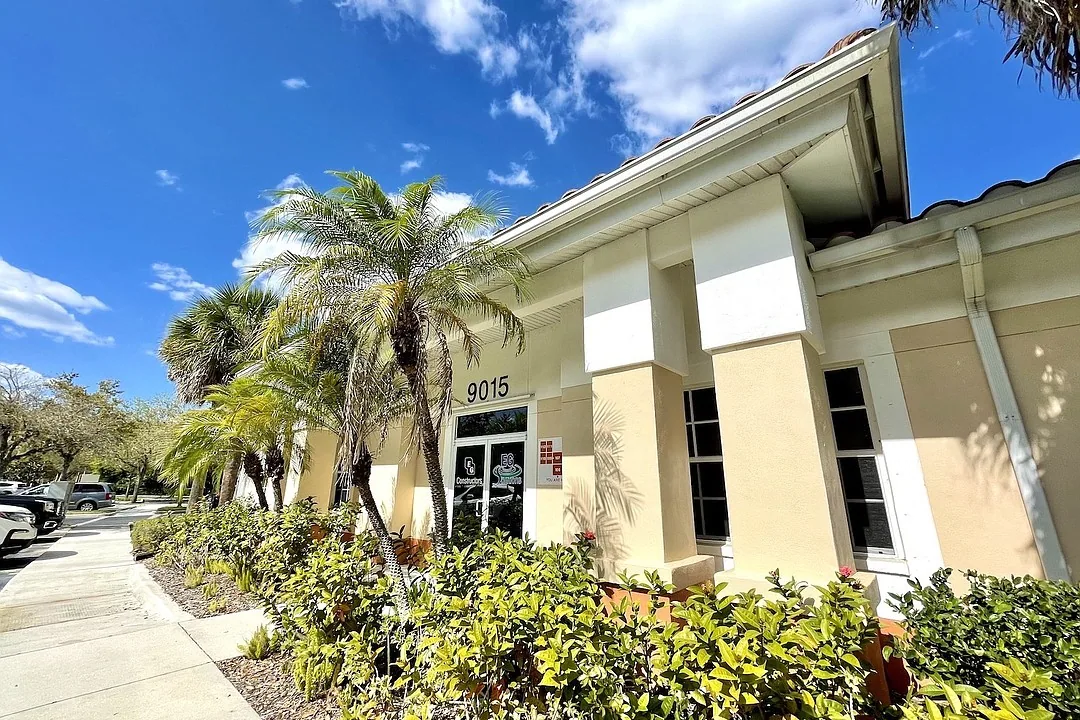
Government Building Roofing in Coral Springs, FL
|
|
|
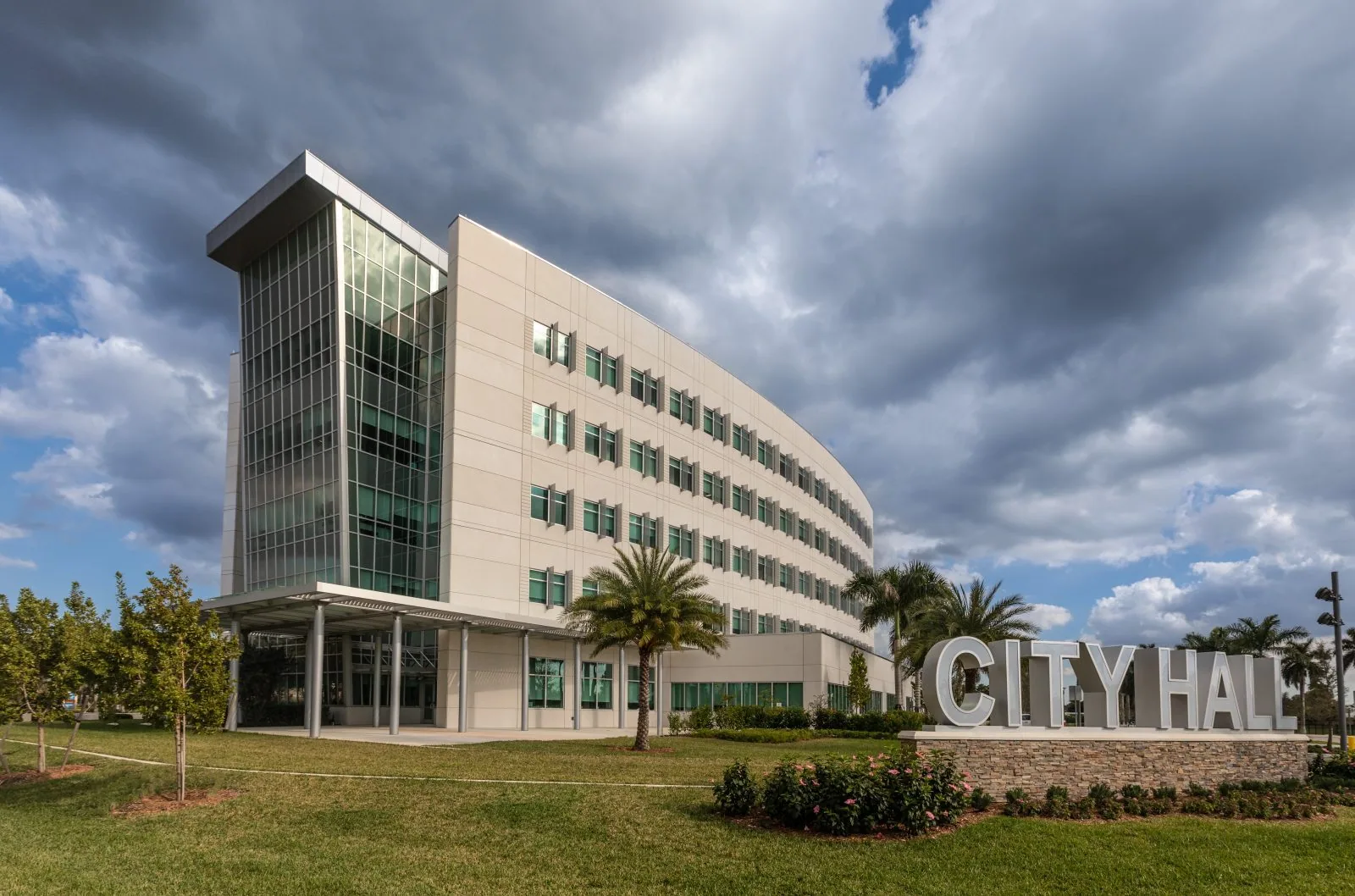
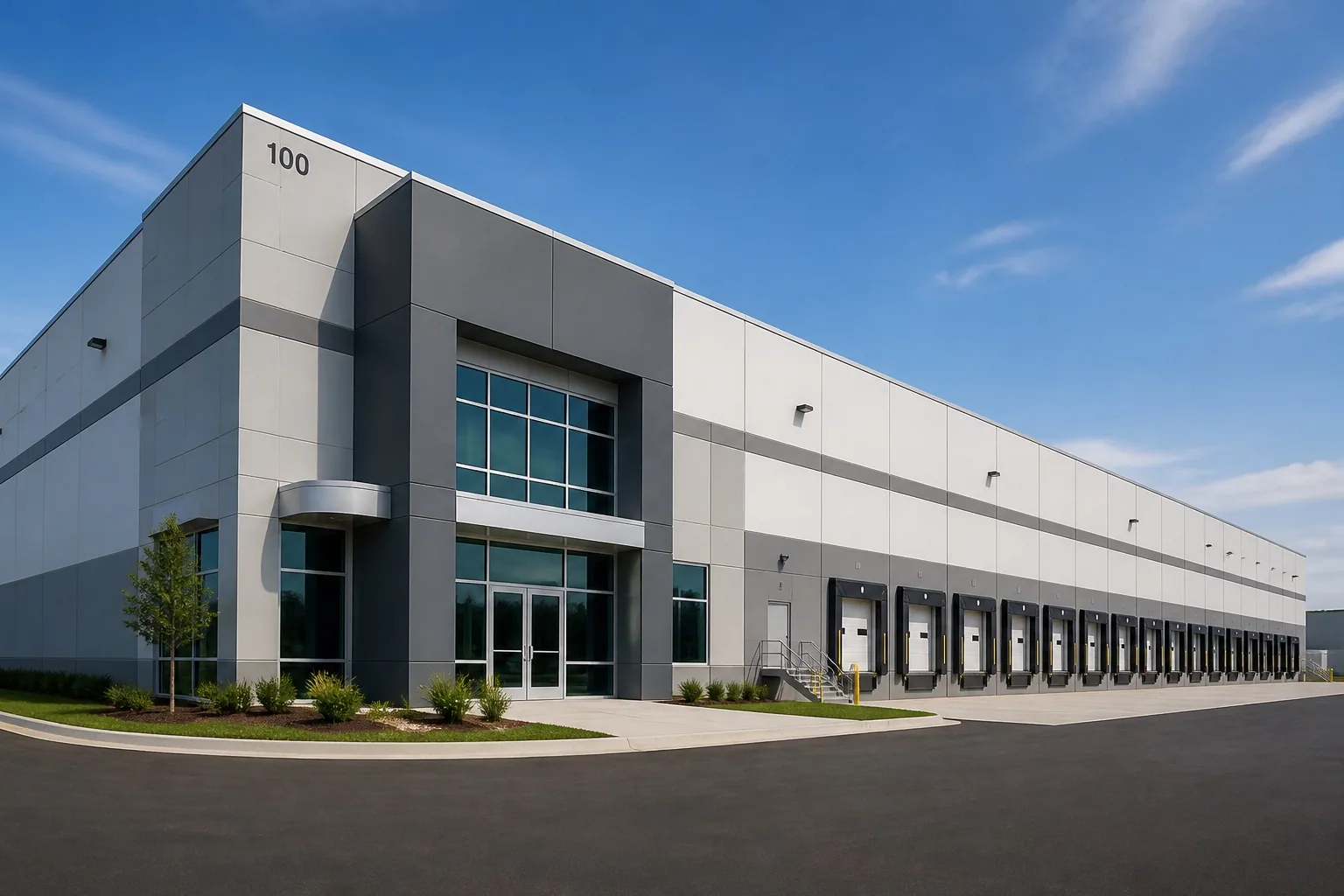
| A split flashing lap over a public counter can allow water into an occupied department while staff and visitors continue using the entrance below. We inspect the transition, trace nearby seams and drains, then record the roof zone and access limit. Public-building work needs an agreed entry point, notice and approval path before a crew moves material. We ask the assigned facilities contact which rooms and routes remain open, who can authorize a changed boundary and what documentation the owner expects at close-in. Downtown Coral Springs is a 136-acre redevelopment area centered near Sample Road and University Drive, with public and commercial activity in the same part of the city. Municipal employers and public agencies are part of Coral Springs’ local economy. Those facts give location context, not the roof condition or purchasing process for a particular public building. We confirm the property address and procurement contact before defining the service scope. |
Confirm approval and public entry | The owner identifies who may authorize inspection, testing, temporary protection and added work after removal. We request the building's roof plans, prior repair records, active leak notes, access instructions and any security check-in. The contact confirms whether an escort is needed and which public entrances, counters or service windows cannot be obstructed. We document the agreed work area and name the contact who can answer a field question during the shift. Public hours and procurement calendars differ by department and building. The owner confirms the approval route and acceptable work window for each visit. School roofing also involves public users, while worship buildings follow a separate owner process. A government facility's representative sets the rules. Phased reroof planning can state the area open, required protection and daily close-in step for the authorized scope. |
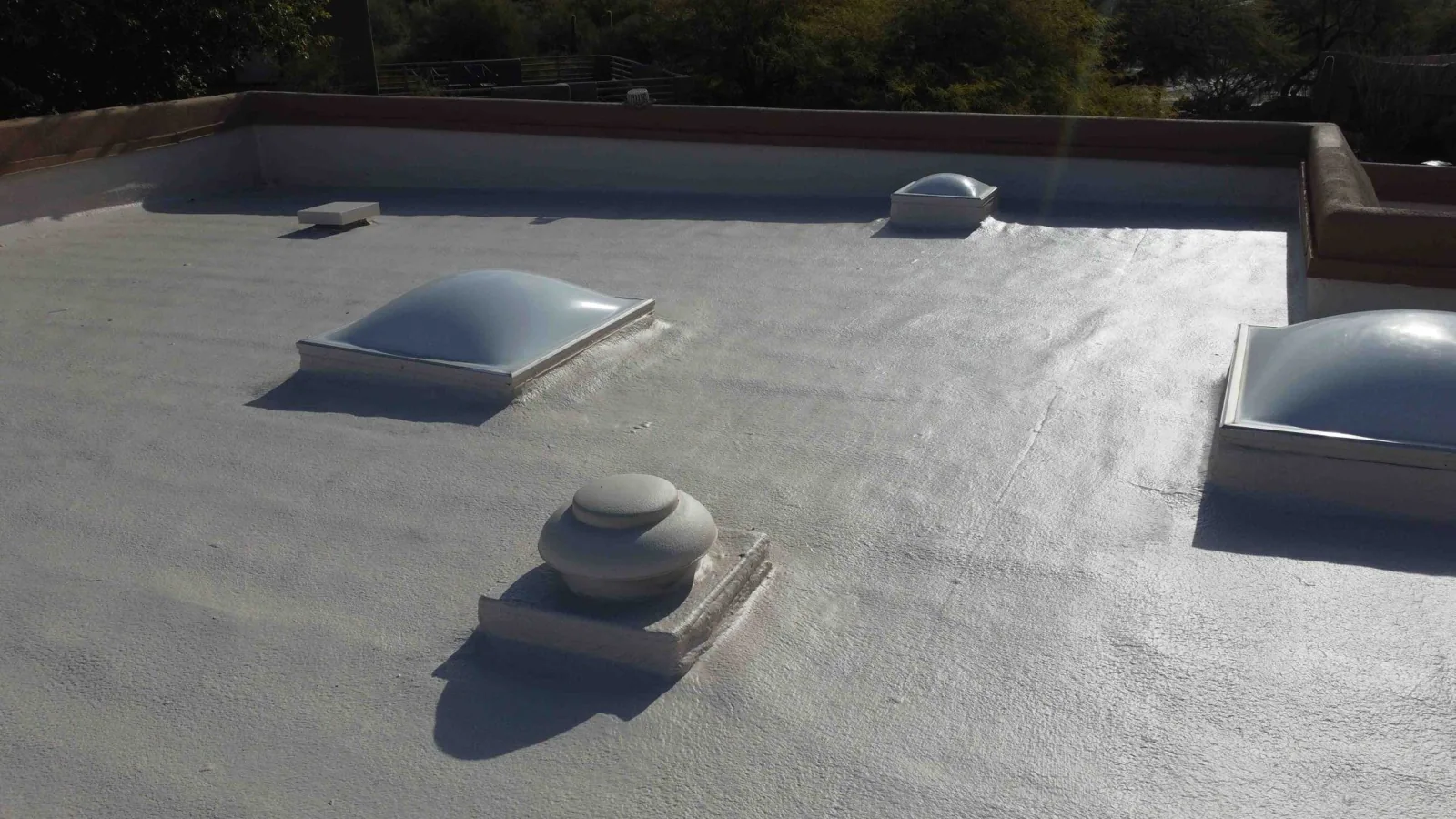
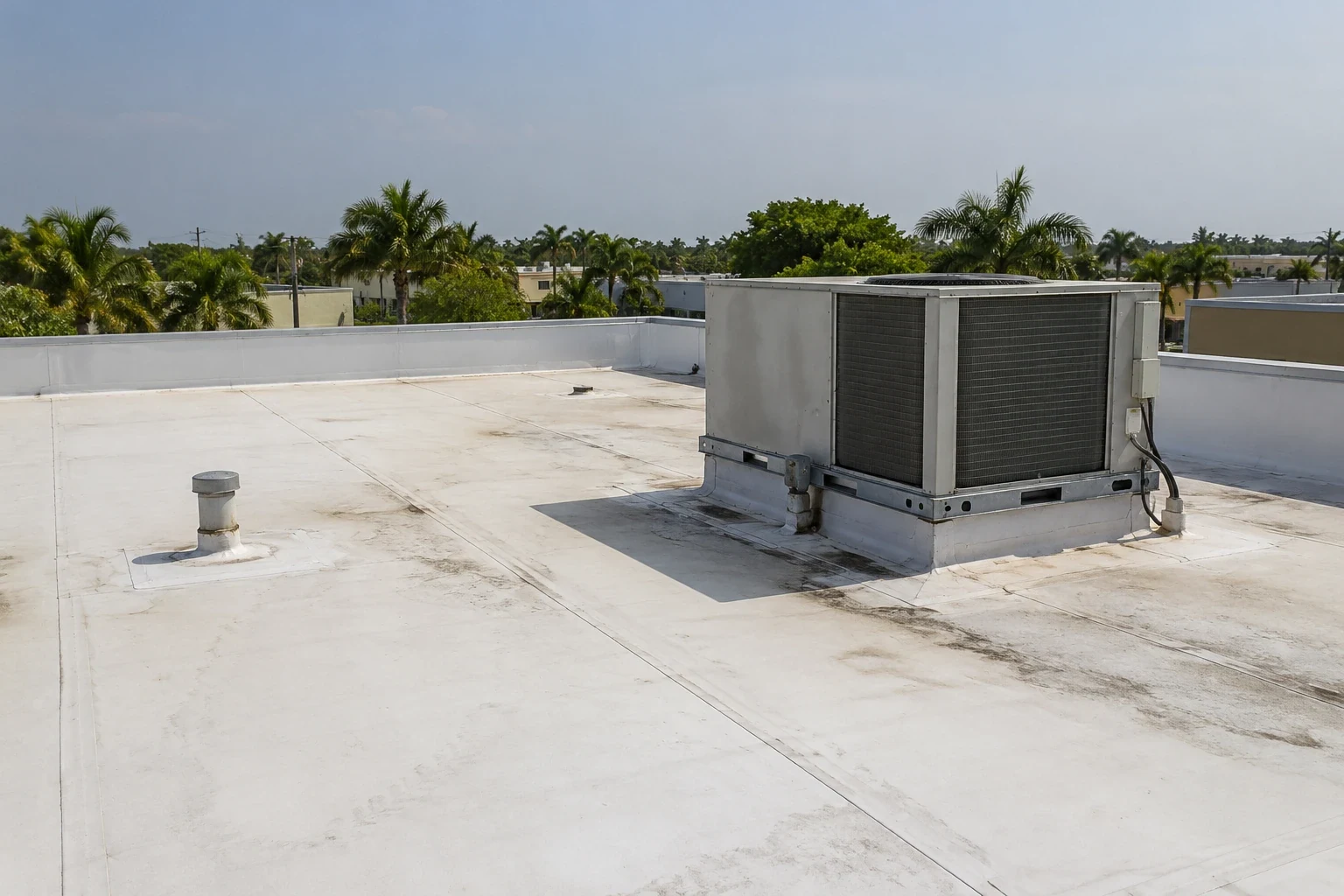
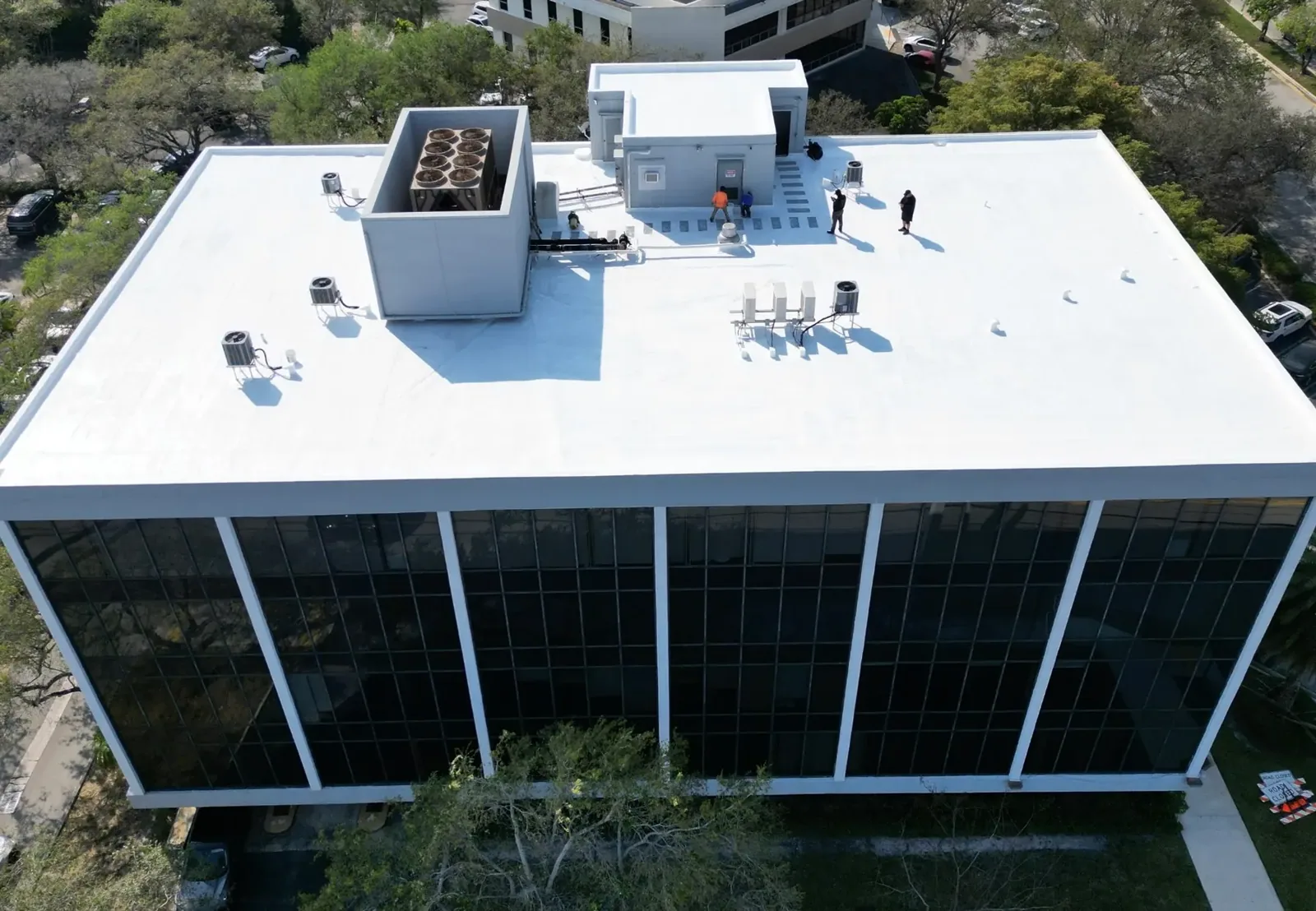
Record observed roof conditions | We walk accessible zones and check membrane seams, curb flashing, pipe boots, edge metal, fasteners, drains and prior patches. Each observation is tied to a roof location and photograph where possible. If a room reports water, we compare the interior location and timing with roof details above it; water may travel along a deck or framing before appearing. Locked equipment areas, unsafe surfaces and sections covered by stored material are listed as limits. Heavy rain and damaging thunderstorm winds occur during the South Florida wet season. That context explains why drainage and perimeter details deserve attention, but a weather event does not establish a defect at the property. We inspect visible drain bowls, strainers and overflow routes and mark evidence of movement or water entry. A commercial roof inspection can create a dated condition record. If the evidence confirms a leak, leak tracing and repair can define the correction. |
Check the permitted roof assembly | We identify the visible system before choosing a repair method. TPO, PVC, EPDM, modified bitumen, built-up, metal and coating systems use different seam and flashing details. Drawings and earlier scope documents help show what was specified, while exposed edges and penetrations tell us what can be confirmed in the field. If hidden insulation or deck condition could change the recommendation, we explain a test cut and its limits before requesting authorization. Government reroofs in Coral Springs must account for the 2023 Florida code edition and High Velocity Hurricane Zone assembly criteria. For a permitted reroof, section 2322.2.8 sets the required sheathing-fastener work; we coordinate its inspection before insulation goes back. We compare the approved permit set with the assembly that is actually exposed and flag any difference for review before concealment. TPO roof repair requires compatible weld details; replacement planning must also account for authorized materials and close-in inspection. |
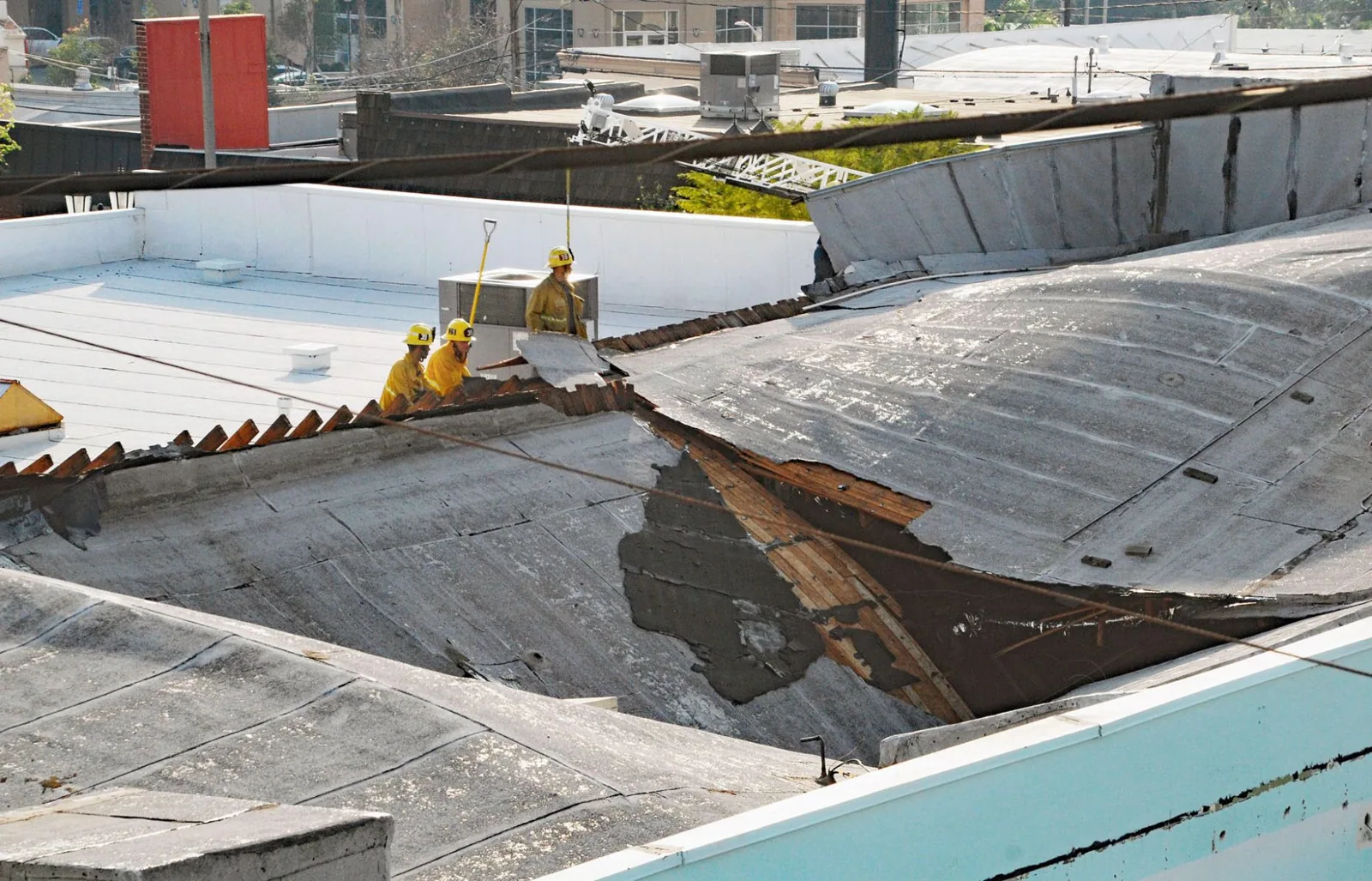
Separate inspection from added work | The scope identifies the observed condition, work boundary, protection and any testing included. A loose termination can be a local correction if the adjacent assembly is sound. Deck damage, wet insulation or repeated failures can change the work after opening. We photograph that evidence, secure the area and obtain direction from the authorized representative before extending the contract scope. The record separates verified conditions from questions that need a designer, code official or another trade. A public capital project may compare repair with replacement across budget periods, but timing must follow the owner's process. Roof capital planning can organize the field findings and stated assumptions. Downtown Coral Springs near University Drive has mixed-use redevelopment and public-facing activity, but that does not determine a municipal property's budget or permit path. The approved plan and contract govern the project. A condition report can preserve photos and limitations for future review. |
Maintain safe public routes | Before delivery, we confirm the gate, loading point, roof hatch, lift location and material route with the facility contact. We identify which entrance or pedestrian route must remain clear, then place barriers only where authorized. The crew opens a section that can be protected and closed during the agreed period. If summer heat, rain or lightning interrupts the work, the edge is secured and the owner receives a clear account of what remains. When a government site has a public meeting, service window or department event, the contact identifies any conflict. We do not infer an operating schedule from an office sign or department title. University Drive and Sample Road are major local corridors, but traffic context does not provide permission to stage a vehicle at a specific property. The owner's access instructions govern. Daily notes record the work zone, protection and any approval needed before a return visit. Where the contract sets submittals, inspections or hold points, we tie each approval to the roof zone that will be concealed next. The project representative can review photographs and the exposed substrate before the crew installs cover board or membrane. A change in deck condition is recorded with its location and sent through the stated authorization path. That gives the owner a clear record of what was inspected, what was accepted and which area remains open for direction before close-in. |
Provide a reviewable closeout | At completion, we check the repaired transition, fasteners, edge detail and drainage points included in the approved work. Photos show the work location and tie-in before concealment where access permits. The closeout lists material removed, any deck or insulation condition discovered, the work authorized and areas not inspected. If another approval is pending, it remains a separate item rather than a verbal assumption. We review the record with the designated project representative and confirm whether any temporary protection can be removed. A follow-up maintenance visit can check accessible details after the next weather period. Downtown Coral Springs is a local reference area; the subject building's own contract, assembly and access limits determine the next step. The report remains specific to the work completed and evidence observed. |
Commercial Roofing Questions | Who approves added roof repairs on a government building?The owner identifies the contracting or facilities representative authorized to approve scope changes. We document the exposed condition and wait for that direction before extending work beyond the agreed boundary. Can the public keep using the building during roof work?The facility decides which entrances and public routes must remain open. We coordinate barriers, staging and close-in around those approved routes, and report any change that affects the plan. What records do you provide after an inspection?The report can identify the date, accessible zones, observed conditions, photographs, limits and recommended follow-up. It does not certify concealed areas that were not tested or reached. How do code requirements affect a reroof scope?The permit set and approved assembly govern the project's details. Coral Springs' reroof materials cite sheathing re-nailing, so we verify the deck and applicable requirements before concealing it. What should the department send before scheduling?Provide the address, procurement contact, roof records, leak history, access and escort steps, public-use restrictions and any required approval or closeout format. |
Define the public-building roof scope | Send the address, roof plans, prior repairs, leak or storm date, access rules and procurement contact. We can document conditions and prepare a repair sequence within the owner's approval process. Request a Roof Assessment 555-555-5555 |
|
|
REQUEST AN ASSESSMENT
 |