Commercial Hail Damage Roof Repair in Coral Springs, FL
|
|
|
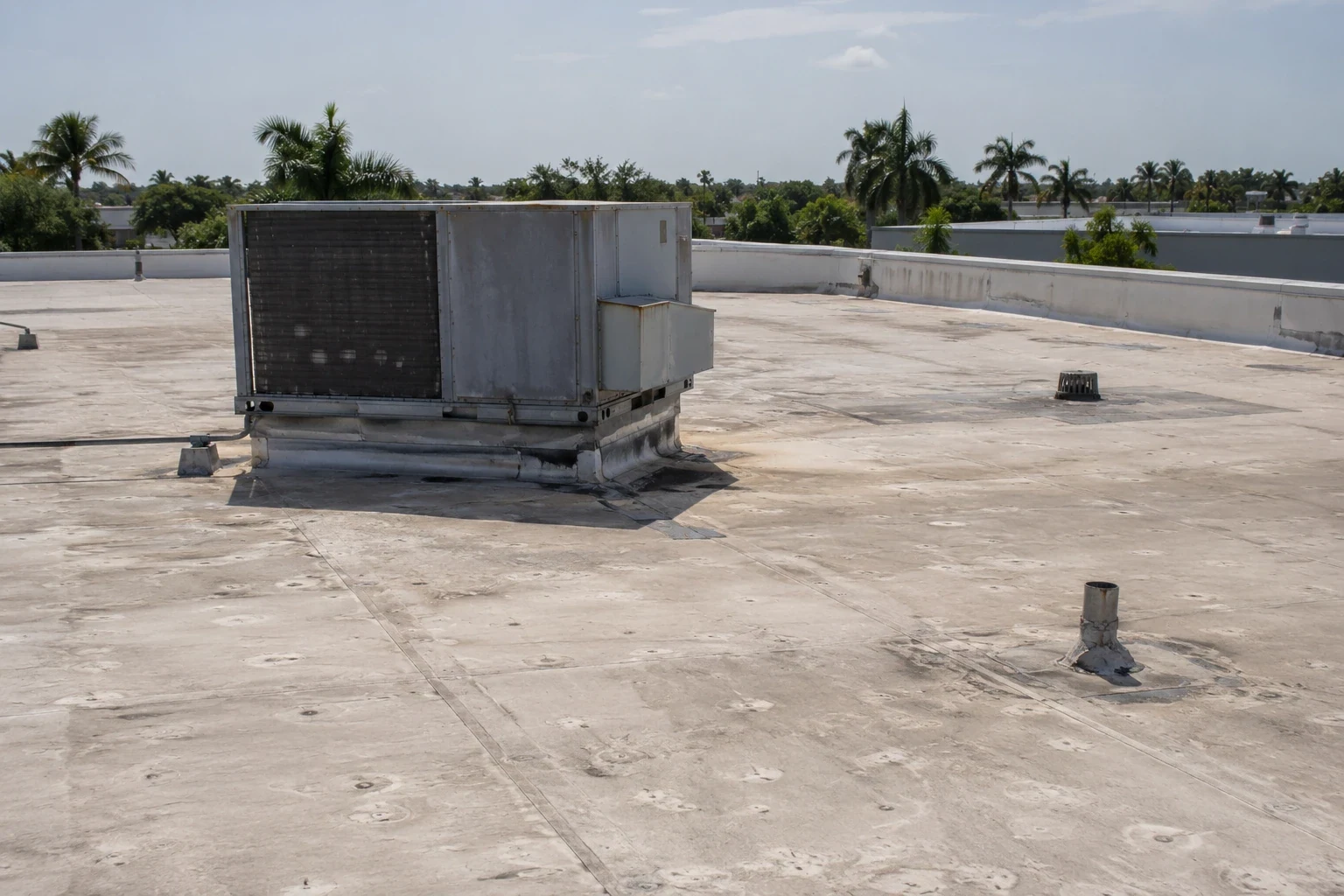
| Hail can leave marks on metal, membrane accessories, skylights or rooftop equipment, yet a surface mark does not automatically mean the roof has lost its function. We inspect the reported areas and nearby transitions, document the condition and distinguish cosmetic evidence from a puncture, fracture or failed connection. The goal is a defensible repair scope, not a conclusion based on one photograph. Large hail is among the severe-weather hazards reported in South Florida, with many regional reports occurring during the May-through-August season. That is regional context and does not prove that hail struck a specific Coral Springs property. We ask for the reported date, observations, photographs and any leak history, then confirm the building’s roof access. At a store in Margate or an office in Sunrise, the inspection begins with its approved roof entrance and an area below where damage can be observed. |
Record what was observed after the event | We collect the property team’s account of when hail was reported, which elevations or roof sections were exposed and whether water entry followed. Dated photographs can help us locate the right zone. We note earlier repairs, pre-existing surface wear and any maintenance or equipment work that occurred near the same time. These details help focus the visit, but they remain separate from damage confirmed on the roof. The authorized contact identifies the access point, escort rules, areas that are unsafe or restricted and whether tenants need notice. The property address, not a retail or district label, sets the actual route. Near Sample Road Commercial Corridor, deliveries and parking still depend on site-specific instructions. We agree on where tools can be kept and who can approve opening a roof layer. An active opening may first need short-term protection before a final hail scope is defined. |
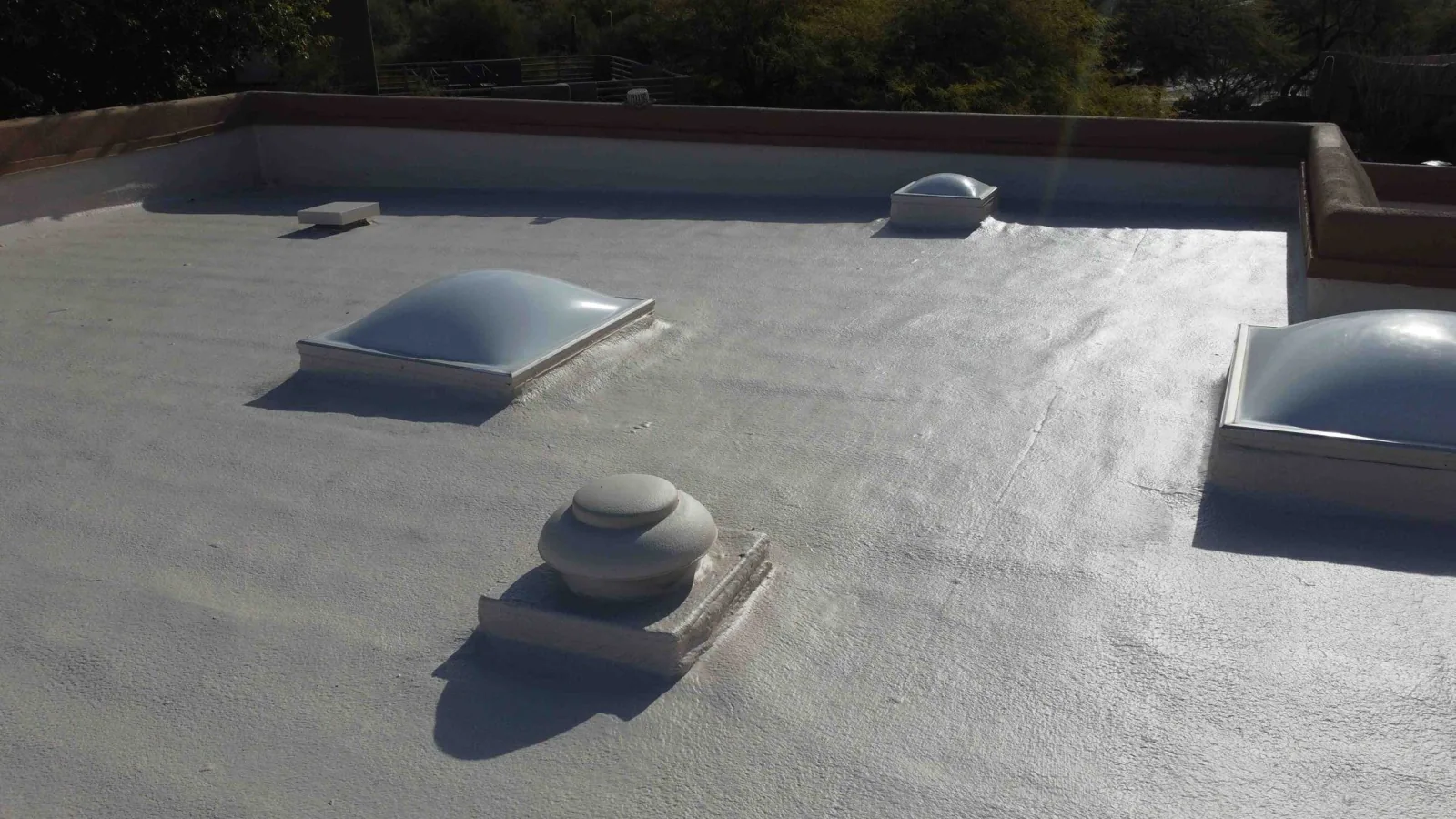
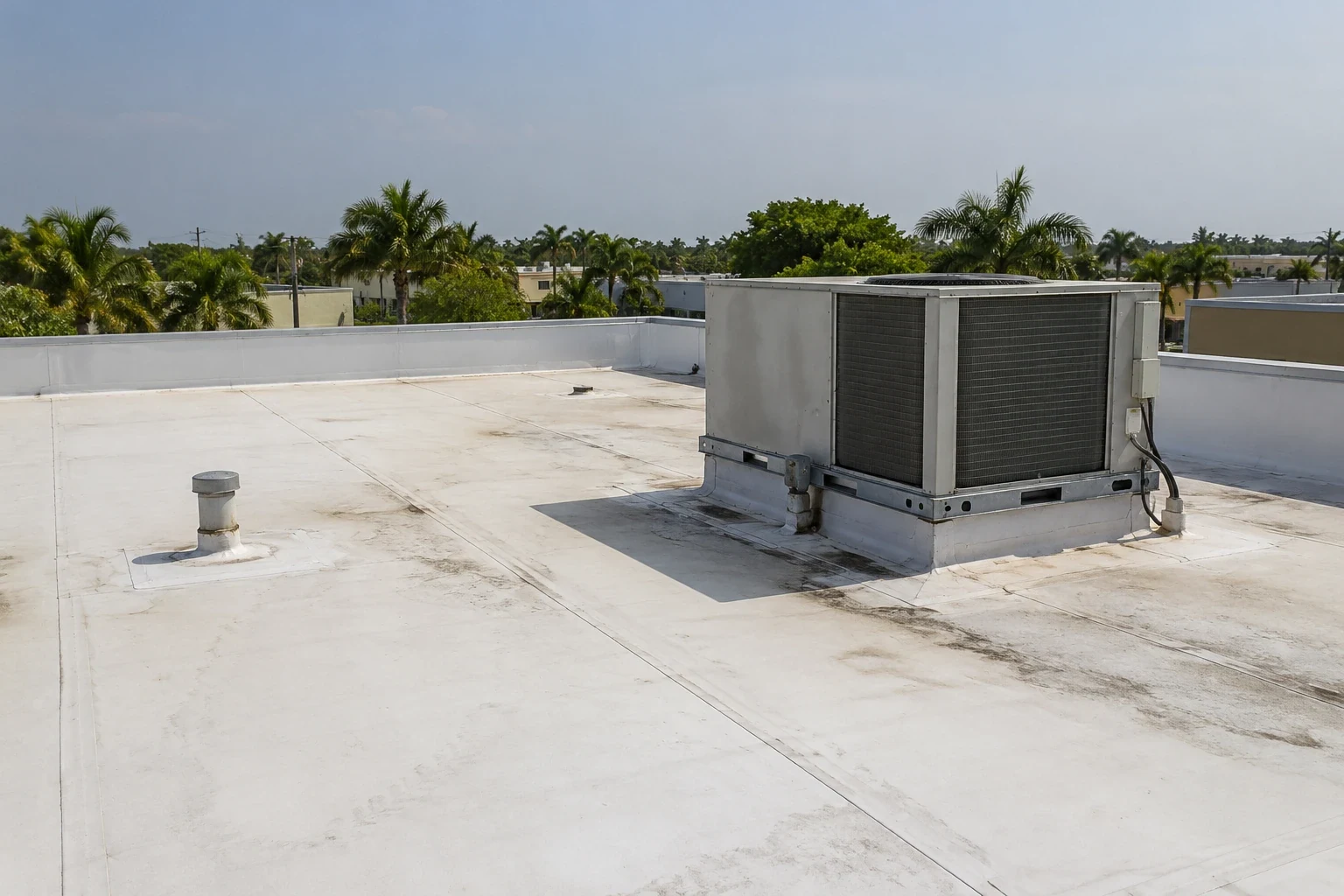
Check the materials that can be affected | On a membrane roof, we inspect for cuts, punctures, crushed areas, displaced reinforcement, fractured flashing and damage around seams or penetrations. On a metal roof, we document dents, coating loss, loosened attachments, split sealant or deformation that changes a connection. We also check skylights and exposed rooftop components where the property contact reports impact. The record identifies each visible location and material rather than grouping every mark together. Not every dent indicates a leak or loss of roof performance. We look for splits, openings, movement, exposed substrate and water paths that support repair. If a surface mark cannot be evaluated without testing or opening, the report says what further check is needed. A stain inside does not prove the roof above it was struck. A commercial roof inspection can record accessible conditions; commercial leak repair can investigate water entry if a path is present. We compare impact marks across materials instead of assigning one conclusion to every roof surface. A dent in metal can be recorded with its location and whether a seam, coating or attachment changed; a membrane mark is checked for a split, puncture or displaced reinforcement. We photograph the detail with enough surrounding area to locate it again, then inspect adjacent curbs, skylights and equipment supports if the reported path points there. Coral Square and Coral Springs Auto Mall are named commercial destinations in the city, but a destination name does not identify a building’s roof construction or establish a hail strike. We use the property contact’s storm date and roof-zone map to select the walk. If impact is limited to an accessory, the scope can stay there; if a connection is open, we document the tie-in and any concealed layer that still needs testing. |
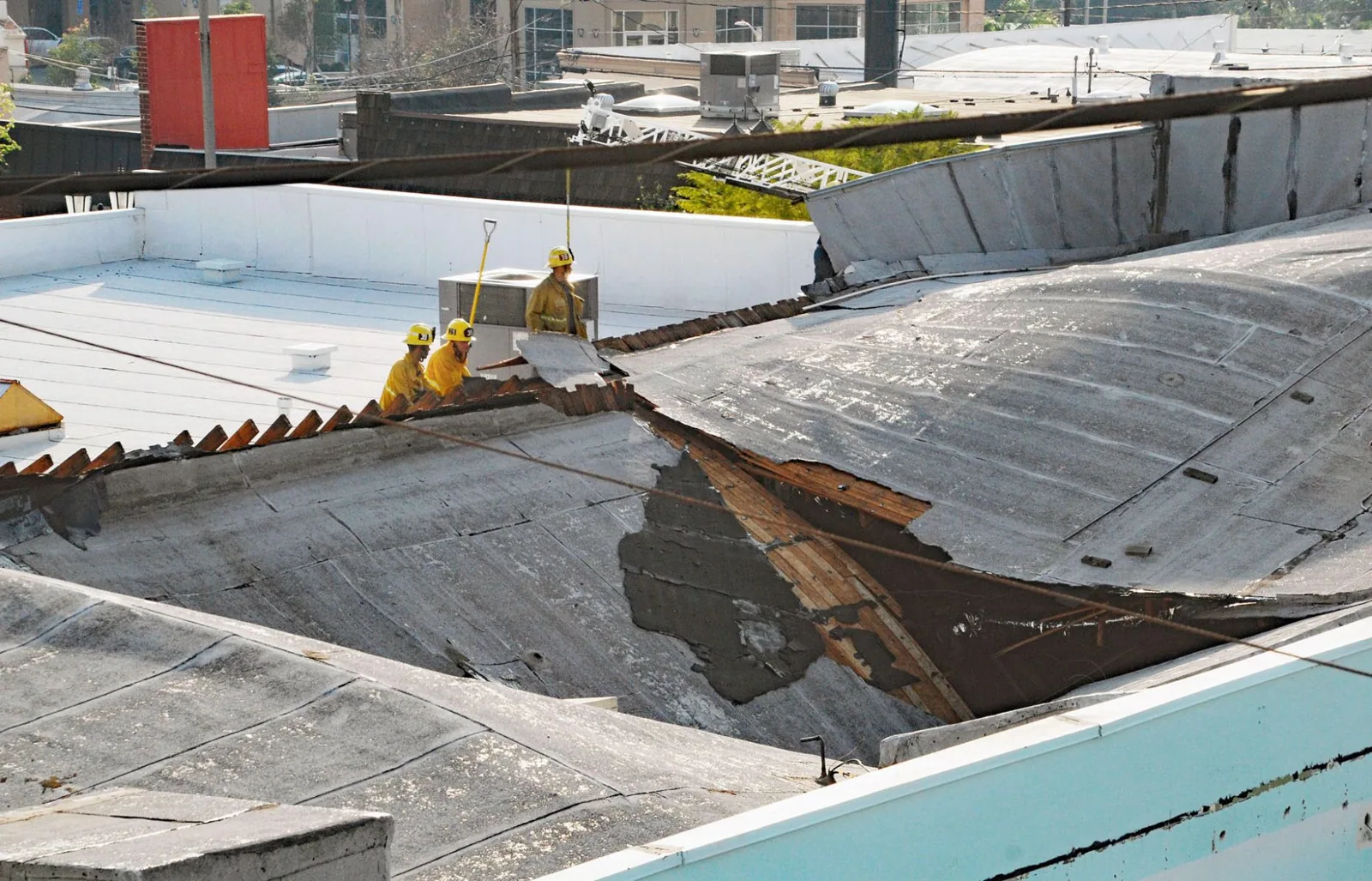
Address openings without overcalling impact | Where the inspection finds a puncture or broken component that is exposing the building, we consider a temporary measure suitable for the roof system and current conditions. The cover must stay secure, preserve drainage and leave any necessary test area available. We document the location, limits and recommended permanent action. If there is no functional opening, an unnecessary temporary patch could obscure evidence or create a new defect. Before work starts, we confirm the contact’s authorization and any restrictions on access or material removal. A surface that is wet, fractured or poorly attached may not accept a reliable short-term repair. We explain whether a dry work window, closer evaluation or separate specialist review is needed. Temporary protection responds to exposure; it is not a conclusion about every hail mark on the property. |
Repair confirmed damage at its boundary | A repair scope identifies the component and damage that were confirmed, preparation, compatible materials and how the new work will connect to sound existing roof material. A membrane puncture, metal-panel connection, cracked skylight curb or separated flashing each requires a method matched to that detail. The work boundary should be clear in photographs and in the written description so the owner can distinguish the repaired area from nearby cosmetic marks. If multiple roof zones show functional damage, we map each one and state whether opening material could change the scope. Broad wear that predates the event should be described separately rather than counted as hail damage without evidence. A commercial roof repair scope can address confirmed defects, while commercial roof replacement may be compared if the system has wider deterioration. If the impact opened the membrane, membrane puncture repair can focus on restoring that area. |
Plan inspection with property operations | Roof access can cross active loading, customer, medical or equipment zones. The building contact sets allowed hours, escorts, vehicle entry, restricted equipment and any notice needed below the inspection area. Retail premises in Margate and industrial premises in Sunrise can require different material routes and observation windows. We ask the responsible site representative rather than infer a schedule from a property type. When a roof visit includes several areas, the sequence can minimize repeated movement across the surface and protect sensitive equipment. The contact should identify where materials may be staged and which entrances remain clear. If a repair requires noise or a short interruption to a rooftop unit, that is raised before the work begins. A plan for occupied-building roof work can coordinate a larger sequence, and service near the Sample Road Commercial Corridor can be arranged through the property contact. |
Keep the inspection evidence organized | We provide a closeout with dated photographs, confirmed damage locations, repairs completed and conditions that were not verified. If the roof was dry at the visit, the report does not imply that all possible water paths were tested. Any temporary measures, access restrictions, or recommended observation are listed. This preserves a distinction between a weather report, a property team’s account and physical evidence from the roof. The owner can share the record with maintenance staff or a claim reviewer as part of the property file. We describe our roofing observations without making coverage determinations or attributing damage to an event that cannot be established. If new water entry appears after another storm, a new inspection should trace that condition on its own evidence. A roof condition report can retain the photographic baseline; hurricane roof damage review addresses a separate wind or rain event when its conditions are reported. |
Commercial Roofing Questions | Do hail dents always mean a commercial roof needs repair?No. A mark may be cosmetic, while a split, puncture or failed connection can affect performance. The inspection records what can be verified and what needs testing. Can you tell whether hail caused an existing leak?We compare the reported timing with the visible roof condition and other possible water paths. If the evidence does not establish a cause, the report preserves that uncertainty. Should we wait until after the next rain to inspect?Do not delay if there is an opening or active water entry. Photographs taken safely after the event can help, and follow-up after rainfall may be useful when the water path remains uncertain. Will insurance decide which roof repairs are made?Coverage and claim decisions belong to the owner and insurer. We can document roofing observations and a work scope without promising a coverage outcome. What makes a hail repair durable?The material, preparation and connection must match the existing roof system and the confirmed defect. We identify the method and repair boundary in the written scope. |
Schedule a hail-impact roof review | Share the property location, reported event date, photographs, known leak areas and access contact. We can inspect affected components, separate marks from confirmed failures and document repair options. Request a Roof Assessment 555-555-5555 |
|
|
REQUEST AN ASSESSMENT
 |