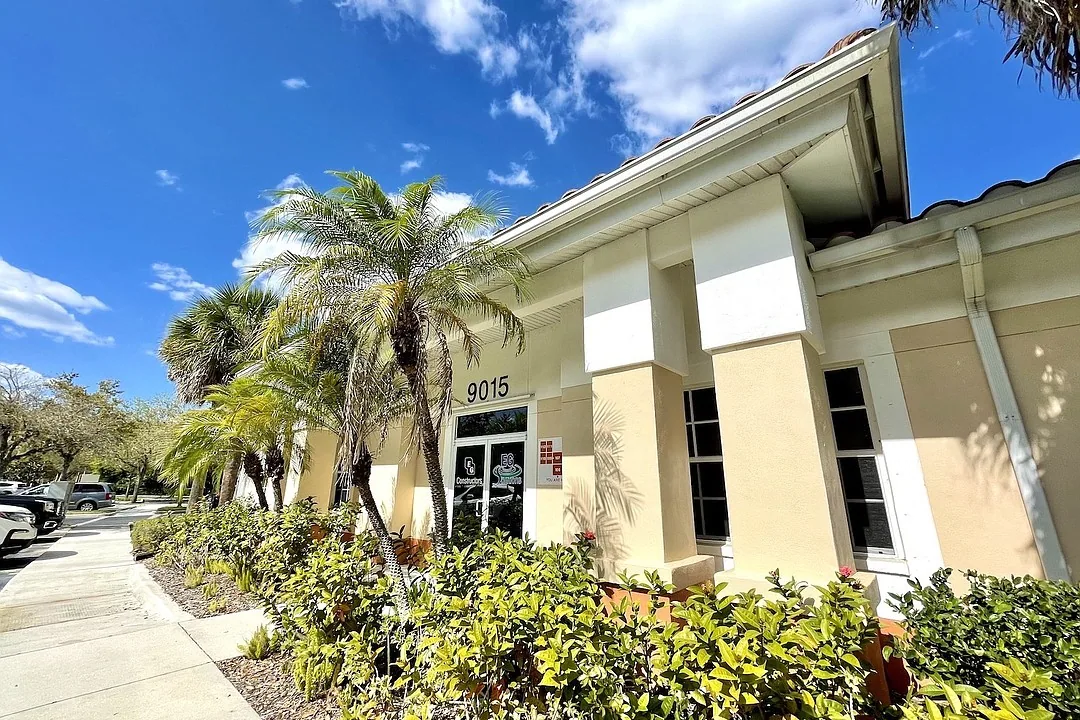
Commercial Heat and UV Roof Damage Repair in Coral Springs, FL
|
|
|
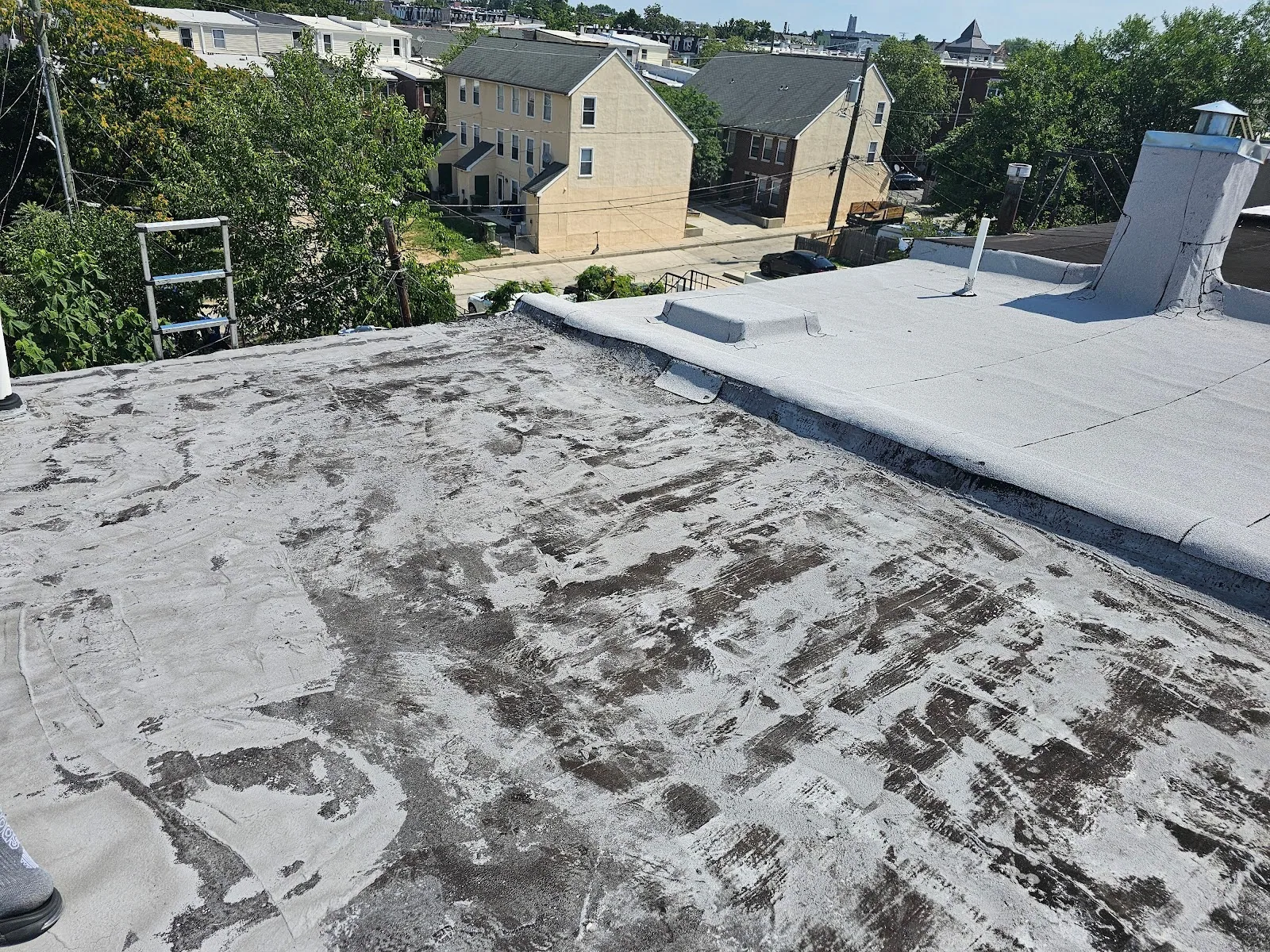
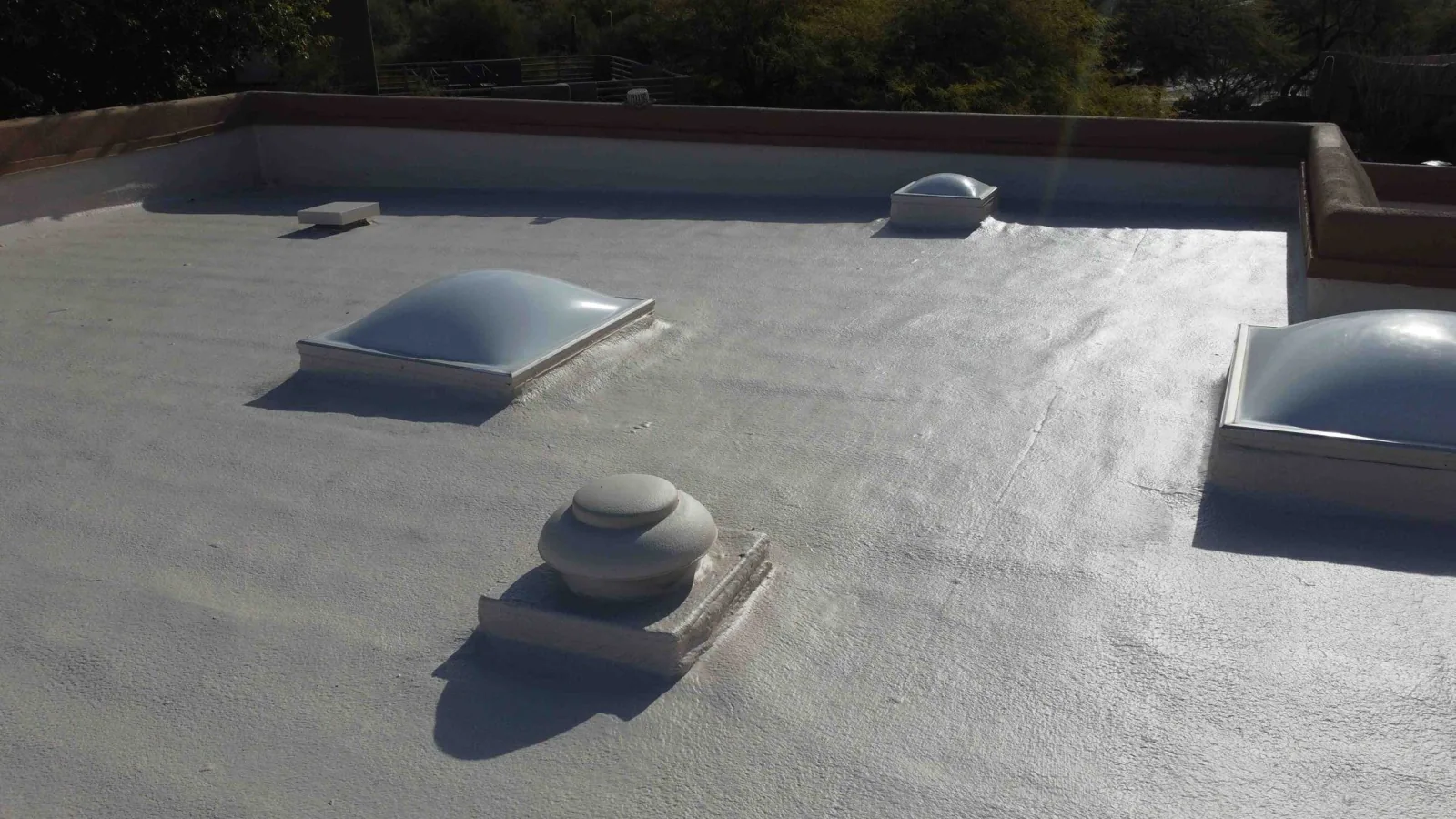
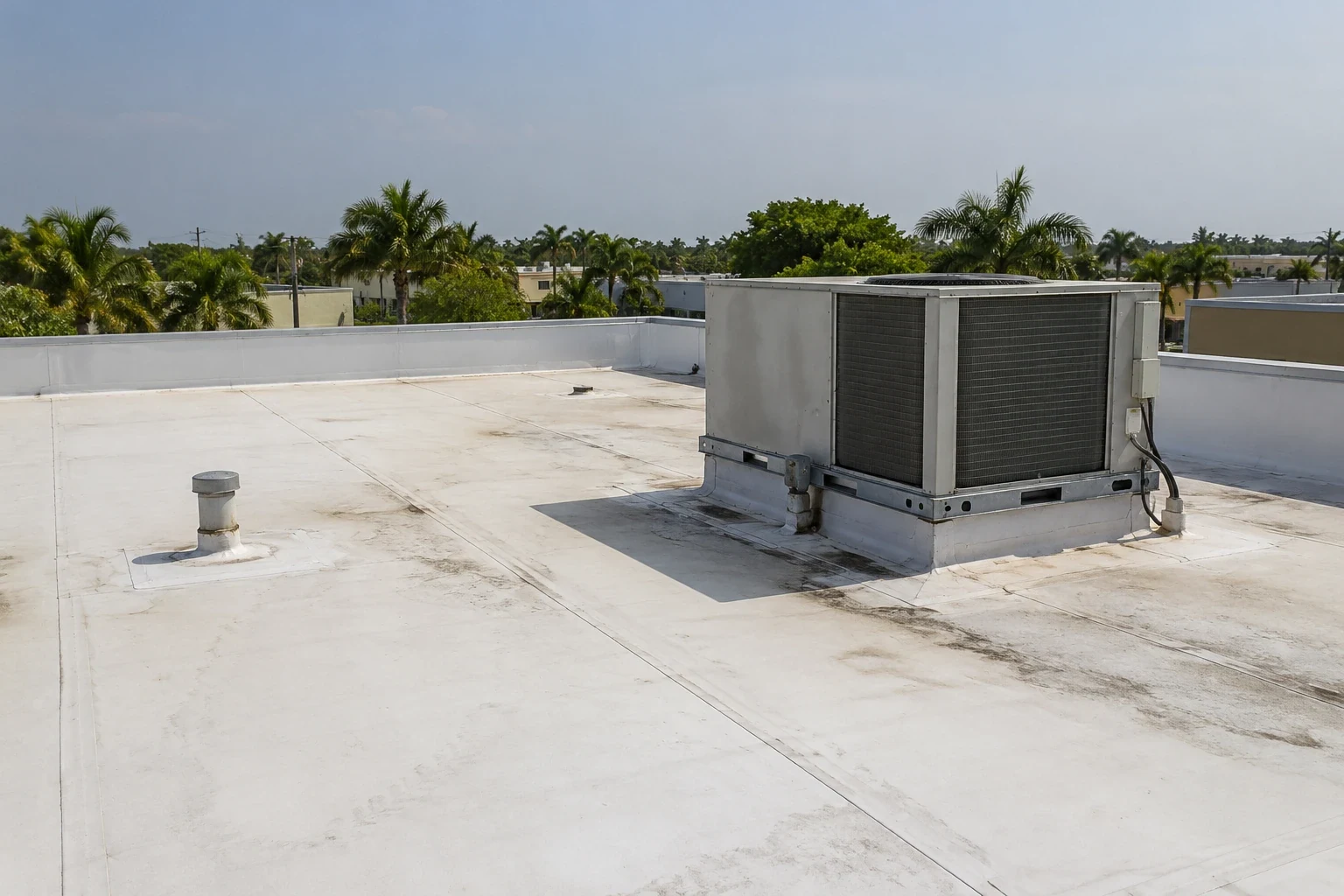
| Roof surfaces face years of sun, heat and wet-season exposure, but color change or a chalky finish alone does not establish a leak or failed assembly. We inspect the reported area for brittle material, cracking, seam separation, exposed reinforcement, coating loss and water entry. The scope distinguishes ordinary surface aging from defects that have changed roof performance and records what needs closer testing. Summer heat affects crew planning and roof-surface conditions. We check the actual surface before selecting a preparation or application window. We confirm the building address, roof system if known, maintenance history and access contact. A facility near Sawgrass International Corporate Park or Coral Springs Commerce Park still needs its own roof route and operating limits. |
Track how the surface has changed | We ask when the discoloration, cracking, loss of granules or seam movement was first noticed and whether it appears across one exposure or several roof zones. Maintenance records can show prior coating, patching or cleaning. The property contact may also have photos from earlier visits. We note those records as history, then assess the current material directly so age and sun exposure are not mistaken for proof of a specific failure. Before entry, the authorized representative confirms the hatch or ladder, escort, equipment clearances and any time restrictions. Roof surfaces can be hot under direct sun, so the visit schedule and safe work method need to match actual conditions. For any commercial property, the building contact confirms the roof hatch, loading path and safe staging point. If a leak is active, commercial roof leak repair can trace the water path independently from a broader aging review. |
Check seams, coatings and exposed details | We inspect the surface for cracking, loss of flexibility, open laps, exposed reinforcement, coating wear, blistering, loose flashings and deterioration around penetrations. On a coated roof, we look at the coating’s continuity and how it terminates at drains, walls and curbs. On a membrane or metal system, the relevant failure indicators differ. We identify the assembly where it can be confirmed and avoid prescribing a generic coating just because the roof looks faded. Sun-facing and shaded zones can weather differently, so we compare observed changes across the roof rather than infer remaining life from exposure. We document the location and extent of visible changes and whether water entry or attachment problems are present. If the roof is brittle, wet below the surface or layered with older repairs, a test or opening may be needed before a full repair boundary is known. commercial roof inspection can capture accessible system-wide observations, while roof coating restoration can be considered when preparation and substrate conditions support it. |
Avoid covering a material problem with a coating | A short-term measure may be needed if inspection finds an opening that is allowing water inside. Any temporary repair must adhere or attach to a suitable surface and avoid hiding a crack that needs a closer look. We record where it was placed and whether it is intended only to control exposure until a permanent scope can proceed. Surface condition and temperature at the time of work can affect installation choices. Applying a new coating over a weak, contaminated or wet layer can leave the underlying defect unchanged. Before coating work, the scope may need cleaning, adhesion checks, drying or removal of failed material. If those conditions cannot be confirmed visually, we state what test is required. When a safe and compatible temporary repair is not available, we explain why rather than use a product as a substitute for diagnosis. The contact receives the limits and next inspection step. |
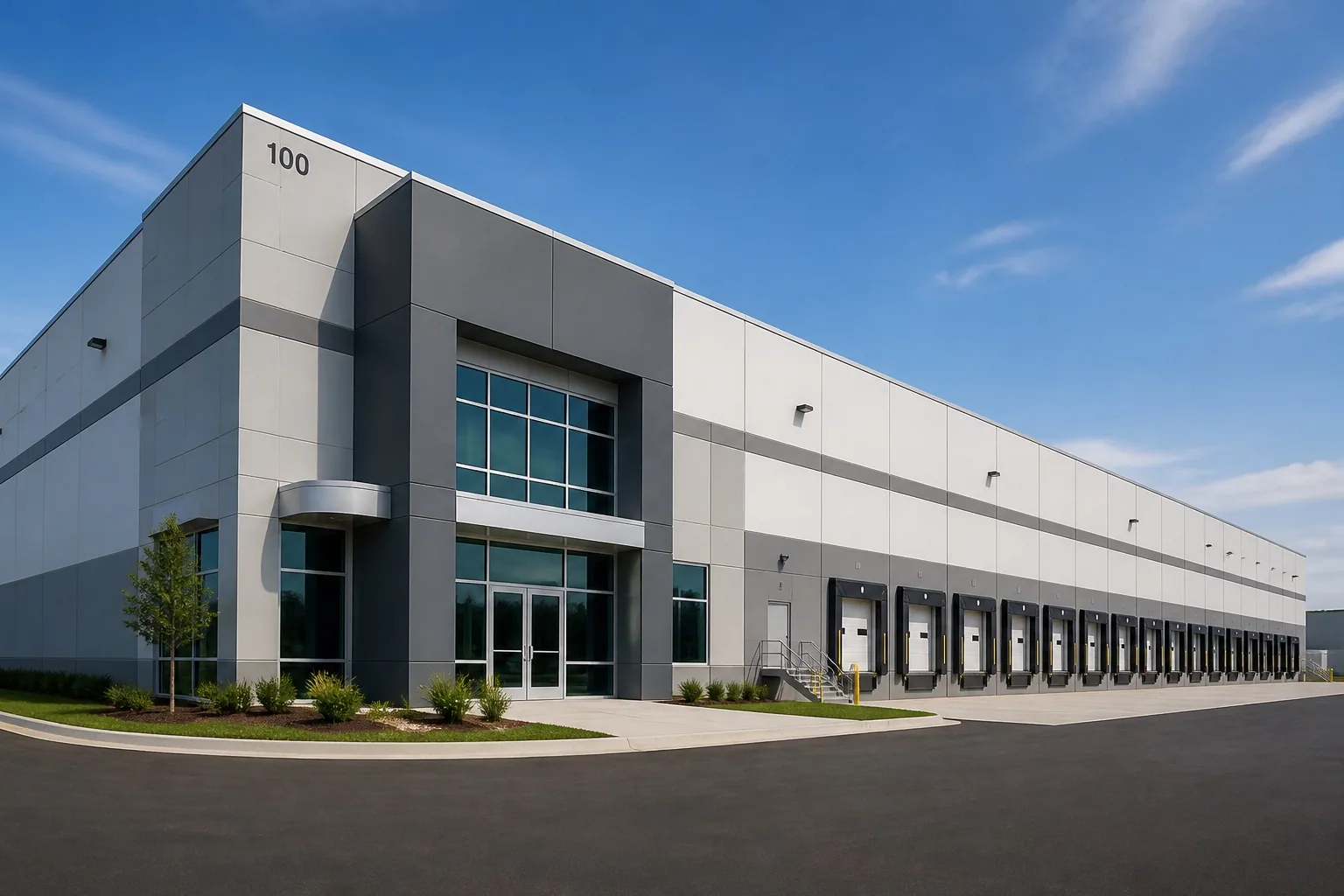
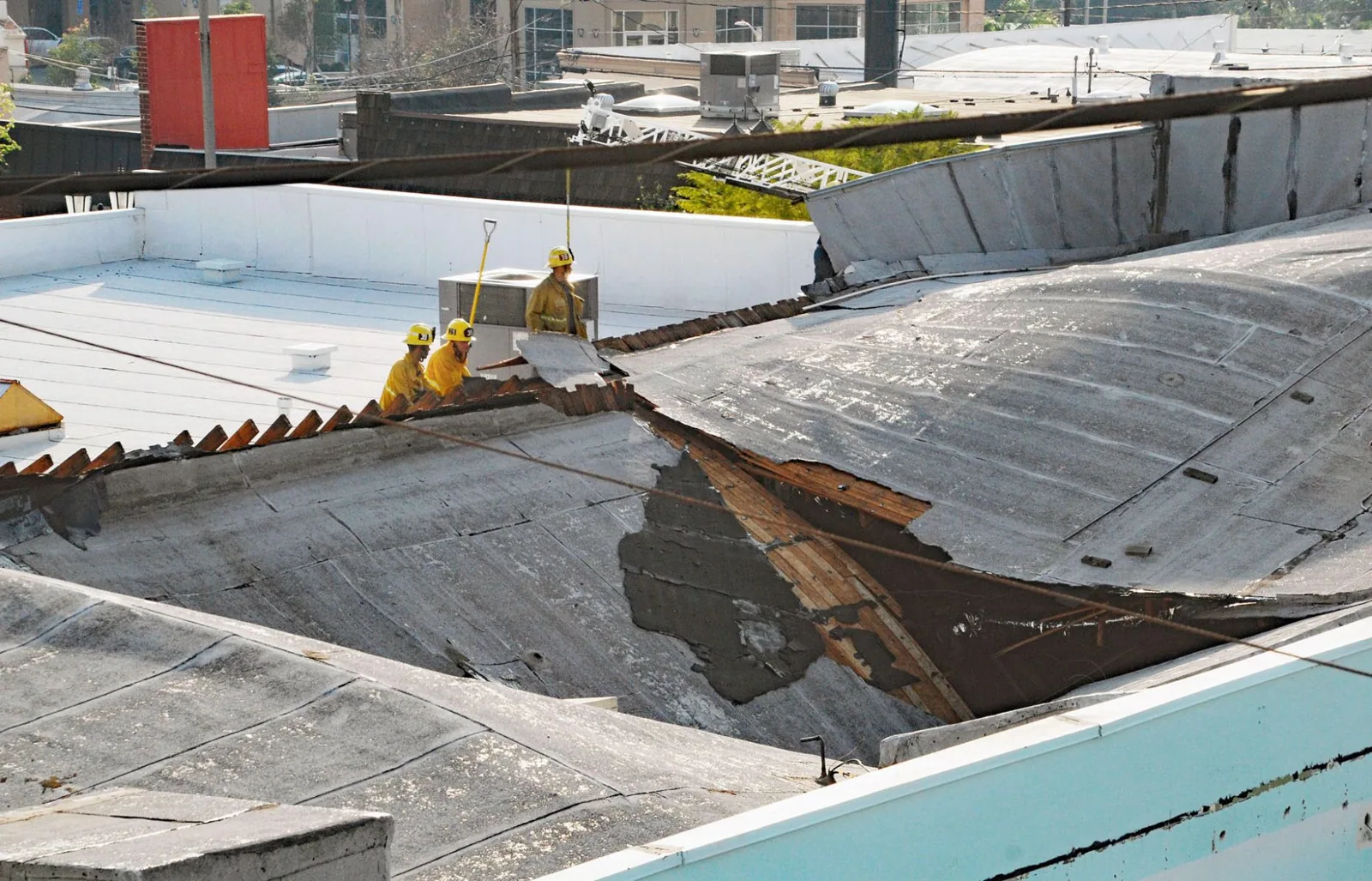
Choose a method that suits the existing roof | For an isolated defect, work may include removing degraded material, preparing the surface and tying a compatible patch or flashing into sound roof material. A coating scope should identify preparation, repair of open details, application boundaries and the intended coverage; it should not claim to restore areas that were not tested. Where the membrane has lost integrity in multiple locations, a patch-by-patch approach may not be appropriate. We define any concealed-condition allowance and explain how the owner will review an expanded scope if opening reveals wet insulation or a deteriorated deck. If wider breakdown is present, commercial roof repair can organize connected defects; a replacement evaluation may compare lifecycle options when evidence supports it. An open lap can require seam failure repair, while recurring water at a low area may need ponding-water repair. The chosen work follows conditions found, not a calendar age alone. A coating or membrane that has aged in the sun needs a repair boundary based on adhesion and substrate condition, not color alone. We check whether the exposed surface is chalking, brittle, cracked, loose at laps or separating around penetrations, then compare those signs across roof zones. South Florida’s July and August heat affects the work window and the condition of materials during preparation; we schedule the contact-approved access period and verify surface conditions before applying a patch or coating. At Coral Springs Commerce Park, industrial and distribution uses make delivery and equipment access a site question to confirm, while a nearby business property may have different tenant hours. The crew records those limits before mobilization. If a coating is considered, we identify required cleaning, repairs, dry conditions and application boundary; an unstable substrate or wet layer must be corrected or excluded before the coating scope is set. |
Schedule roof work around heat and building use | Roof access during hot weather requires the property contact to coordinate safe work periods, hydration and rest arrangements, equipment clearance and any tenant notices. The building team identifies operating hours and areas below the repair. A business around Coral Springs Commerce Park may have loading or production activity; a site at Sawgrass International Corporate Park may have its own visitor and building-management rules. We verify those requirements for the specific address. Some repairs need a dry surface and conditions within the chosen material’s installation range. If heat, rain or surface moisture prevents proper application, we explain the delay and protect an exposed area where safe. The contact should also confirm whether rooftop units can be accessed during work and who can approve temporary shutdowns. occupied-building roof planning can help coordinate a larger scope; service near Sawgrass International Corporate Park can be scheduled with its building representative. |
Set a baseline for future inspections | The closeout identifies repaired zones, materials used, surface preparation and photographs of any observed aging that was outside the selected repair. If testing or opening was not performed, we say so. The record also lists conditions that need monitoring, such as a seam or coating edge that remains serviceable but shows change. Regular observations make it easier to compare changes between seasons and distinguish a new defect from gradual surface wear. The property contact can retain dated images and repair records with the building maintenance file. A roof condition report can preserve the inspection limits and recommendations, and list any specific transition that needs separate correction. |
Commercial Roofing Questions | Does a faded roof need to be replaced?Color change alone is not enough to determine performance. We inspect seams, details, coating continuity and water entry before comparing repair and replacement options. Can UV exposure make a roof brittle?Materials respond differently to age, exposure and maintenance. We record observable cracking or loss of flexibility and identify testing needed before defining the affected layers. Can a coating restore any aging roof?No. The substrate, moisture, existing layers and detail condition must support the application. Failed material or open transitions may need correction before coating is considered. Why schedule roofing work early in the day?Surface and weather conditions can affect worker safety and product installation. The appropriate work window depends on the roof, site rules and conditions on the scheduled date. How can we track roof aging over time?Keep dated photographs, inspection notes, repair records and observations from the building team. A consistent record helps compare conditions without assuming every change has the same cause. |
Request a heat and UV condition review | Share the property address, roof system if known, reported surface changes, repair history and site access contact. We can document observable aging and explain what further testing is needed before selecting a repair. Request a Roof Assessment 555-555-5555 |
|
|
REQUEST AN ASSESSMENT
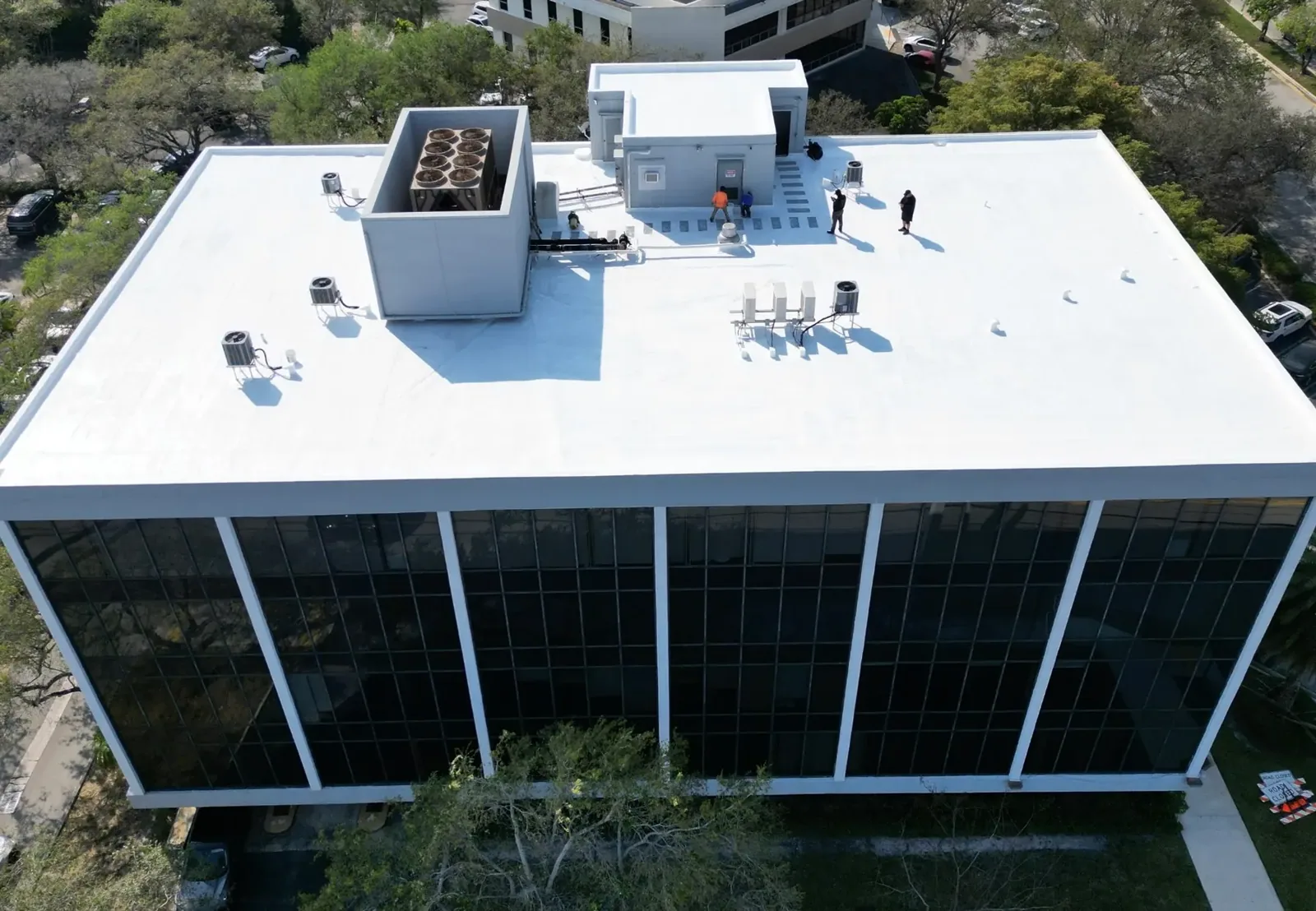 |