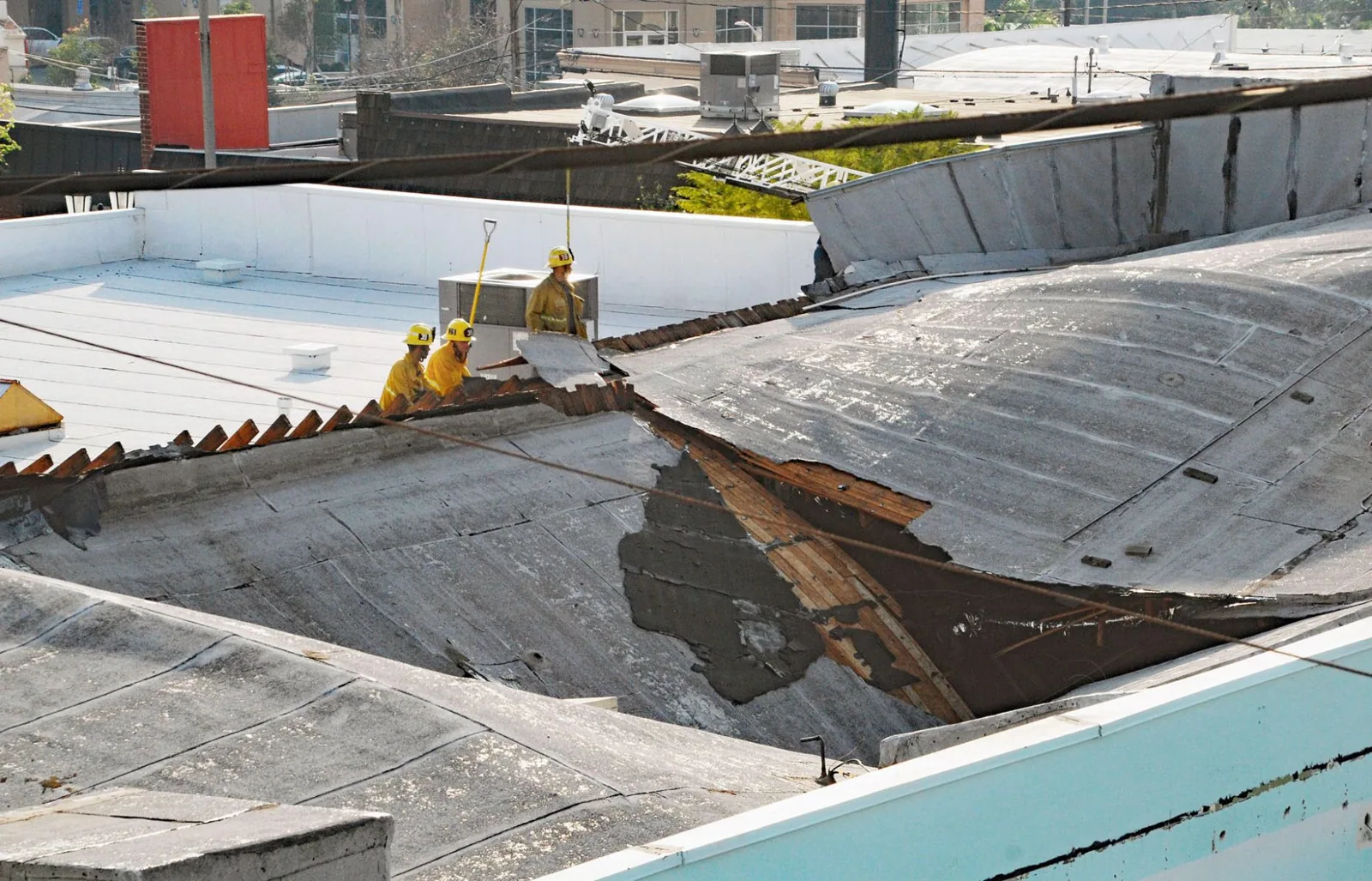
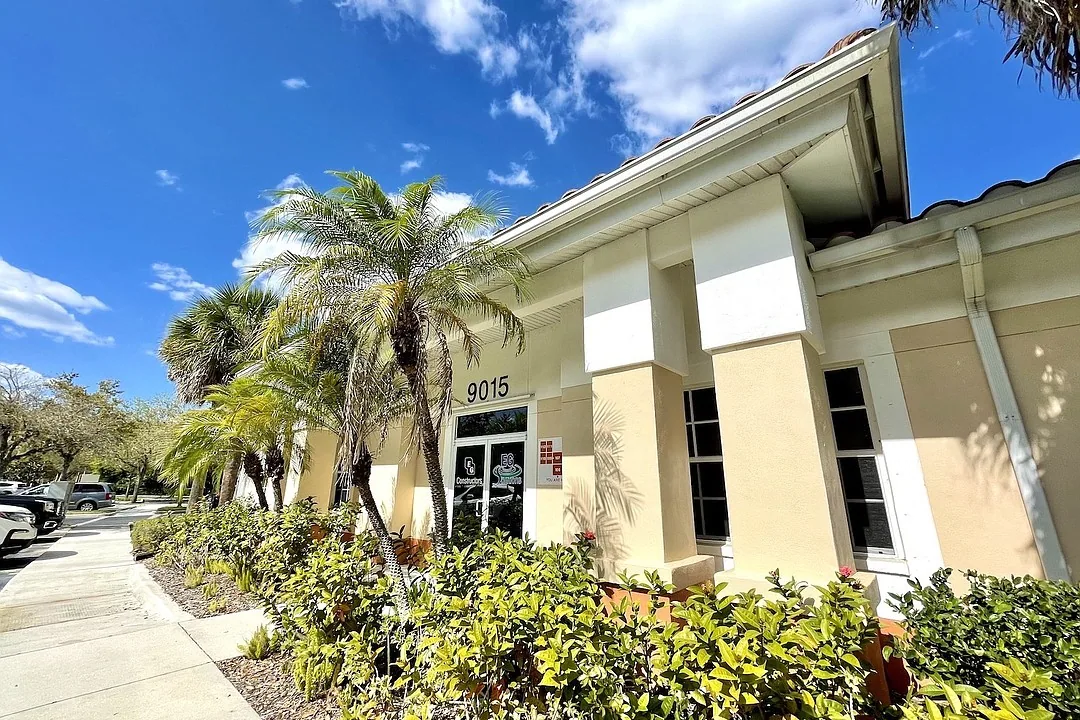
Commercial Tornado Damage Roof Repair in Coral Springs, FL
|
|
|
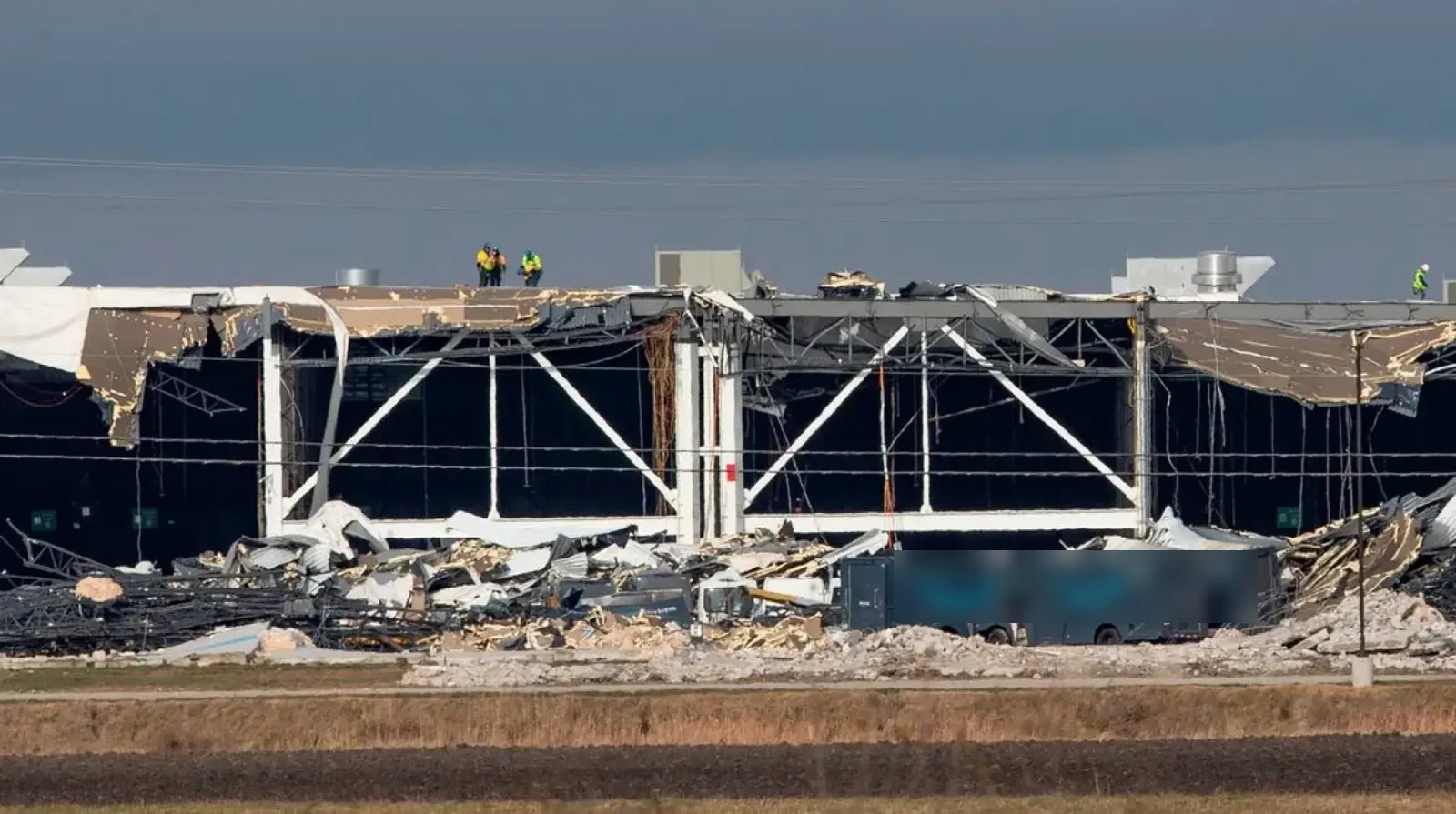
| South Florida’s wet-season hazards include tornadoes, and reported exposure gives a property owner a reason to inspect roof zones before approving a permanent repair. We check accessible edges, penetrations, panels, drainage and interior water reports, then mark each observed condition for the scope. The site contact supplies the event timing, safety status, access authority and areas of concern so the inspection starts at the right building and roof section. At a property near Coral Springs Civic and Retail Shuttle Nodes or Coral Springs Commerce Park, the property representative confirms the actual crew entrance, roof route and staging point. We keep those directions with the work order, then note any restricted roof area for follow-up after it is released. |
Verify site safety before dispatch | We ask whether emergency responders or building staff have restricted any area, whether utilities are safe and whether a structural review is required. A roof exposed to debris, displaced equipment or visible movement may not be safe to enter. The authorized contact shares available photographs, interior reports and the exact areas where damage is suspected. We record that information as a report and do not treat it as an inspection finding. Once access is released, the property representative identifies the approved ladder or hatch, escort, roof route and limits below. If a work area is near an active entrance, the contact can establish a temporary exclusion zone. At a facility near Downtown Coral Springs, the public-facing address does not necessarily identify a safe crew route. We confirm these arrangements before tools or materials arrive. If the building remains open to weather, a temporary response can address a safely reachable exposure. |
Look for displacement and impact paths | We examine perimeter metal, membrane terminations, roof panels, rooftop equipment, penetrations and drainage around the reported zone. A high-wind event can move more than one component, so we note loose attachment, lifted edges, fractured material, debris punctures and any blocked water route. We photograph the observed condition and its relation to adjacent details. A roof assembly that appears intact from the ground still needs an accessible close inspection to confirm its condition. Interior water reports are compared with possible entry points, but a stain does not reveal where water first crossed the roof. We document the path that can be followed and mark any portion concealed by equipment or unsafe to access. If the deck, support or rooftop equipment may have shifted, the appropriate building or engineering professional must determine whether roofing work can safely continue. A commercial roof inspection can document accessible sections; an active leak can be traced through commercial roof leak repair. |
Use temporary measures only on a released surface | Where an opening is confirmed and roof access is safe, a temporary barrier may reduce further water entry. It must be secured to a suitable surface without adding load to an uncertain deck, blocking drainage or becoming loose in changing conditions. We mark its footprint and tell the site contact what must be checked until permanent work. Protection is not installed over a zone that remains under structural or responder restriction. If the surface is unstable or an attachment point cannot be trusted, a quick cover can create another hazard. We explain why work cannot begin and coordinate with the authorized contact on what clearance is needed. A temporary measure covers only the defined opening; it cannot verify the assembly beneath or neighboring sections. The building team receives that distinction in writing, together with any expected follow-up visit after conditions improve. |
Separate roof repairs from structural restoration | After clearance, the roofing scope identifies the damaged layer, removal required, repair materials, tie-in boundary and close-in check. A displaced edge, torn sheet, damaged panel or failed penetration each calls for its own method. If the deck or support is affected, that work must be evaluated and cleared before the roof can be restored. We note which decisions depend on opening the assembly and ask the owner to approve that next step. Where several defects are verified, the written scope lists each zone rather than assuming one broad cause. A local opening may be repaired through commercial roof repair; extensive damage or a roof with separate system-wide decline may warrant a replacement evaluation. An open lap can need seam failure repair, while bent edge components may require work on the displaced perimeter. Each item remains subject to safe access and verified conditions. After the first inspection, we sort findings into roof-system repairs, temporary protection and items awaiting structural or mechanical clearance. The scope names which trade controls each hold point and what roofing work can follow. If a roof system remains exposed, temporary protection is checked and photographed before permanent materials are staged. That keeps the repair order tied to approved access and visible conditions. |
Manage access at a damaged property | After a severe event, roof repair may occur alongside debris removal, interior cleanup and building-system checks. The site contact coordinates those activities and tells us which entrances, roof zones and interior areas are available. A commercial property close to Coral Springs Commerce Park may have loading and vehicle controls; a facility near Coral Springs Civic and Retail Shuttle Nodes may have public circulation constraints. We confirm each property’s own rules rather than assume how a named area operates. If several trades need the same roof, the contact can set an order of work and identify who may authorize a scope change after materials are removed. We communicate any temporary limits on an entrance, equipment or occupied zone. Work should not resume in an area that is still closed by a responsible authority. A roof work coordination plan can support a phased return, and local service at Coral Springs Commerce Park can be scheduled through its property representative. |
Document what has and has not been restored | We provide photos of the conditions inspected, repairs completed, material transitions and any remaining exposed or restricted zones. The record names tests performed and areas not reached. If structural, electrical or equipment review remains open, it is assigned as a separate handoff, not described as part of roofing closeout. We also identify temporary work and the time or condition that should trigger another visit. The owner can use the report to direct later maintenance or restoration reviews. If a new leak appears after the repair, the condition needs its own location and date so it is not confused with the original defect. A roof condition report can retain photographs and limits, while ponding-water repair can address standing water if a drainage defect is independently found. |
Commercial Roofing Questions | Did a tornado damage my Coral Springs roof?The roof inspection records the conditions visible at this property, including openings, displaced edge details and impact marks. We compare those findings with the reported event date and identify any area that needs another review. Can you inspect while the building is under an emergency restriction?No roof entry should occur until the responsible authority and property contact release the area and define safe access. Restricted sections remain outside the inspection. What if the roof deck may have moved?That concern needs appropriate structural review before roofing crews work on the affected area. We can document visible roof conditions once access is cleared and identify the needed handoff. Can you tarp a damaged commercial roof?Temporary protection depends on safe access, a stable attachment surface and the building’s restrictions. We explain where it can be installed and what it cannot verify. What photos should we take?From a safe area, capture the property, visible debris or openings and any interior water reports. Do not enter a restricted or unstable roof zone to get a closer image. |
Arrange a post-event roof inspection | Provide the address, current release status, suspected roof area, available photographs and the authorized access contact. We can inspect cleared zones and document repair requirements and outstanding limits. Request a Roof Assessment 555-555-5555 |
|
|
REQUEST AN ASSESSMENT
 |